

As we reach the middle of October, Ethan has started to get into the groove of his learning activities. There’s always an adjustment period between the end of summer and getting back into a routine for learning. This is in spite of the fact that Ethan had a learning schedule during the summer. Learning happens all the time, every day in many ways, and each year represents a new perspective and optimism for the upcoming learning.
Here’s what Ethan was up to, as written by Ethan…
Hi! This is Ethan! This week, I continued my taekwondo and violin classes, and kept going with swimming as well! I also texted my friends, and video called with them! These days, I’m not going to the library as much, but I think I’m doing well with my studying! Here is everything else I did:
| LC Response |
I too feel like September is a get back into the groove month in regular school too and then in October and November you really hit your stride and dive into learning…sounds like Ethan is finding his.
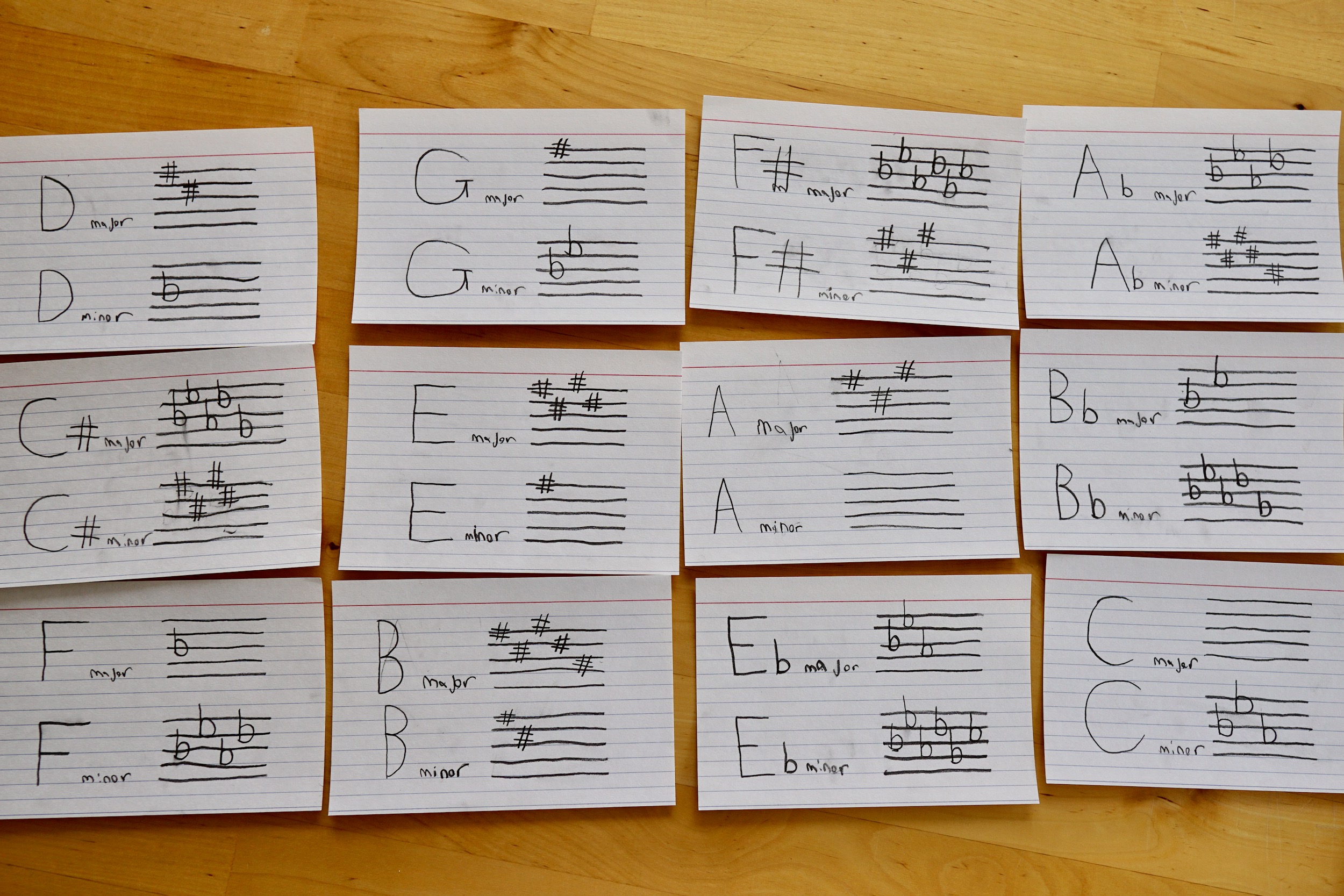
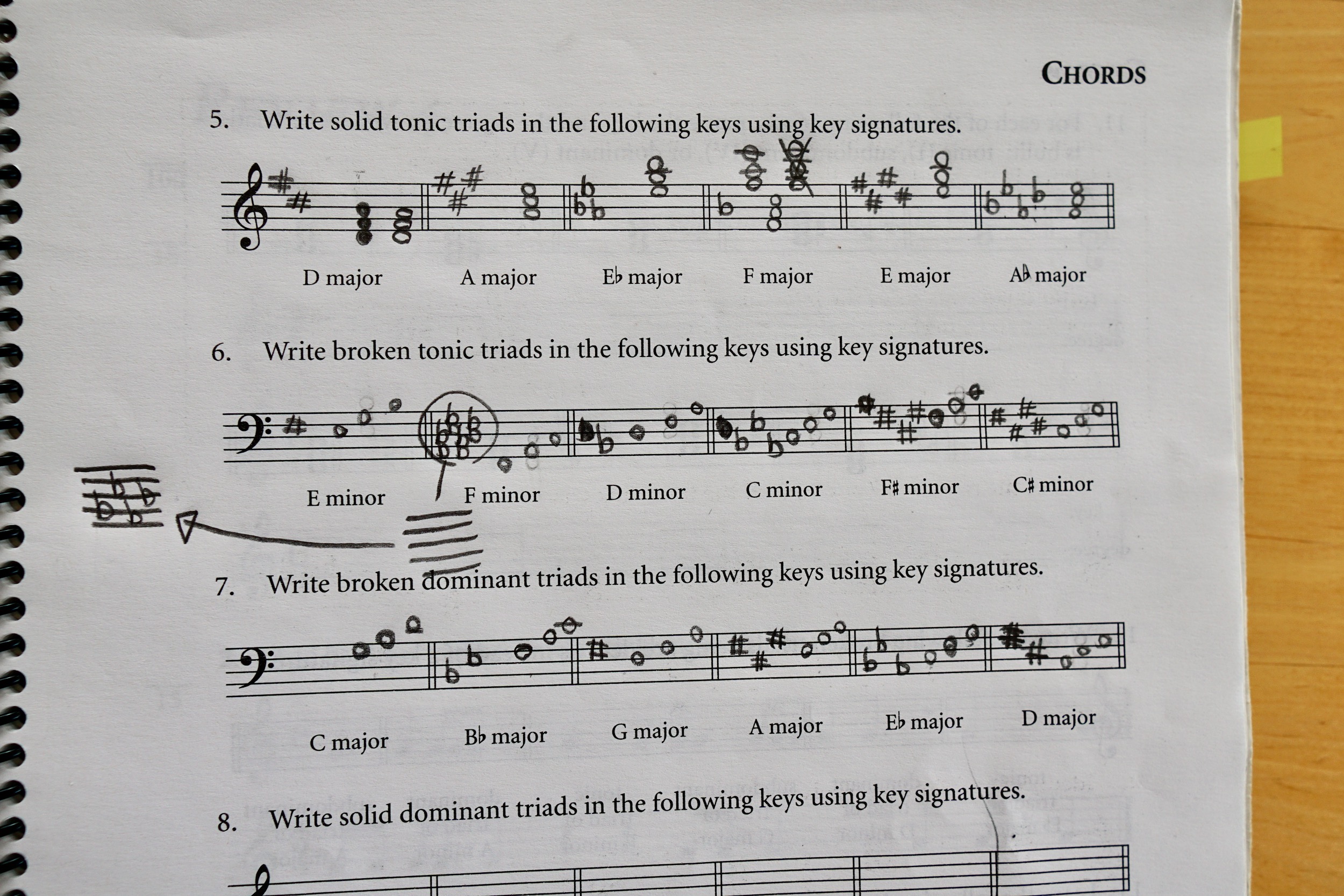
- These days, for violin theory homework, I’m learning about key signatures, so I made FLASHCARDS for them!
Good for you! Have you made flashcards before? I don’t seem to remember any…Do you think you will share your flash cards and practice with any of your other friend who play violin?
Have you been doing the Genius Hour or grade 6/7 workshop ? Just wondering…
Also do you have any kindergarten highlights or memories to share? If you taught kindergarten what would you want to teach 5 year olds?
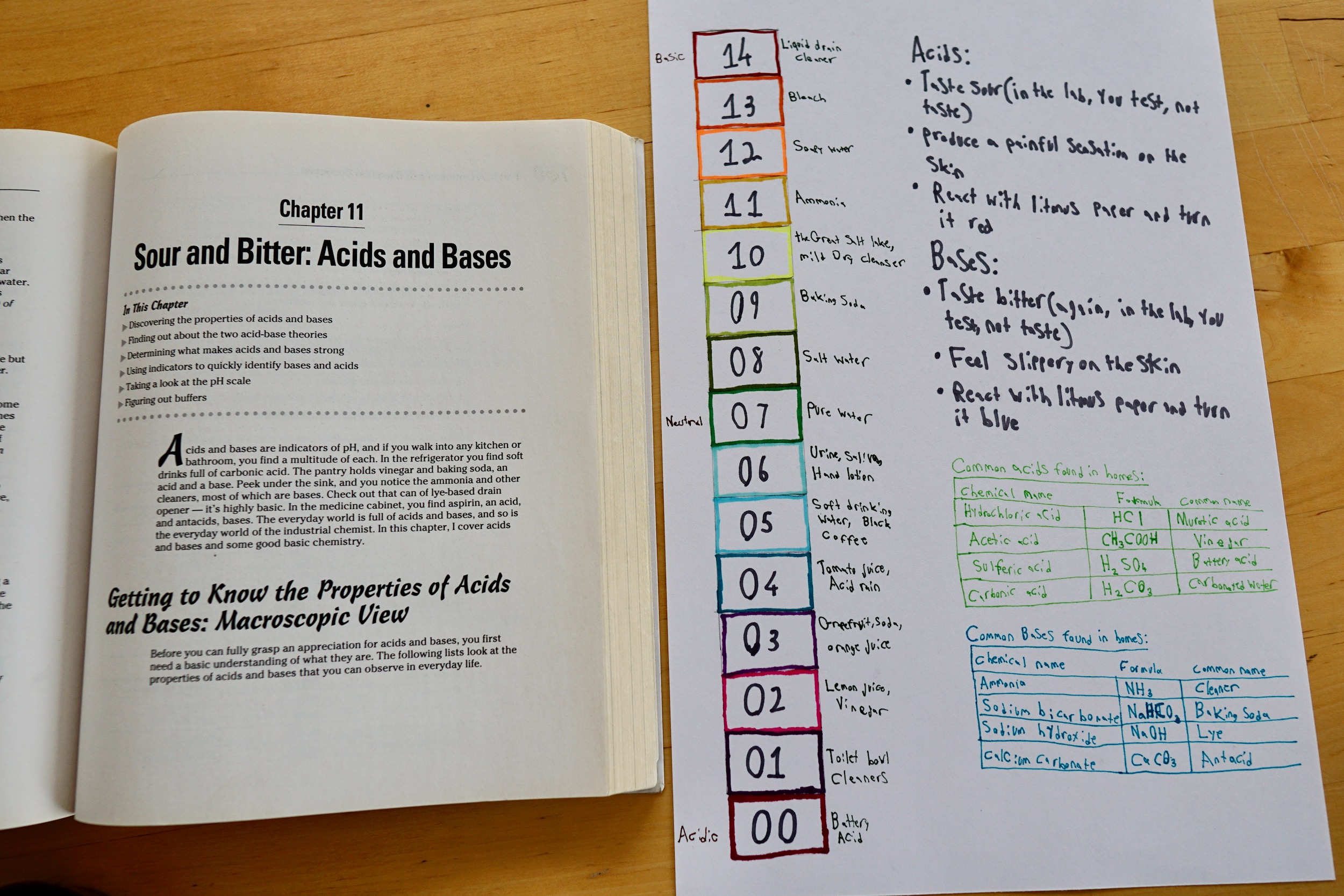
This week, I also started to learn about acids and bases, and I made a huge Ph scale! A Ph scale is a way to measure how acidic something is. Zero means REALLY ACIDIC and 14 means REALLY BASIC. (Basic is the opposite of acidic.) This was for my study of chemistry, and I got the information from “CHEMISTRY FOR DUMMIES!”
I had a swimming pool growing up and we often had to test the PH of the water it was so much fun to watch the colors change and compare it against the scale. I think you can easily get PH testing papers too. This is a fun way to test the PH of all sorts of easily to find home liquids. It looks like you can find them at Walmart and pharmacies and hardware stores.
Litmus and pH paper contain a chemical that changes color as it makes contact with an acid or base. The paper will turn red in acids and blue in bases. Usually a color chart is provided with the pH paper in order for the user to determine the pH range of the indicator.

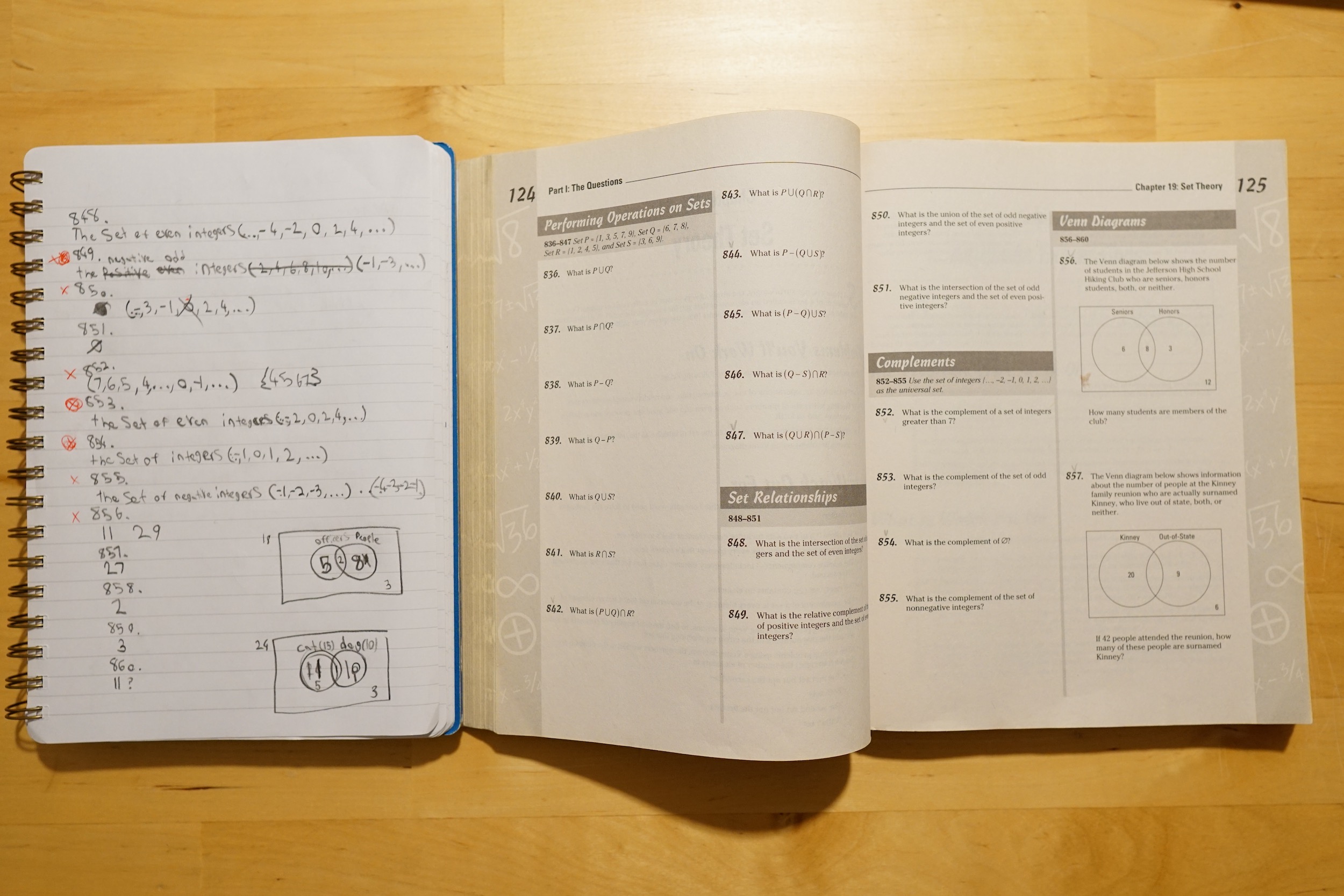
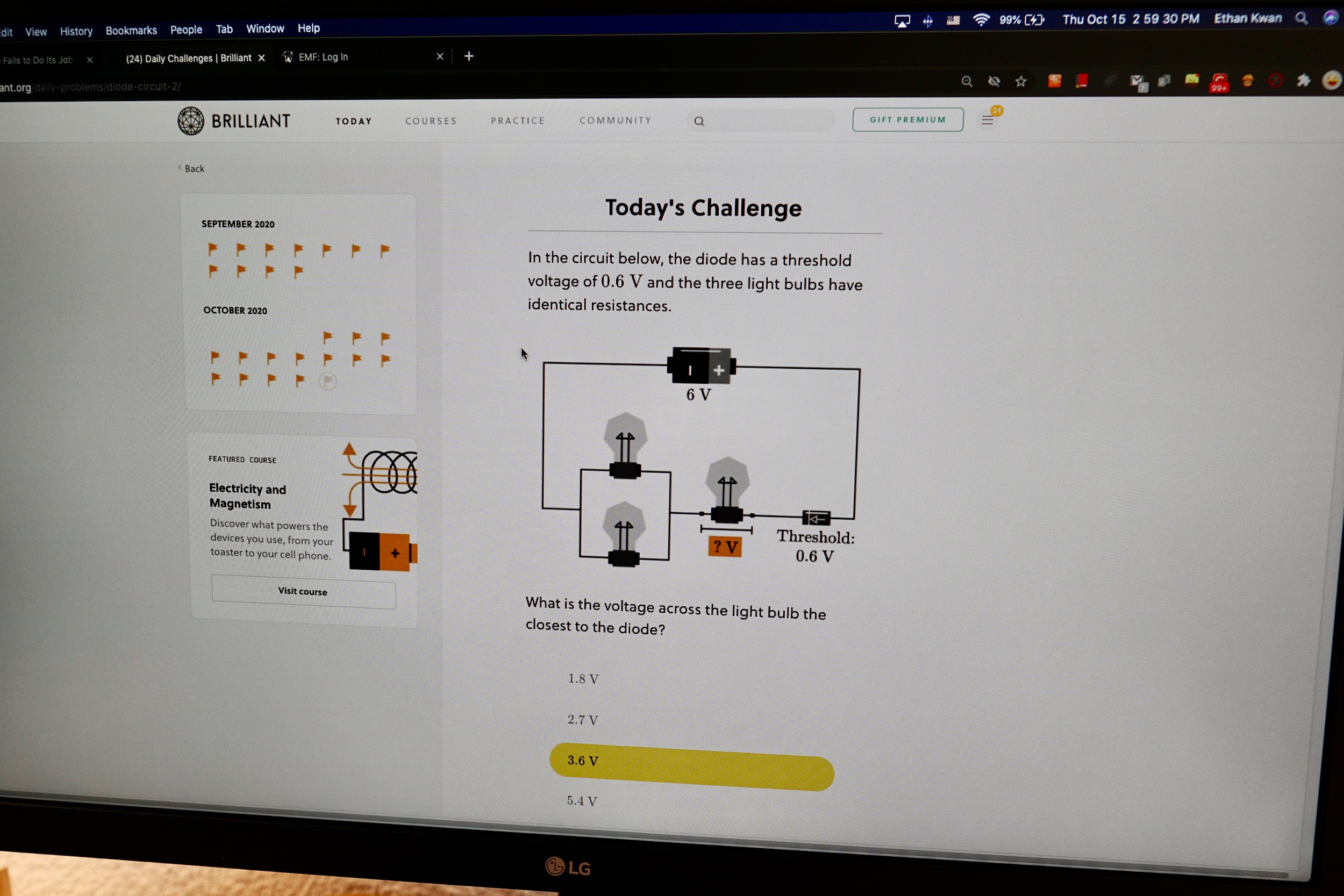
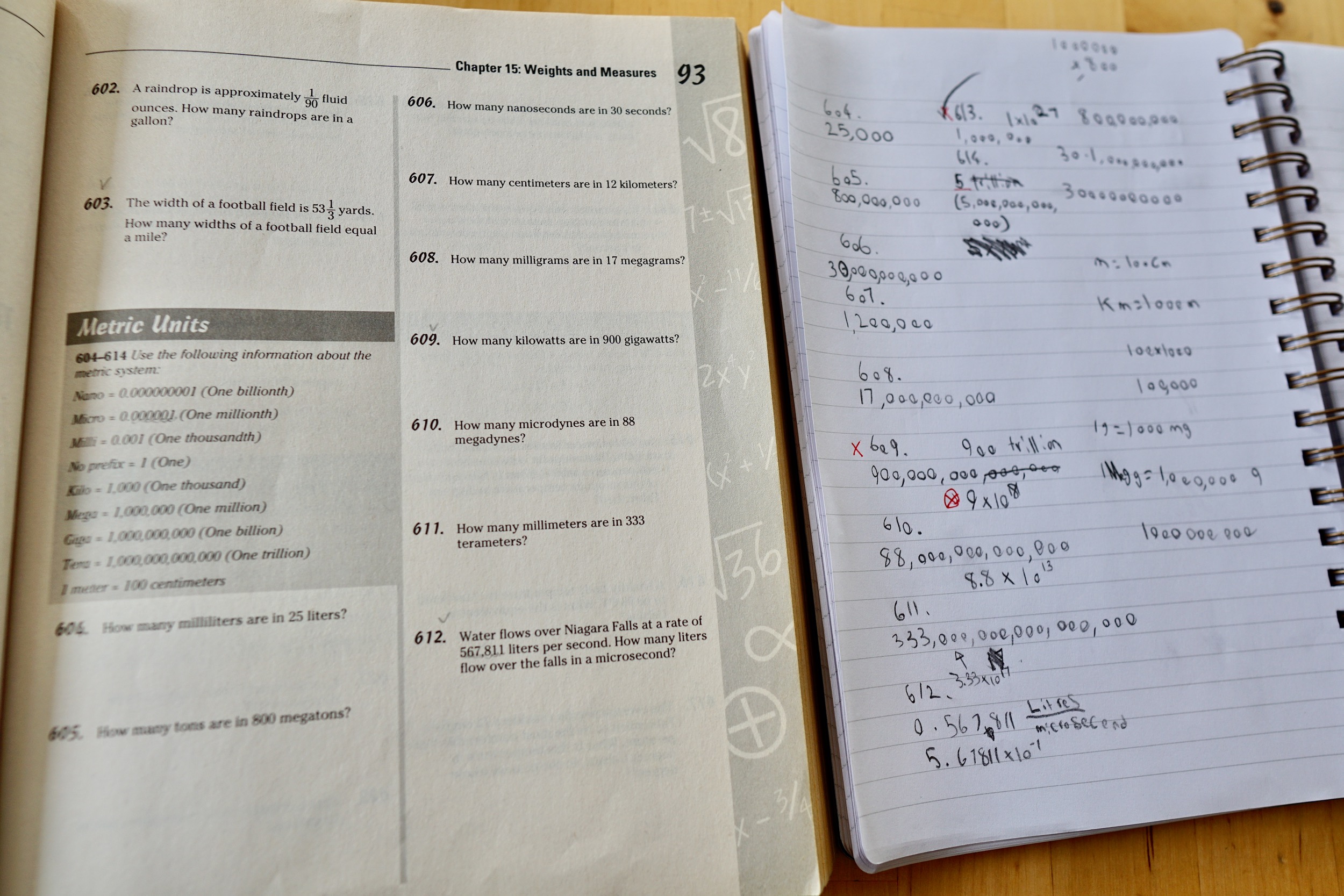
I also did some problems about something called Set Theory. Set theory is the idea of sets! a set can be like: {23,45,64,34} or {1,3,5,7,9,11} or {51, 102, computers, a, b, c} or {EMF, Brilliant}! I learned about this for math, and this is the book: “1001 Basic Math and Geometry Problems for DUMMIES!”
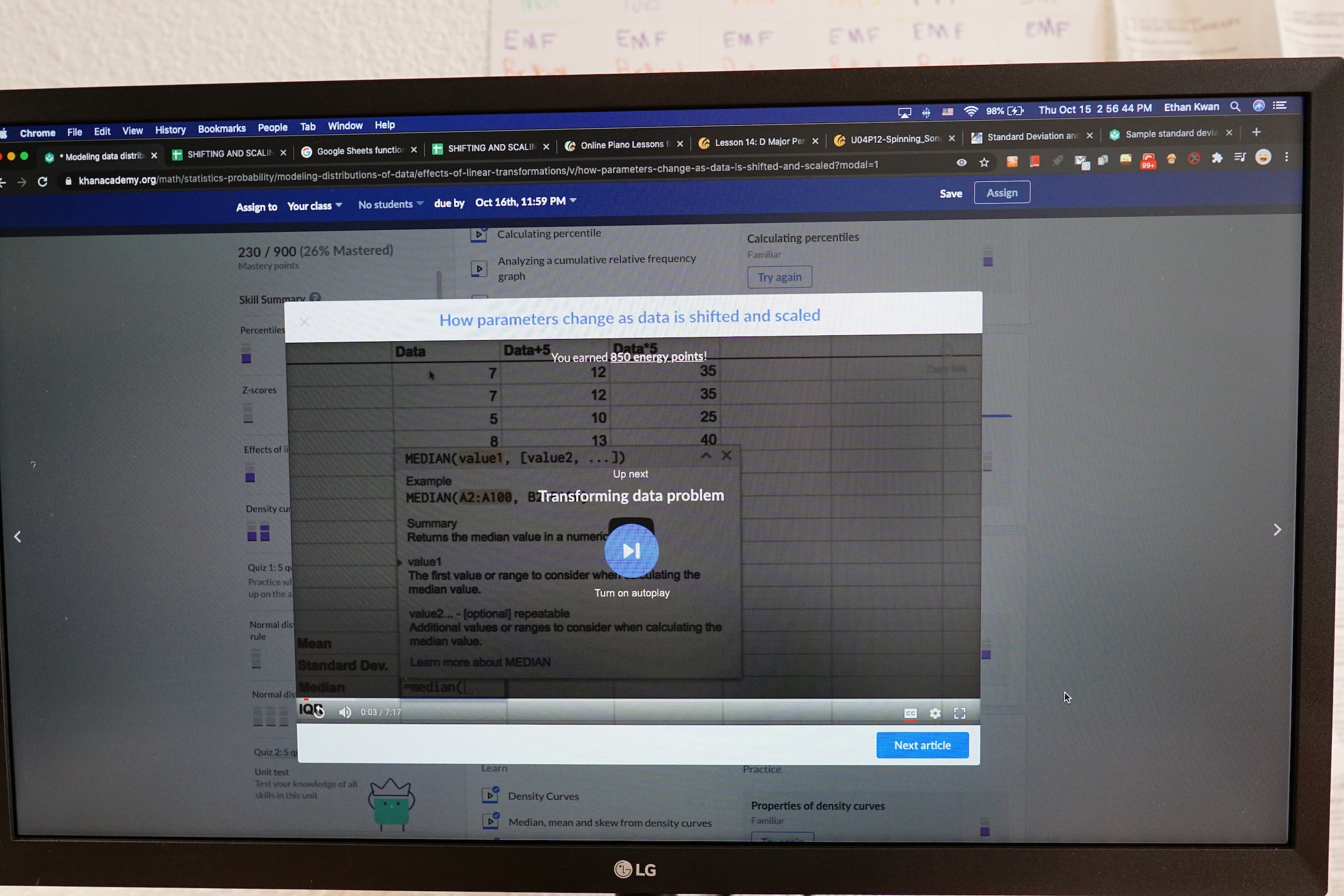
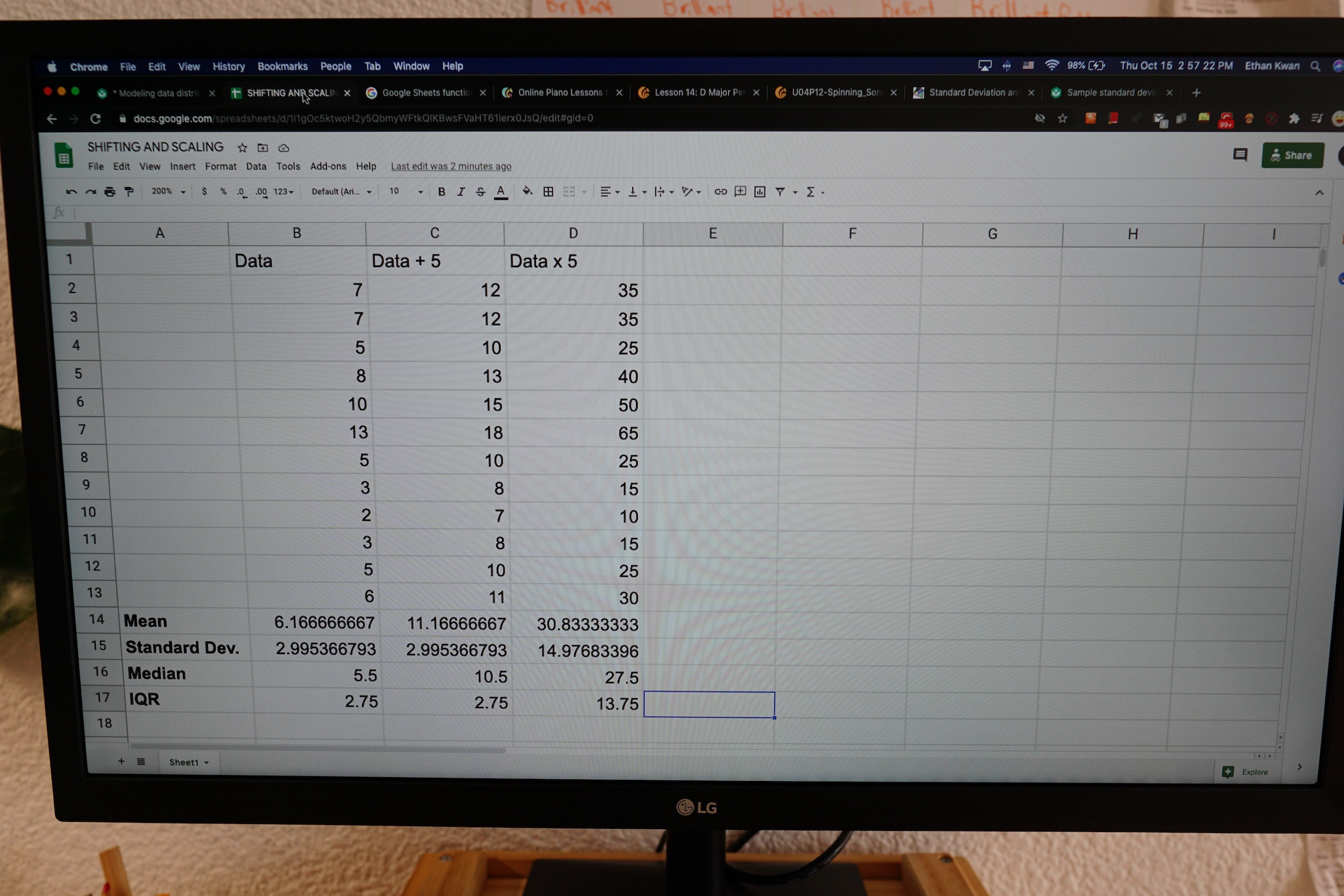
I learned about some data parameters (like MEAN, MEDIAN, IQR), and what happens if the data is shifted, or scaled. I just did this as a bonus statistics problem. I learned this from Khan Academy.
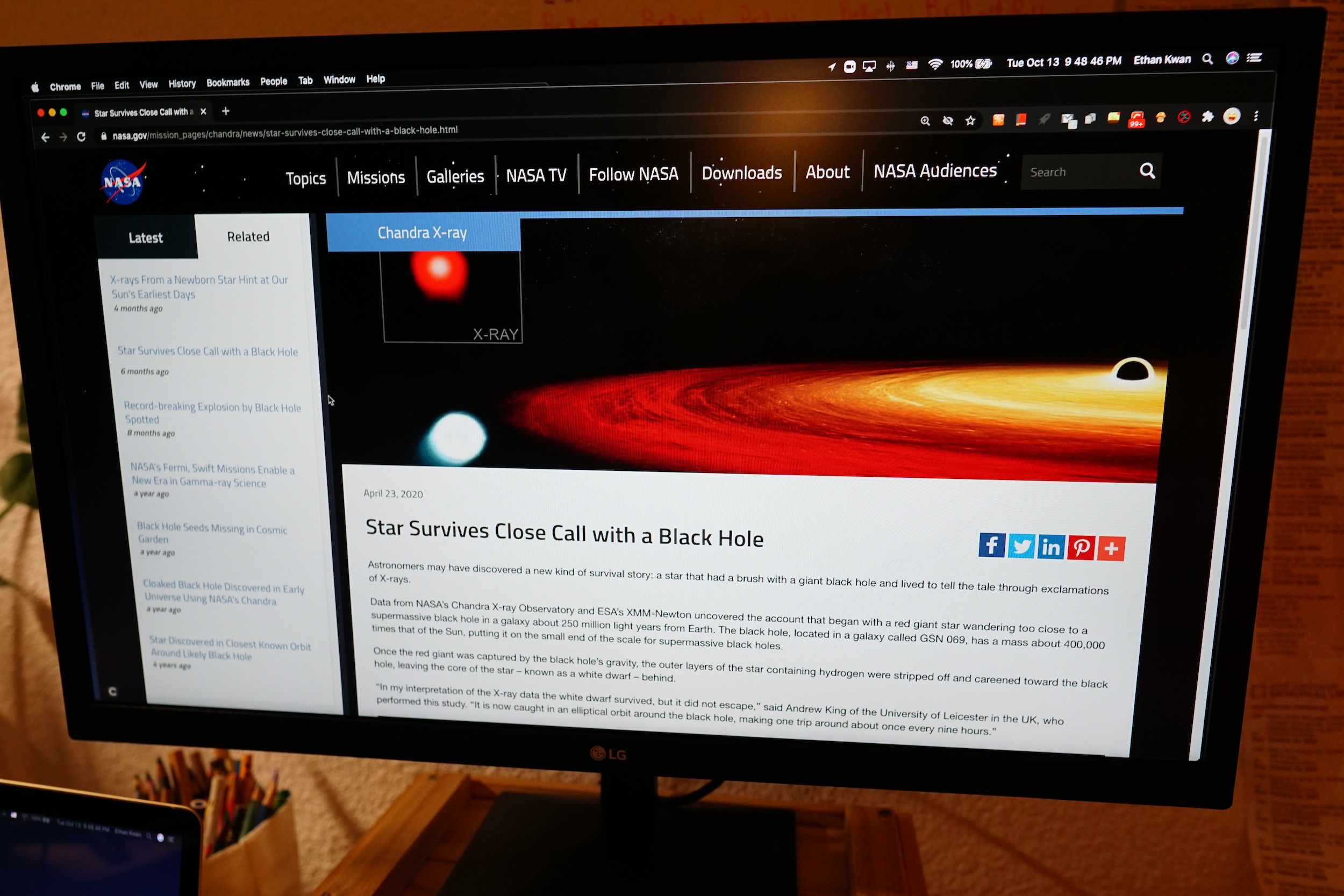
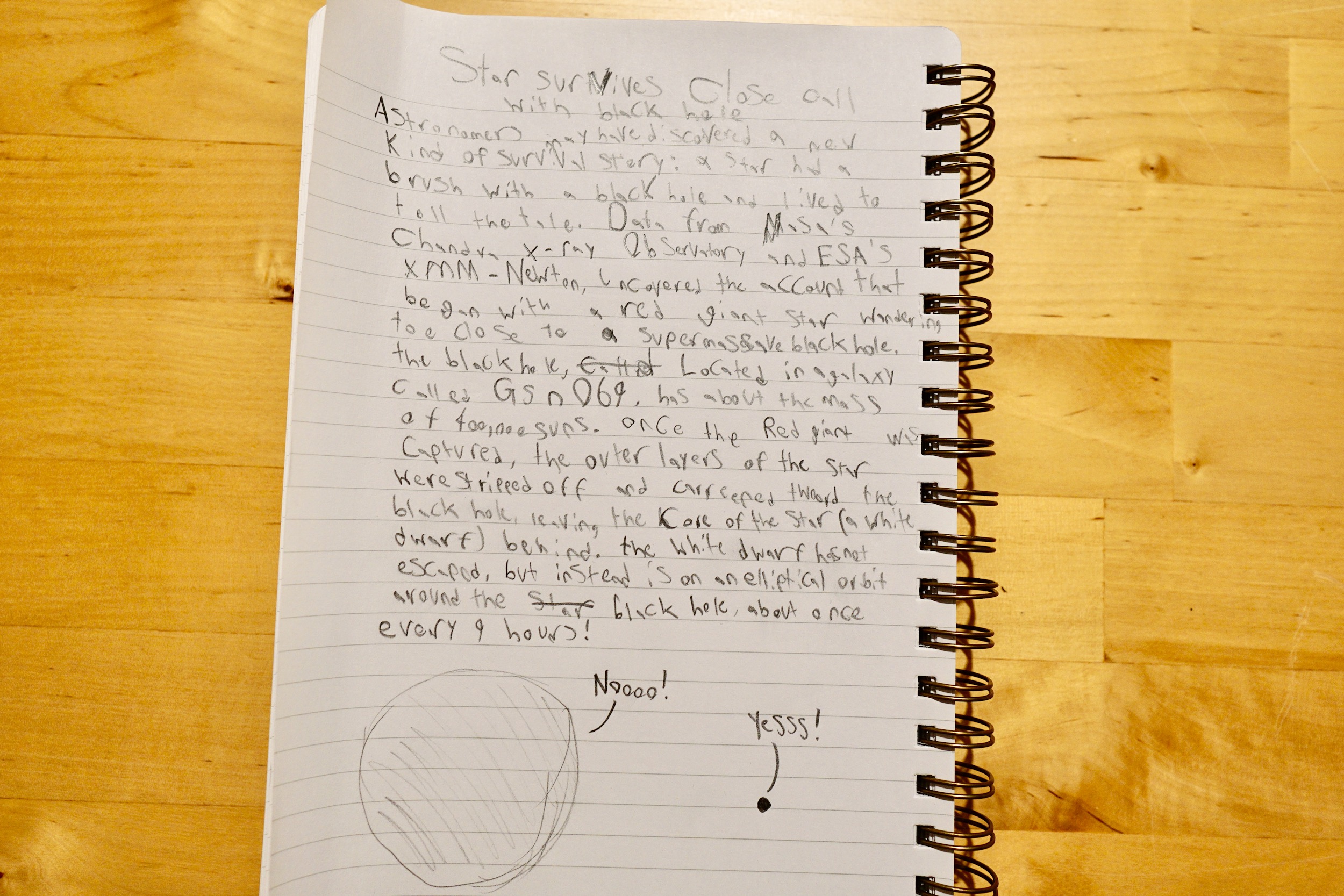
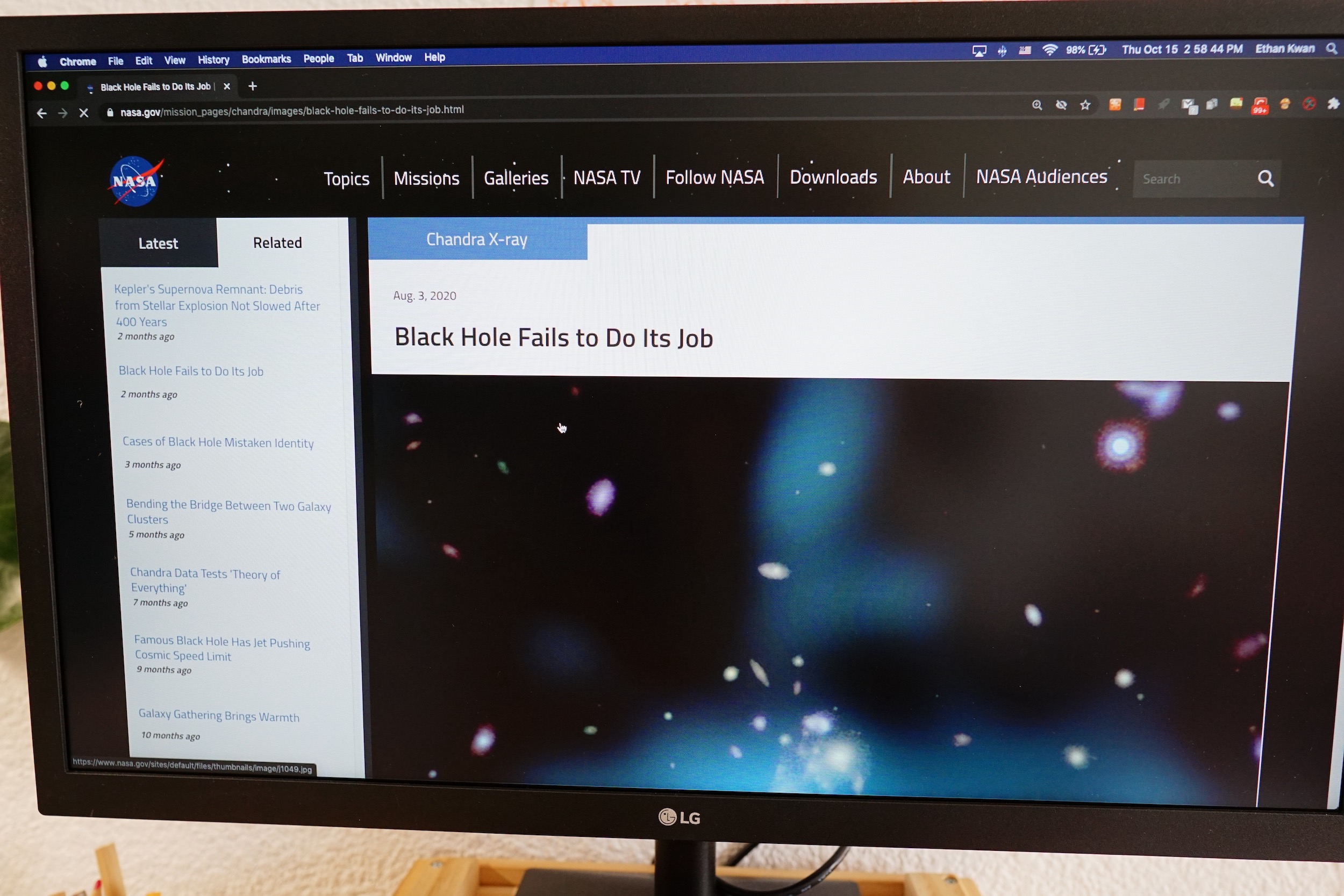
I learned about a black hole, And how a star came really CLOSE to it, and survived! This was from the NASA website. Close call indeed!!
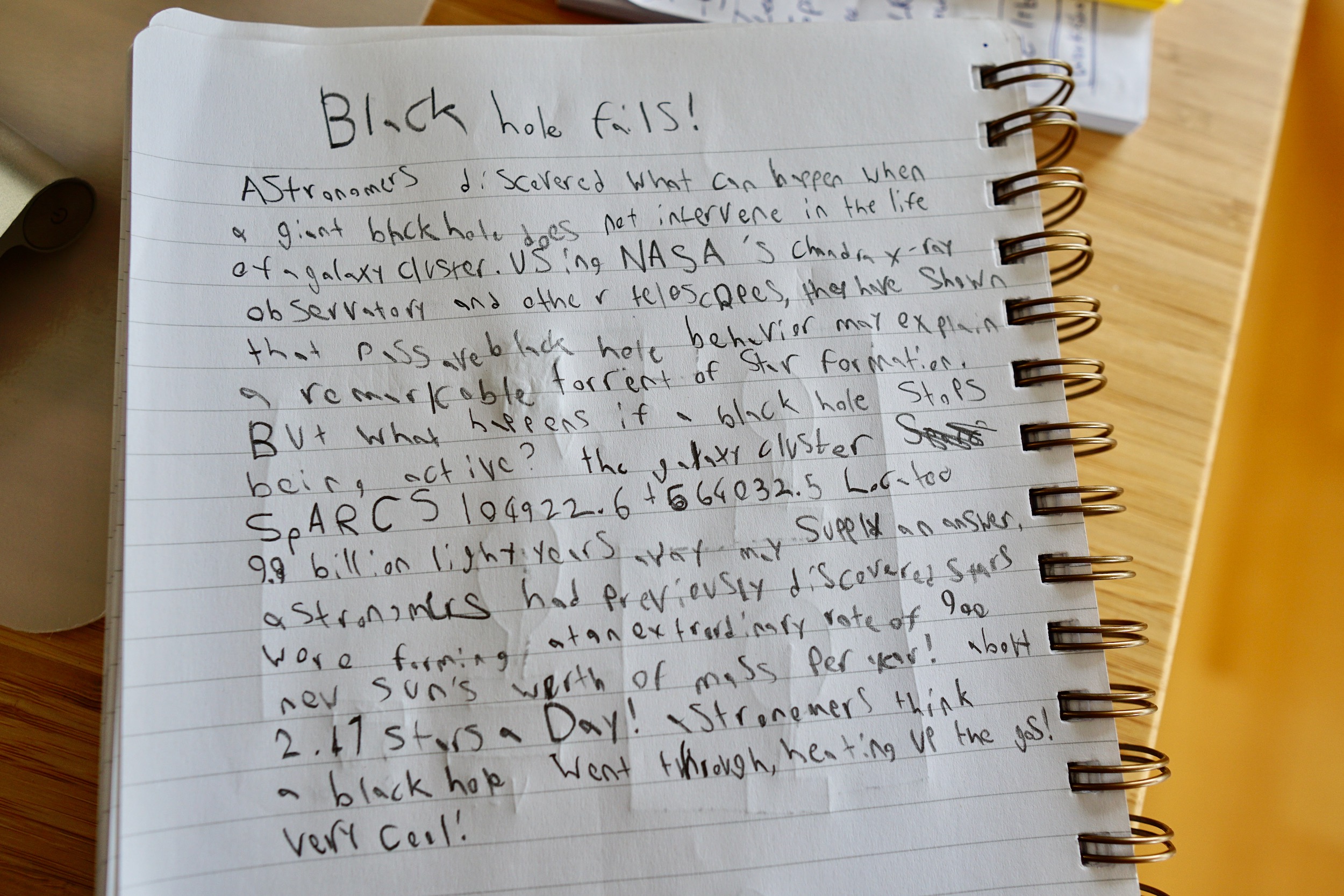
I learned about a black hole, and how it failed to eat stars, and instead, helped create more stars!
Astronomers have discovered what can happen when a giant black hole does not intervene in the life of a galaxy cluster. using NASA’s Chandra X-ray Observatory and other telescopes they have shown that passive black hole behavior may explain a remarkable “torrent” of star formation occurring in a distant cluster of galaxies. galaxy clusters contain hundreds or thousands of galaxies pervaded by hot, X-ray emitting gas that outweighs the combined mass of all the galaxies. Ejections of material powered by a supermassive black hole in the cluster’s central galaxy usually prevent this hot gas from cooling to form vast numbers of stars. This heating allows supermassive black holes to influence or control the activity and evolution of their host cluster. But what happens if that black hole stops being active? the galaxy cluster SpARCS104922.6+564032.5 (SpARCS1049 for short) located 9.9 billion light years away from Earth is supplying one answer! based on observations from NASA’s Hubble Space Telescope, astronomers had previously discovered stars were forming at an extraordinary rate of about 900 new Suns worth of mass per year in SpARCS1049! About 2.47 stars a day!!!! this is over 300 times faster than the rate at which our galaxy, the Milky Way, is forming its stars! Very, Very cool.
That is interesting! What makes a black hole create stars vs. destroy them? What are the key components of this phenomenon? I read your blog above, but I think I am still confused. Maybe you can explain it to me a bit more next direct contact we have….
Yes it is important to know how statistics are compiled and delivered. Whether it is the mean, median or mode makes a huge difference. Here is more on how data can shift the data, mean, mode etc. https://www.kristakingmath.com/blog/effect-on-mean-median-mode-by-changing-the-data
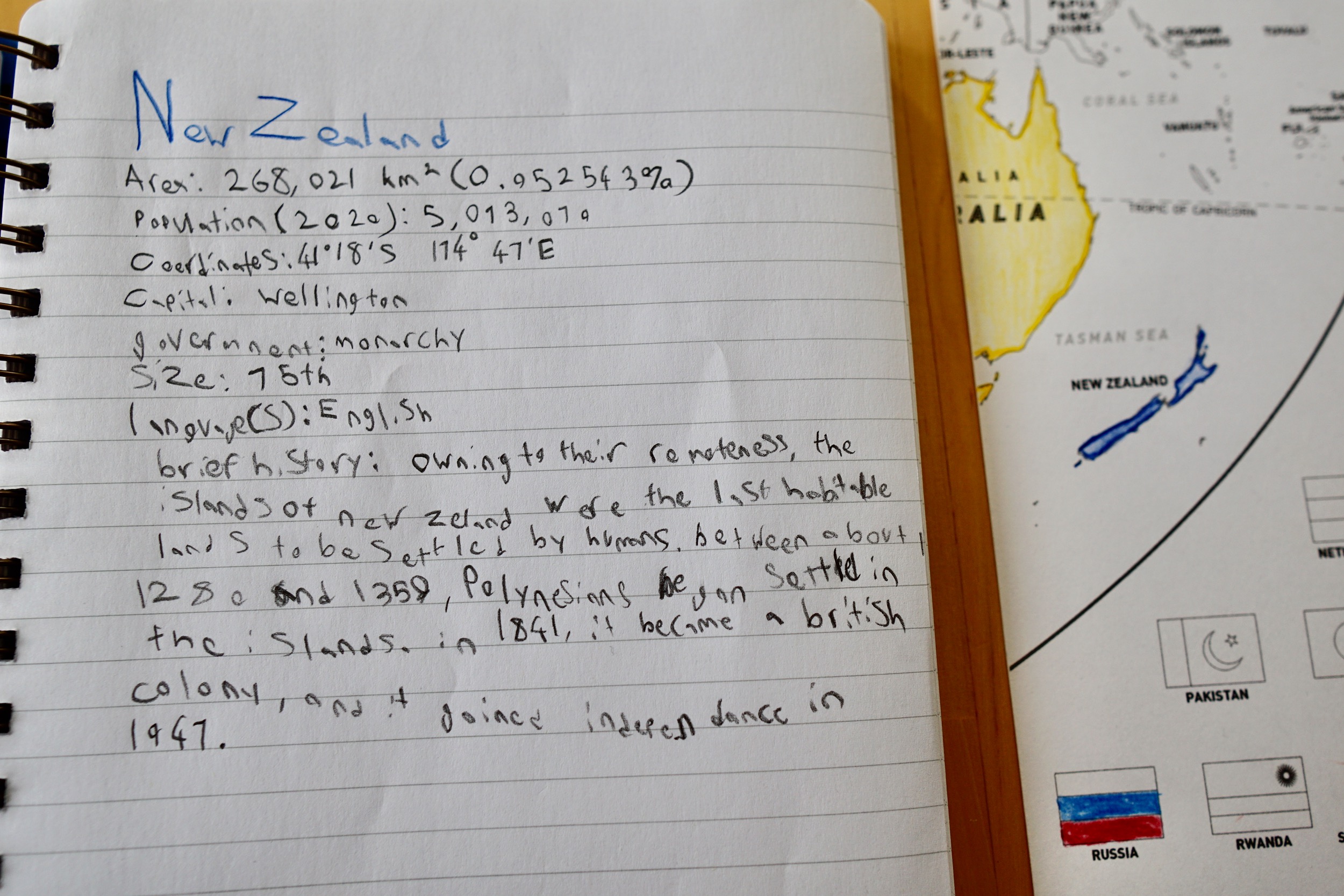
This week, I learned about New Zealand for Geography.
I really want to go to New Zealand someday. I think the geography and topography there is beautiful. Besides collecting data did you look on google earth or images of New Zealand?
Here are a few to peruse:
http://www.mightycampers.co.nz/blog/pages/40-stunning-images-of-new-zealand.aspx
Here are some incredible photos in New Zealand:
Recent Comments