
Now that December is upon us, thoughts have turned to Christmas. We started the week by making our Christmas tree and, as usual, Ethan did a lot of different things. I’ve also been asked by more people about unschooling and how Ethan spends his days.
It’s good to see that what we’re doing is getting people talking about alternative forms of education.
Anyway, here’s what Ethan was up to…with many of this past week’s photos having been taken by Ethan.
November 25
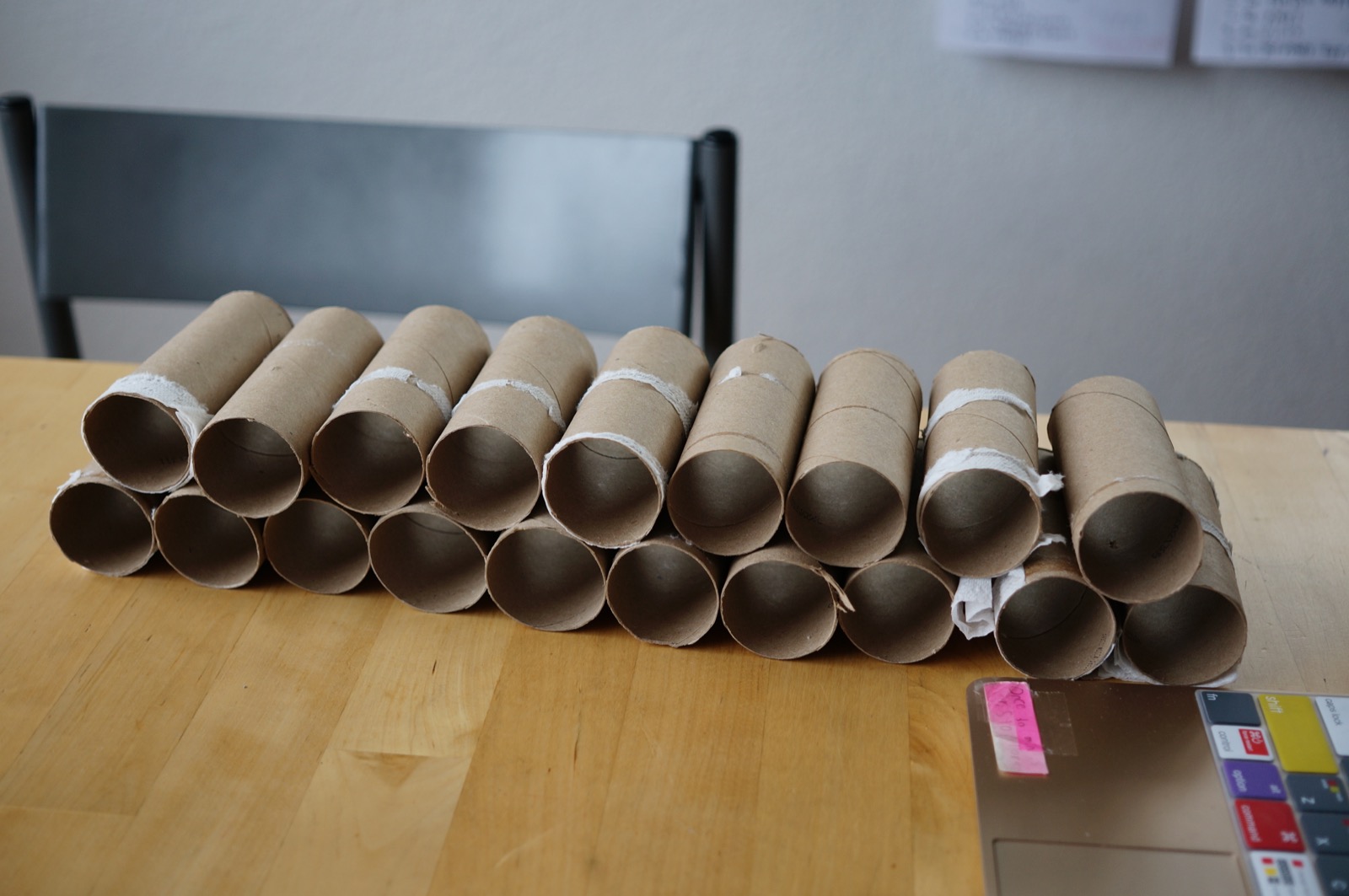
Time to make a Christmas tree for this year. Ethan had planned to use toilet paper rolls to make a tree and we were collecting them for some time, but threw a bunch out. This is what Ethan had to work with.
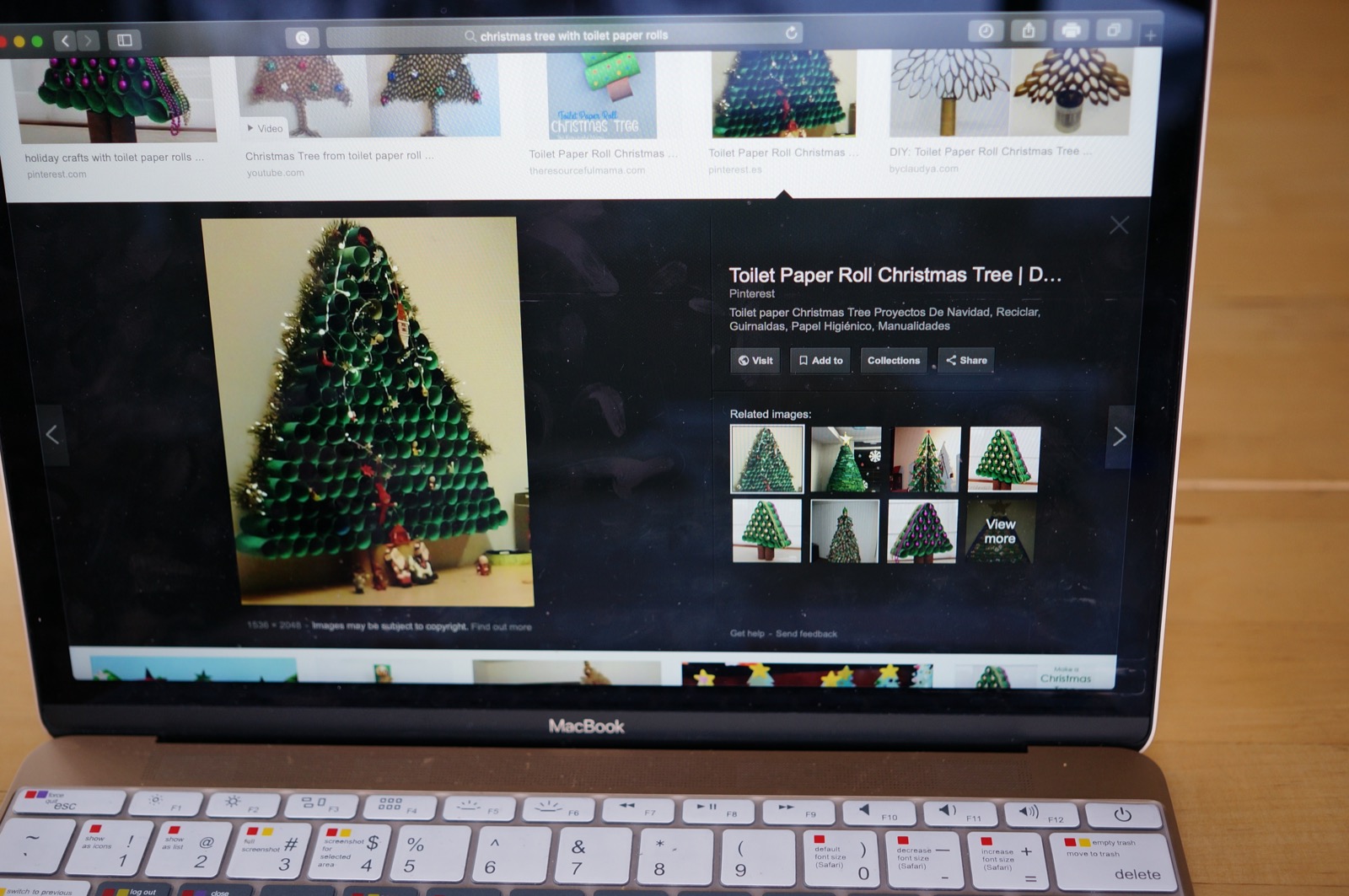
Ethan calculated how many toilet paper rolls he would need if he wanted to make the tree a certain height, such as in the photo of the tree we found online.
We finally decided that to maximize the toilet paper rolls, we would cut them in half, which would double the number of rolls we could work with.
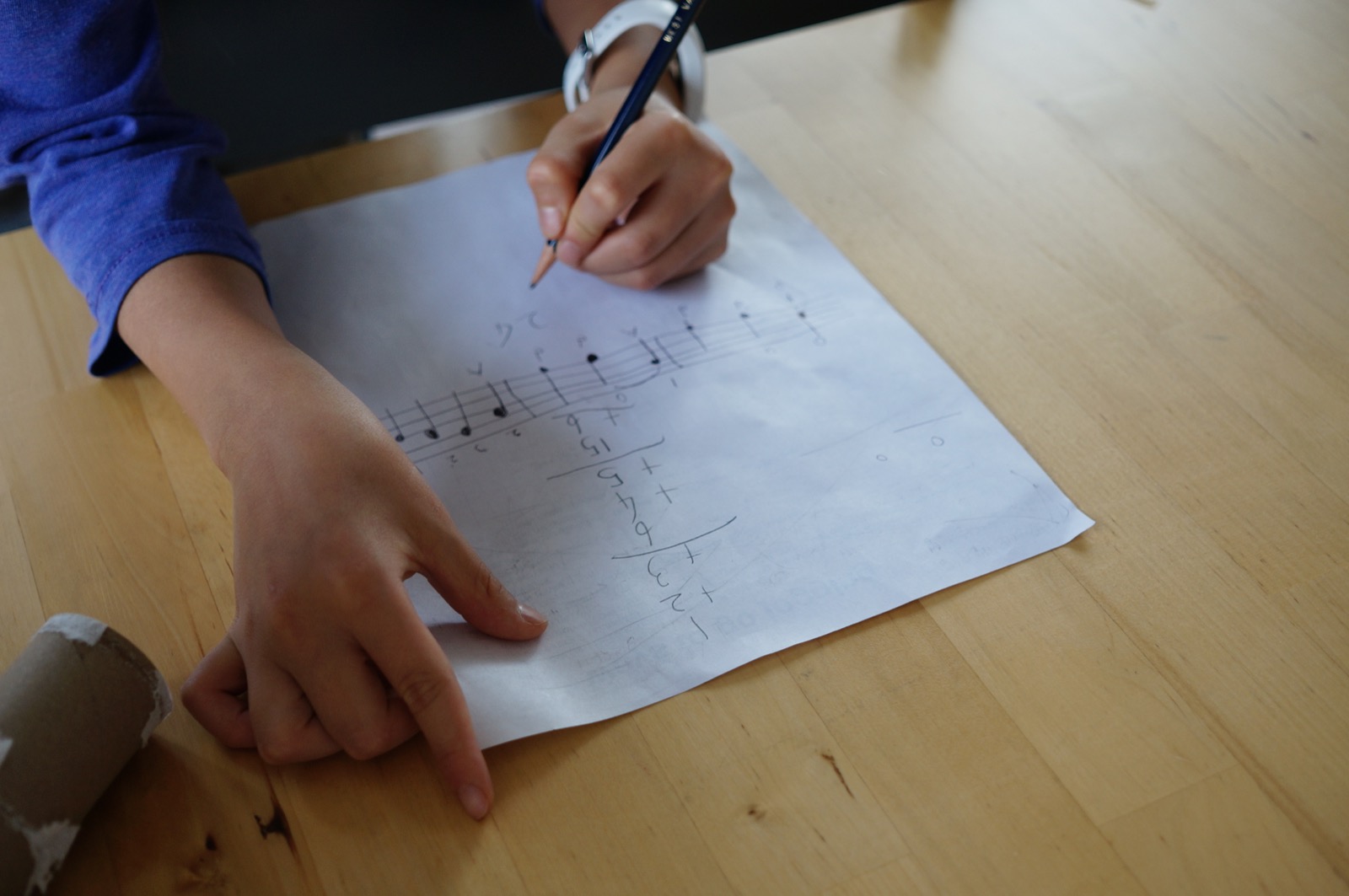
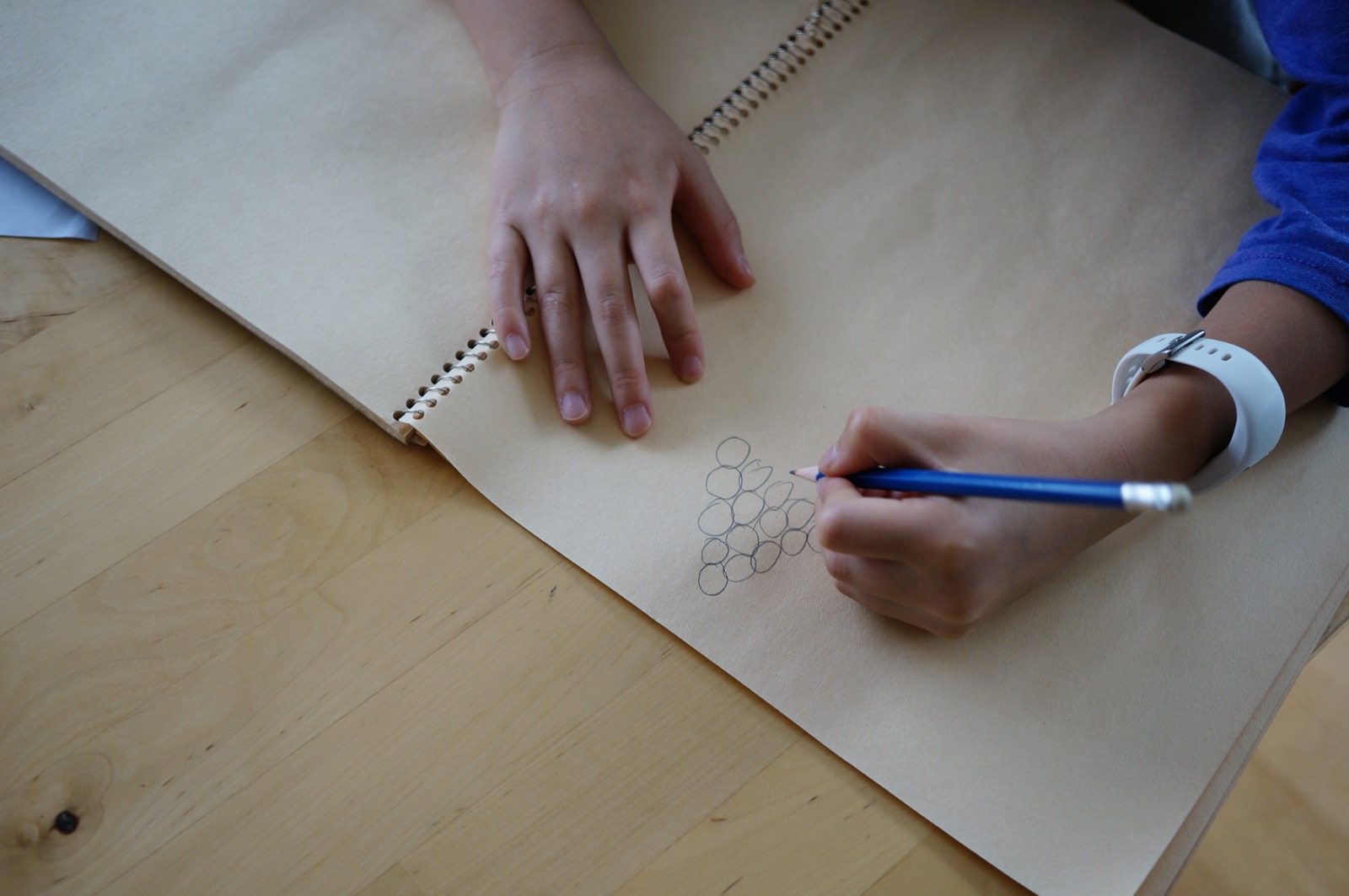
Drawing out the Xmas tree design.
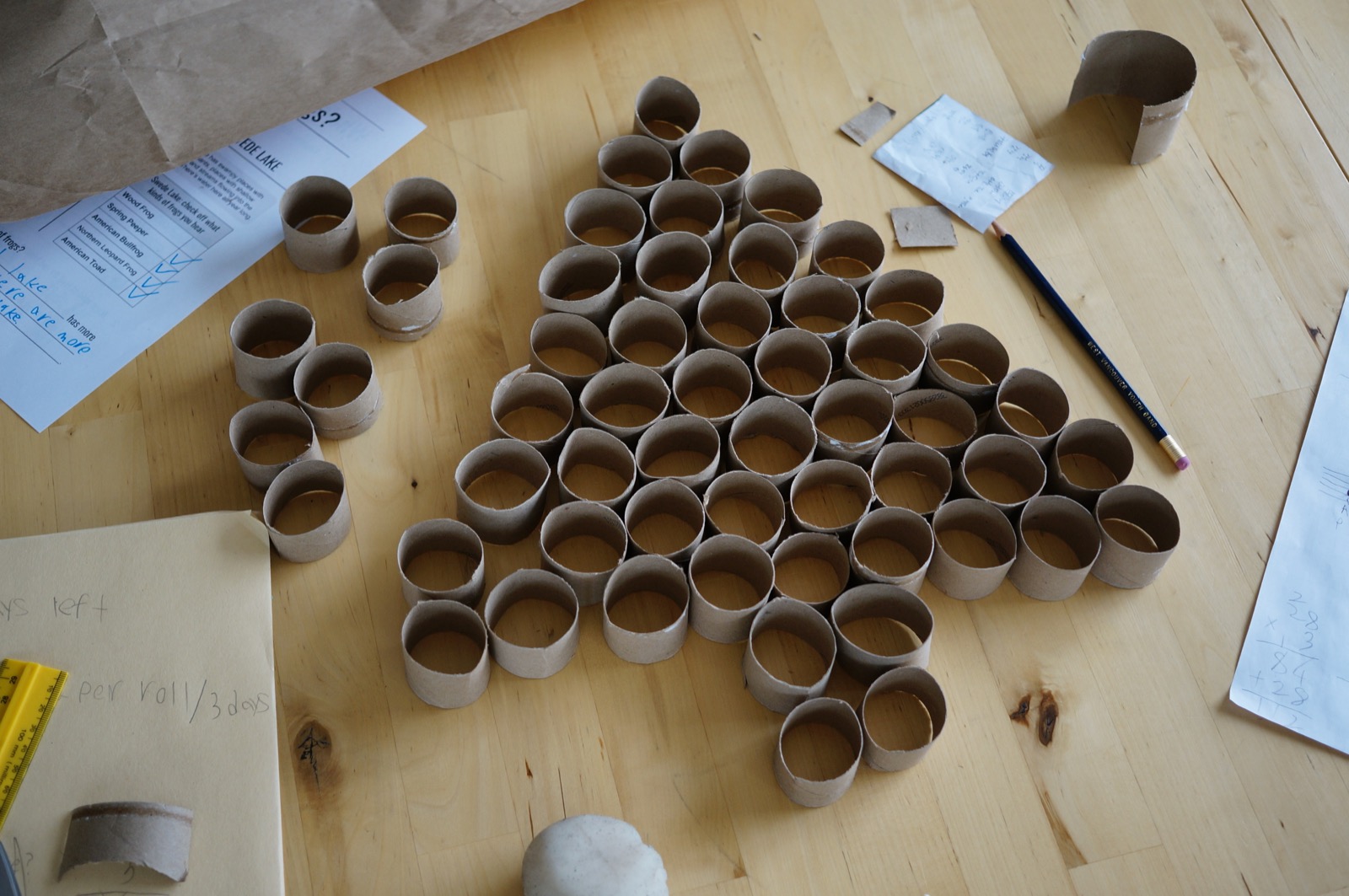
Here are the cut up rolls all laid out in the Xmas tree pattern.
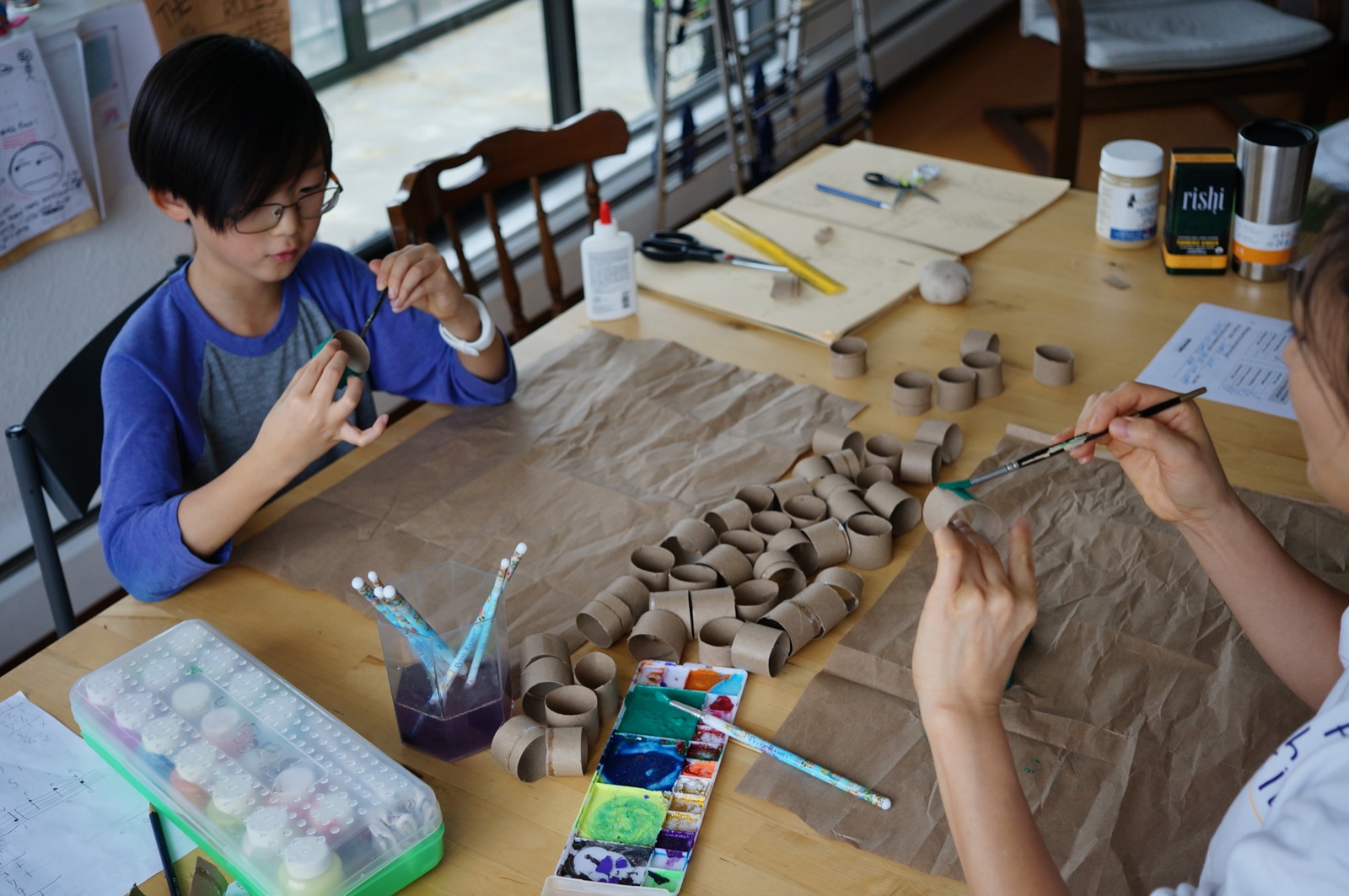
Time to paint the rolls green. All hands on deck for this family activity.
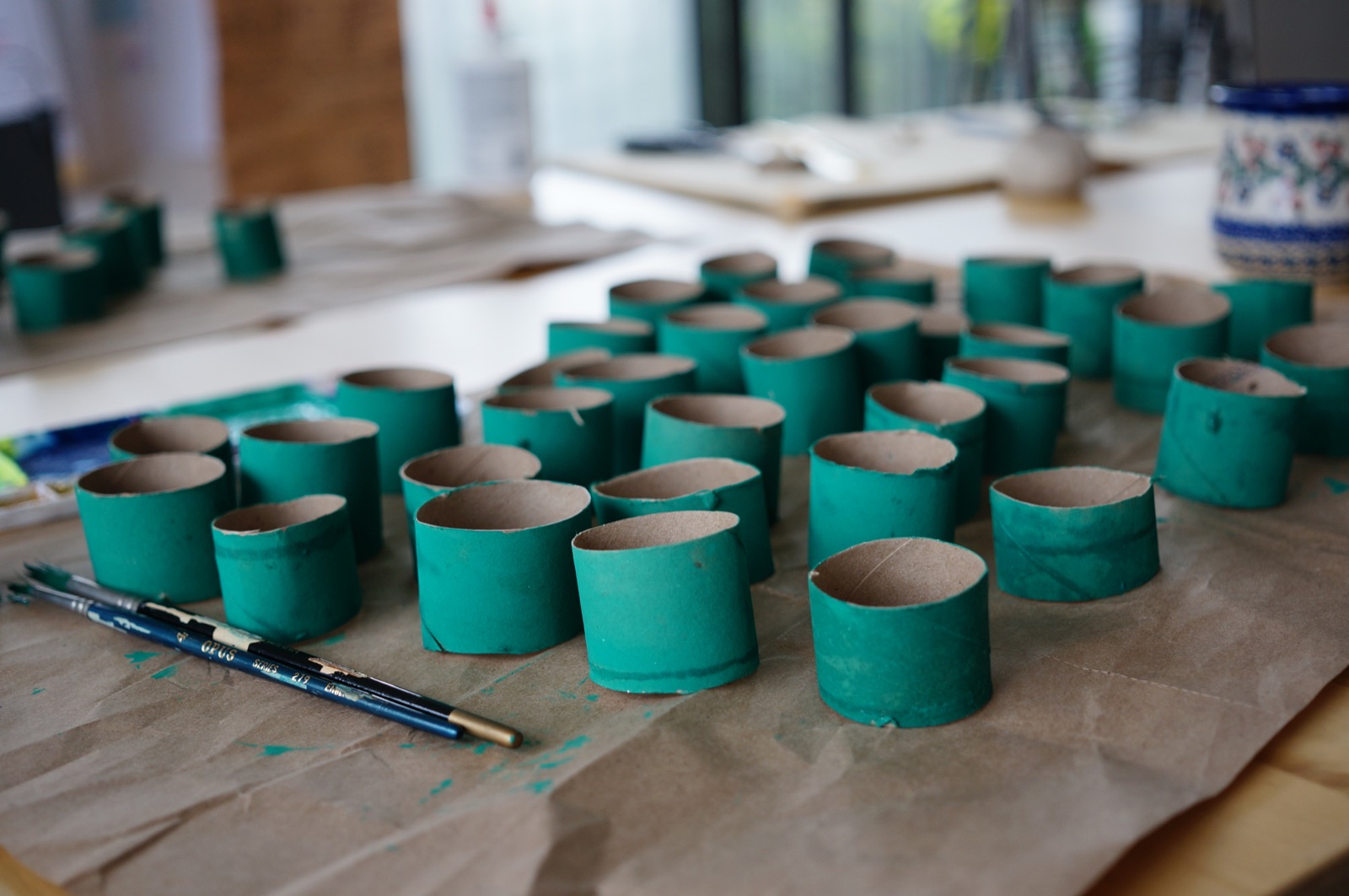
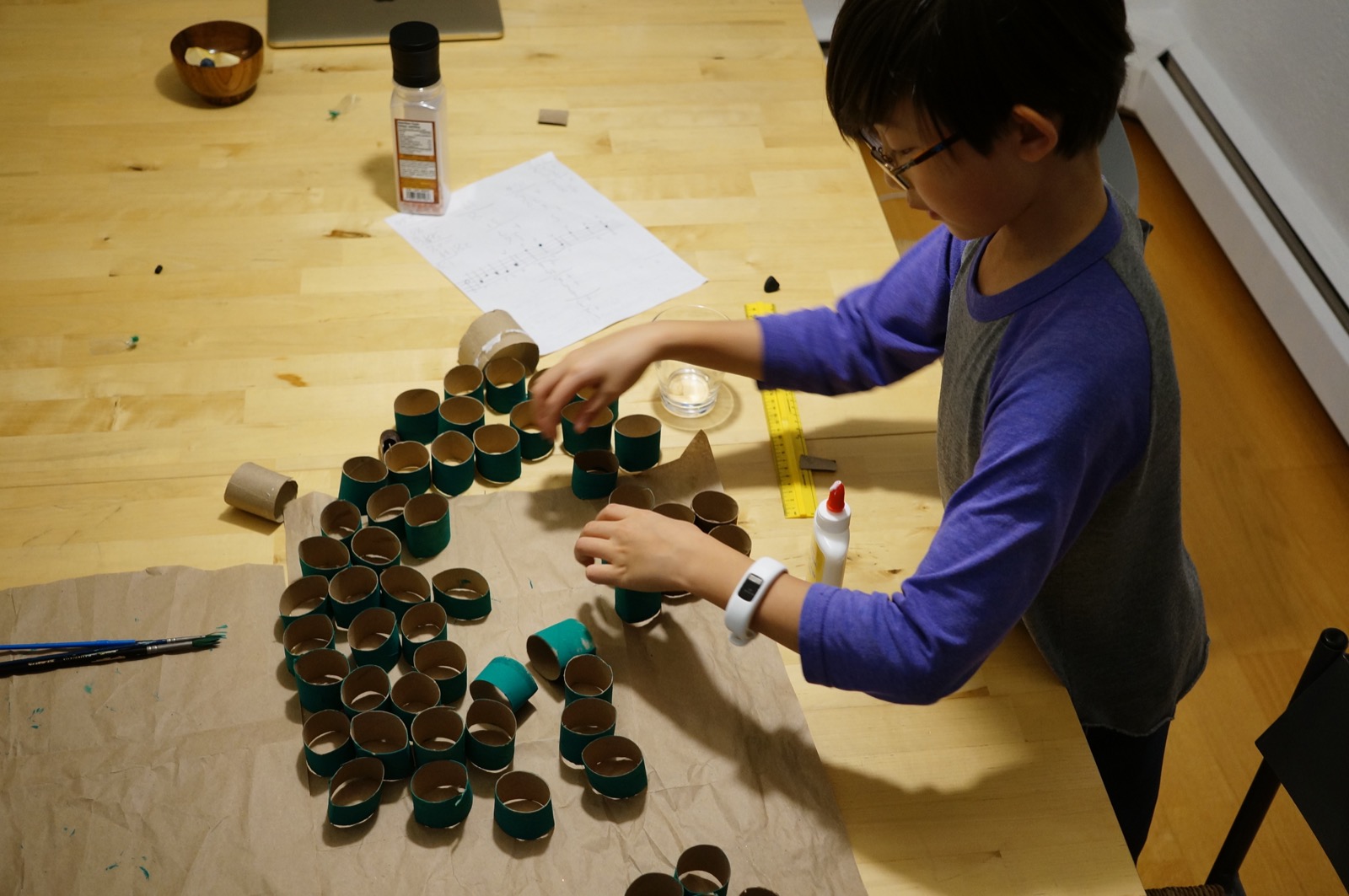
Once the paint had dried, Ethan started sticking the rolls together.
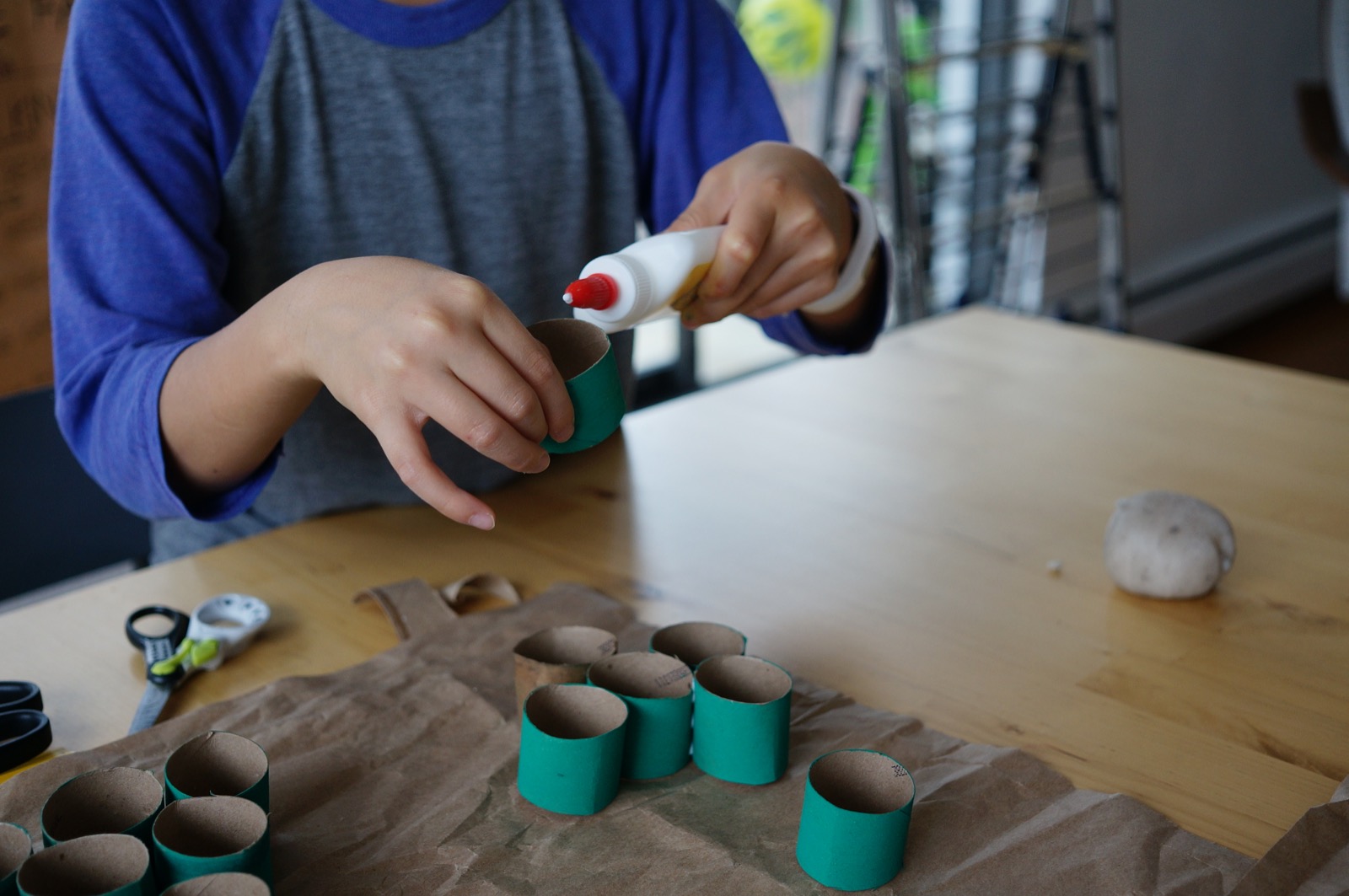
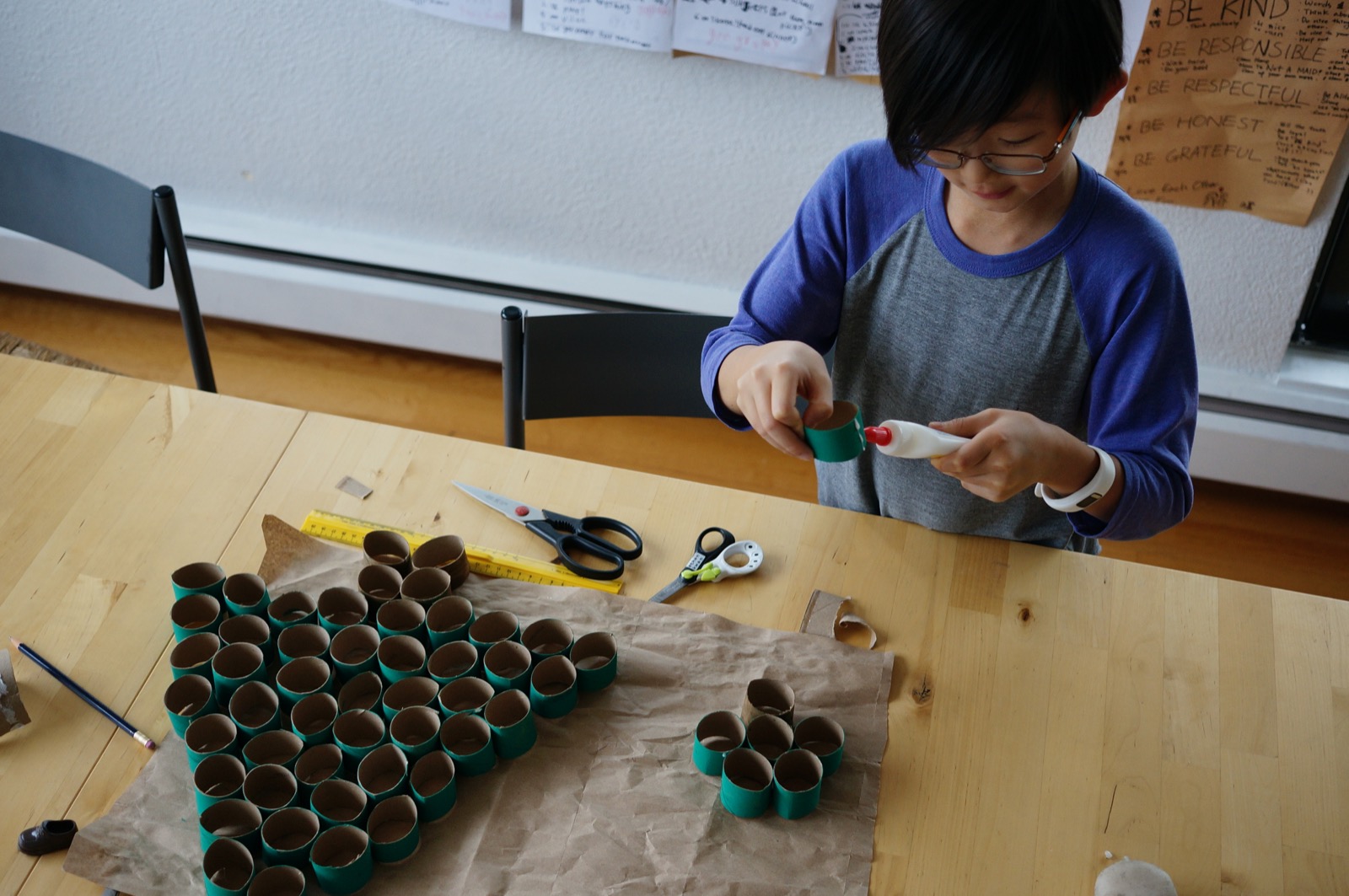
While waiting for all the glue to dry, Ethan made a video about how to draw a black hole.
Here’s the video:
He also published a video he made about his chain reaction machine. We filmed this the week before but he didn’t edit it until today. That thumbnail is pretty funny, though.
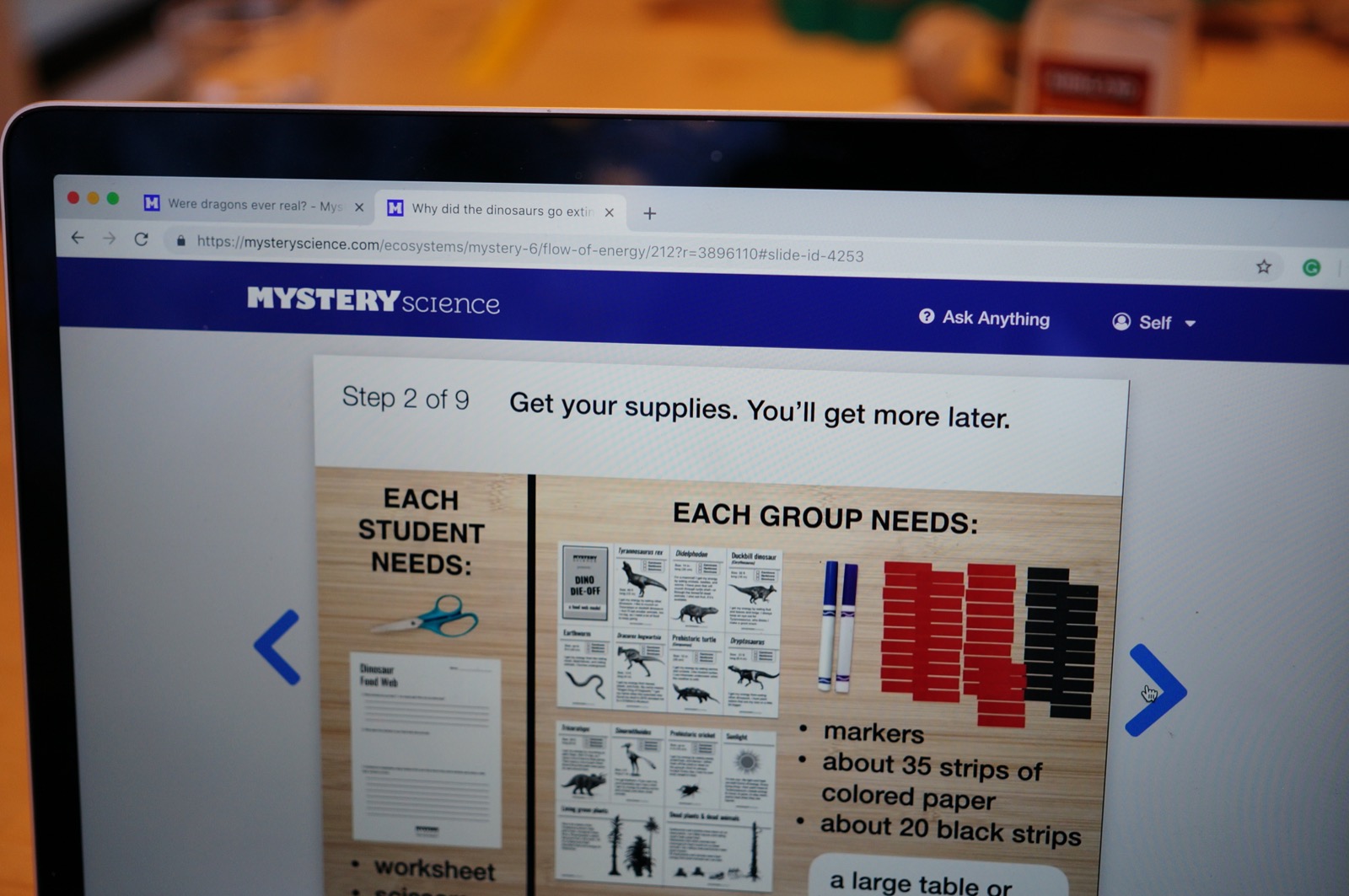
He then learned about ecosystems and dinosaurs on Mystery Science.
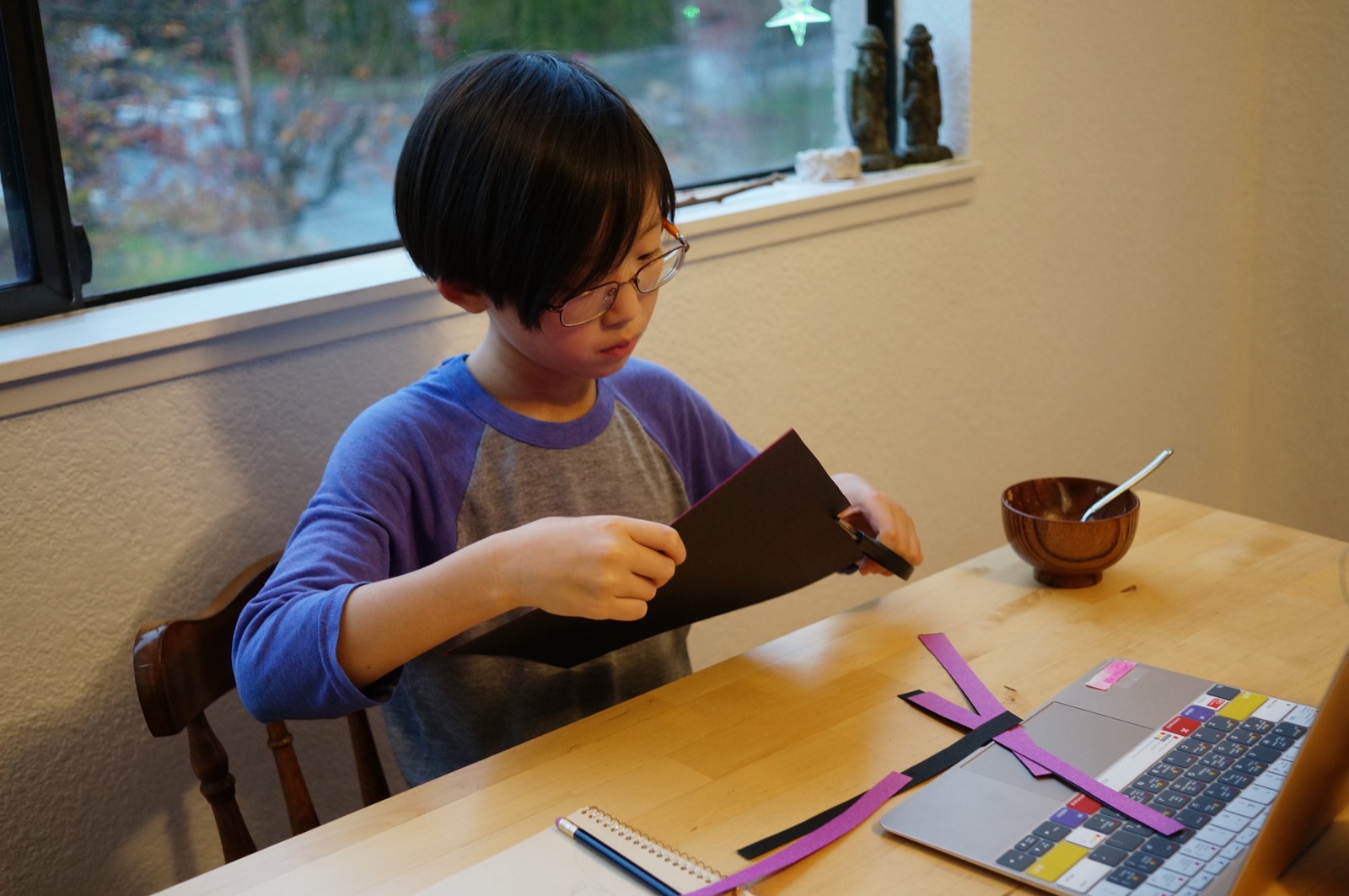
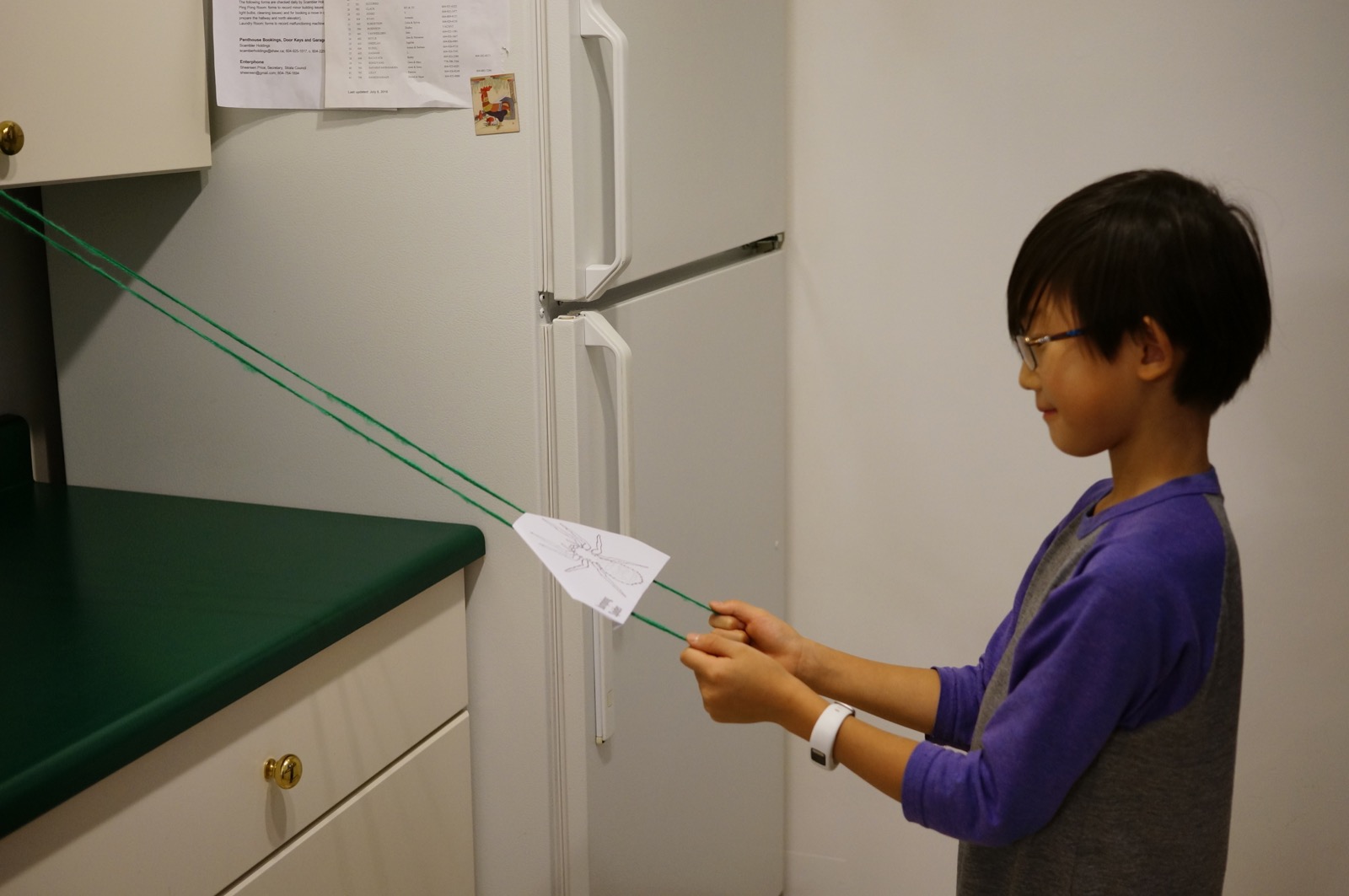
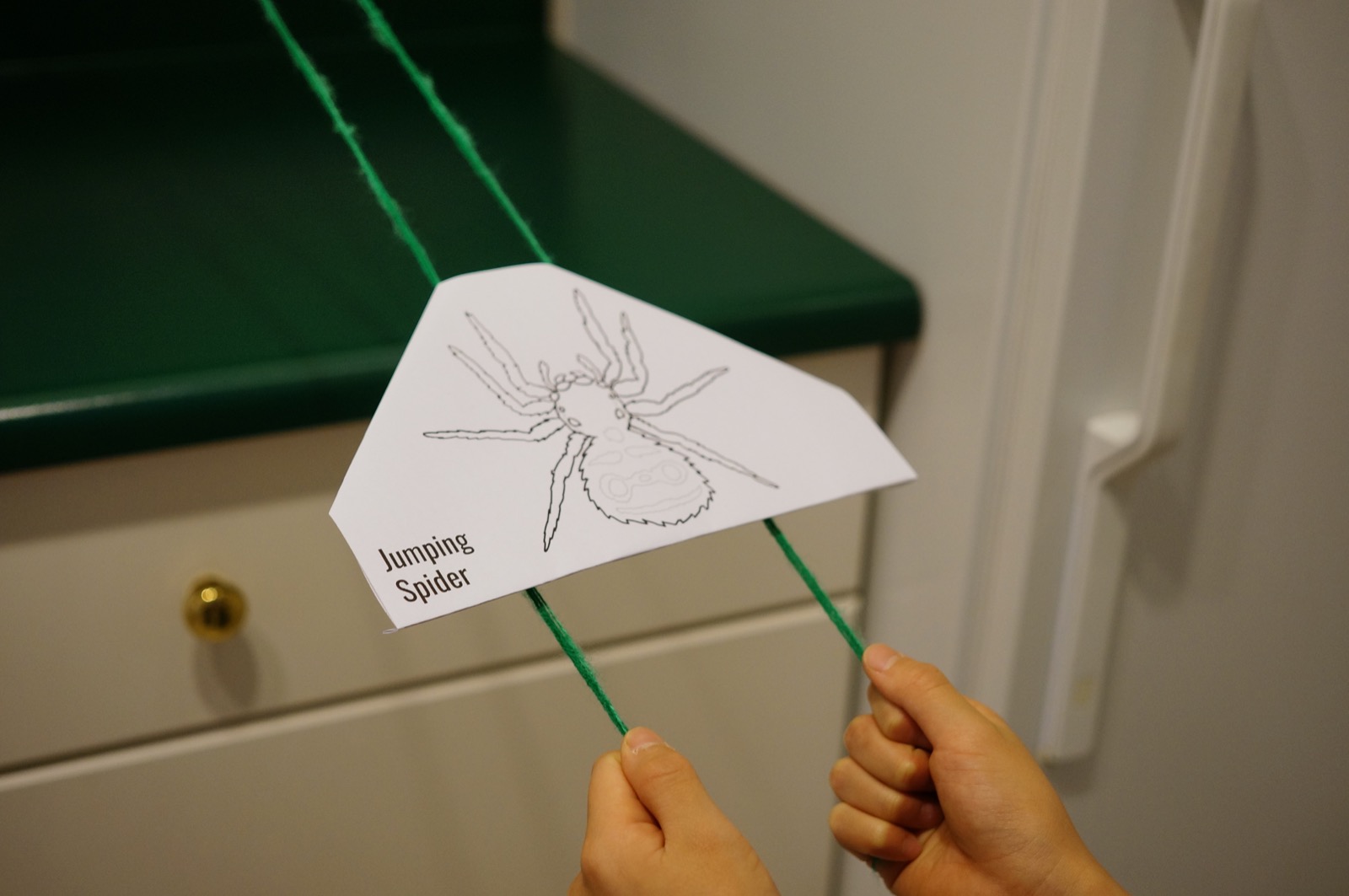
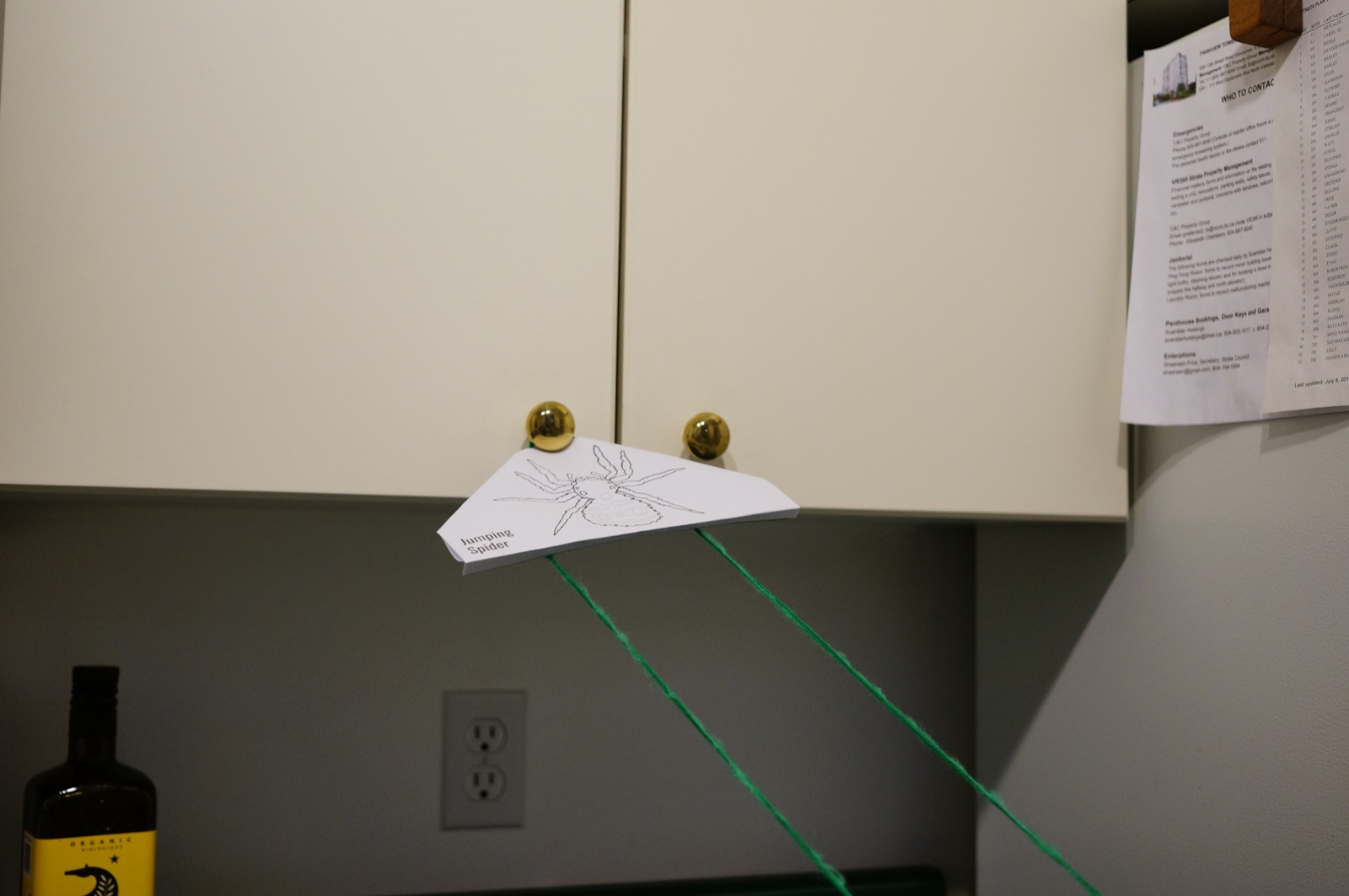
Next, he made a “spider” from paper and string.
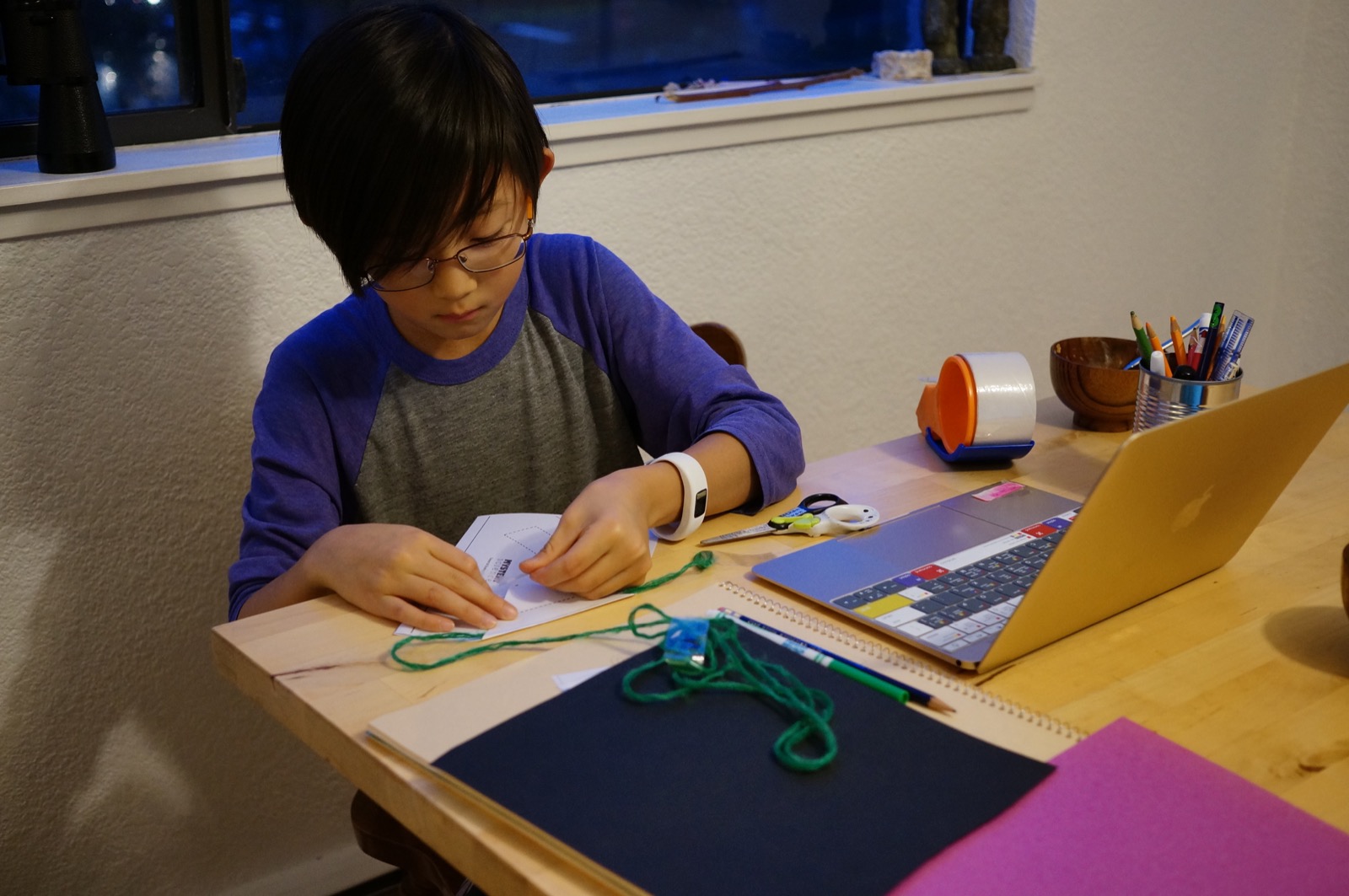
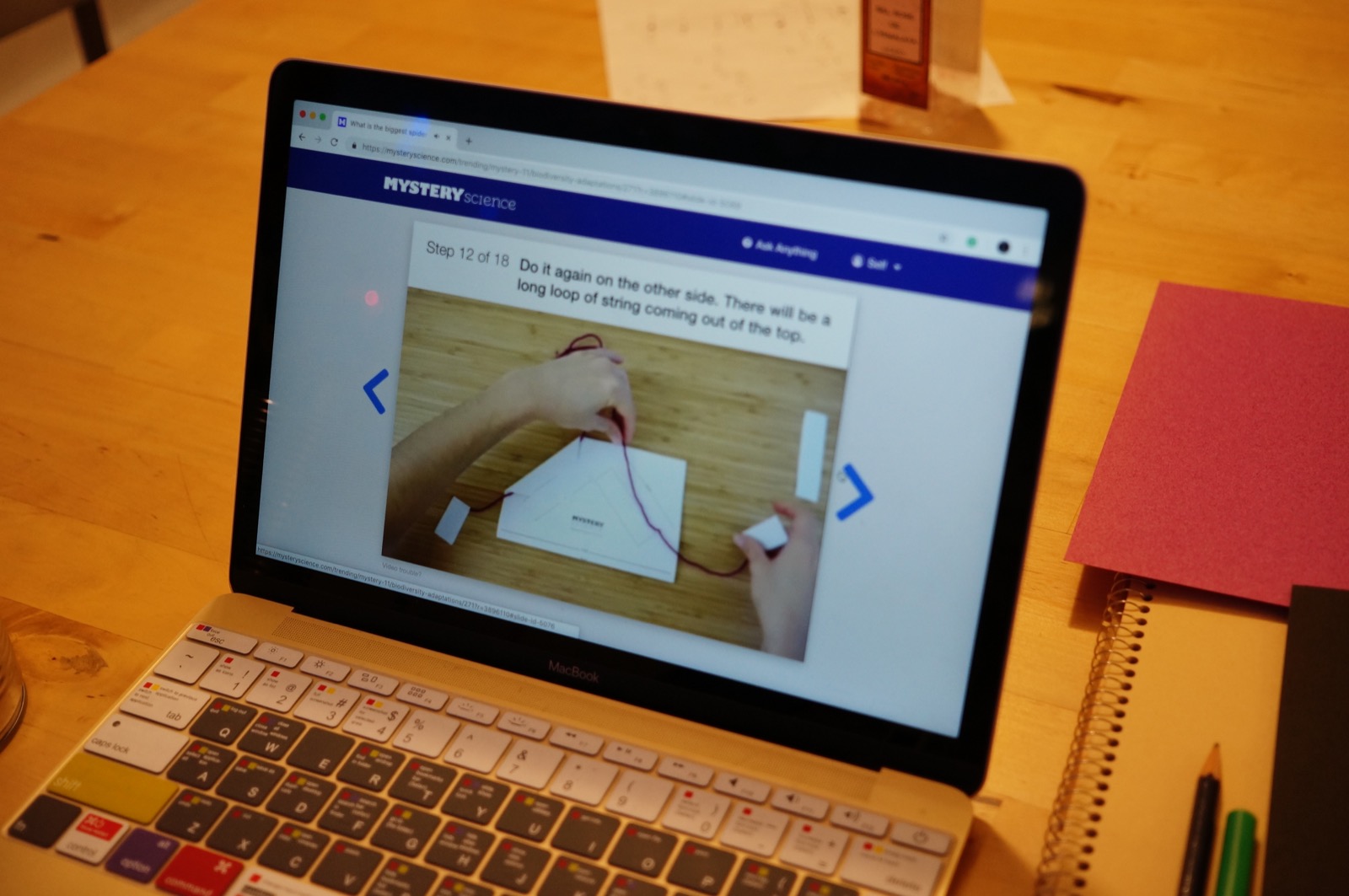
When you hook the string onto something and alternate pulling on each side of the string, the spider will “crawl” up the string.
Back to gluing the Xmas tree together.
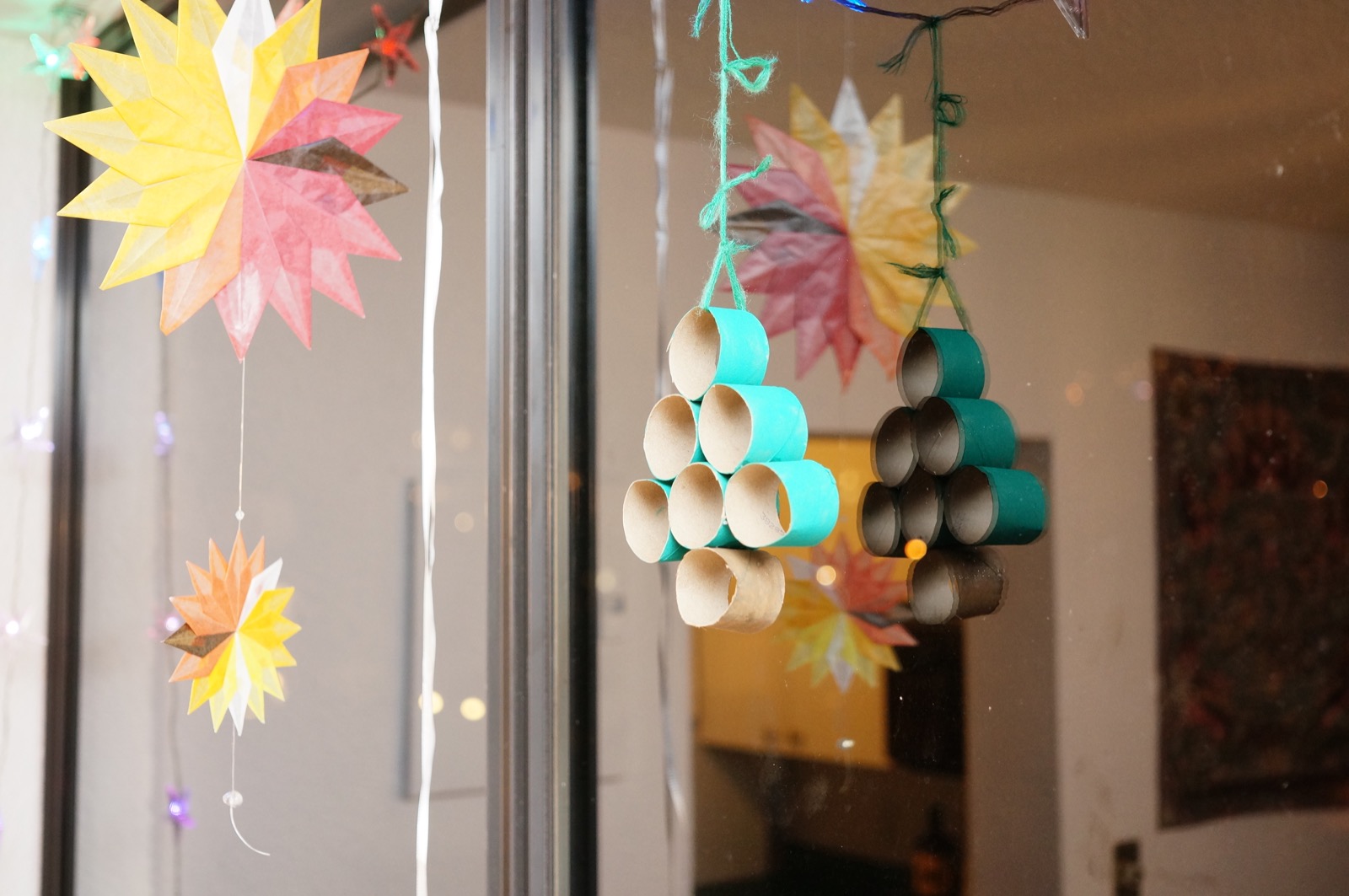
Ethan used the leftover rolls to make a mini-Xmas tree.
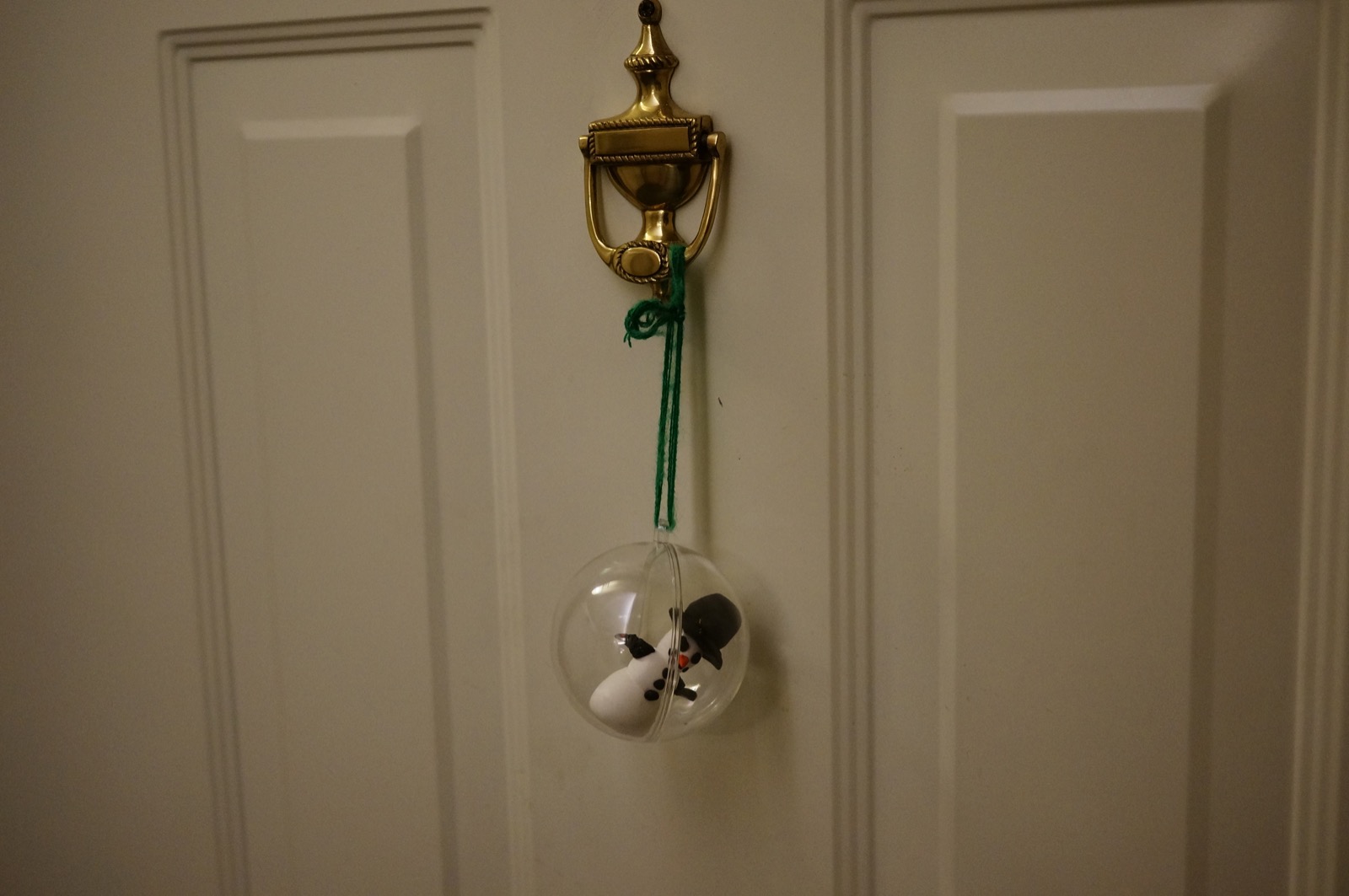
And he hung our snowman ornament on the door.
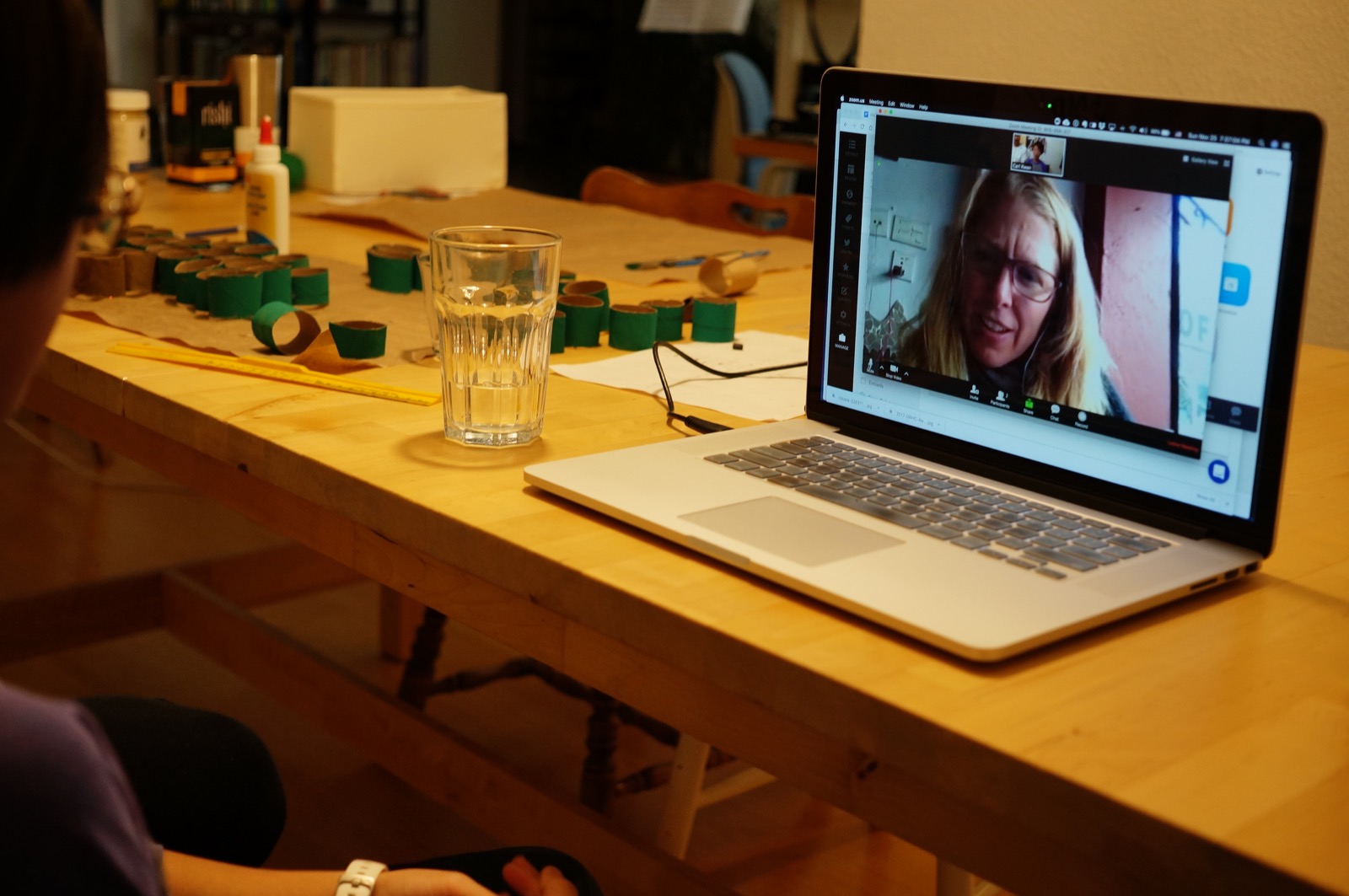
We had a Zoom call with Ethan’s LC (learning consultant), Natasha. Natasha was in Nepal!
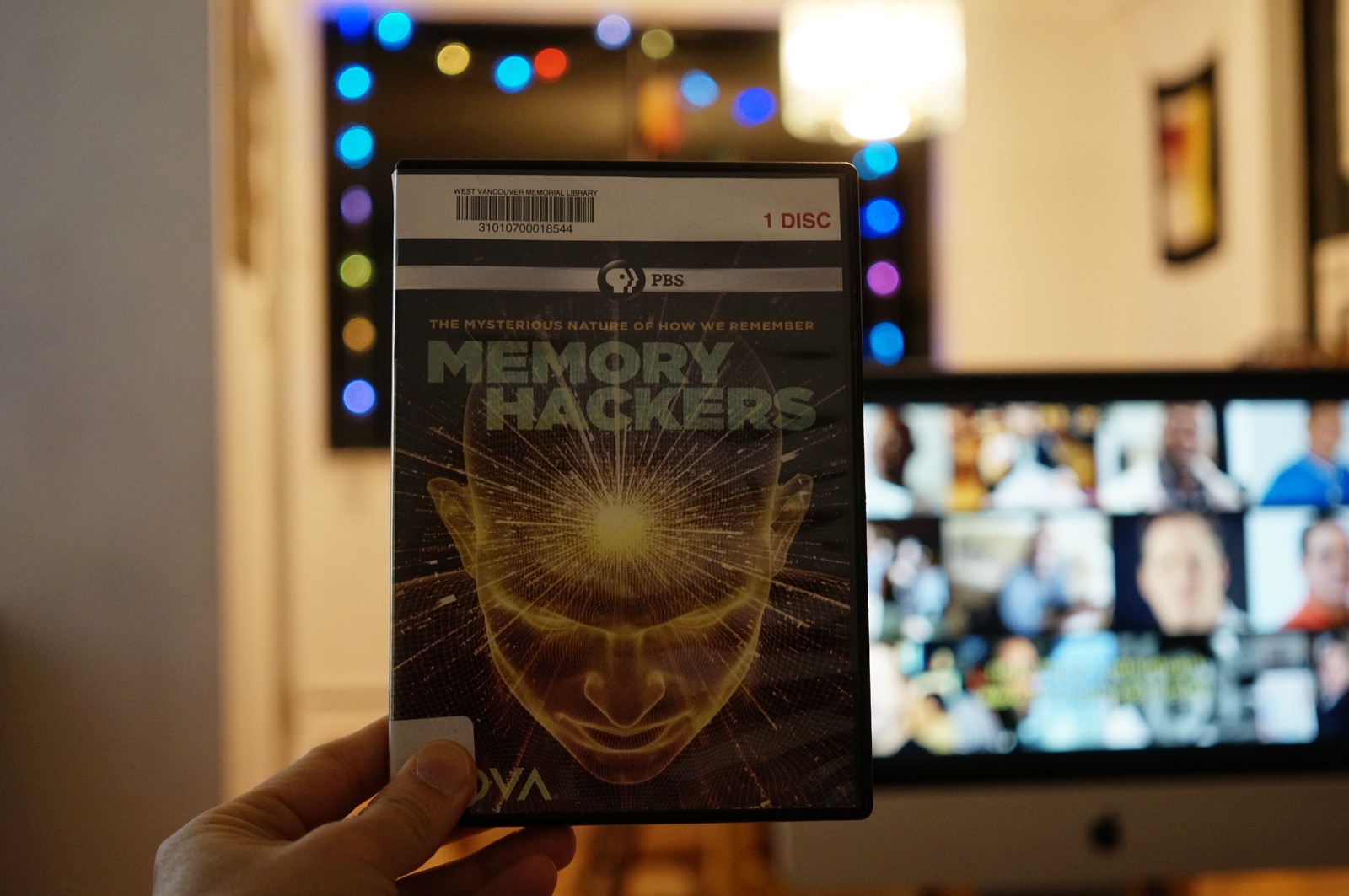
After the call, Ethan watched a documentary called “Memory Hackers.”
November 26
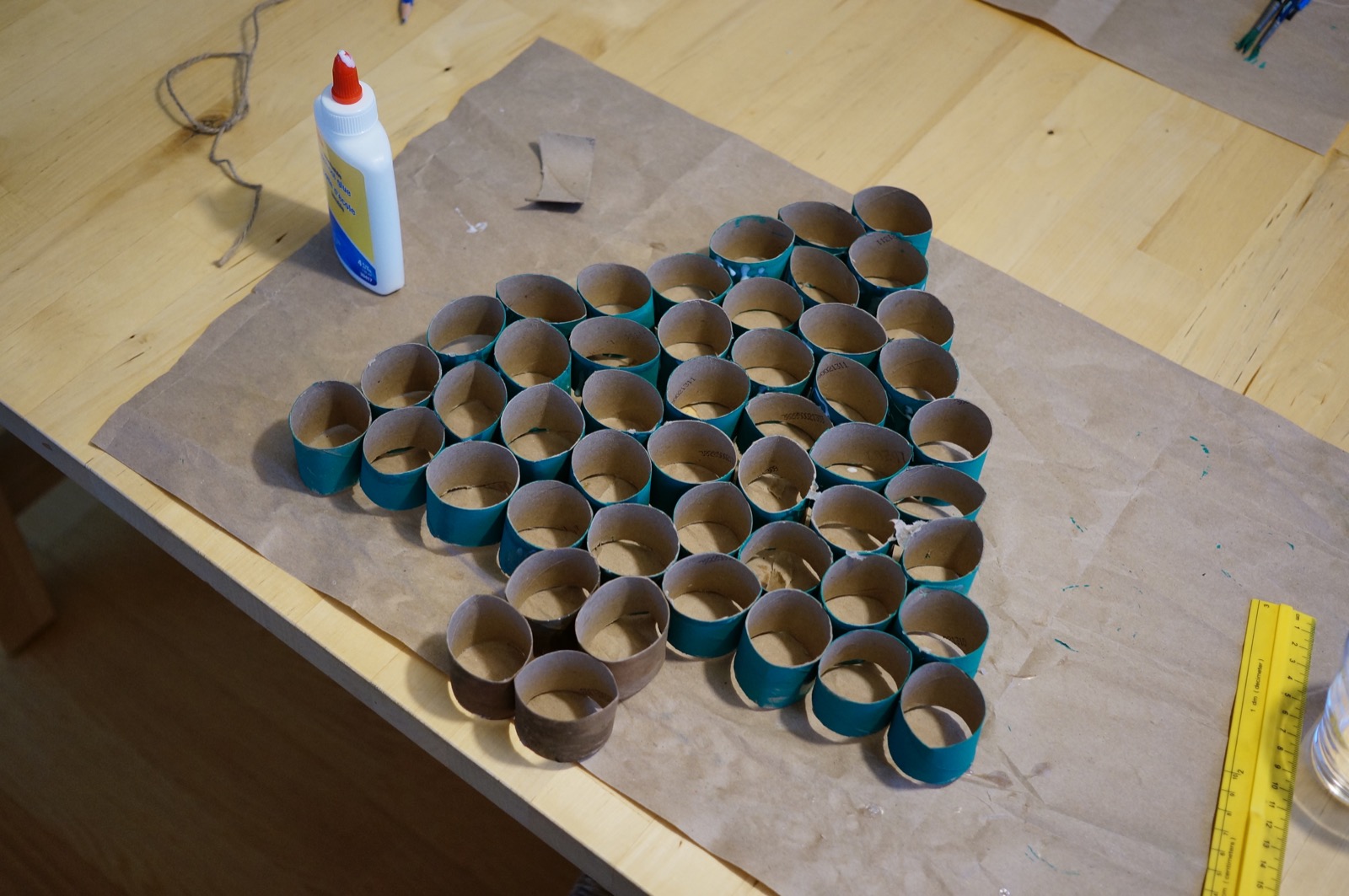
Ethan started the day by finishing the toilet paper roll Xmas tree.
After breakfast, he watched the live broadcast of the Mars landing.
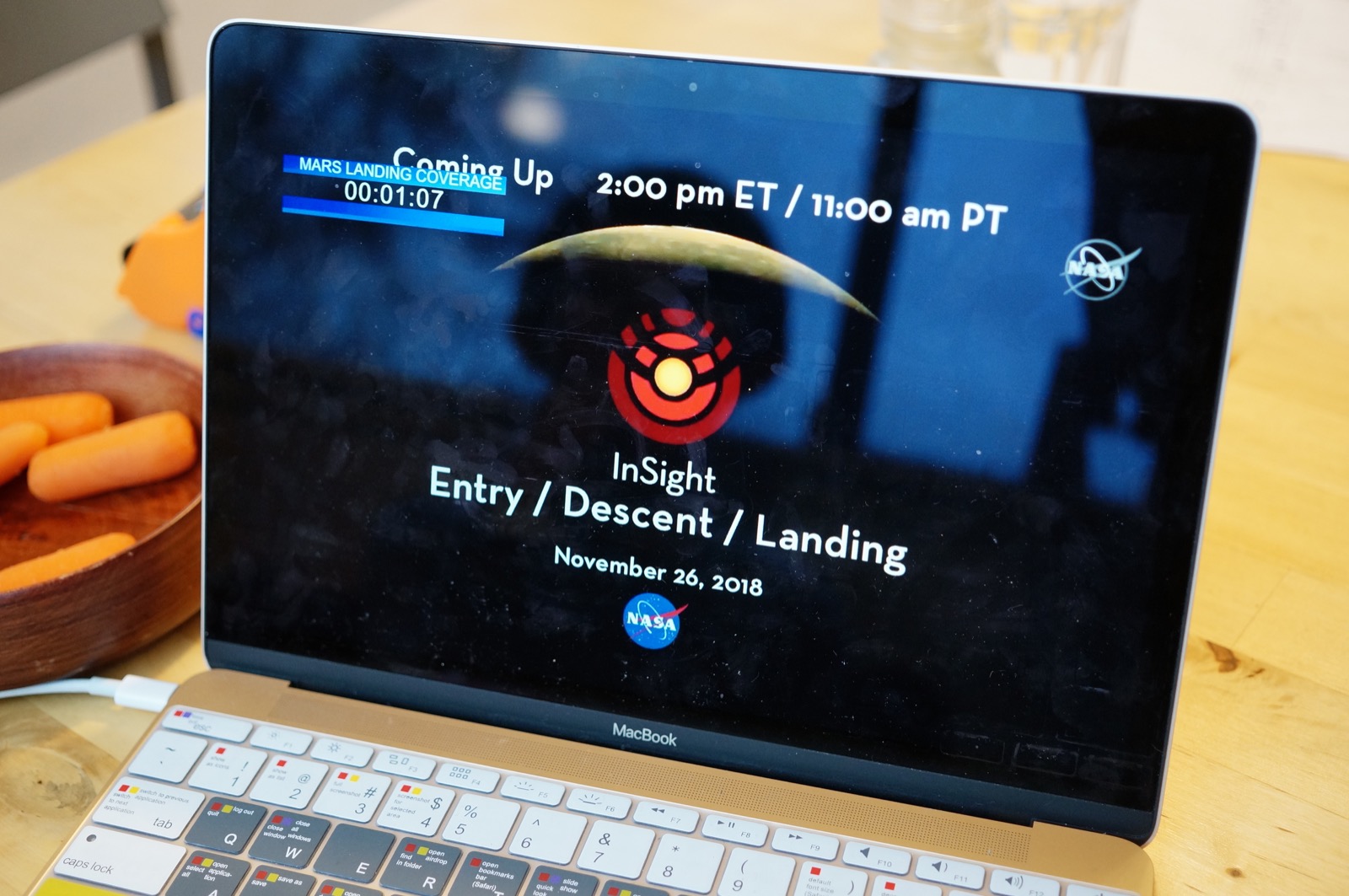
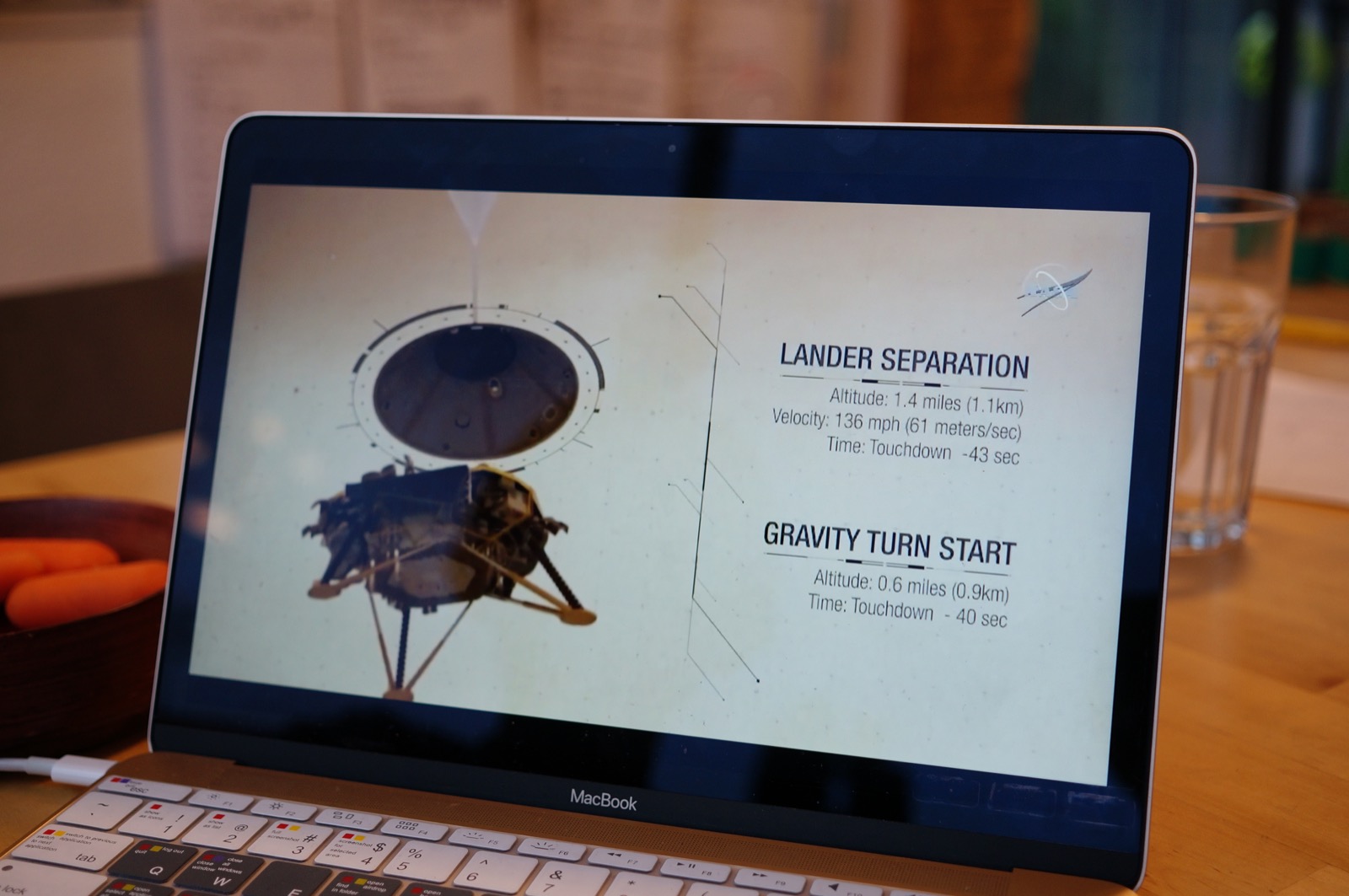
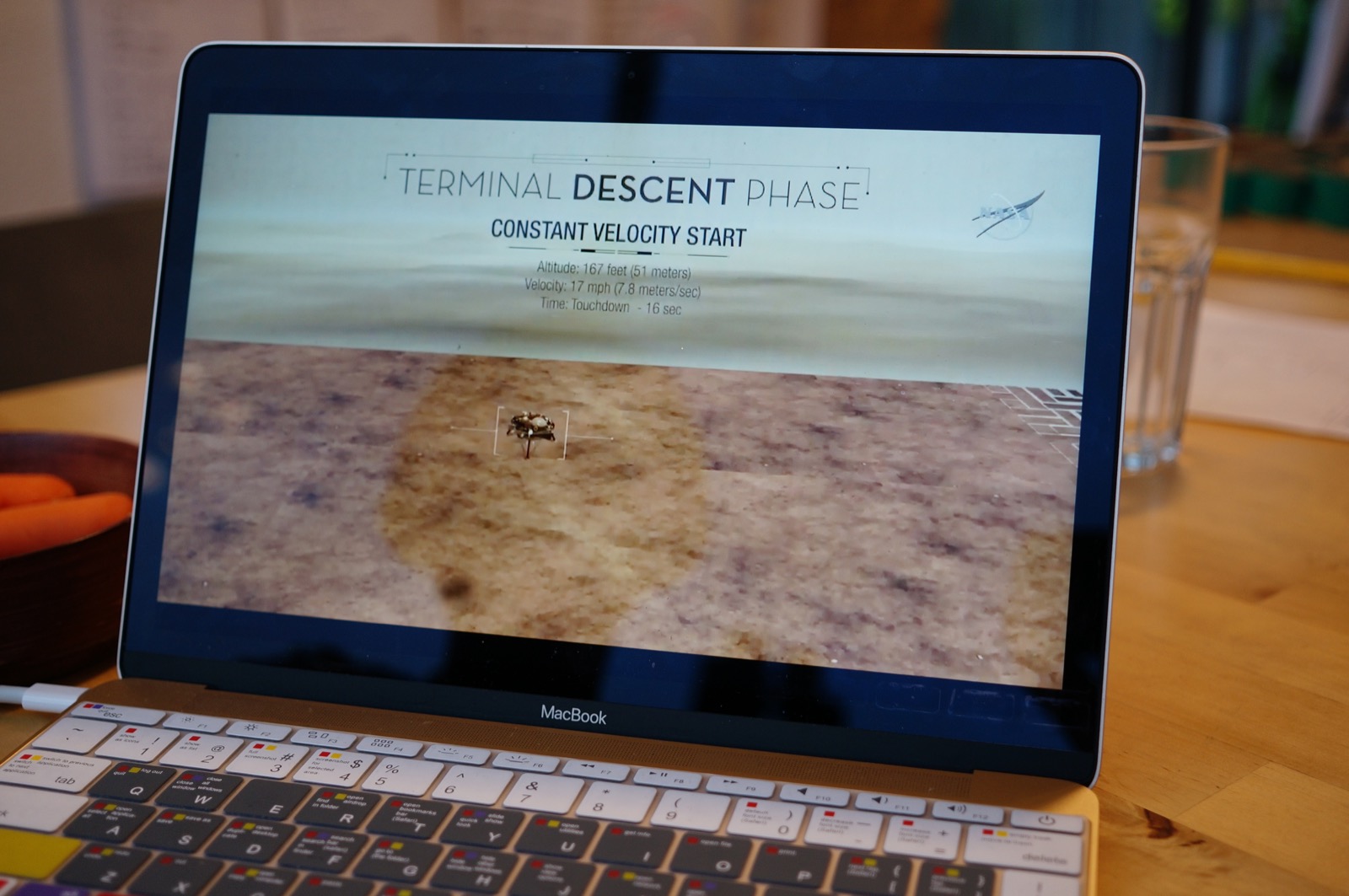

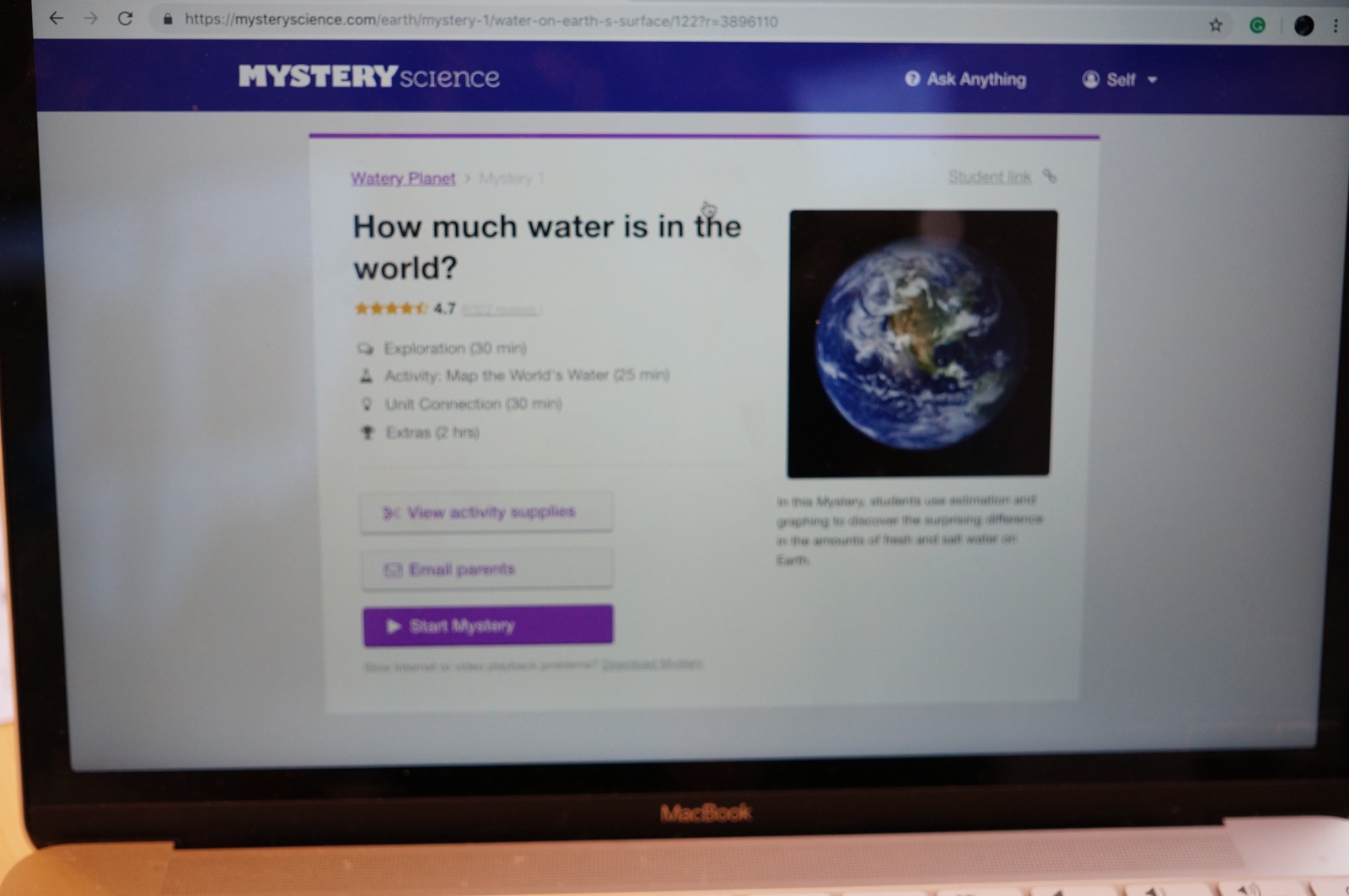
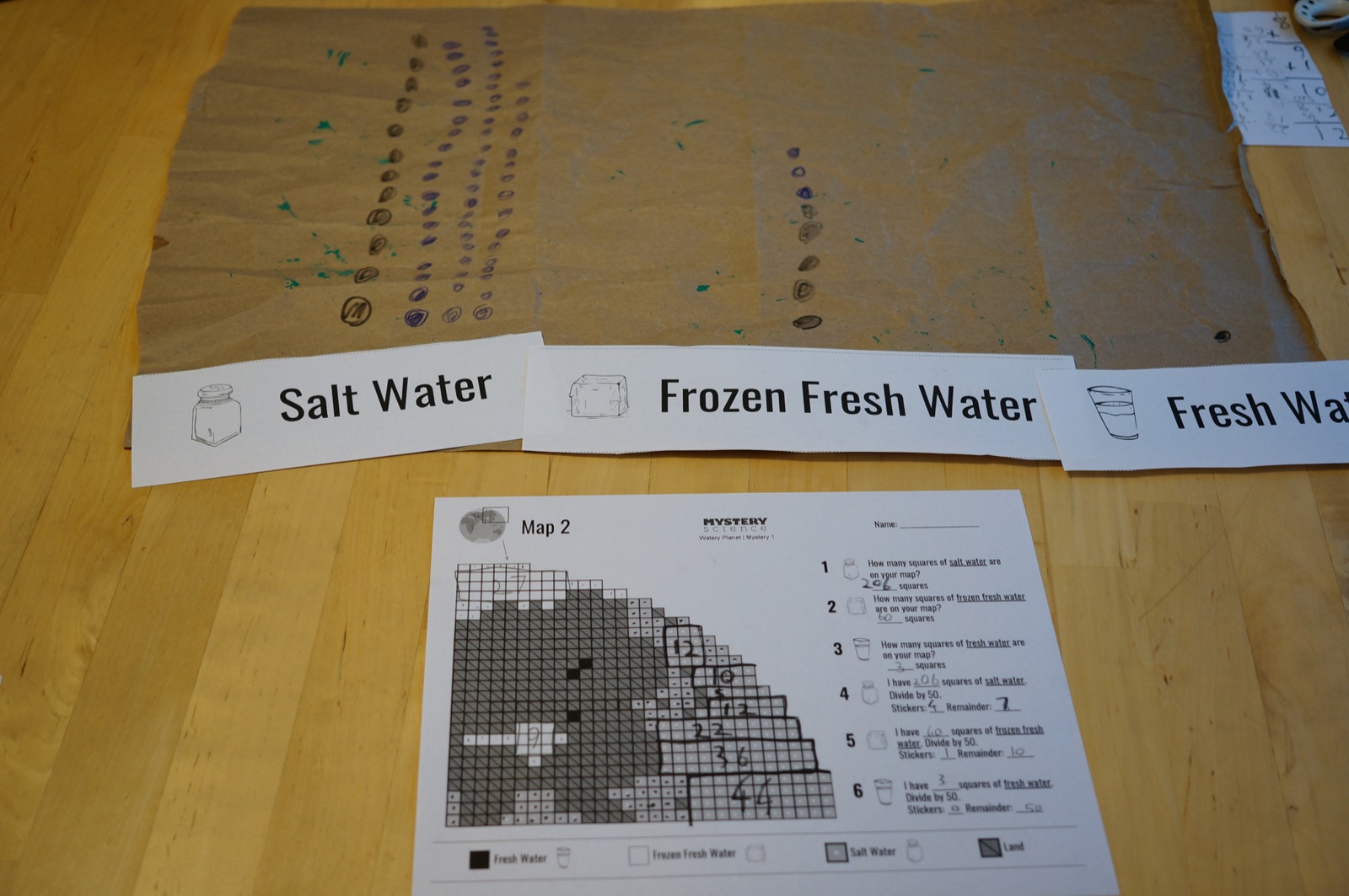
After watching the landing, Ethan learned about water on the earth on Mystery Science.
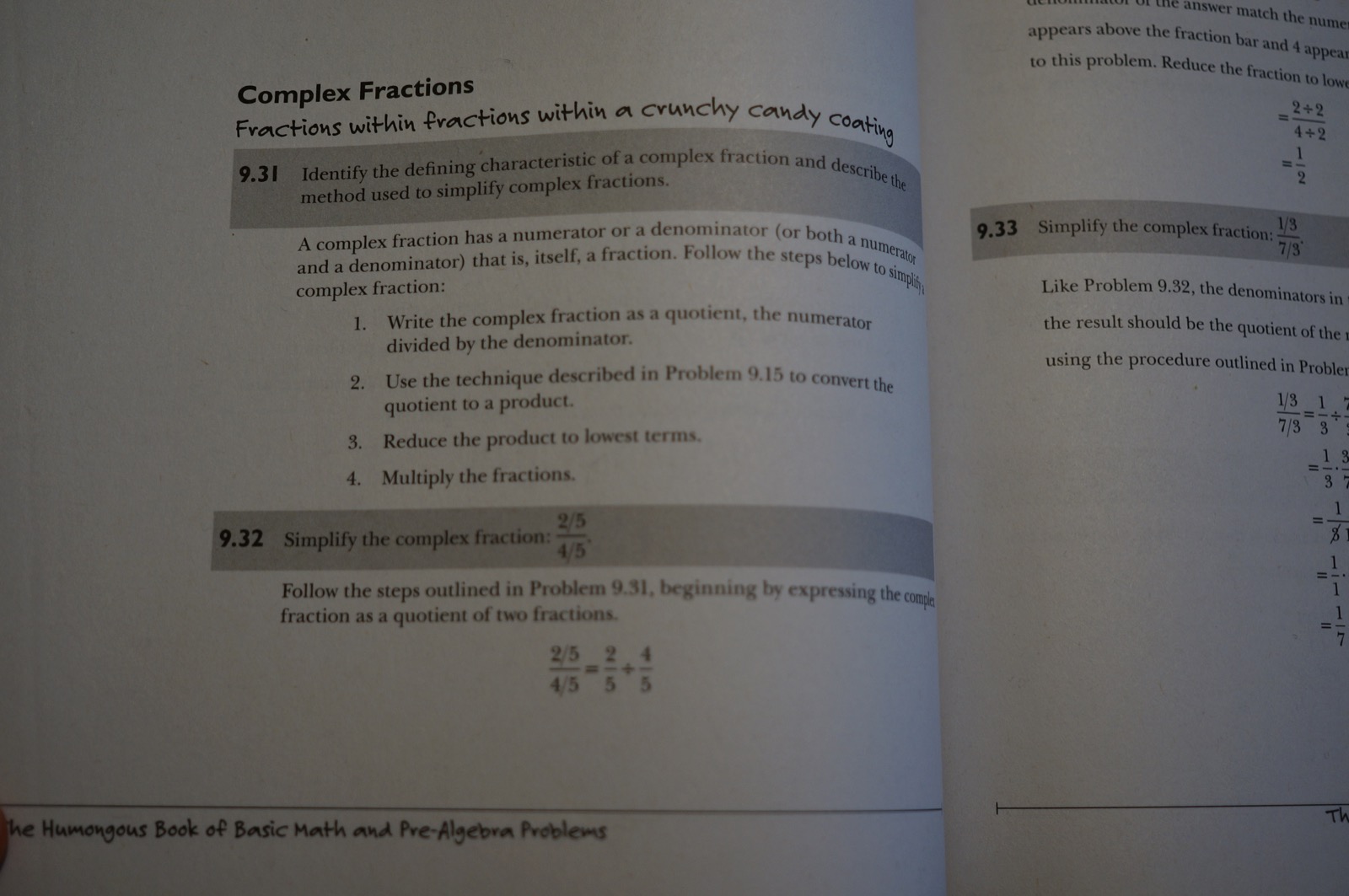
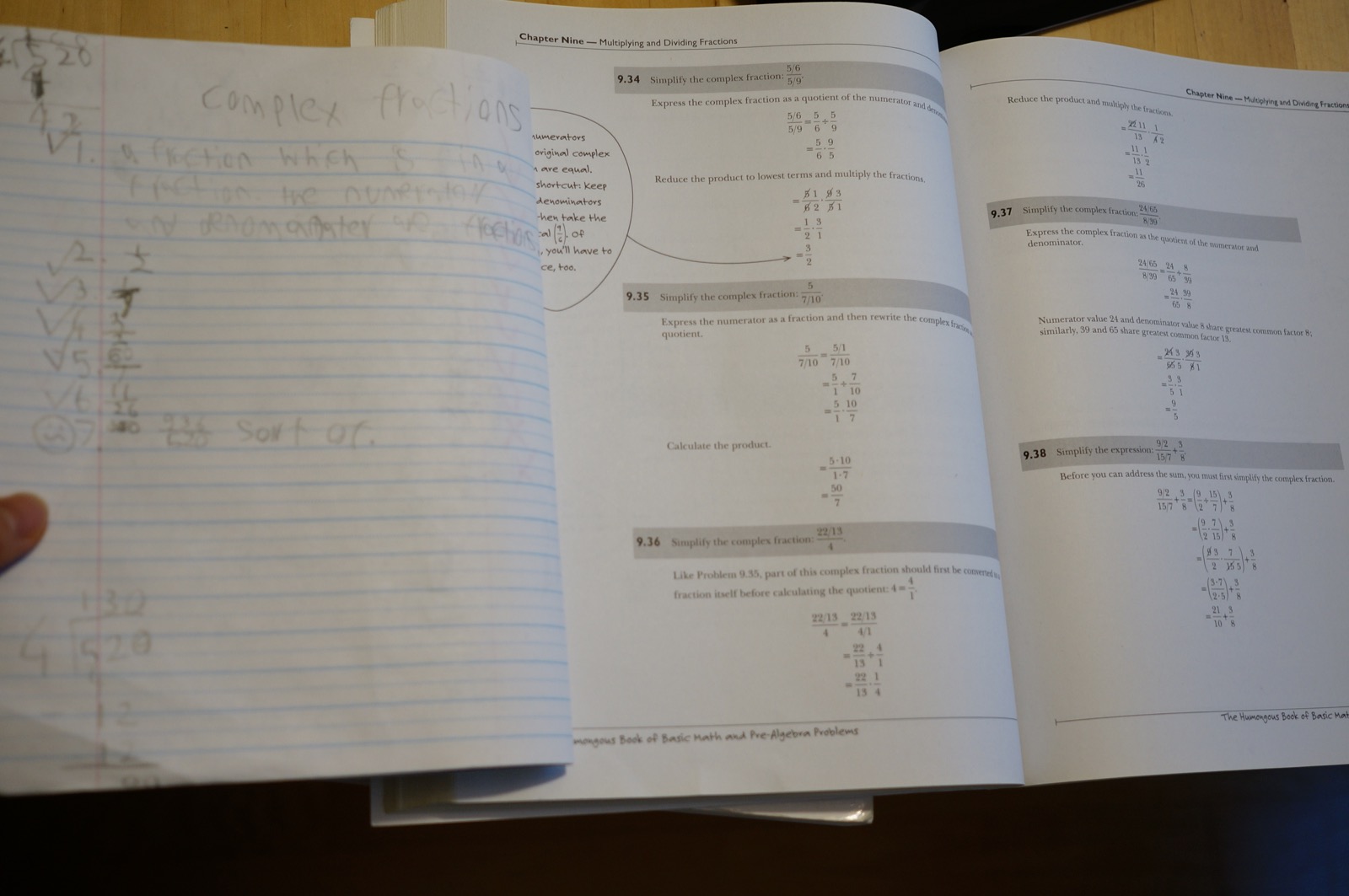
Next was some practice with complex fractions in The Humongous Book of Basic Math and Pre-Algebra Problems.
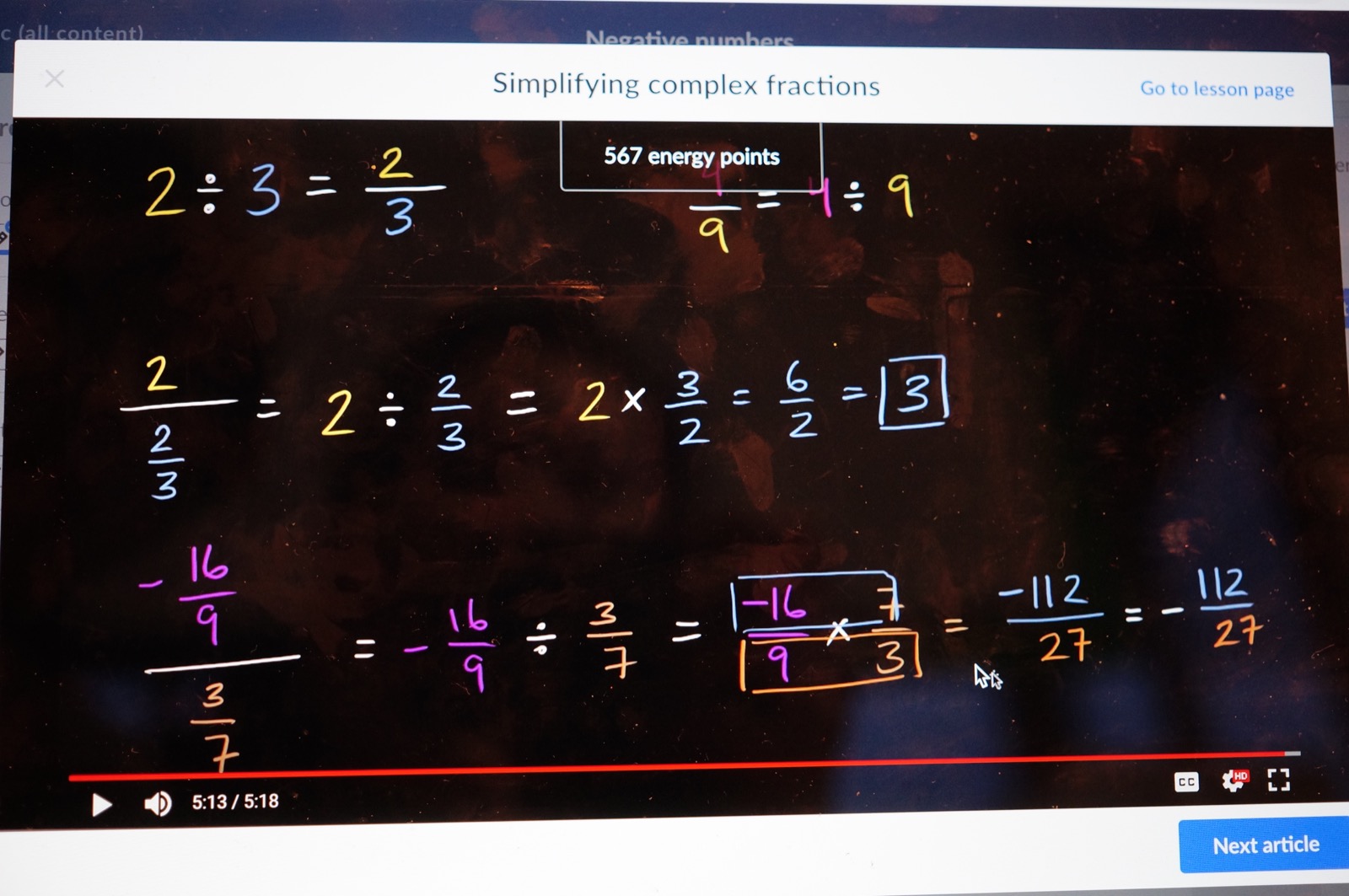
Same complex fractions practice from Khan Academy.
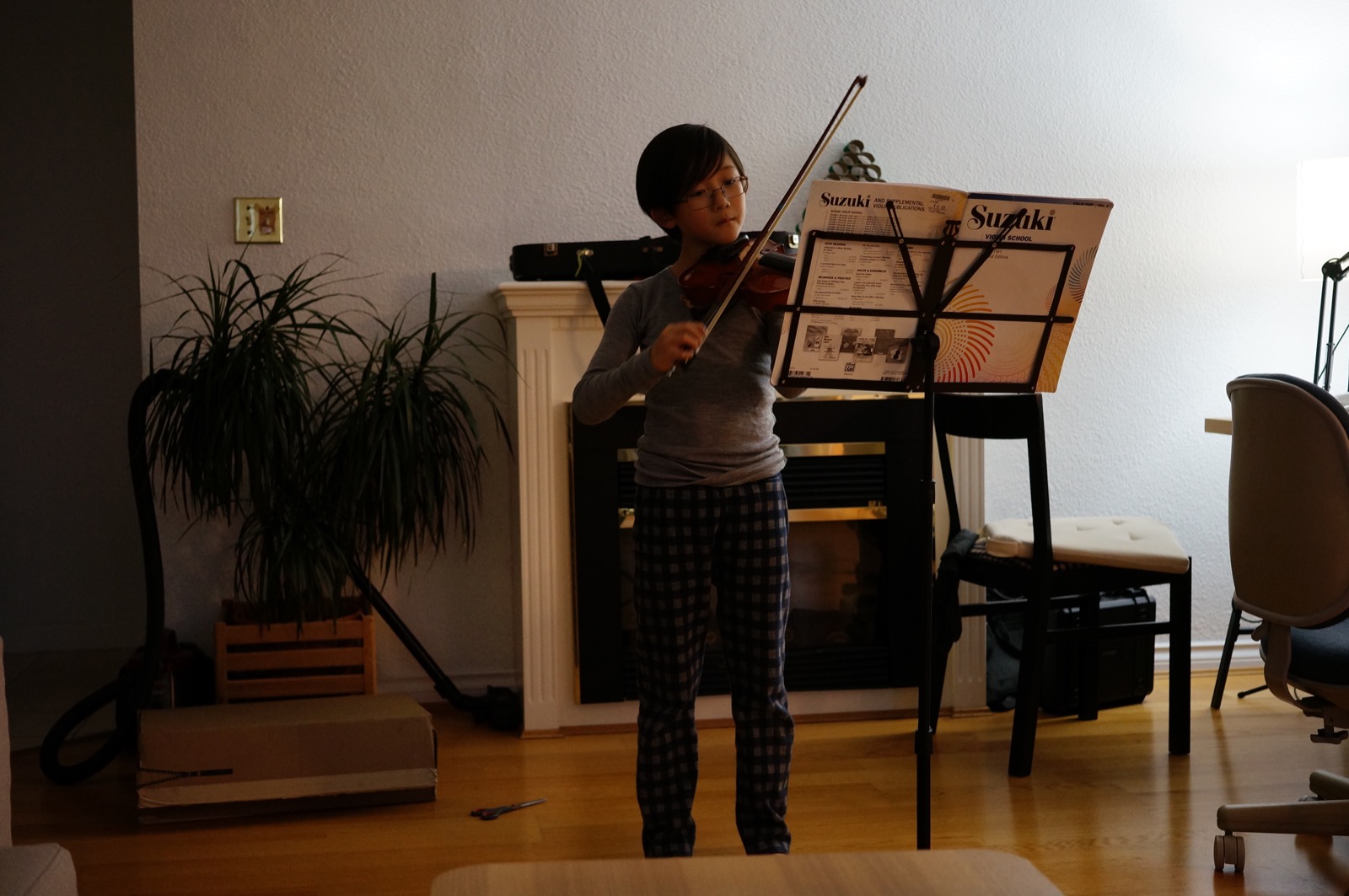
After violin class, Ethan wanted to play the songs he practiced.
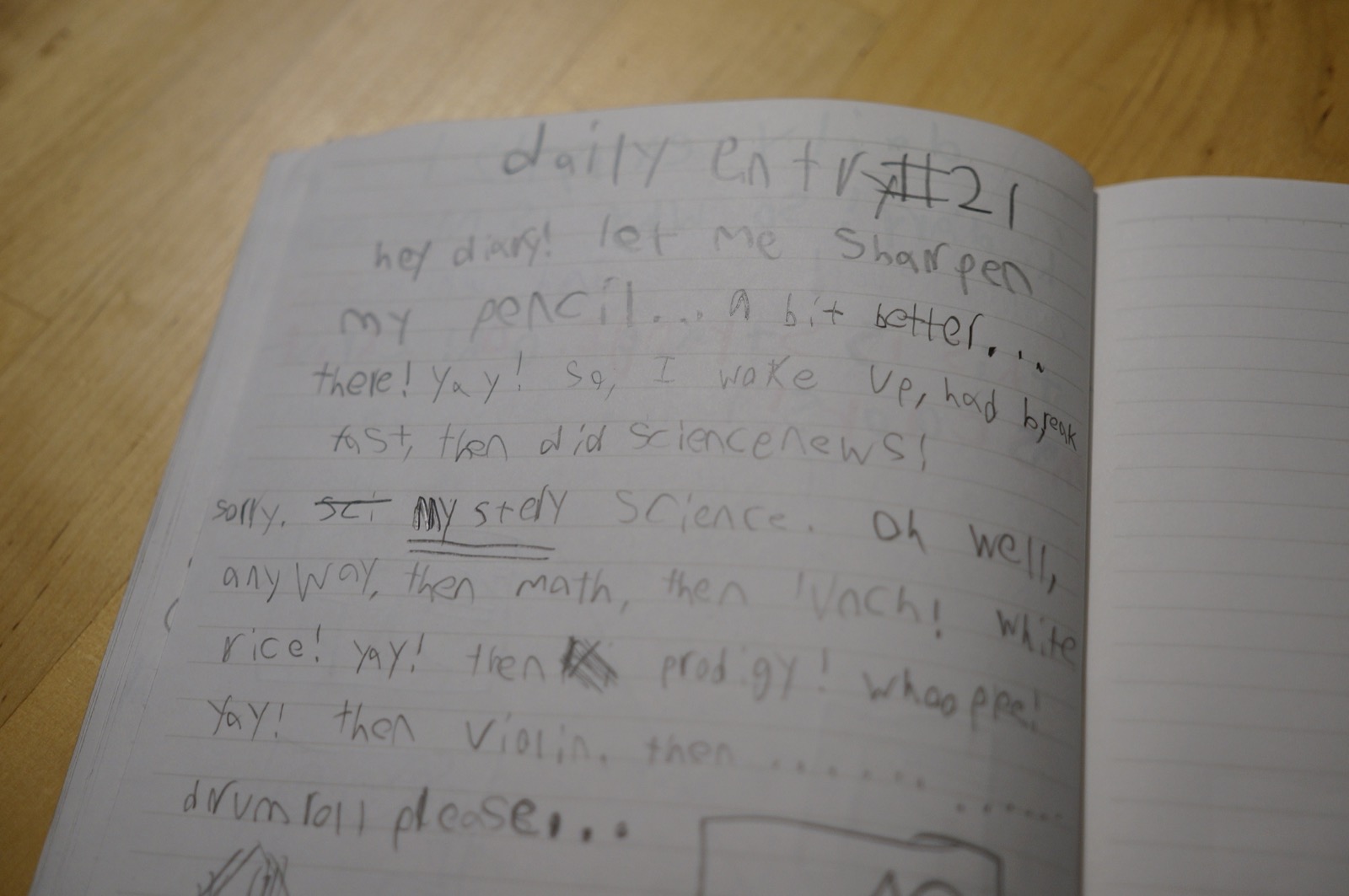
A bit of journal writing.
More violin practice before getting ready for bed.
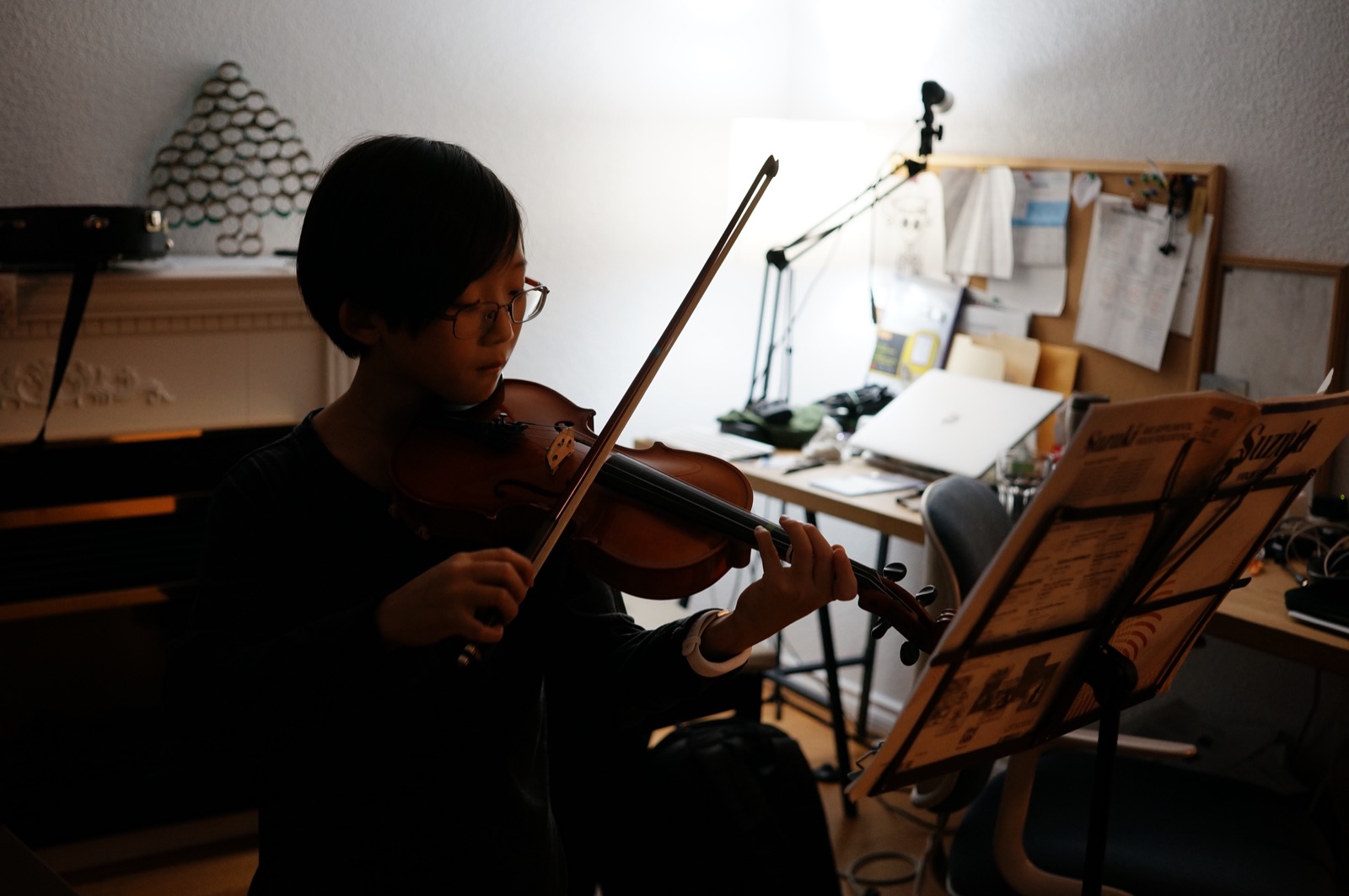
We thought Ethan would like The Far Side so we borrowed a couple books from the library. He definitely liked it and read this one before heading off to bed.
November 27
Going out for a morning jog and using my phone to track our route.
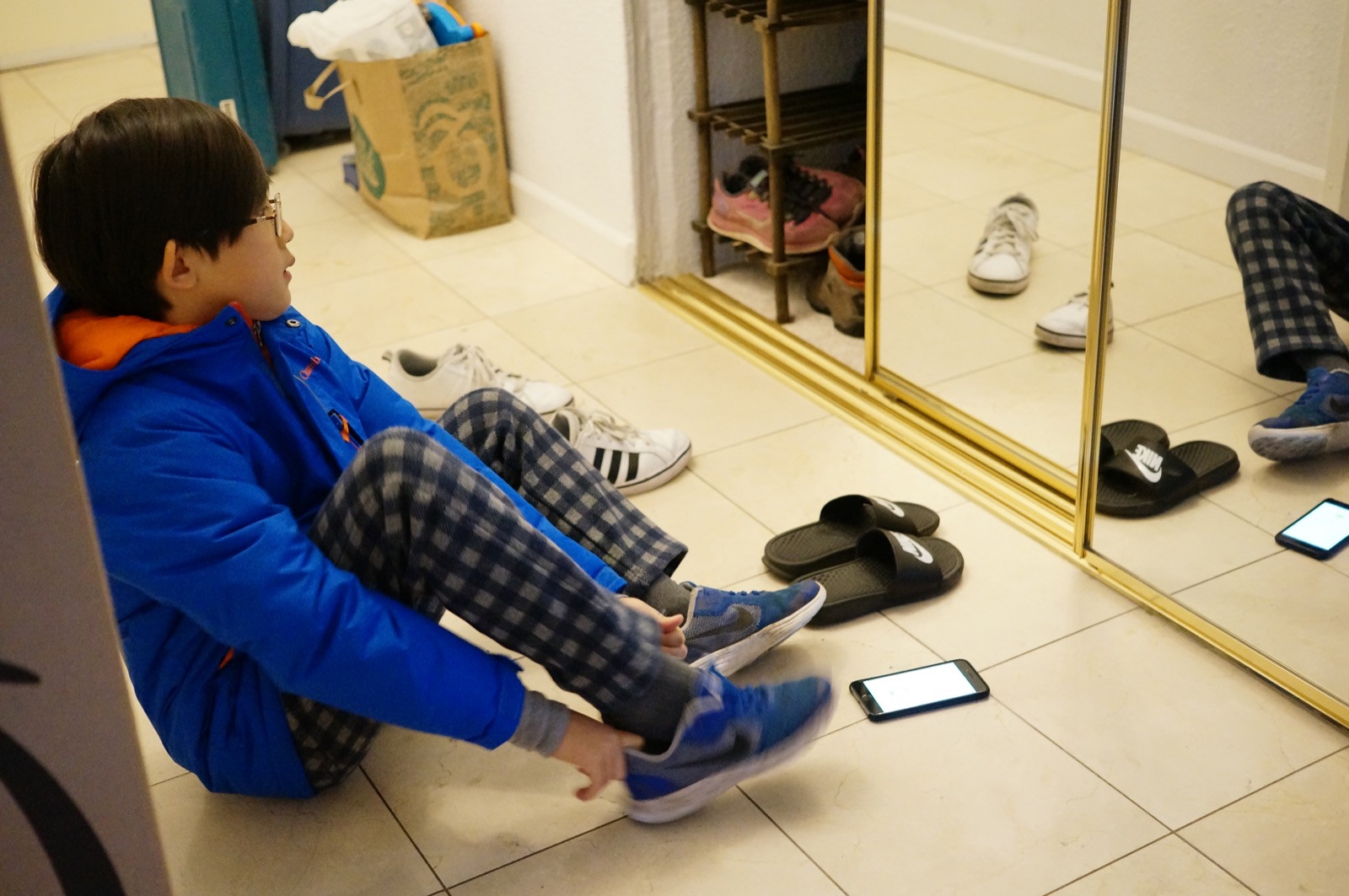
At breakfast, Ethan liked the swirl pattern made by his juice. He took these next two photos, too.
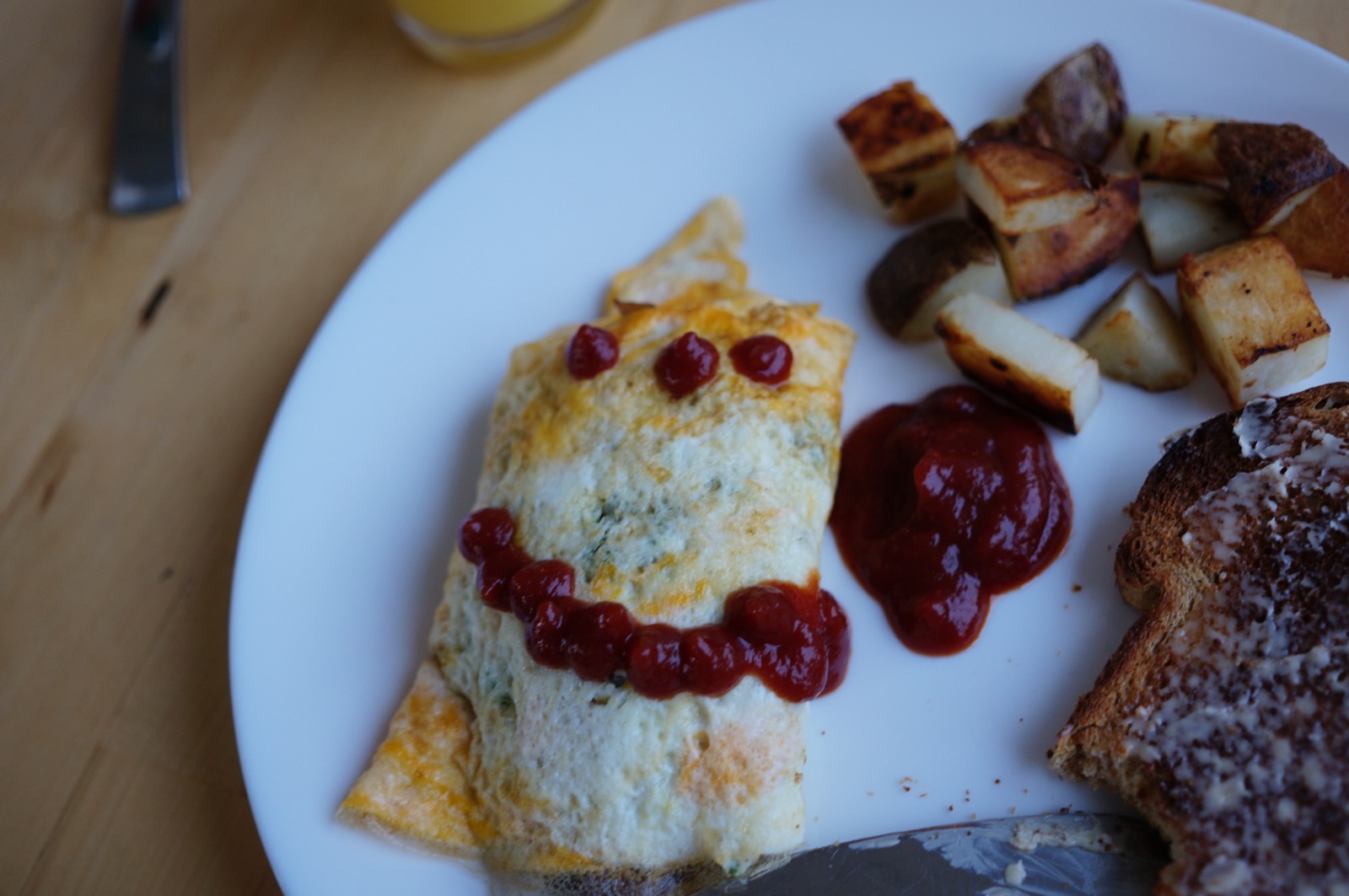
He made a face with ketchup on his omlette.
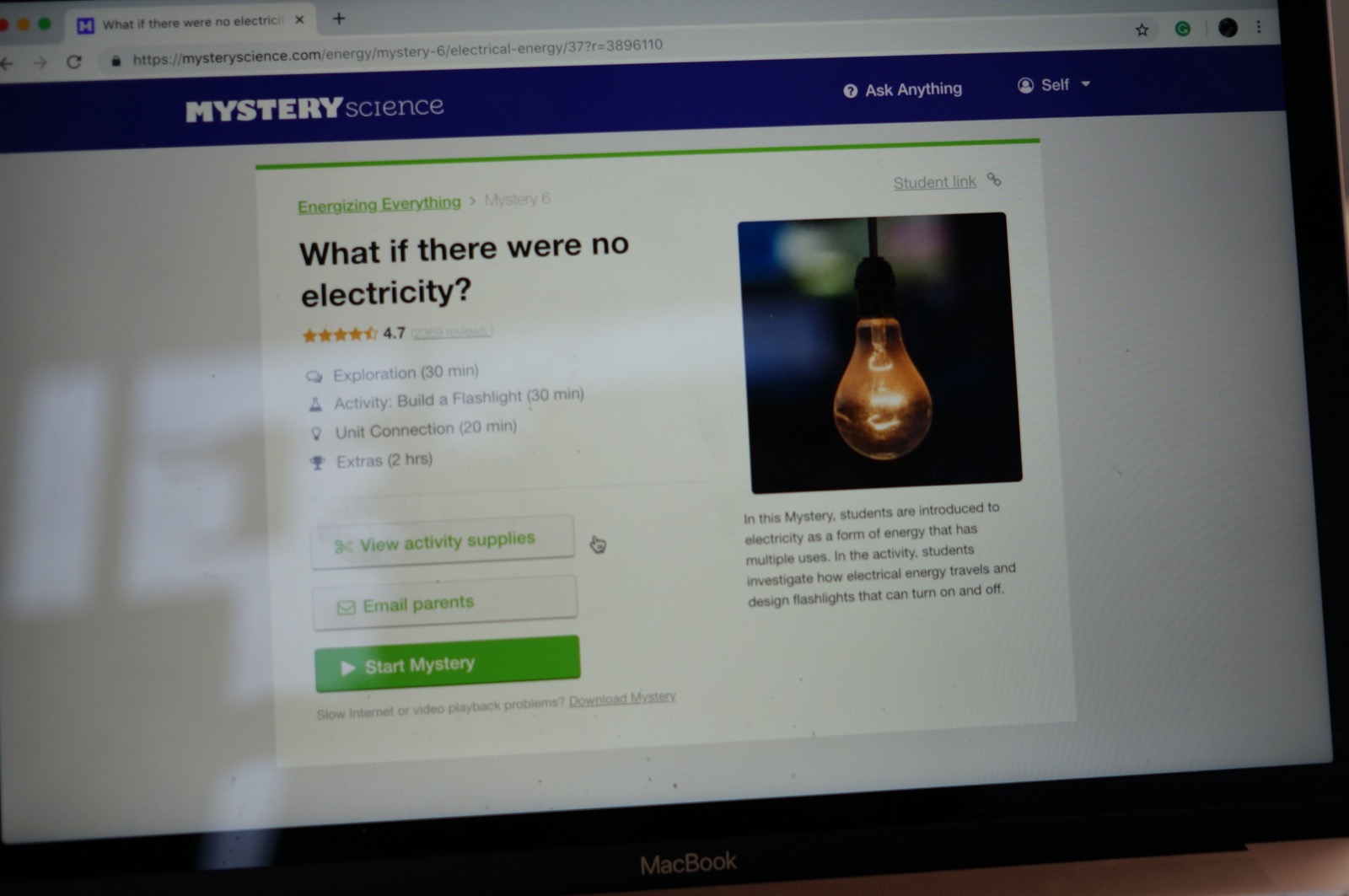
He learned about electrical energy on Mystery Science.
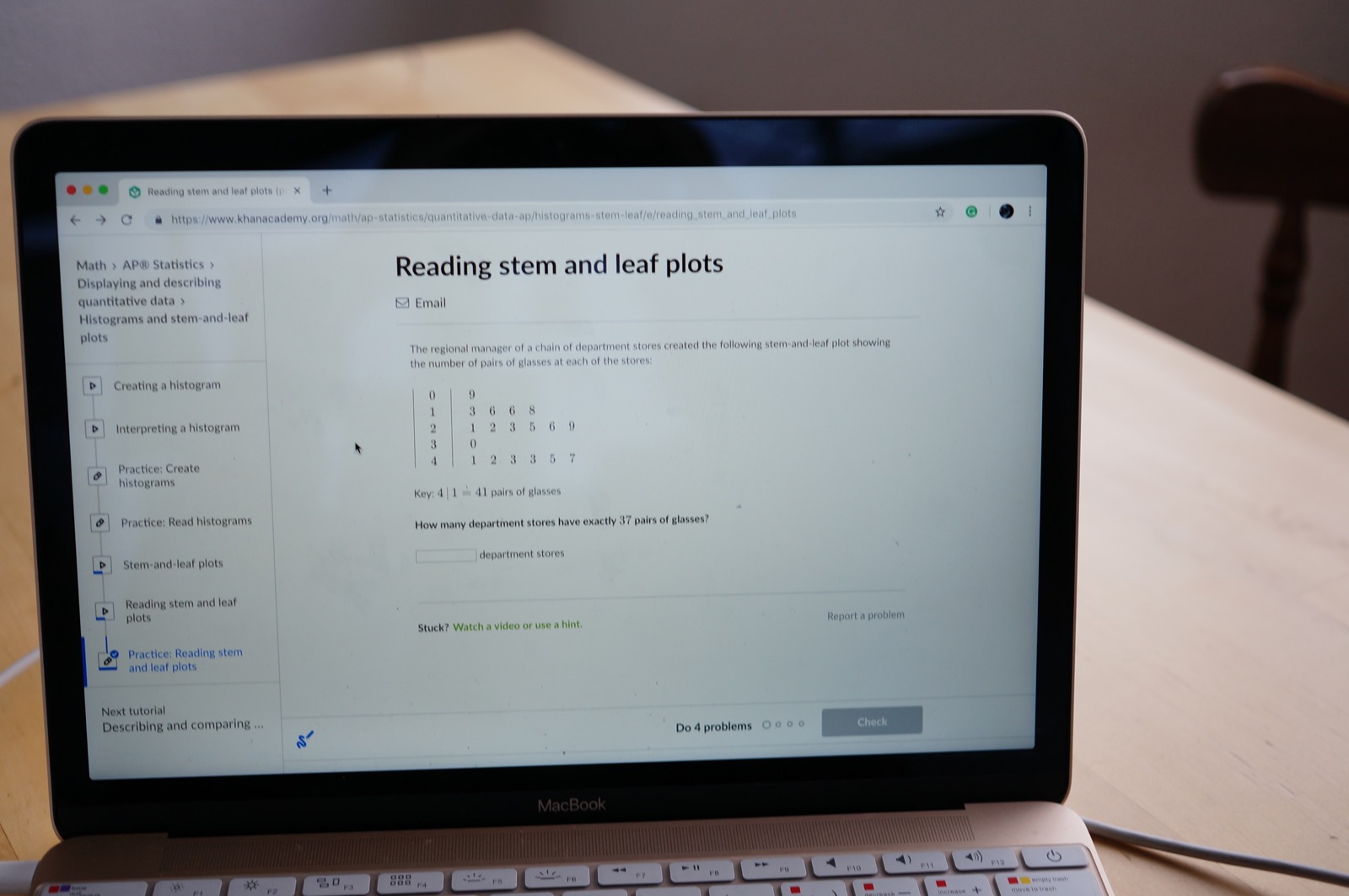
Learning about quantitative data from Khan Academy.
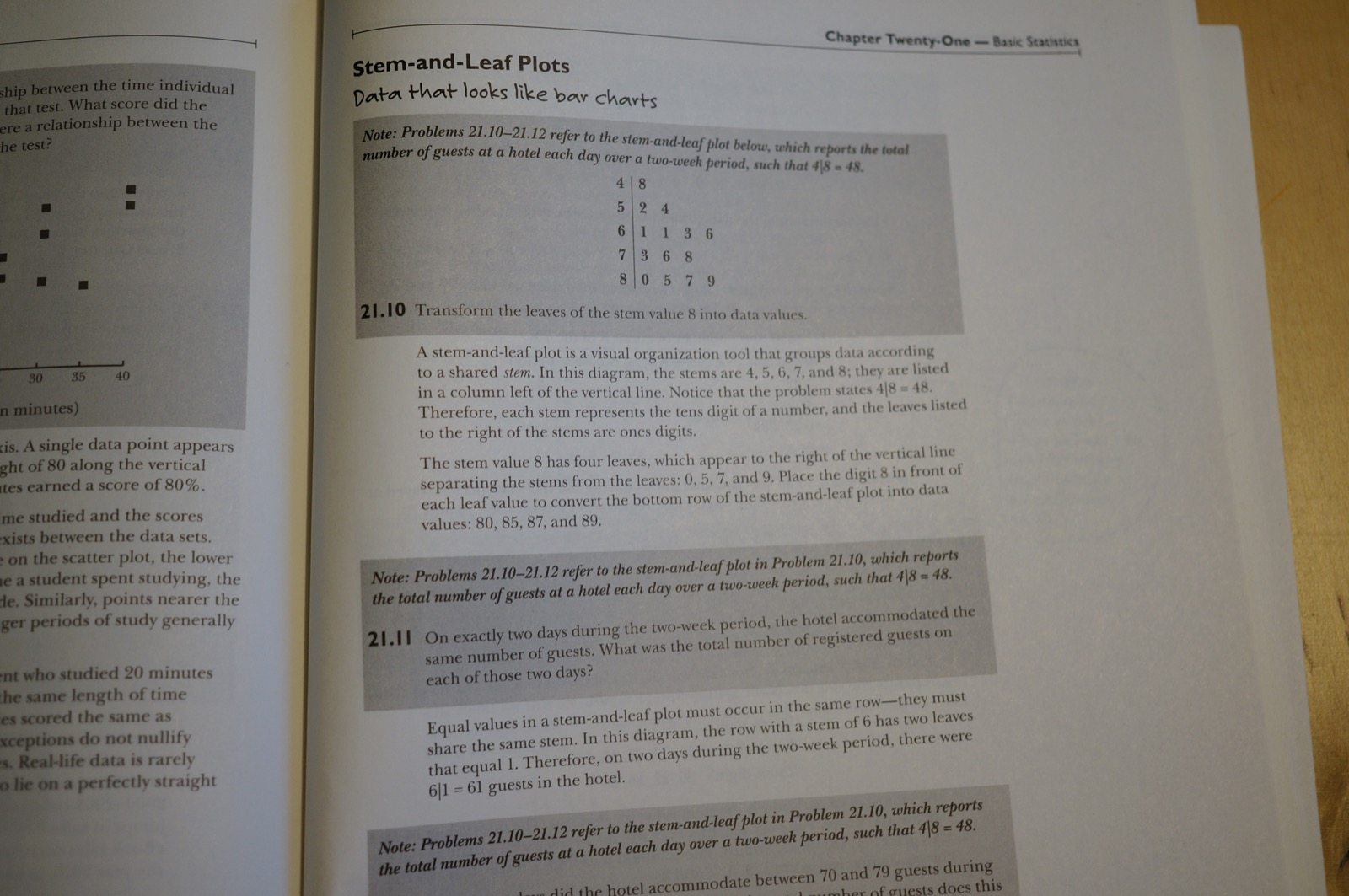
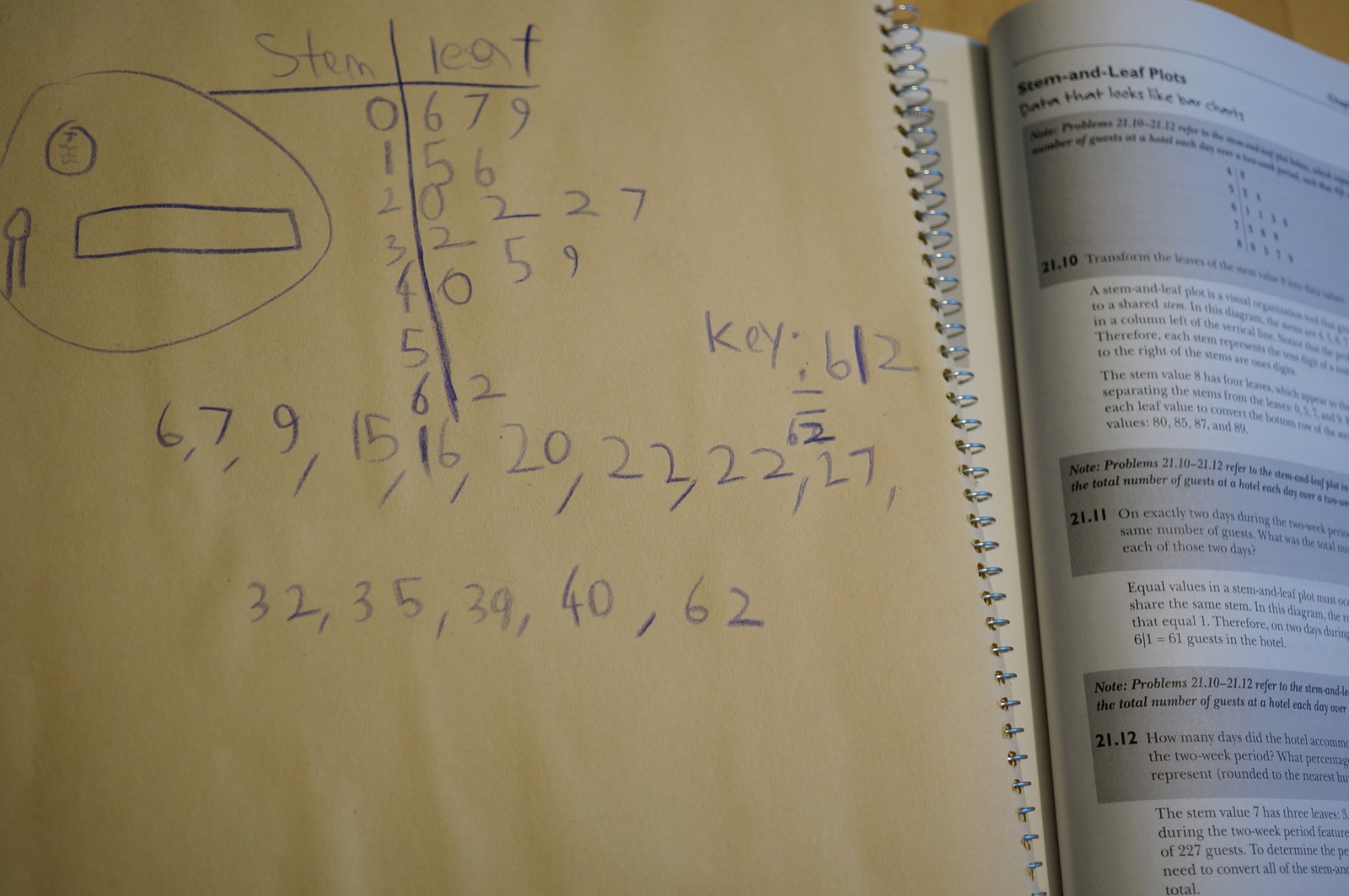
Following up what he learned on Khan Academy by doing problems on stem-and-leaf plots in The Humongous Book of Basic Math and Pre-Algebra Problems.
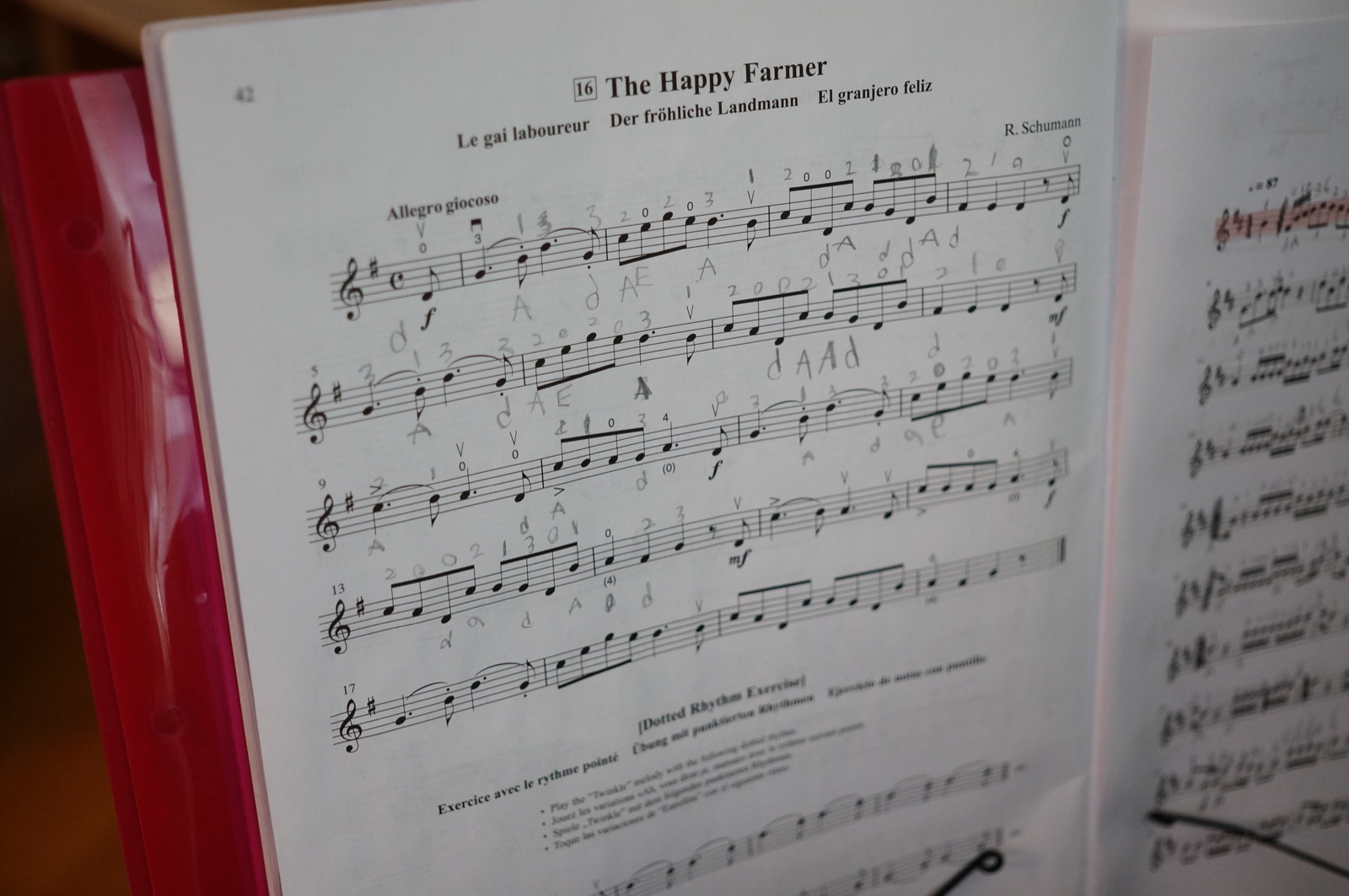
He then practiced playing The Happy Farmer on the violin. This is the song he just started learning this week.
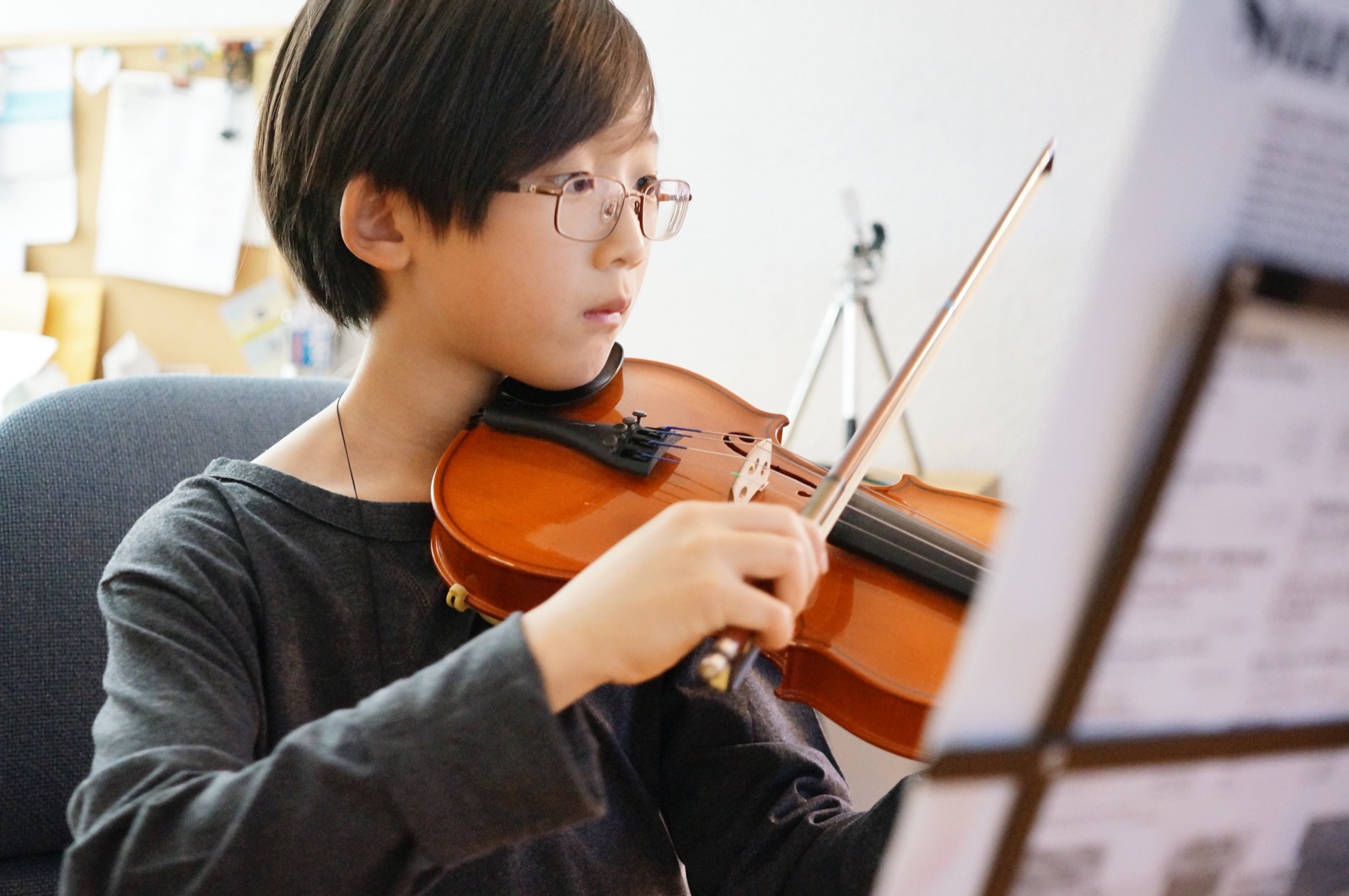
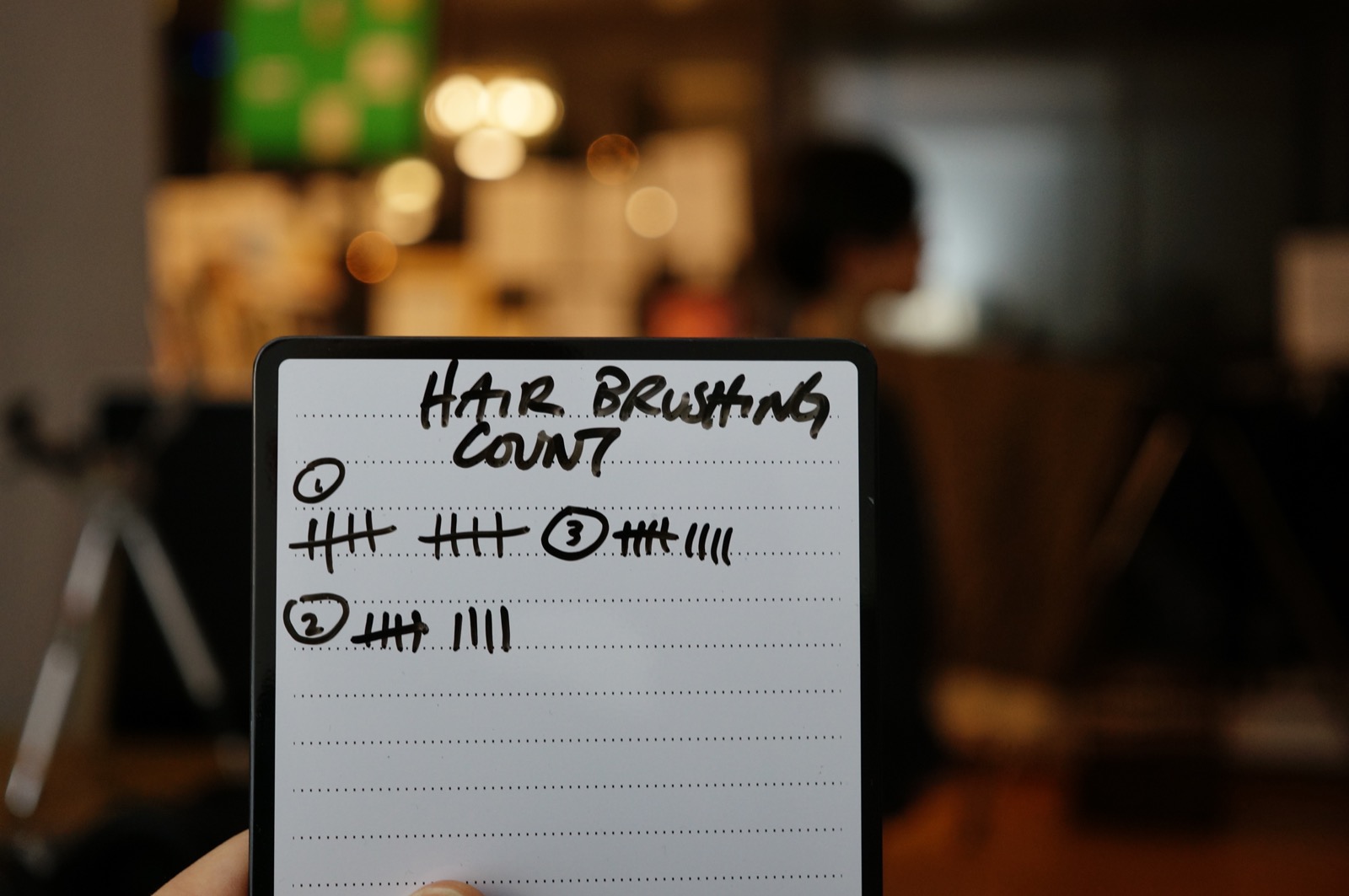
Ethan practiced his taekwondo pattern before heading to class. Whenever he practices, we noticed that he constantly brushes his hair out of his eyes to the point that it seems like he’s not concentrating on the pattern.
So as a game, we counted how many times he brushed his hair as he practiced his pattern. After the fifth try, he went all the way down to only doing it twice, so this little game helped him be more conscious of his actions.
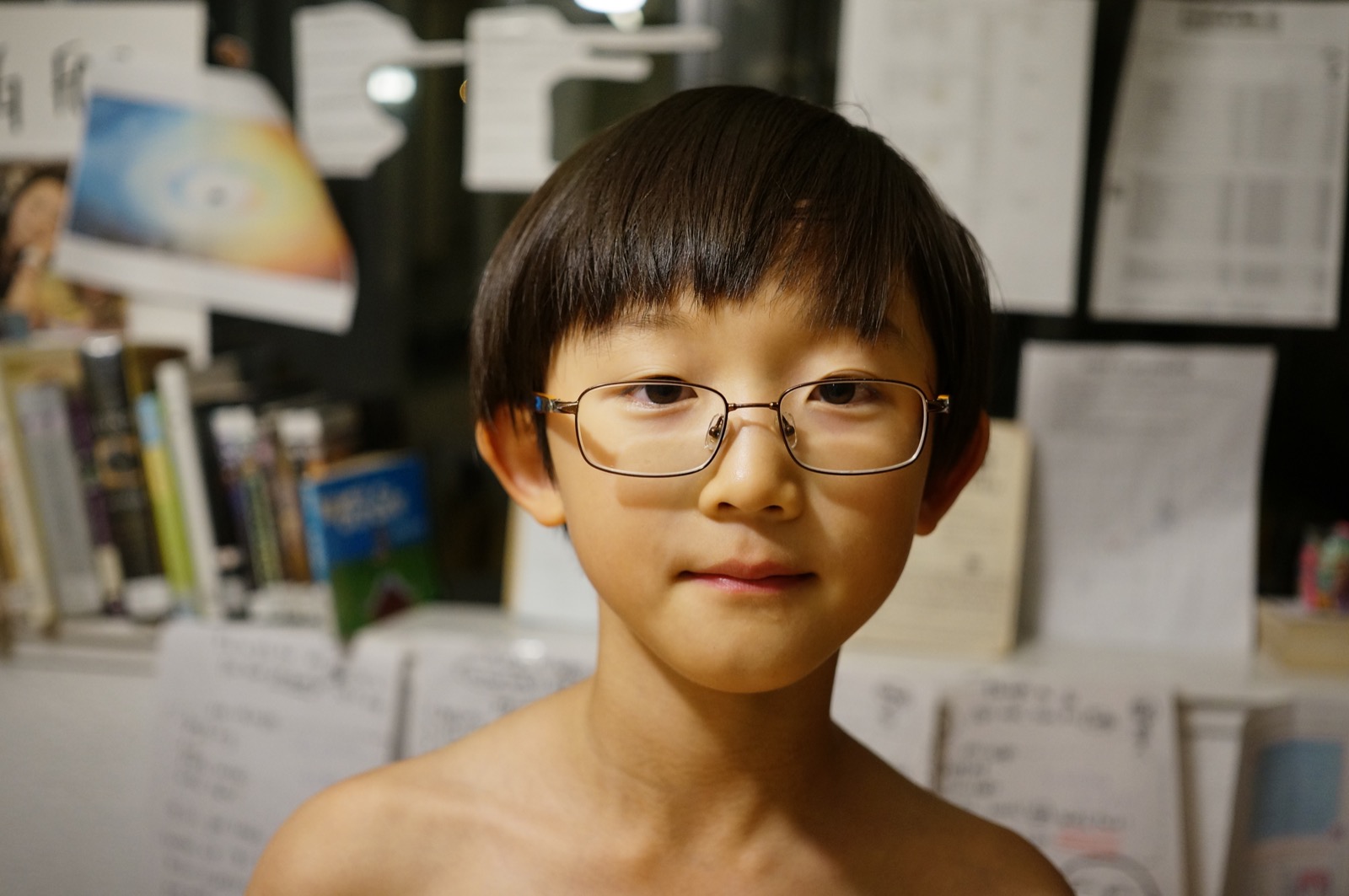
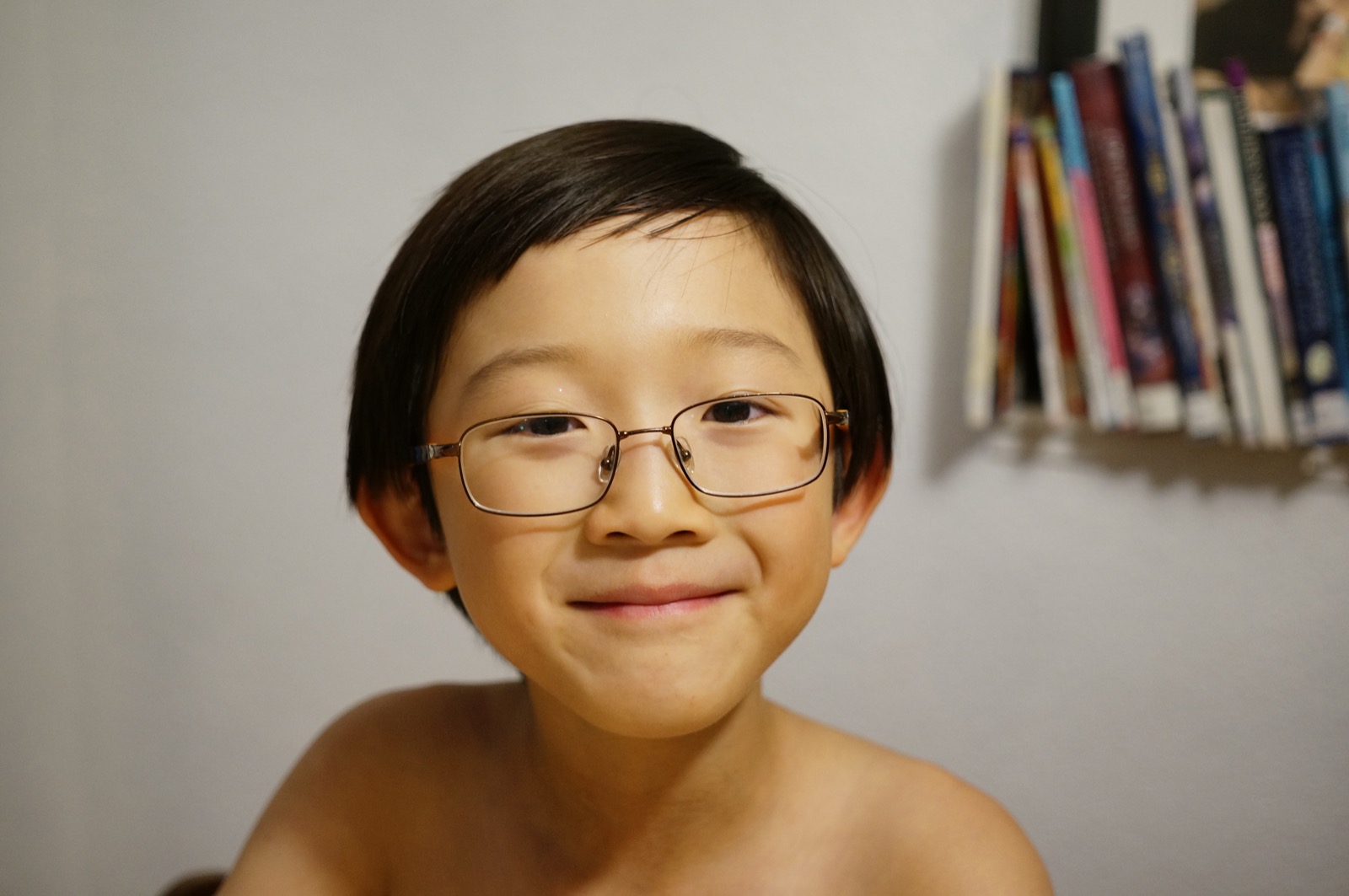
After Ethan’s taekwondo class, he went into the bathroom and cut his bangs.
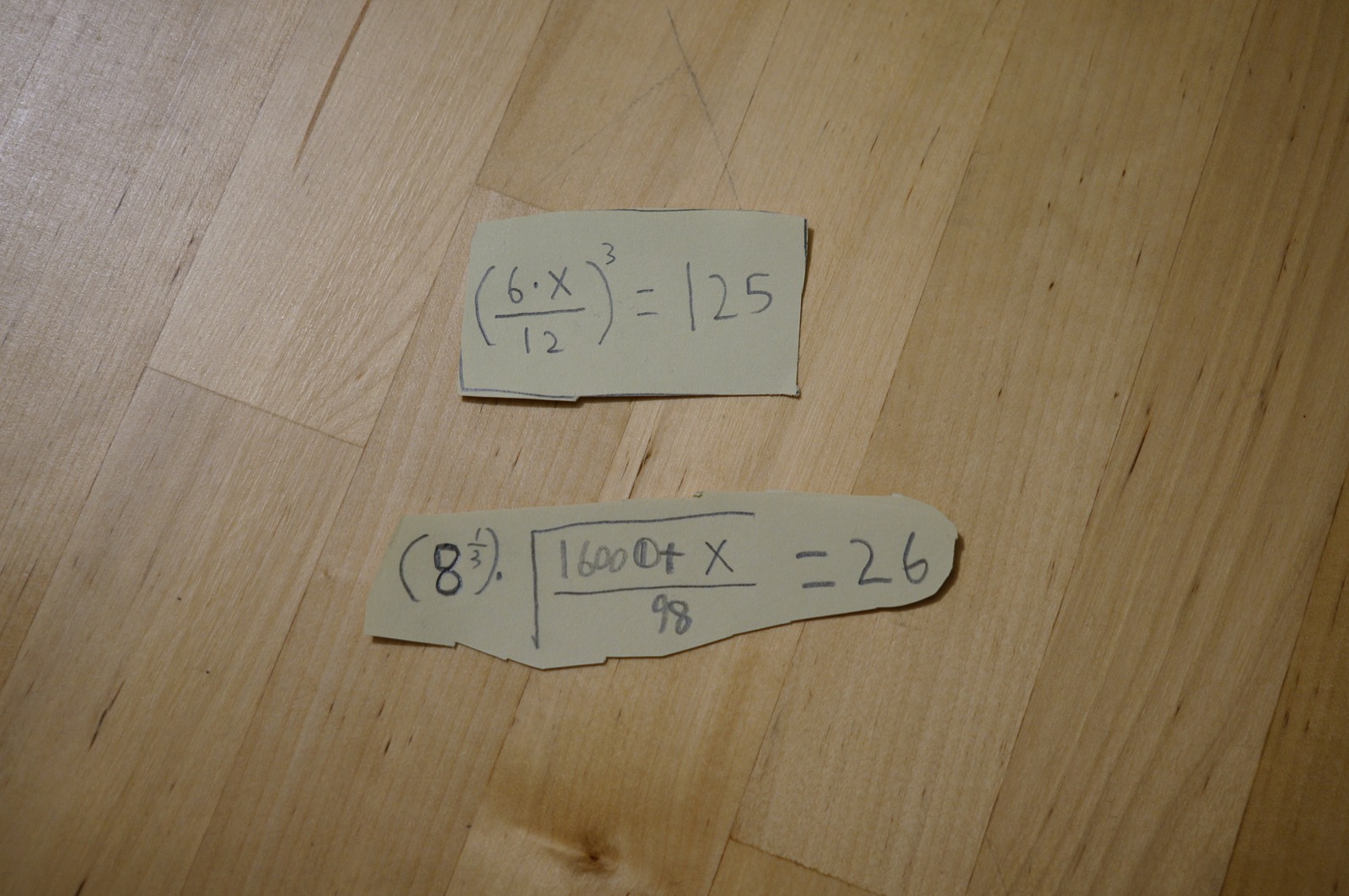
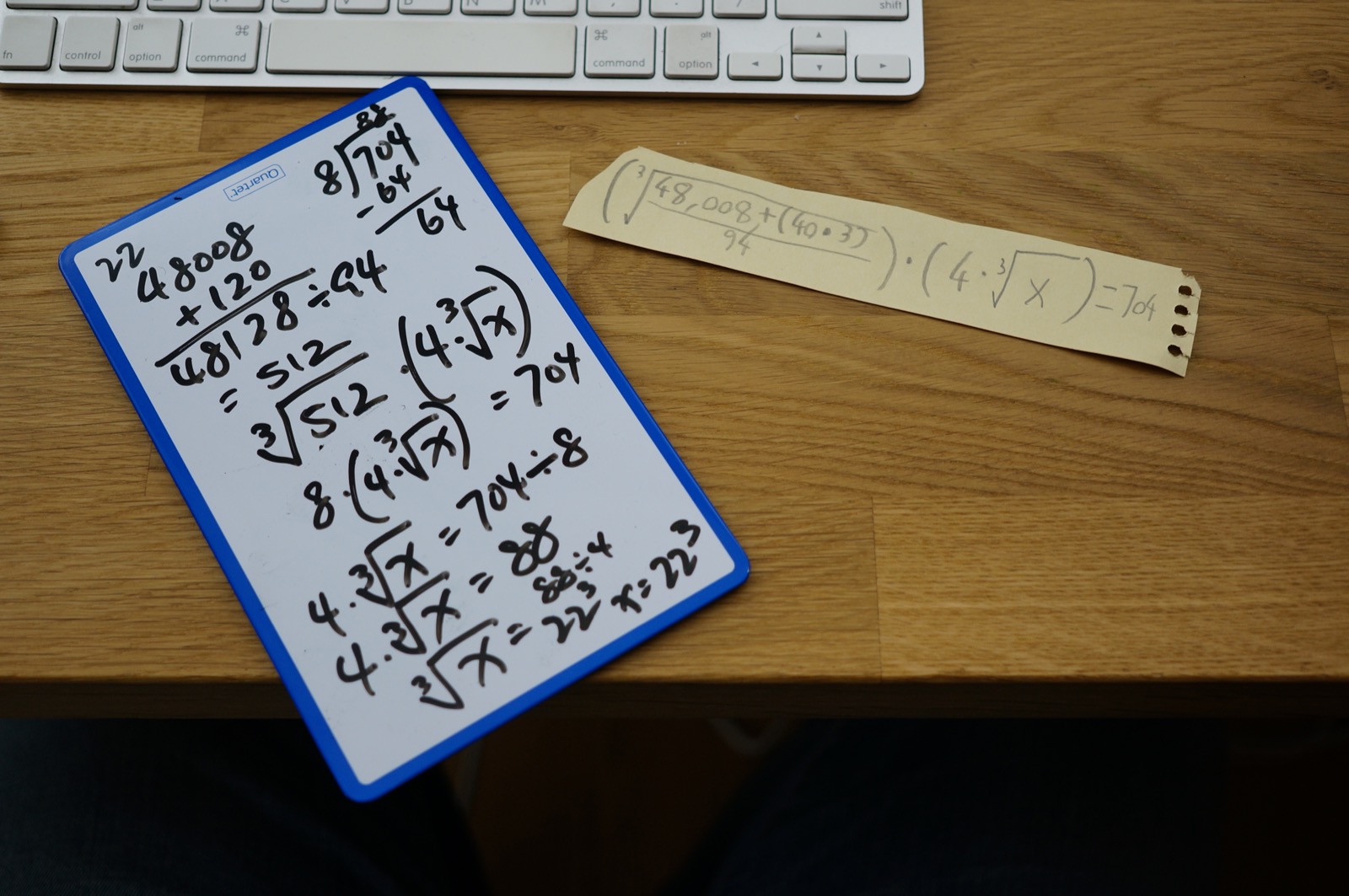
He gave Dong Eun a couple of equations to solve today. He made these up after checking to see if they could be answered with a whole number.
This is stuff he’s working on and having us try the problems is a good way for him to deepen his learning/understanding.
He also gave me a couple problems to try, too.
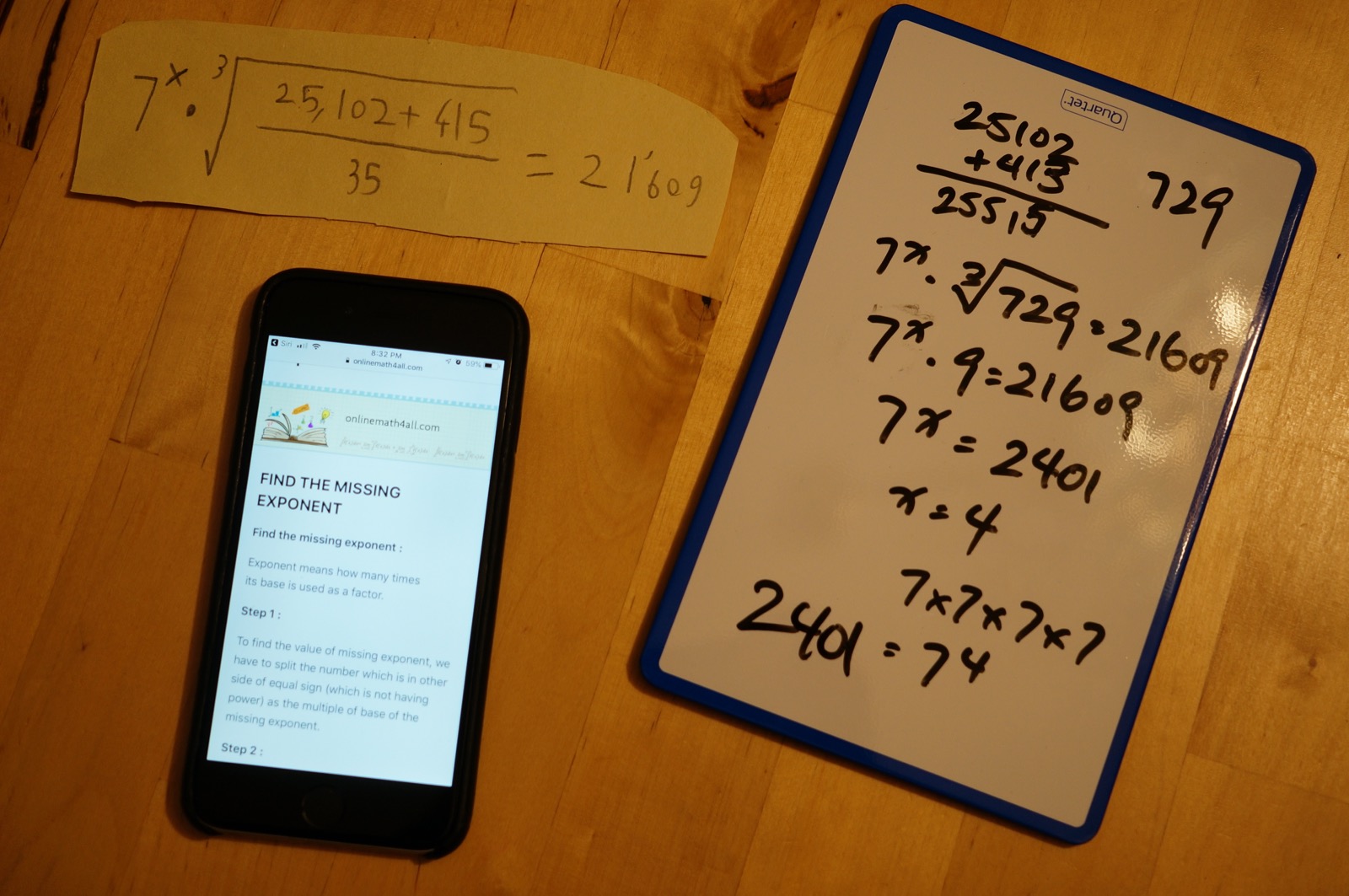
He was learning about arcs while I did the equation.
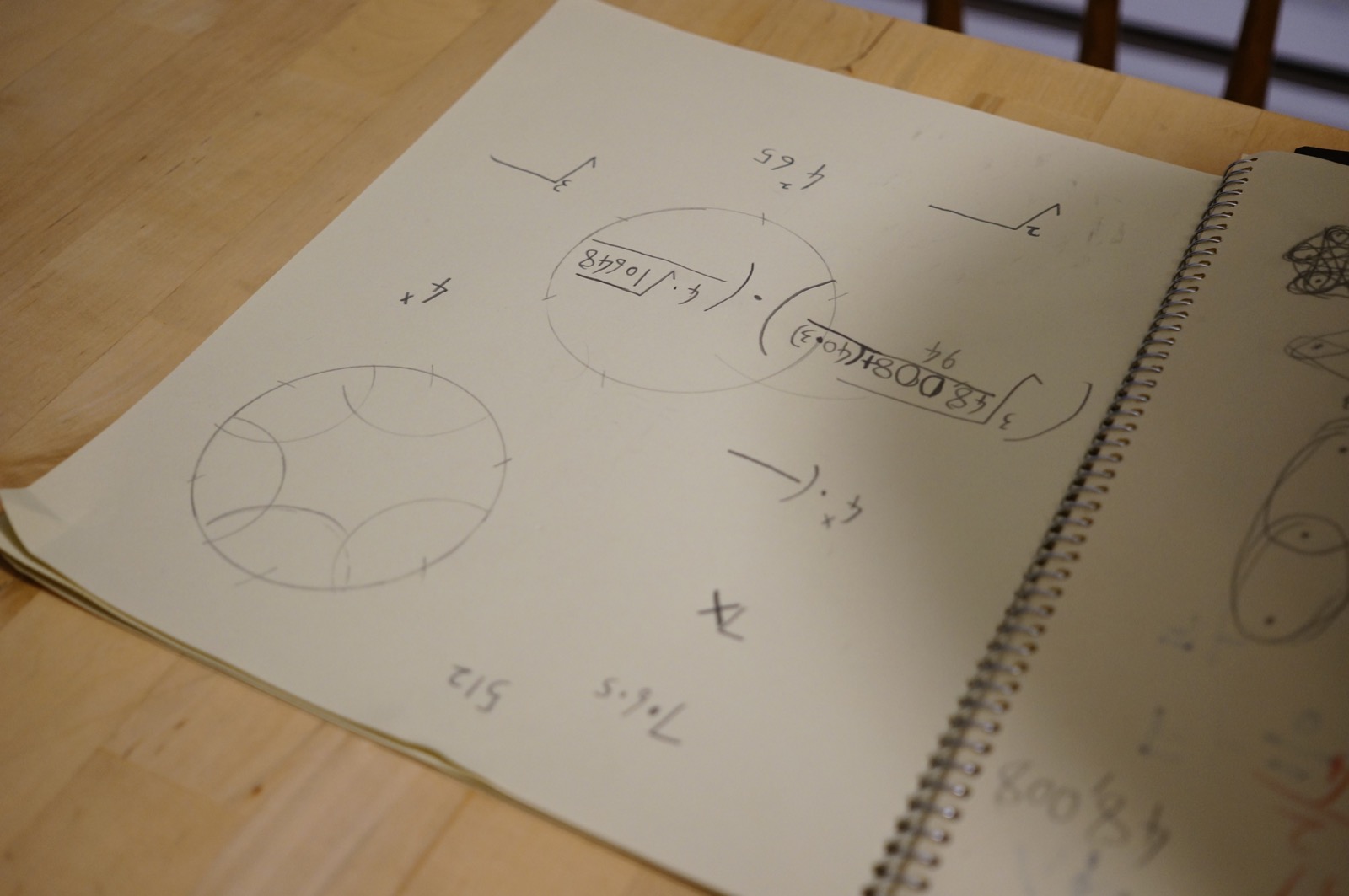
The second problem he gave me to solve. He figured out the answer before he had me try it to make sure the equation was solvable and so he could check my answer.
November 28
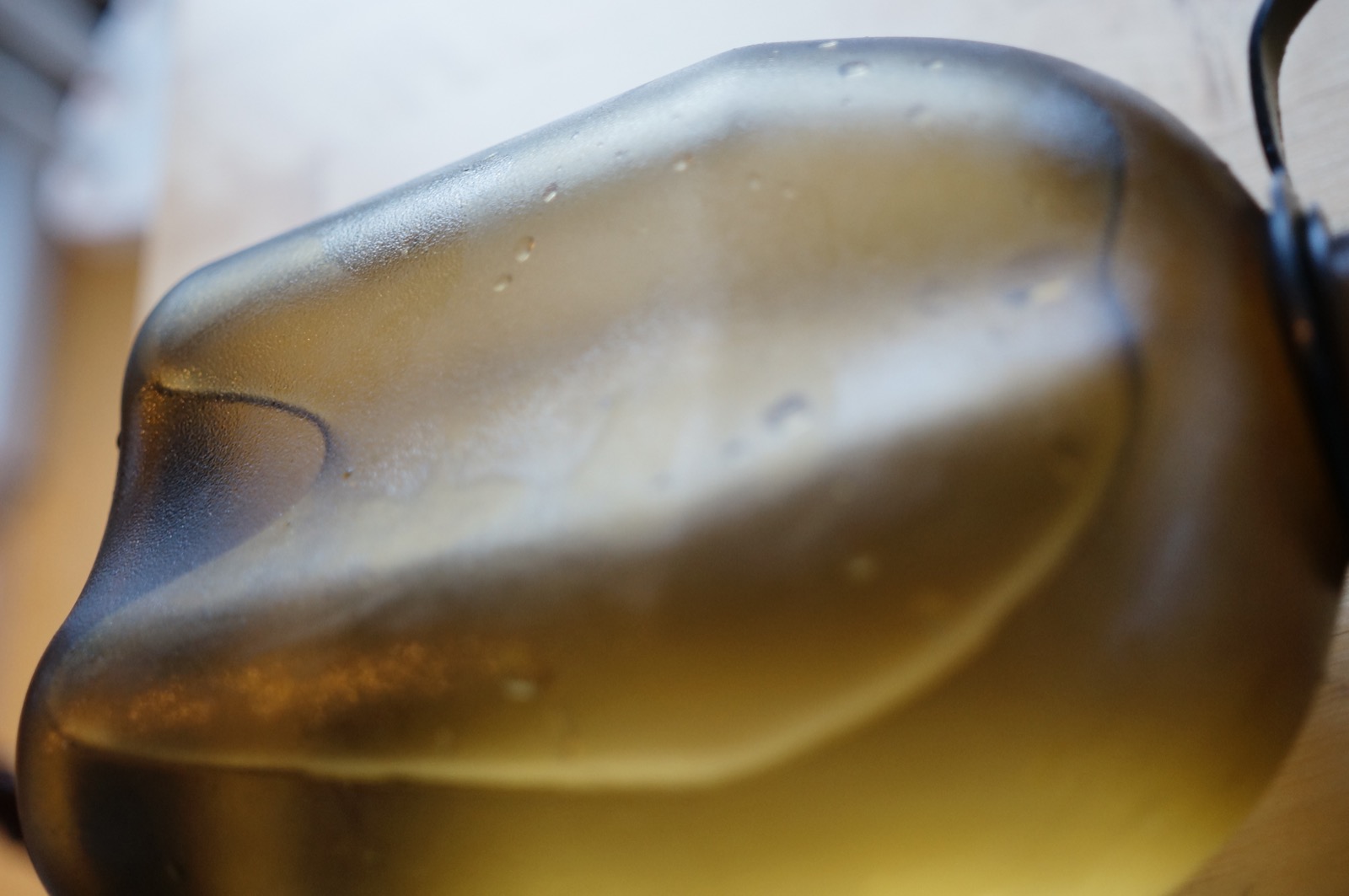
He noticed that the water in his water bottle looked like a tooth.
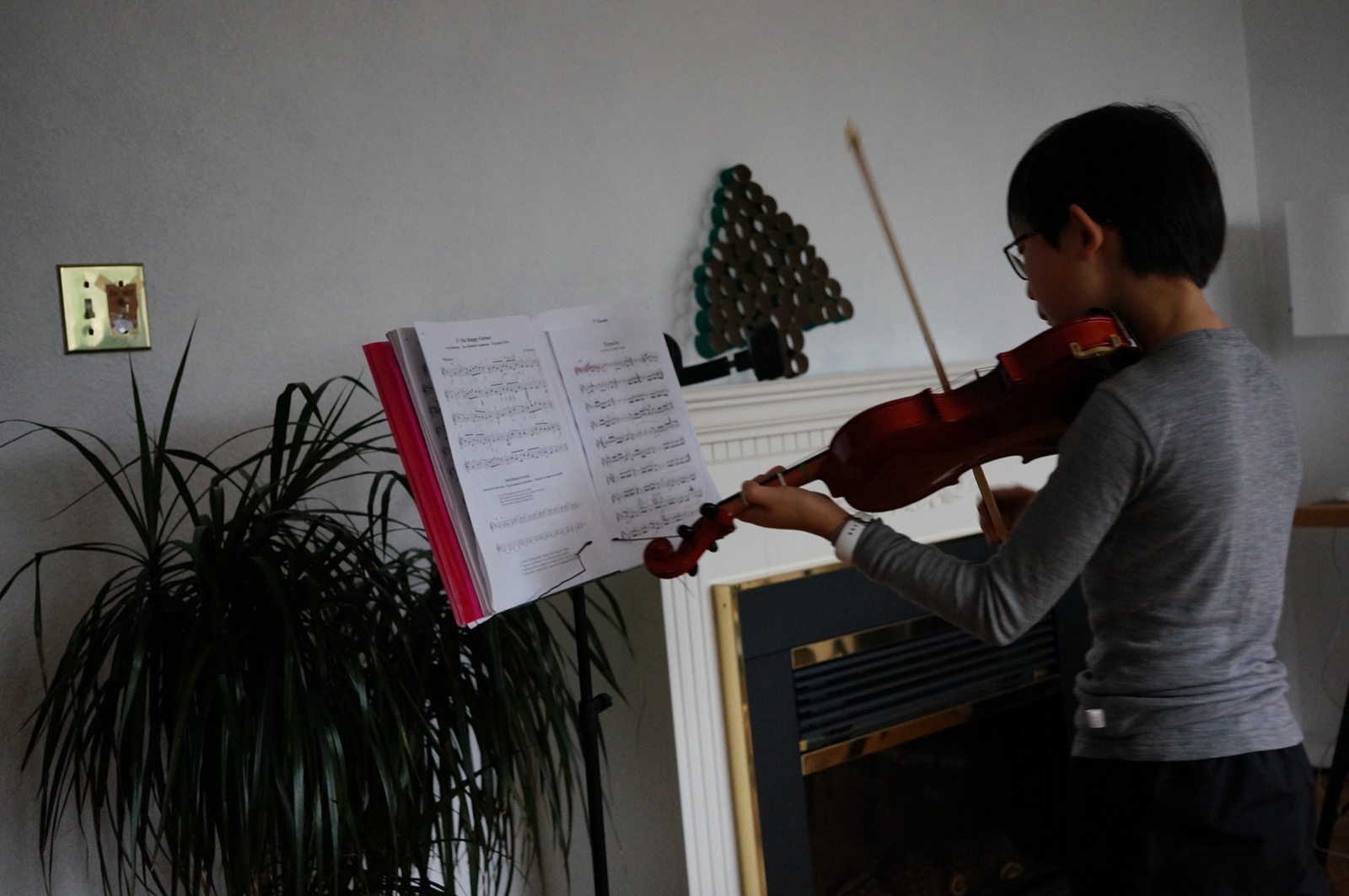
Morning violin practice. He has been practicing playing Despacito and has gotten quite good at it.
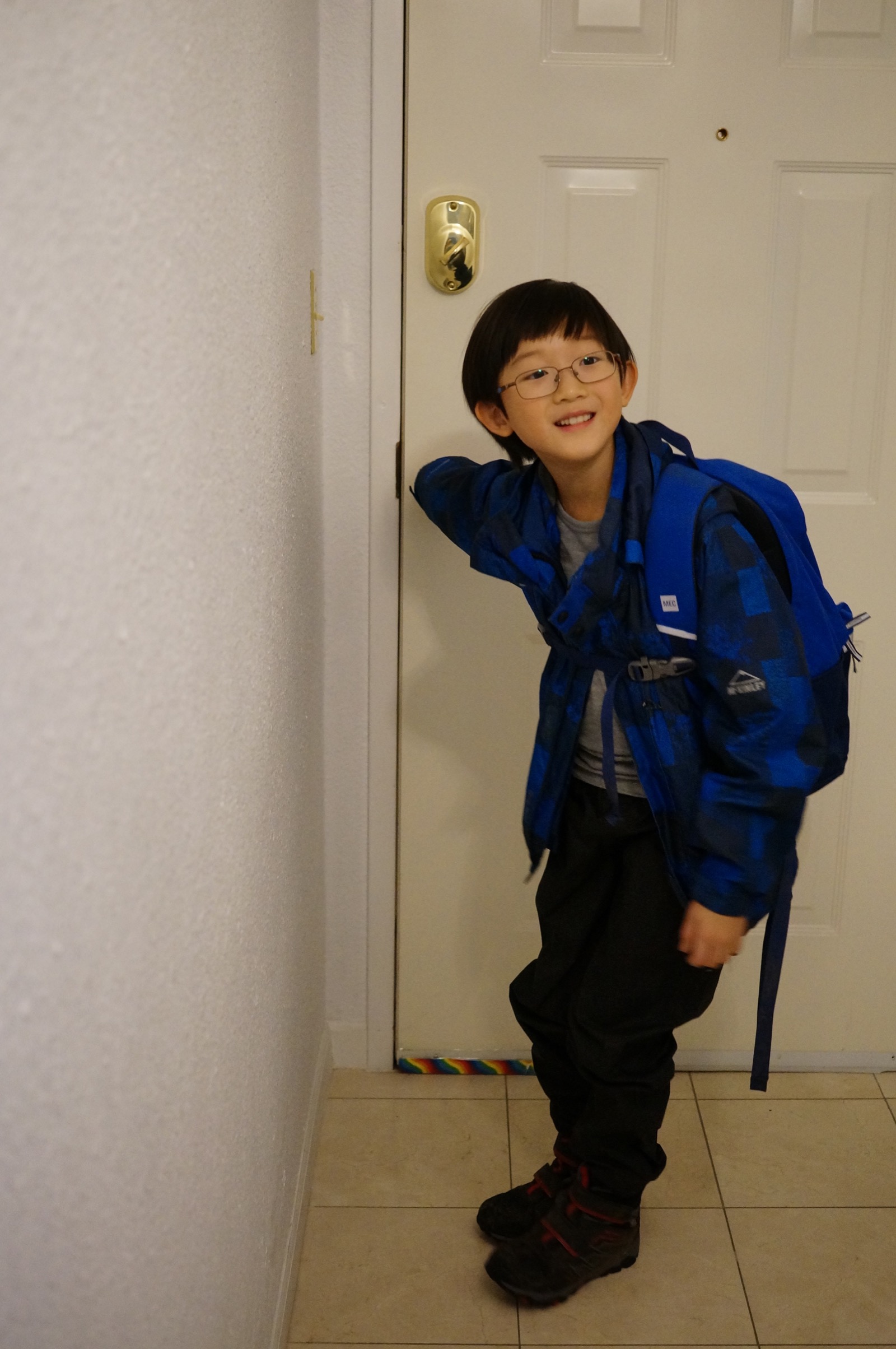
Off to nature school!
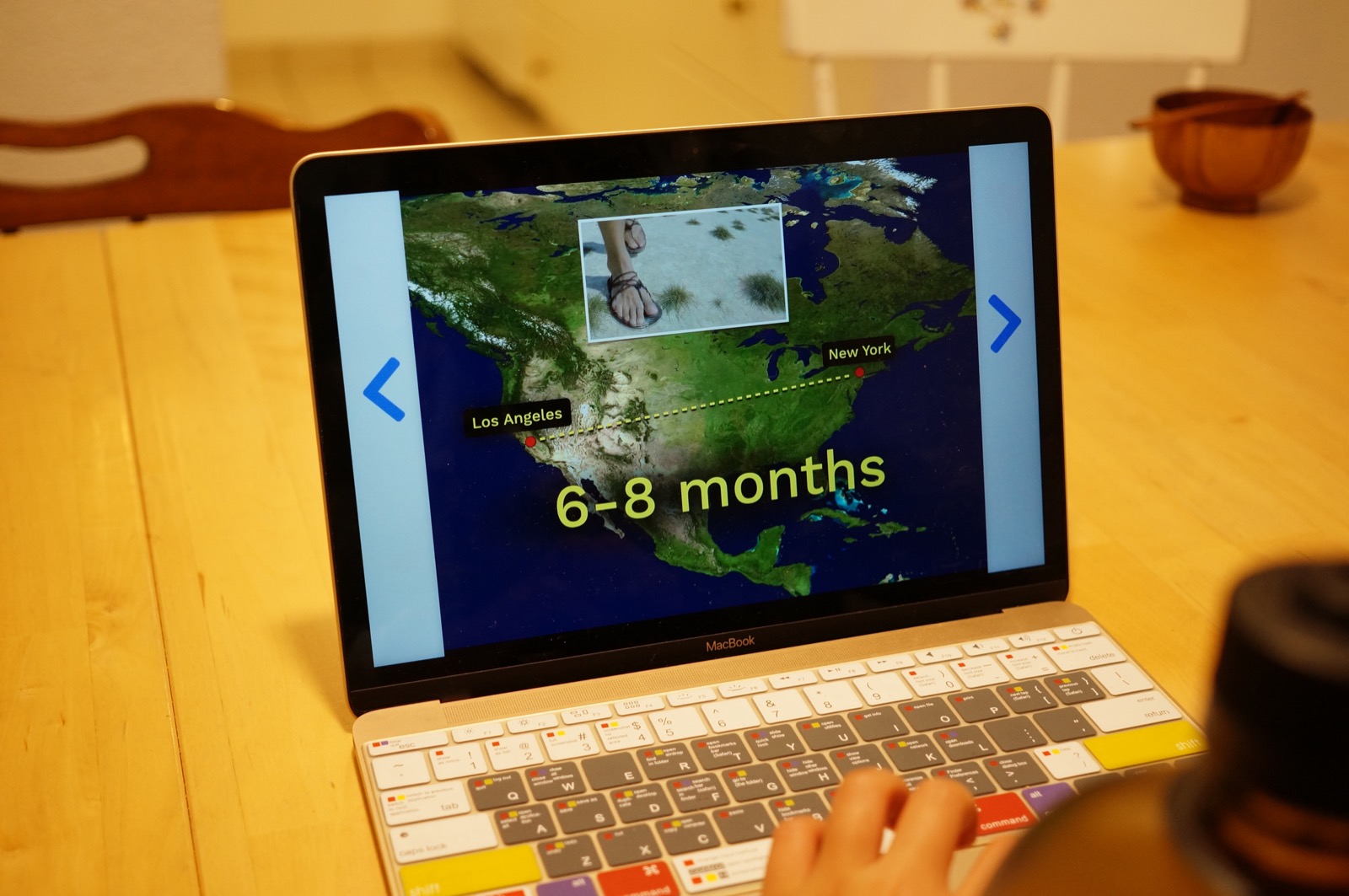
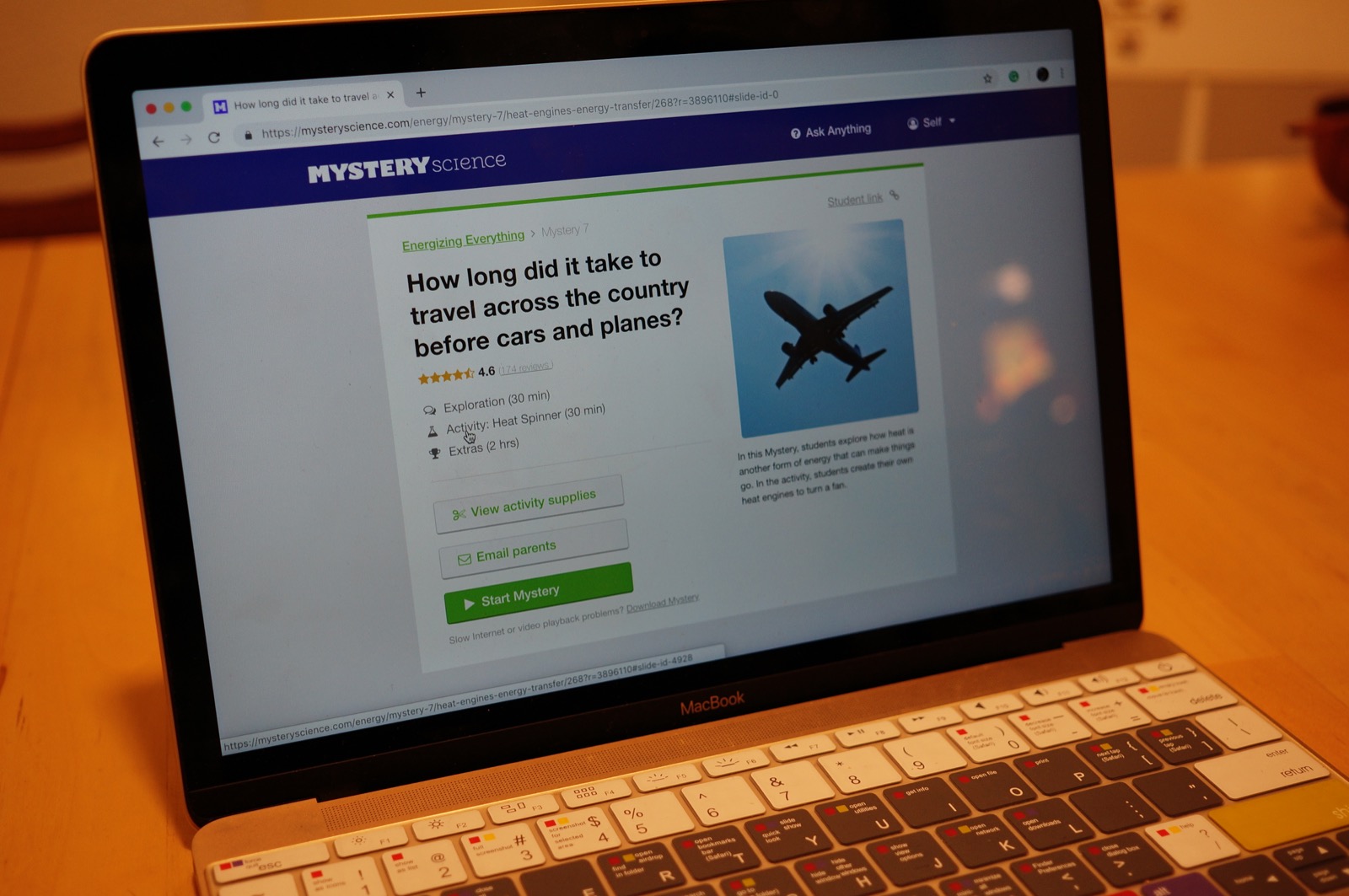
After getting home from nature school, he learned about energy transfer. The lesson discussed how people travelled across N. America by foot and this took a lot of energy. They then talked about how horses made it less energy consuming for people.
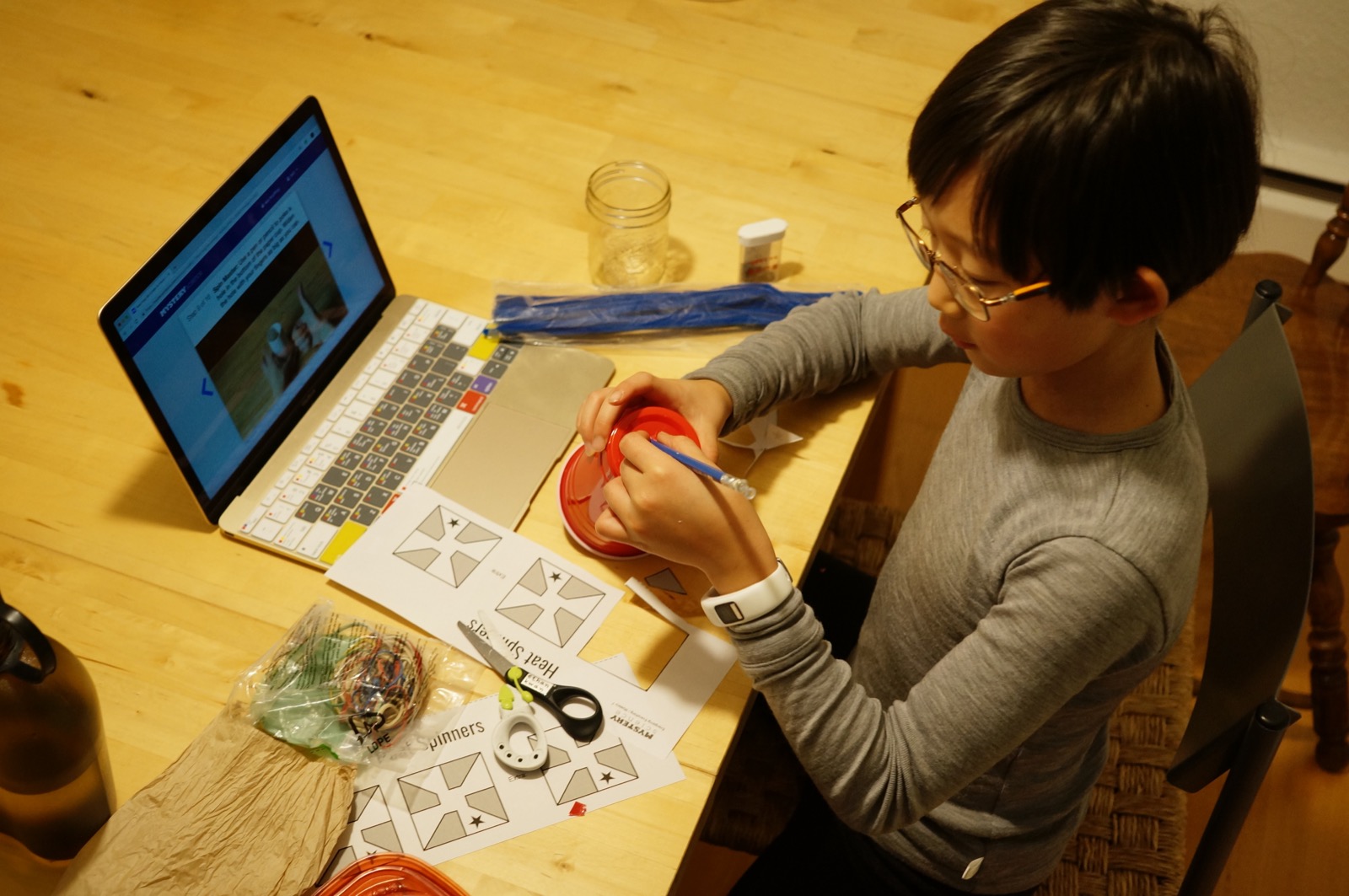
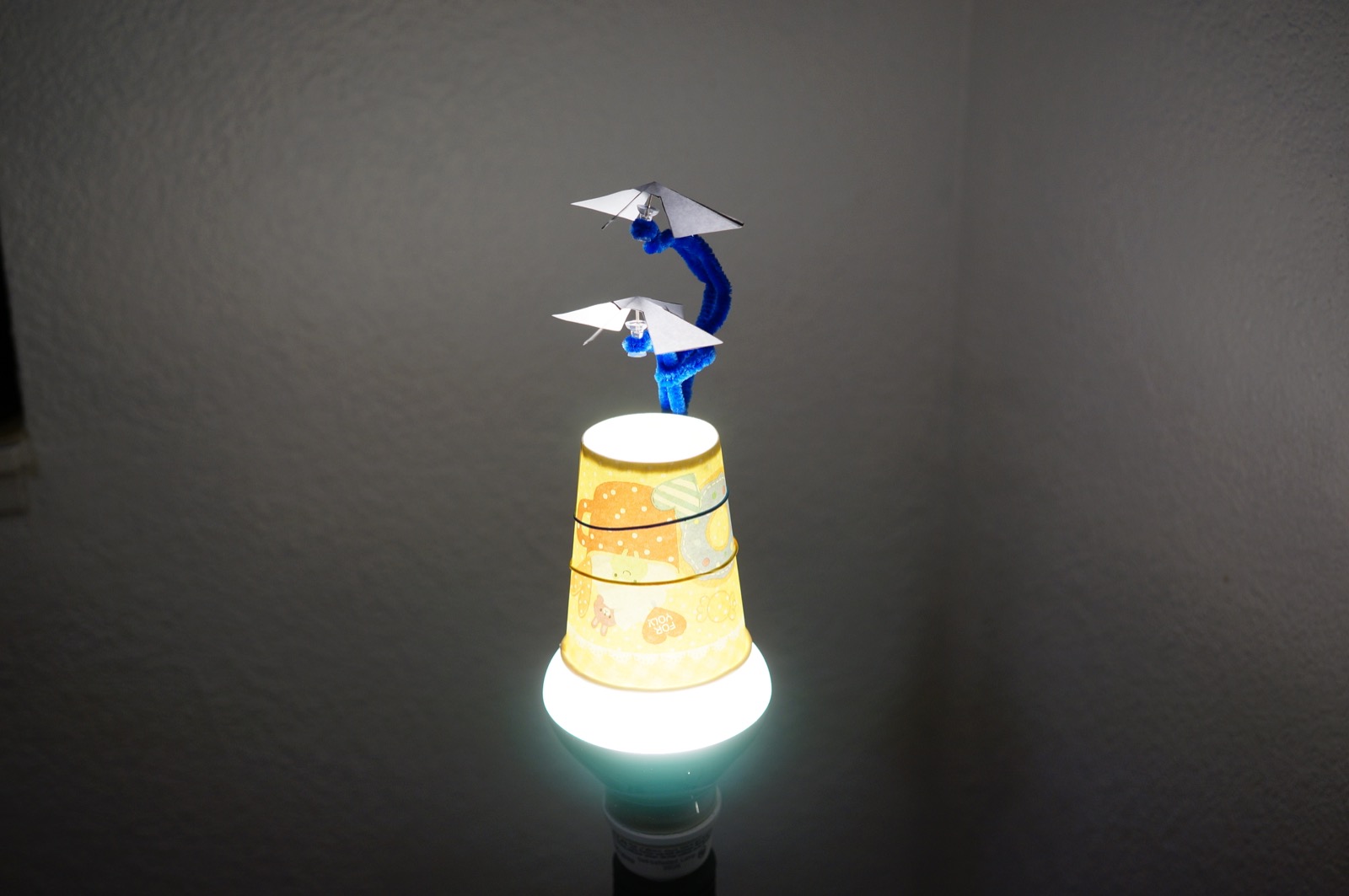
He then worked on a project to demonstrate energy transfer by seeing how you can use hot air to turn a fan.
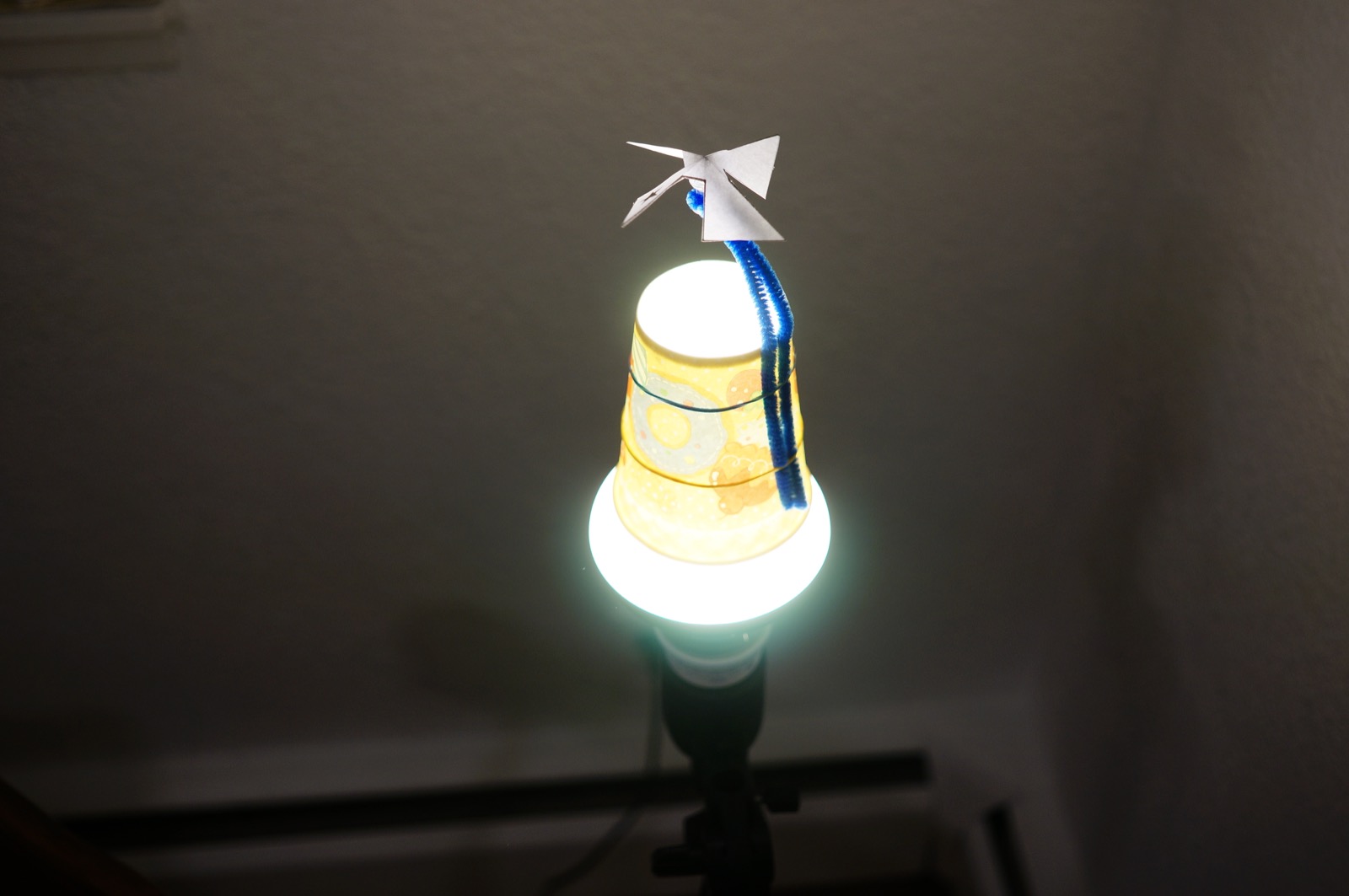
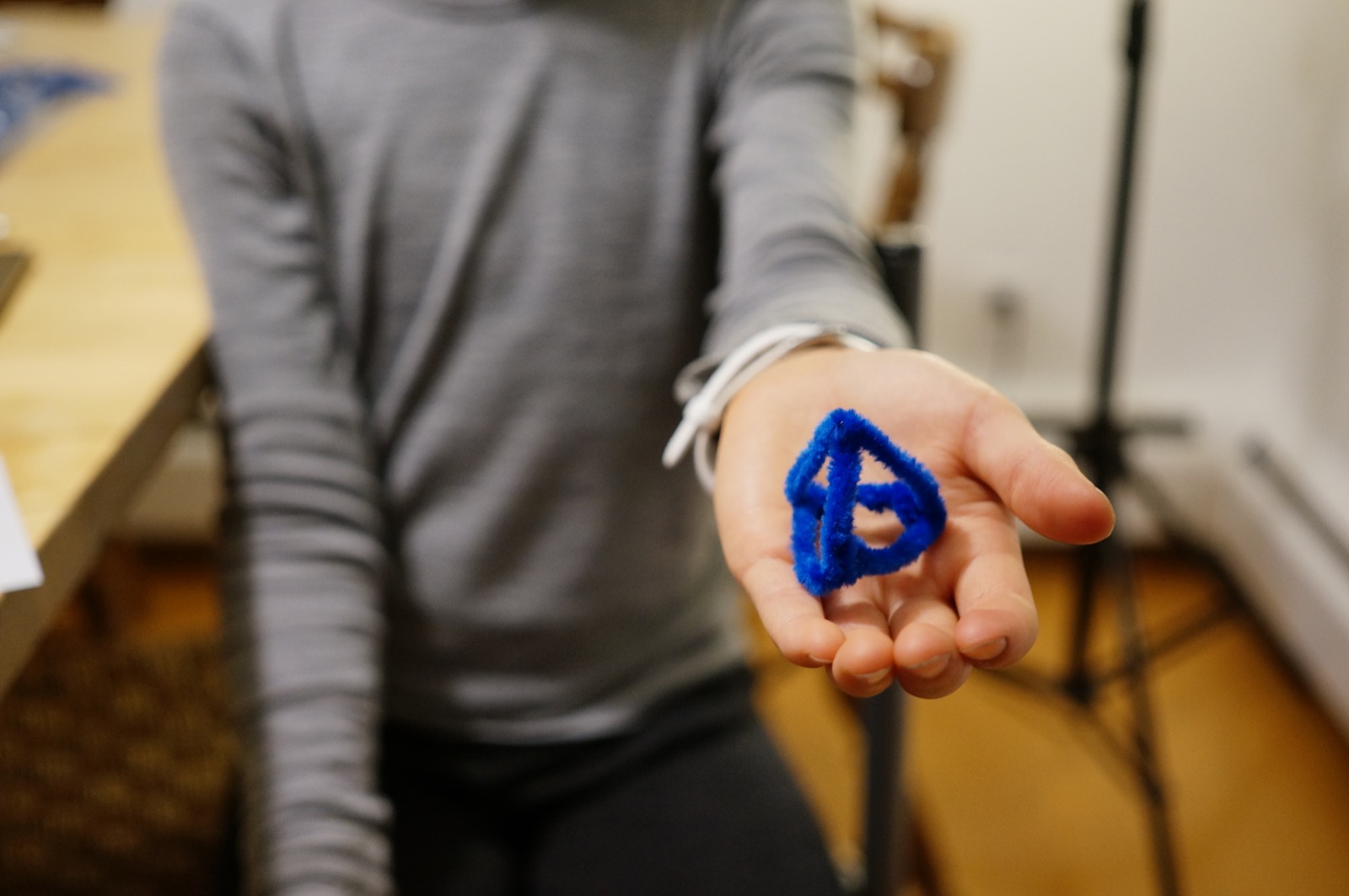
He made this shape with pipe cleaners while watching the energy transfer lesson.
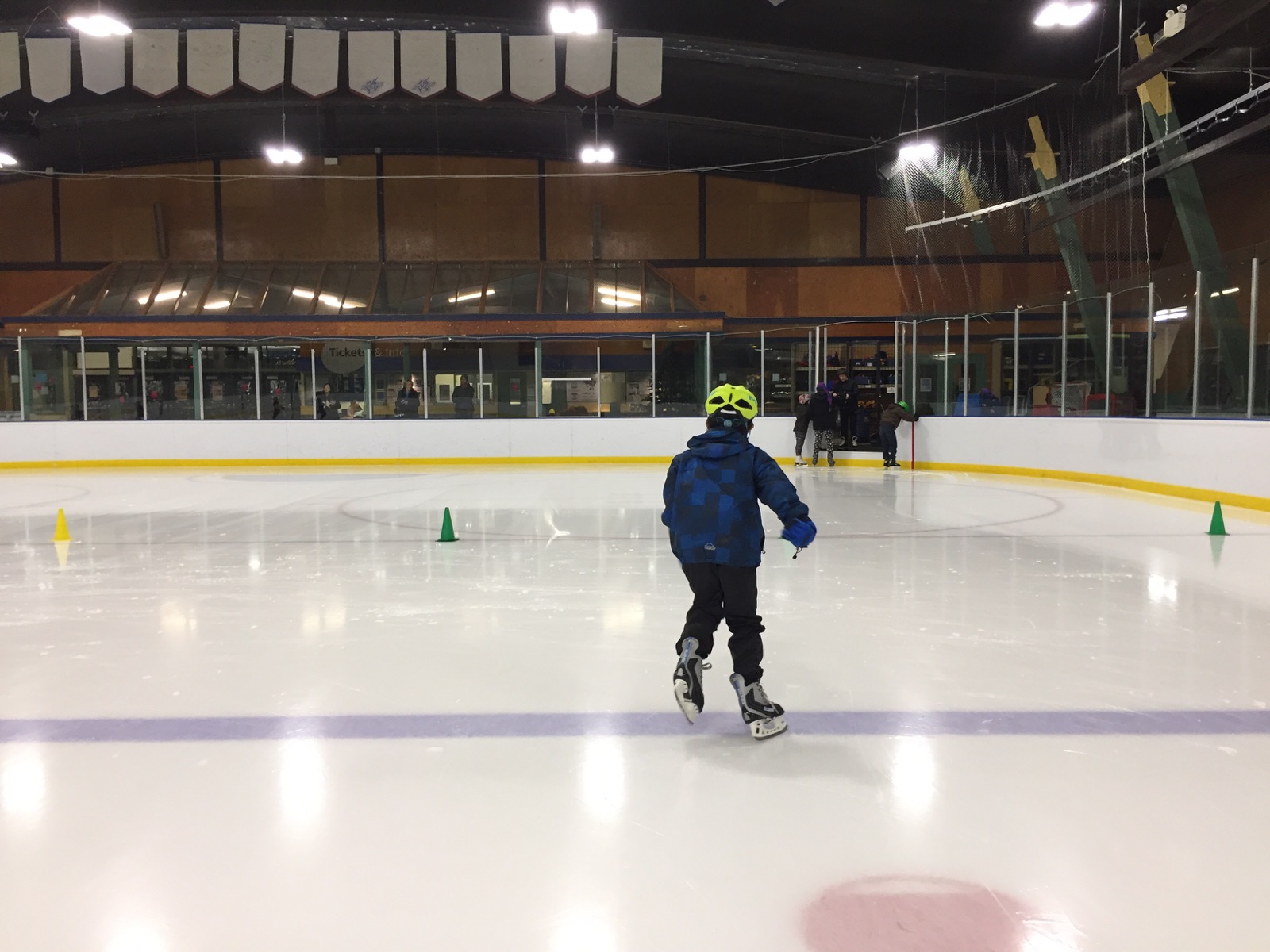
We then went skating for almost an hour and a half. Ethan really loves skating now and looks forward to it every week.
After skating, we came home and Ethan wanted to see if adding a second fan to his energy transfer project would work. It did!
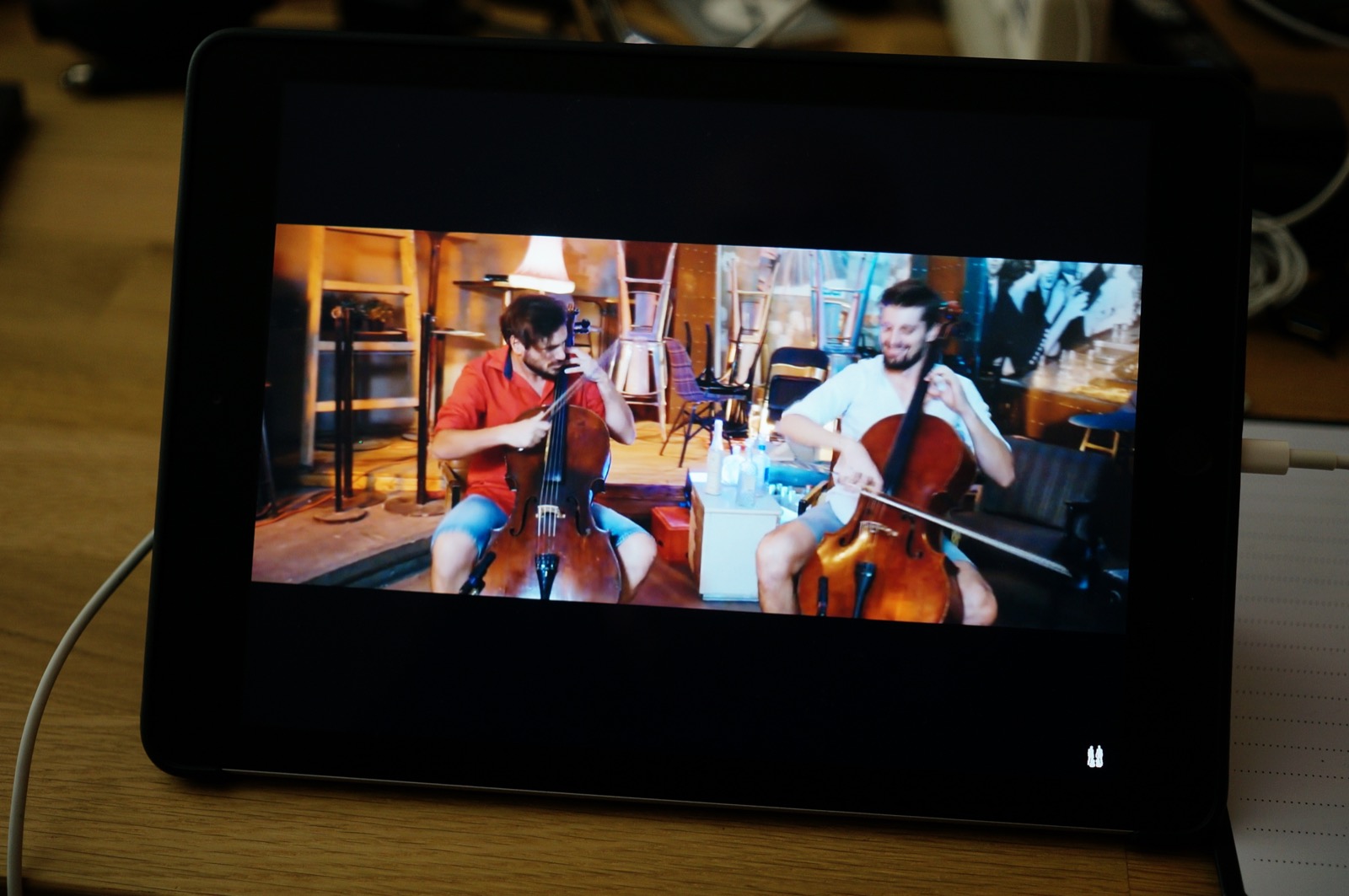
He then played Despacito together with the 2Cellos guys…It was a video of them playing, as they weren’t actually here, of course 🙂
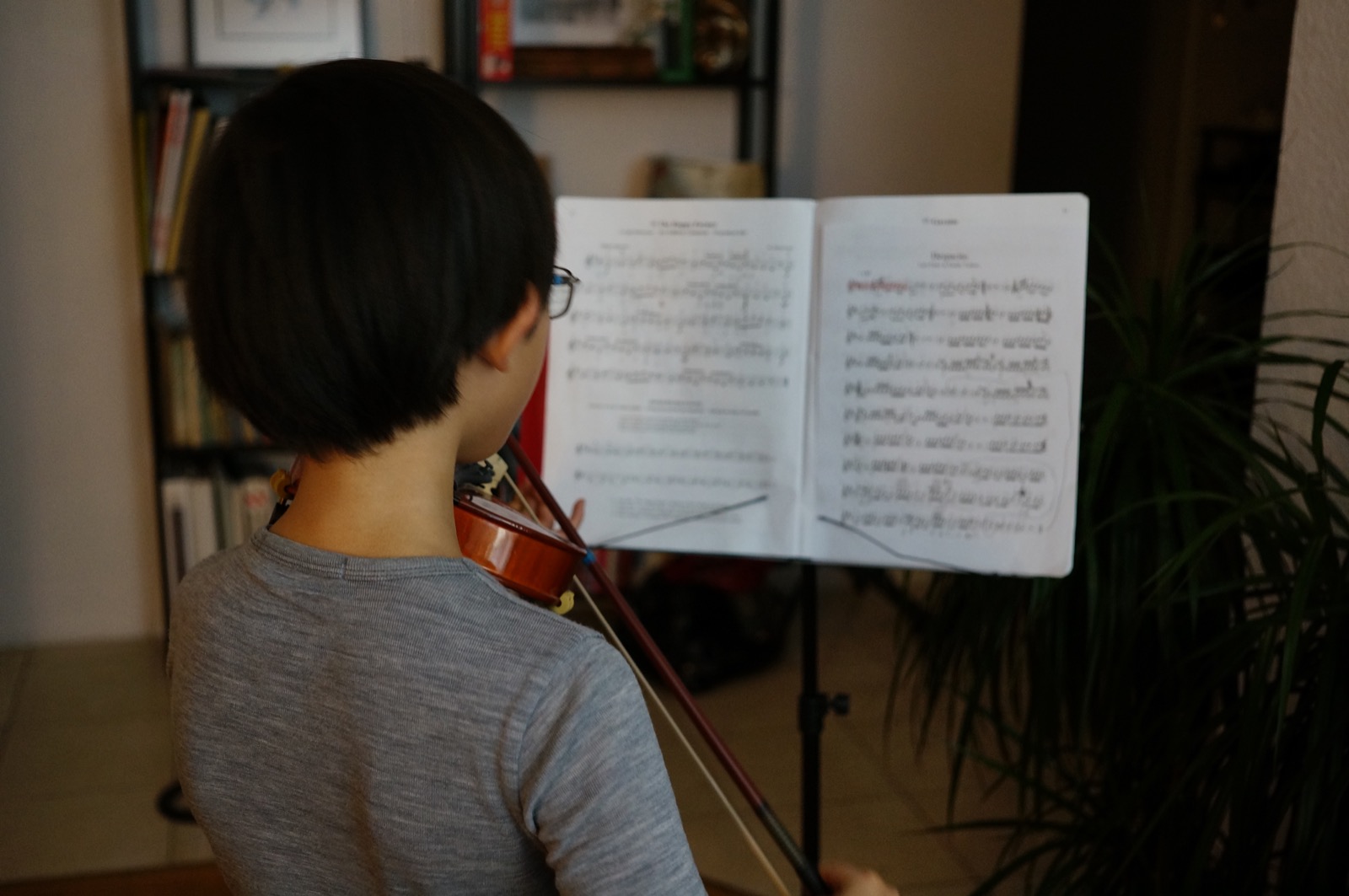
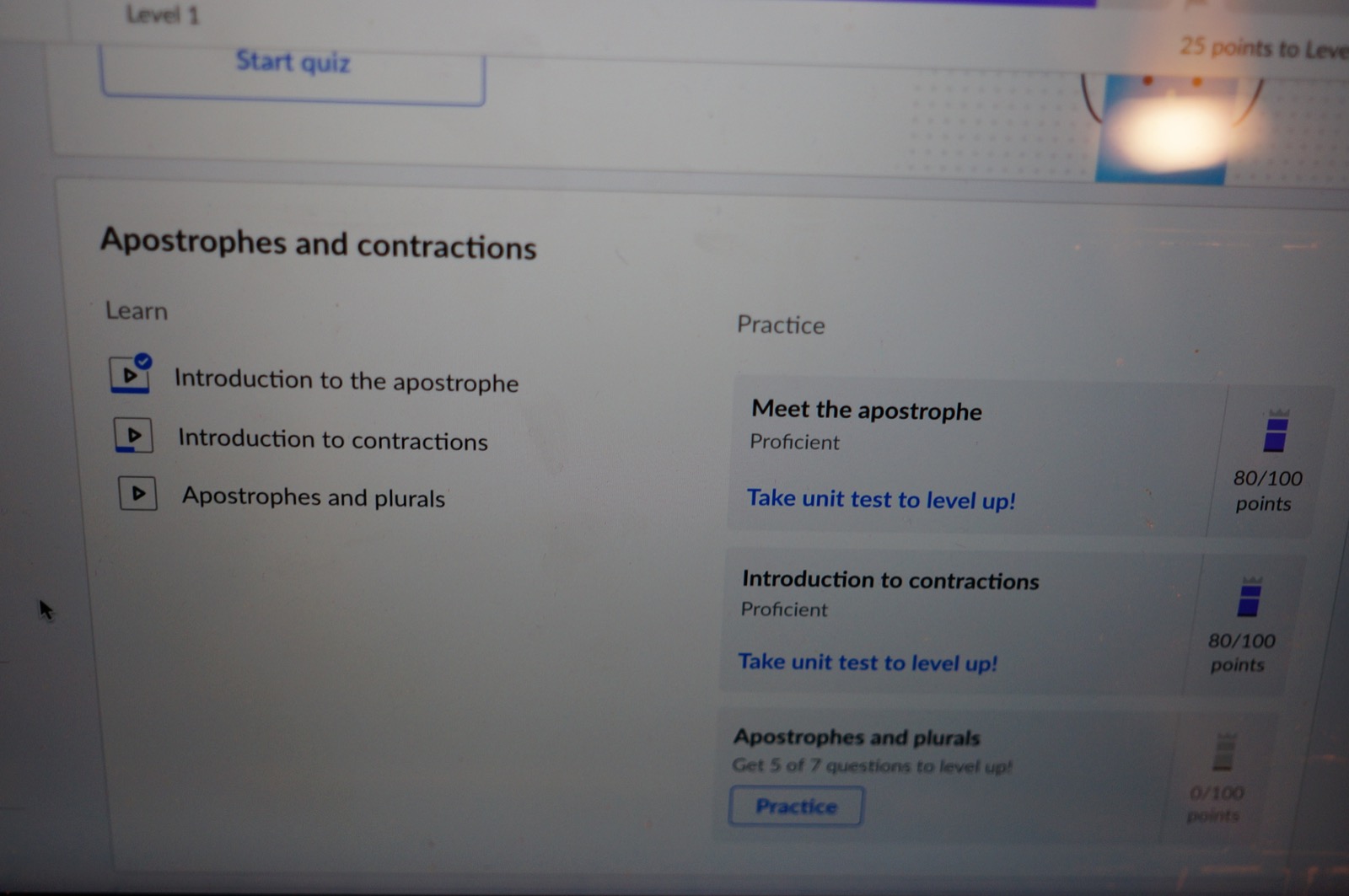
He learned about apostrophes and contractions on Khan Academy.
And he learned some facts about giraffes.

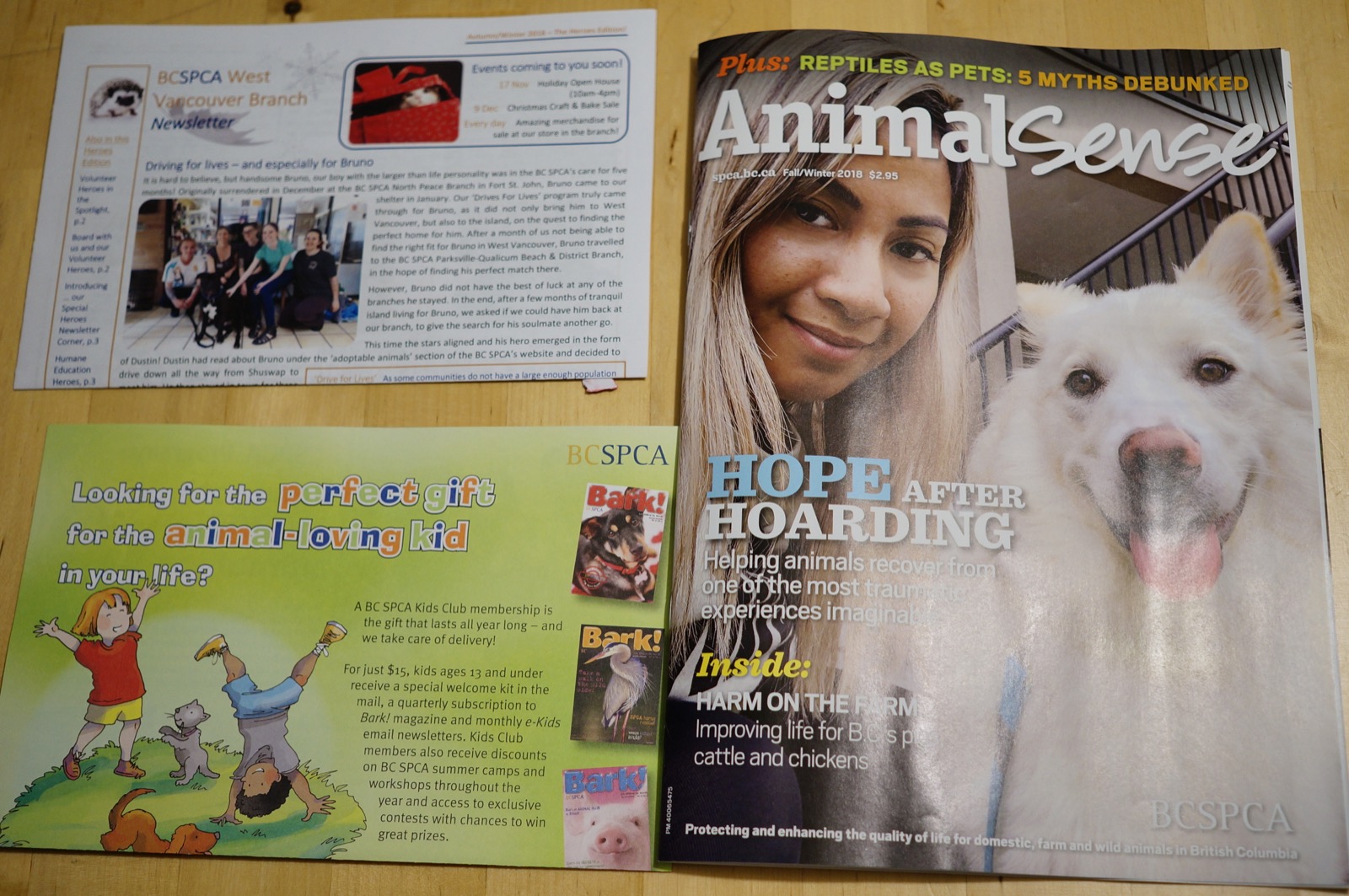
In the mail, he received the most recent issue of the BC SPCA’s Animal Sense magazine. He really enjoys reading about animals.
November 29
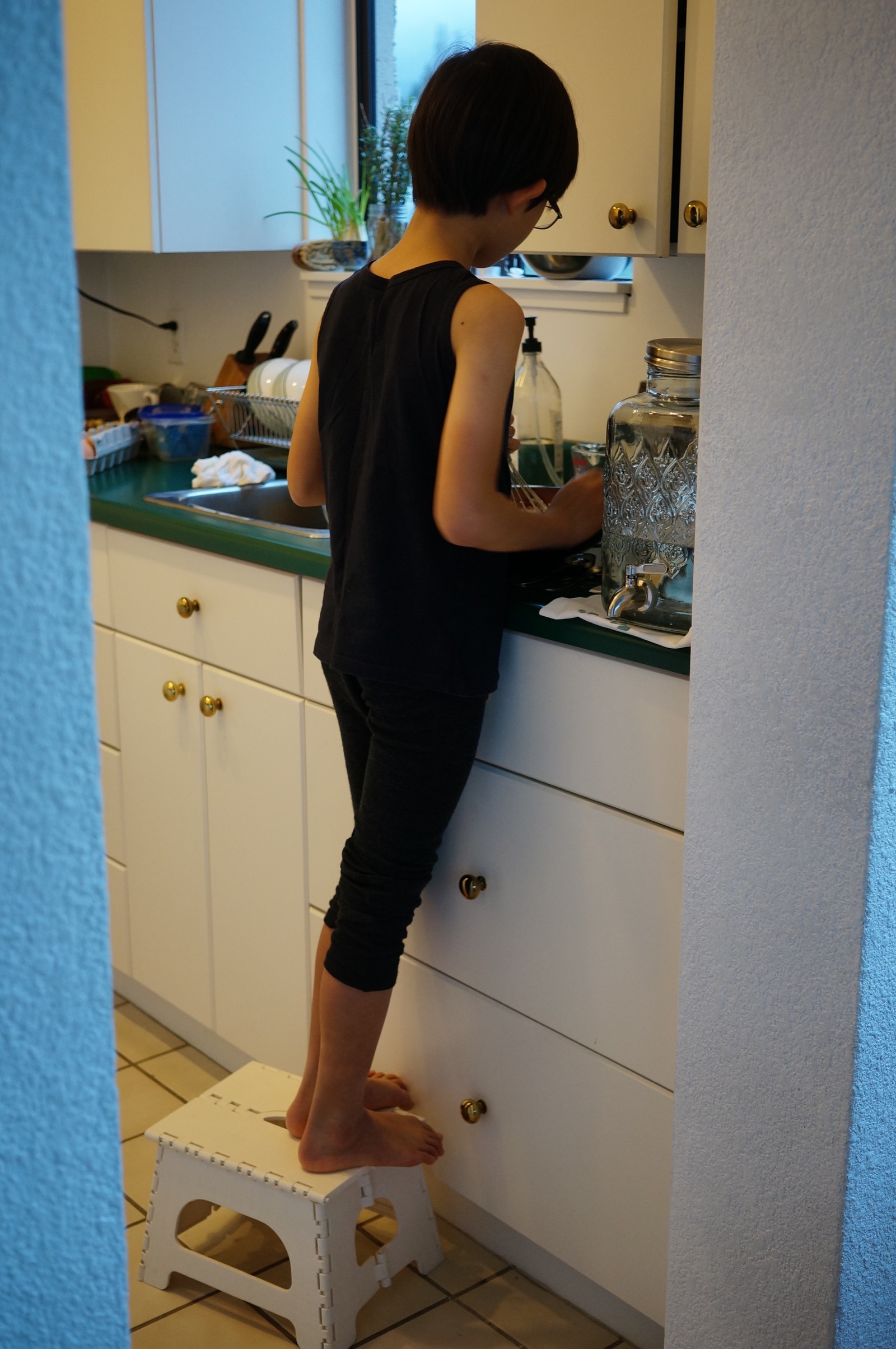
Ethan wanted pancakes for breakfast, so Dong Eun found a recipe online and Ethan helped make the pancakes.
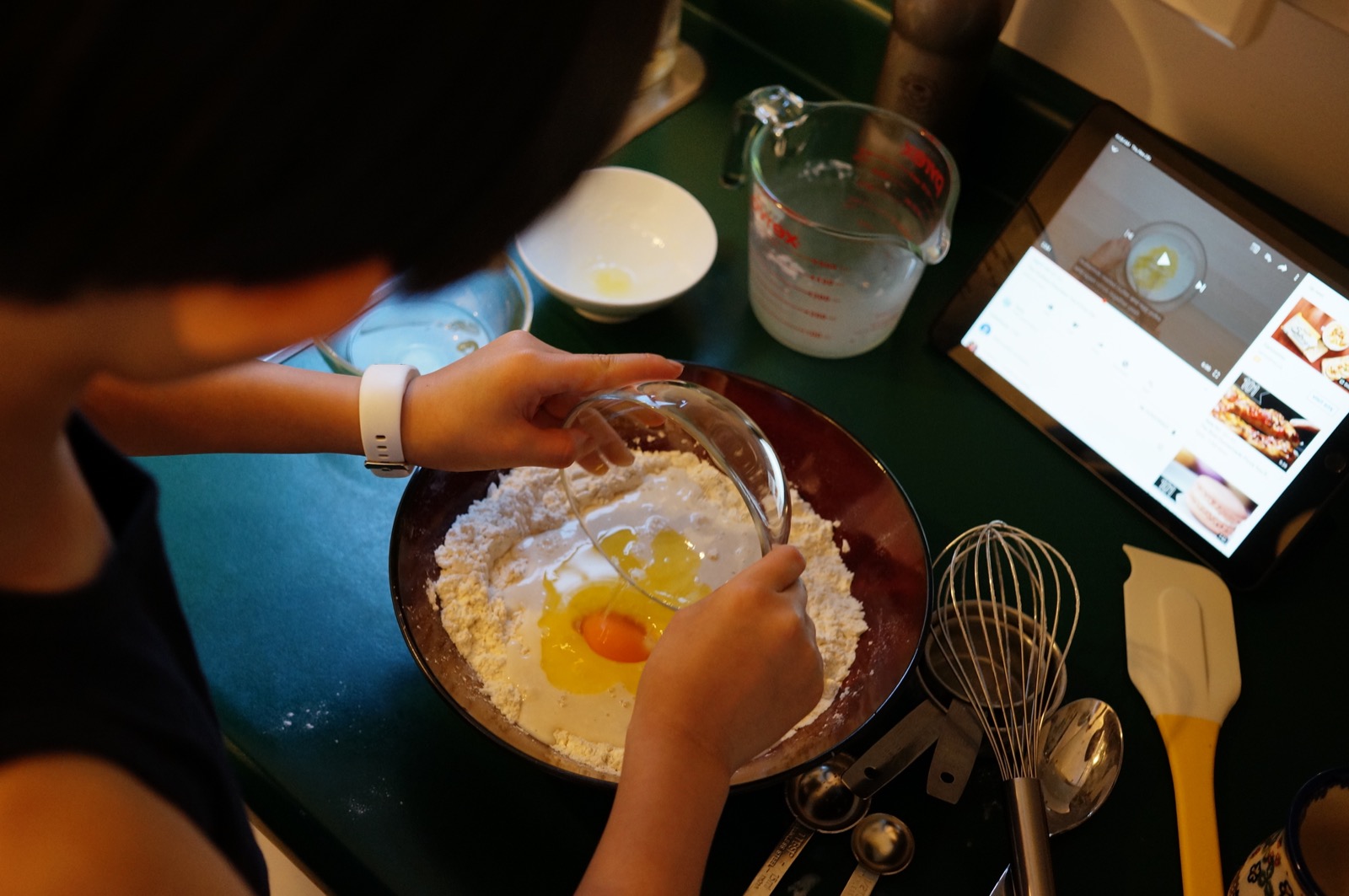
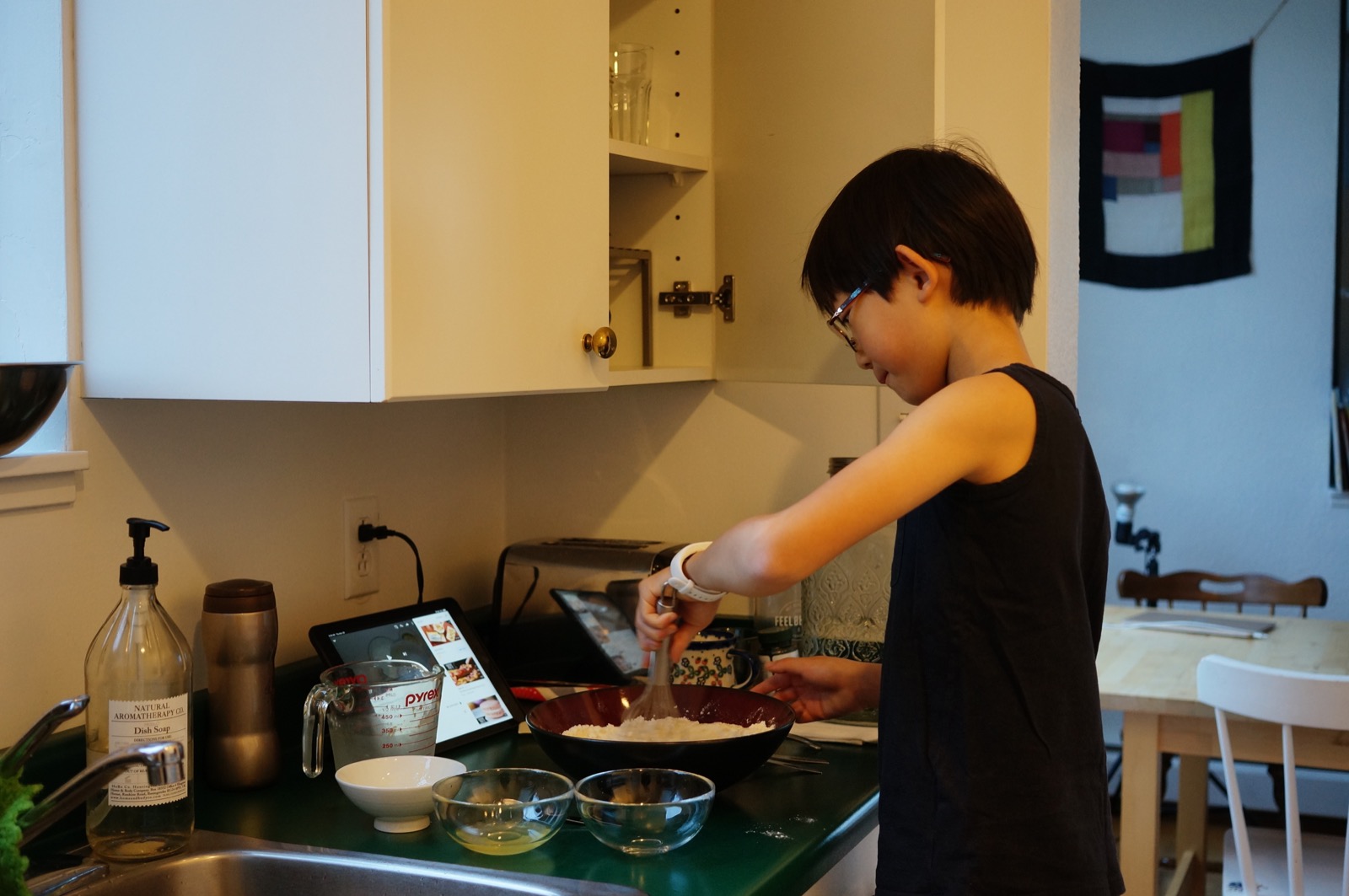
Not as tall as the previous might have made him out to be 🙂
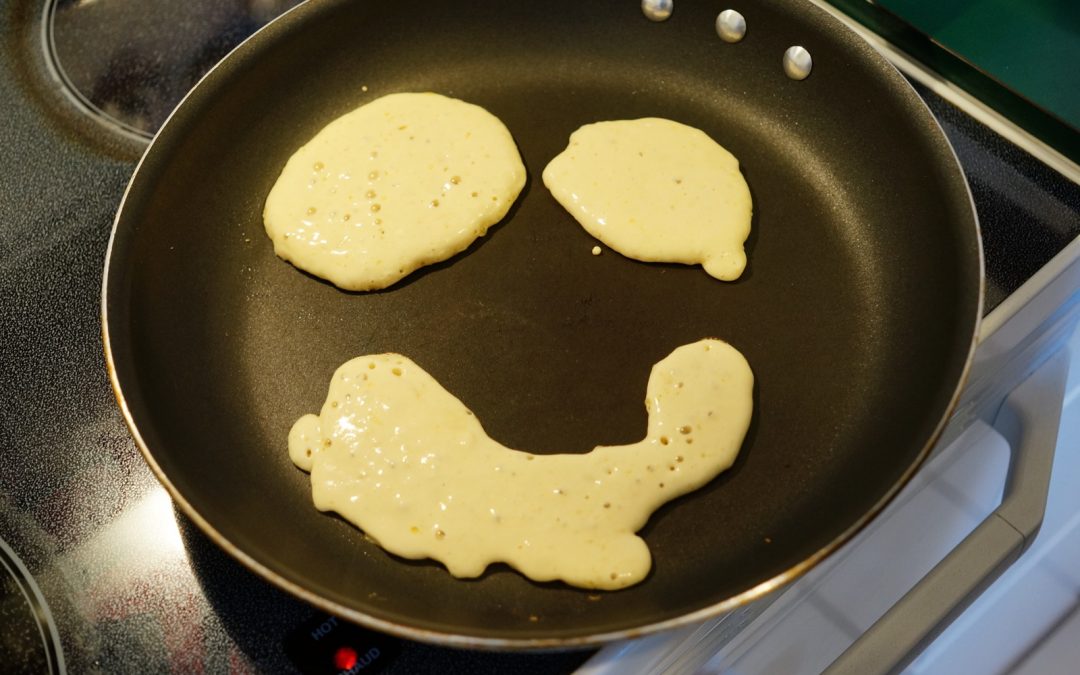
He made a happy face with the batter.
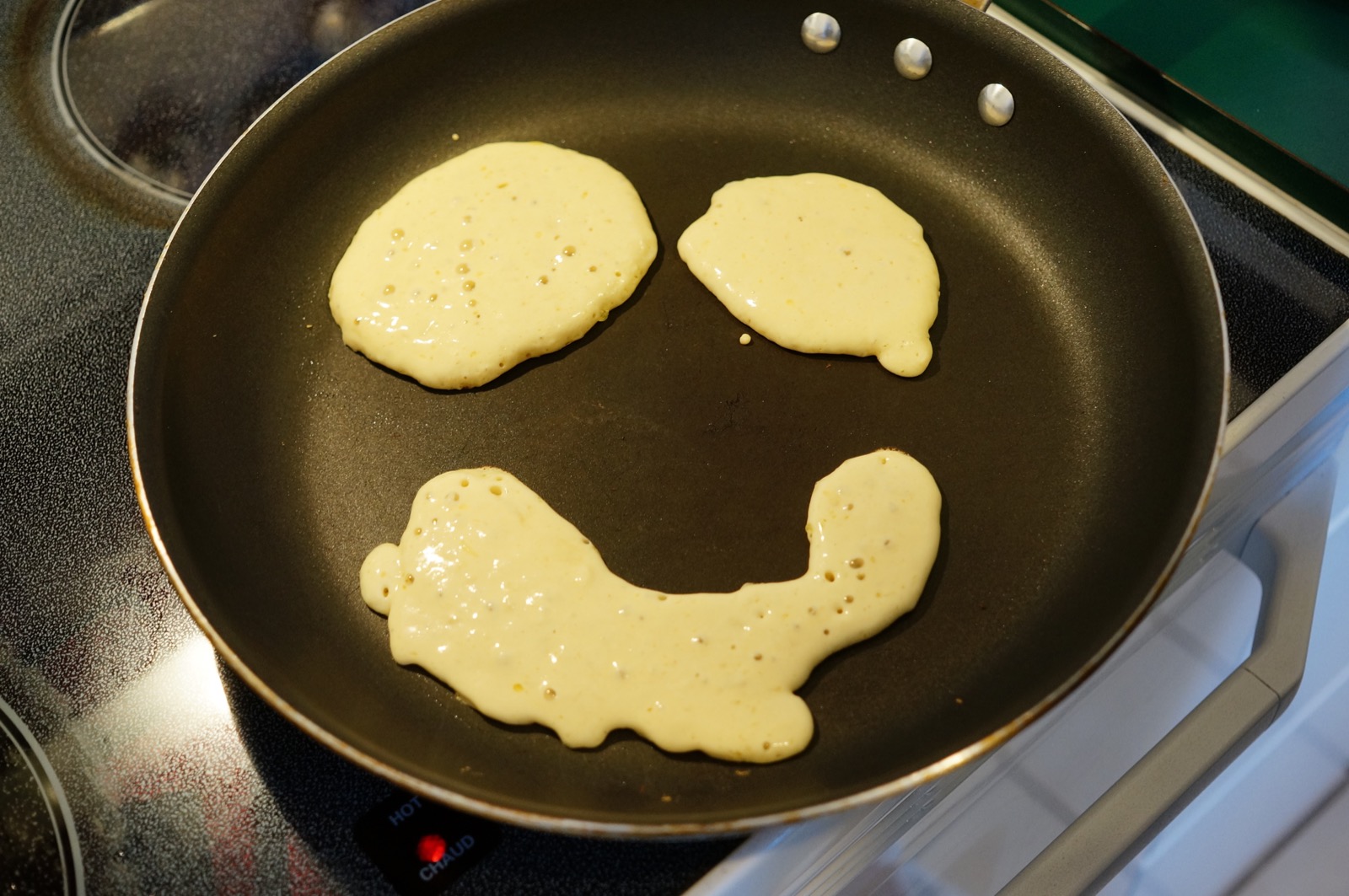
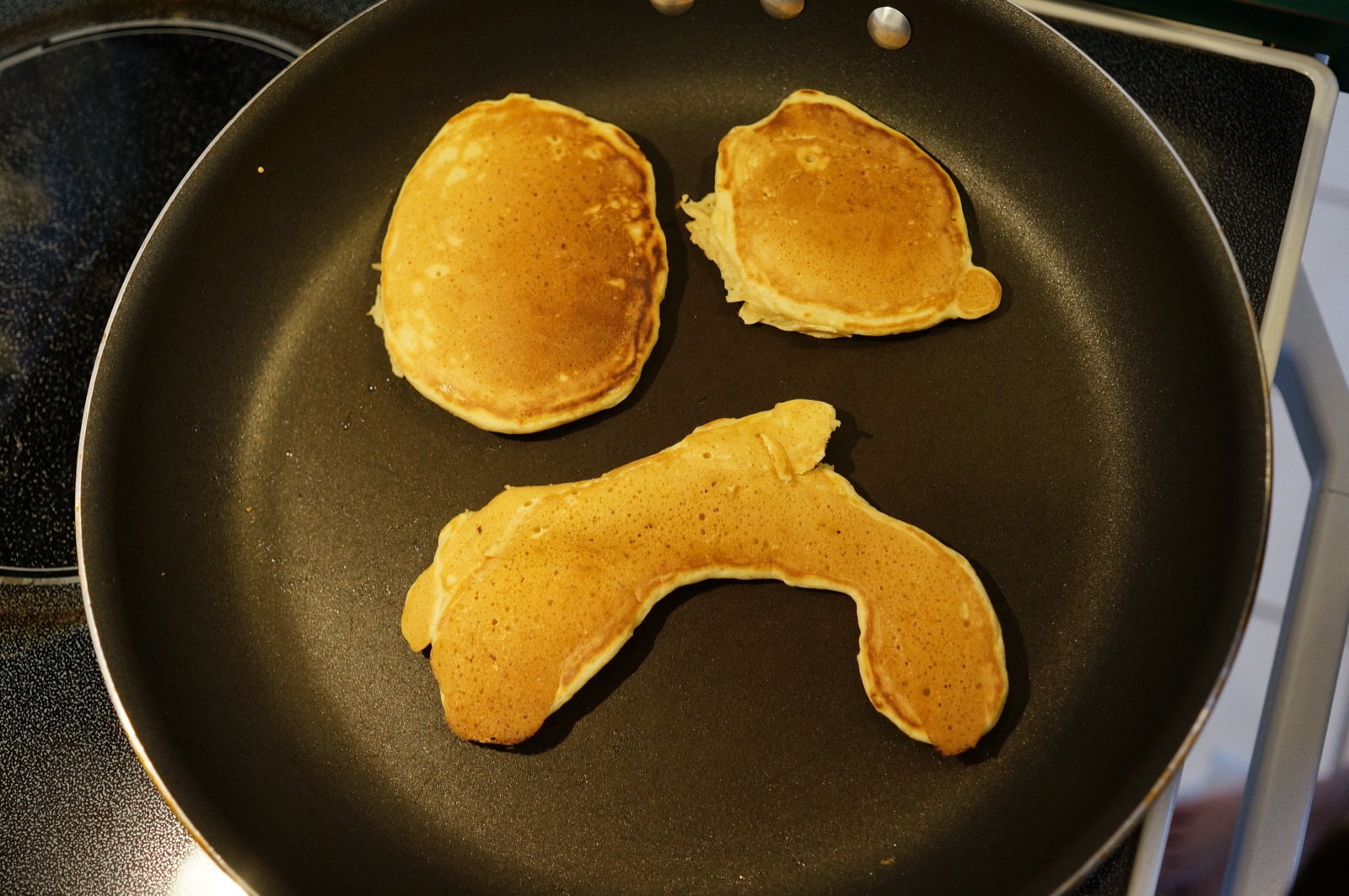
And the happy face turned into a sad face when he flipped the pancakes over.
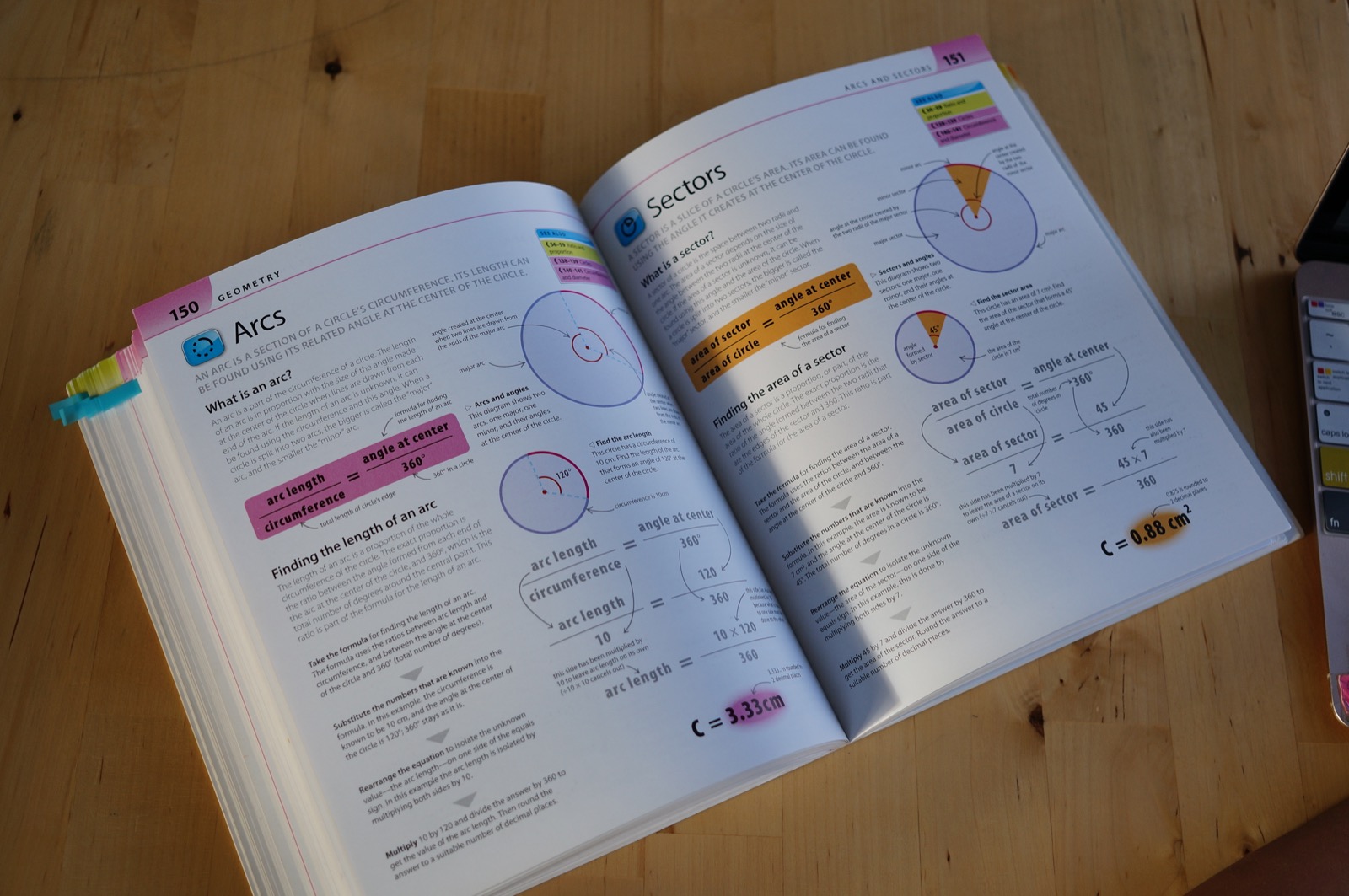
After breakfast, Ethan started learning about arcs and sectors.
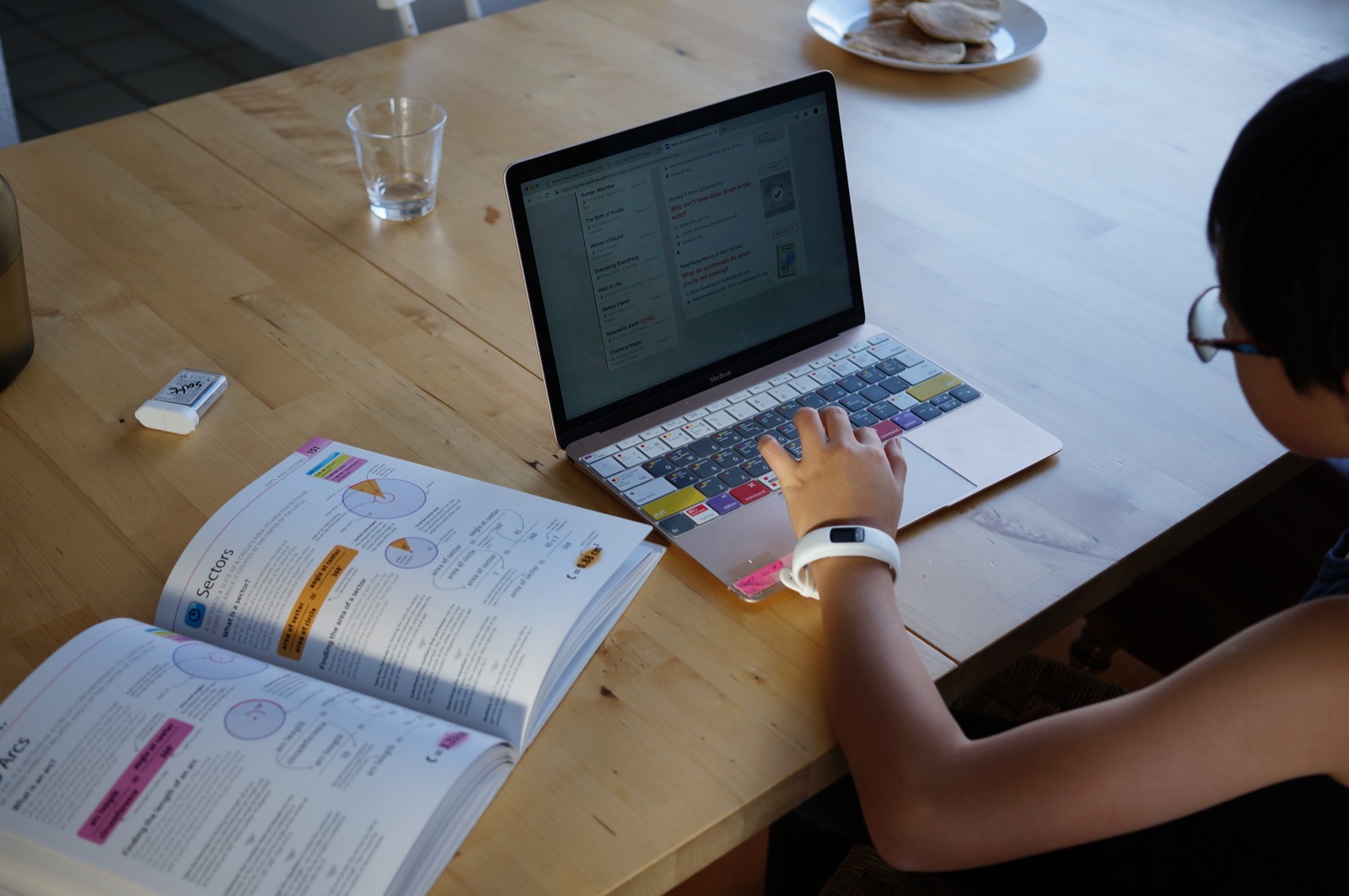
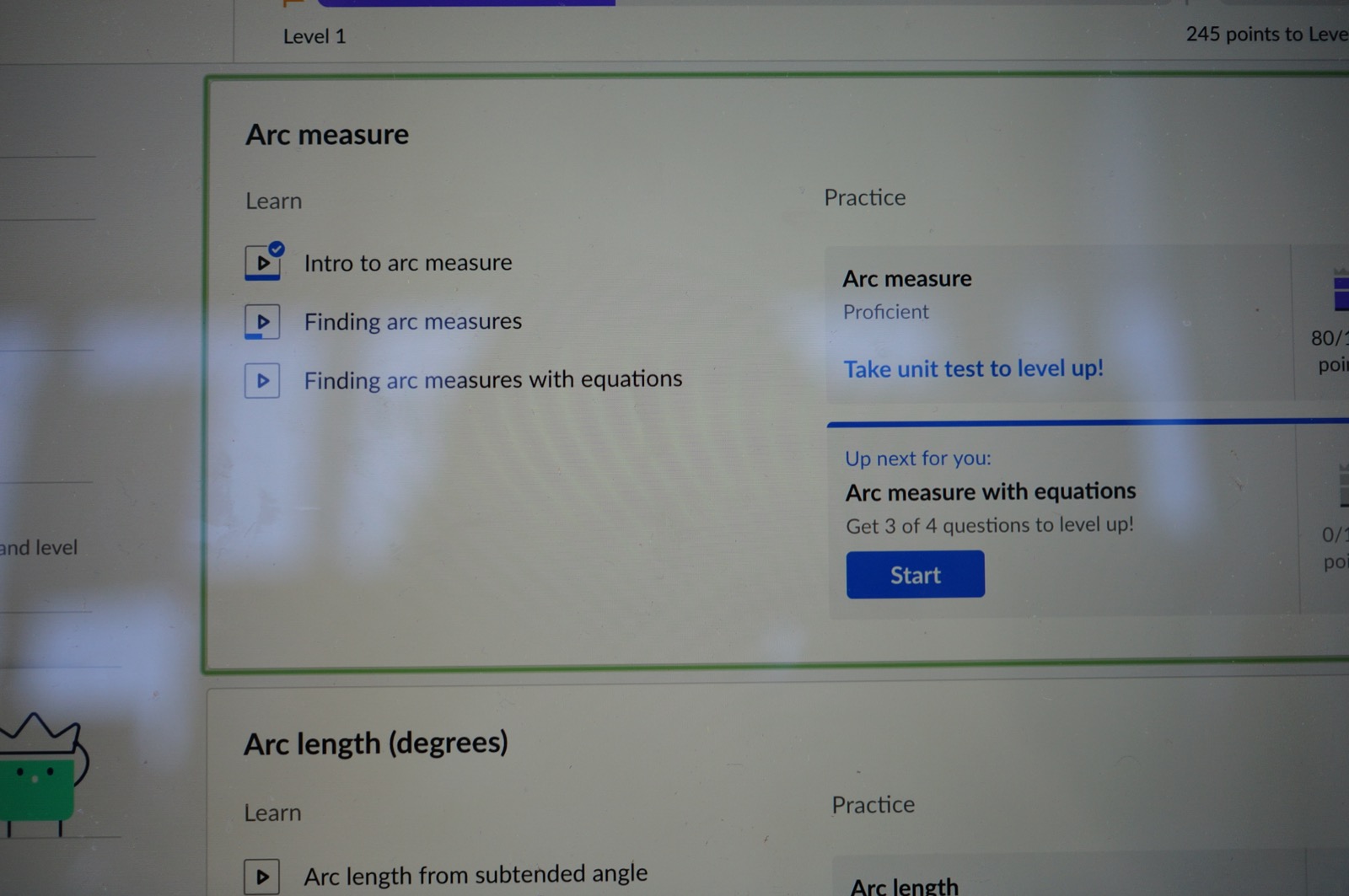
He learned more abour arcs on Khan Academy.
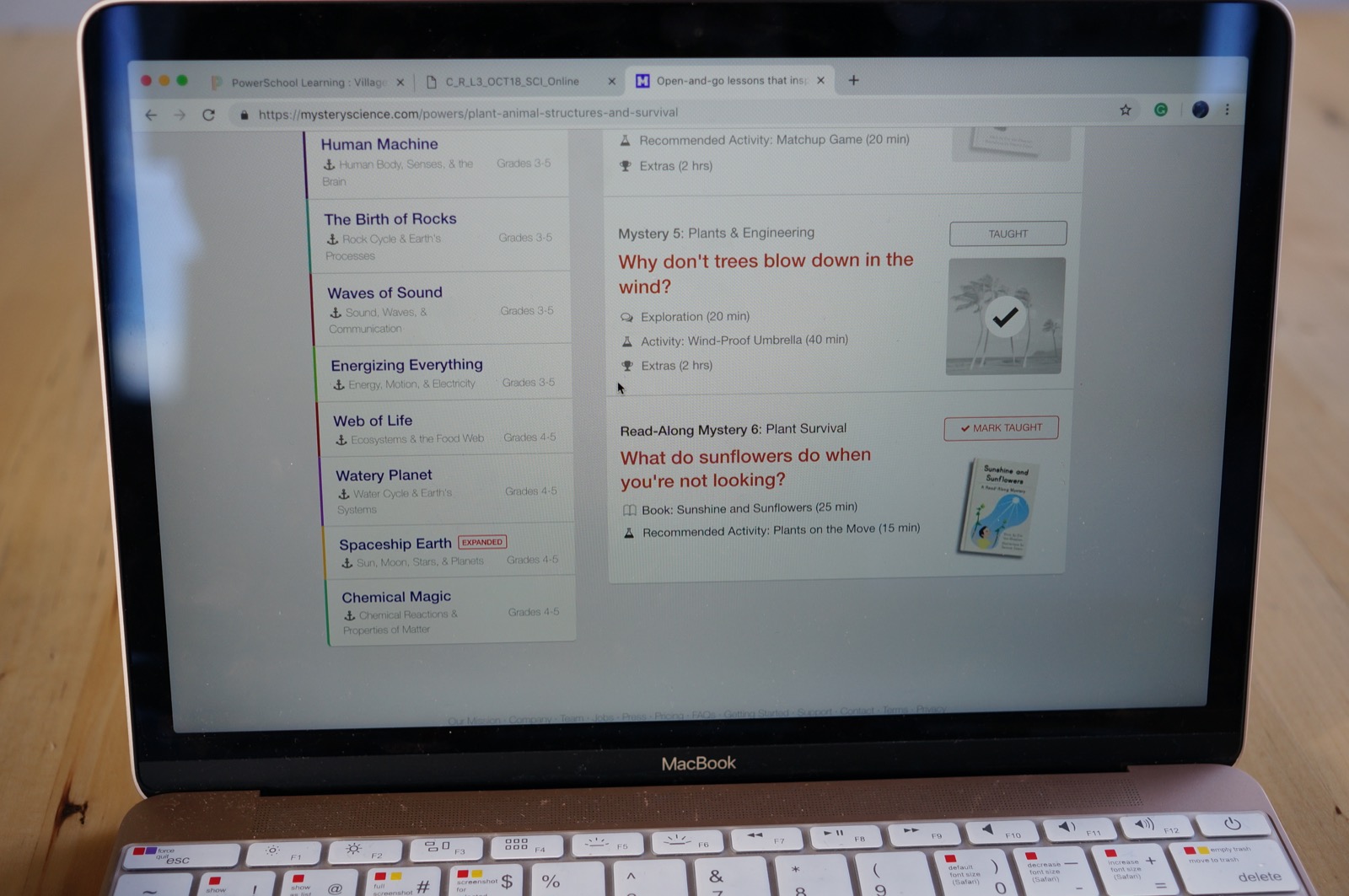
He also learned about plants on Mystery Science.
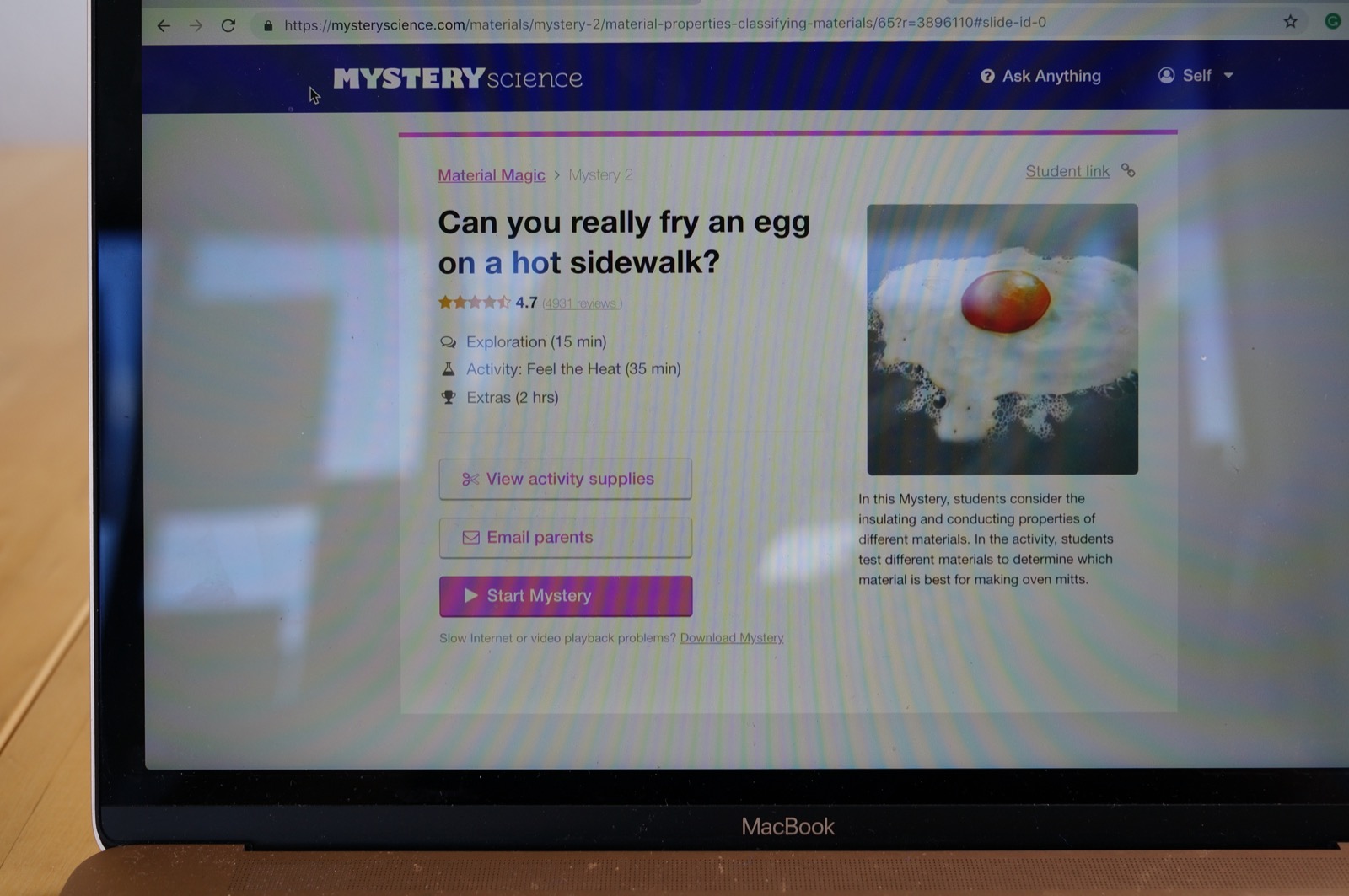
He found out whether it’s actually possible to fry an egg on a hot sidewalk. Yes, it is!
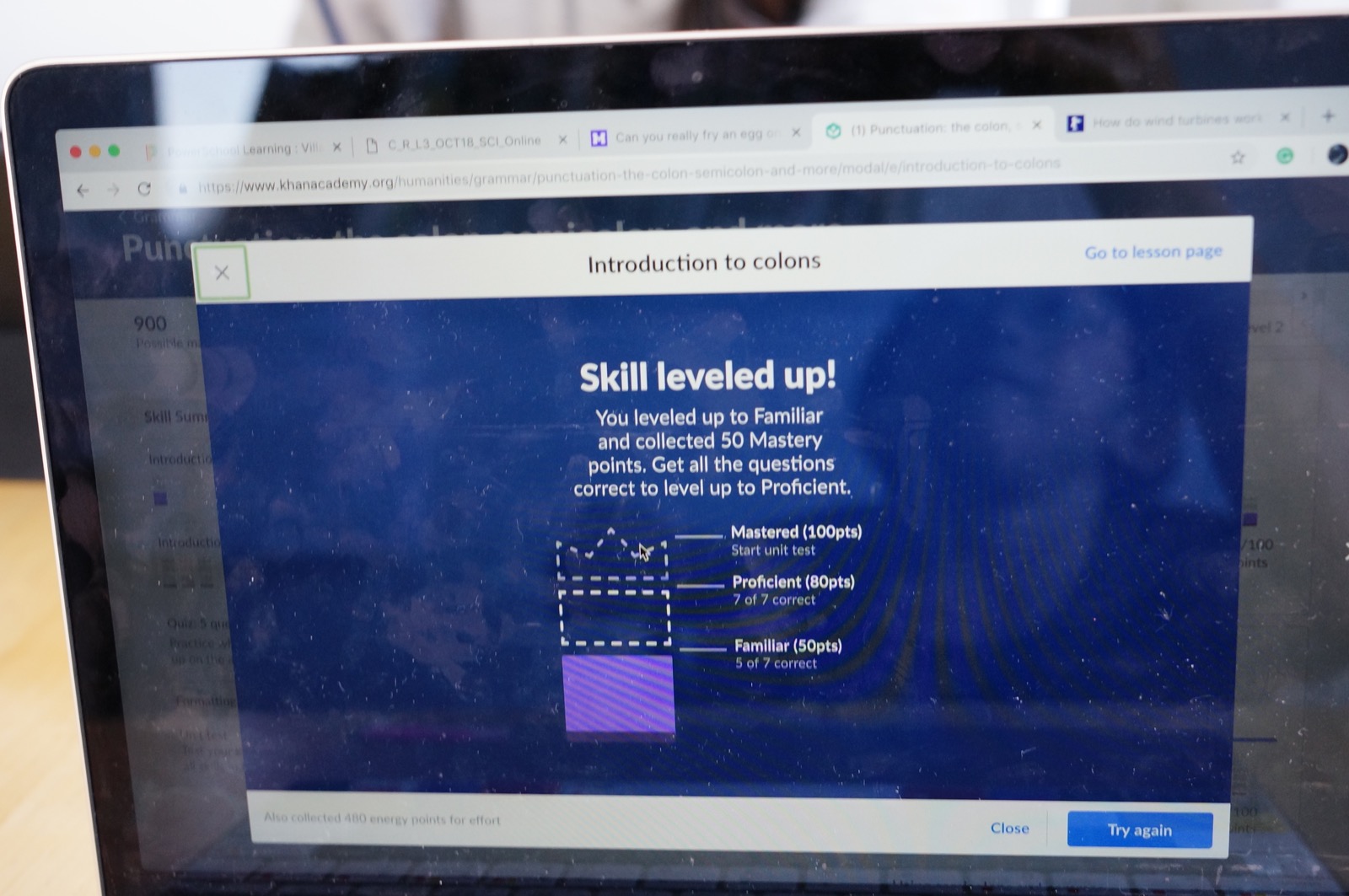
He did some language arts work on Khan Academy, learning about how to use a colon.
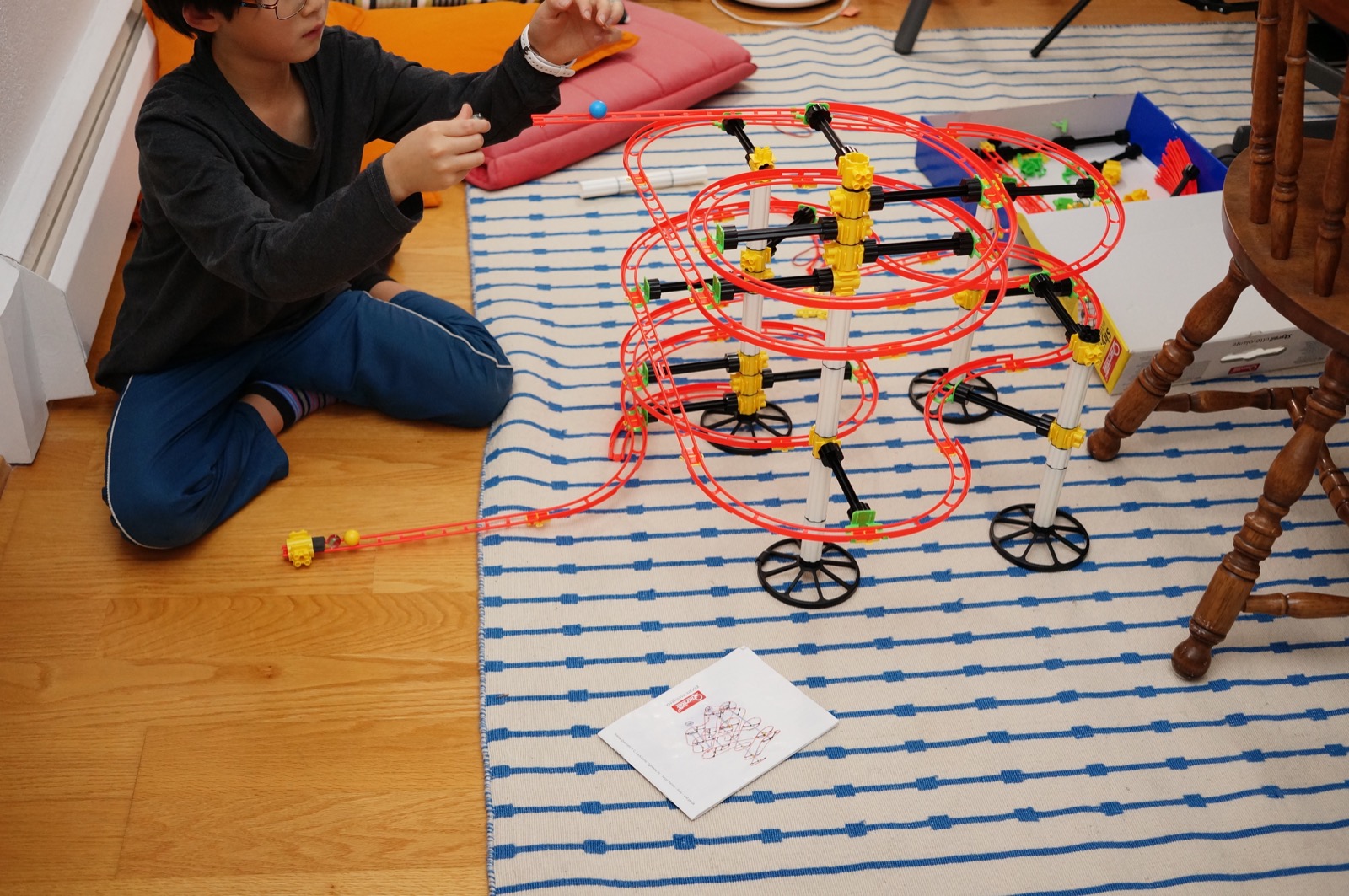
Later that night, after taekwondo practice, he made a roller coaster track. He hasn’t played with this in a while.
November 30
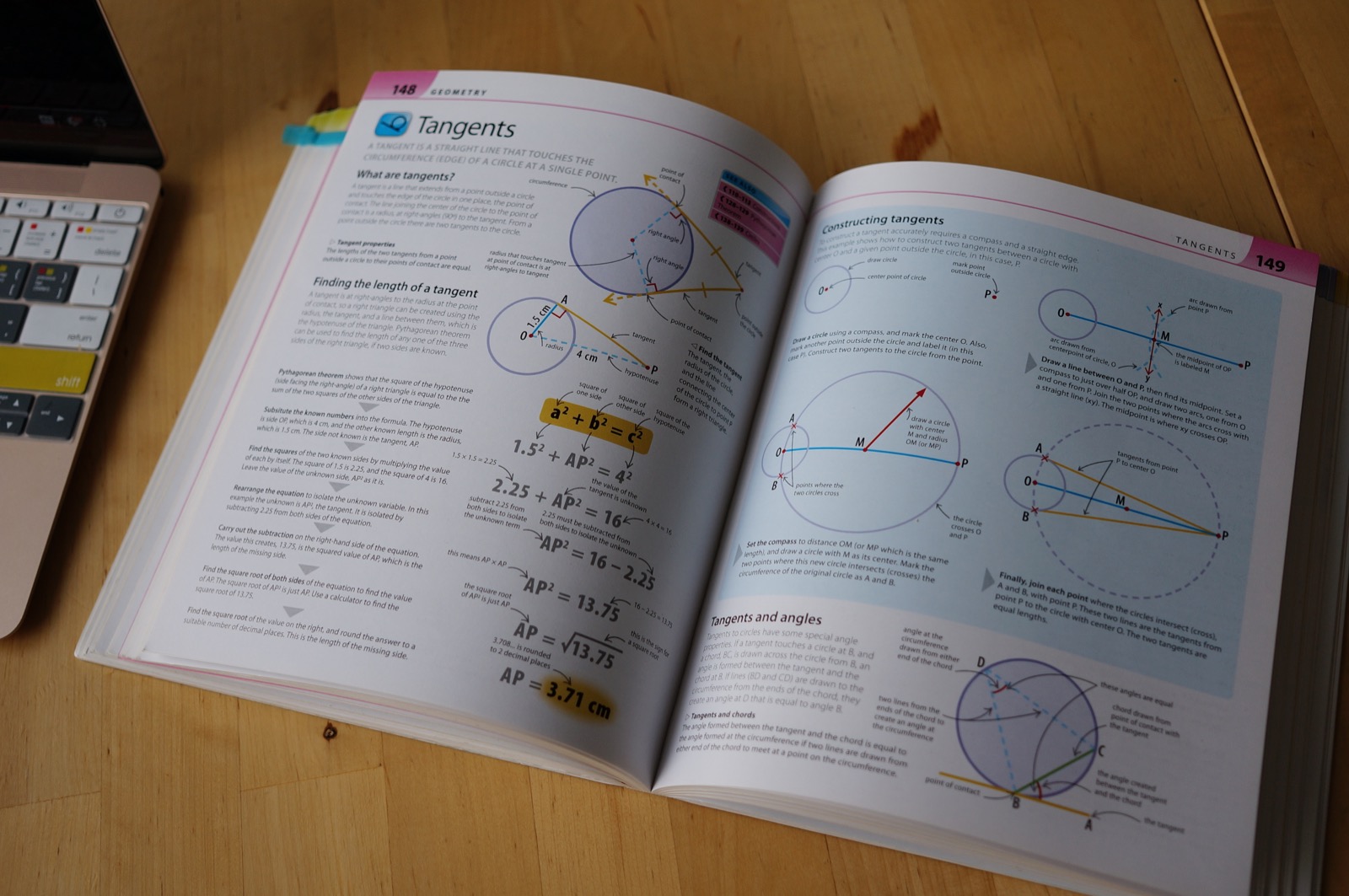
This morning, he continued learning geometry by studying tangents.
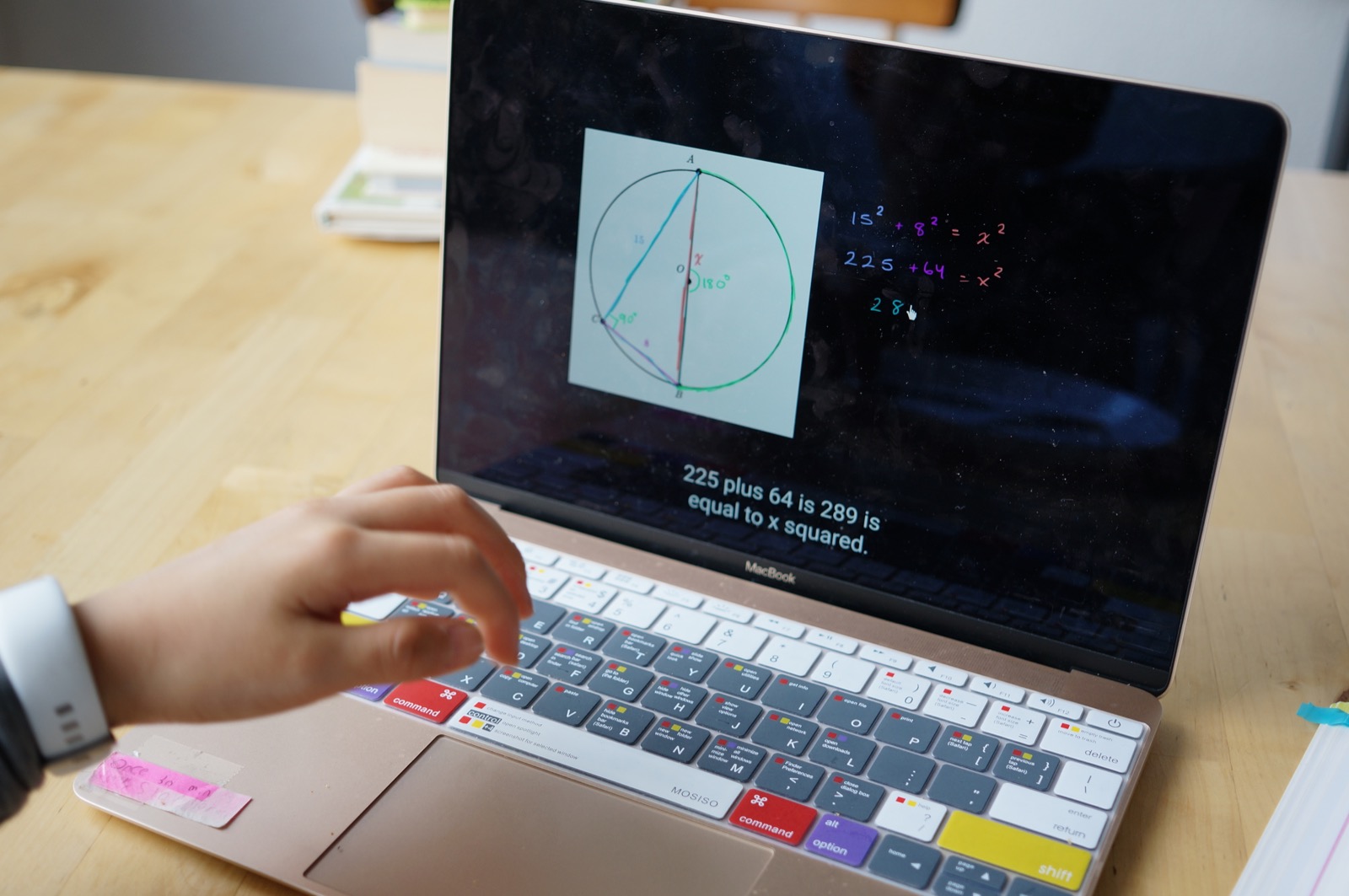
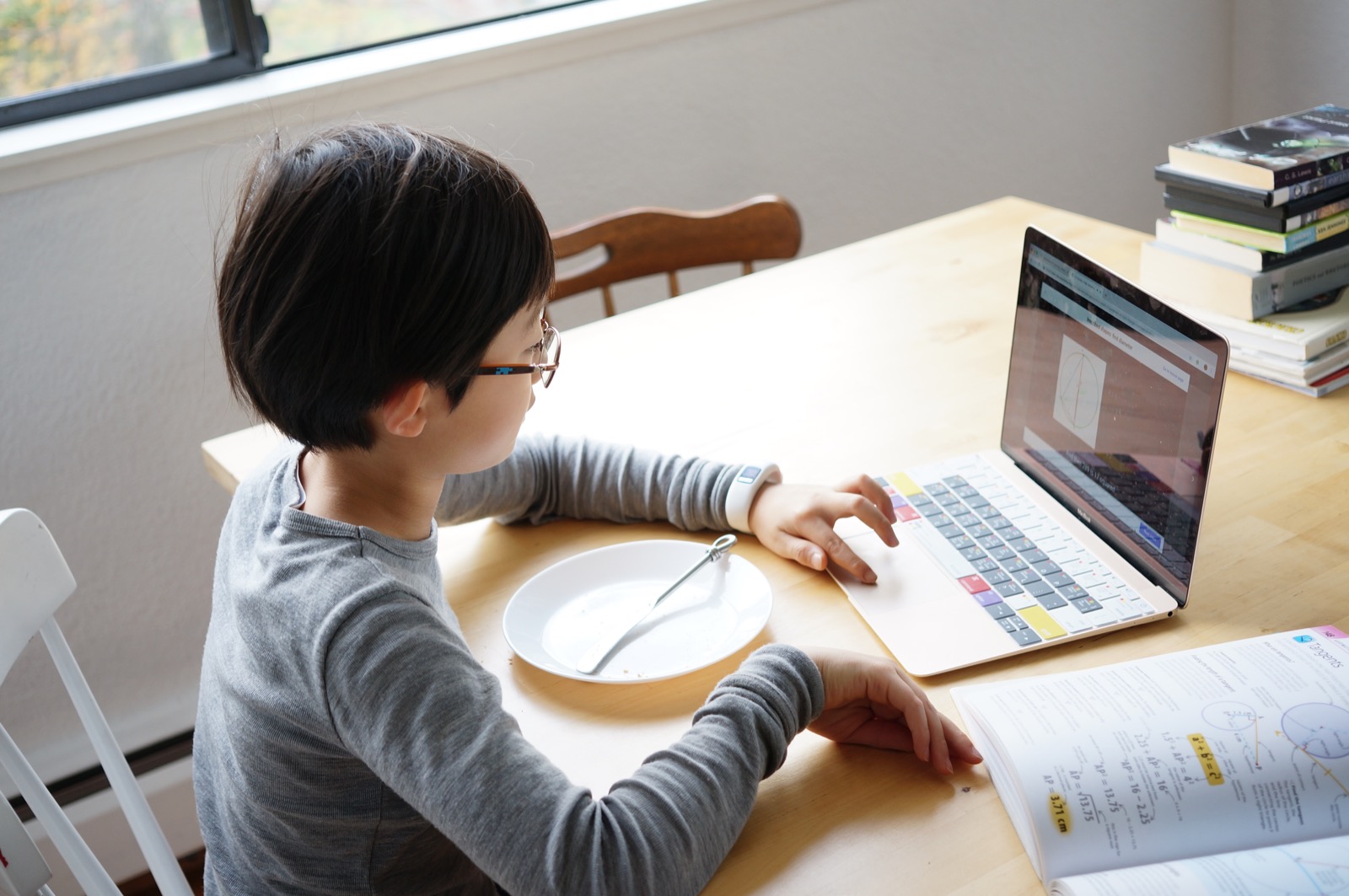
And again, following up what was in the book by taking a lesson on Khan Academy.
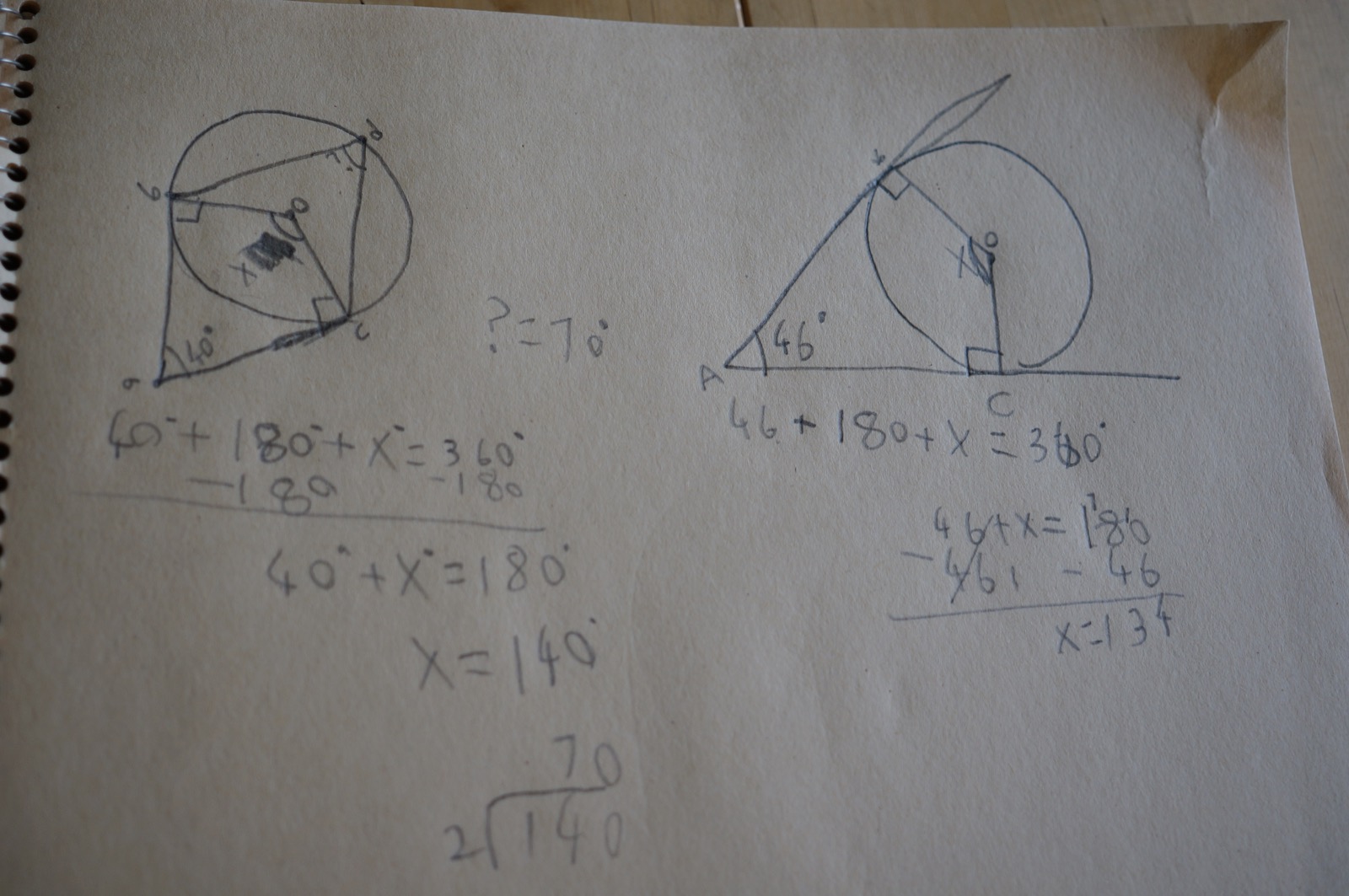
He made his own geometry problems to solve.
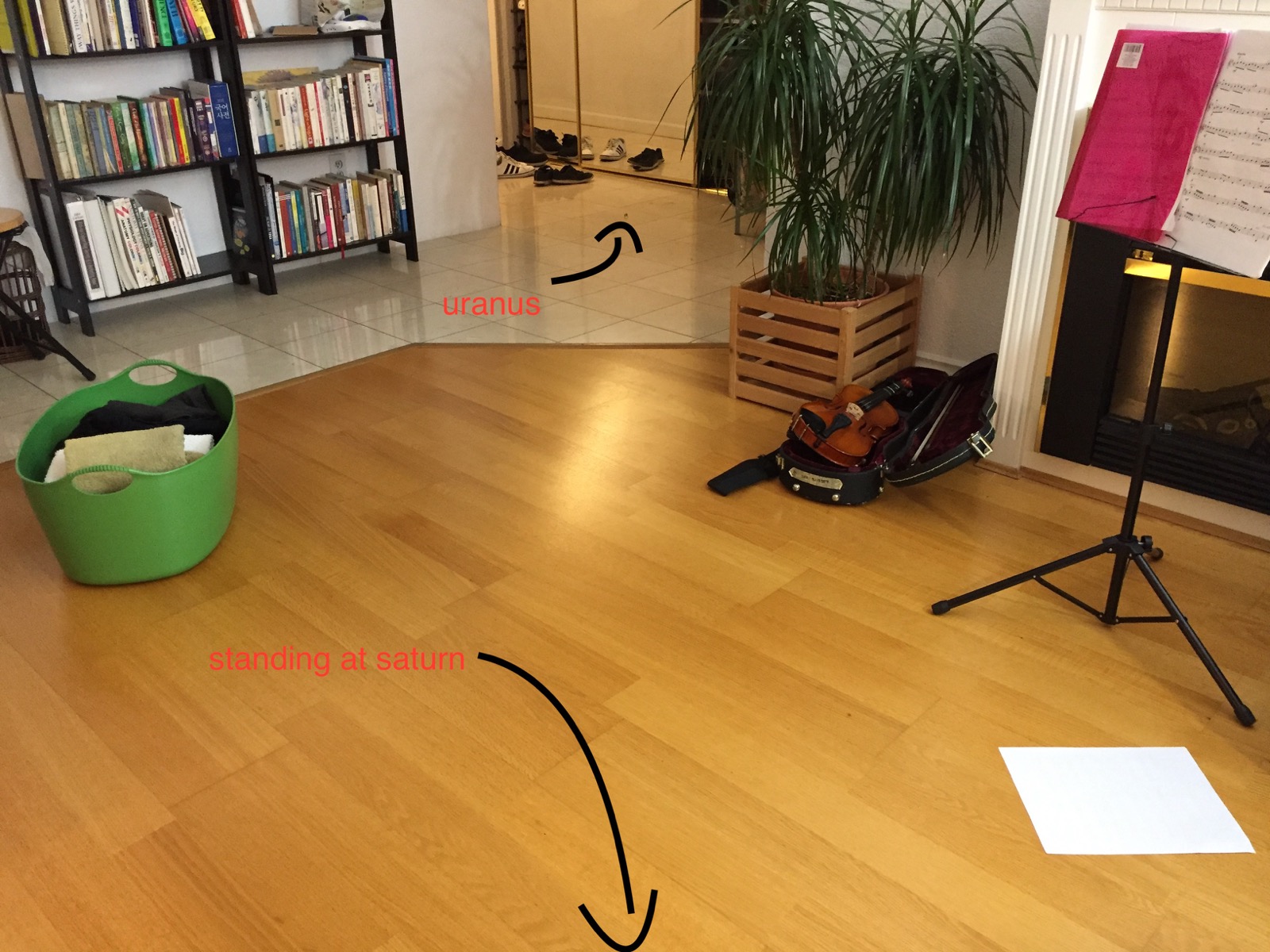
Ethan made a scale map of the universe on our floor using marbles. He took these photos and labeled them by using my iPhone.
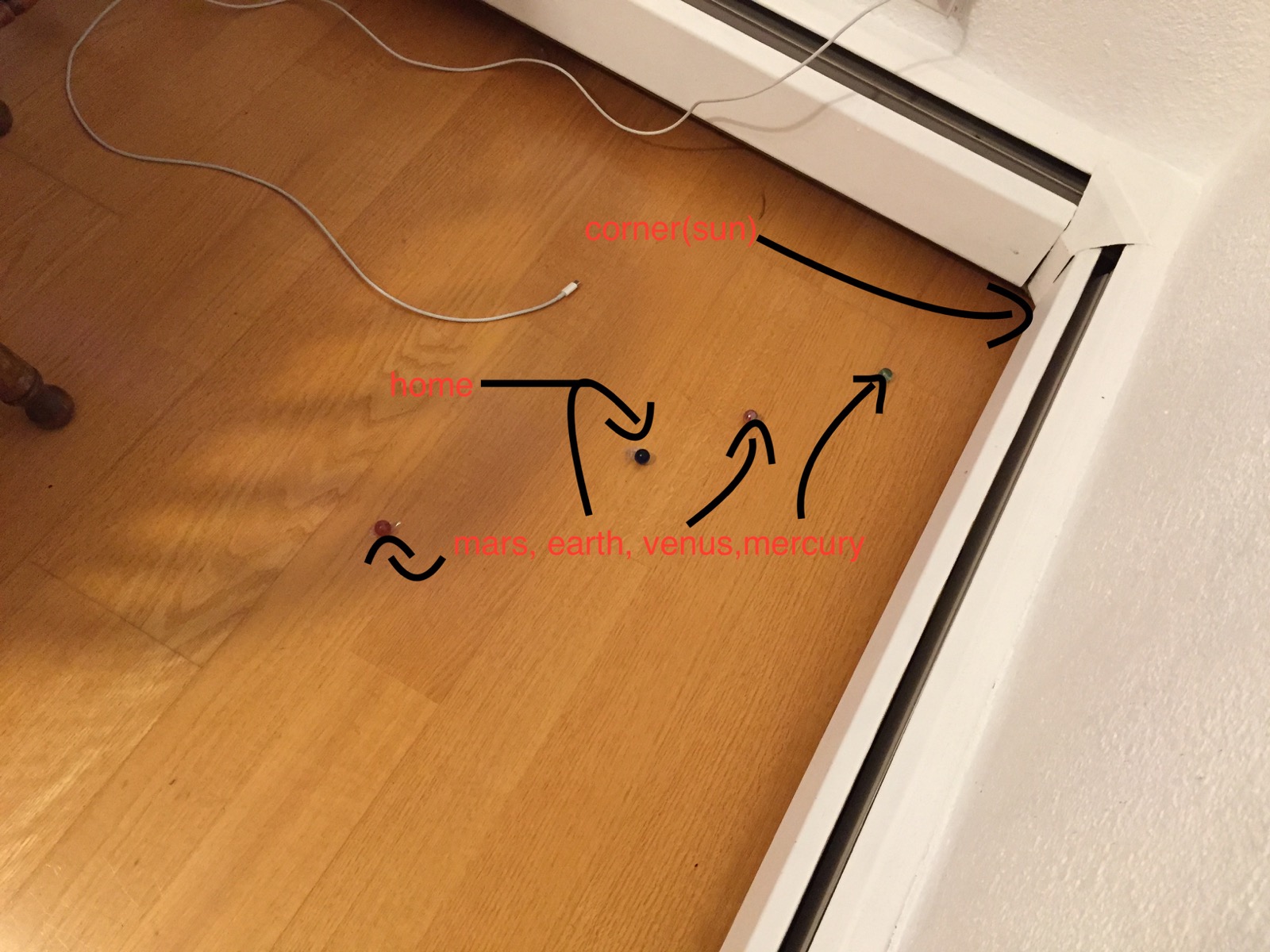
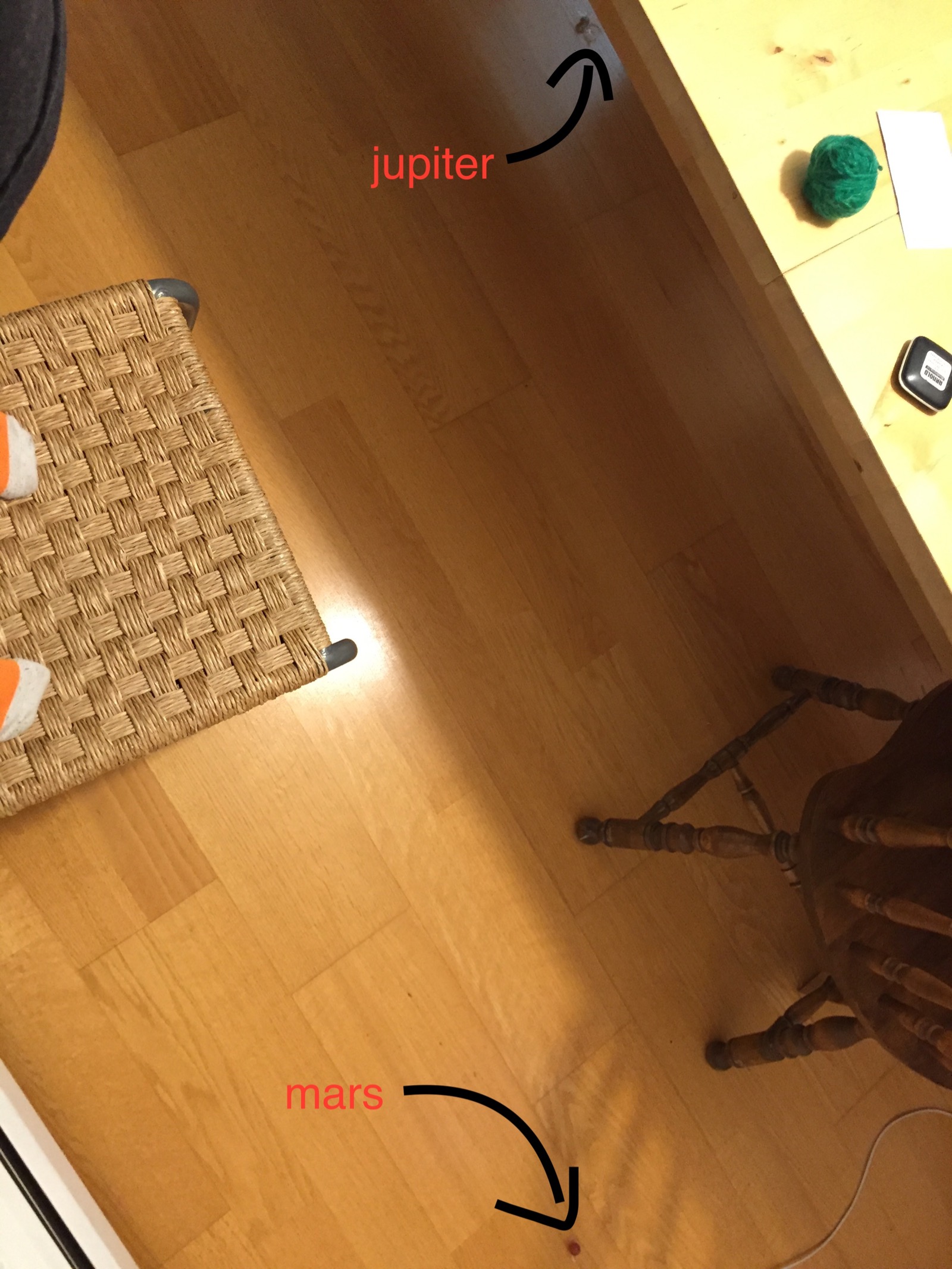
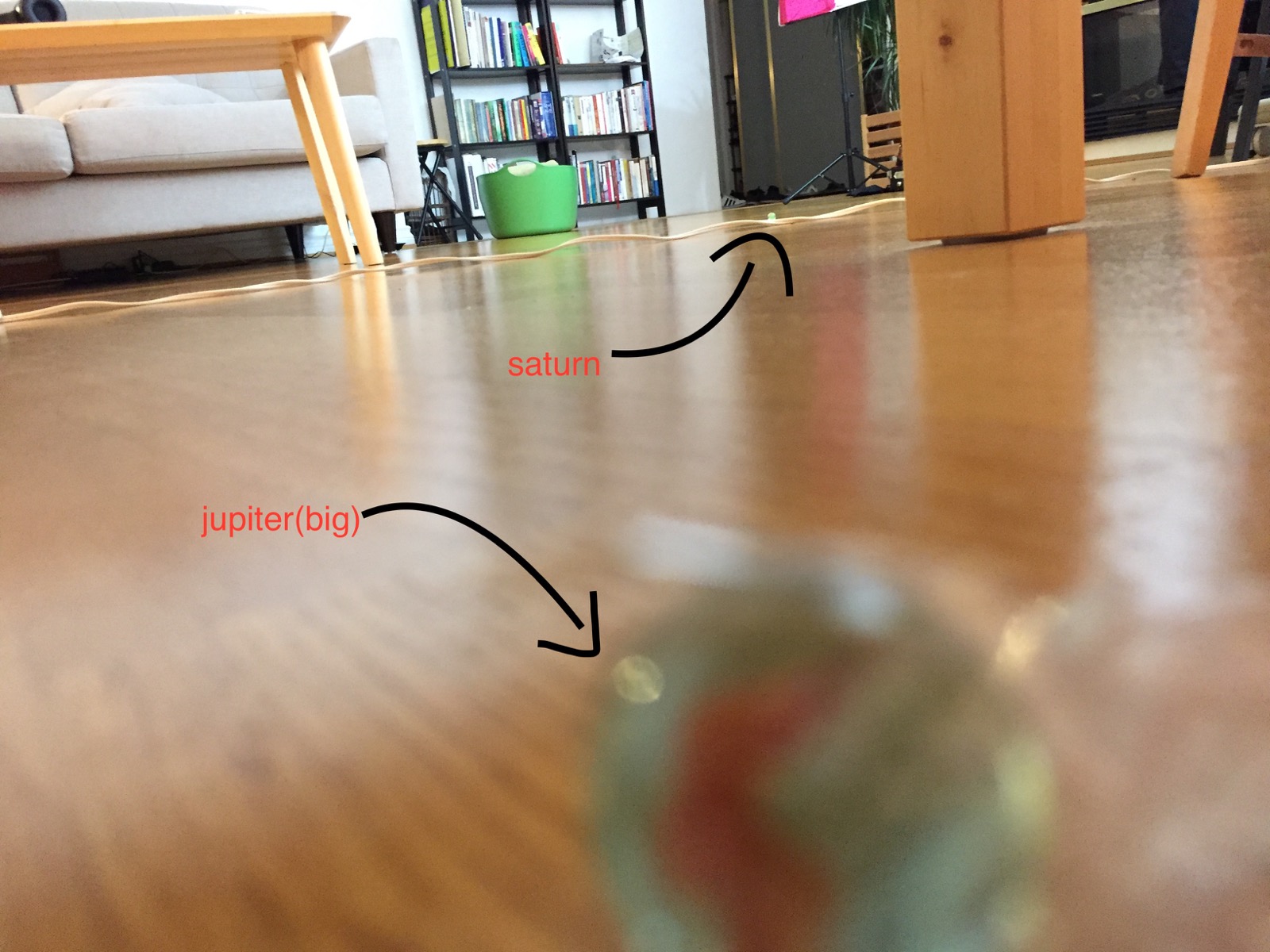
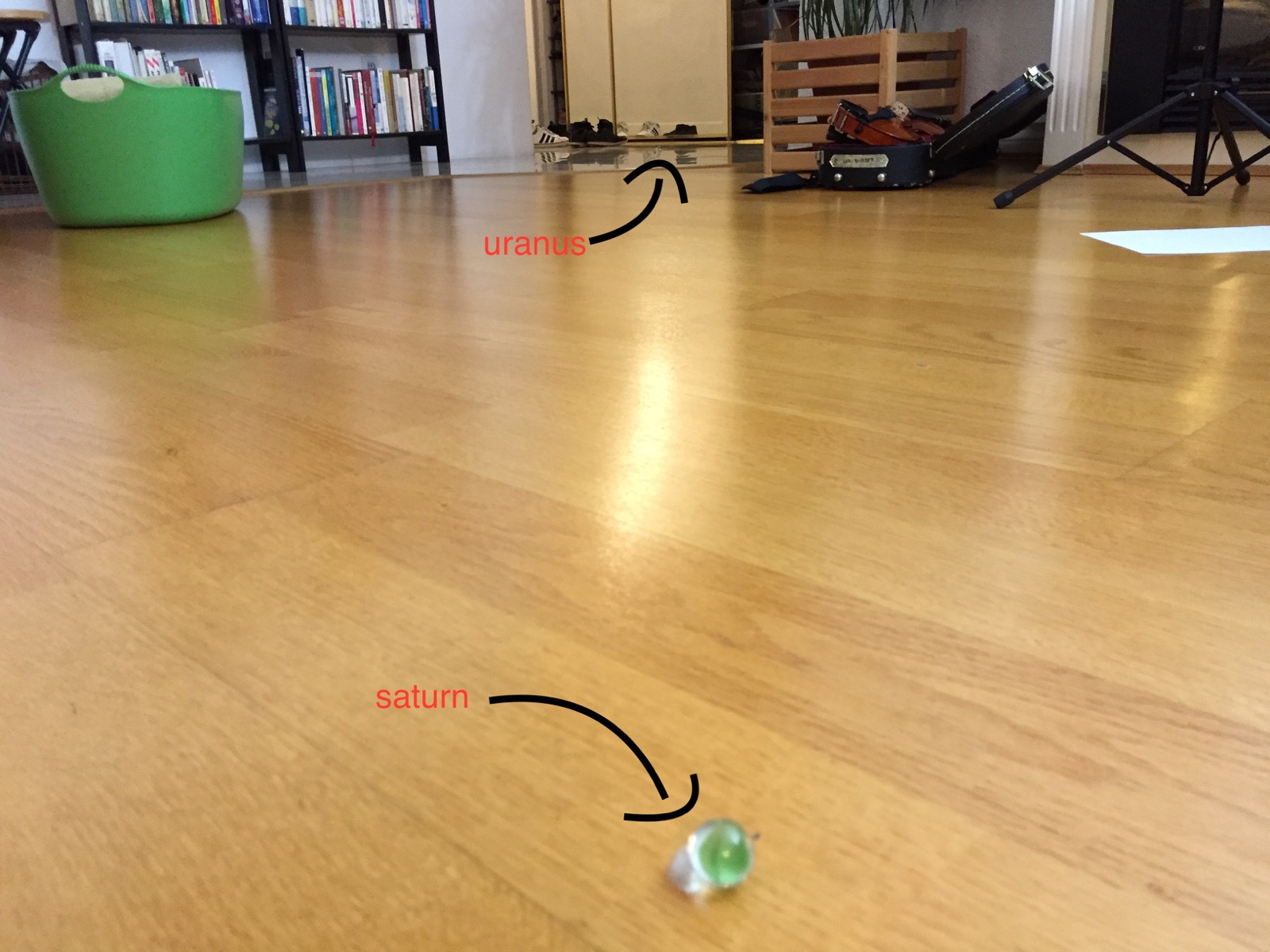
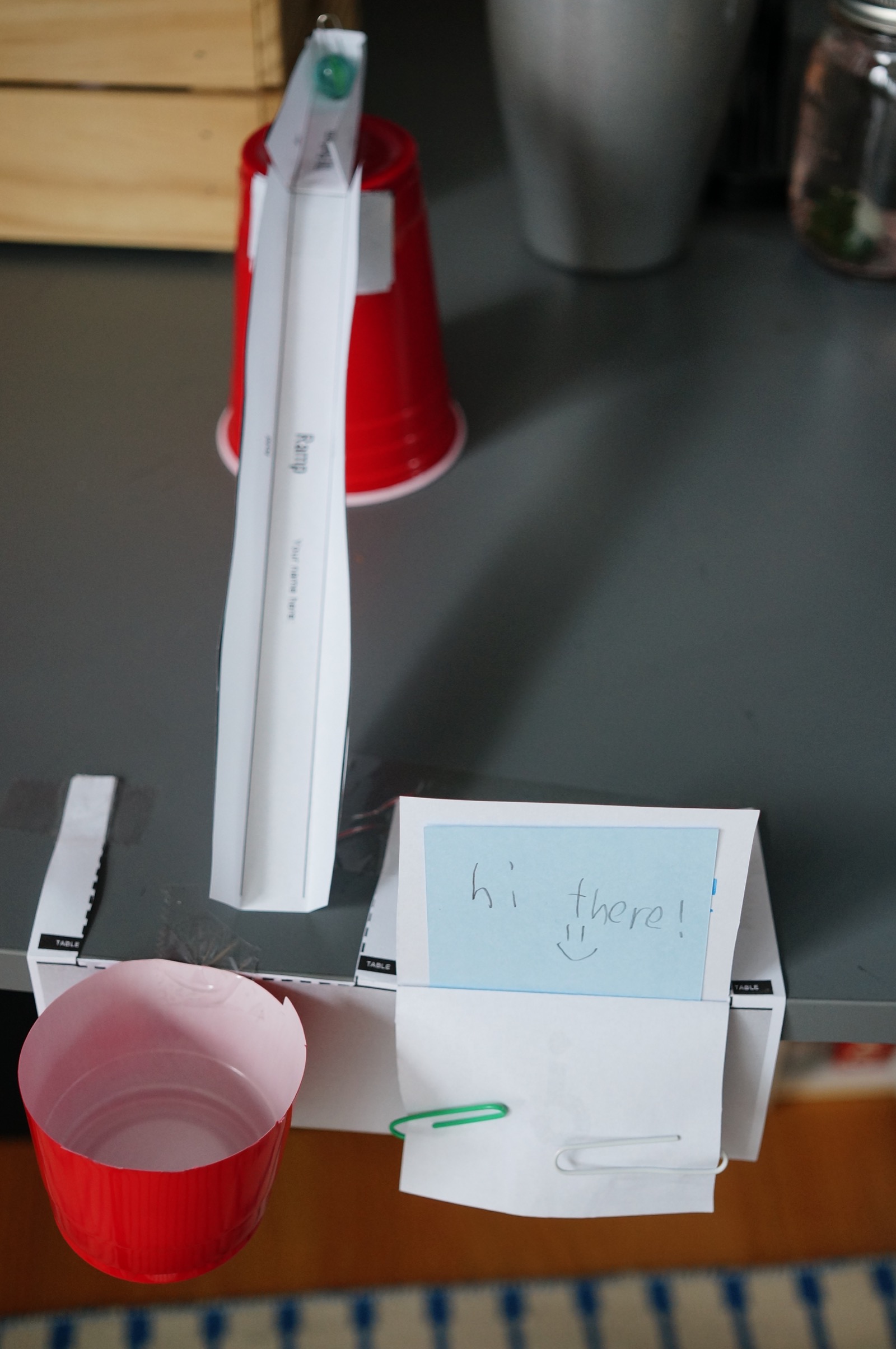
He made a small chain reaction machine on his desk. When the marble goes into the cup, the cup moves and triggers the paper to flip down and reveal the message.
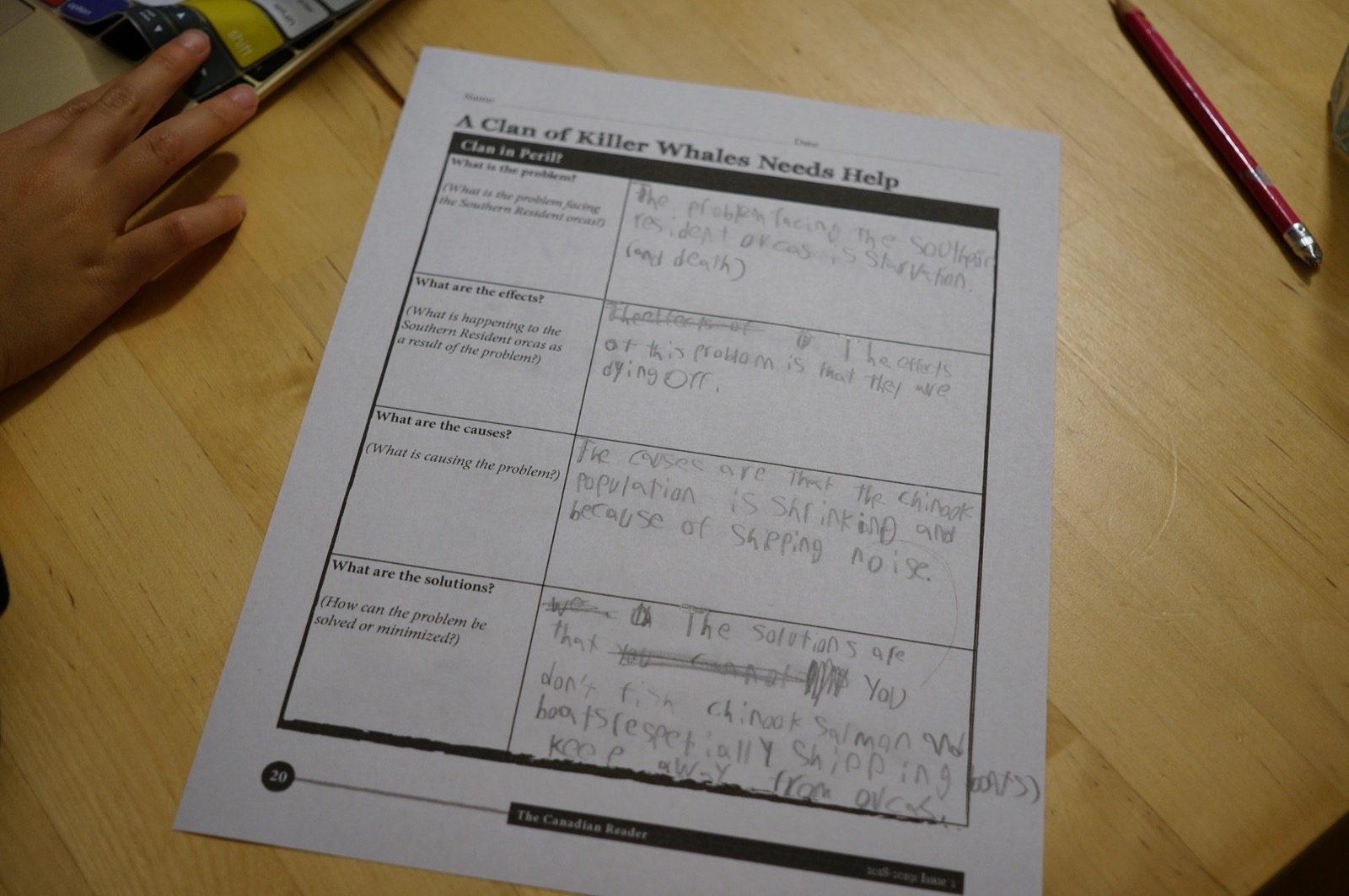
He also did some comprehension questions on an article about killer whales from The Canadian Reader.
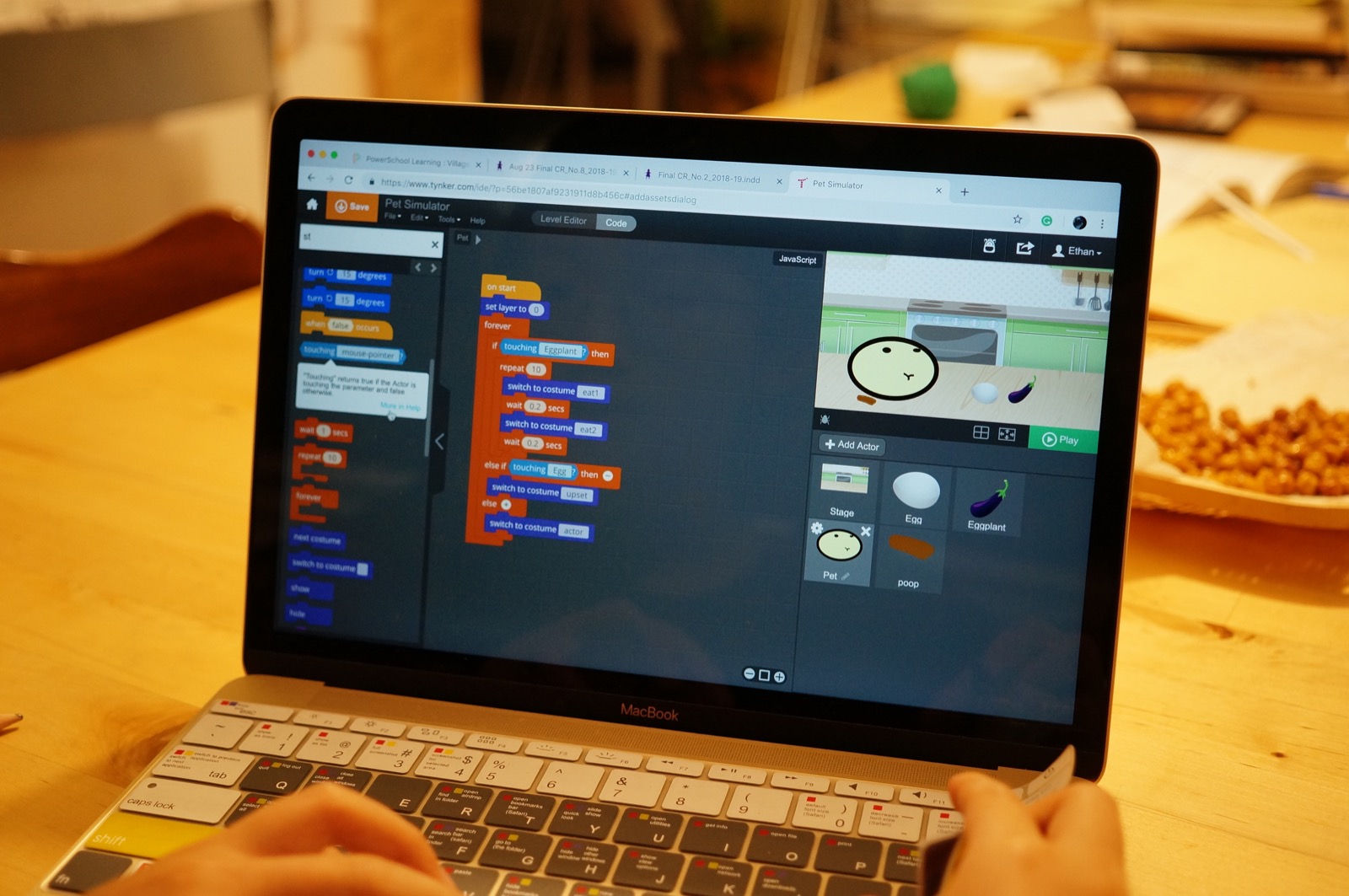
He did some coding in Tynker. This project started out with a pre-coded project where the character eats the eggplant but makes a sour face when given the egg.
Ethan added a piece of poo that would come out after the character ate the eggplant.
He knew which commands to use, even though he isn’t familiar with this programming language. It’s similar to Scratch is how he was able to know which commands to look for.
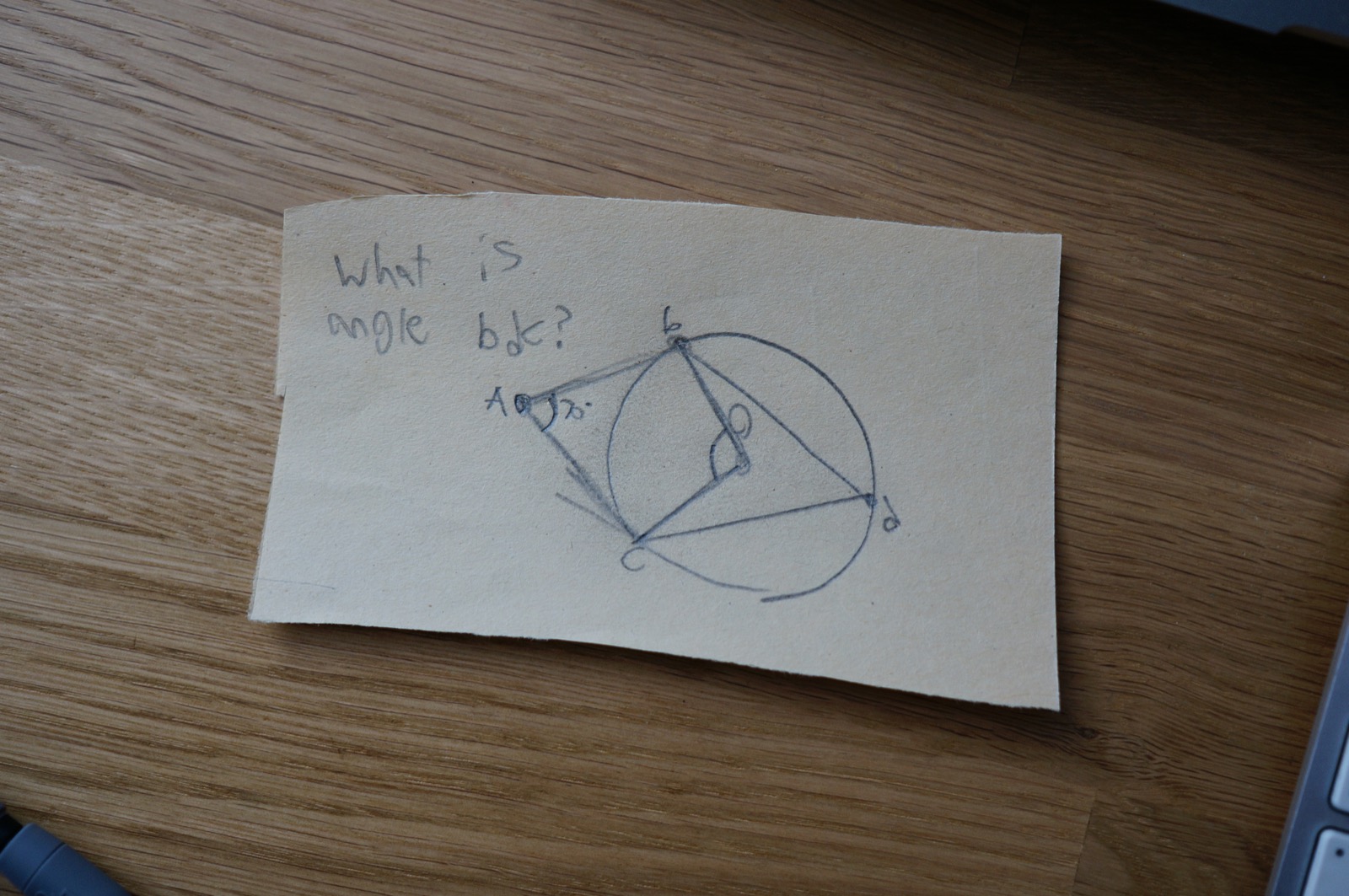
After learning about arcs and tangents, he made this equation for me to solve. I had no idea how to do it, so he explained how angles A, B, C and O equalled 360°.
He walked me through how to solve it and then made a second one for me that was even harder. That one I couldn’t understand 🙂
December 1
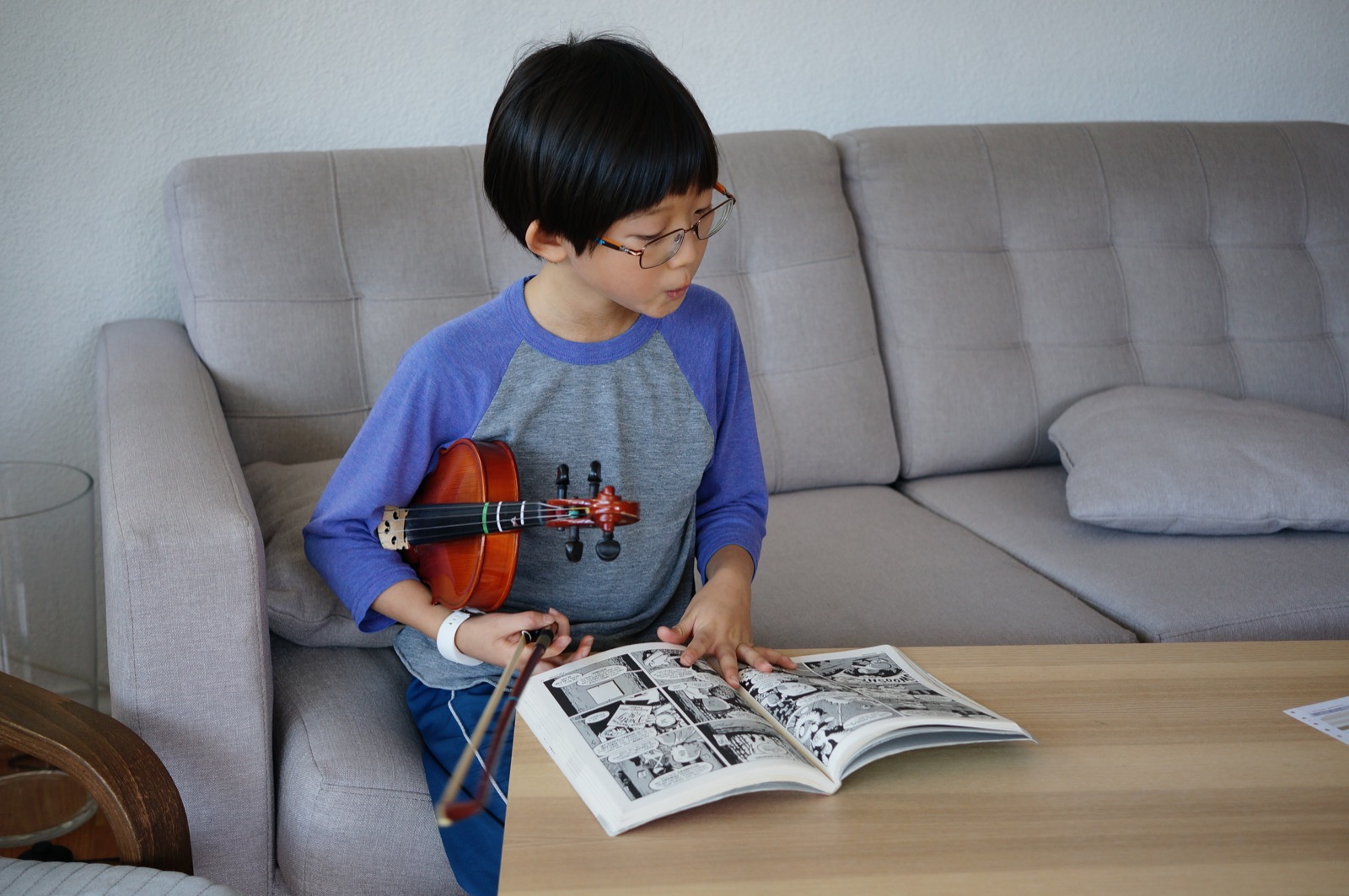
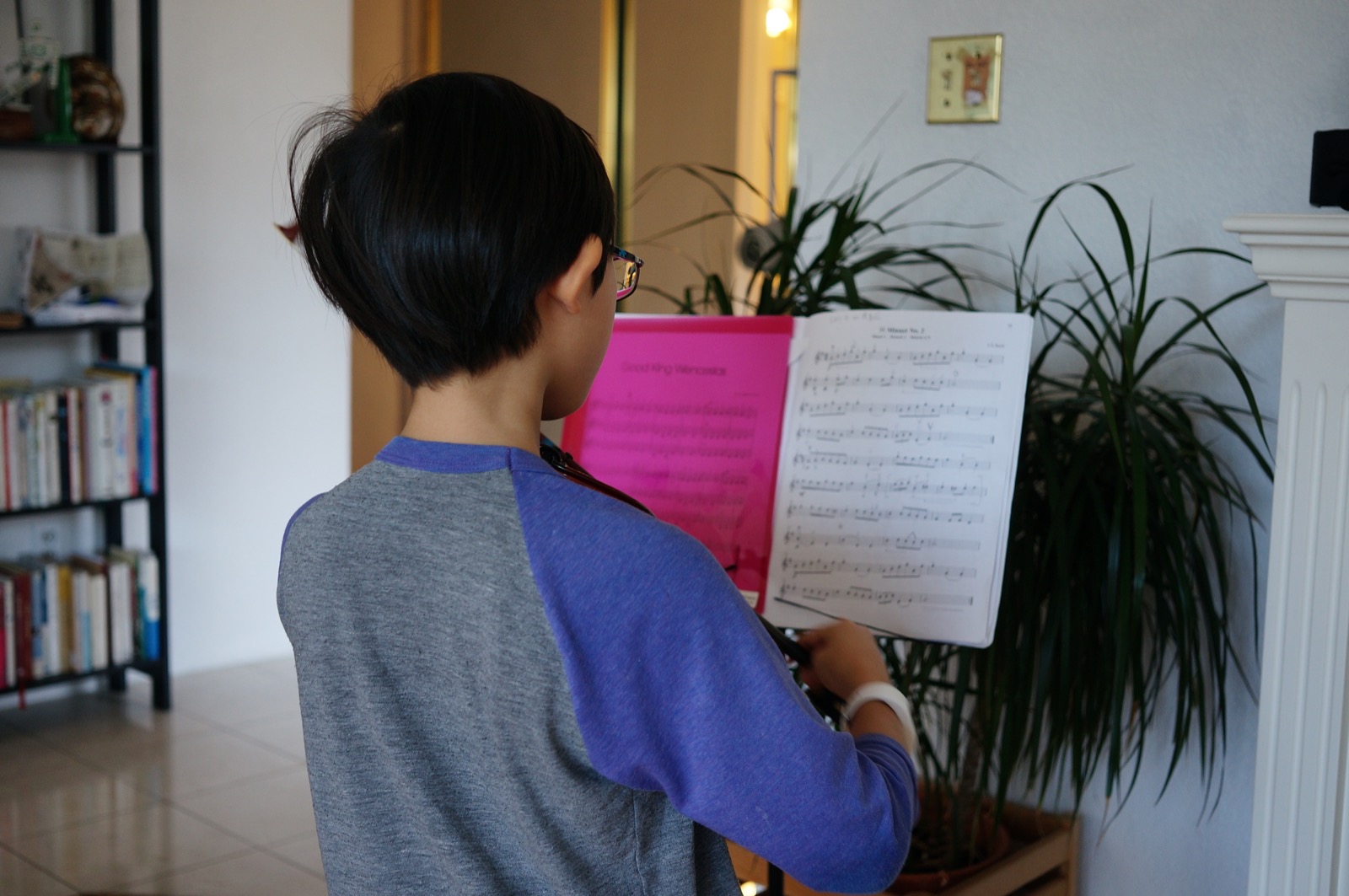
Saturday morning violin practice while reading a book about philosophy. The book uses a comic book format to talk about different aspects of philosophy, including its origins.
We wanted Ethan to learn about philosophy as a way to work on his thinking skills and to think about ethics and morals.
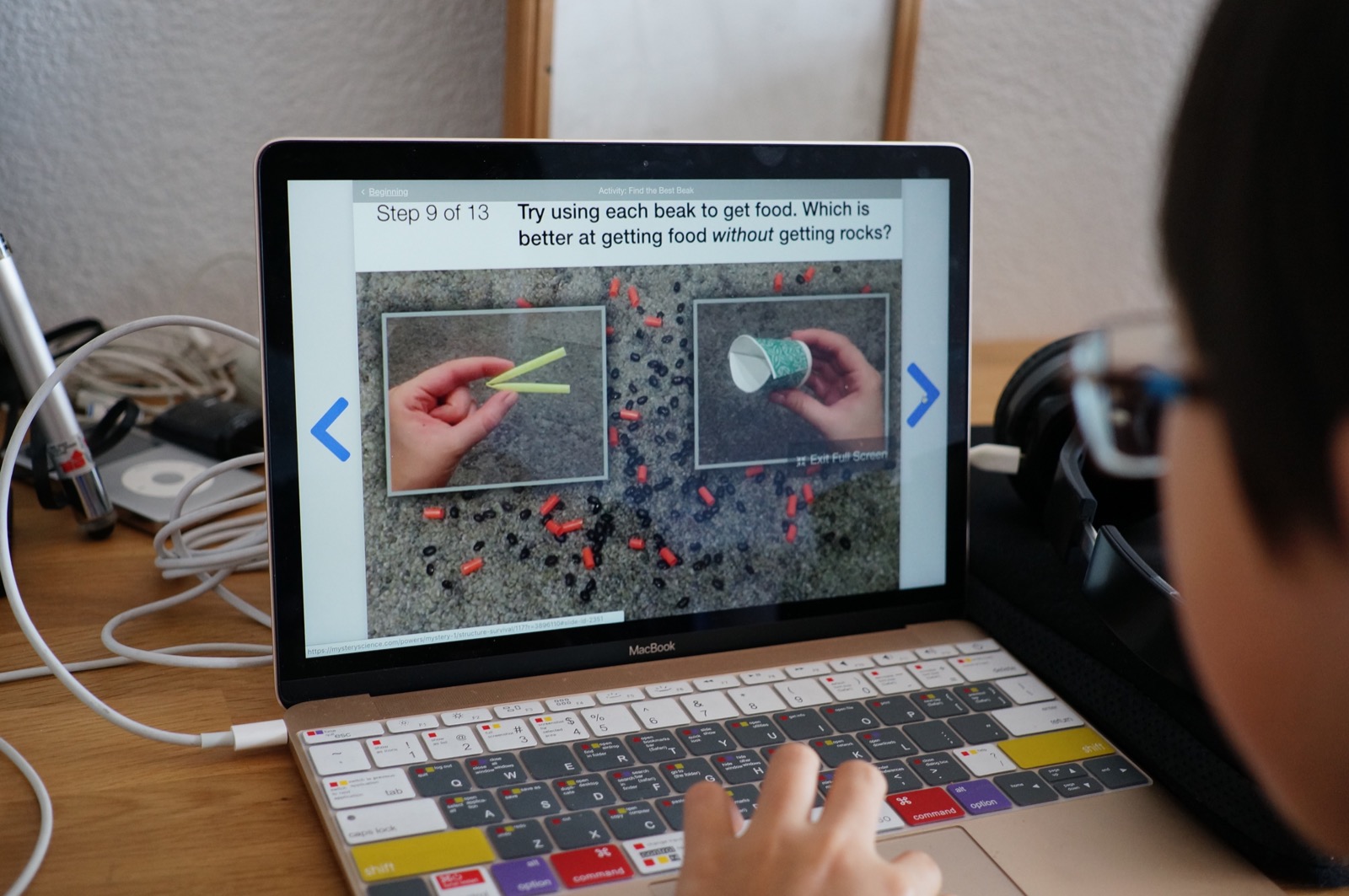
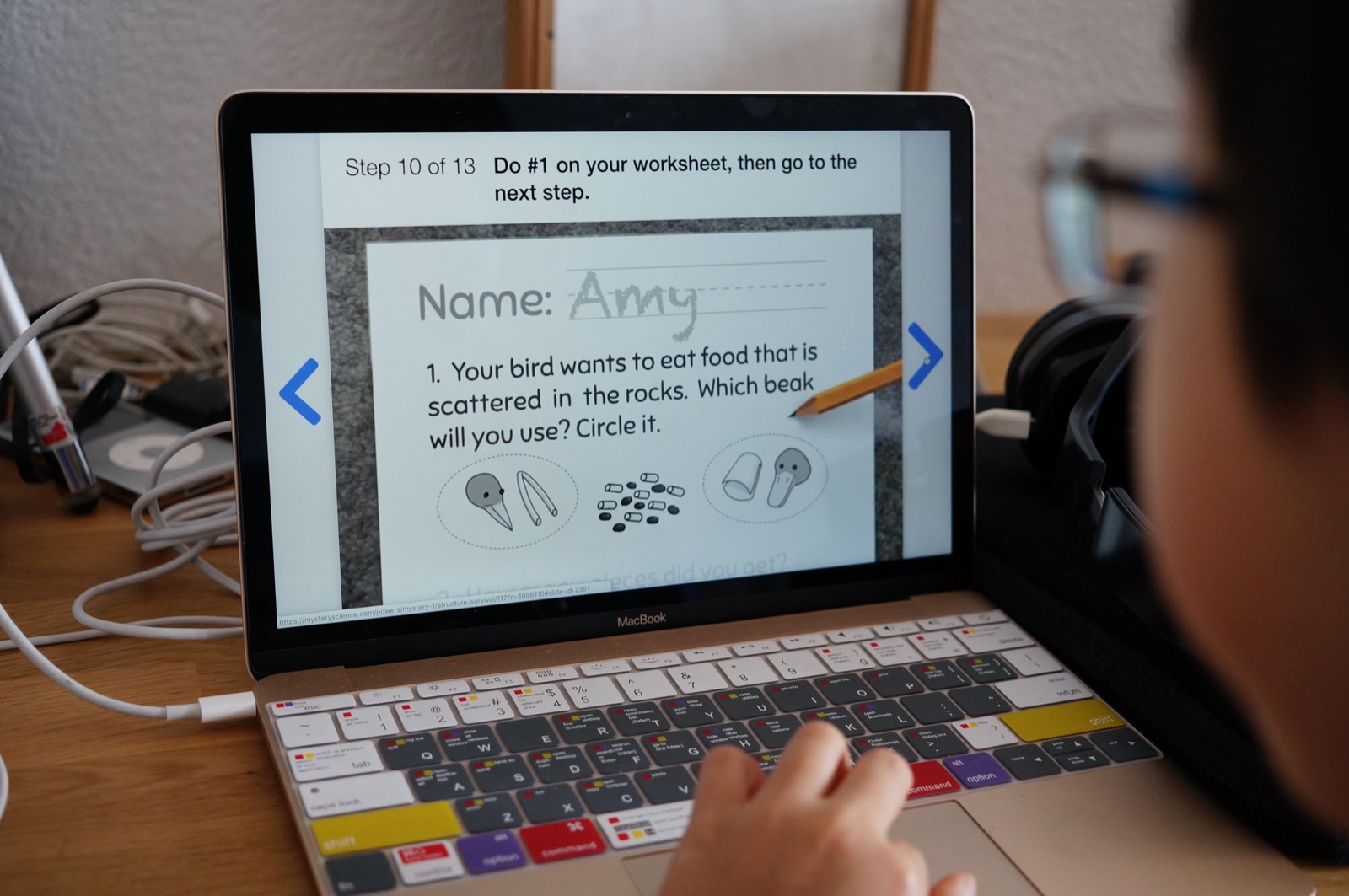
Ethan learned about birds and how different types of beaks are made for different purposes on Mystery Science.
For example, birds with pointy beaks are good at finding food in small places and picking up specific things; on the other hand, birds like ducks use their bills to scoop up food, kind of like a spoon.
They video used an example of how a duck eats in a similar way to how we eat cereal with a spoon. We scoop up cereal and get some milk, so we swallow the milk. Ducks scoop up food and water and drink the water.
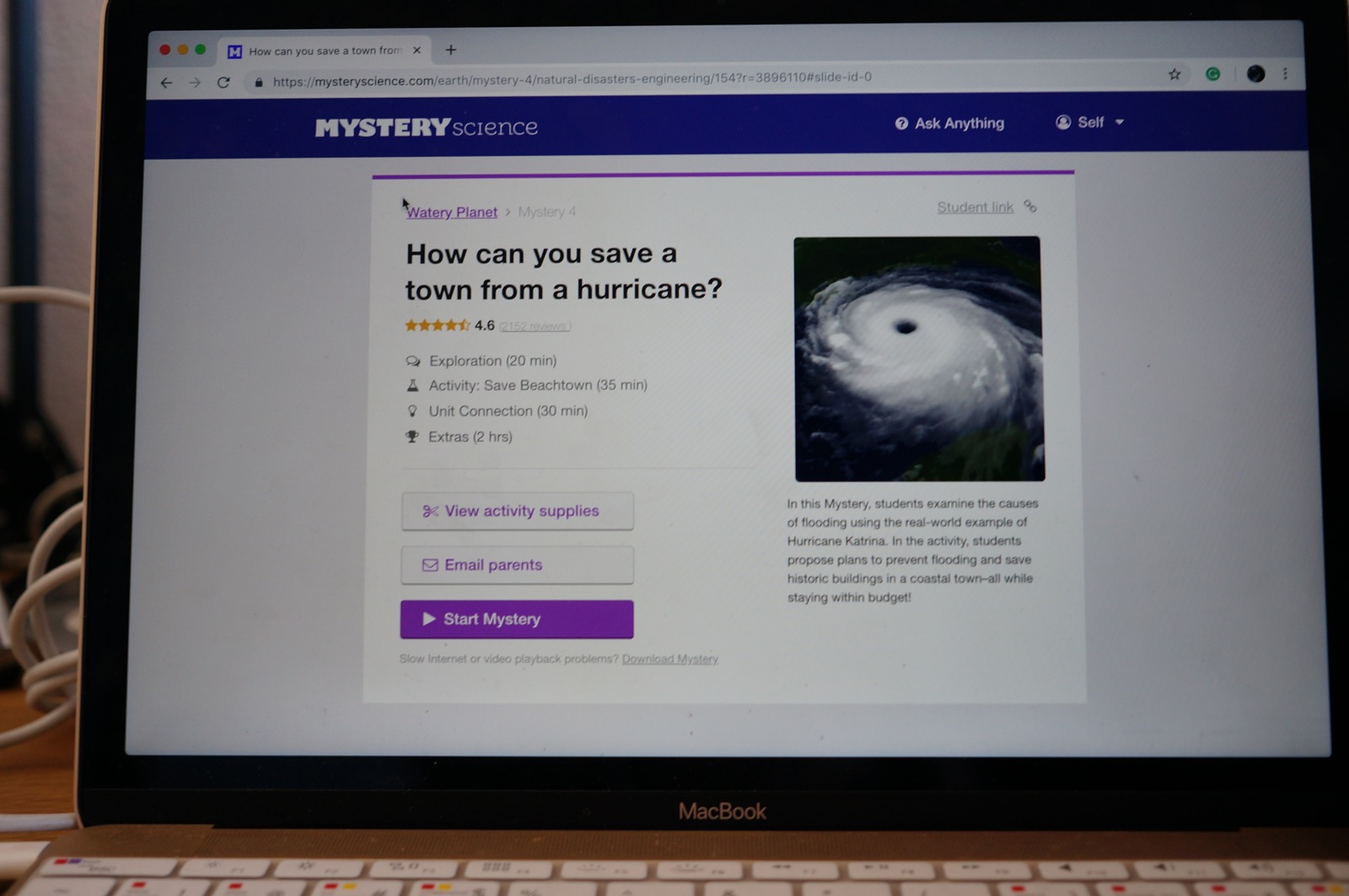
He learned about how engineering helps people and buildings survive natural disasters like hurricanes.
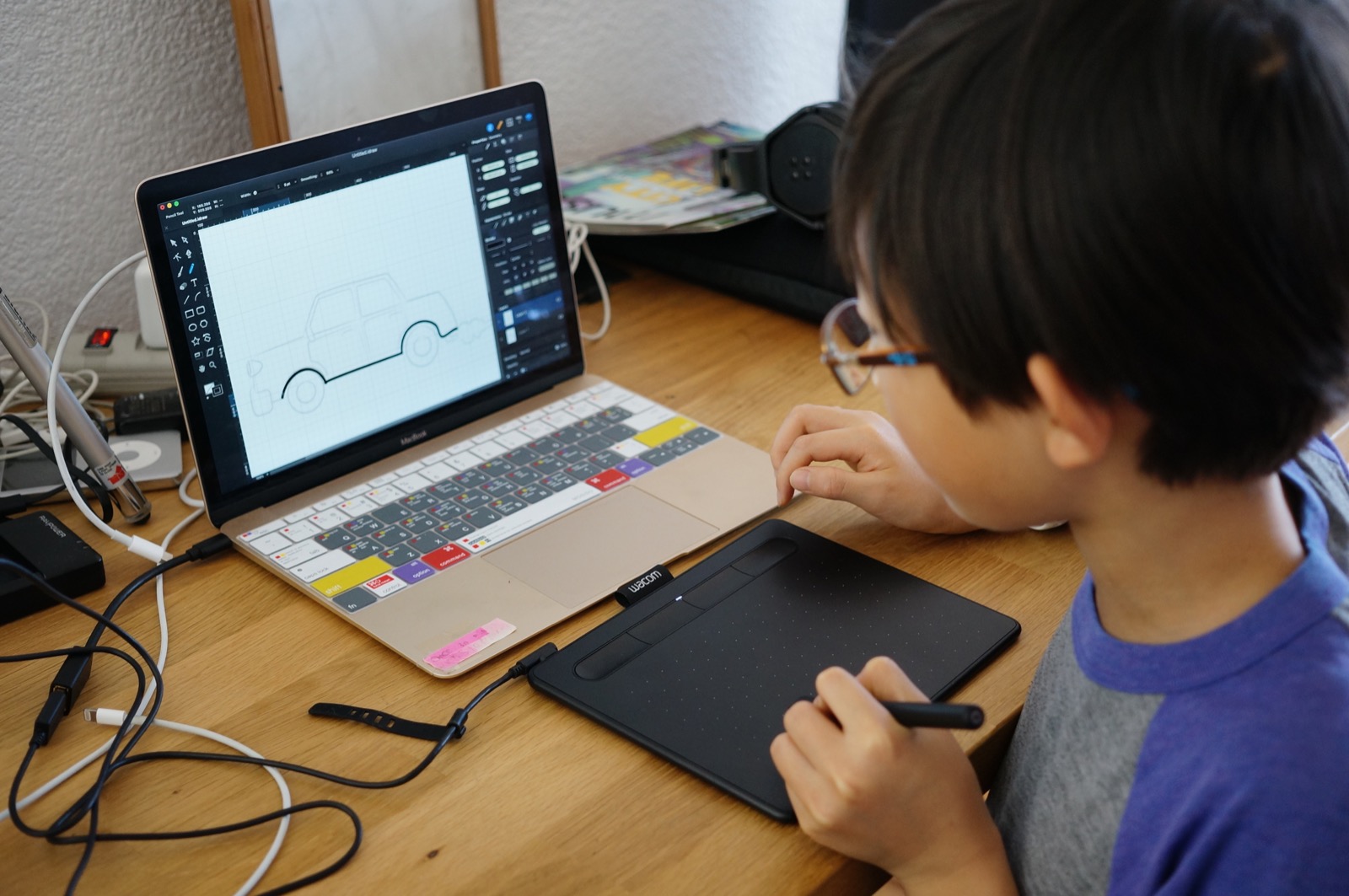
Next, Ethan practiced drawing on a new drawing tablet I got. I’m using it to draw things to use in animated videos I’ll create in Videoscribe.
I gave Ethan access to Videoscribe so he could make his own whiteboard style videos.
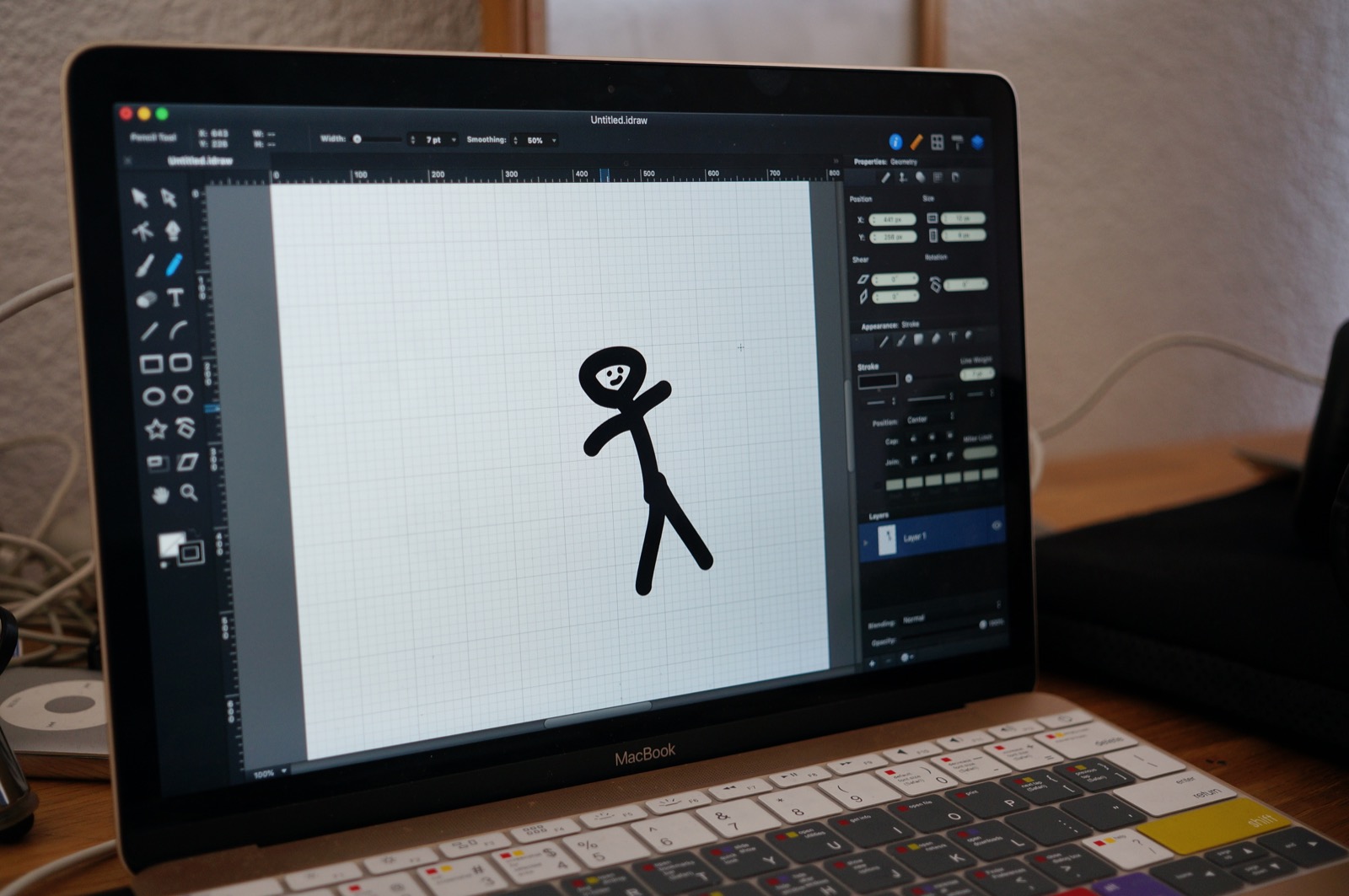
Here, he’s practicing tracing a car with the tablet. Afterwards, he made a video with the car, along with other objects he drew. He really enjoyed doing this.
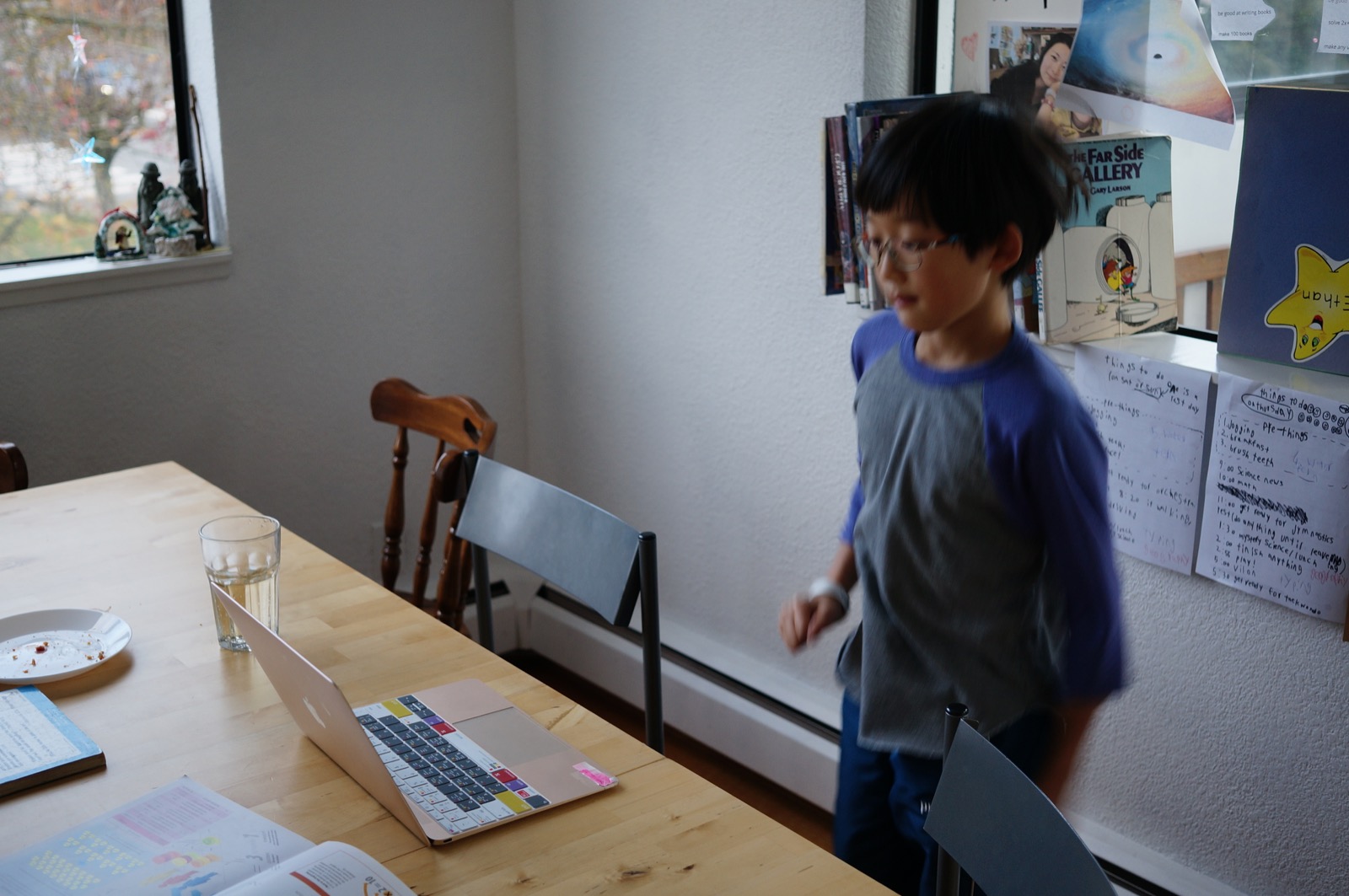
Learning about constructions in geometry. He’s standing because we talked about being more active and trying to walk 10,000 steps a day.
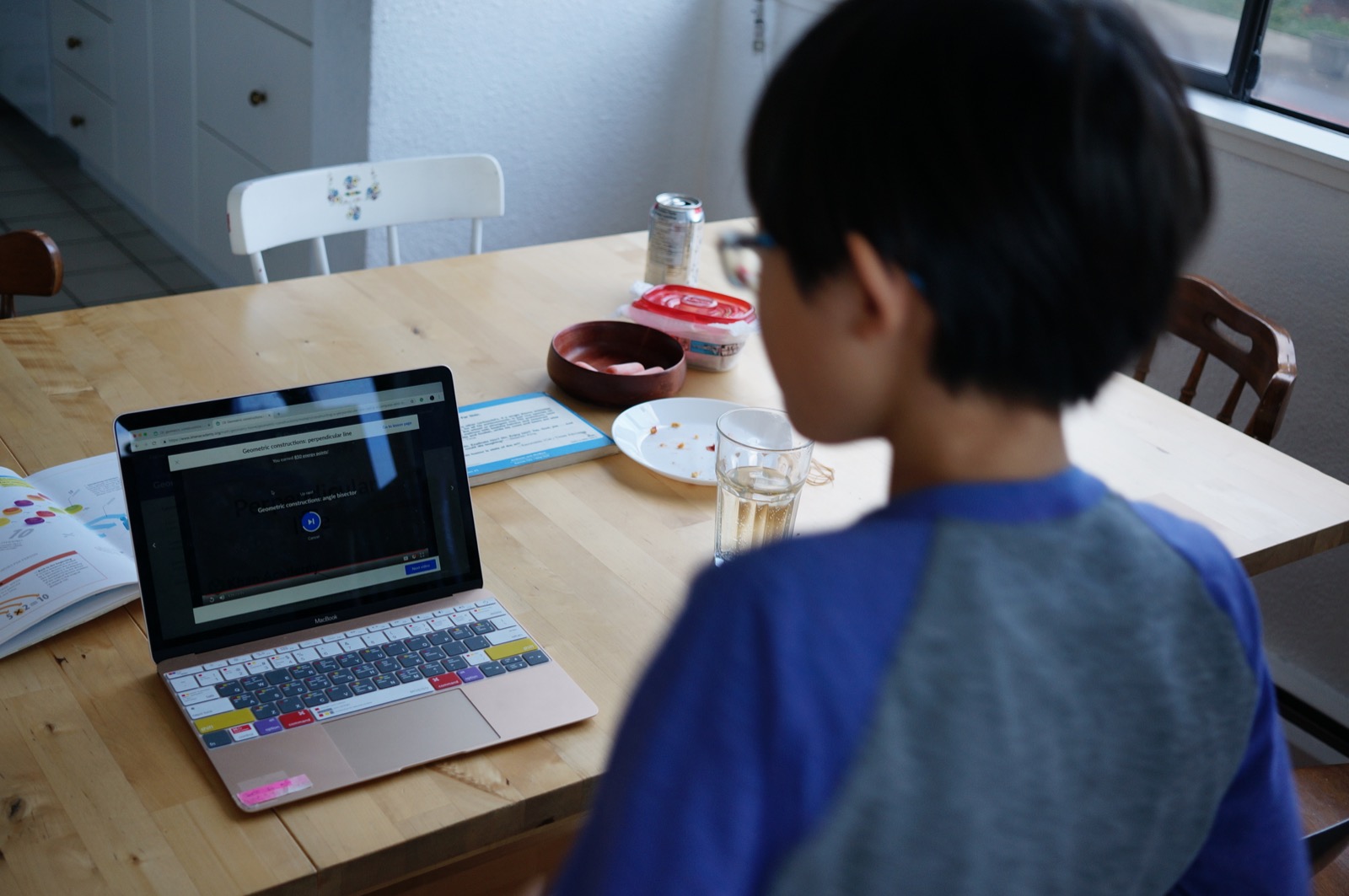
So instead of just sitting and watching the video lesson, he got up and jogged in place.
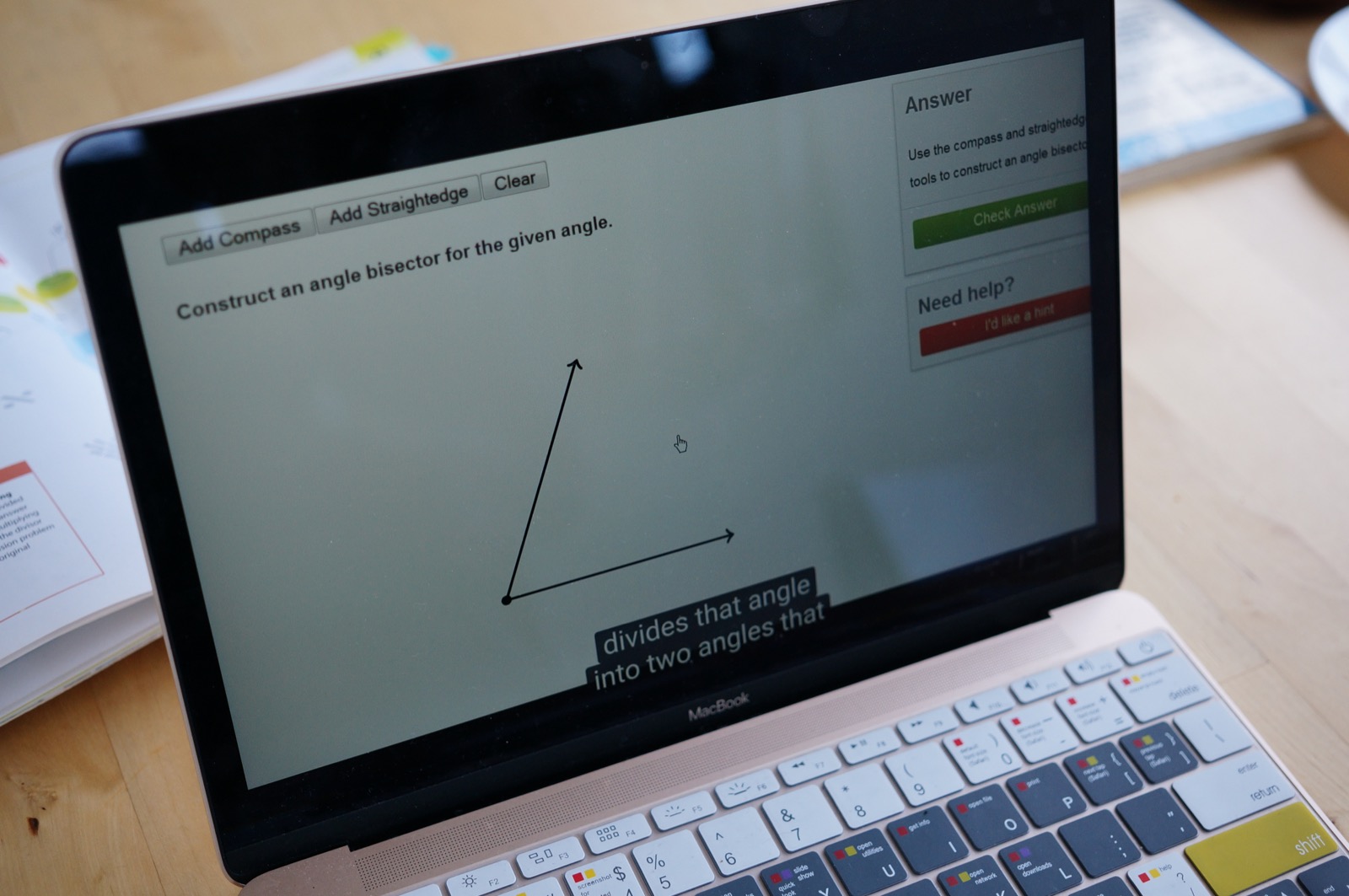
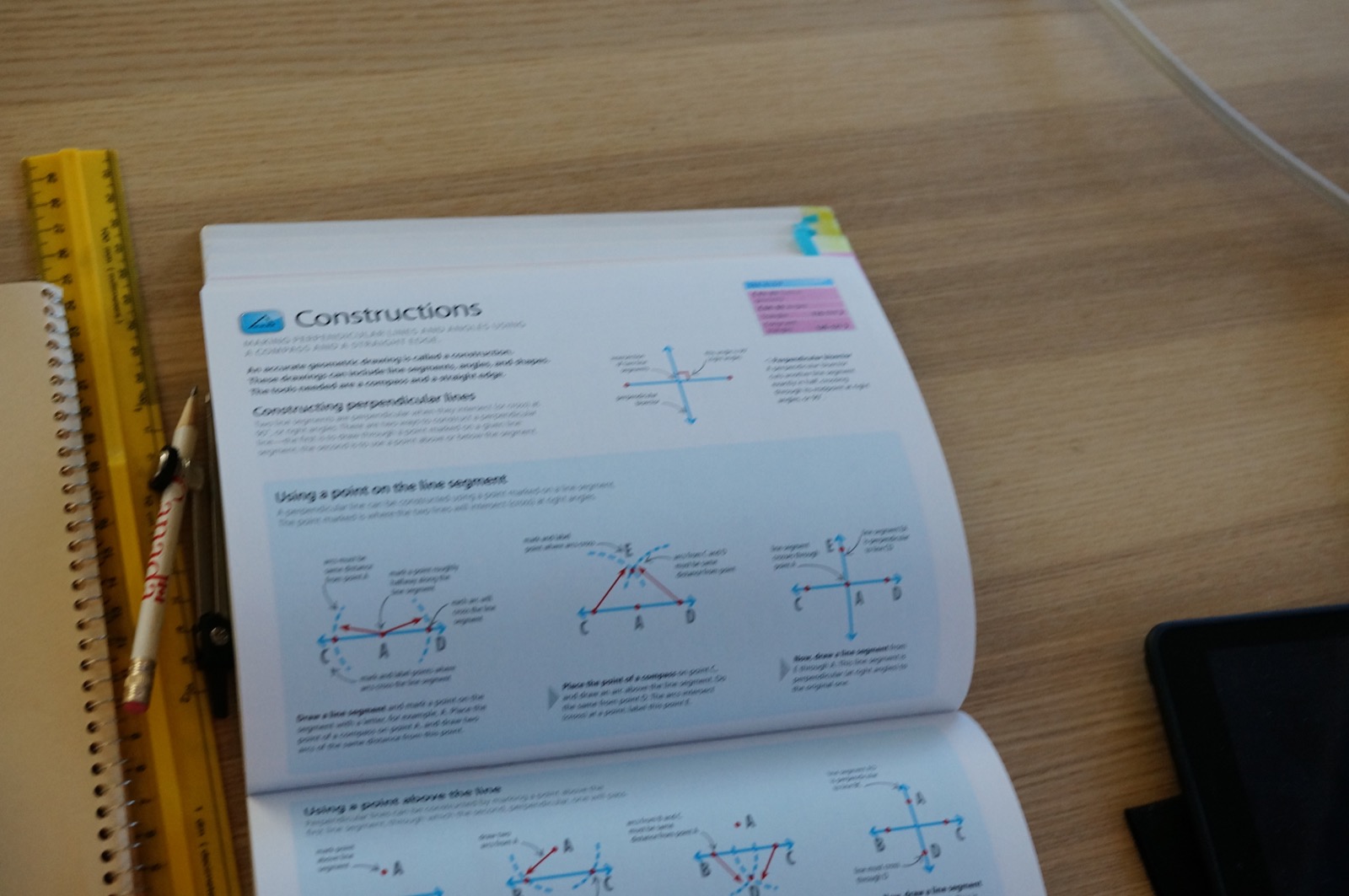
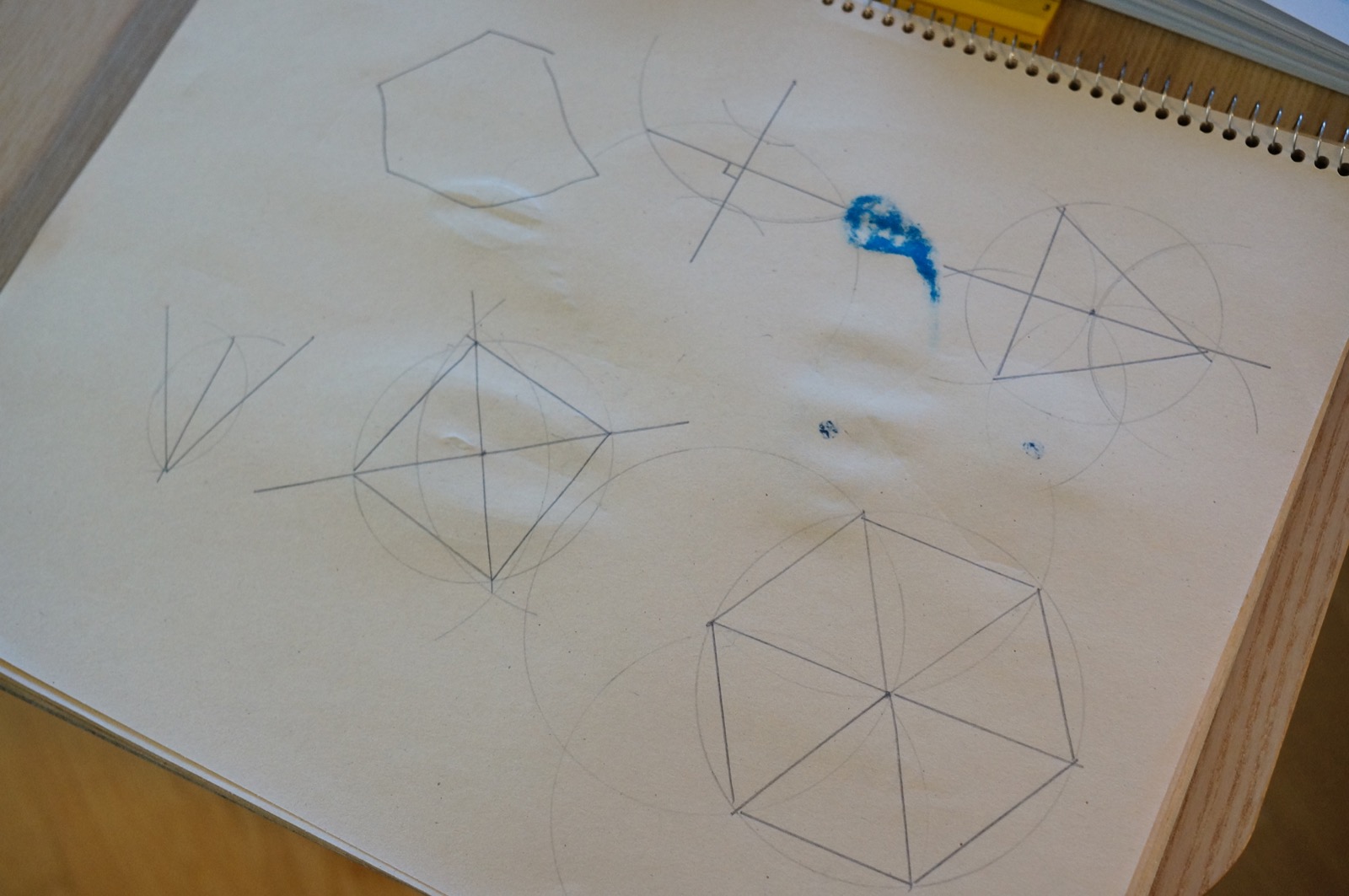
Practicing what he learned to create shapes.
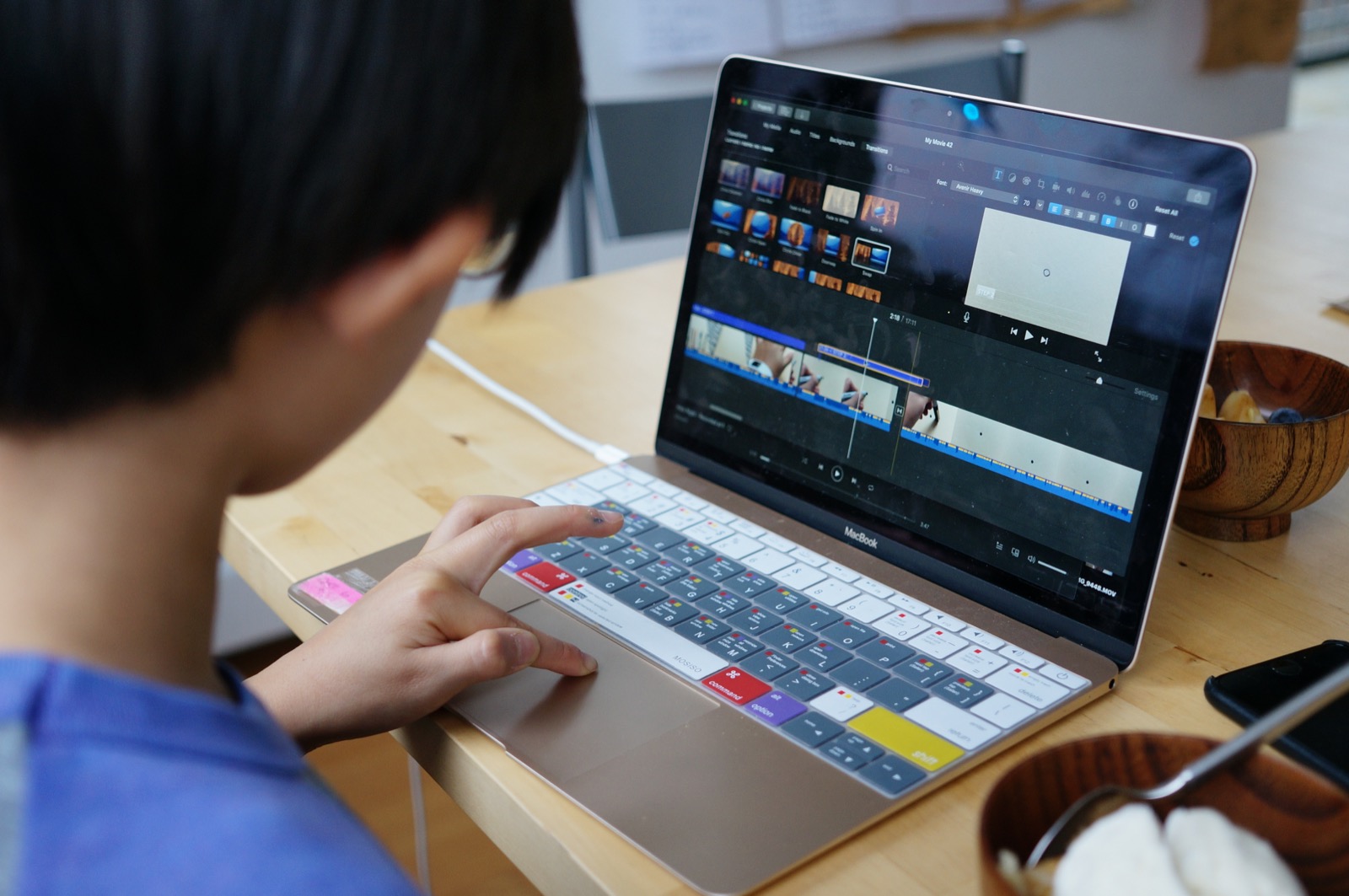
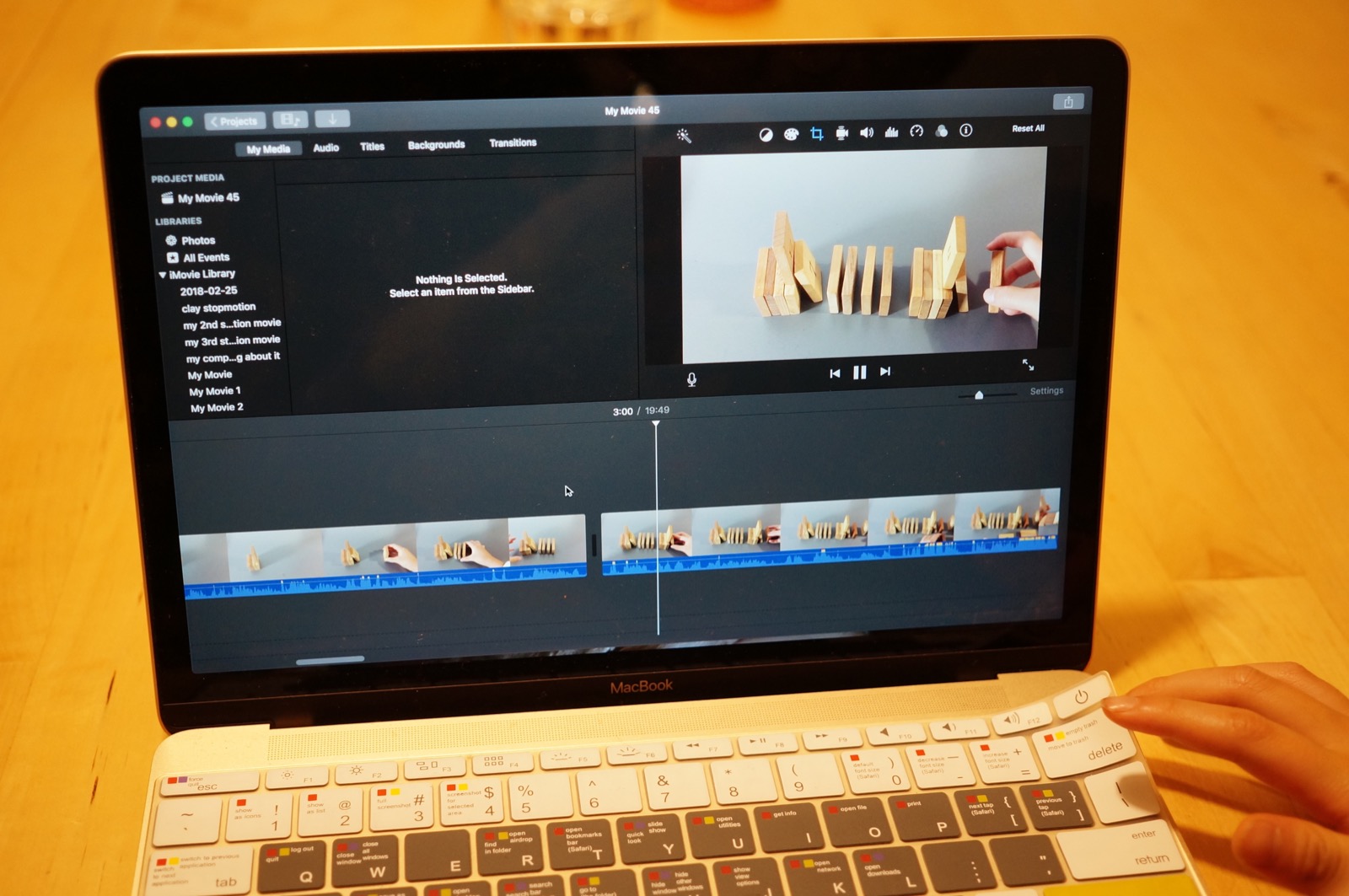
He then made a video about dominoes and edited it in iMovie on his laptop.
He also updated his scale of the universe video…
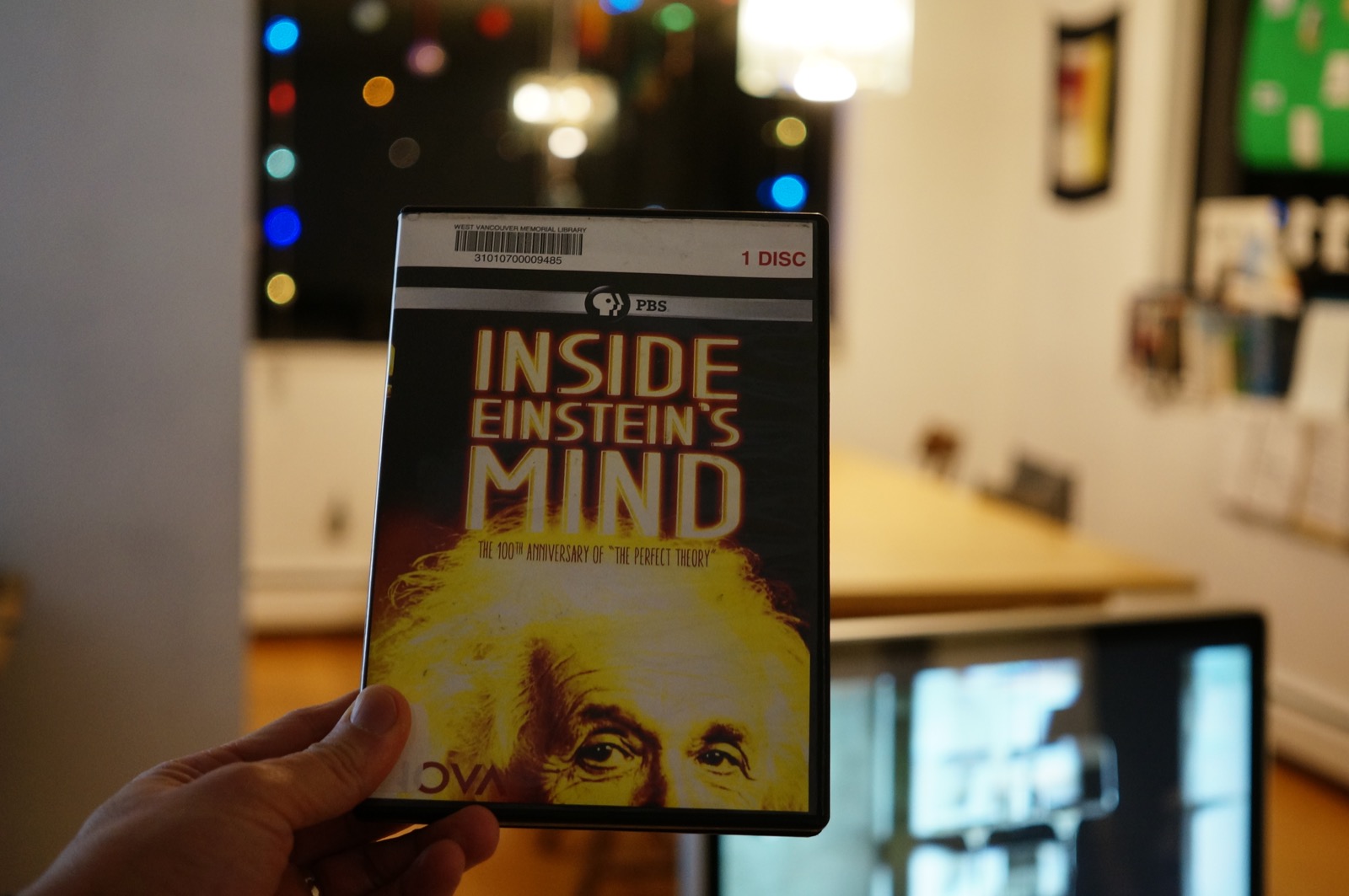
We then watched Inside Einstein’s Mind to finish the day. A very cool documentary about Einstein and how he came up with the theory of general relativity.
And that was the week!
Feel free to let us know if you have any questions about unschooling or SelfDesign. We’re not experts, but we’re happy to share our experiences.
Ethan’s math is really starting to go off the charts, well past his grade level as you know. I appreciate how inspired and self motivated he is!
What a challenge to solve some of those problem/equations he is making for you. Hopefully he is providing some good tutoring for when and if you get stuck.
I know if I had to answer some of his problems I might be stumped!! Next time we have a in person visit he could quiz me and see if I could use some of his help when i get stuck, which i know I will inevitably.
The Christmas tree looks awesome, and I think cutting the rolls in half was a such a good idea and even looks better too.
Please congratulate Ethan on doing some journal writing this week. I think if he does some sort of writing weekly be it a report write up, an email, a comic strip, a journal or short answers to direct questions about things he is learning about in social studies or science he will continue to develop and explore his written communication skills. Maybe you could have a list of writing ideas he could refer to as a part of making that weekly goal.
I think Ethan is doing fantastic work in many areas of communication. I know that writing is a oncern of yours, but lets not forget to celebrate all the many ways which Ethan communicates his ideas, plans, opinions etc.

Here is an idea of what I am talking about, there are some great videos and explanations for writing that grade 5 students should be practicing and developing, see if anything is of interest or inspiration for Ethan: https://www.greatschools.org/gk/articles/fifth-grade-writing/
E-mails to Friends
E-mails are a quick way of exchanging information between two or more people. Encourage your students to write e-mails to their friends, family members, or even classmates. E-mail writing offers lots of ideas that you can incorporate in your class; teaching about the components of an e-mail is one of them. In one of my previous posts, I described these components as I discussed the formal type of e-mails. Most of these components, if not all, relate to informal e-mails as well. Politeness, the use of colloquial language, and e-mail etiquette could also be addressed to help your students better socialize into this type of written communication.
Texting
Texting could be a great opportunity to incorporate the use of cell phones, which typically seem to be quite disruptive. It’s also a good chance to teach about “text speak,” acronyms, and abbreviations.
Online Chatting (or Instant Messaging)
Online chatting provides the teacher with the opportunity to talk about proper language and careful word choice. Unlike face-to-face communication, in online chatting, people cannot hear each other’s tone of voice or see each other’s facial expressions; therefore, the knowledge about how to appropriately communicate intentions and ideas comes in handy.
Invitations
Since invitations can be formal and informal, you can, once again, teach students about the proper use of language. Bringing in the concept of audience may also help students understand how their language, the tone of the invitation message, and even the choice of visuals may be influenced by the relationships between the sender and the recipient.
Thank-You Letters/Notes/Cards
We use thank-you letters/notes/cards to thank people for gifts, assistance, services, events, information, favors, etc. However, it’s sometimes difficult to know whether or not to send a thank-you letter. Help your students understand that in some situations, a thank-you note is expected, and by not sending one, a person may be considered rude or ungrateful. Give students a list of situations in which a thank-you note would be considered a polite gesture. By providing real examples, you will also help them understand the differences between thank-you letters composed for various purposes and audiences. Finally, it may also be helpful to give them examples of phrases to express gratitude, pleasure, and appreciation.
Some of these expressions may include: I am deeply appreciative of _________. Thank you so much for ____________. It was very nice of you to __________. How gracious of you to ___________. I just wanted to thank you for ______.
Postcards
Postcards are a way of sending short messages to friends or family members. Writing a postcard may seem easy and straightforward, and yet, it provides room for teaching a meaningful lesson. For example, students should know that postcards are not used for sharing bad news or sending urgent, important, or private information. Because postcards are usually sent to provide a “snapshot” of travel adventures, you could also teach students how to write concise, yet fun-to-read messages.
Writing should not be considered a burden or a fear-producing activity! By incorporating fun and meaningful activities in your class, you can motivate students to use their writing skills to communicate with people in the real world.
What strategies or activities have you used in your classroom to get students acquainted with real-world writing?
Or you could try something more directed this year or in the years to come.

This ready-to-use resource provides 40 complete model and writing lessons that capture students’ attention, build their writing skills, and teach them a writing process (motivation, brainstorming, composing, revising, and publishing) that will serve them throughout their lives.
The lessons/activities are designed for young authors in grades 4 through 9 who are just learning the composing process, as well as for advanced writers who are ready to experiment with a variety of writing and speaking genres. They feature a wide range of practical writing tasks students can easily relate to their own lives.
For easy use, all materials are printed in a big 8 1/4″ x 11″ lay-flat binding that folds flat for photocopying of the writing formats and evaluative checklists that accompany many of the lessons, and are arranged developmentally into five sections. Here’s just a sample of what each section offers:
1. Descriptive Compositions for Young Authors: “People/Fact Hunt”…”Consumer Survey”…”Captions”…”Letter of Introduction to My Next Teacher”…:Restaurant Review Checklist”…”Horoscope”
2. Directional Compositions for Young Authors: “Advice to Next Year’s Class”…”Treasure Map Directions”…”Friendship Recipe”…”Cheer-Up Checklist”…”Medical Guide”…”Advice Column Solution Letter”
3. Persuasive Compositions for Young Authors: “Apology/ApologyNote”…”Travel Brochure”…”Movie.VideoReview”…”Sympathy Message”…”Bill of Rights”…”Letter of Complaint”…”Eulogy”
4. Marrative Compositions for Young Authors: “Good News/Bad News Tale”…”Mystery/Whodunit”
5. Poems & Songs for Young Authors: “Simple Chant”…”Five-Line Poem”…”Comparison Poem”…”Auto/Bio Poem”…”Modern Nursery Rhymes”
All lessons provide step-by-step instructions, including alternative motivators, examples of what to say to elicit students’ response and what to write on the chalkboard, and suggestions for responding to students’ writing in a way that will encourage them.
You’ll also find the lessons are ideally flexible. You may follow the steps in each Real-Life Writing lesson just as described or add, omit, and/or change parts to fit your students’ knowledge, skills, or interests and/or your curriculum needs.
Ethan and Carl you post so many photos and video in your weekly reflections. I thought I would share some from my recent journey to Nepal. There are many mountain shots from my 200km walk through the Giri region of Nepal.
Photo descriptions:
I took that small plane back to Kathmandu when we were done. We walked from the base of those mountains in the background in one day! It is amazing how much ground you can travel in a day of walking.
The large animal you see is a yak.
The peaks in the photos are over 23,000 ft tall!
The highest I went was 4500m and I did not suffer any altitude sickness, but many of my trek mates did and had to take altitude sickness medication.


This is my favorite shot I think I took. I love the way the hikers are almost floating on the clouds with Everest in the far distance.
I loved Nepal, the mountains and the culture there were other worldly. I wanted to send some photos for the entire family to enjoy. I arrived at the beginning of the Diwali festival. Children, homes and even the doggies were decorated for the festival of lights.


The architecture both ancient and modern was fascinating to see. The doors were so tiny!
This was in the ancient city of Bhaktapur


This is taken at the largest Stuppa in the world: https://en.wikipedia.org/wiki/Boudhanath


The one above is the largest stuppa in the world!
This is a smaller stuppa in a village, but freshly painted.

Check out the carving of Buddhist prayers into this stone. It is over 10 feet tall!!

Speaking of spirituality, this little boy is the 31st incarnation of the regional llama. He blessed us with a flower. When I looked into his eyes they were wise and deep. He looked at me and I could almost here other incarnations of himself saying, “you should look away Natasha and show me the respect I deserve.” It was an experience I have never had before especially with a two and a half year old.
Have you ever heard of reincarnation? What do you think of that possibility?
In sharp contrast to all of the stunning natural beauty of Nepal is the fact that it is a third world country and human impacts on the environment were sad and harsh to witness. The air quality in Kathmandu is some of the worst of any city. It was so so dusty and full of other air pollution. This was a really clear day there:

It can often be like this:

Also there is so much plastic and no proper waste removal or disposal. I saw so much plastic and polluted waterways it broke my heart. This was a small creek in Pokhara. My friend kept asking, “what can we do? What are workable solutions for this.” We brainstormed and shared a lot of ideas. I was also so grateful to live in BC and for all the clean water we have and that we can drink water right out of the tap!

Recent Comments