

Back to normal activities this week after Spring Break. Let’s see what Ethan was up to this week.
March 31

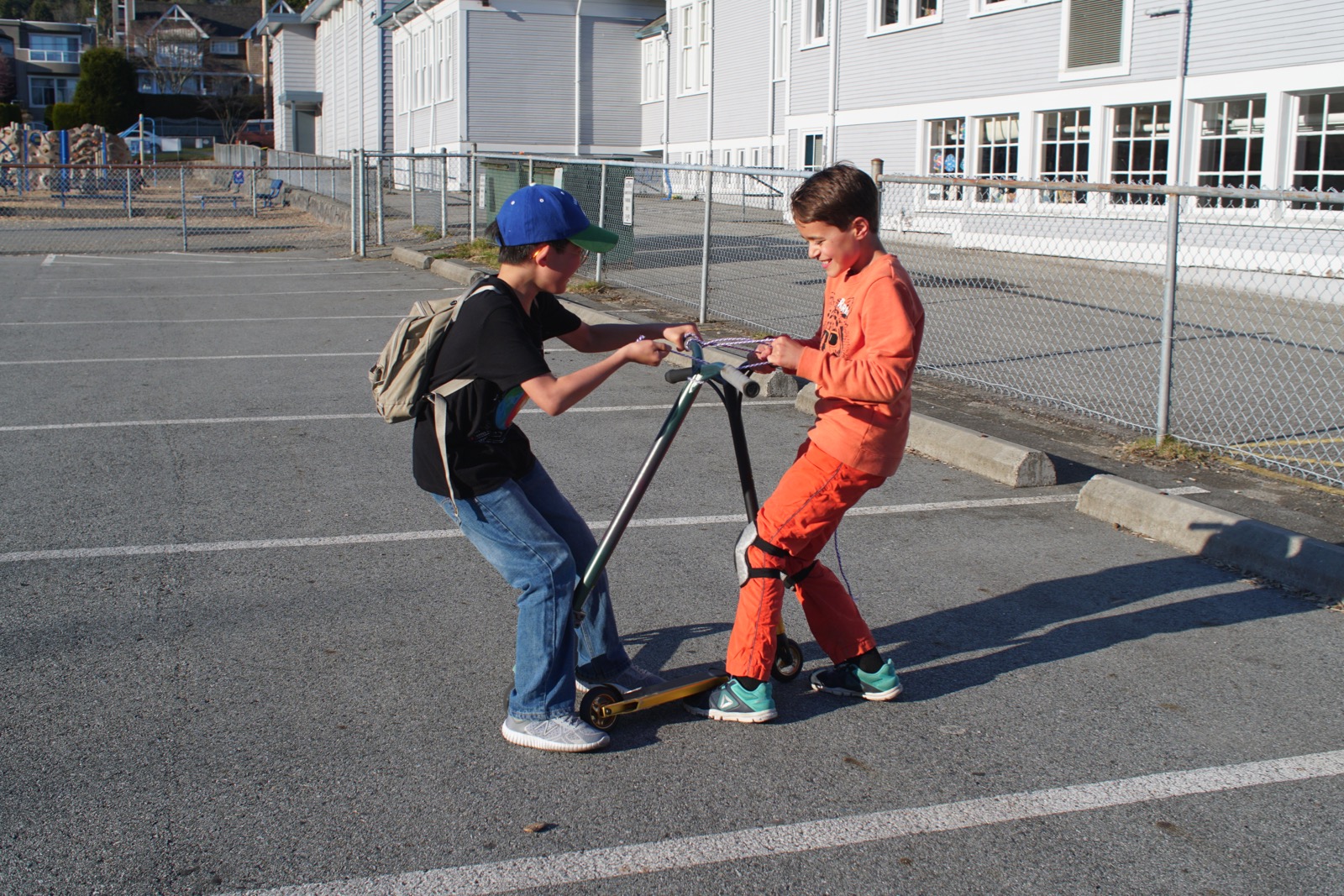
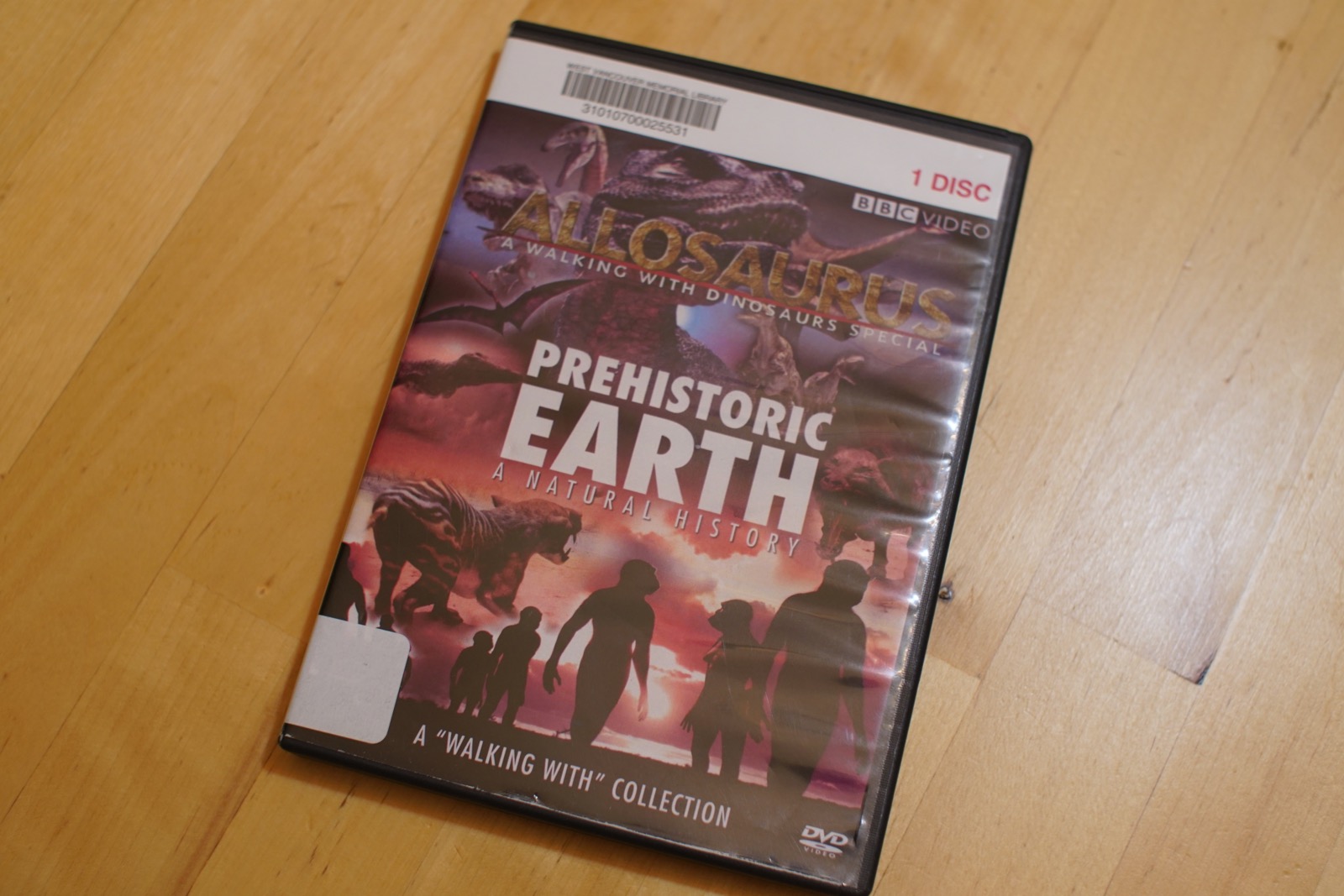
April 1
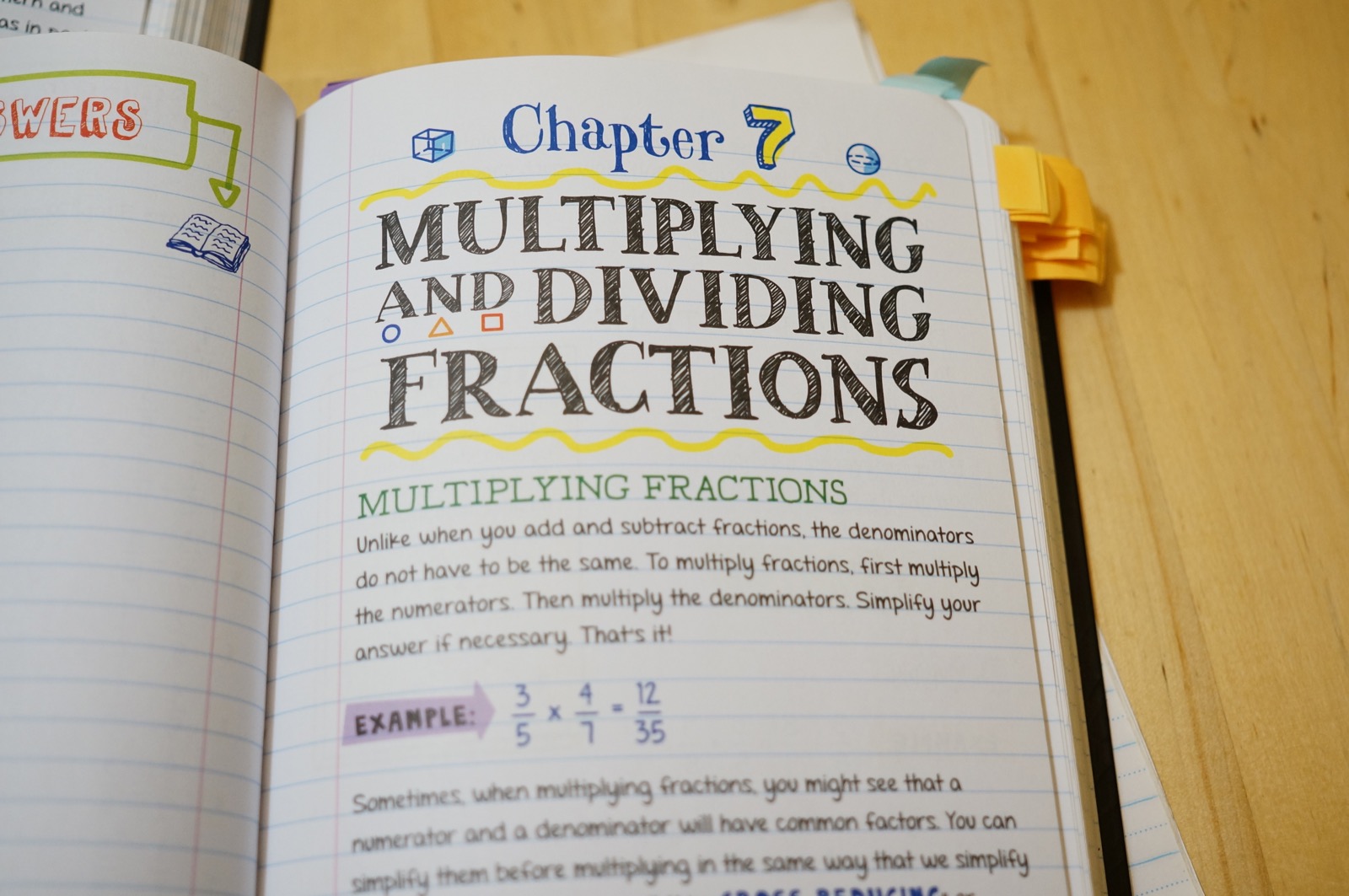
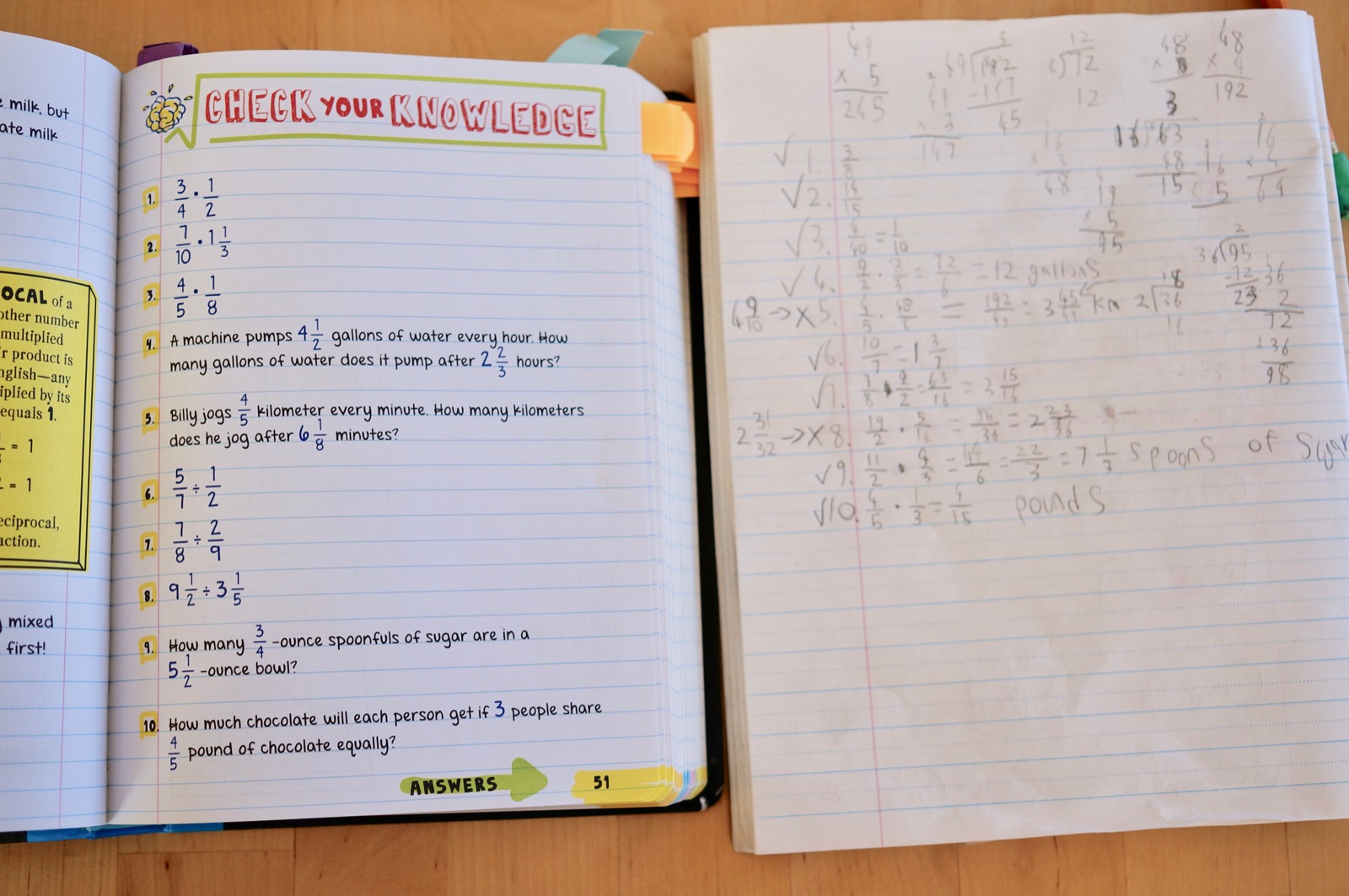
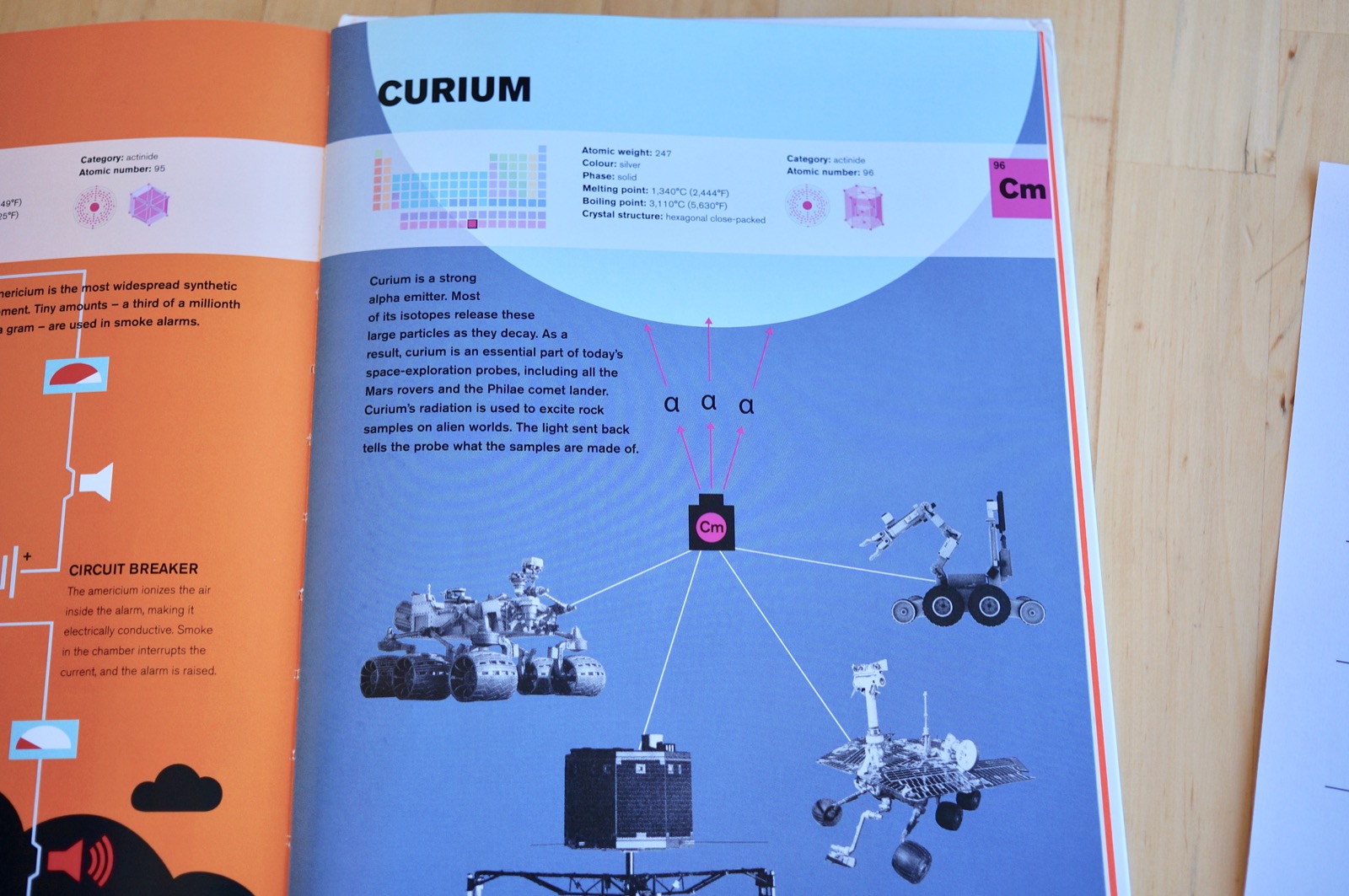
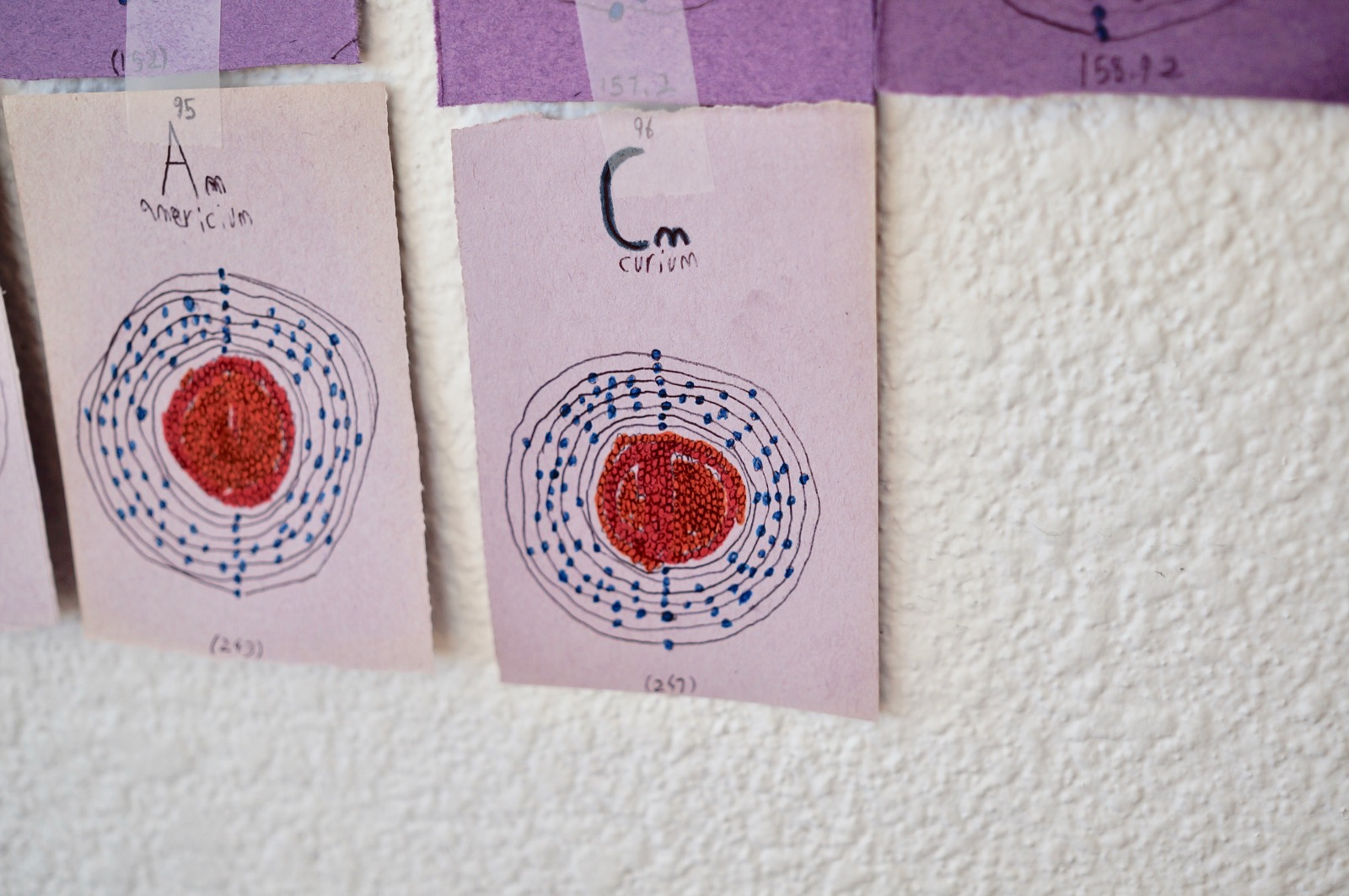
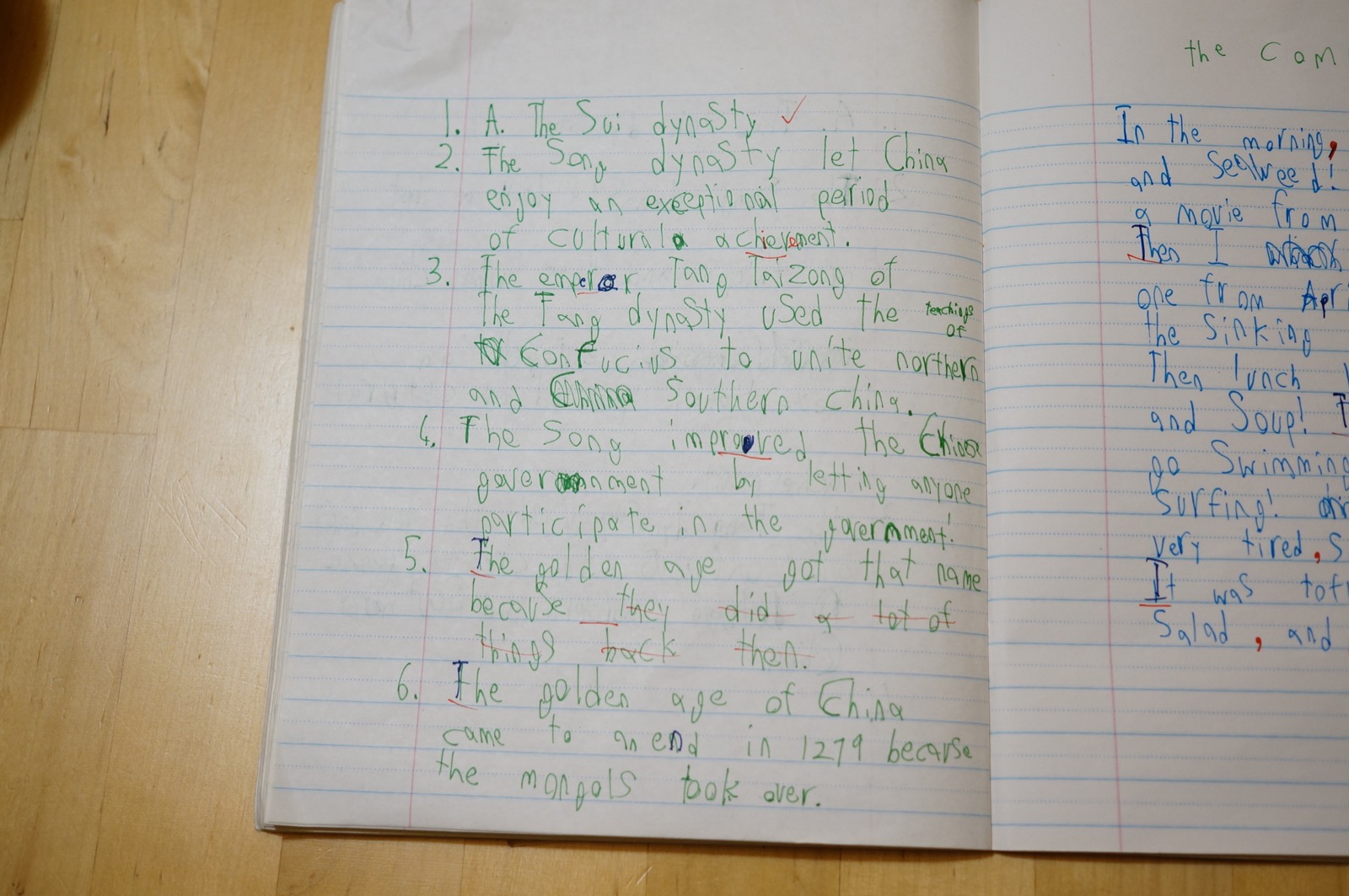
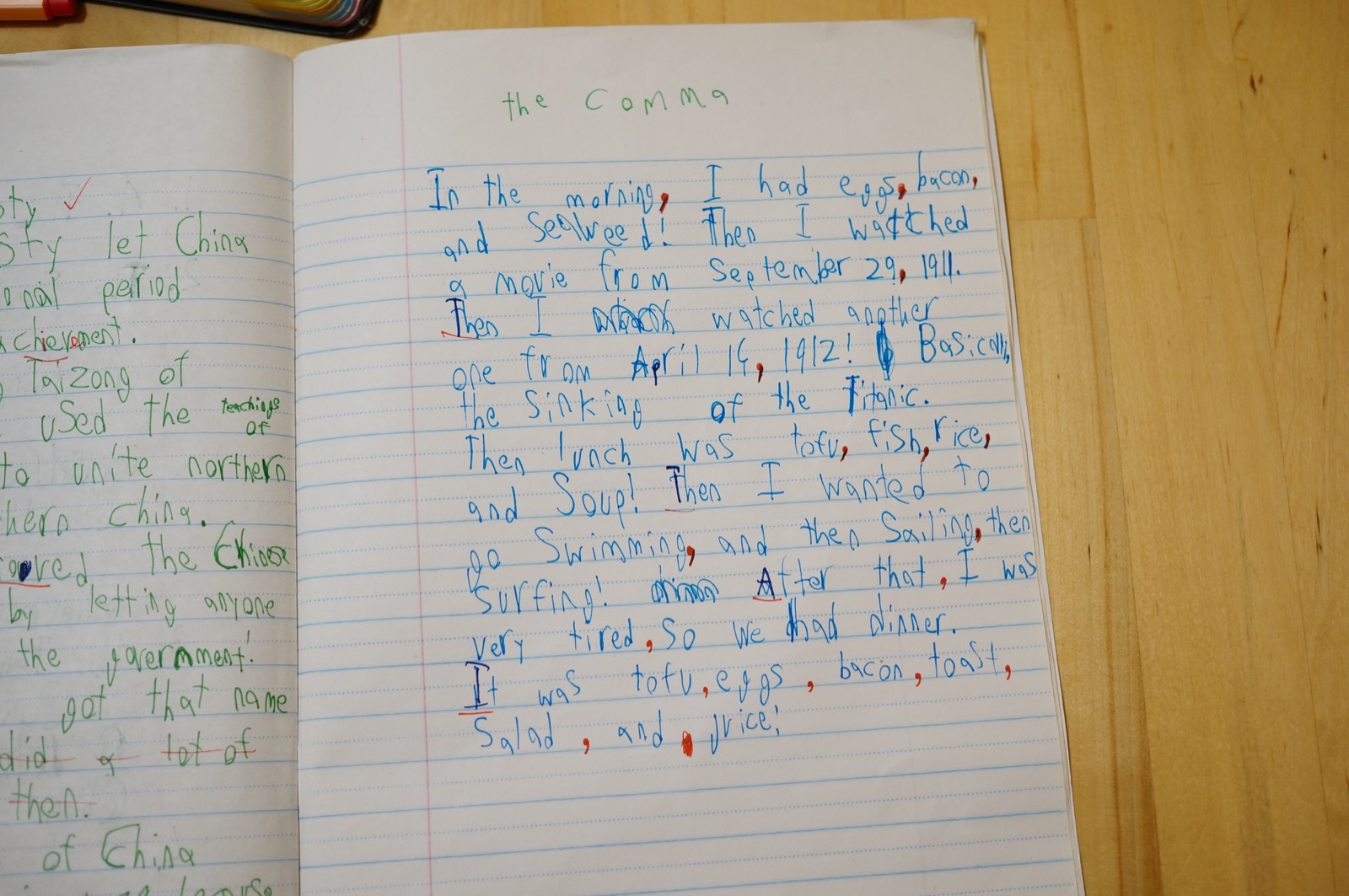
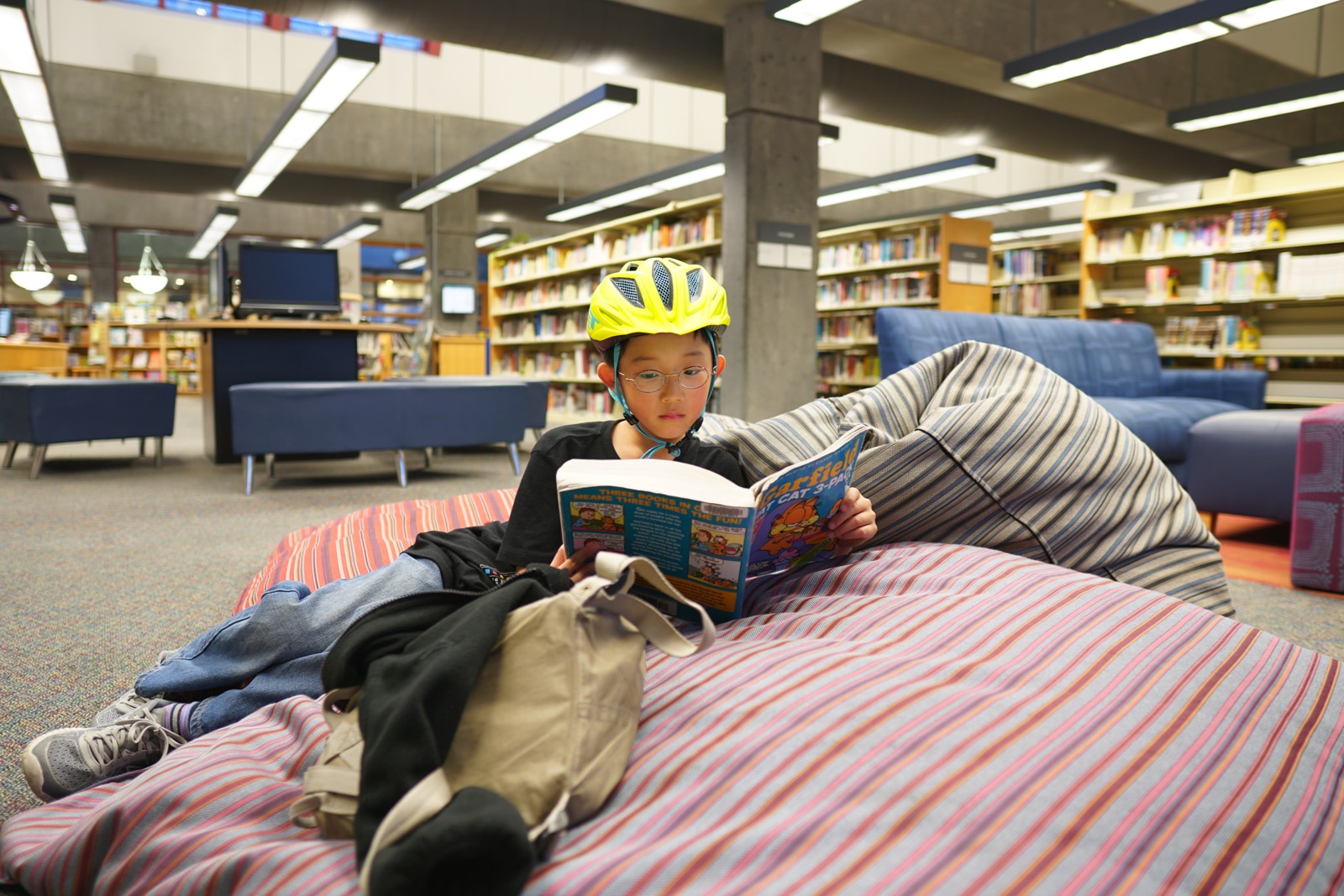
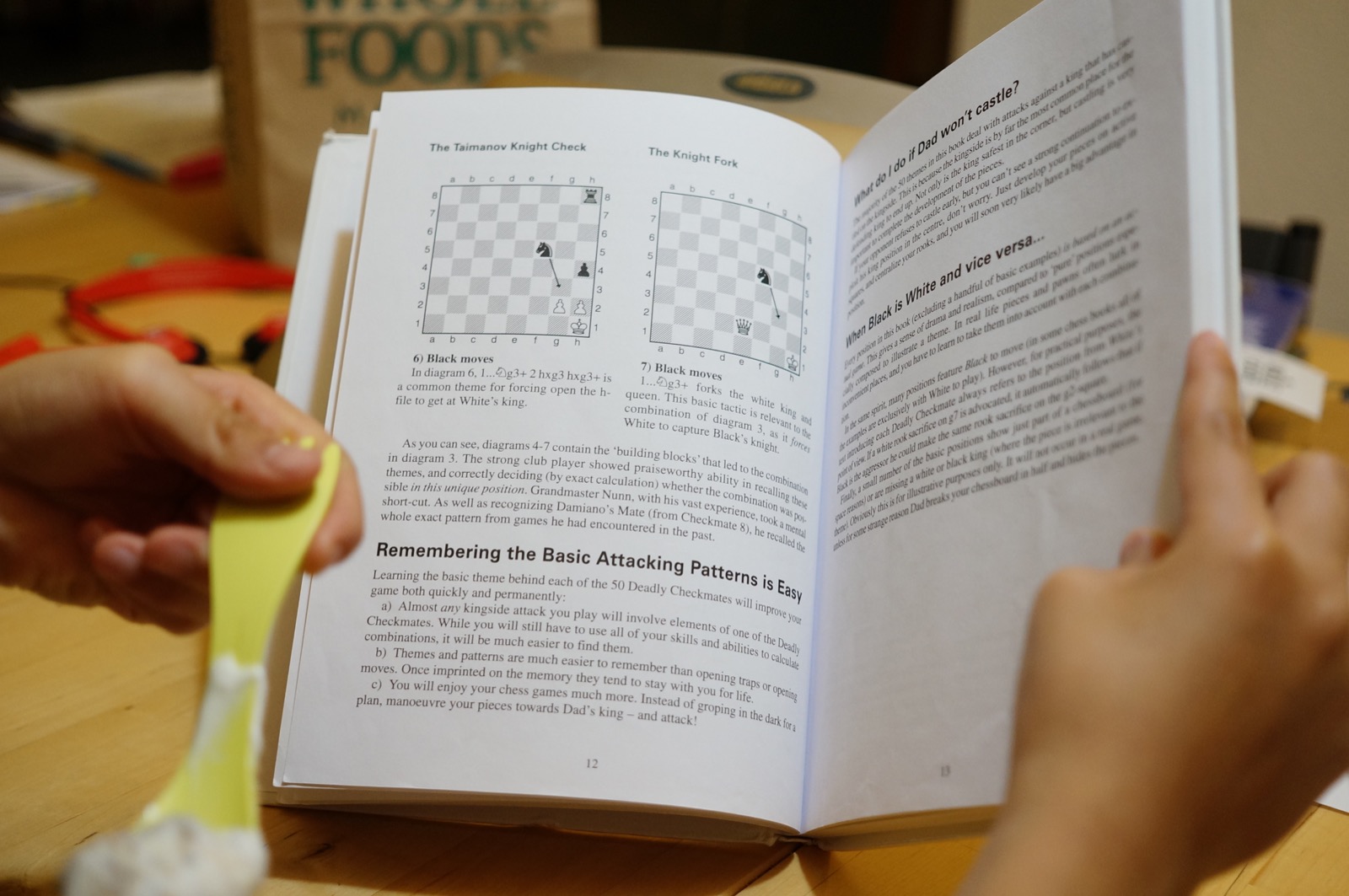
We read Twenty Thousand Leagues Under the Sea before Ethan went to bed. We want to finish this before moving onto The Hobbit but it’s taking a little longer than expected. An interesting story, though.
April 2


We finished the night reading Twenty Thousand Leagues Under the Sea. We’re finally on Part II!
April 3
Nature school today. This is what they did, according to Ethan’s teacher, Scott:
Our first day back together was rainy, but we made the most of it! We started by deciding to take a walk down to Lynn river in search of Licorice fern root. I talked about the rhizomous growth pattern of the fern and how to harvest it in a way so as to keep as much of it growing as possible. Also, we talked of the fact that the spot we harvested from was a good one to choose because of the abundant amount of the fern in the area.
After washing up the roots, we walked back up to the tarp shelter that we had constructed and re-joined Blake’s group. Here, we had lunch and started up the stove. Blake’s group helped by adding more ingredients.
While sipping tea, we played a game of “Catch the poacher” with Blake’s group, then spent the rest of the day playing on a big tree stump!
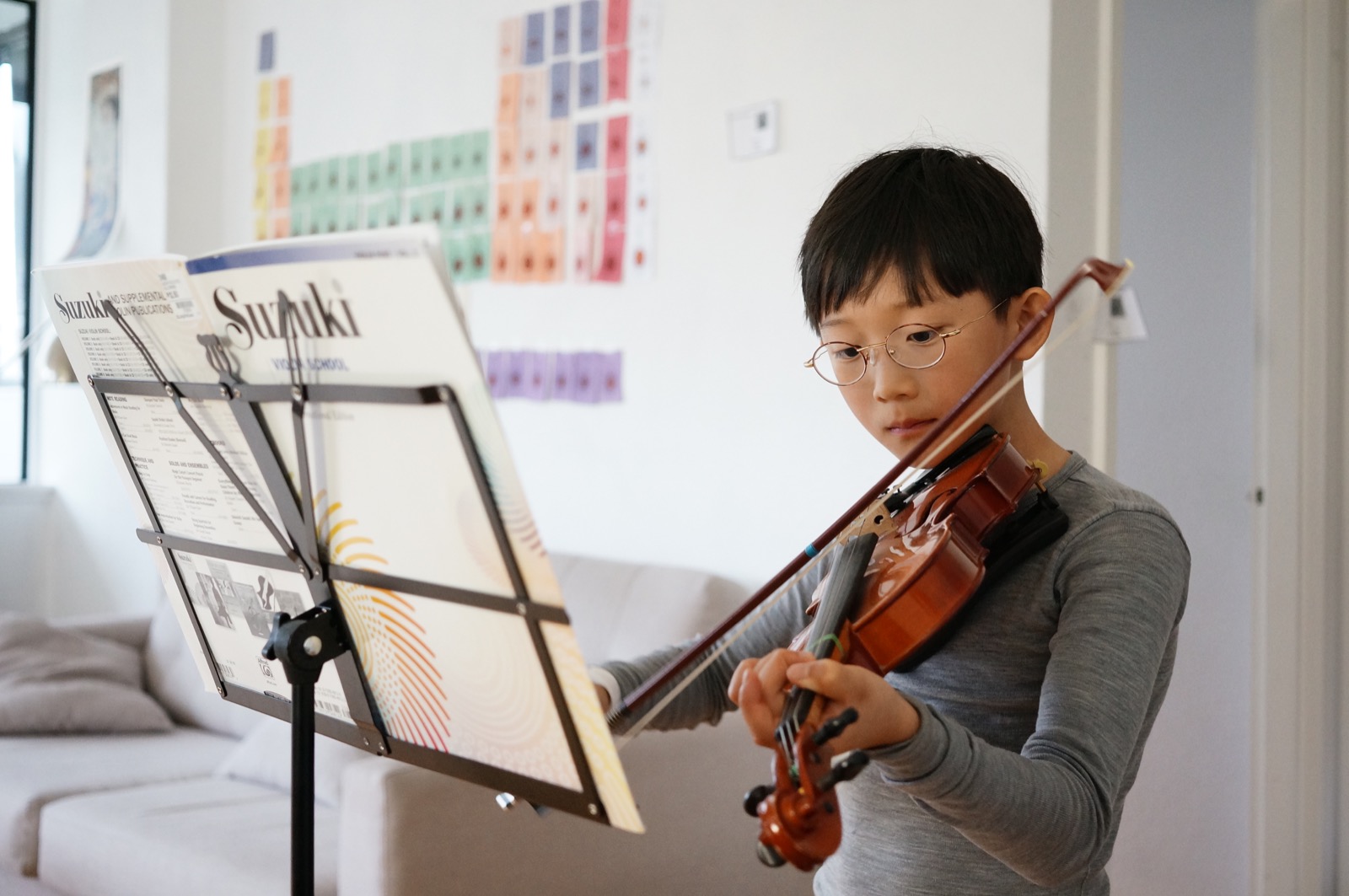
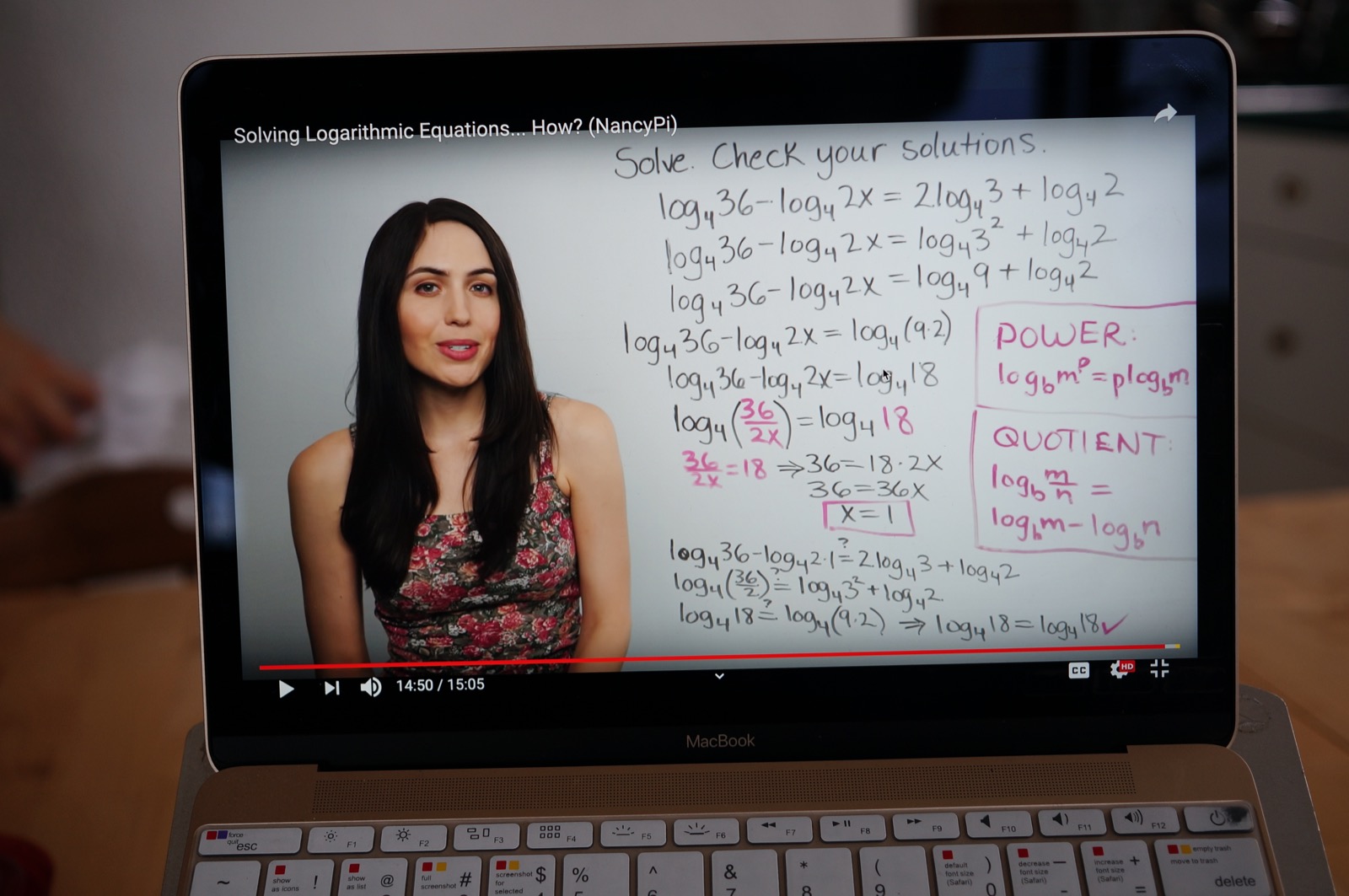
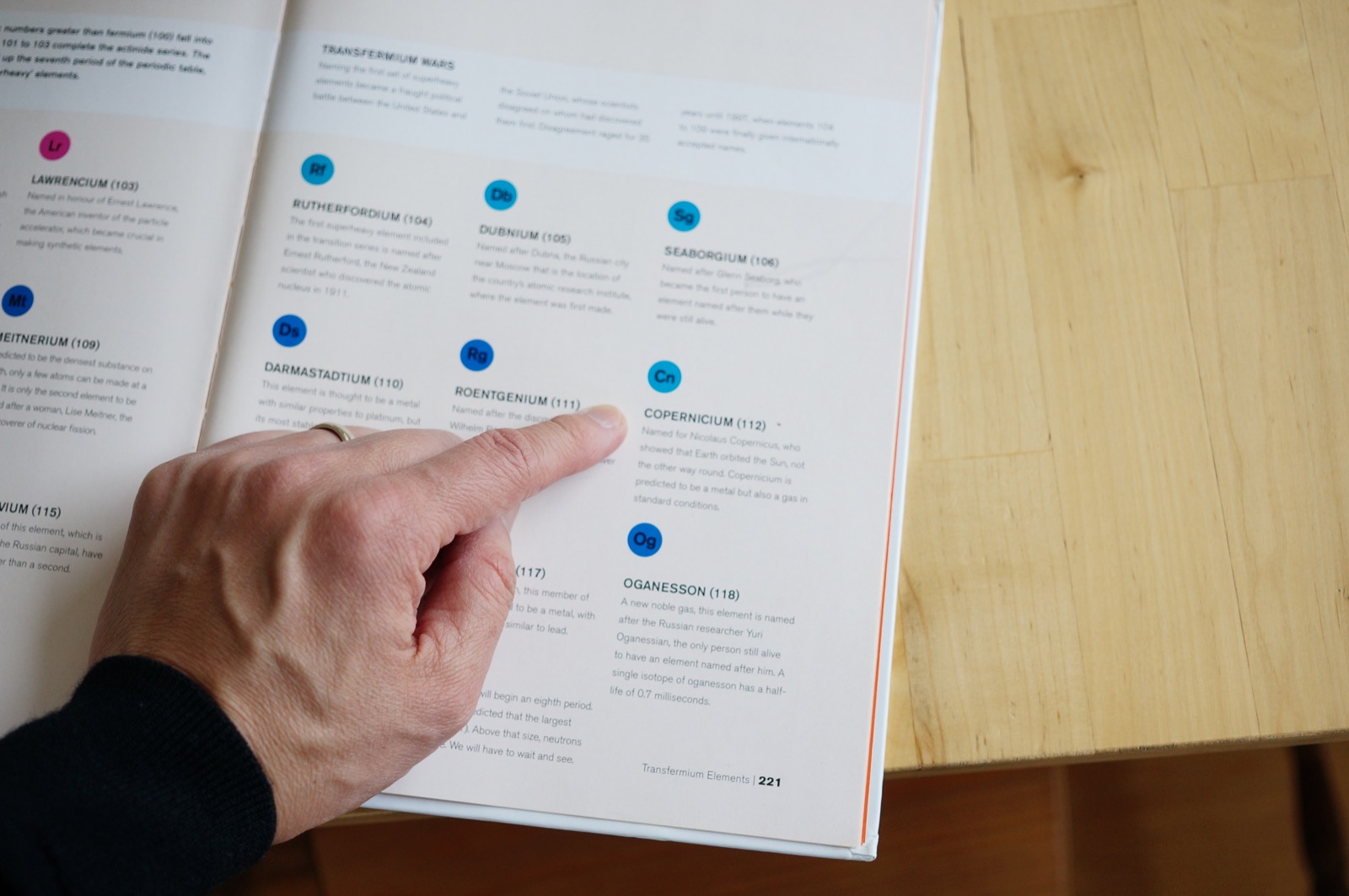
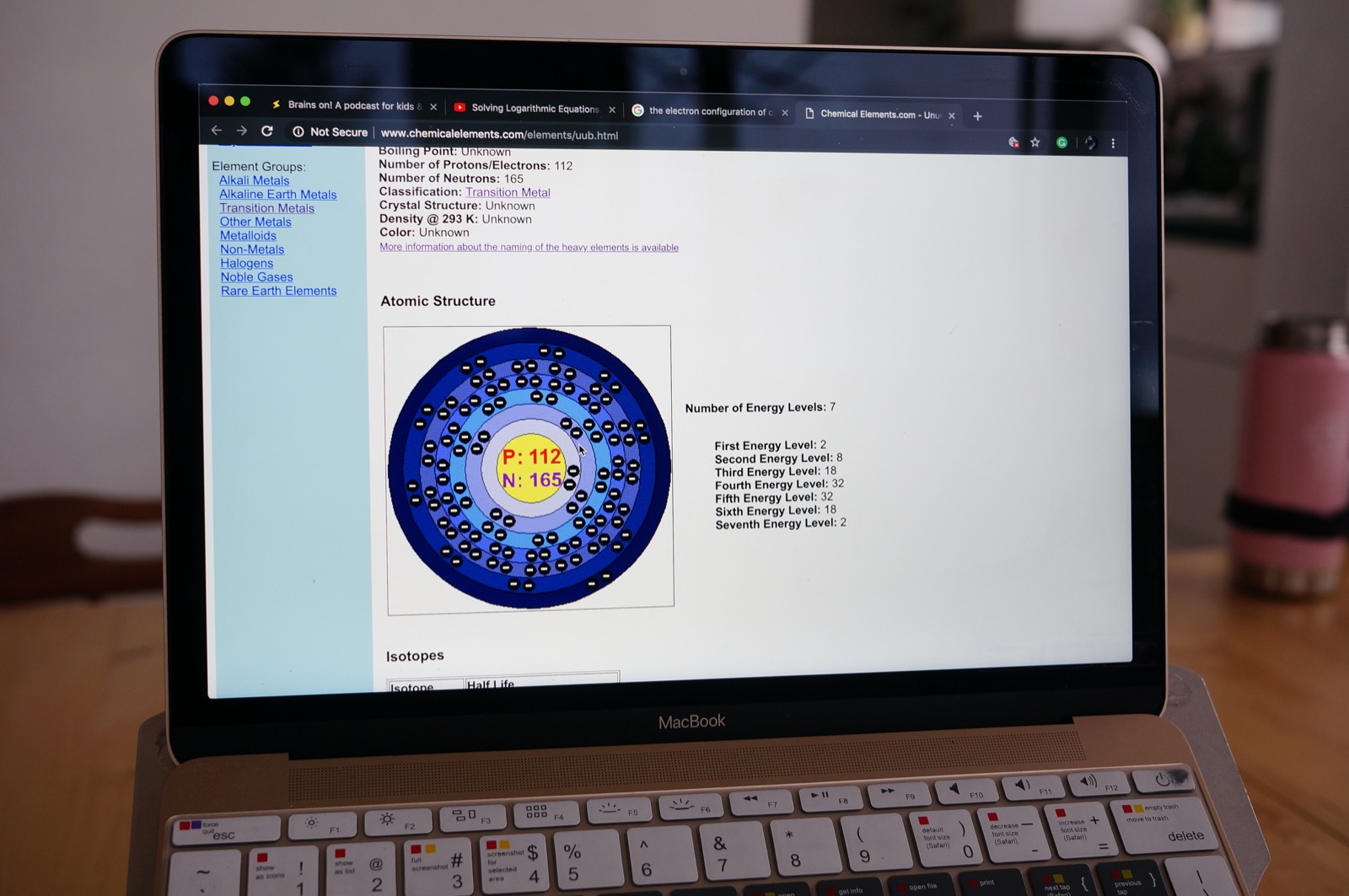
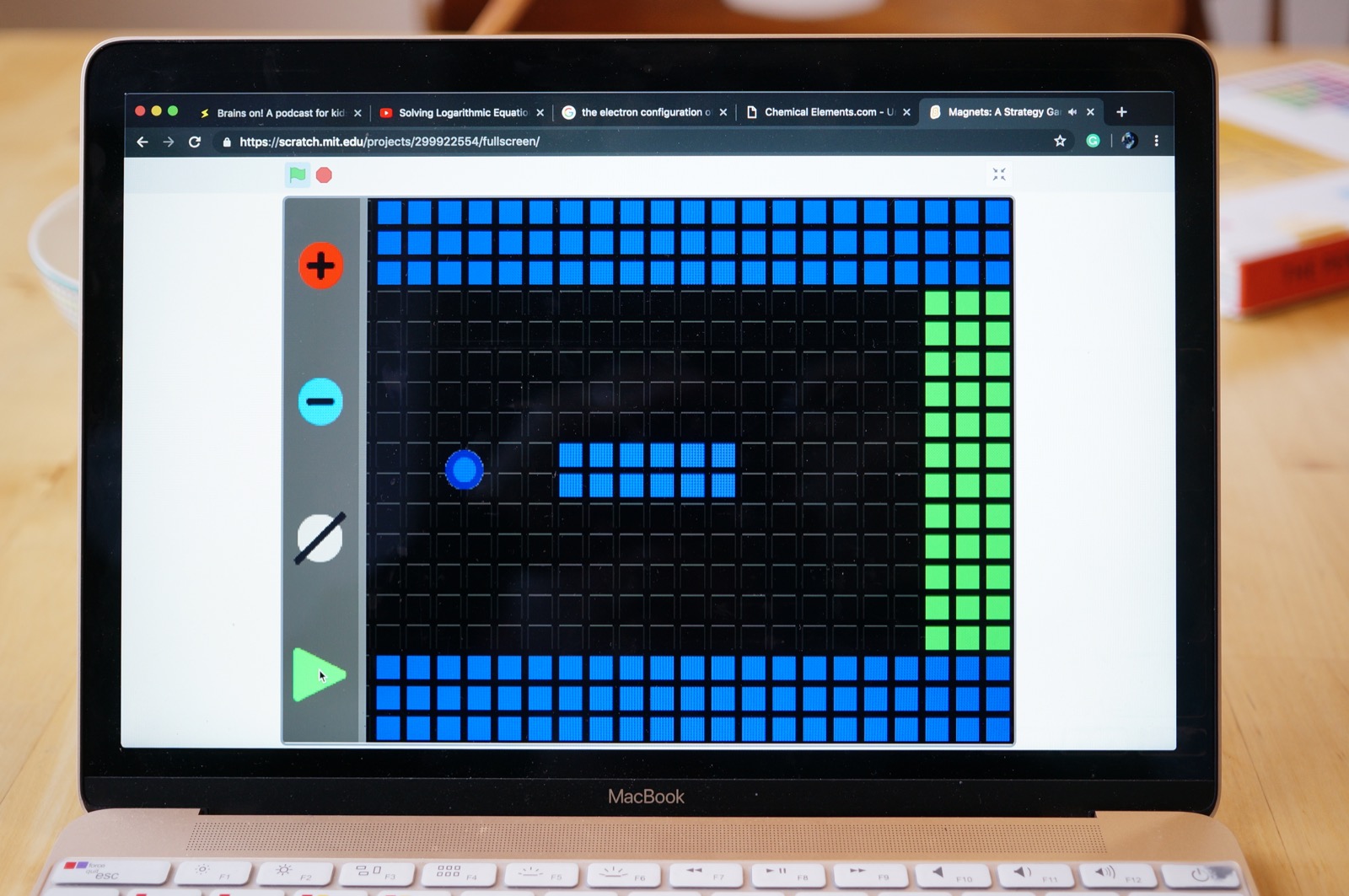
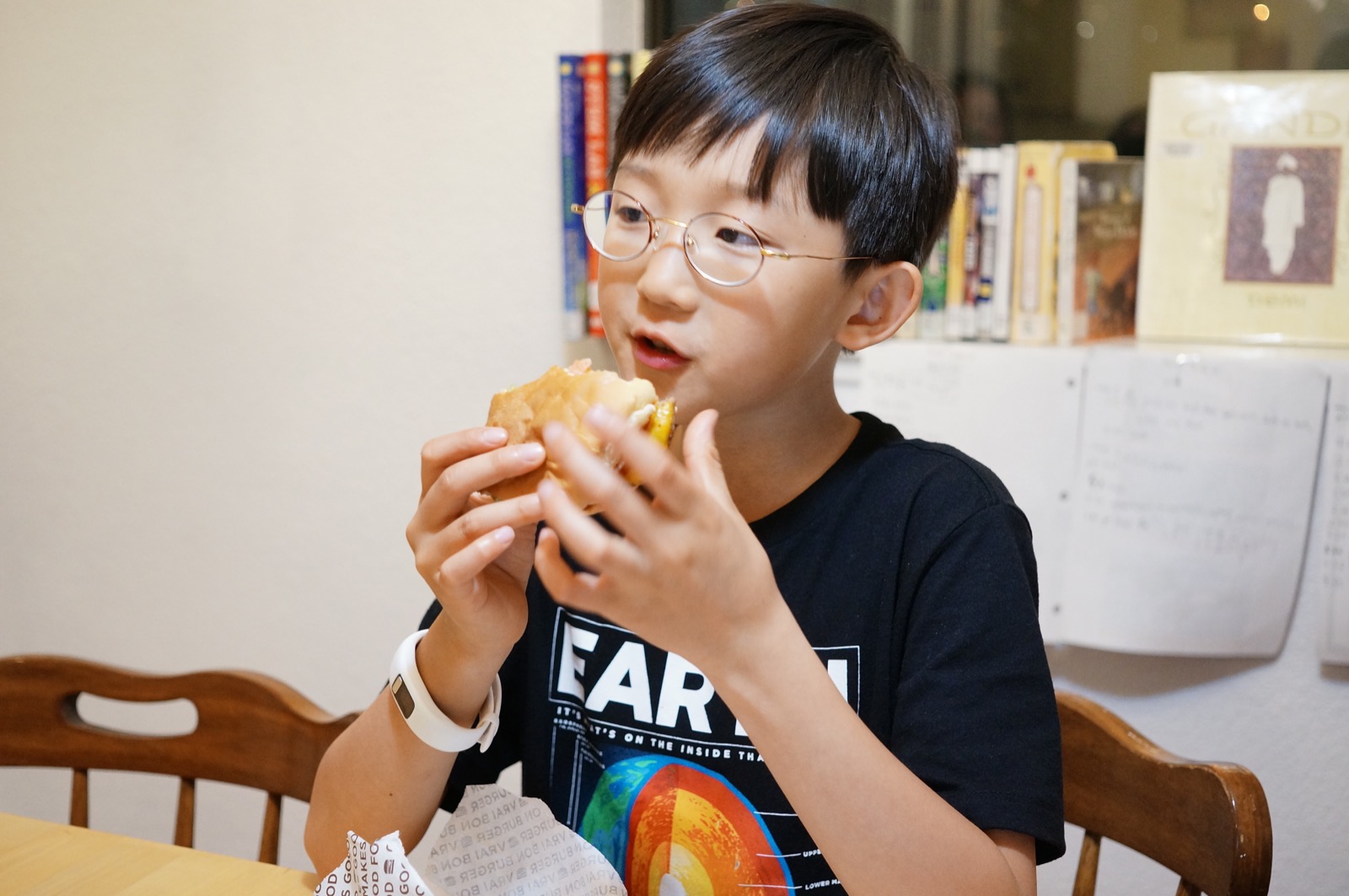
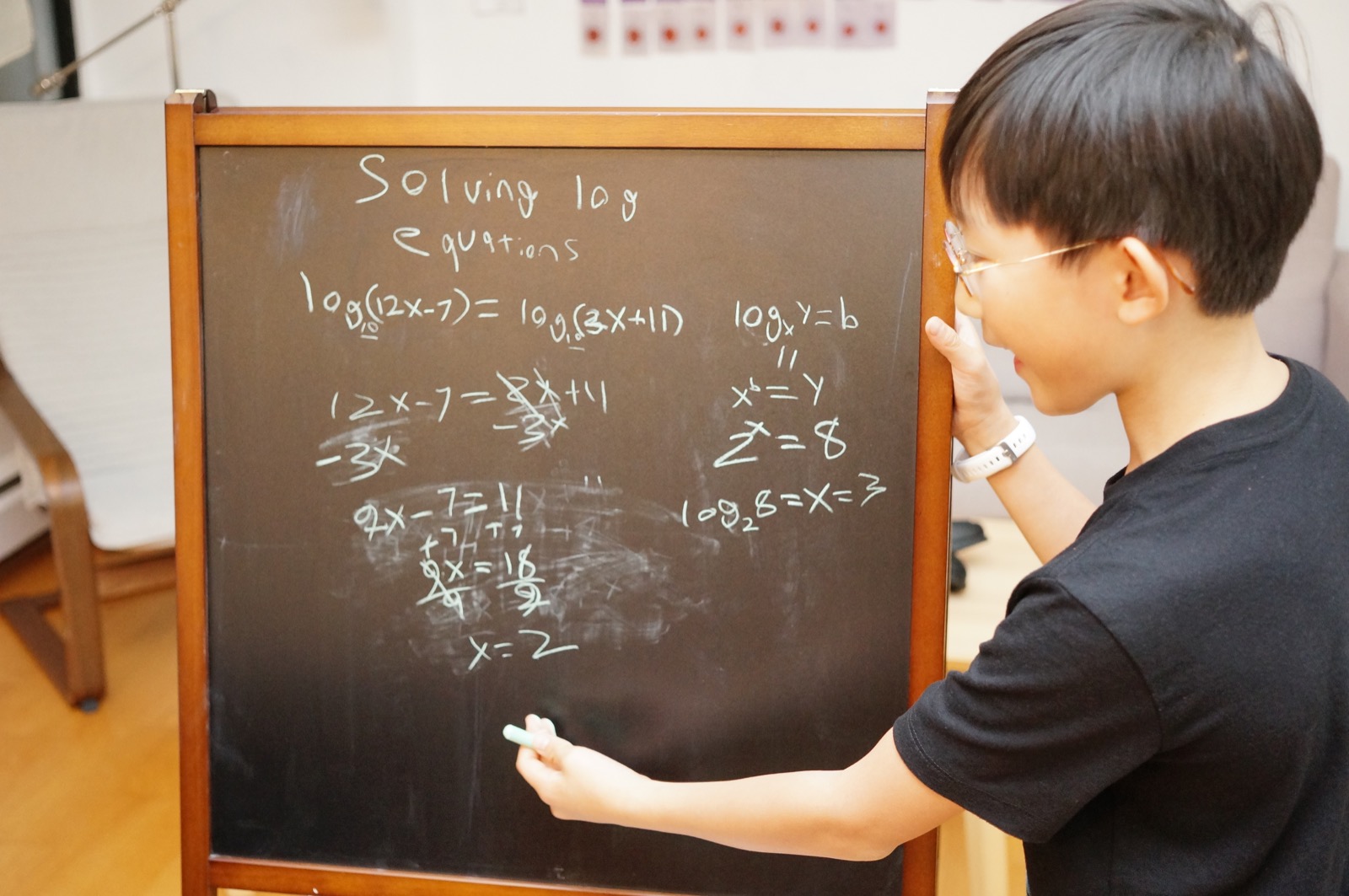
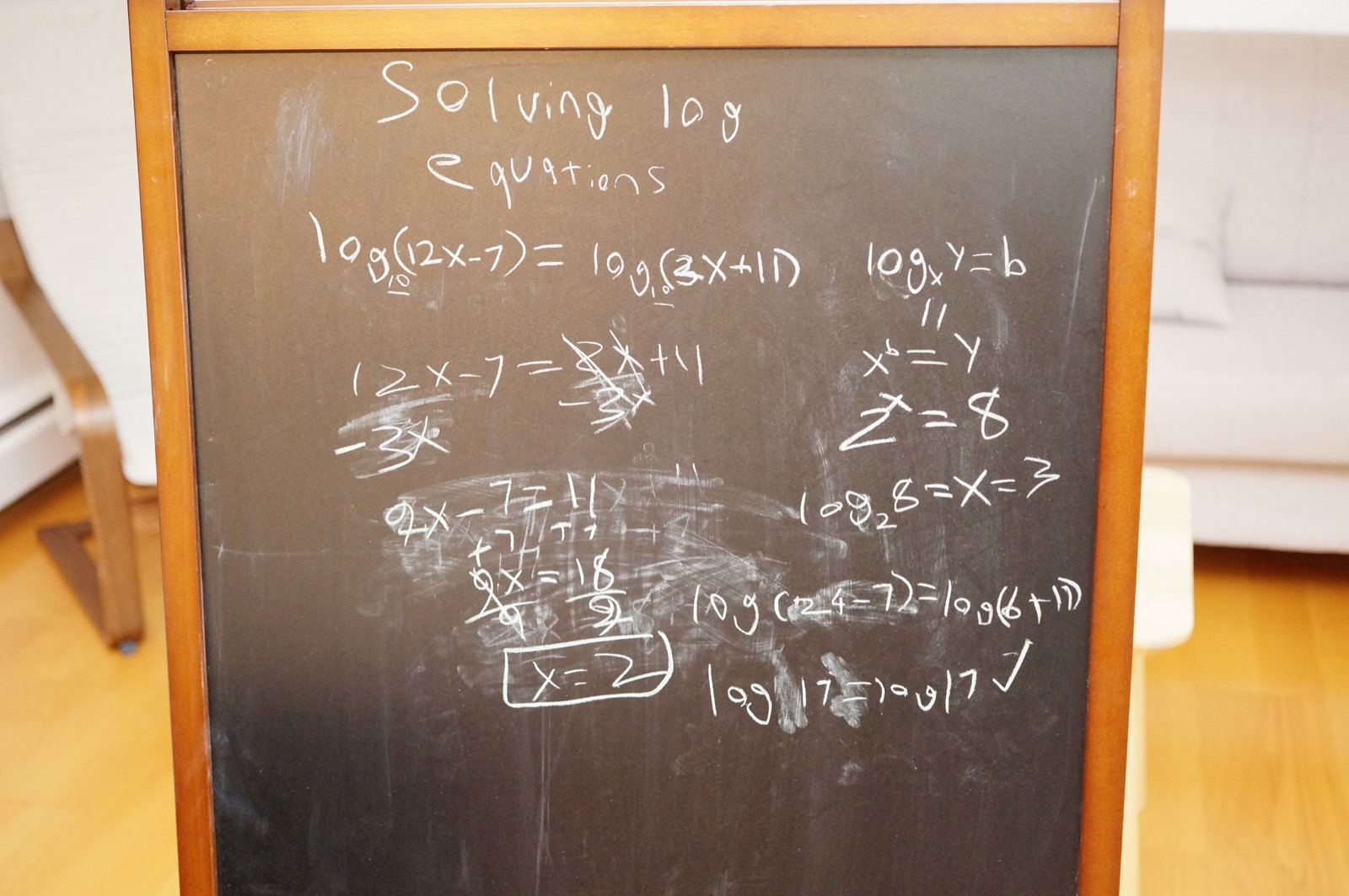

April 4
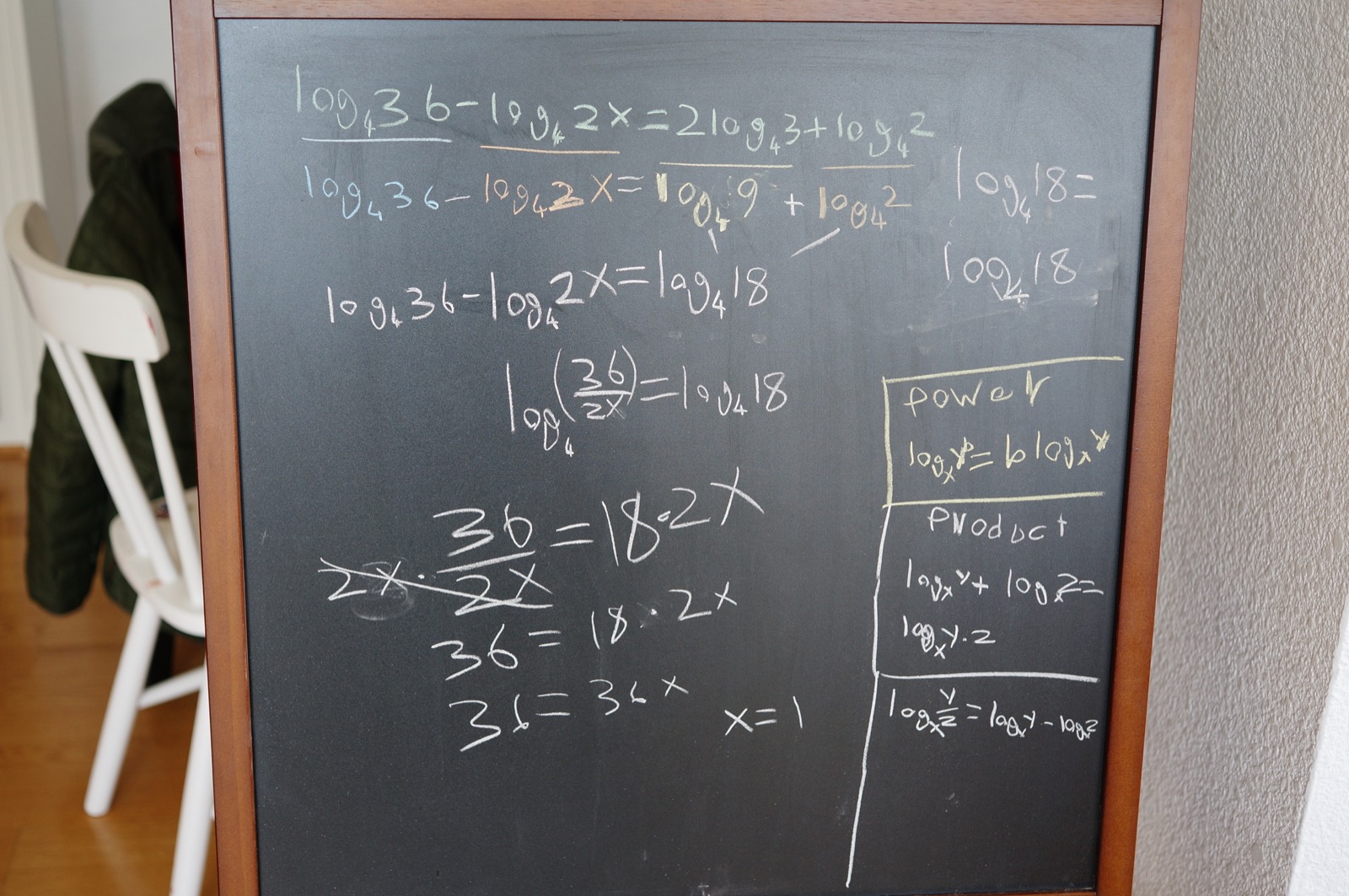

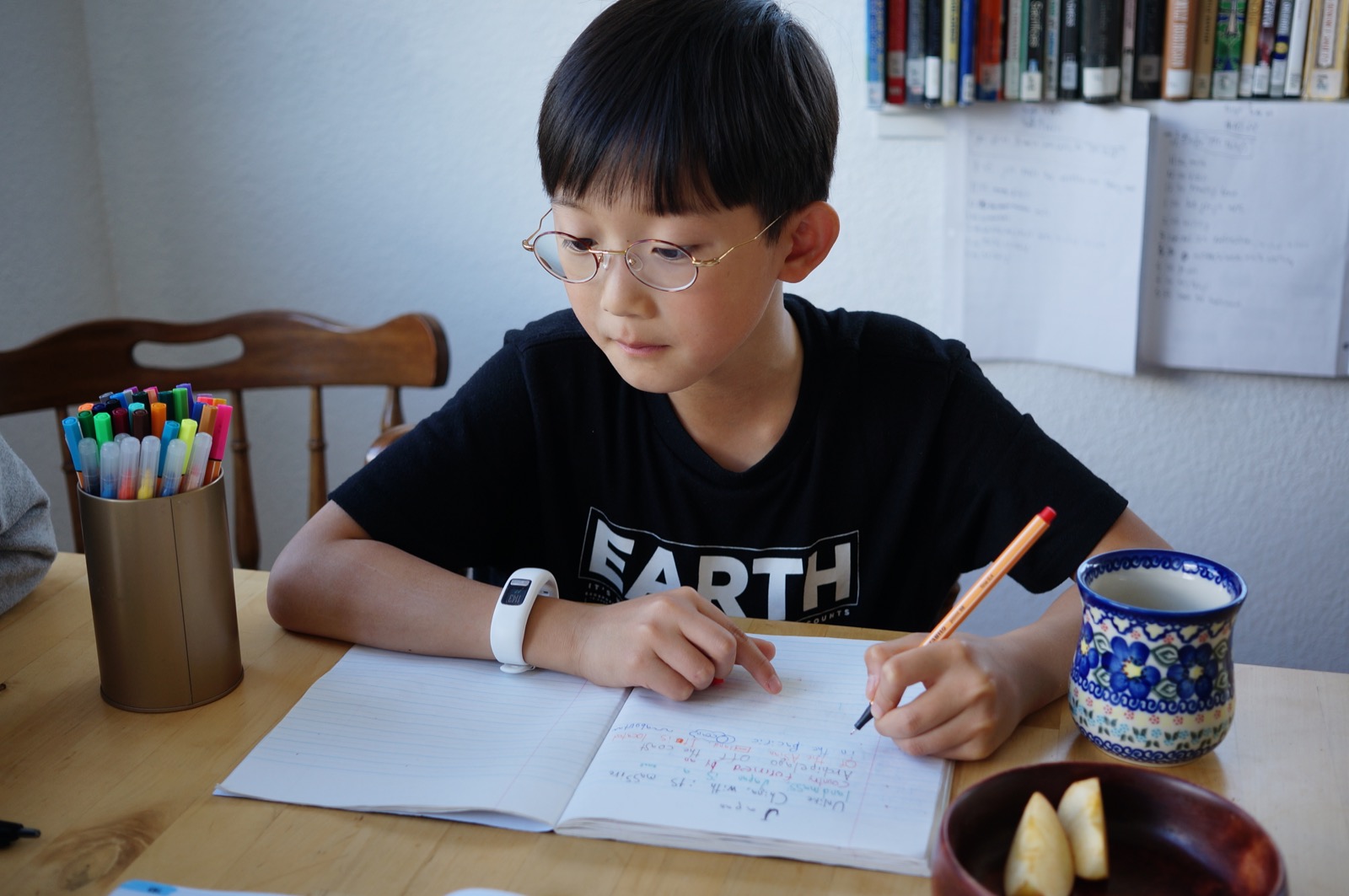
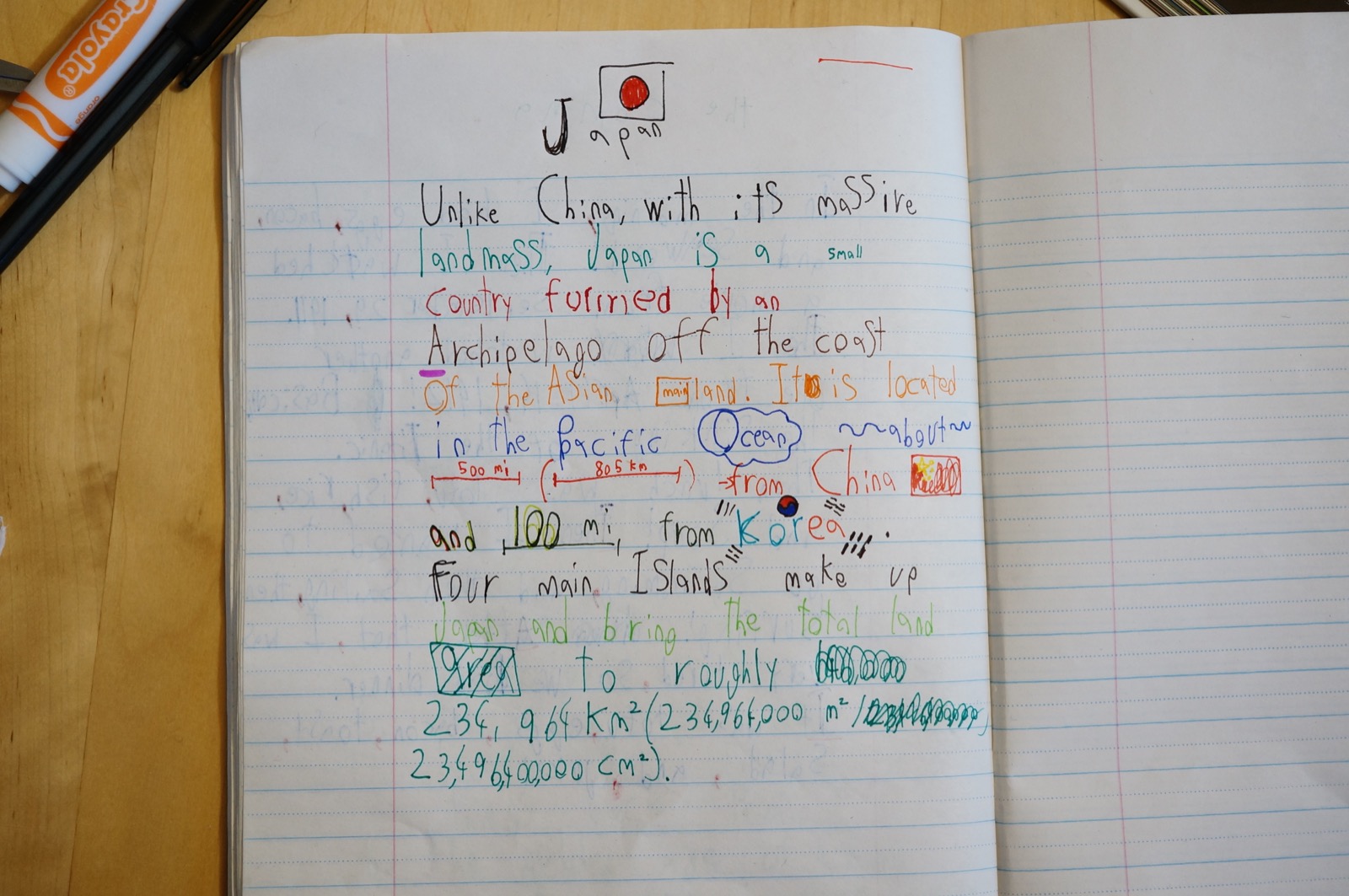
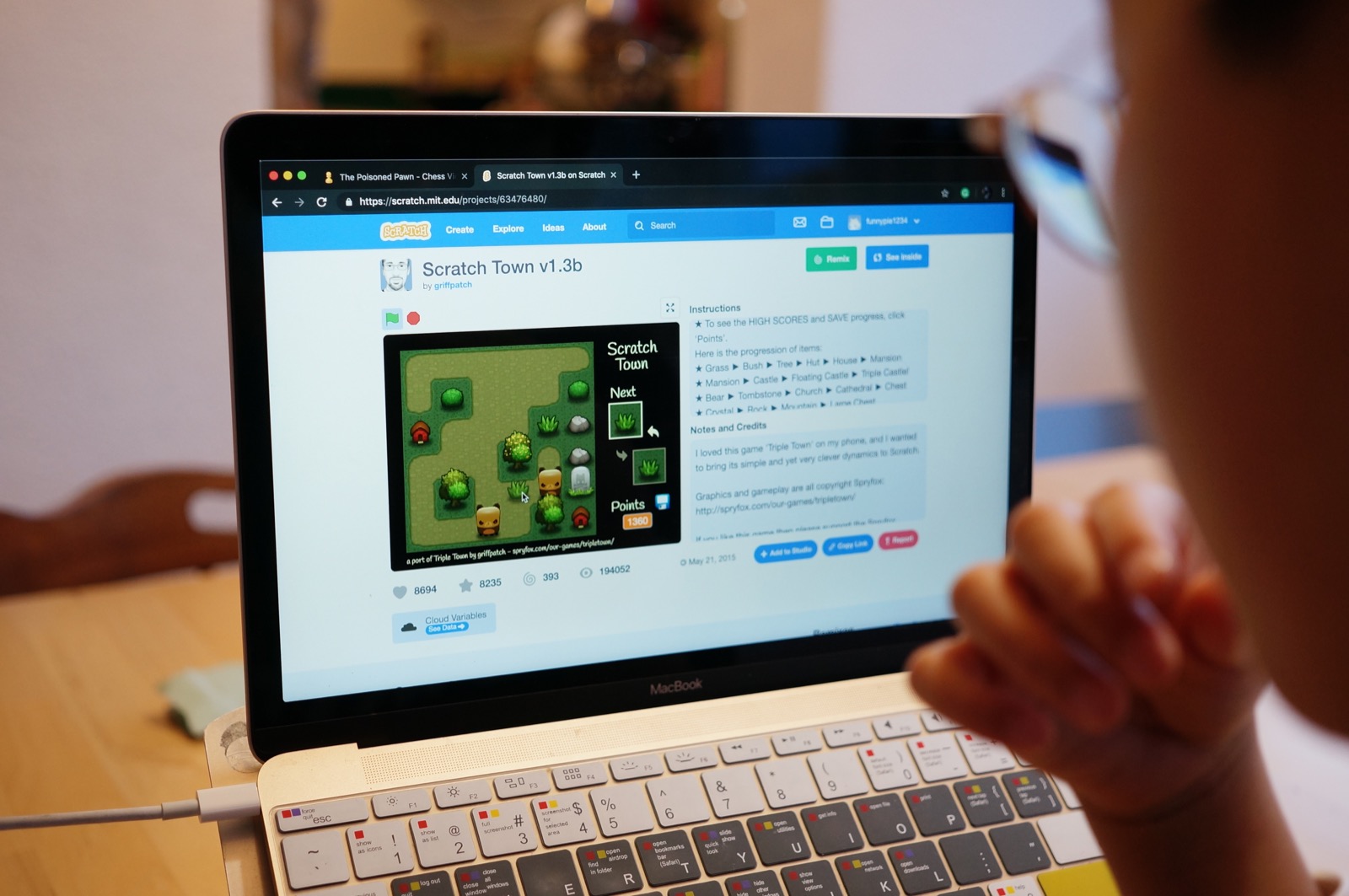
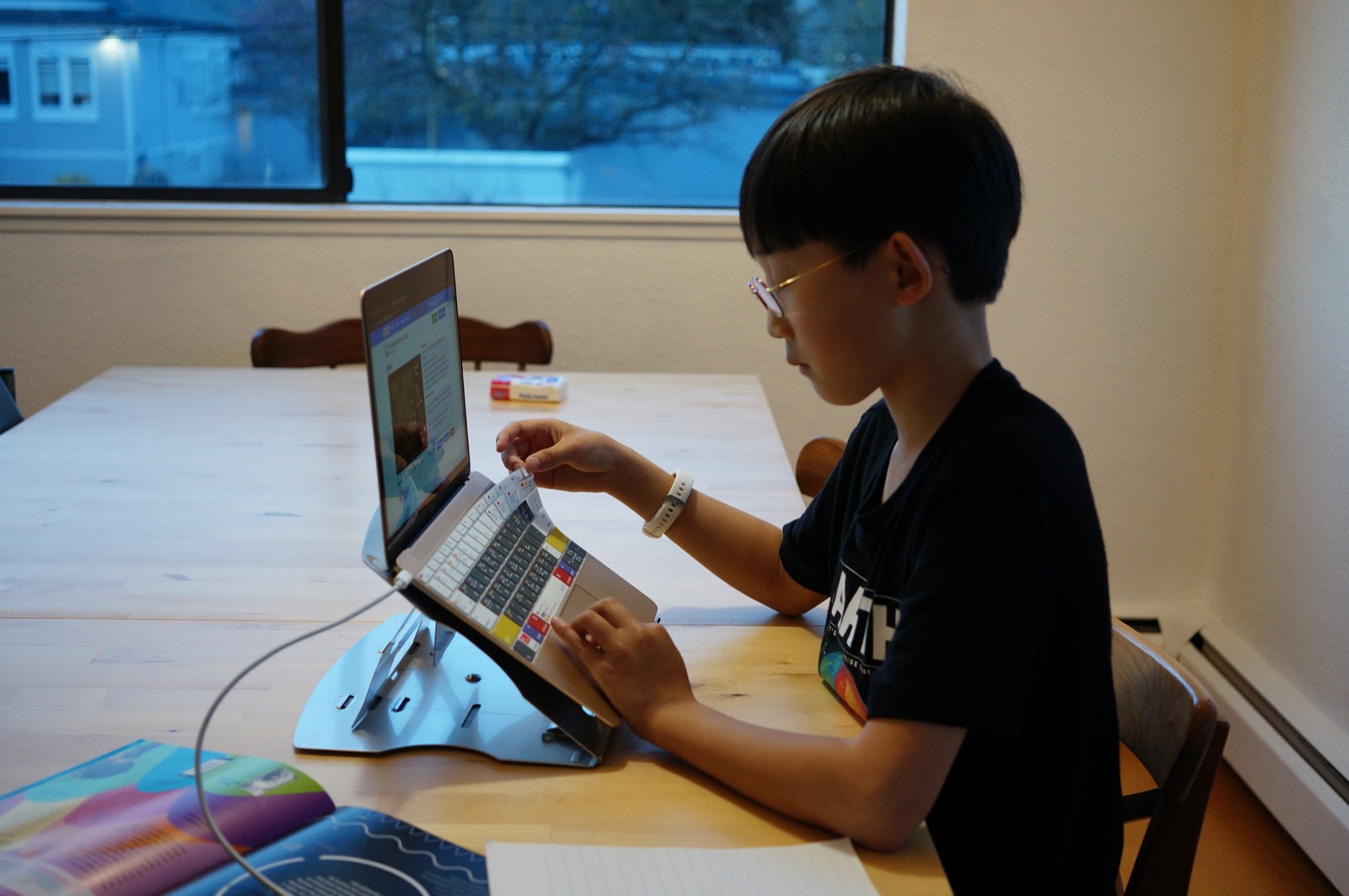

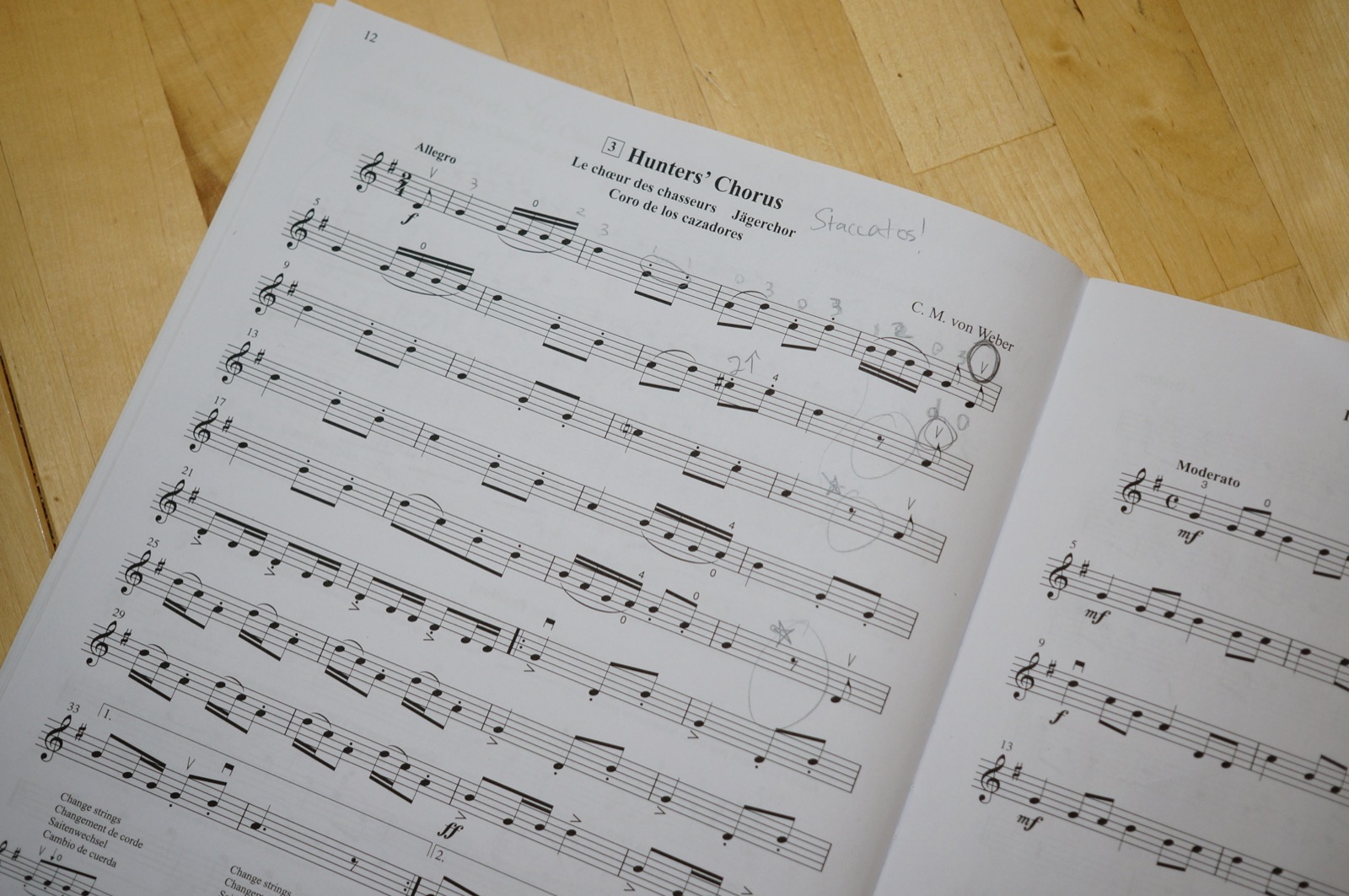
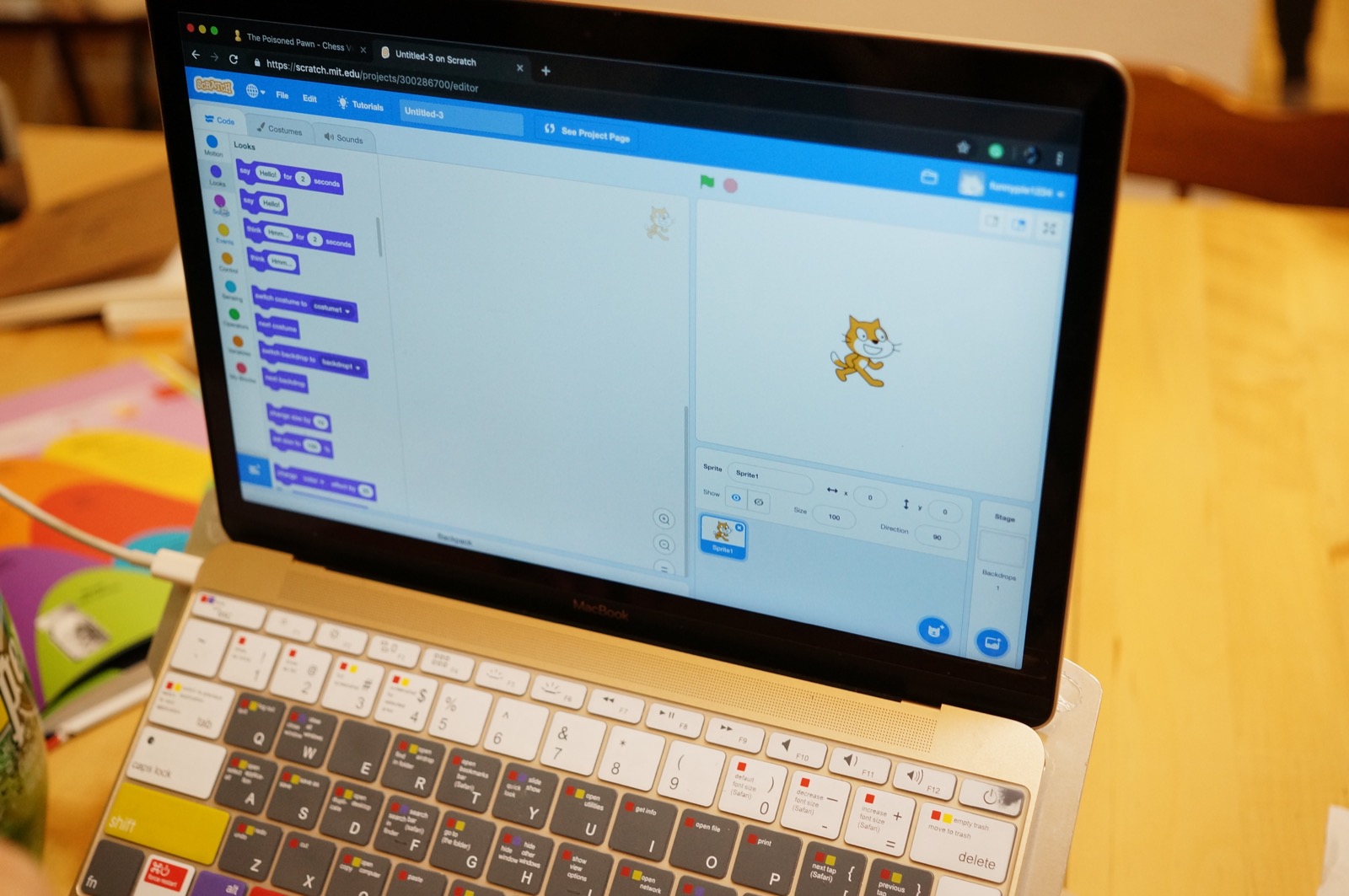
We’re more than halfway through Twenty Thousand Leagues Under the Sea. It’s a challenging book to read as some of the scientific terms and other words are difficult to pronounce. Anyway, it’s fun!
April 5
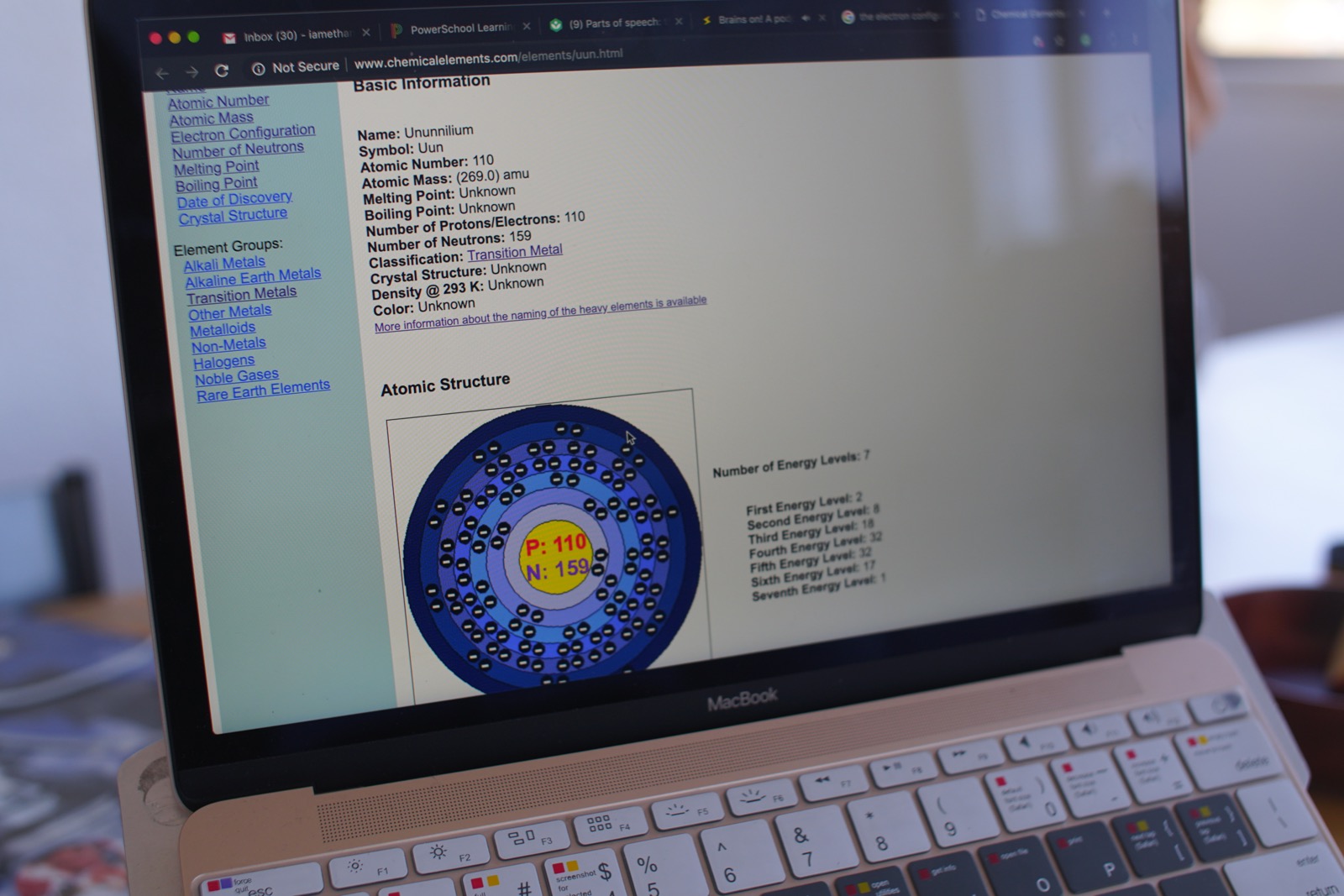
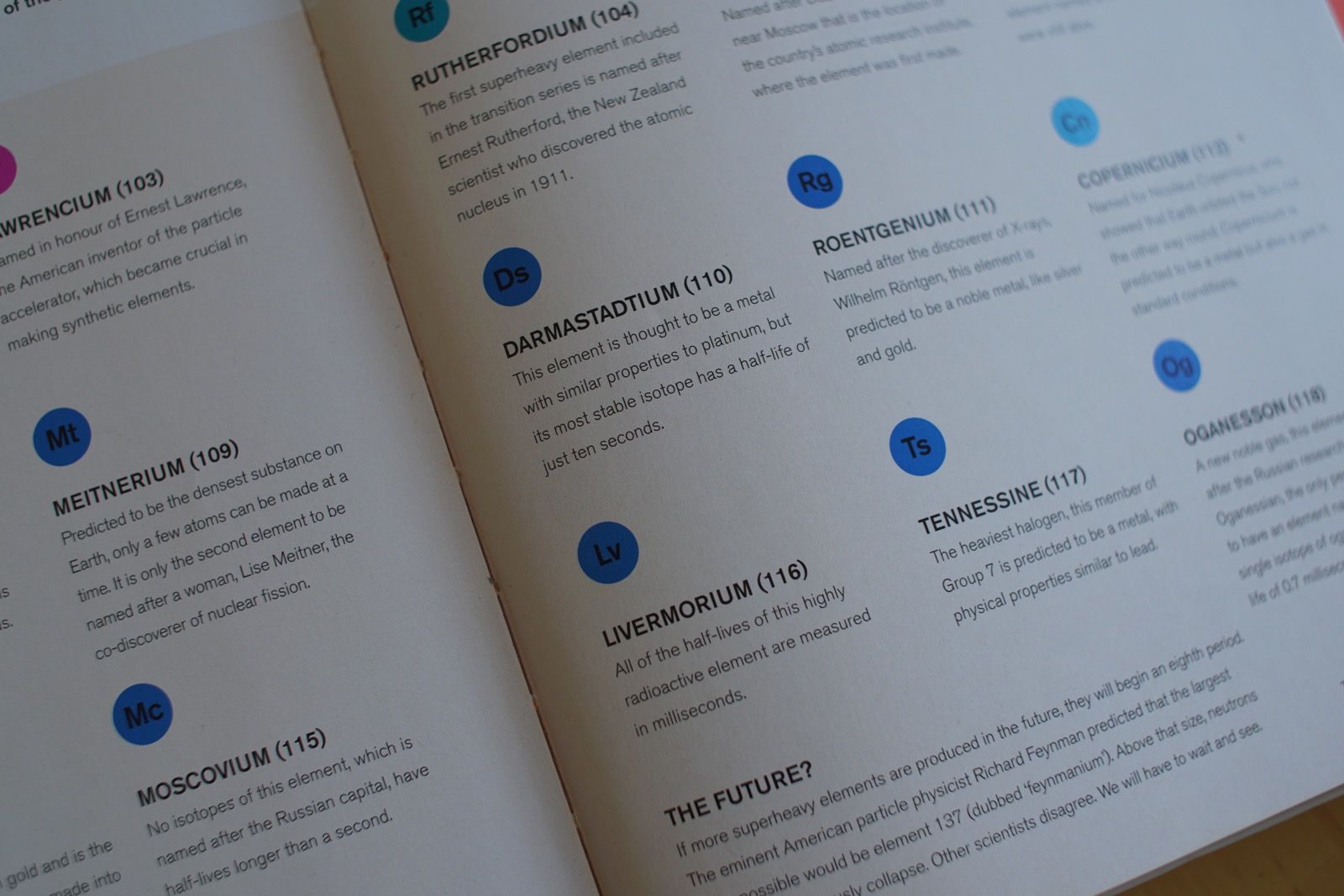
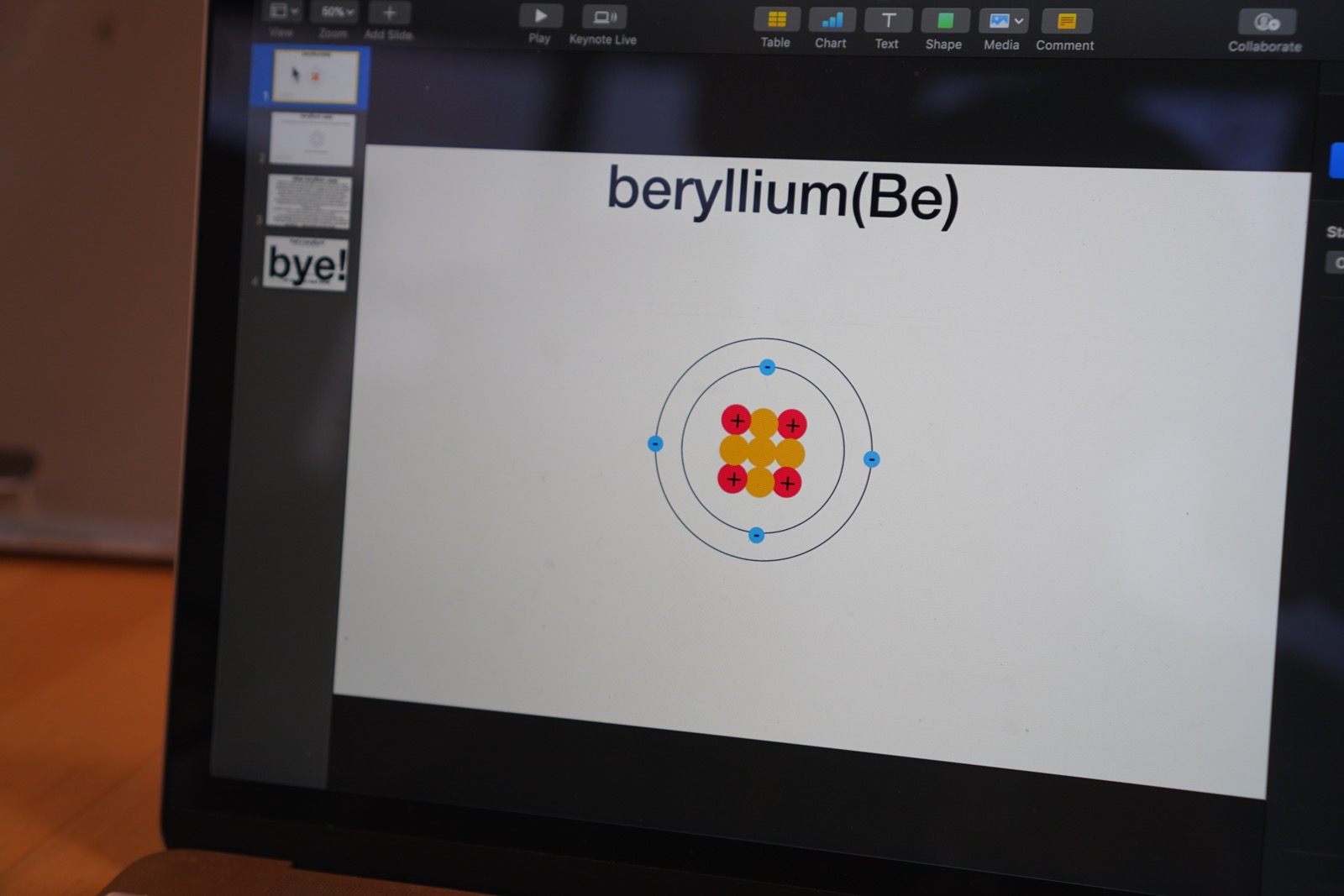
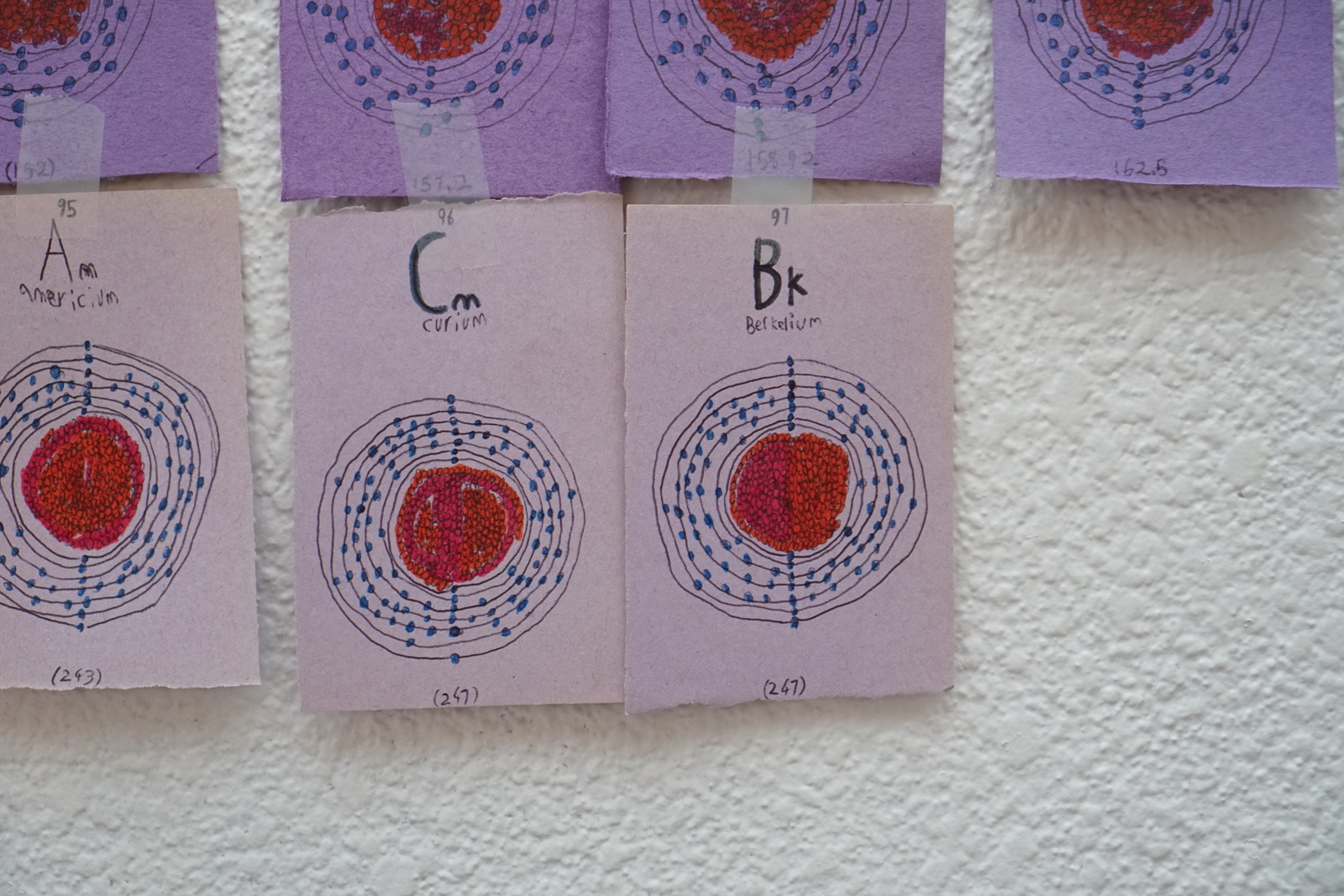
Ethan spent most of this day making videos so please see this one about beryllium.
April 6
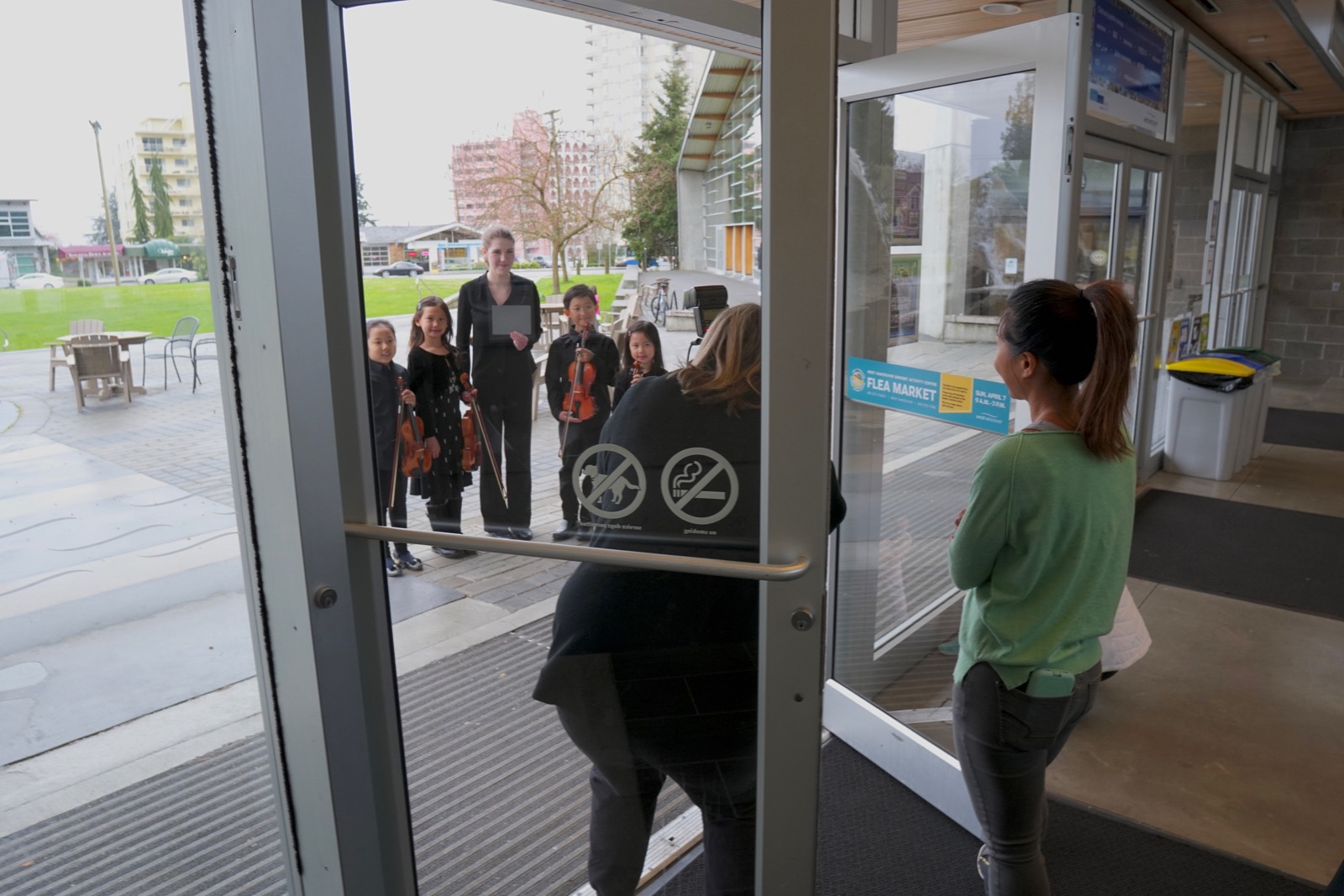
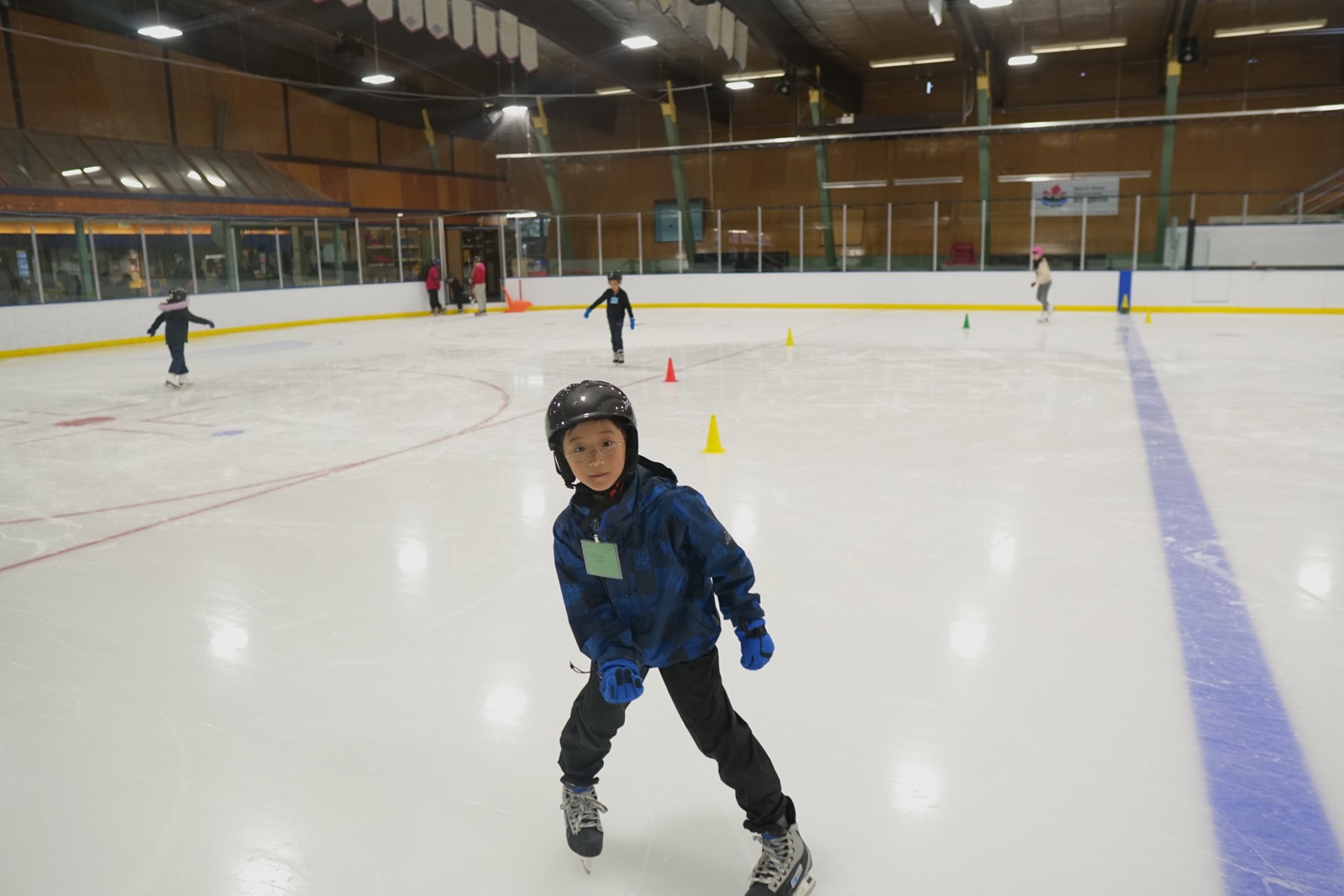
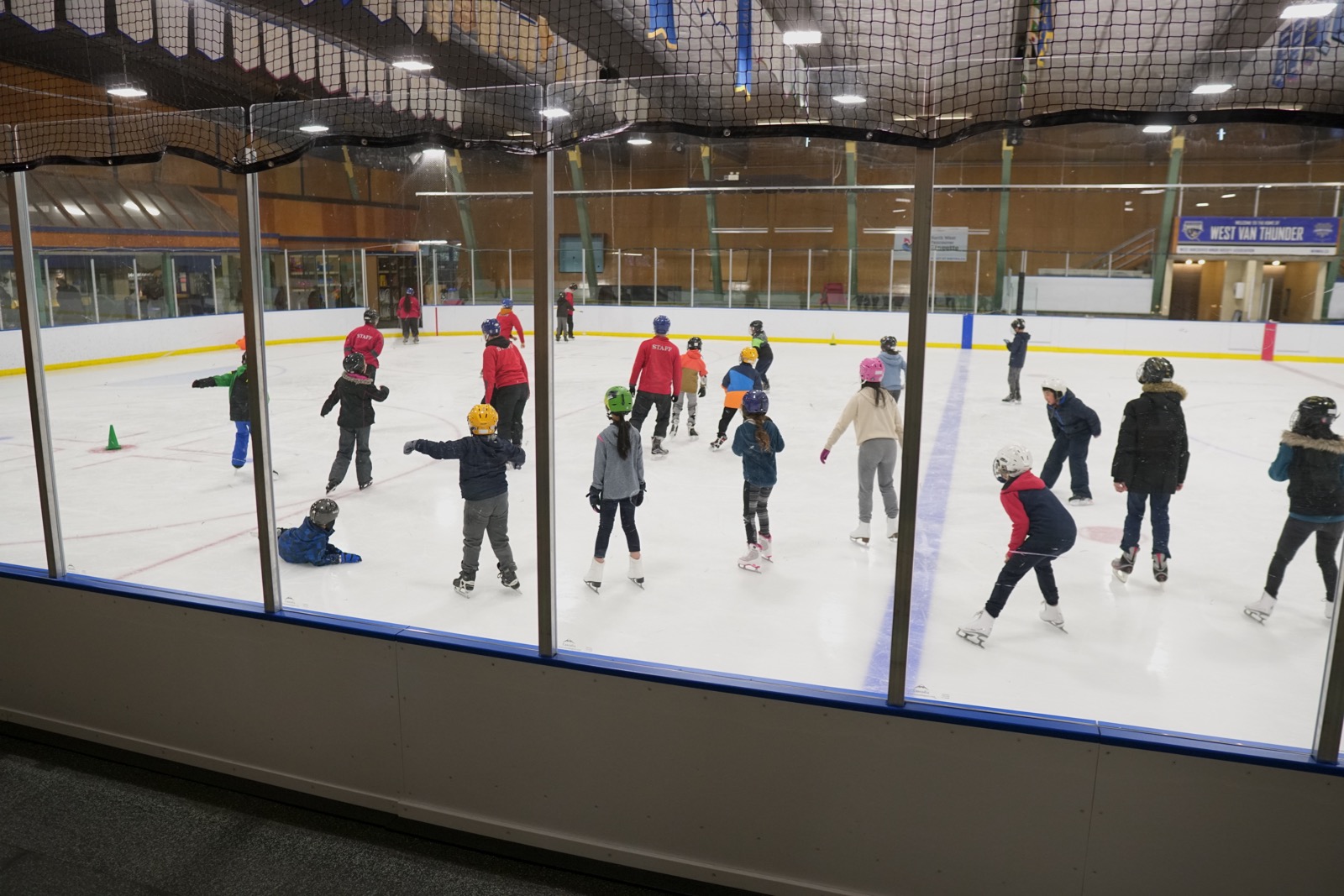

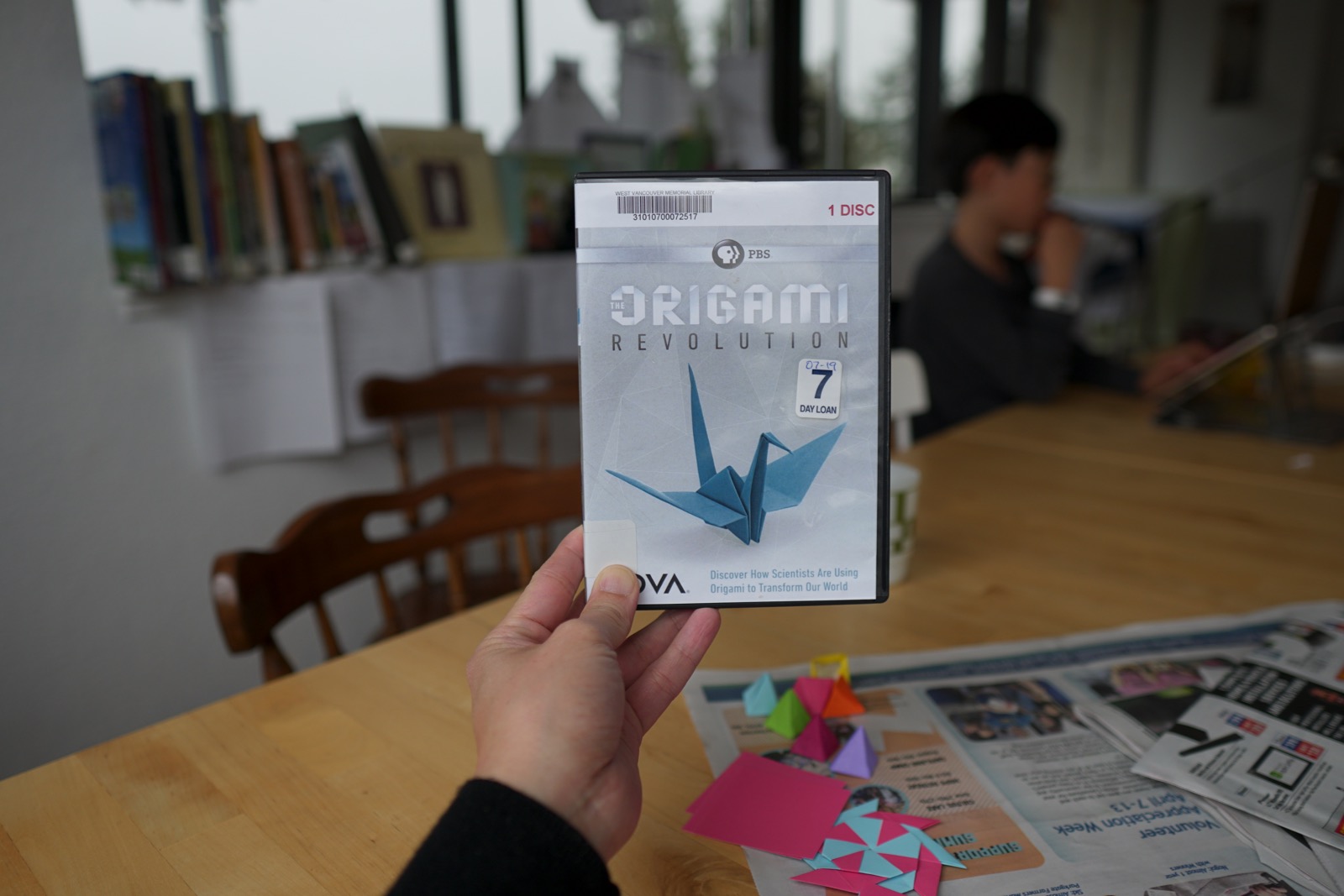

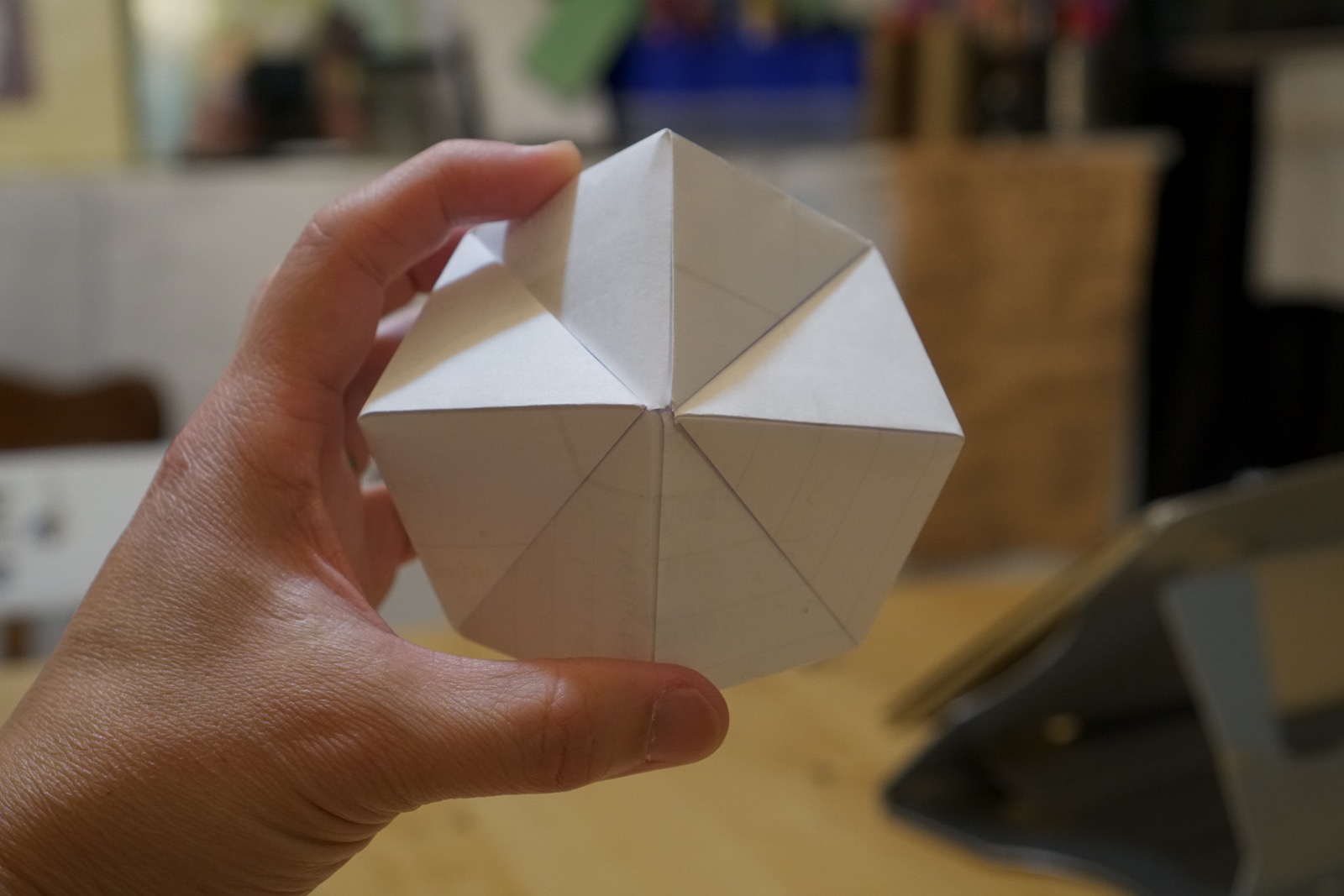
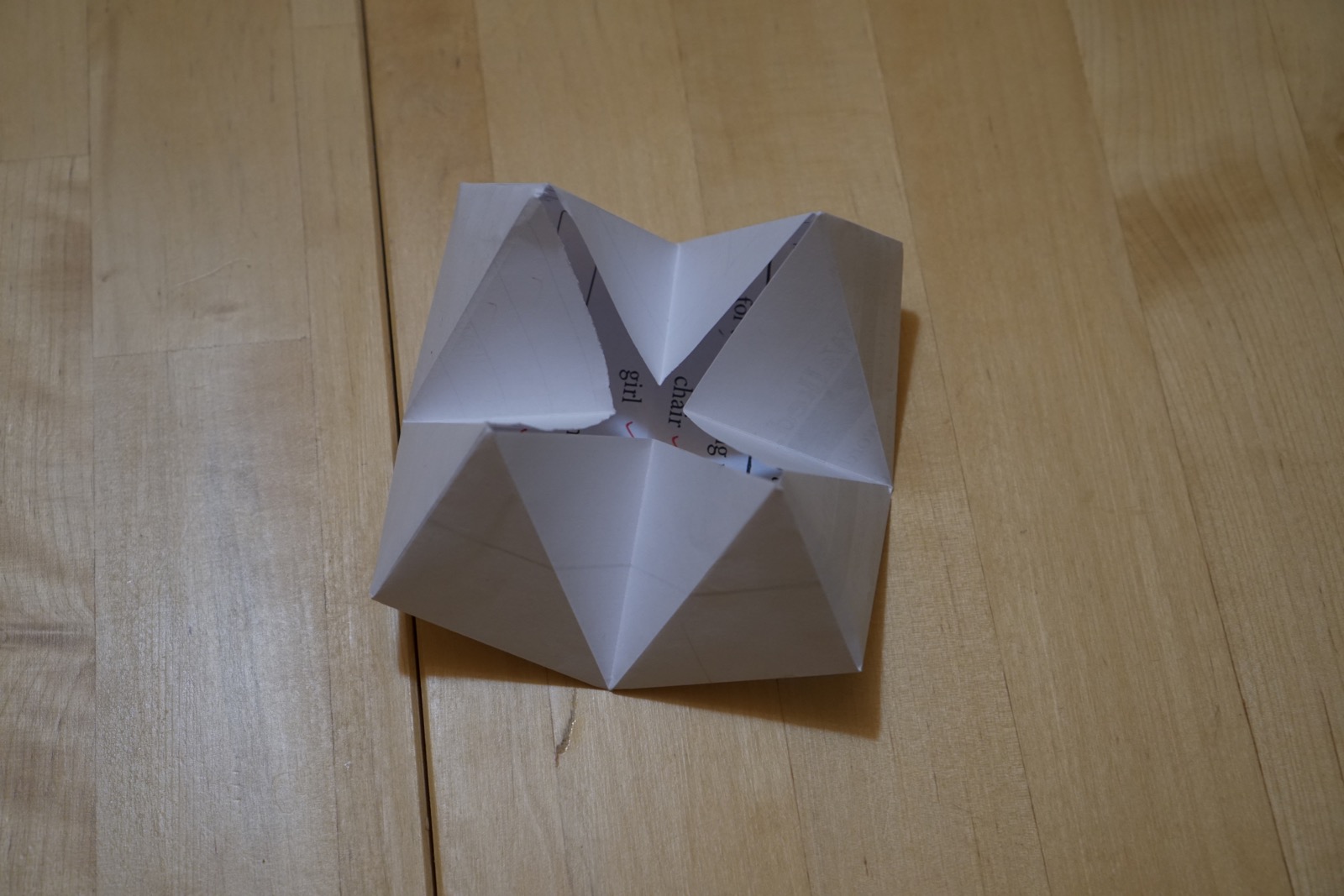
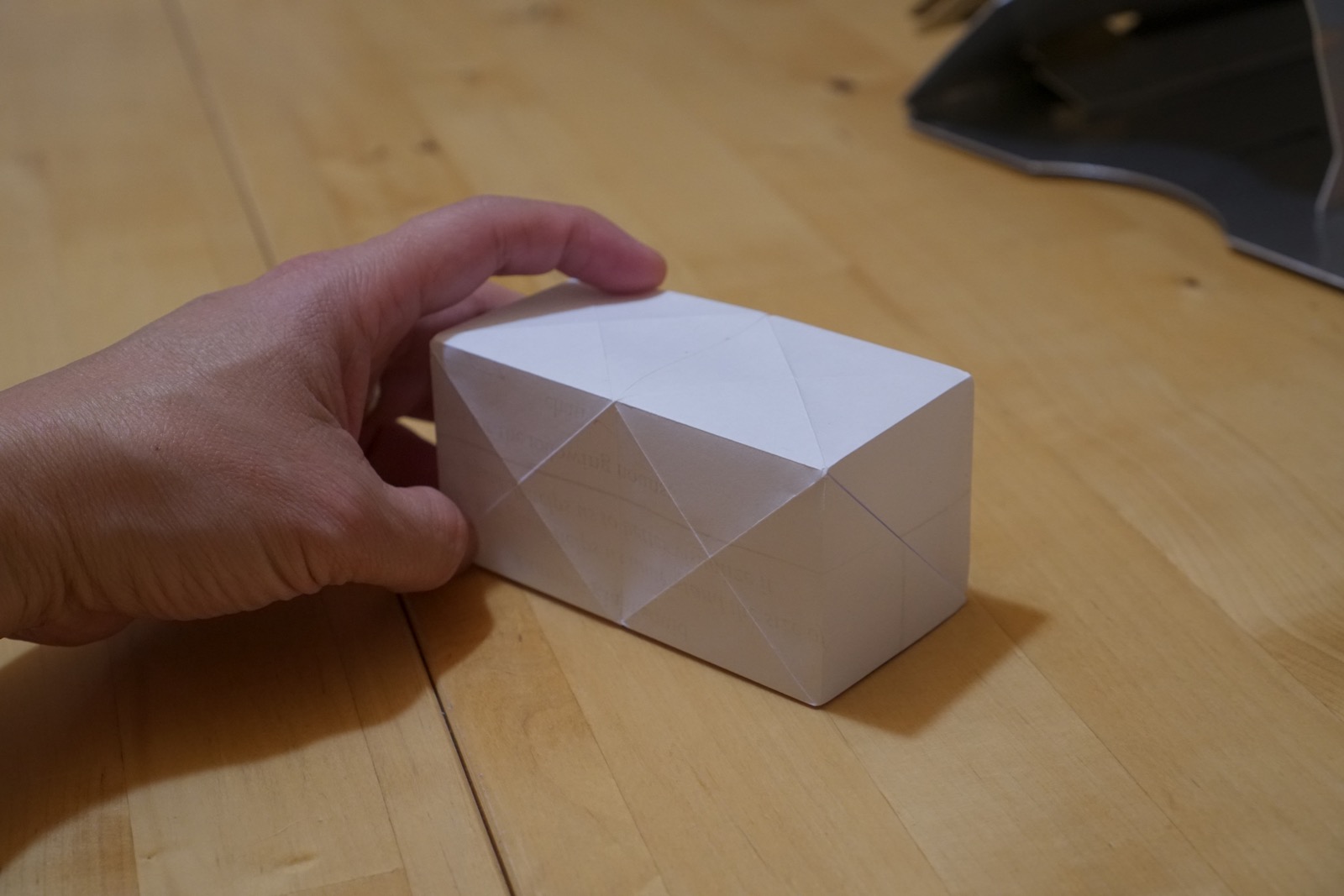
And that was Ethan’s week!
Hello Ethan,
Your recent videos on elements are awesome! I passed a few on to my friend who has a grade 2-6 class and they also did the periodic table and element projects. I do hope she shows them to her class sometime.
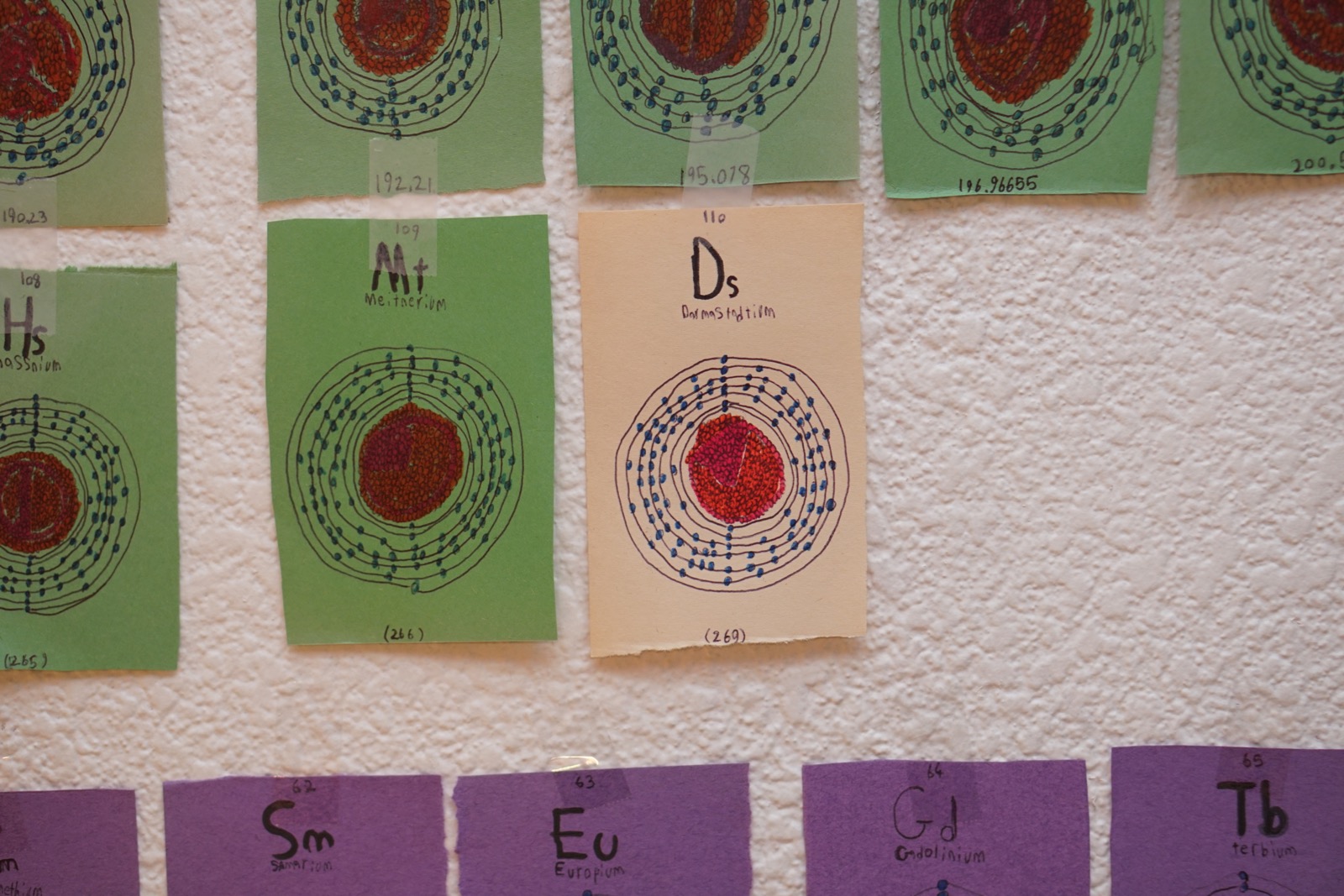
I love the music you have playing in the background, the animations of the models and the facts you included. Excellent work! I was hoping you would do something like this based on all the work you have put into your periodic table. I learned a lot of new information about helium, so thank you.
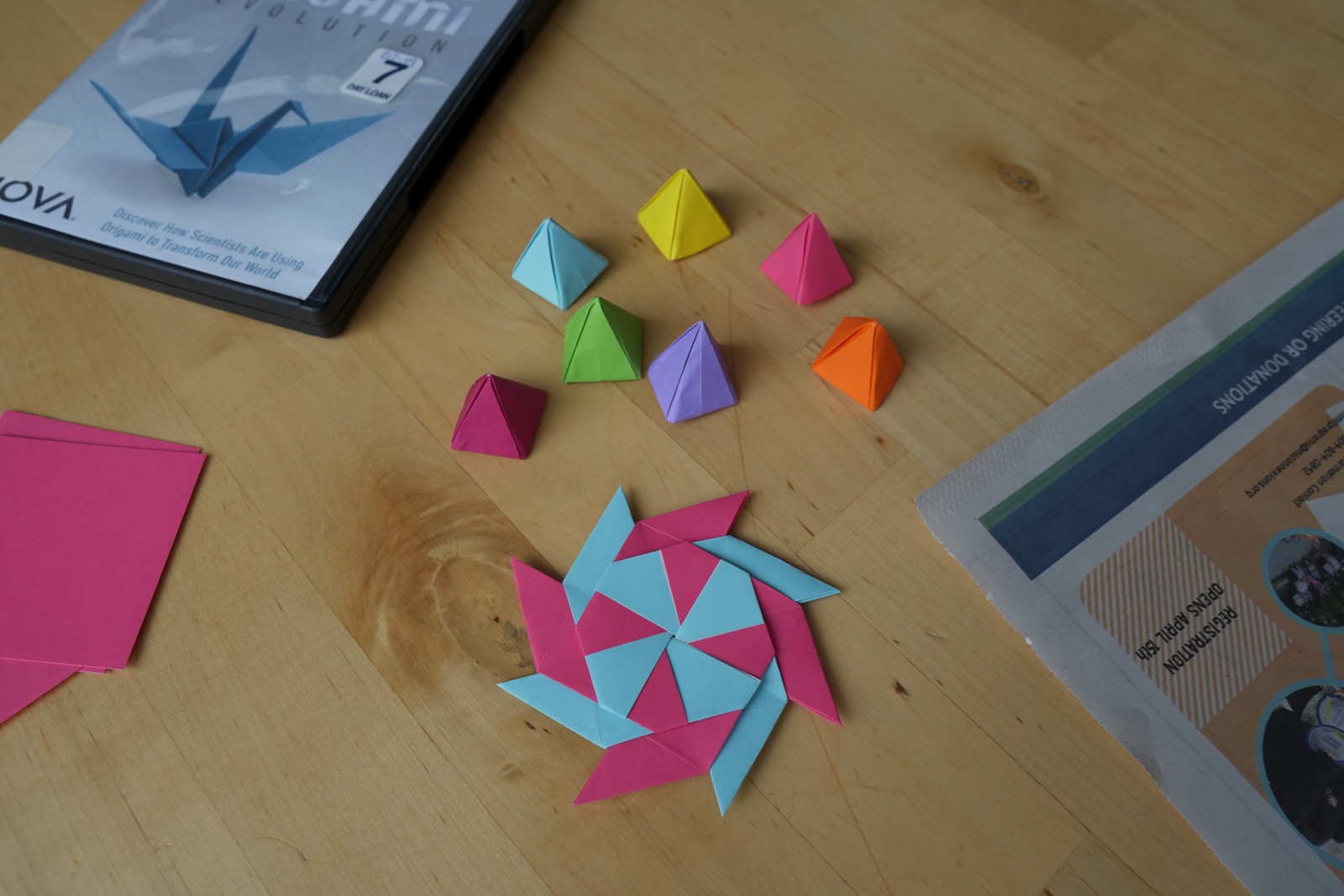
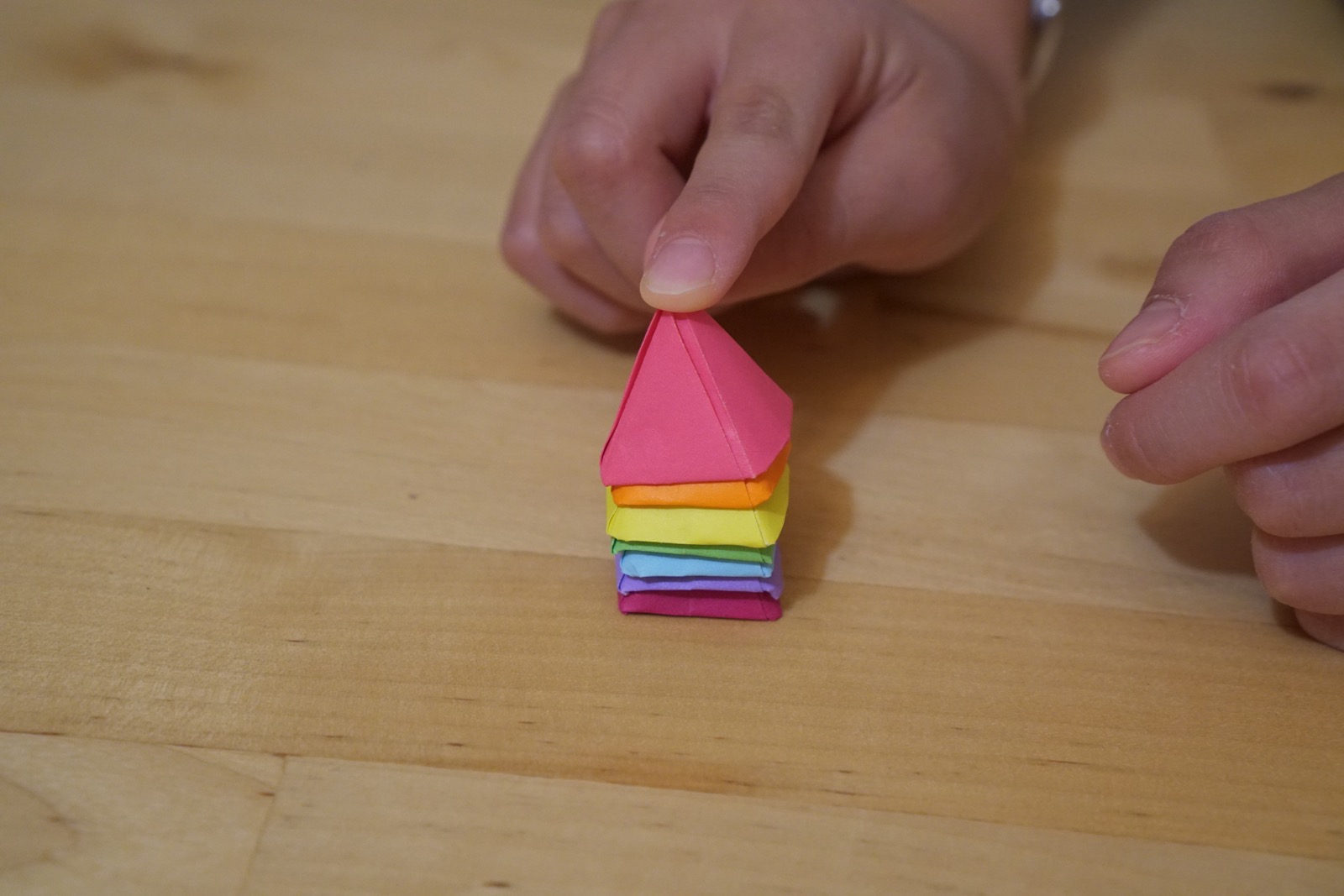
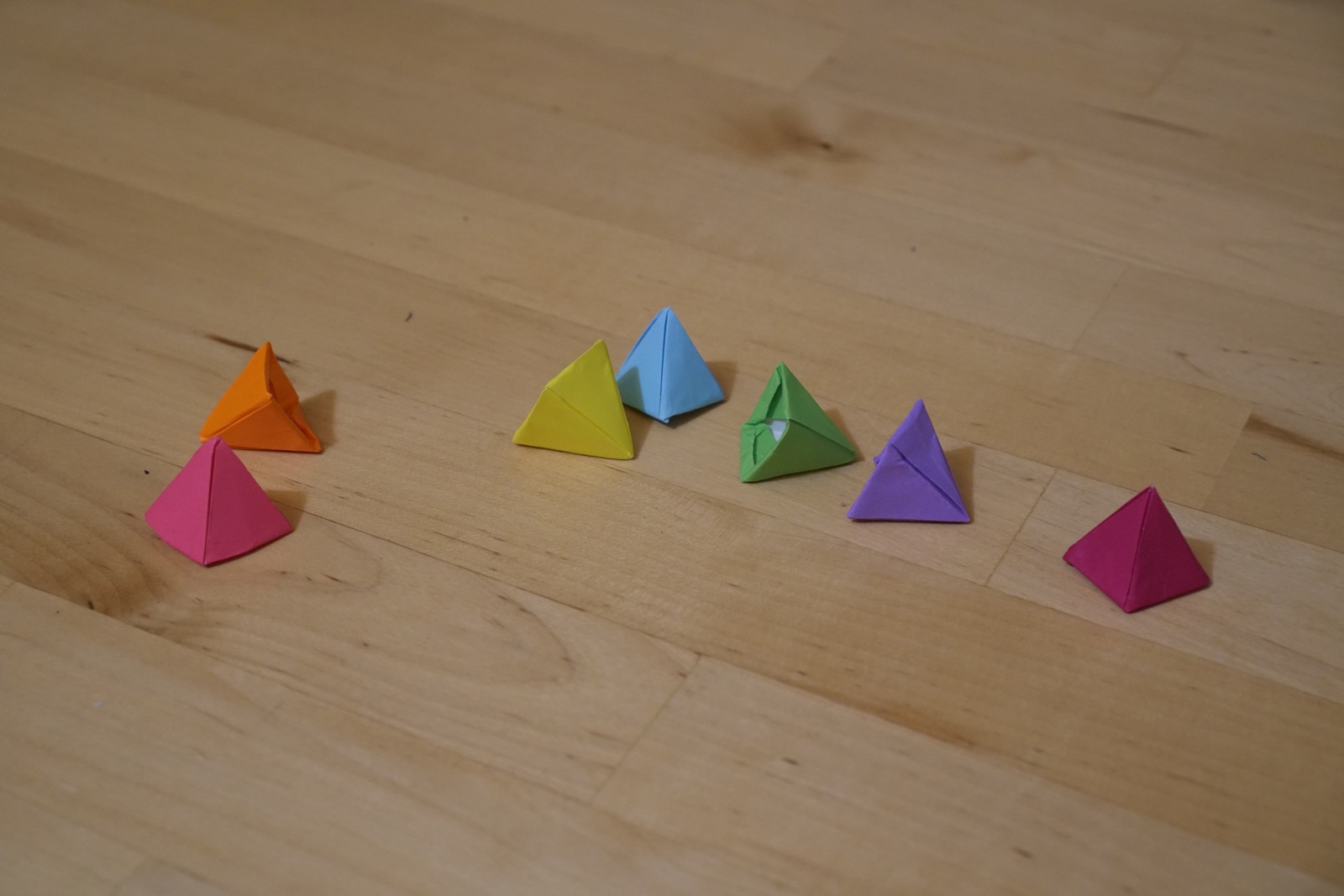
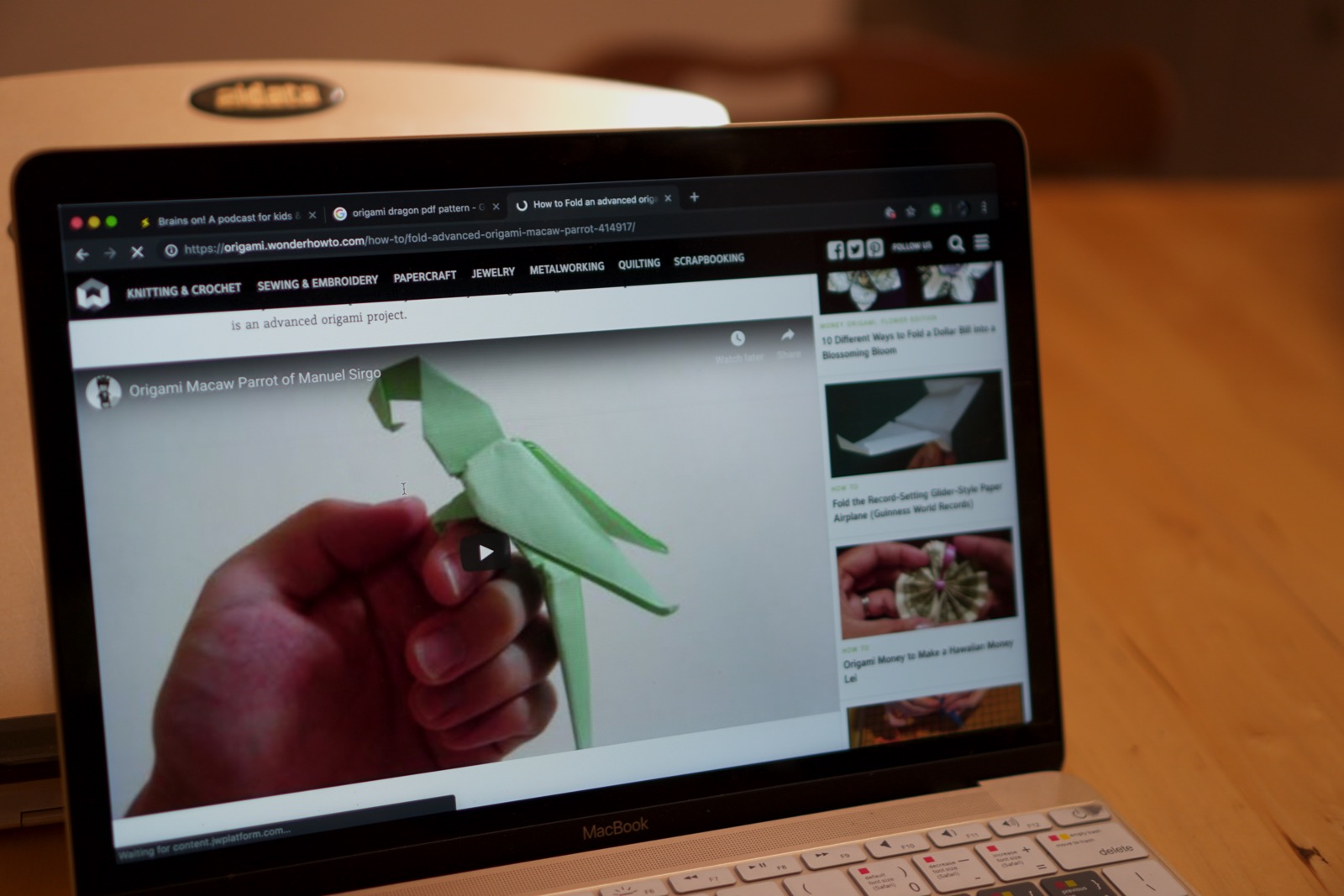
It is exciting that you are circling back around to your interest in origami and now trying more difficult ones. The fortune one that transforms into a box is incredible.
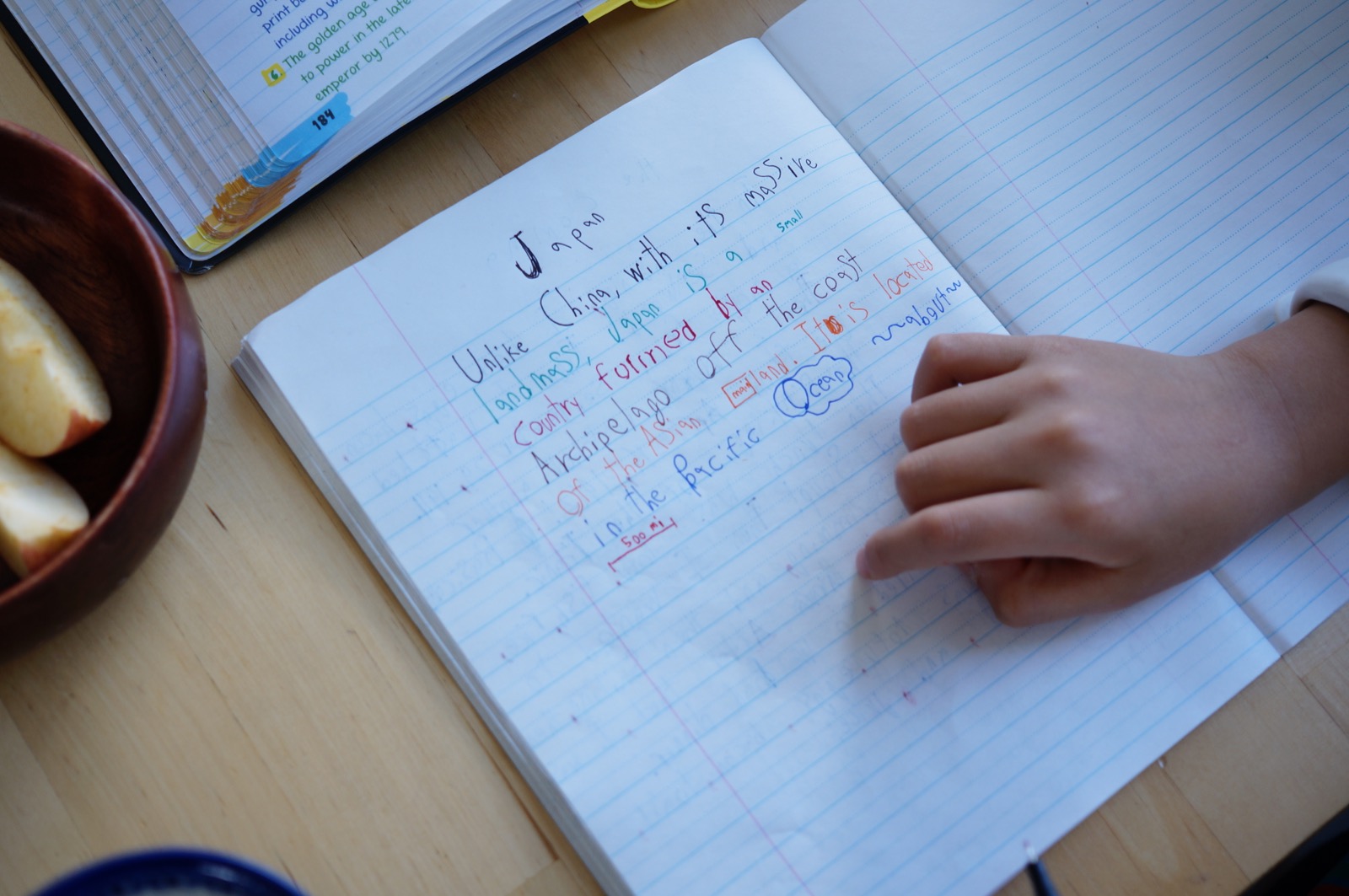
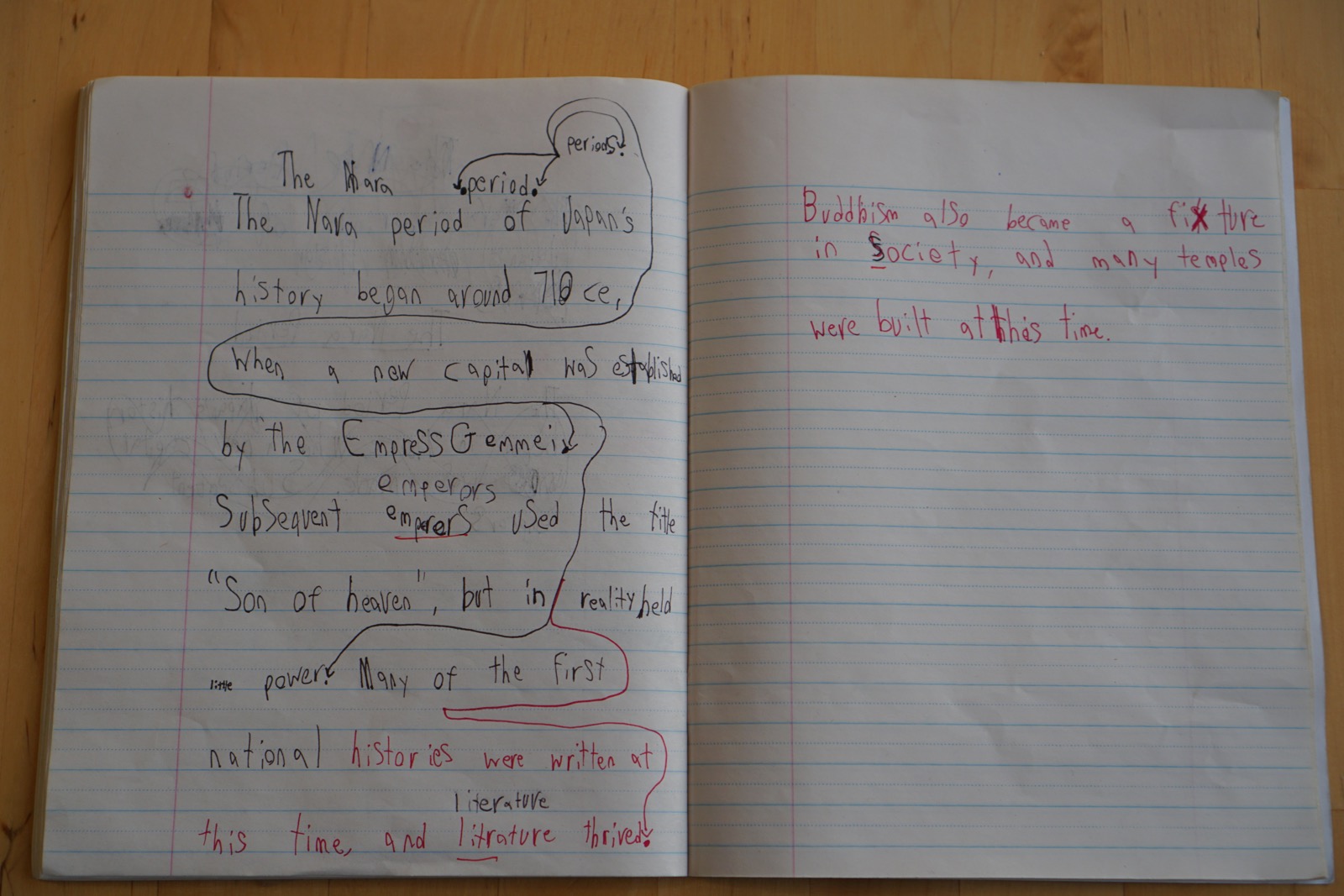
I see you were studying the Nara period in Japan. I went to the city of Nara. It has the largest wooden structure in the world, the Todaji temple, and some really cute deer which roam the streets.


I have a few open ended questions for you to answer if you are interested in any of them. Please respond to them in the next (week 32) observing for learning if you choose to.
What would you like to learn more about (today, this week, this year, etc) ?
What problems do you hope to solve (today, this week, this school year, in your lifetime, etc) ?
What will you need to learn to solve those problems? Who could you ask to mentor you?
How are you applying what you are learning in your own life?
What are your dreams?
What are some of the potential obstacles you may face in chasing those dreams?
What are some things you can do to overcome those obstacles or swim around them?
What actions are you taking today to help you reach your goals in the future?
Hi Ethan and Carl,
I will be responding more lightly to this Observing for Learning communication as I am taking the week to engage in Professional Development activities.
I have taken a few online classes through the Self Design Graduate Institute. Did you know Self Design has a graduate school program? The teachers can get a Master’s in Self Design. So that means Self Design has a k-12 program and a masters all that is left is university…
Some of the Zoom workshops I took were, mindfulness and presence in relationship, using songs to teach literacy and a very interesting one on awareness and the afterlife.
Well I thought of you (of course) when the first ever photos of a black hole made the news headlines. I thought Ethan would enjoy this zoomed out picture of the black hole and the folowing article and the video in the article as well.
On Wednesday, after 10 years of planning and scientific investments totaling over $50 million, researchers released the first-ever image of a black hole. The image is a feat of modern science — experts say it’s the equivalent of taking a photo of an orange on the moon with a smartphone — and international collaboration. Over 200 scientists across the globe contributed to the project.
One of those scientists is Katie Bouman, a 29-year-old computer scientist who began working on the project when she was a graduate student at the Computer Science and Artificial Intelligence Laboratory (CSAIL) at MIT.
Bouman earned her bachelor’s in electrical engineering from the University of Michigan and is currently a postdoctoral fellow at the Harvard-Smithsonian Center for Astrophysics. Soon, she’ll begin working as an assistant professor in the Computing and Mathematical Sciences Department at the California Institute of Technology.
But when she became involved in the project almost six years ago, she had no experience studying black holes.
“I go after problems that excite me. When I started this project, I didn’t know anything about black holes and honestly, it was a risky project,” Bouman tells CNBC Make It. “But my heart was in this project. I love this project, and I think that that’s what makes it a success. When you get really smart people together, who are super motivated by the problem that they’re working on, I think people will figure out the answers.”
Here is another article: https://www.bbc.com/news/science-environment-47891902

Recent Comments