

Second week of Spring Break and Ethan started it with a little bit of a cold. He rested for the first day or so but found ways to keep himself busy.
March 24
March 25
We finished the night by reading Twenty Thousand Leagues Under the Sea.
March 26

March 27


March 28
March 29
March 30
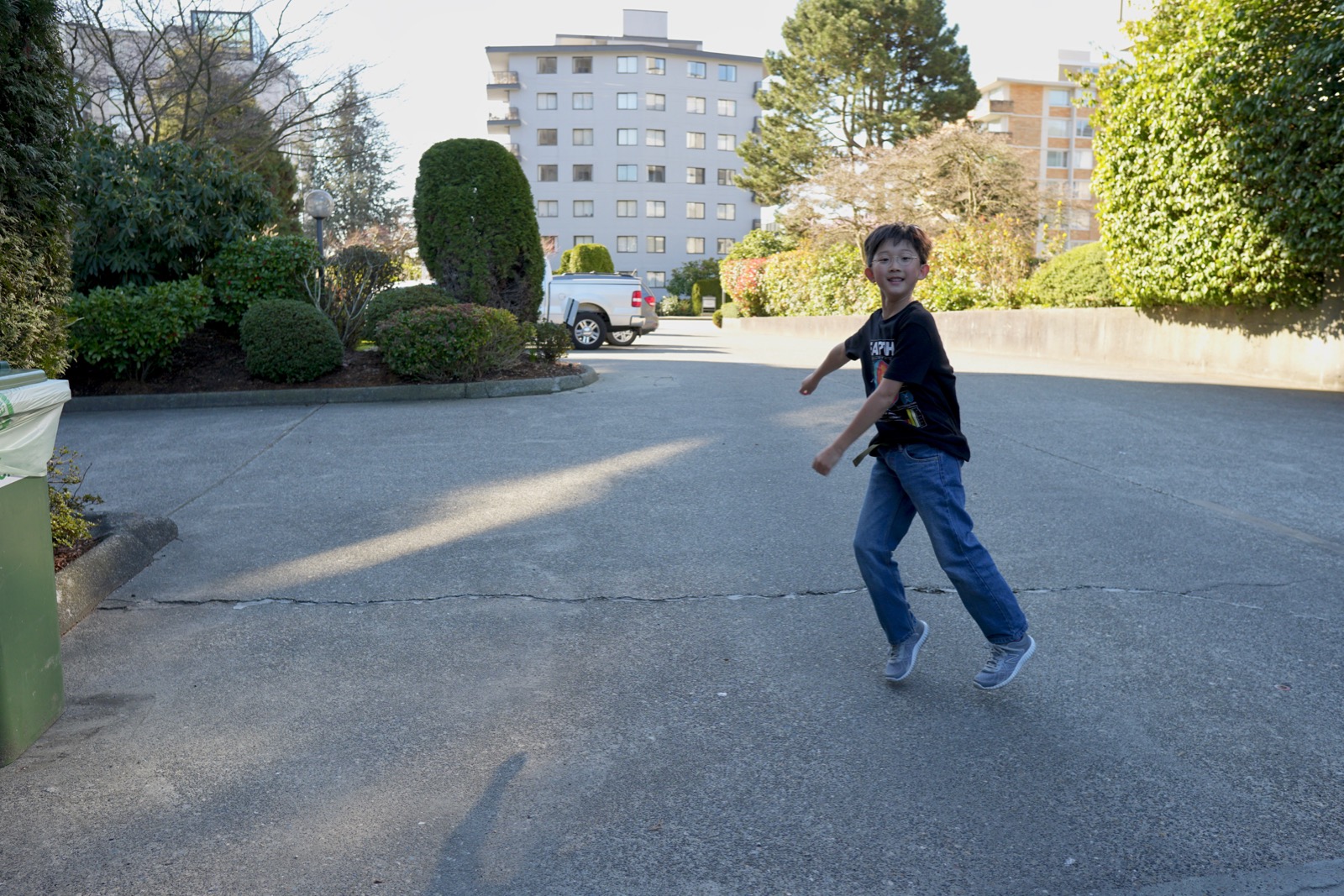
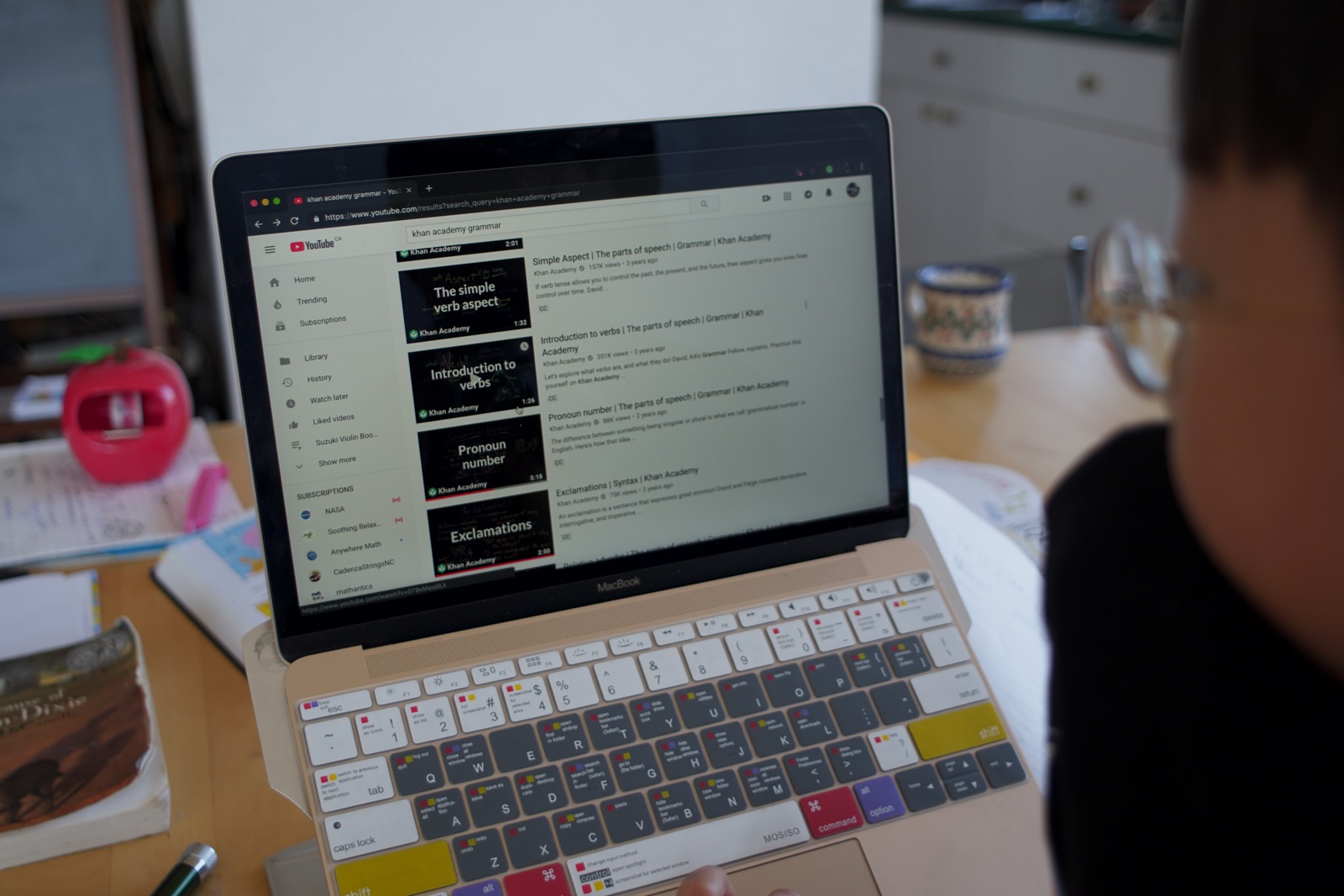
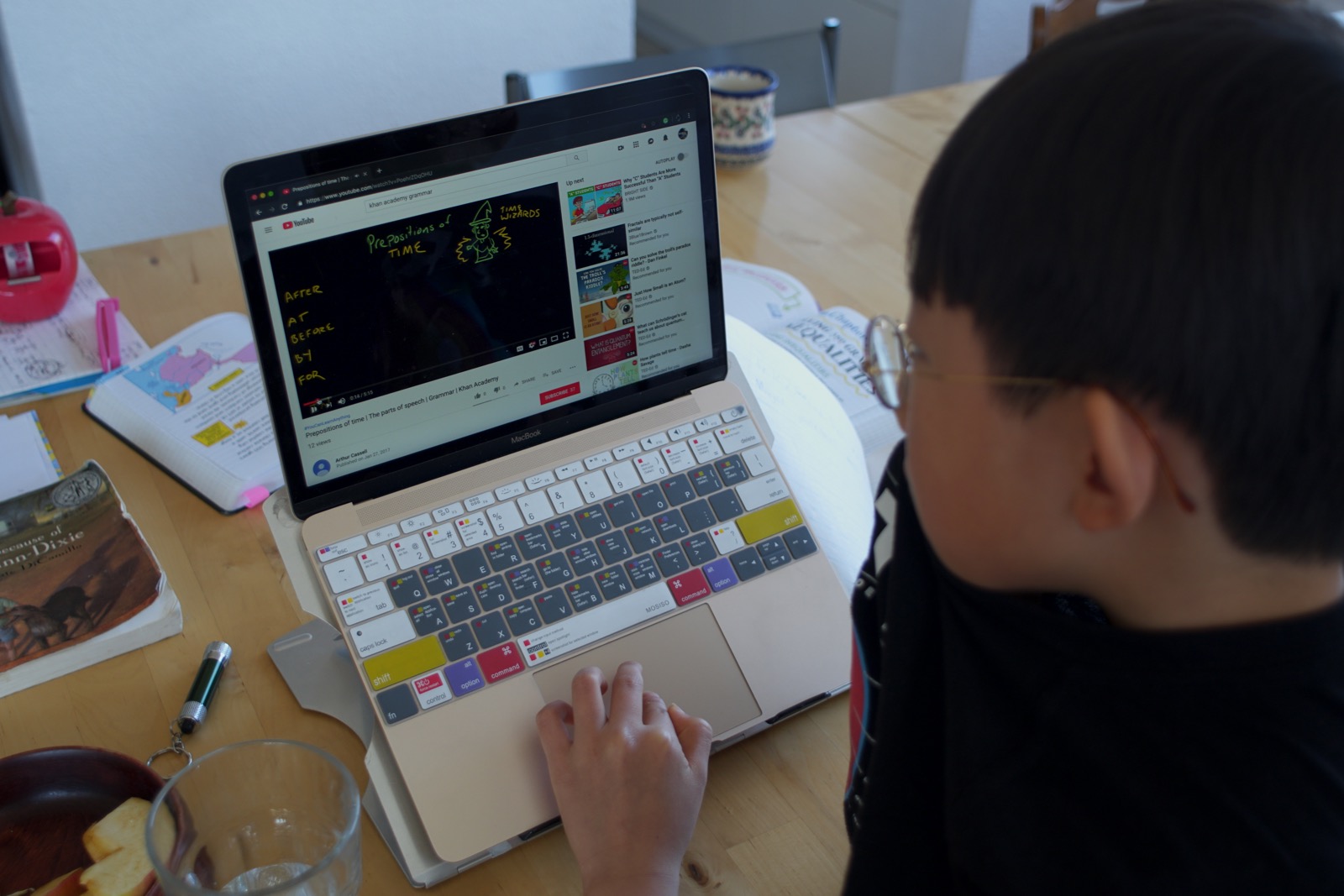

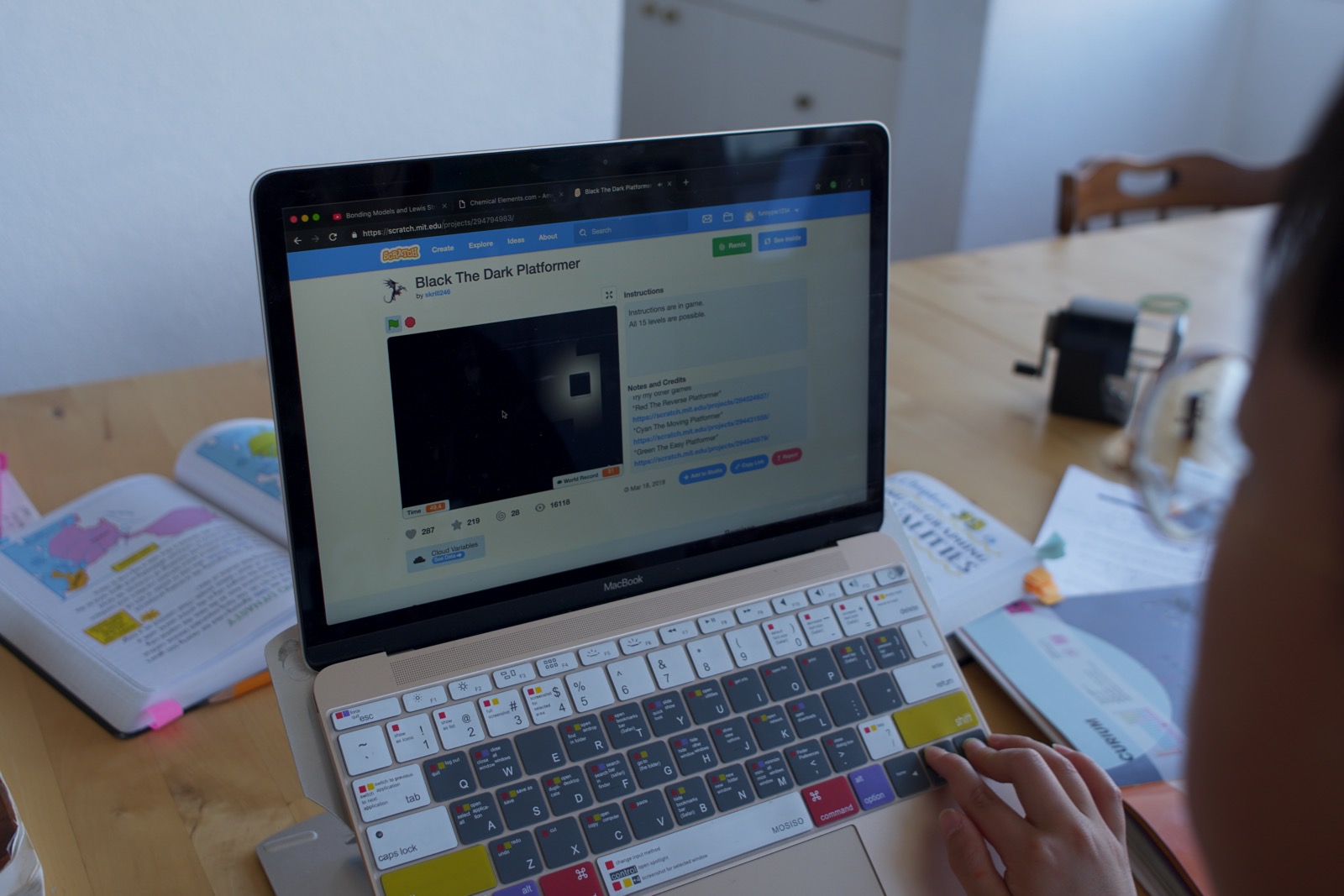
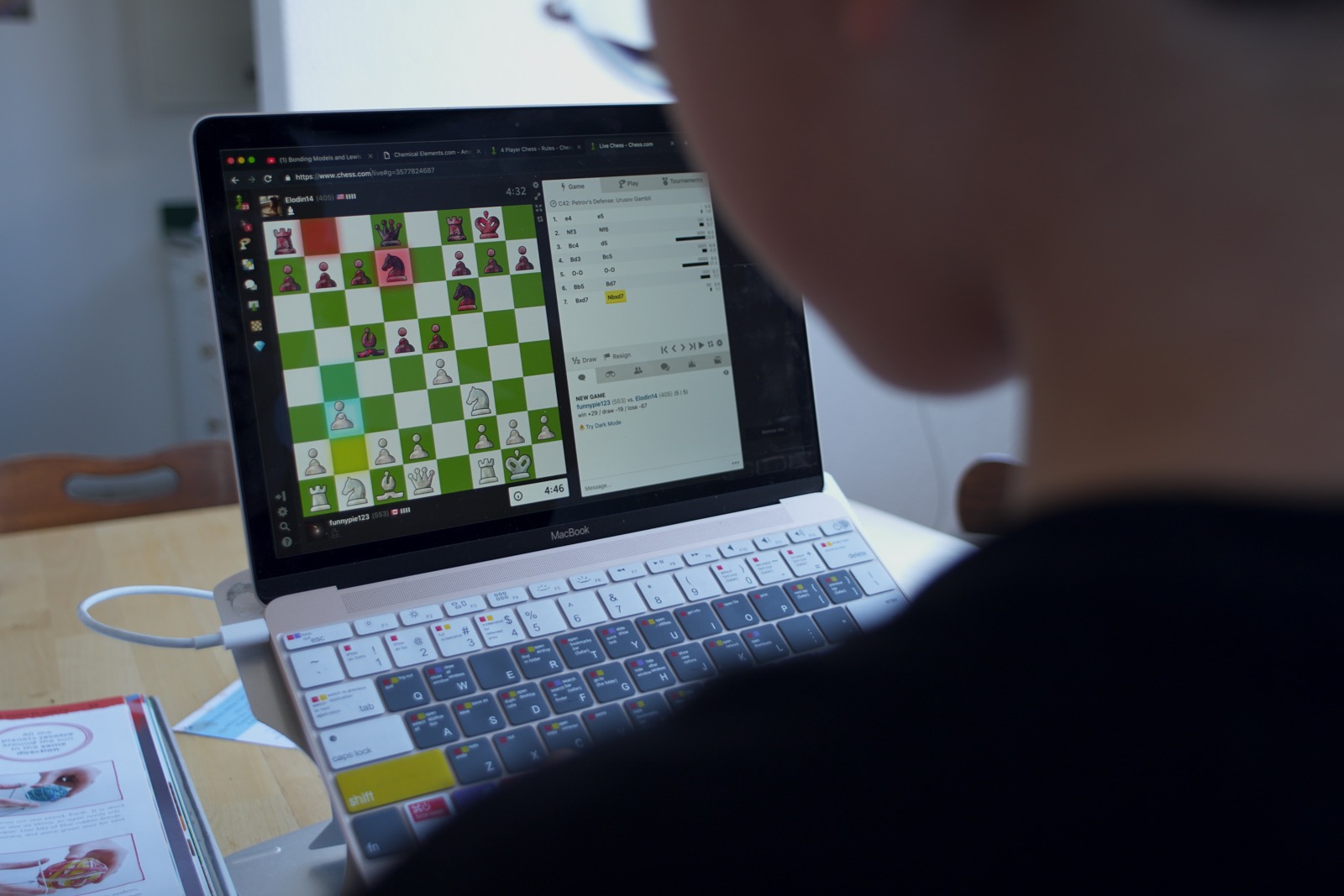
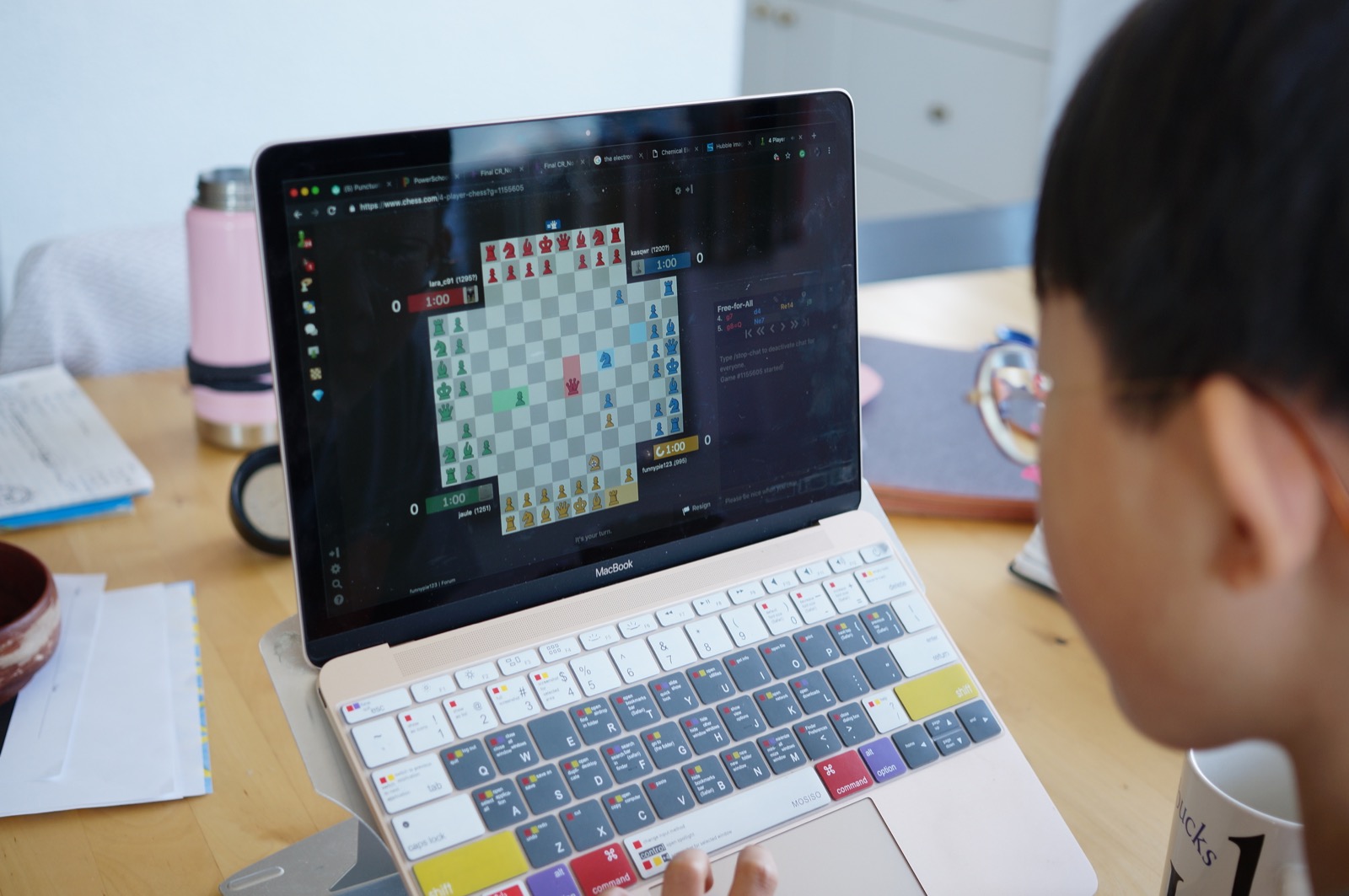
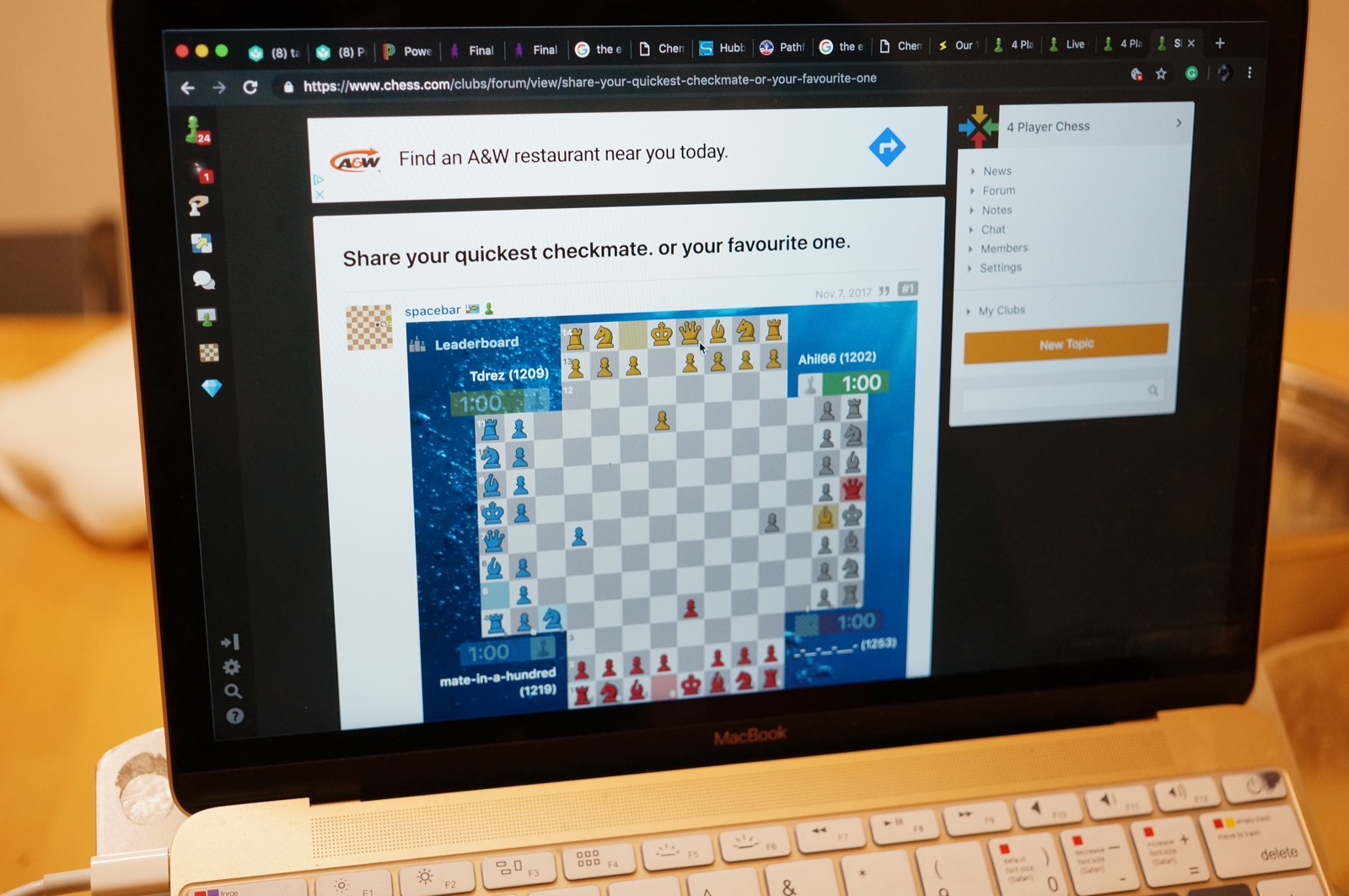
And that was the week. Ethan spent some time with friends and played lots of chess. We got Ethan enrolled for another year of SelfDesign and we’re all happy about that, as unschooling has been so great for Ethan.
Hi Natasha!
how are you?
I’m fine, just having a lot of fun.
here are the answers to your questions:
Q: Does Ethan ever express interest in seeing film versions of the classic books he reads? A: yes, I really like seeing films of classic books! Actually, my mom and dad usually suggest movies, and I enjoy them.
Q: What did he learn from making the disks? What patterns or colors worked best?
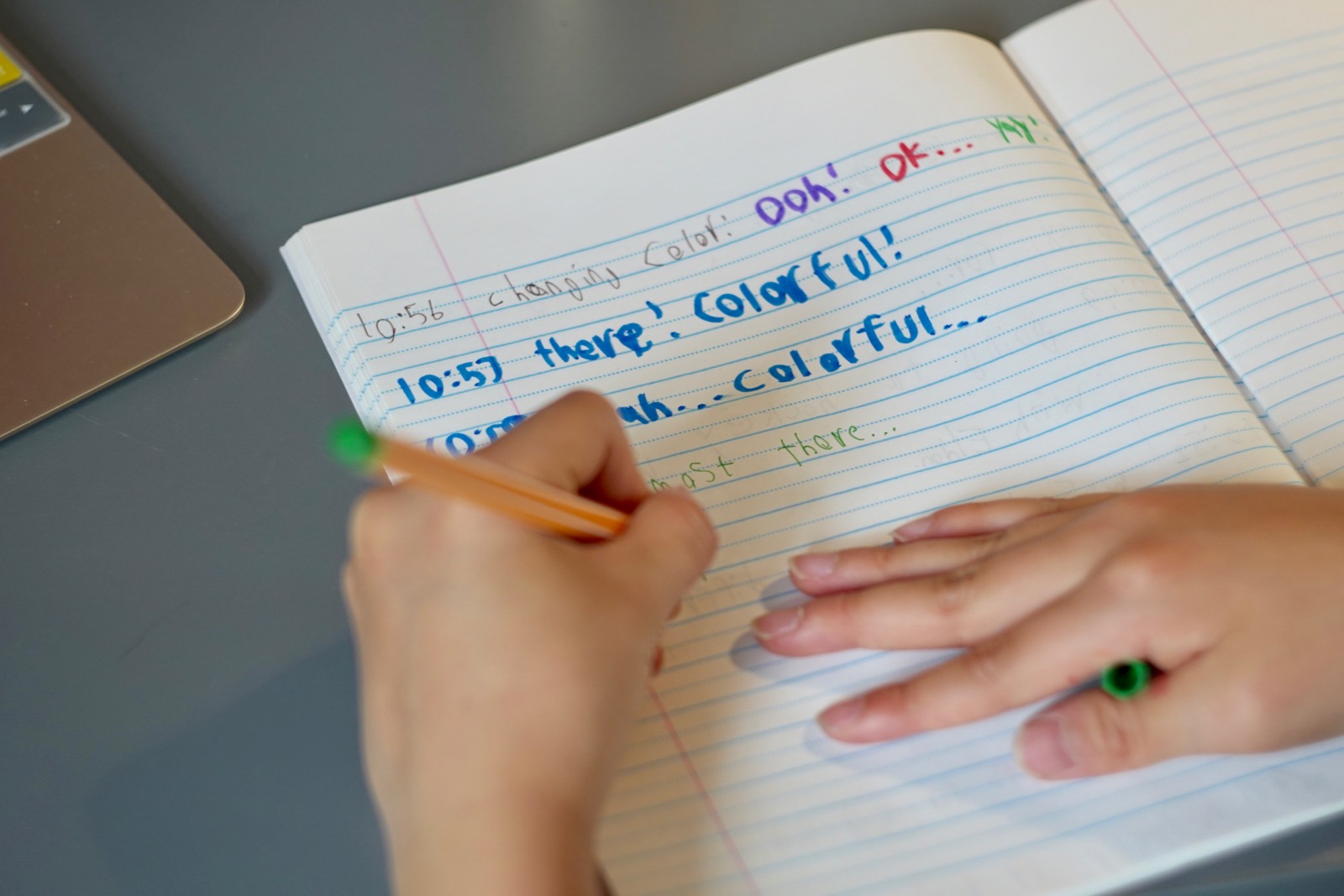
A: I learned that if you make the colors in like a spiral fashion, the colors don’t spiral, they mix together even when you flash the light on them. Also, I learned that if you put three colors together on a disk symmetrically, the colors mix and if you make the light flicker at a certain speed, it looks like it’s spinning s-u-p-e-r s-l-o-w-l-y. I think red, green, and blue work best, or black, brown, and white.
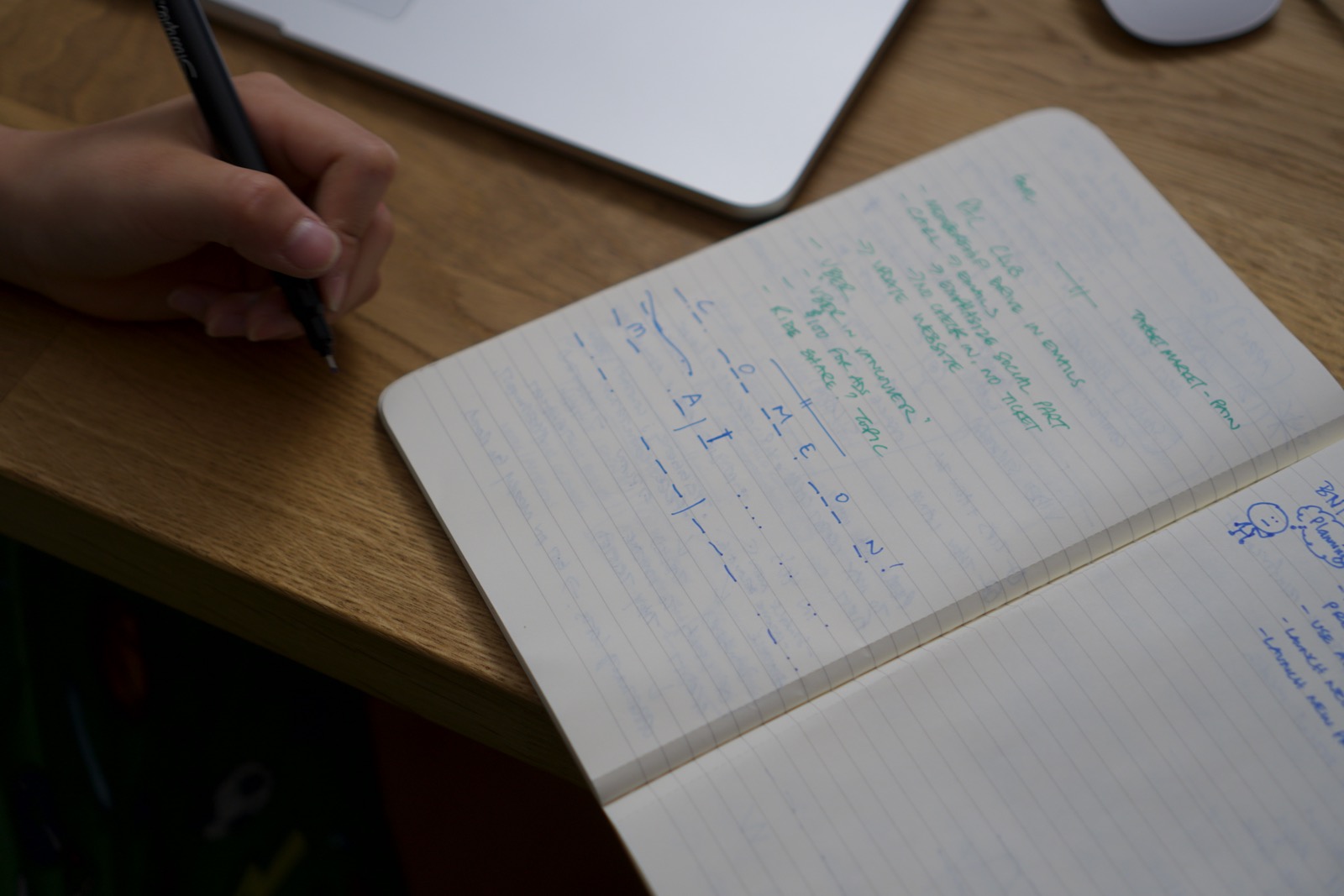
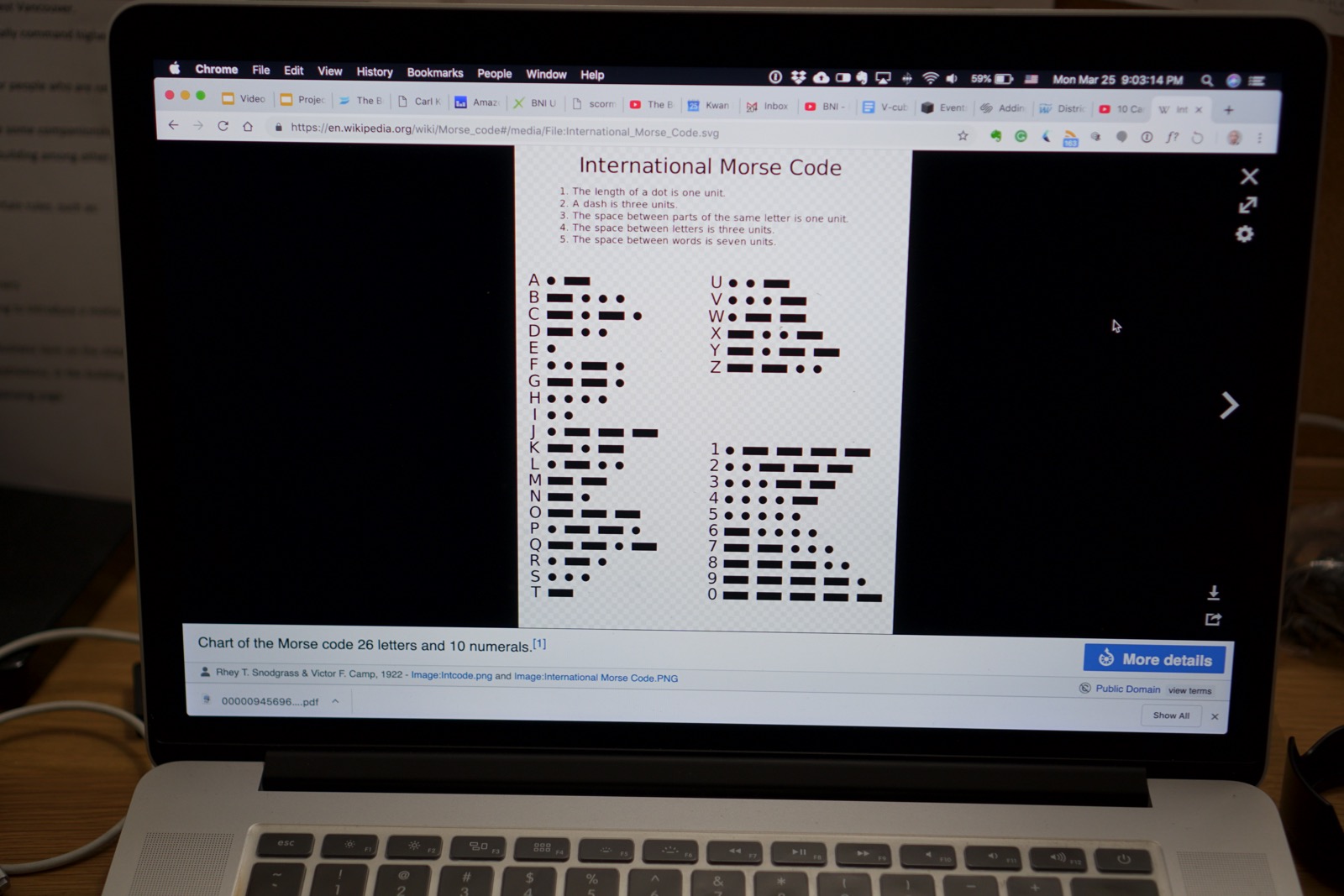
Q: Is Ethan interested in making other secret codes?A: _._ _ . … (translation: yes) I do know another code. it’s called pigpen code (below).

Maybe a way to make the bombs a bit more friendly, despite how terrifying they are? I wonder what Ethan thought their reasoning was?
well, I think that they did that since they wanna later describe it in history as, like, something bad happened and people can talk about it more easily.
How does Ethan react/feel when he sees homeless people in Vancouver?
Did this help him understand more about homelessness?
What sorts of questions is he wondering about still?
A1: Well, I feel kinda sad for them because they have to deal with the weather and they can’t turn up the heat when they’re cold. Also, they will get hungry after a while. then, when it becomes winter, they must get super cold.
A2: Yes, I did learn more about homelessness.like that they are trying to prevent homelessness! WHOO!
A3: Umm… probably “what can normal people do for them?” I also may have more, but I don’t remember.

I thought Ethan would like this comic..
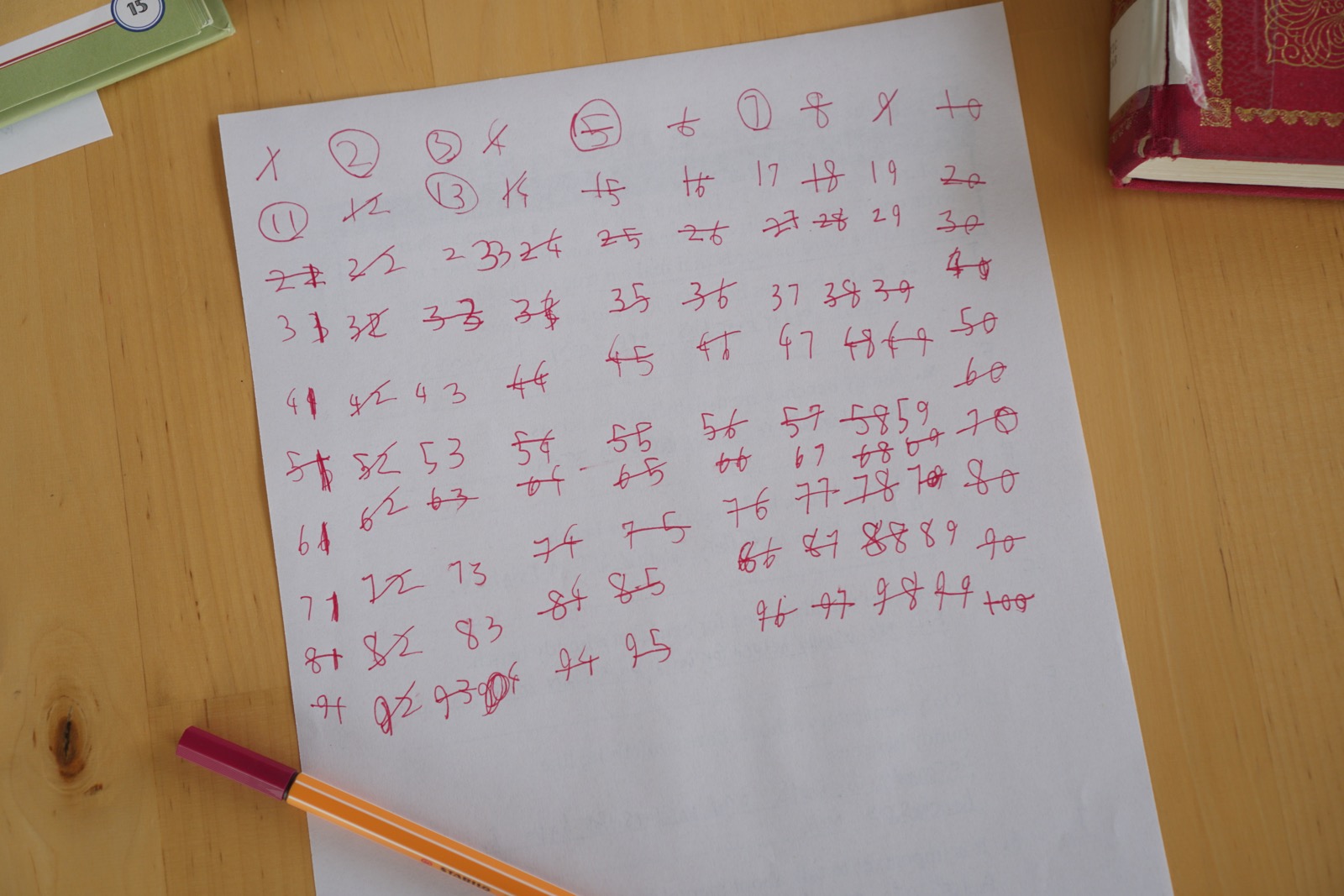
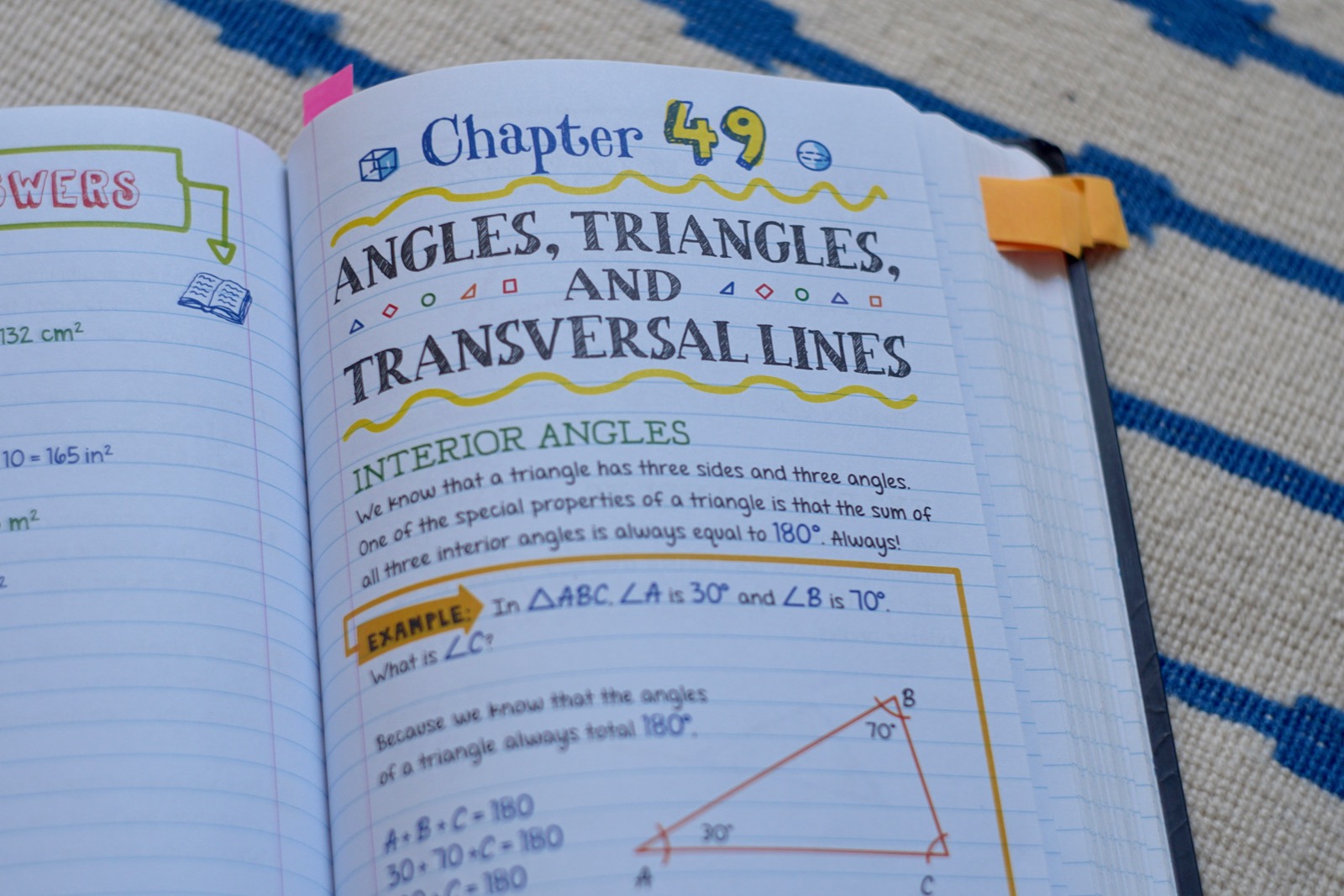
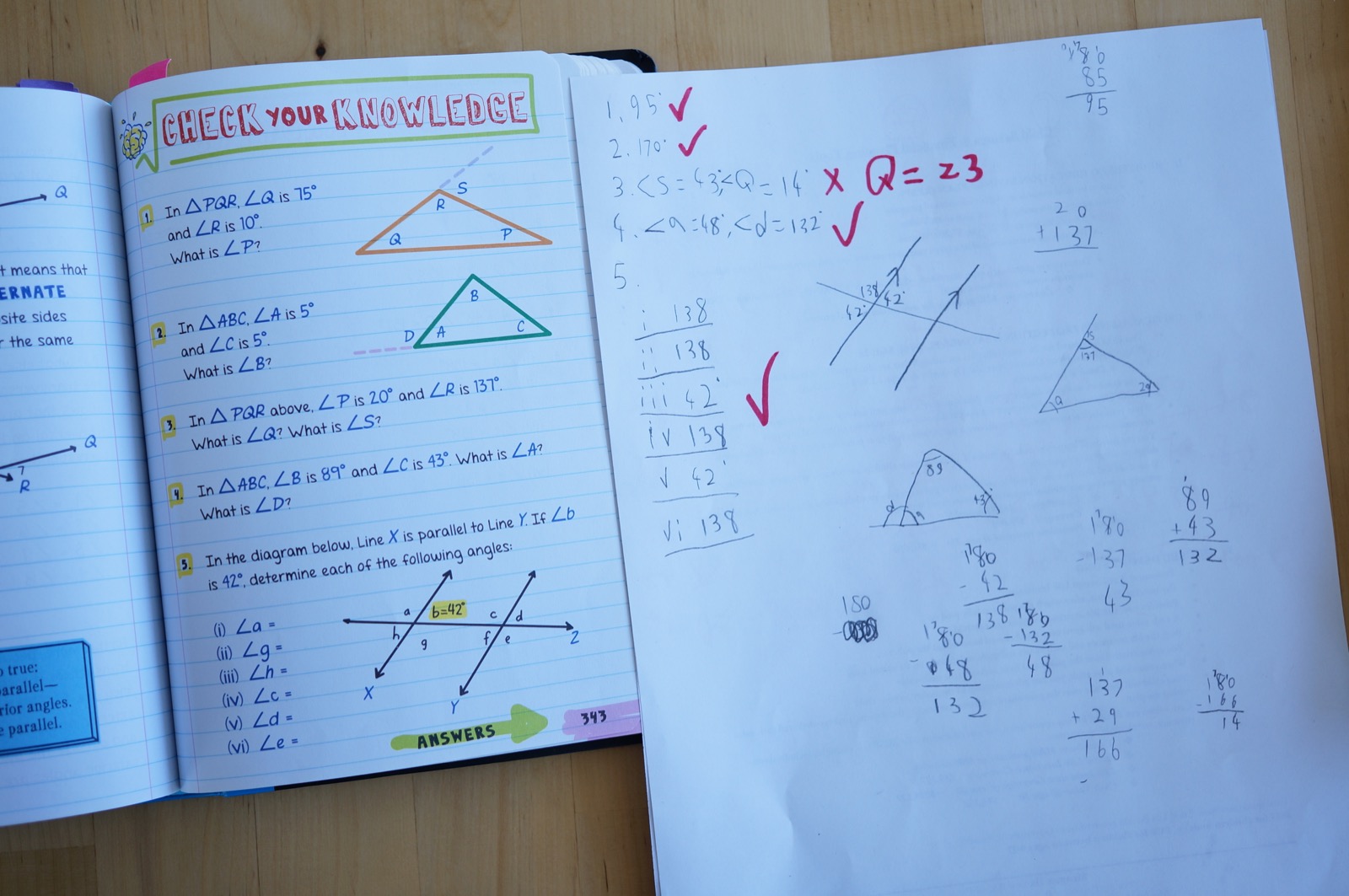
Ethan had been working on figuring out whether a number is a prime number. He learned about it in the Mathemagic book.
I am turning a prime number next week 43. I wonder if there is any significance to being a prime number as your age…
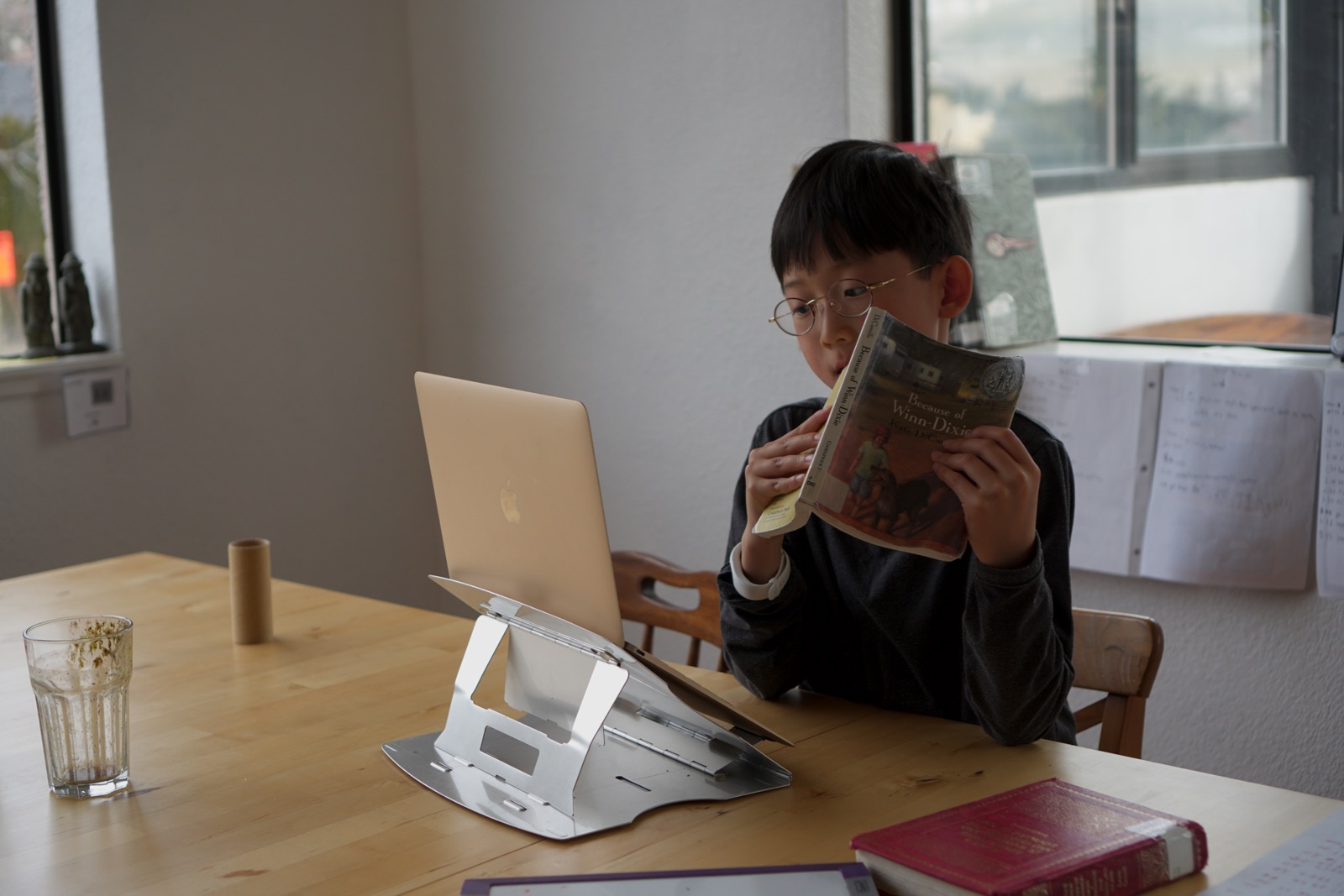
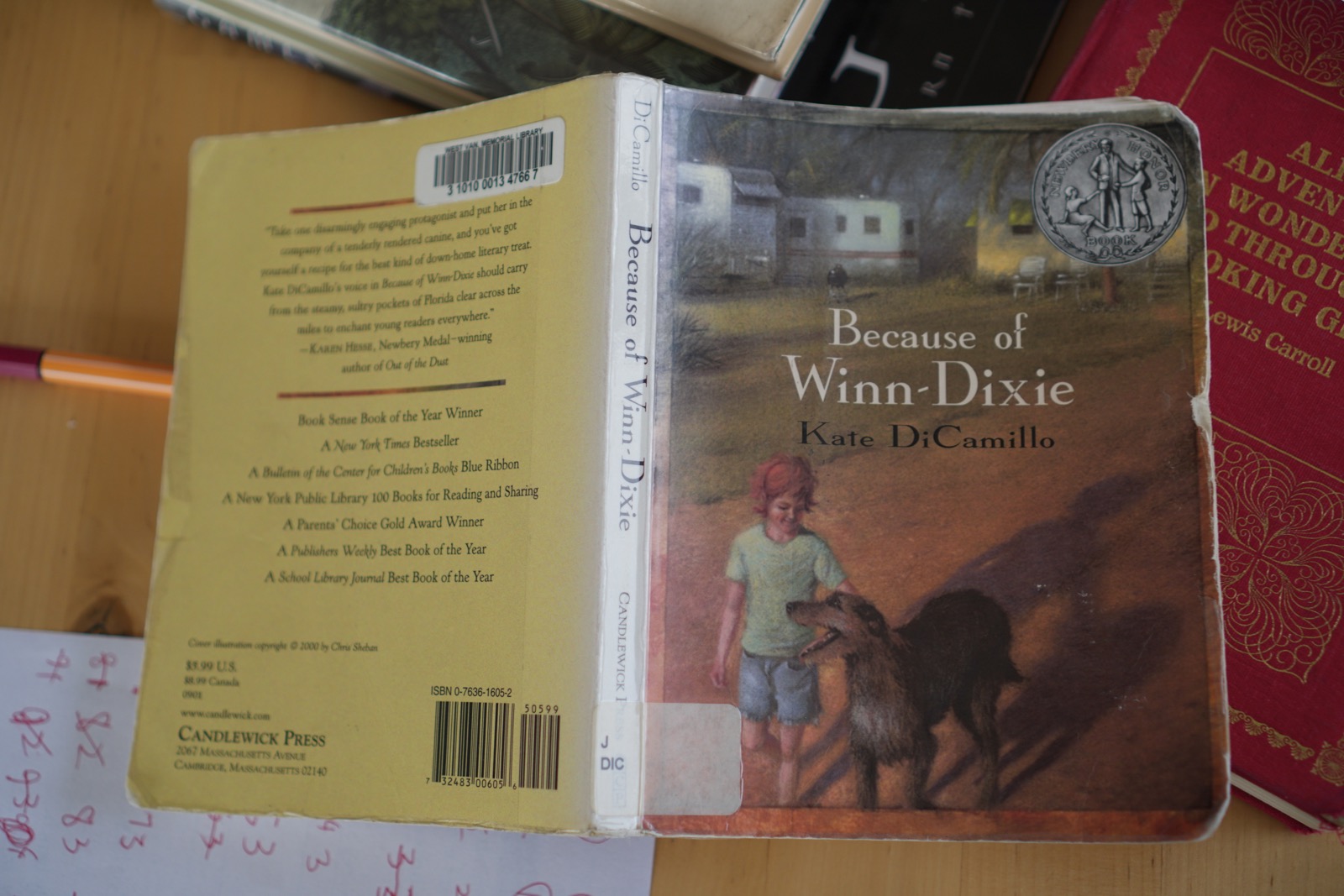
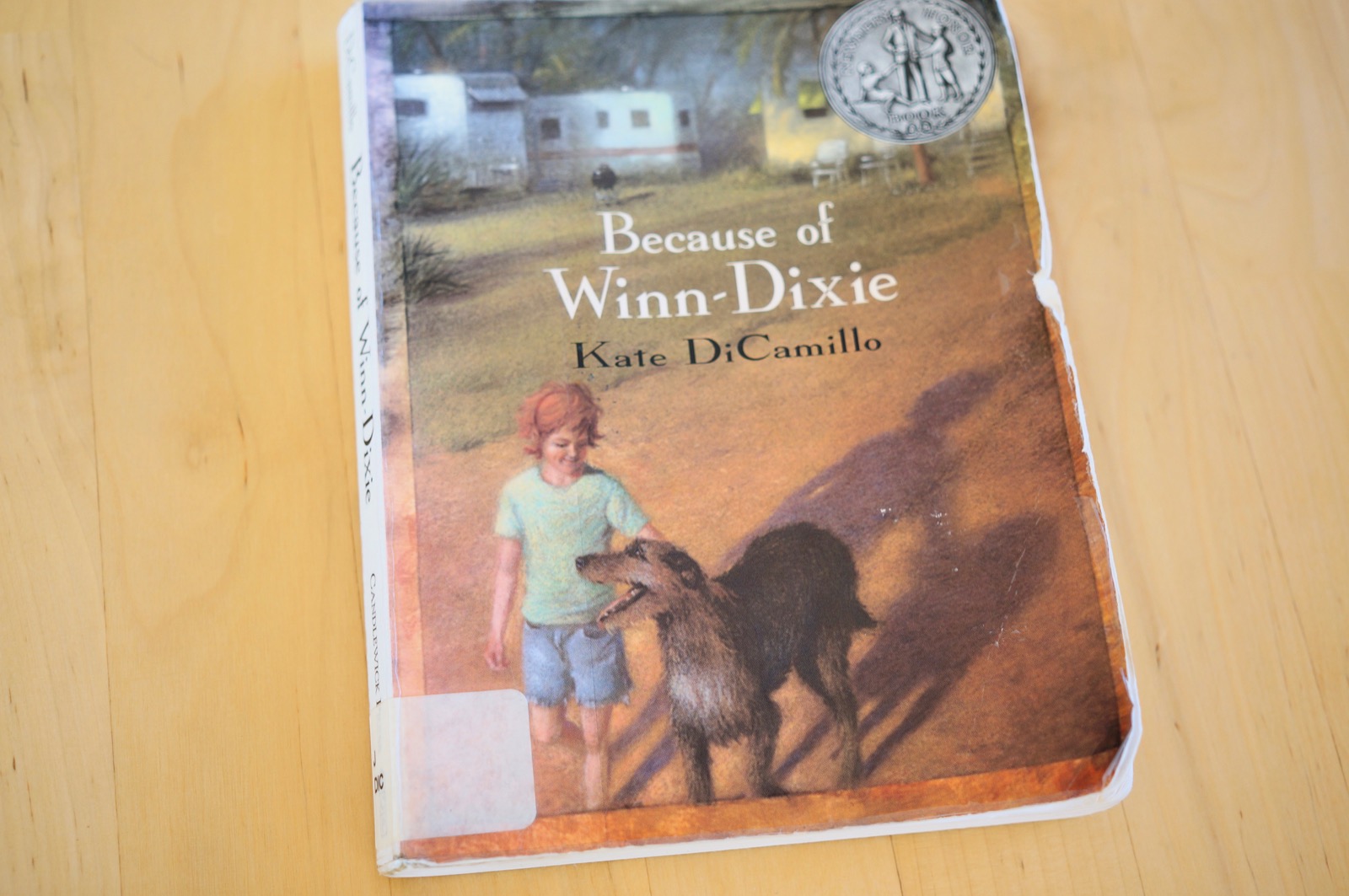
Ethan chose this book because we’re trying to encourage him to read more classic books. Because of Winn-Dixie

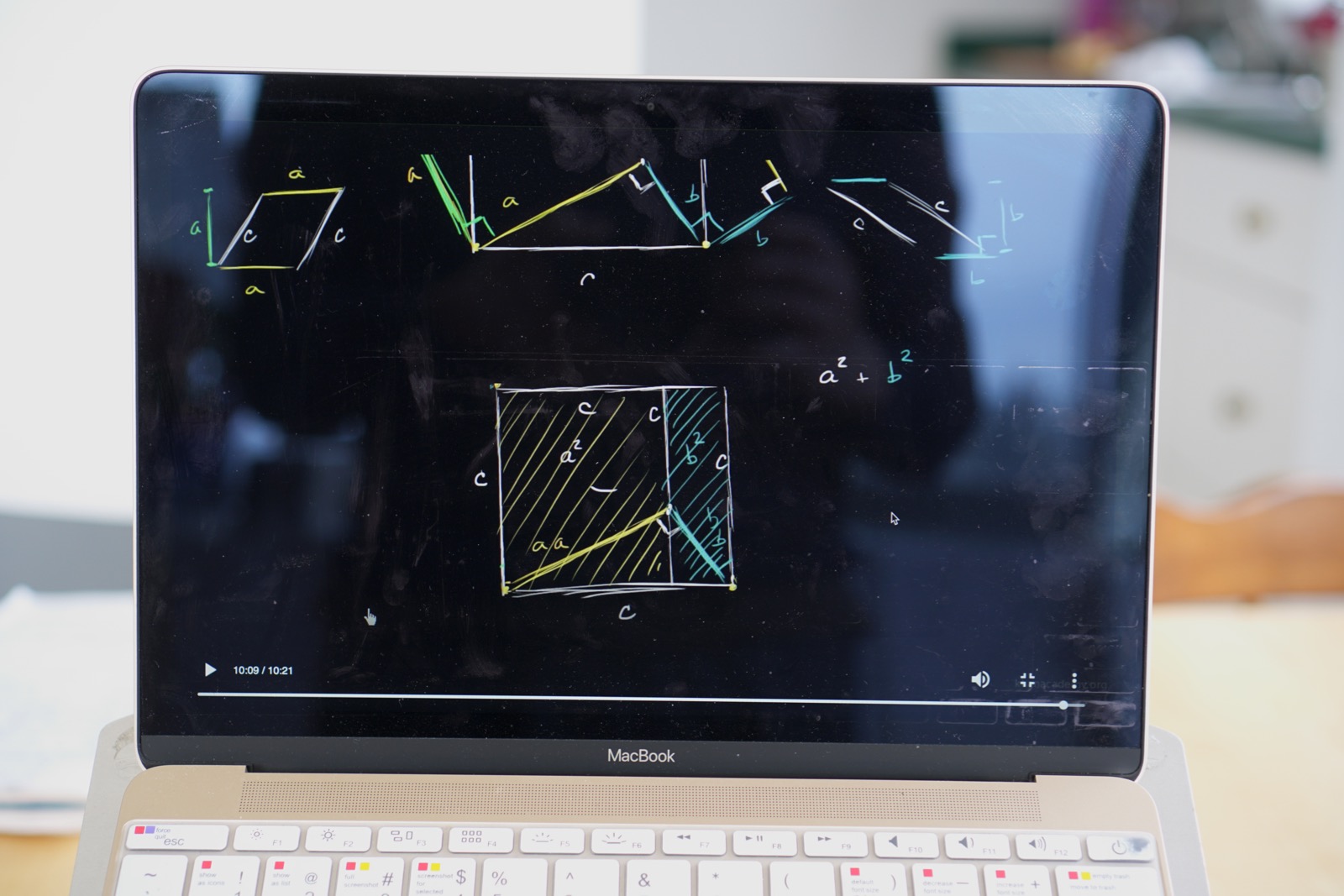
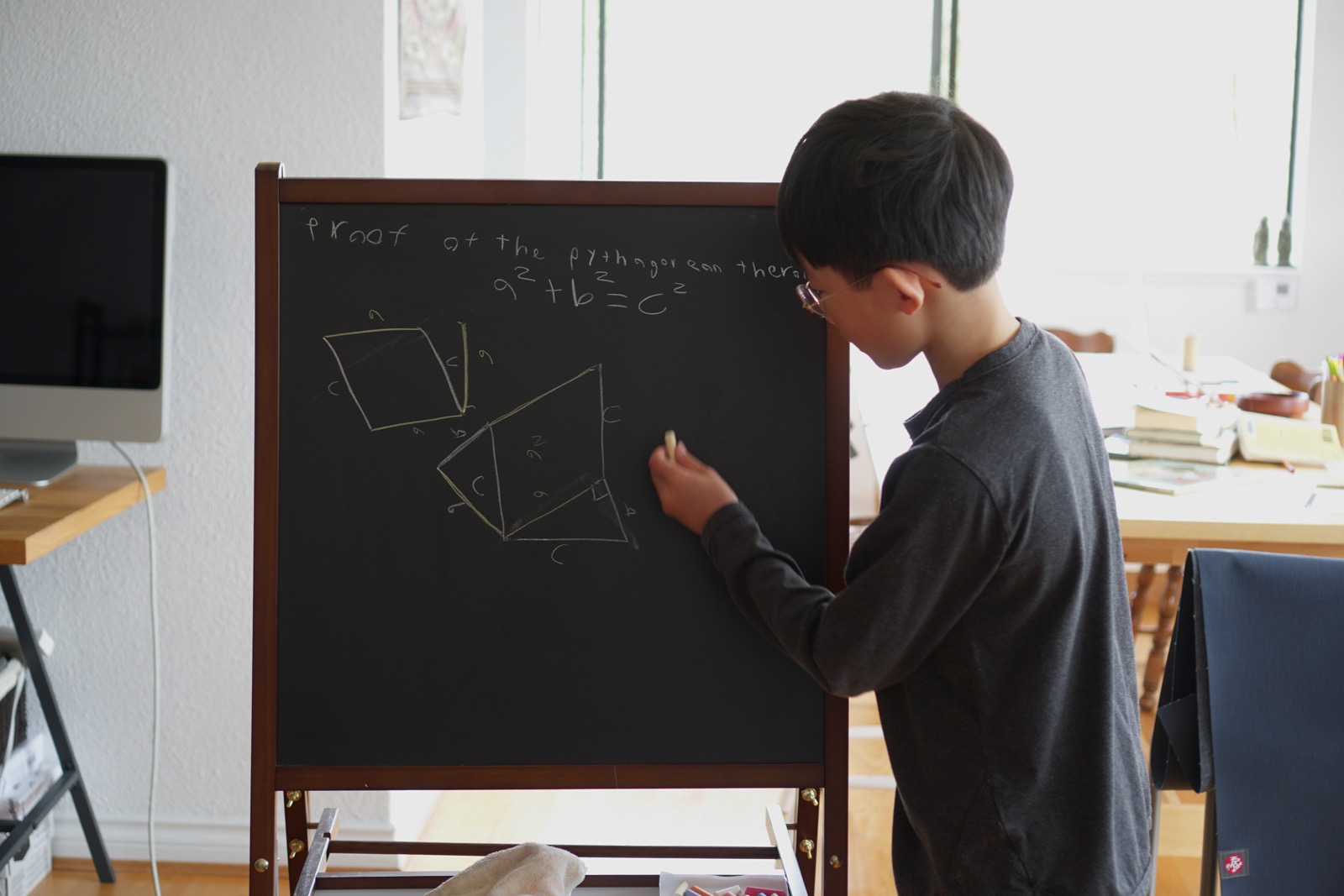
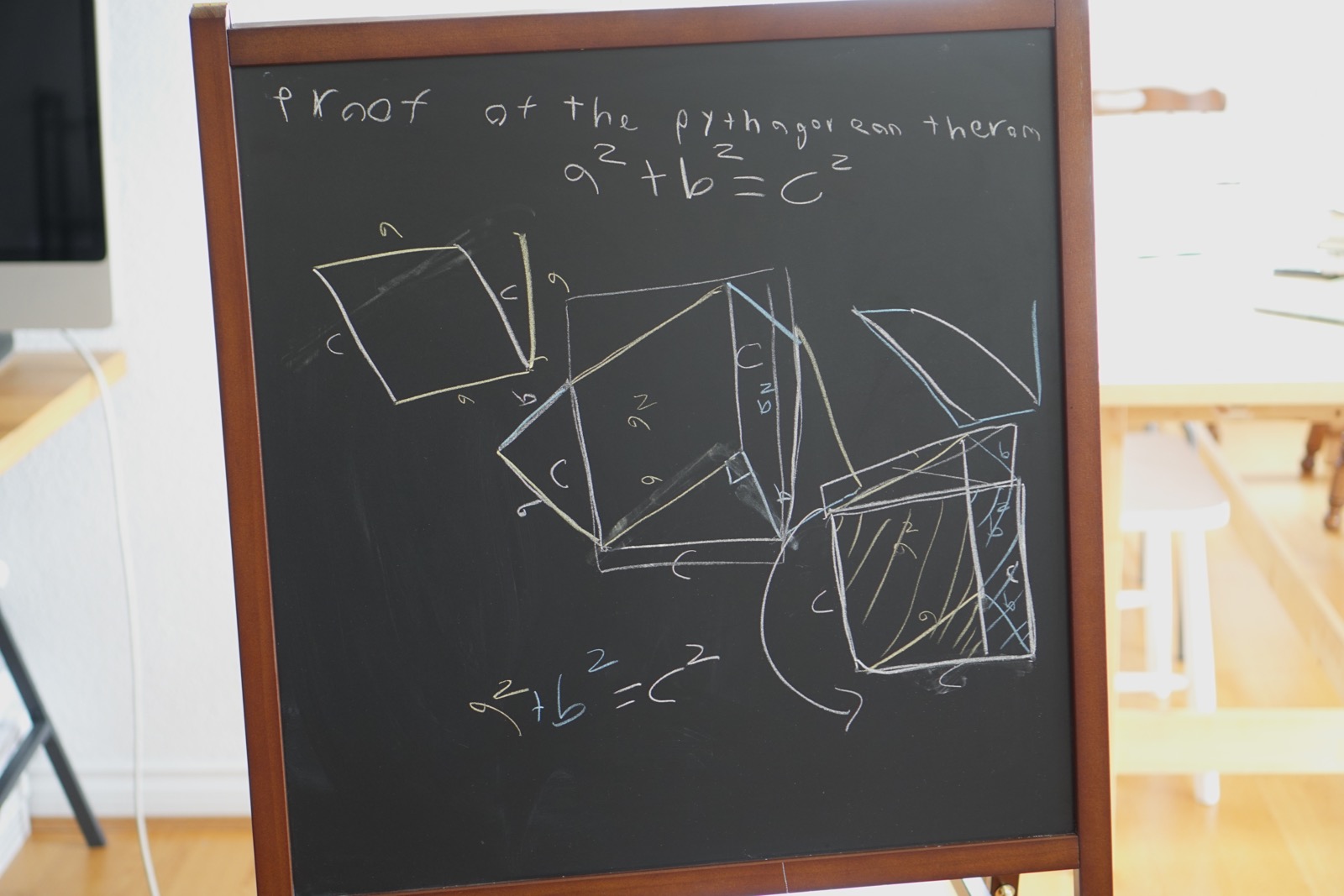
Teaching us how to prove the Pythagorean theorem.
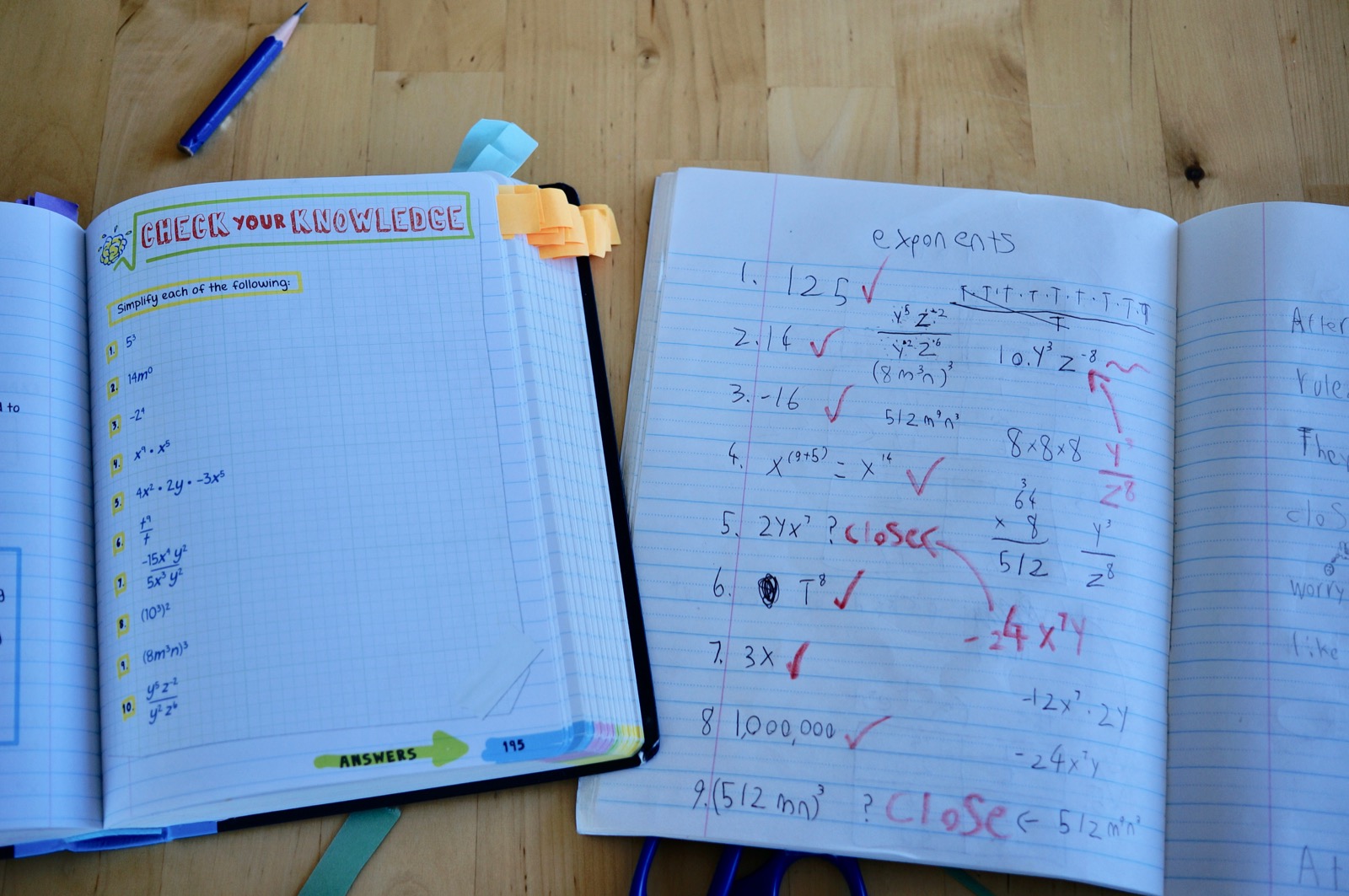
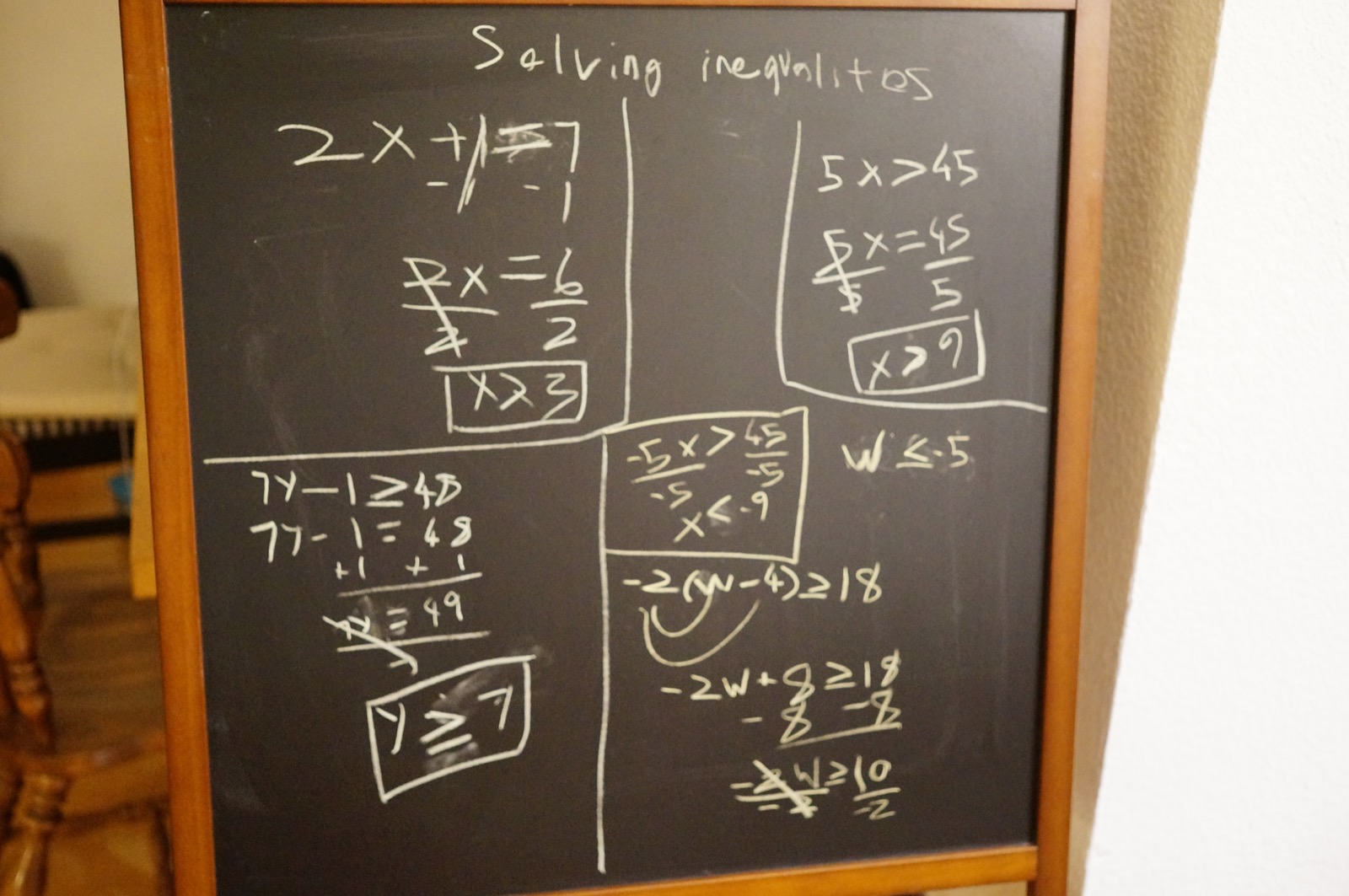
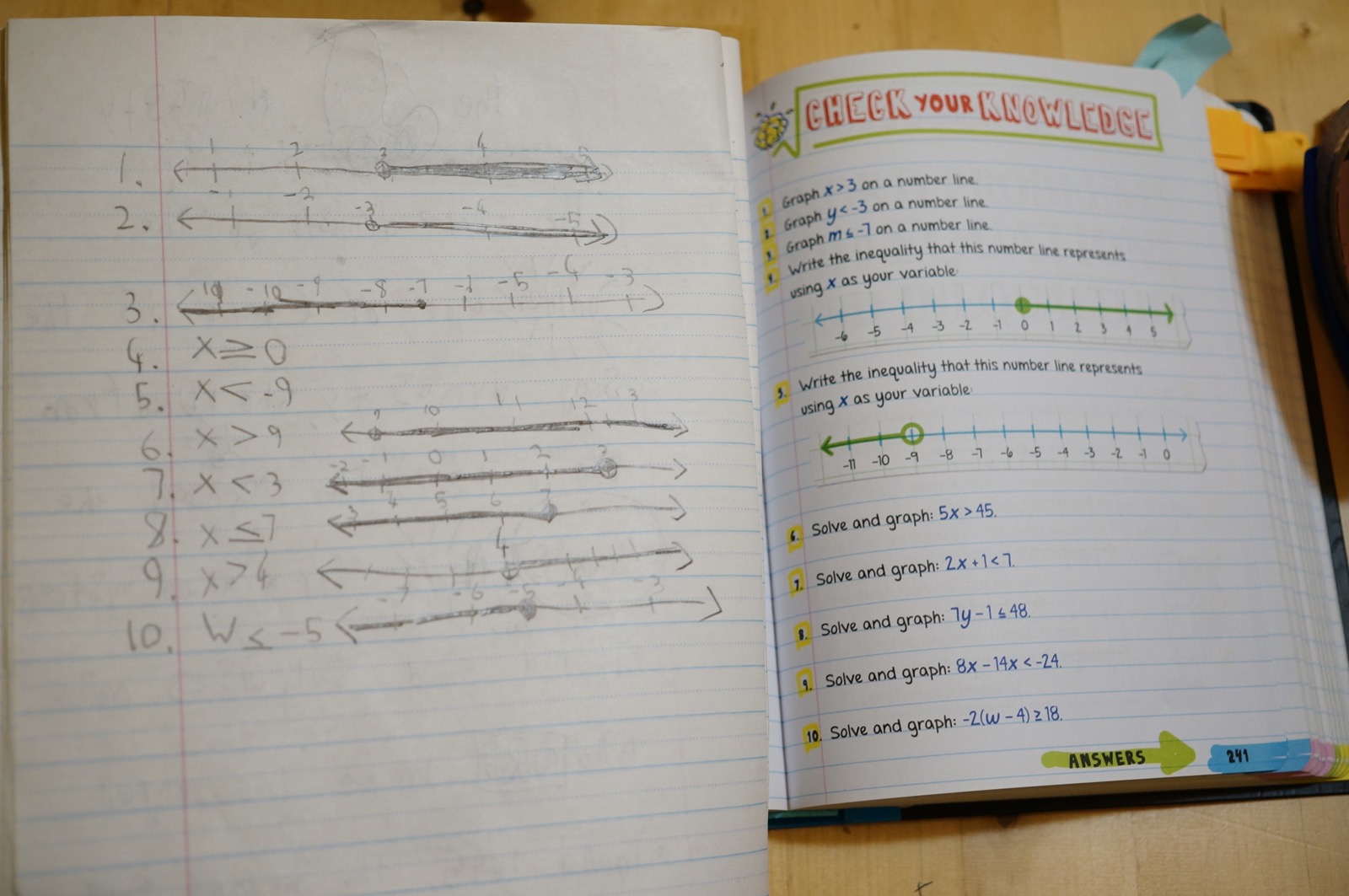
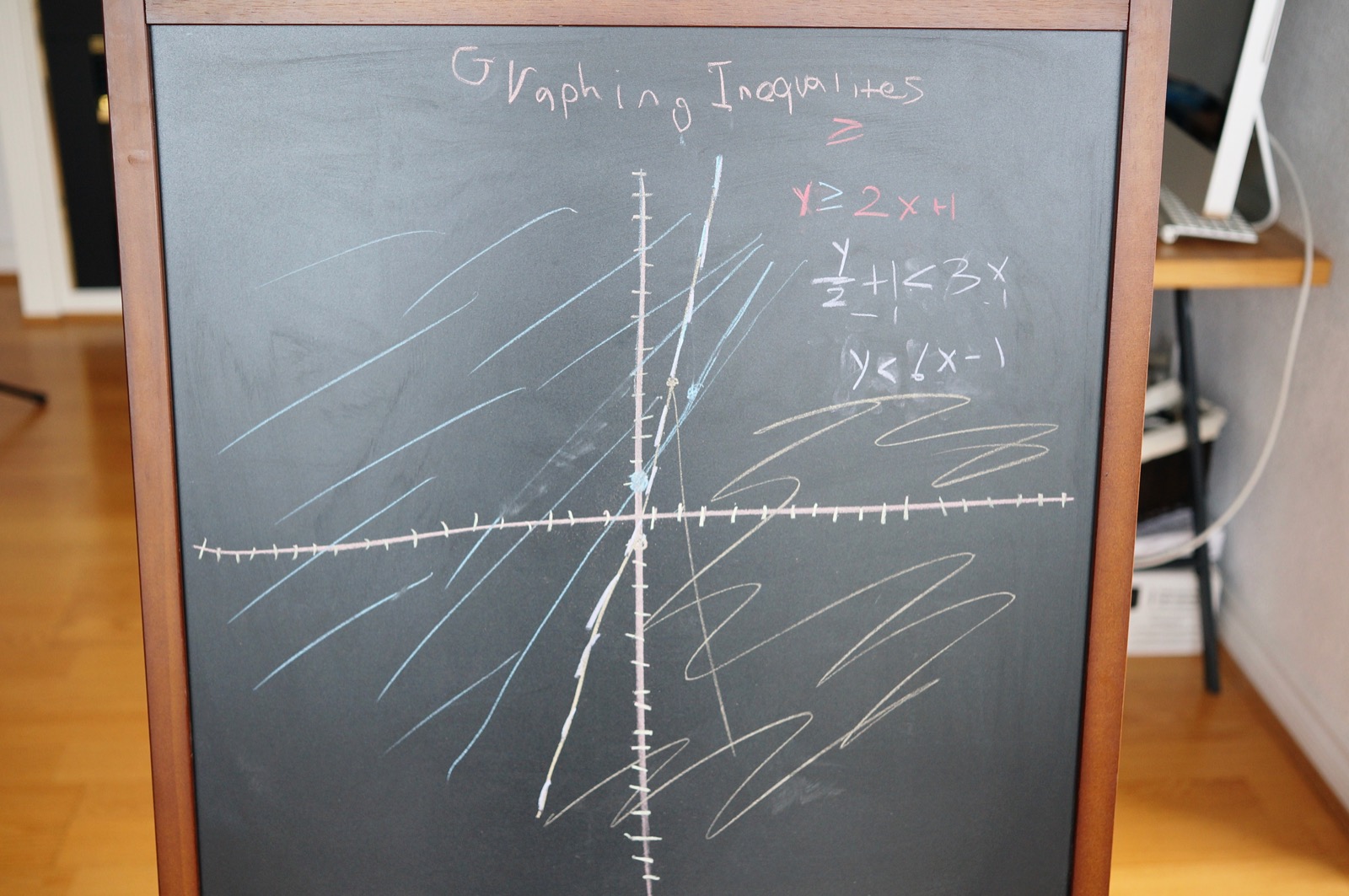
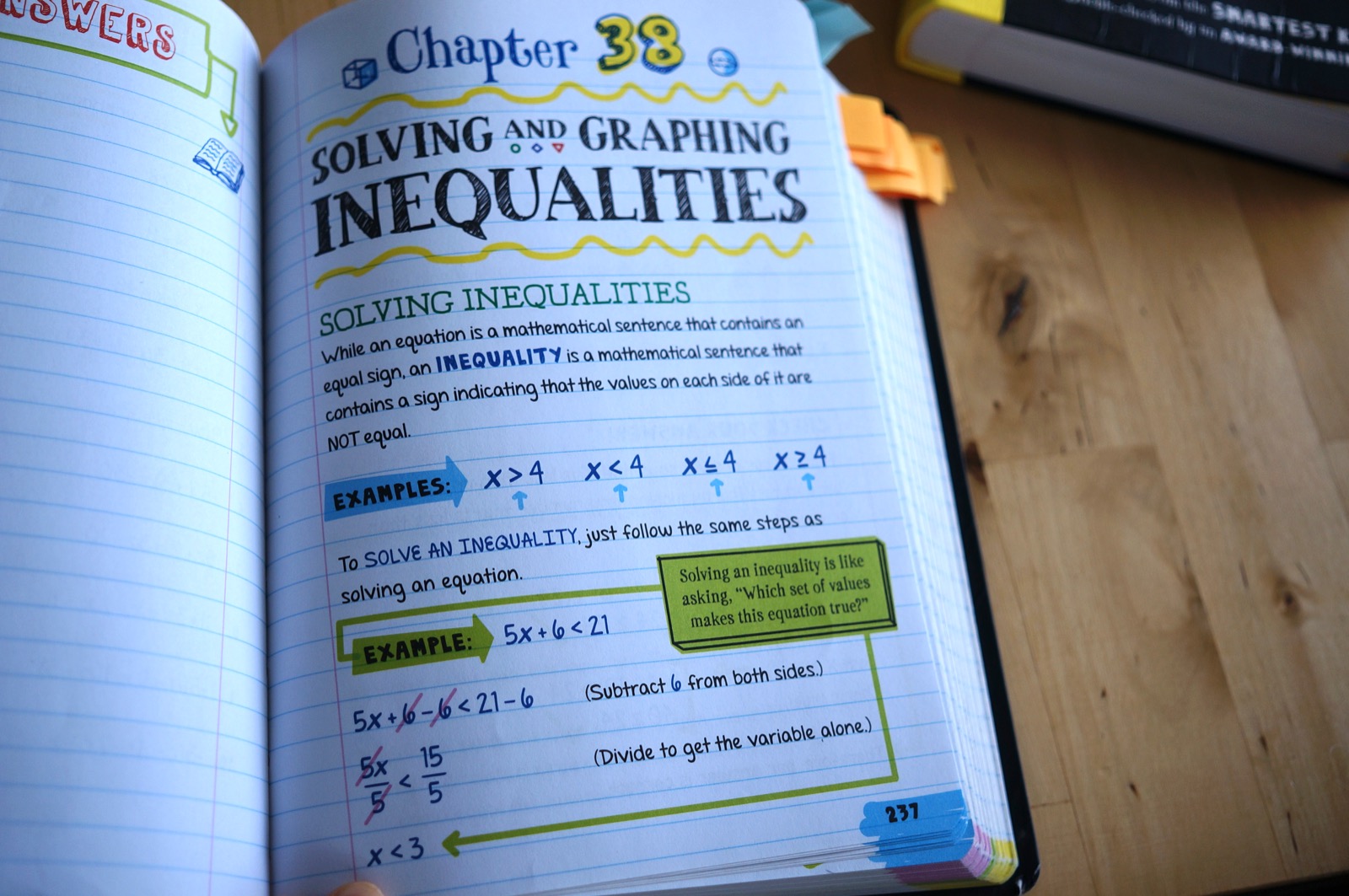
Later after he came home, he learned about solving inequalities and taught it to Dong Eun.
I love these pictures of Ethan using his chalkboard. He has the presence and awareness of a teacher already. I can see him doing this sooner than later. Maybe when is in high school he can be math and science tutor for other kids in junior high. He uses great visuals and home made videos for his instruction. It could be a very rewarding job for him!
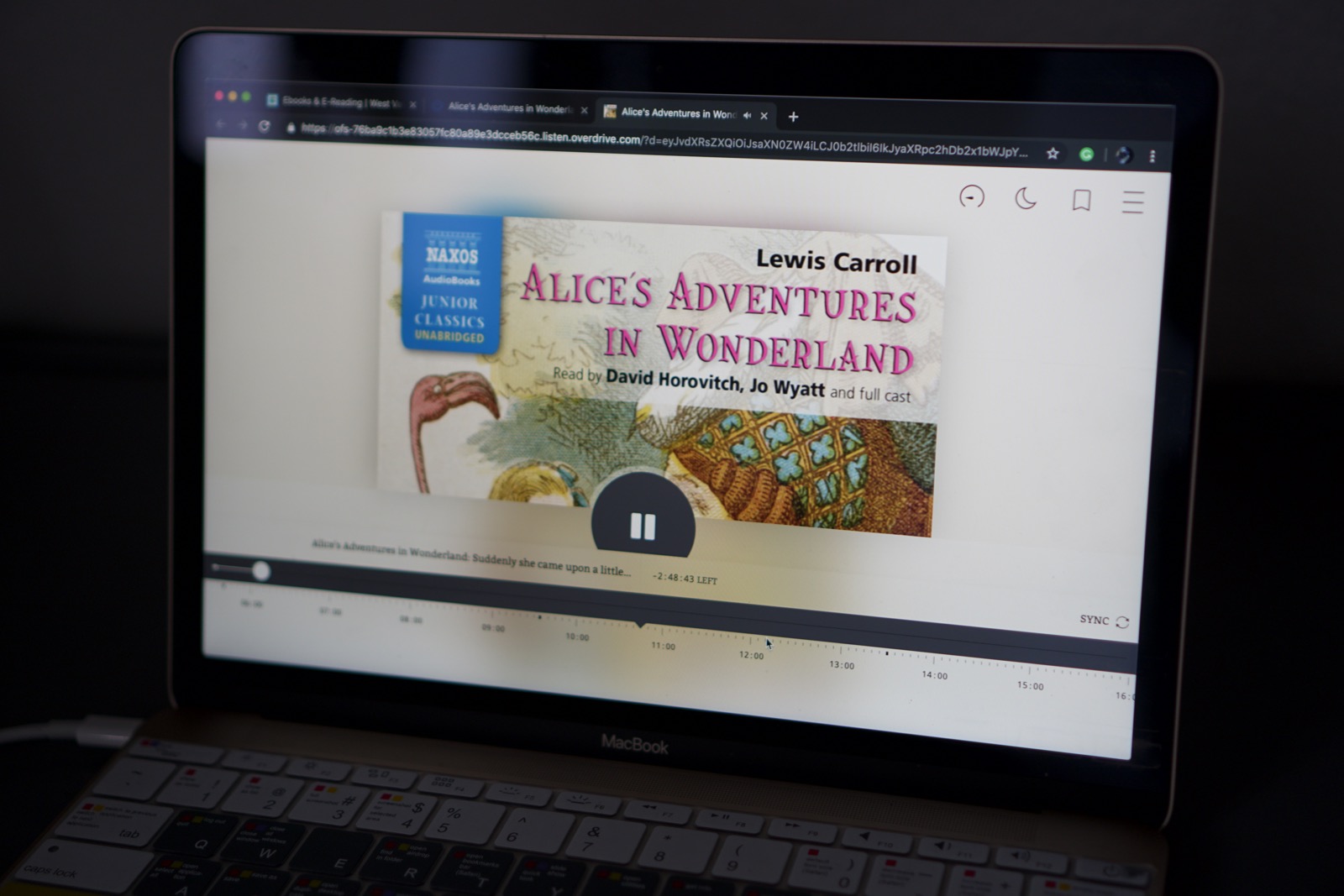
He found the audiobook for Alice’s Adventures in Wonderland and listened while following along in the book. The audiobook is really well done because they have different actors for all the characters and the narrator.
This is so great. I highly recommend listening to the novel aloud as the language is so rich. Plus having all the characters narrated must a dd a lot to the story! Does Ethan ever express interest in seeing film versions of the classic books he reads?


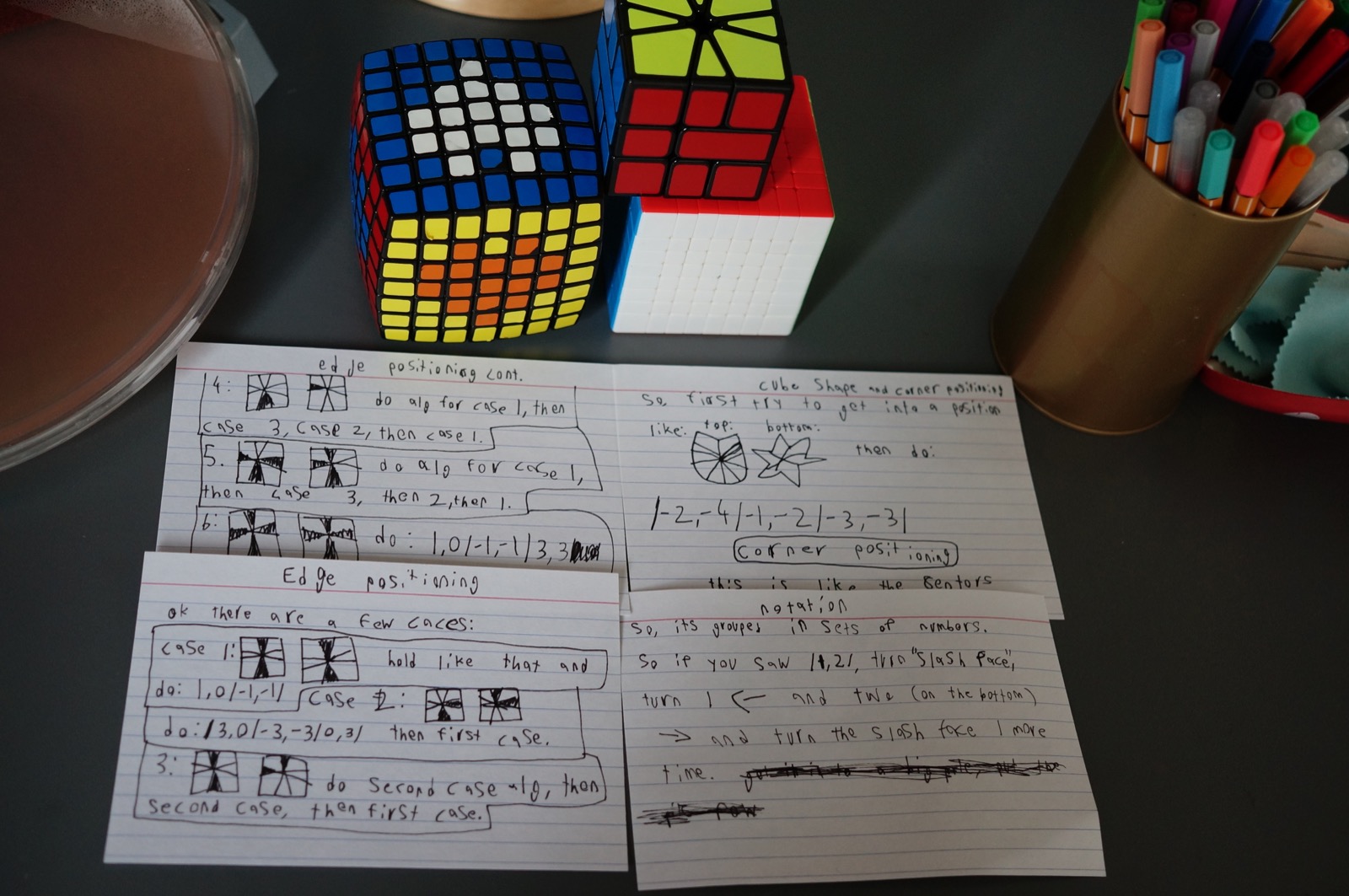
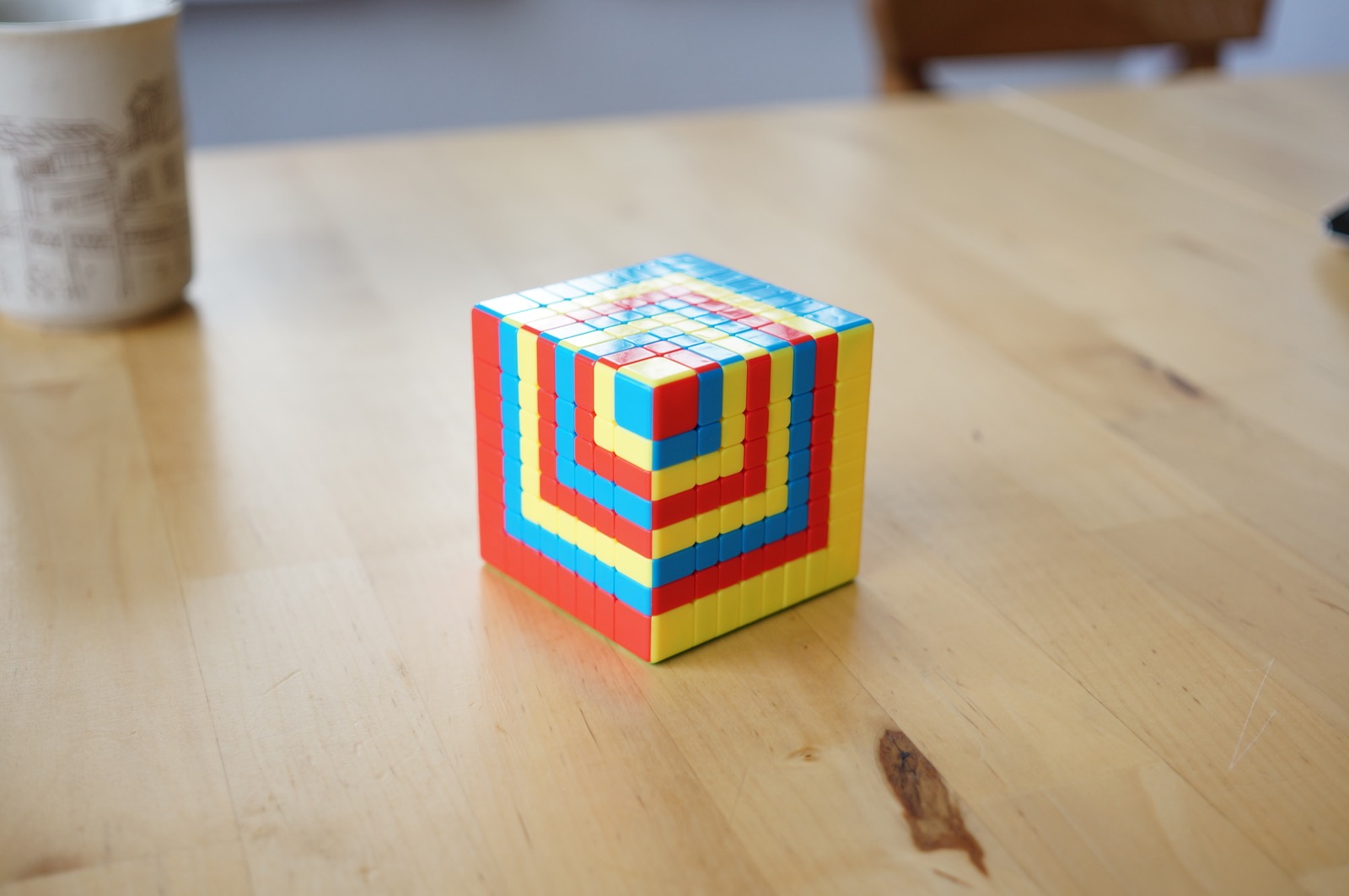
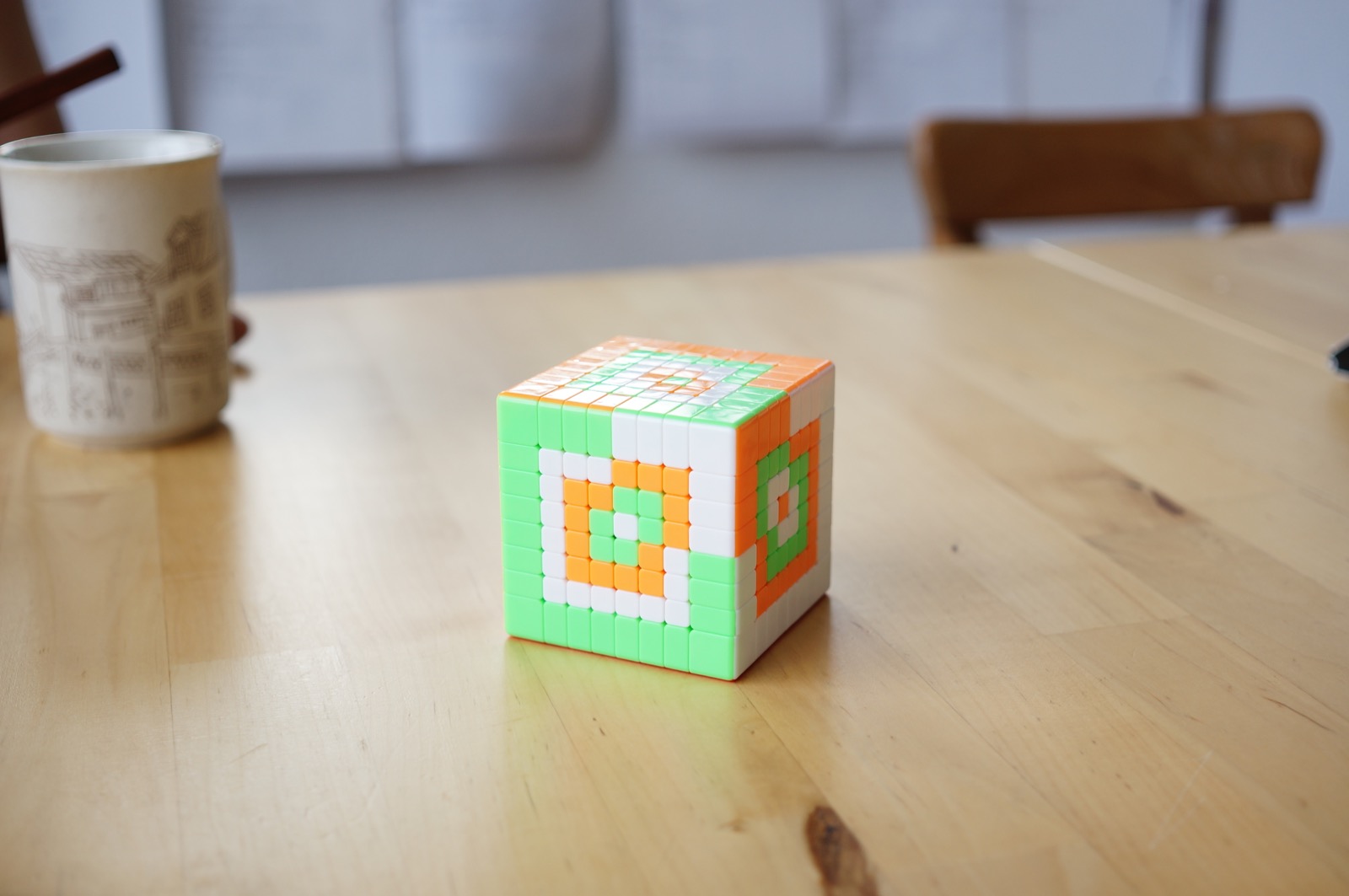
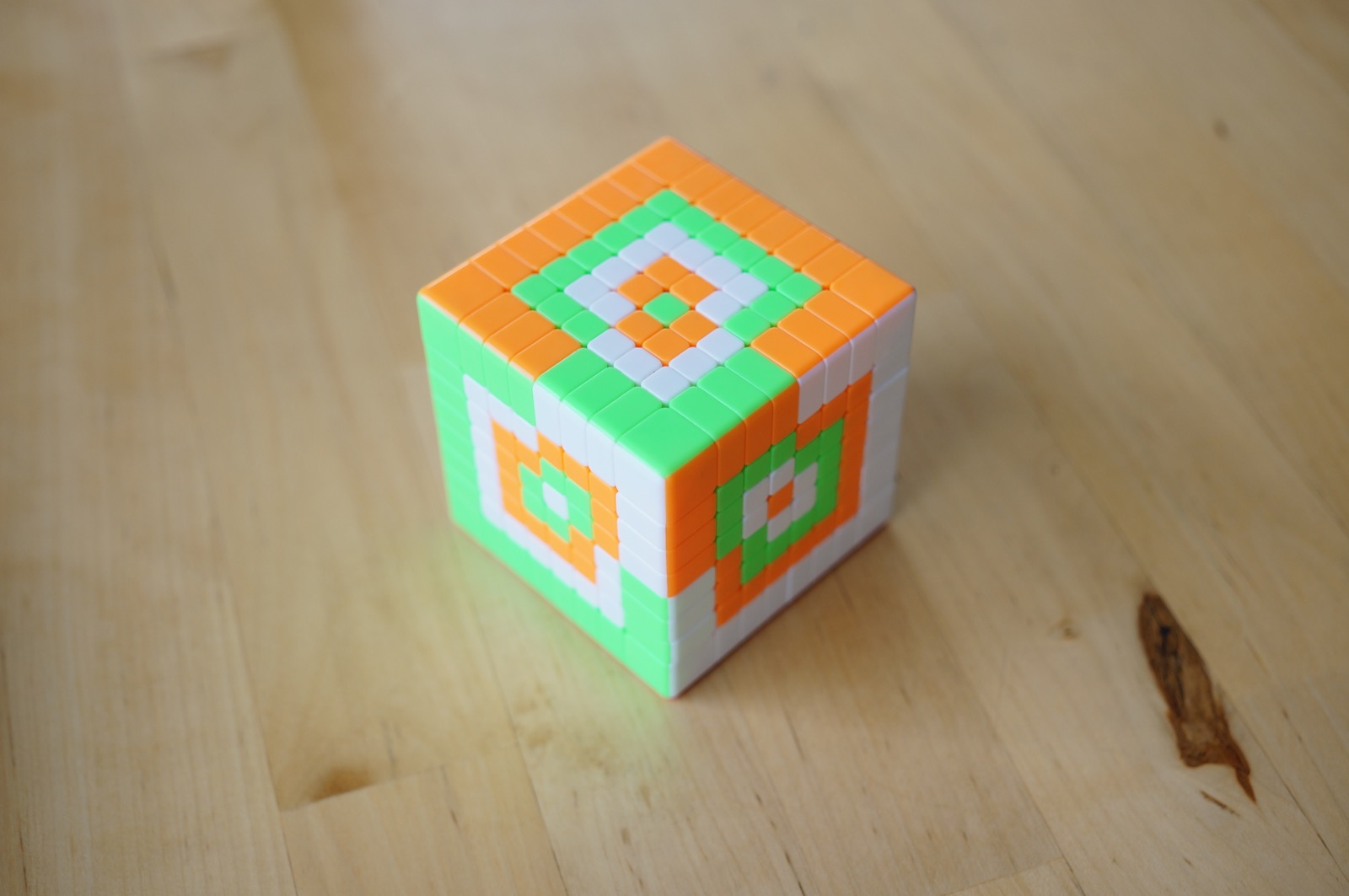
This pattern is lovely!! I think I would like to see tiles like these. It got me thinking about design and art inspired by rubic’s cubes:

This one is a table, a usb, a purse, a bathroom interior


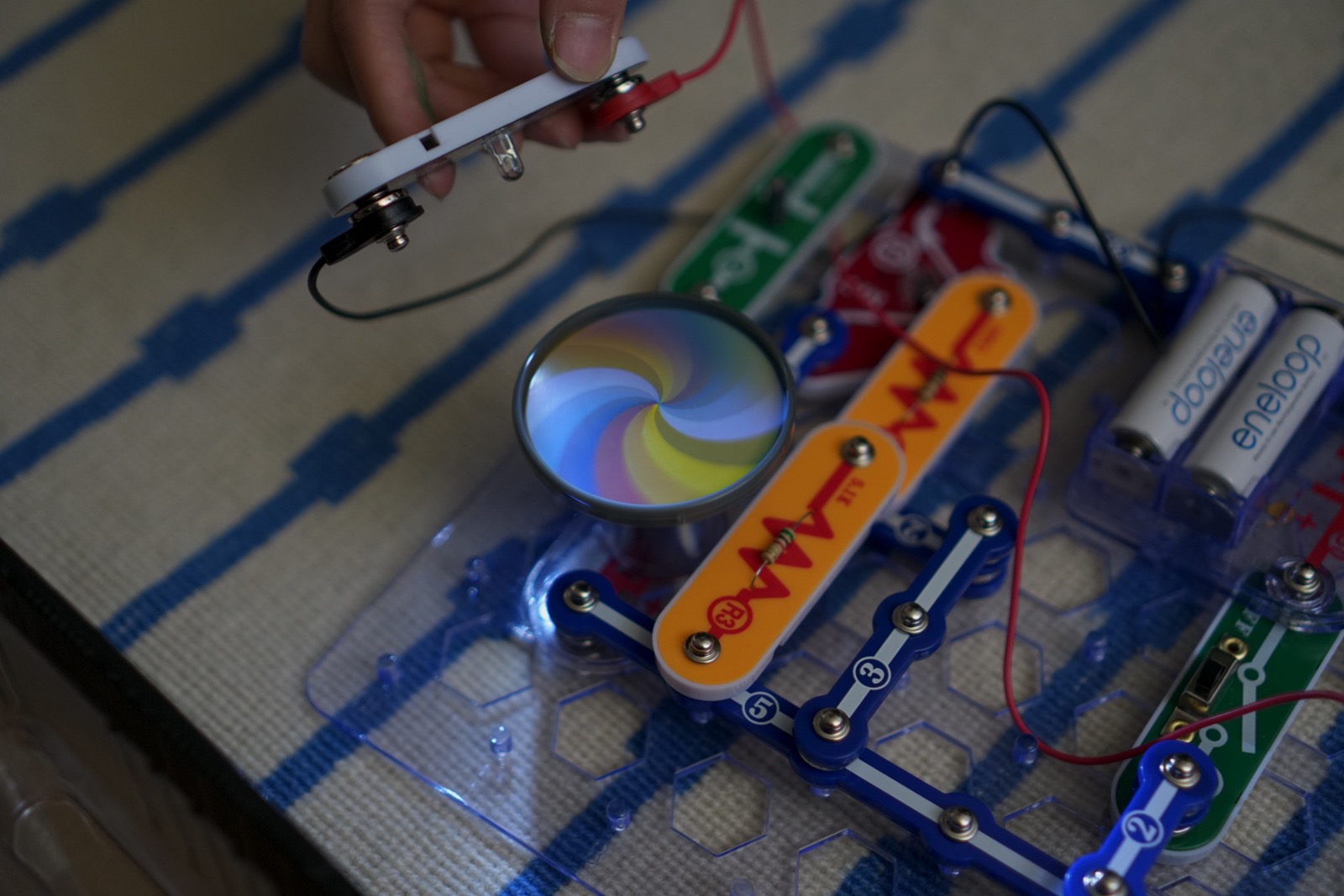
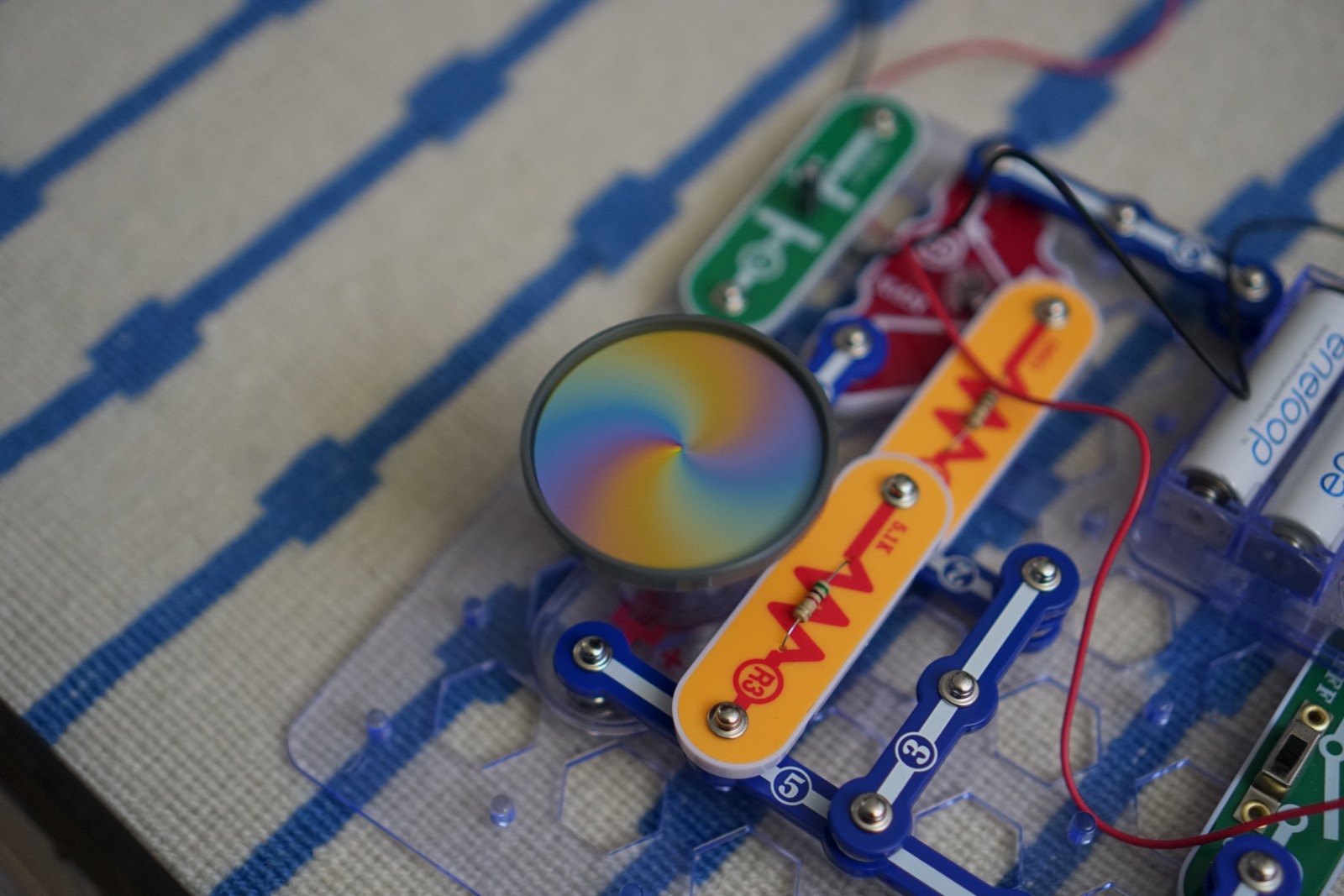
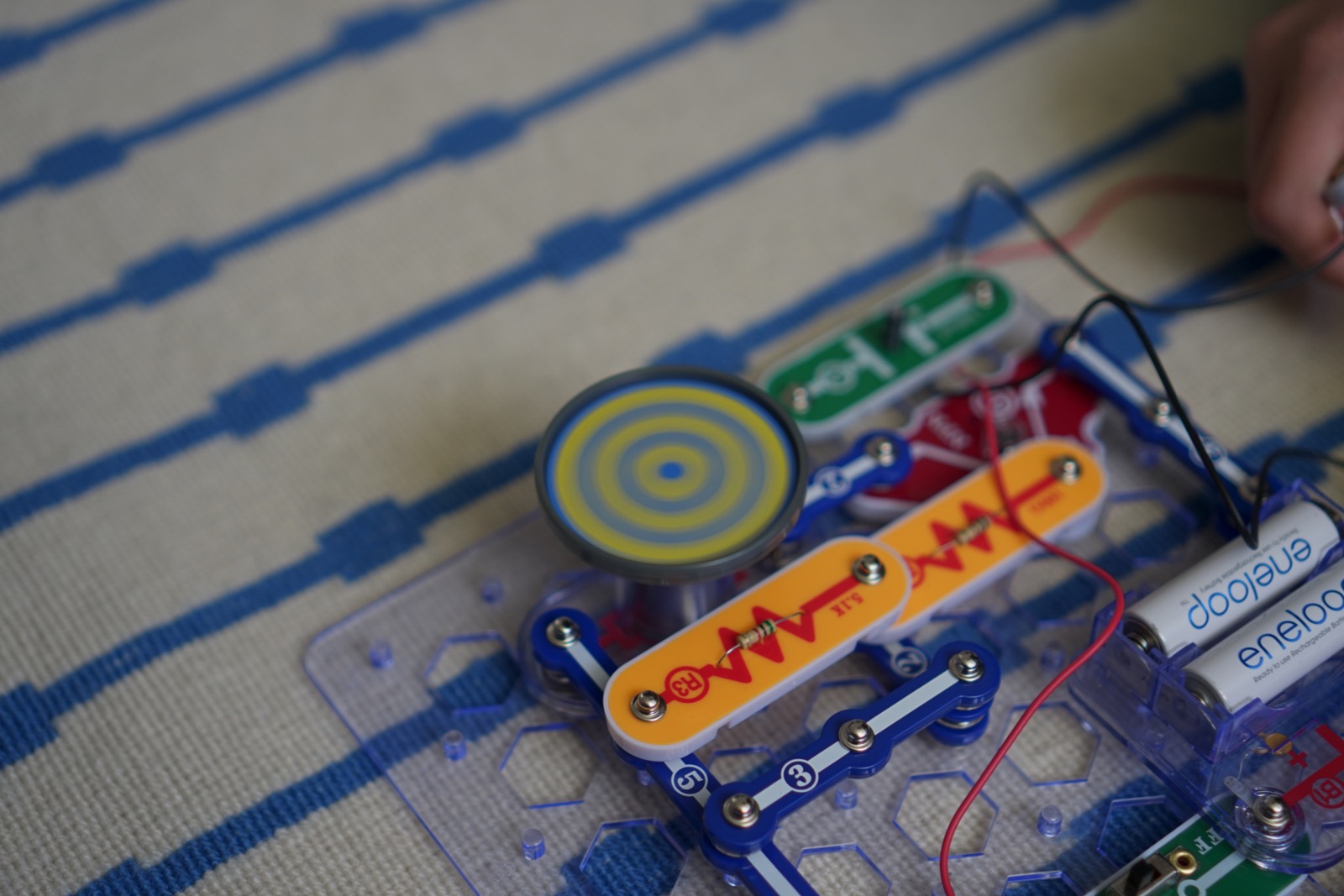
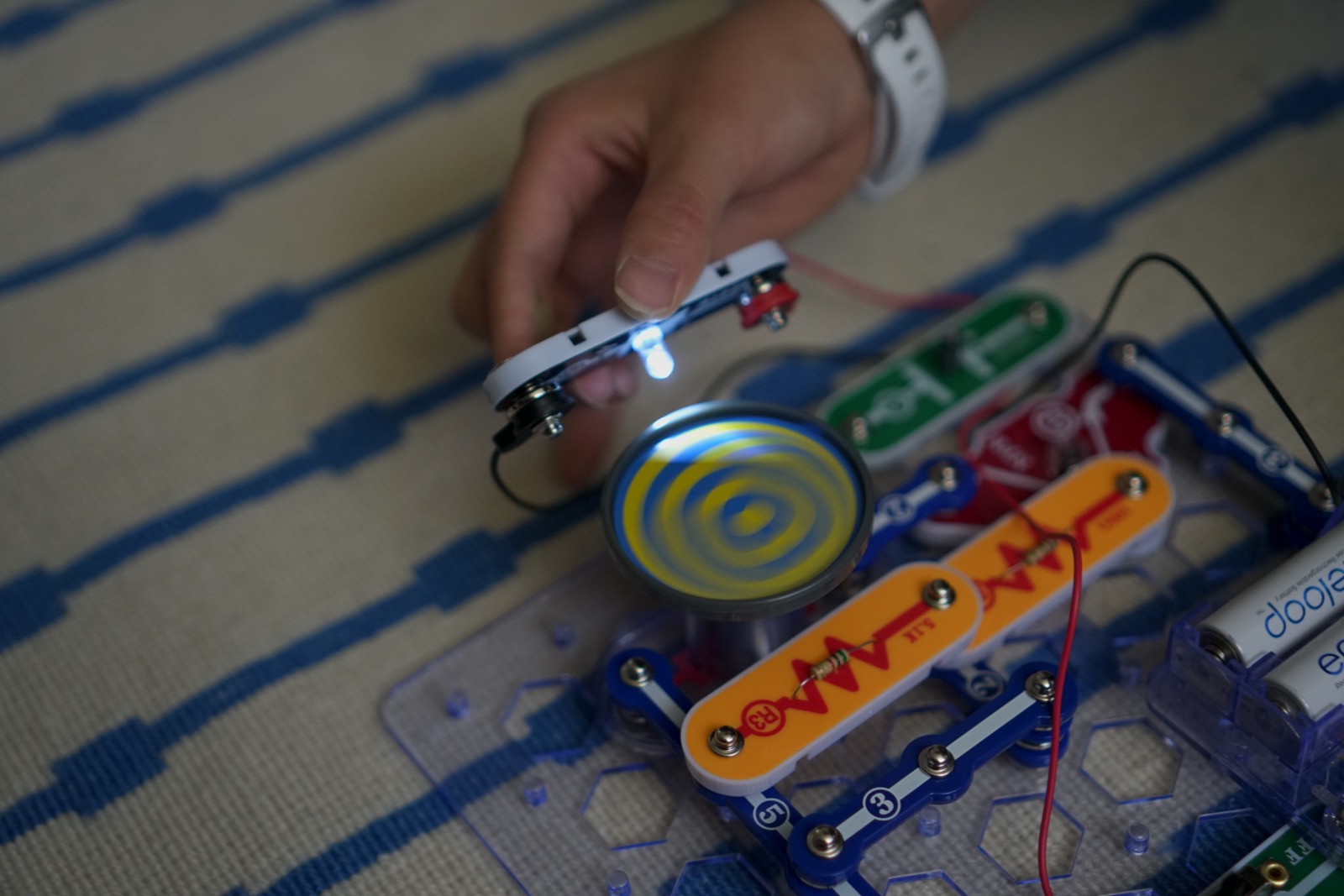
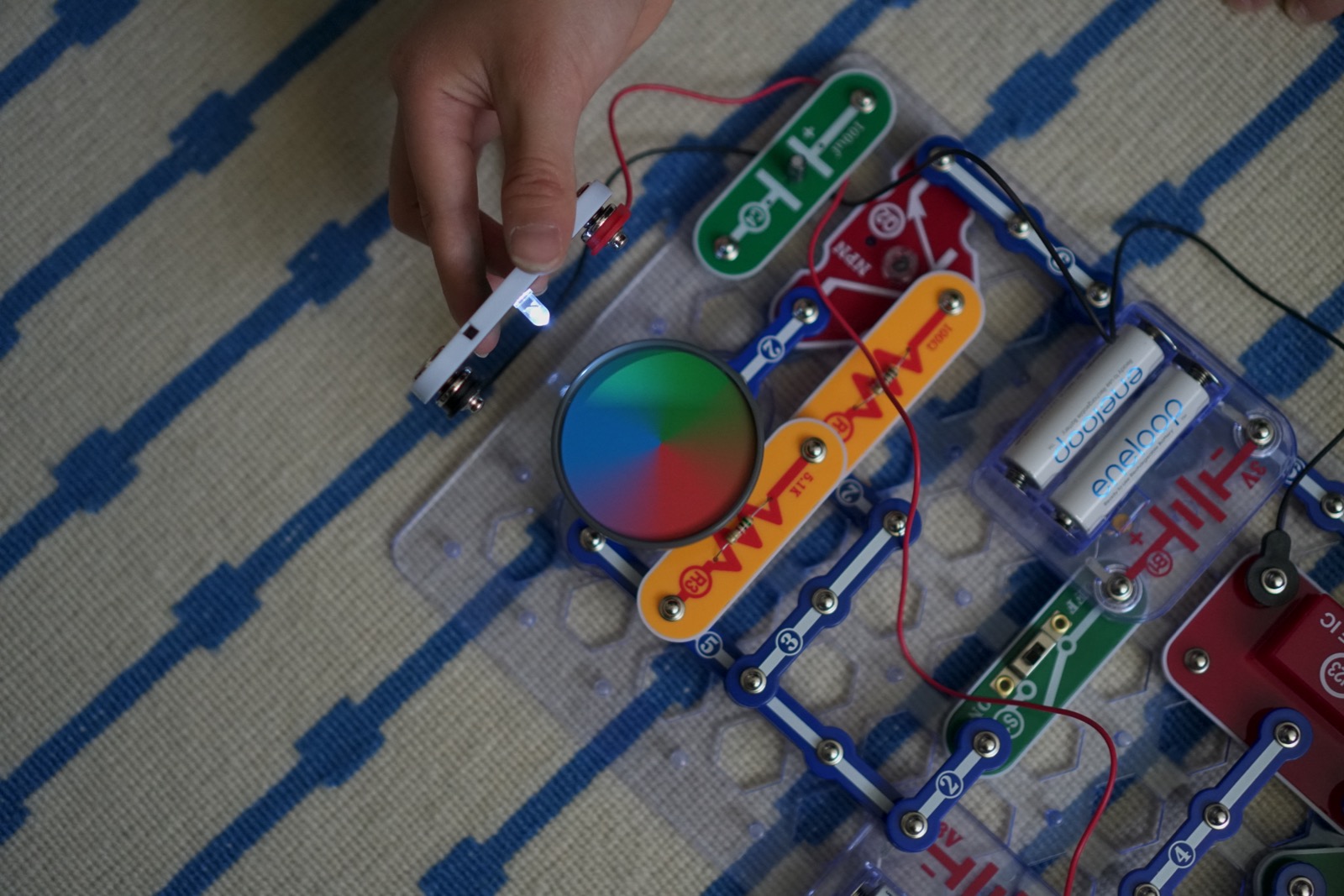
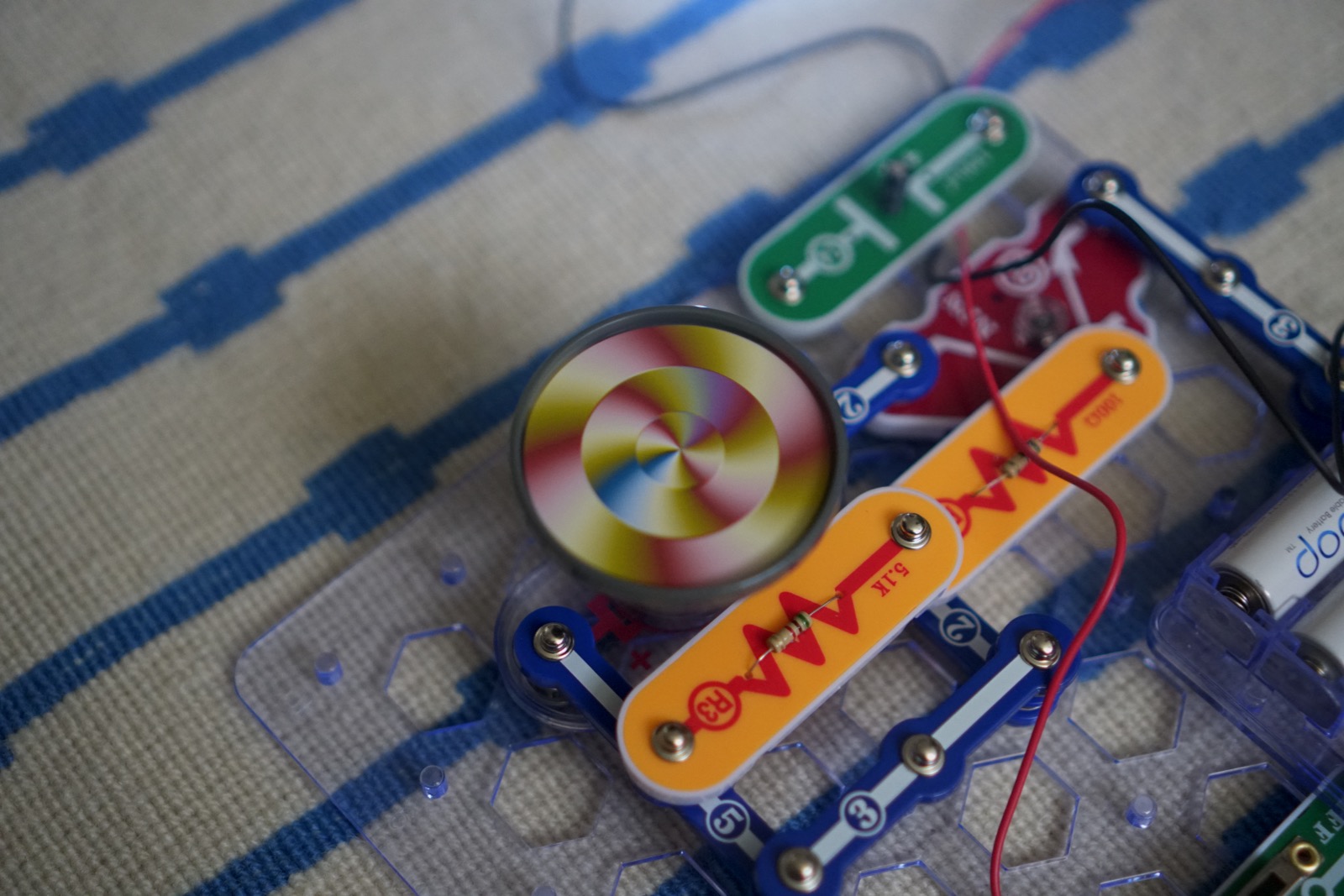
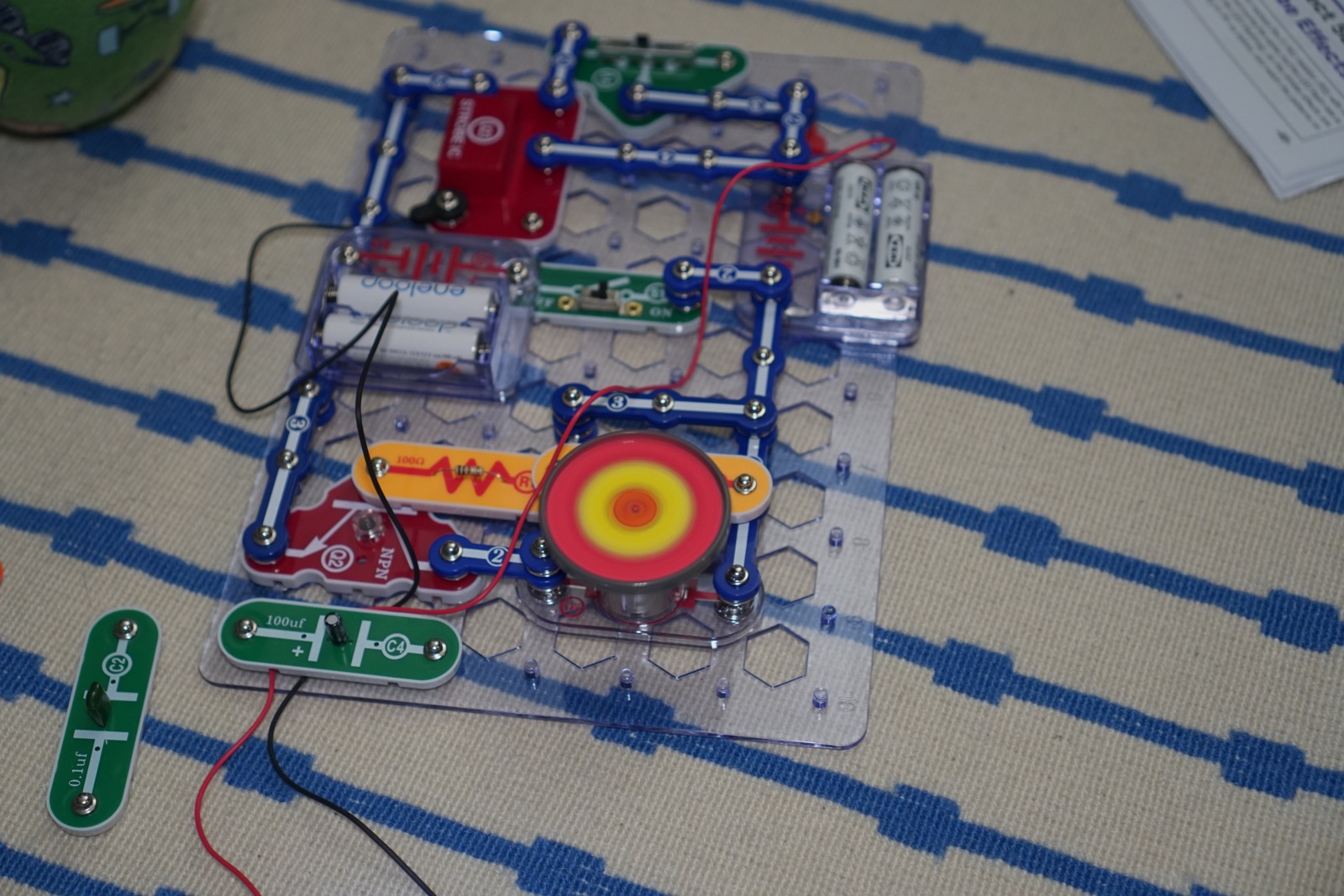
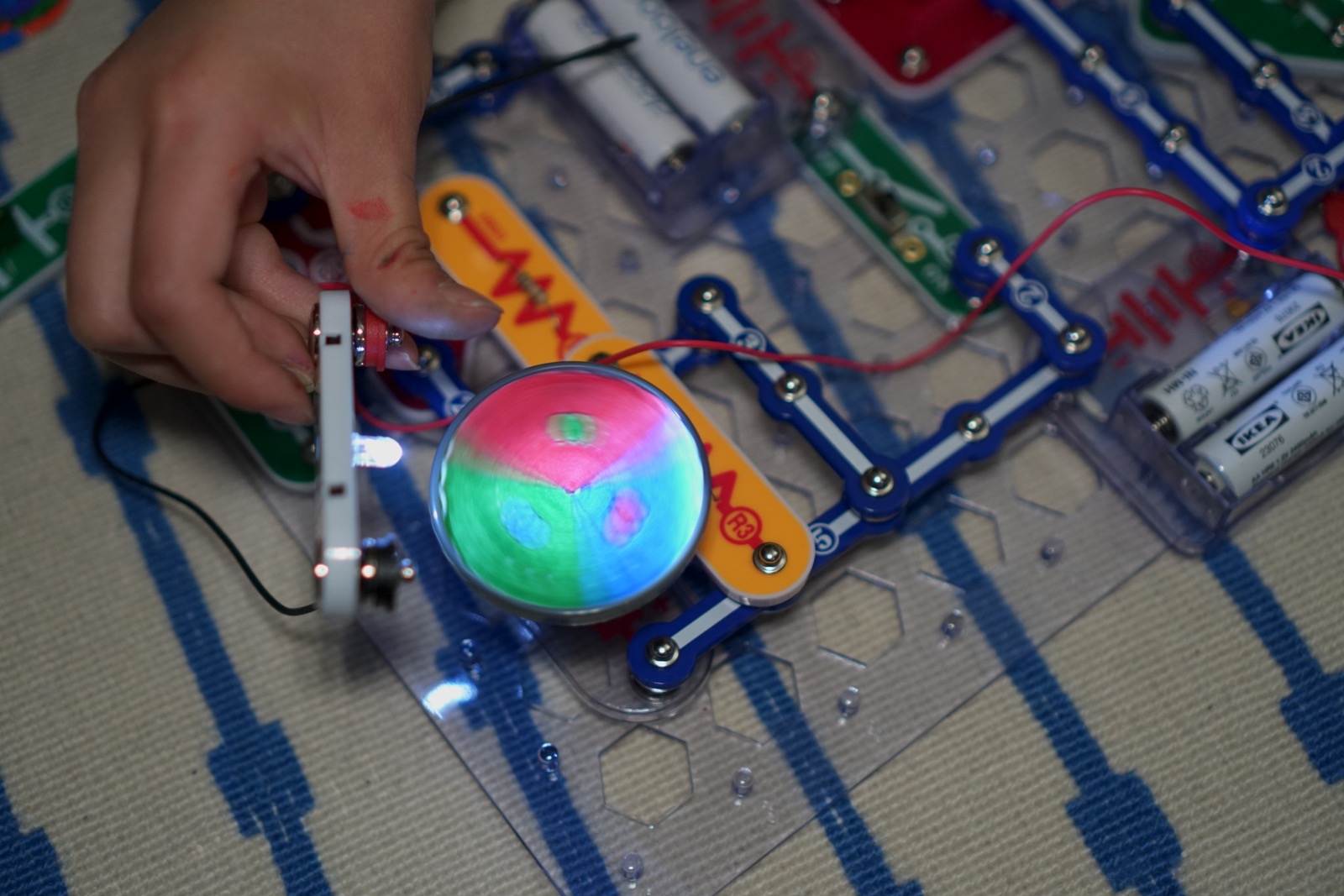
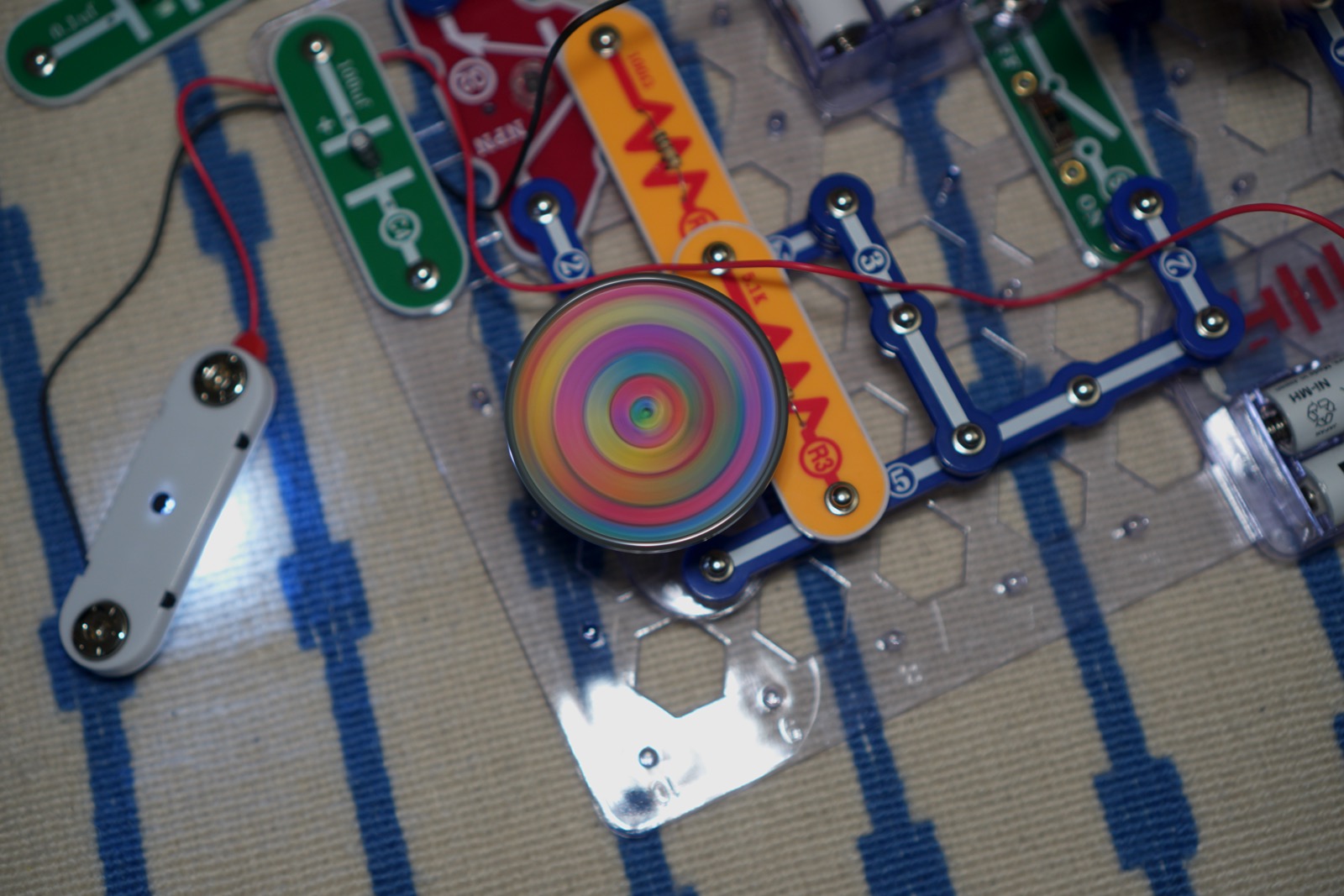
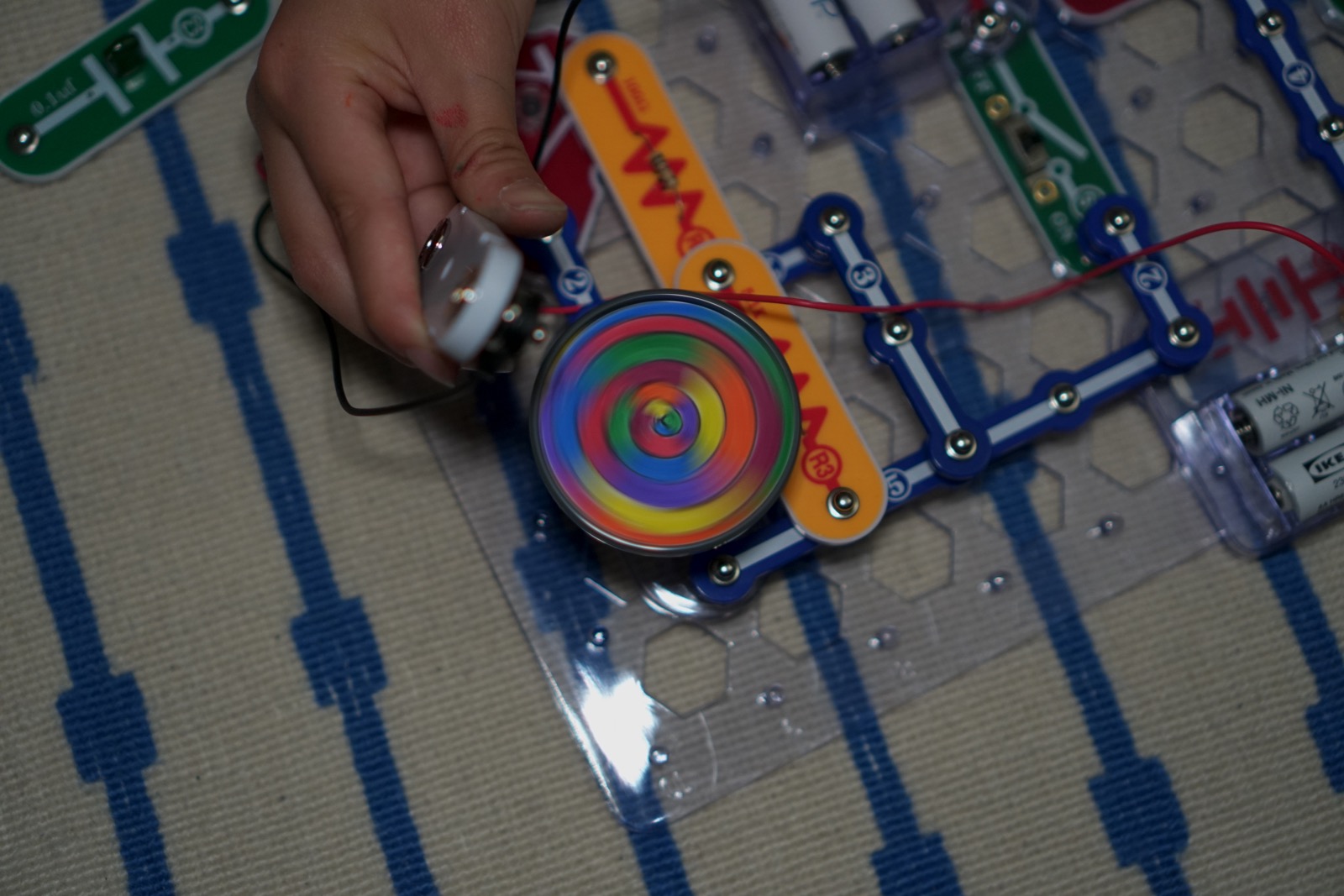
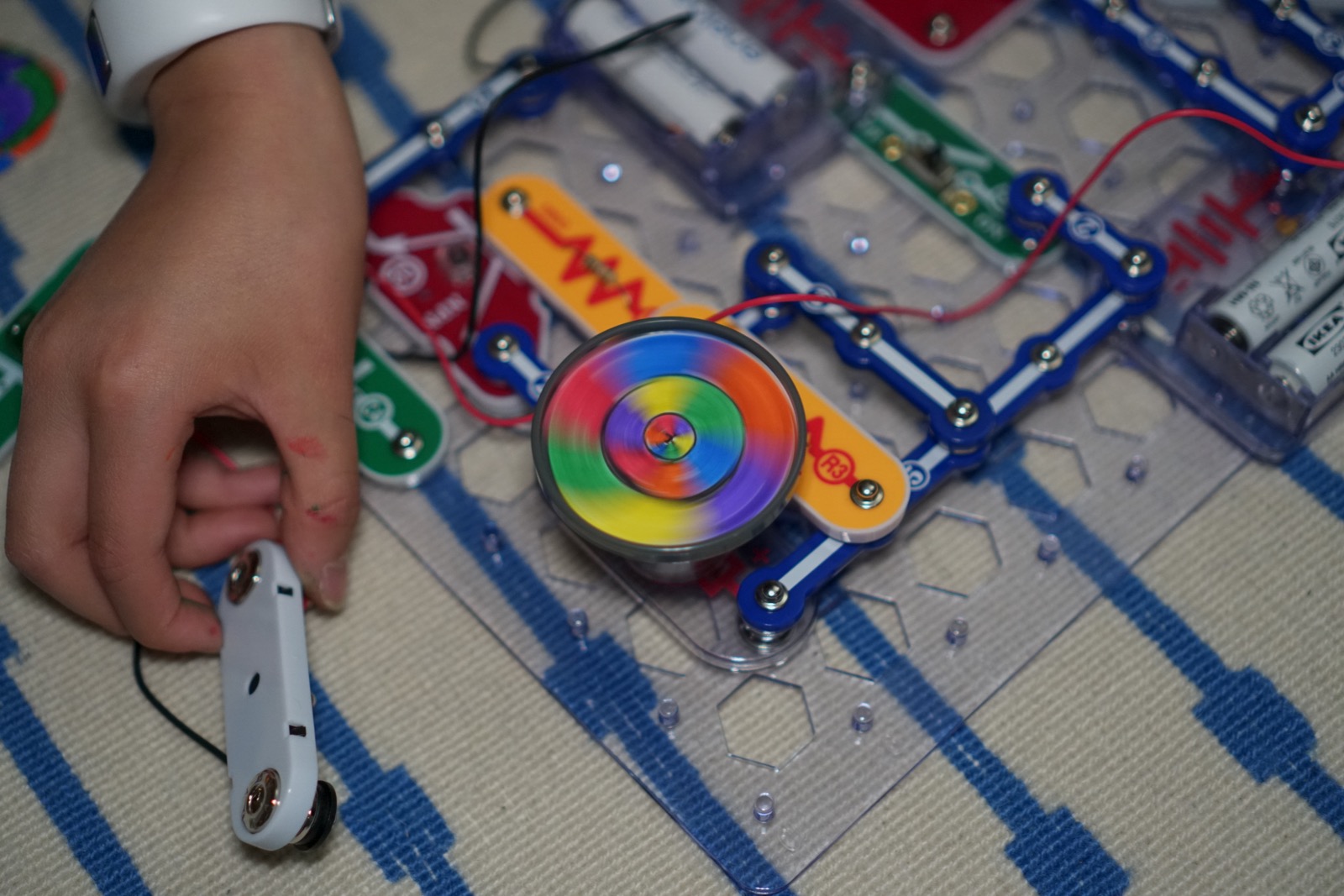
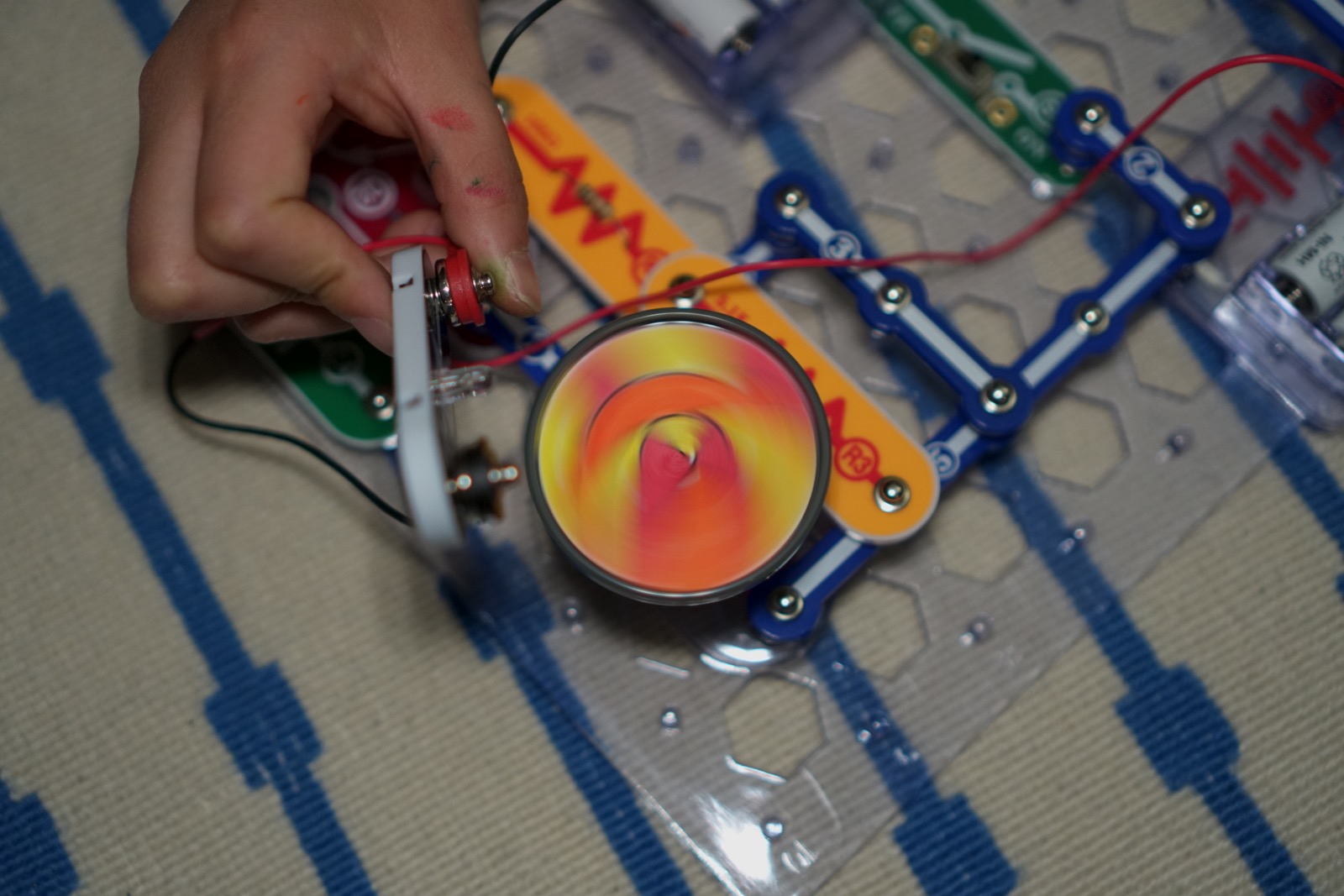
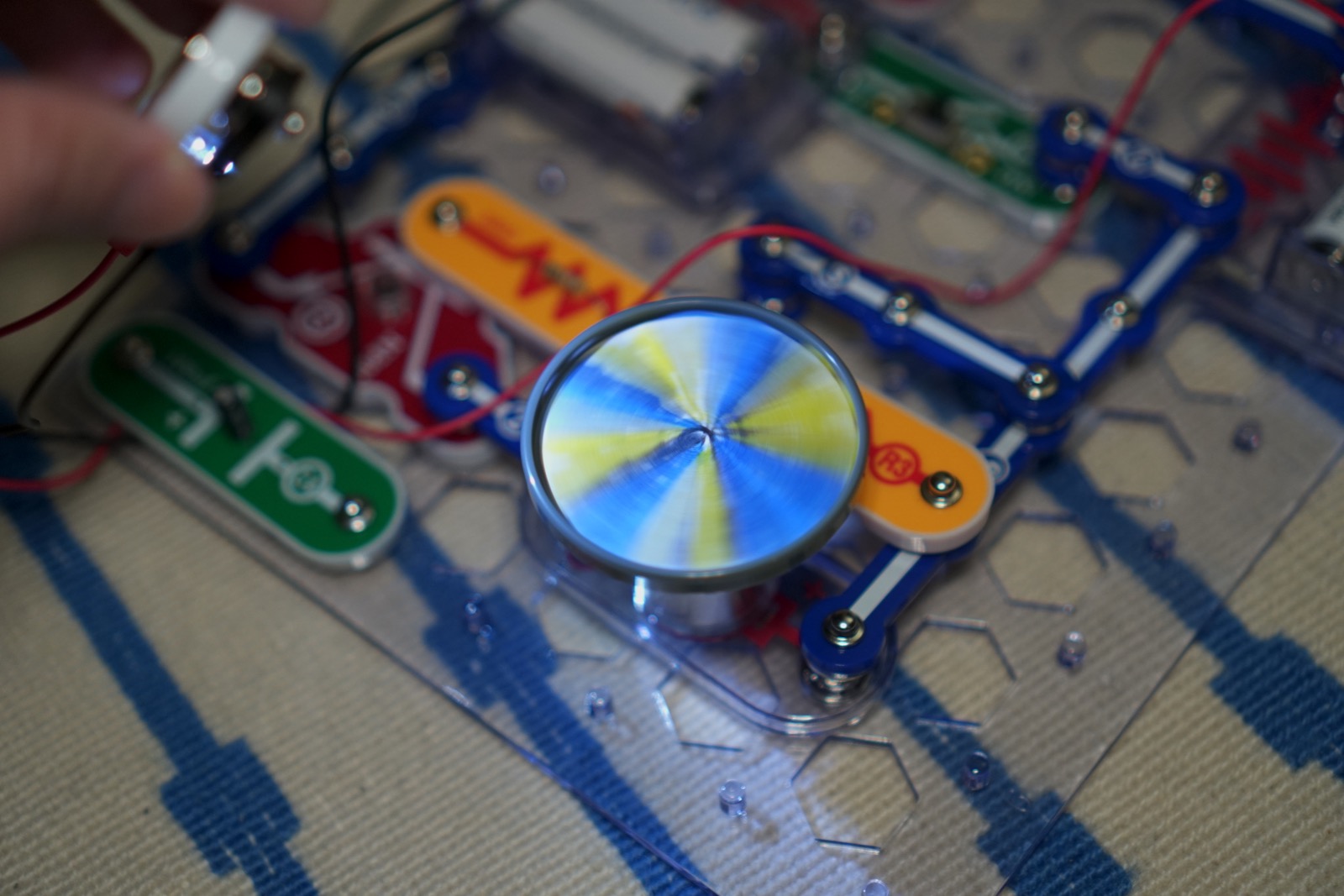
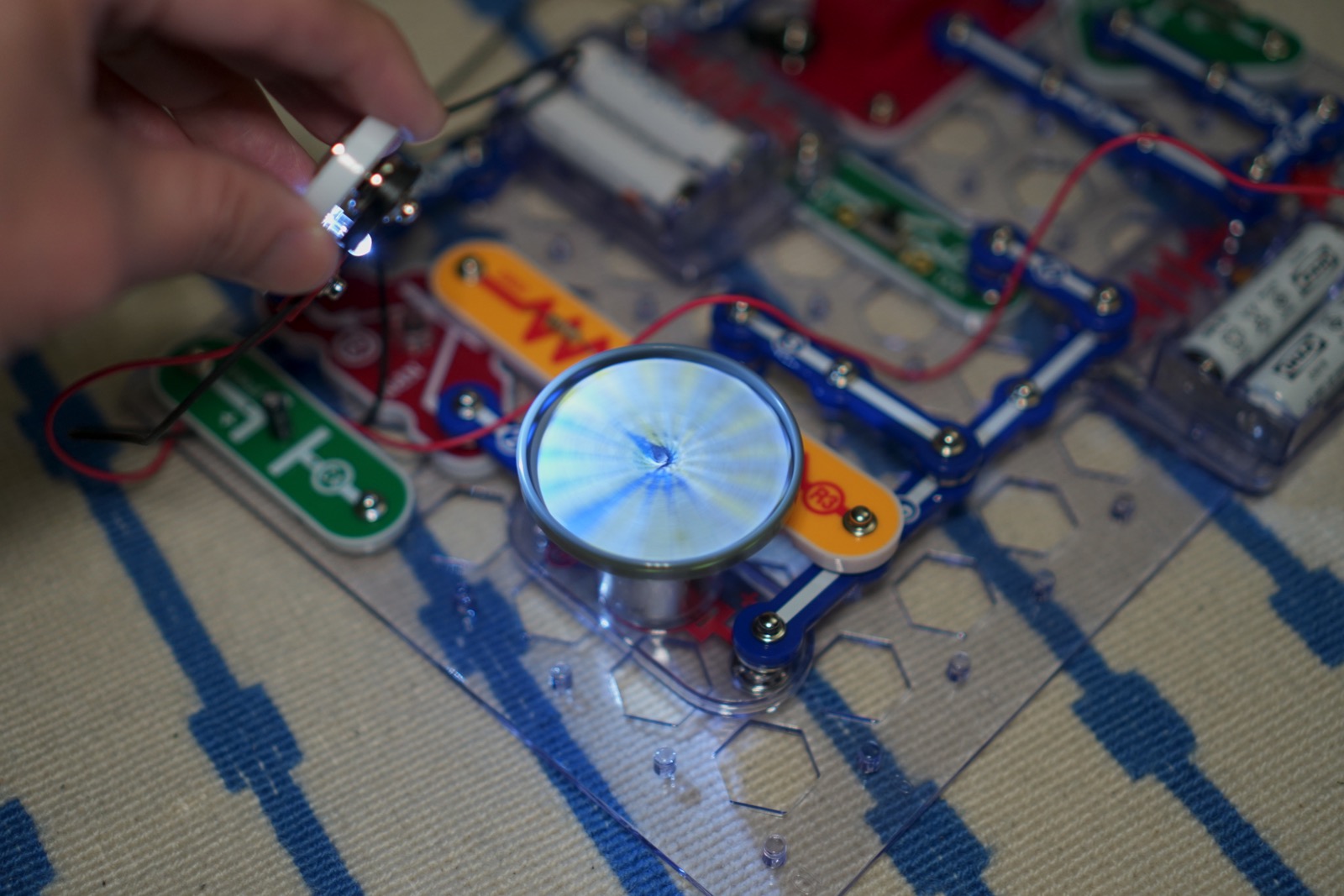
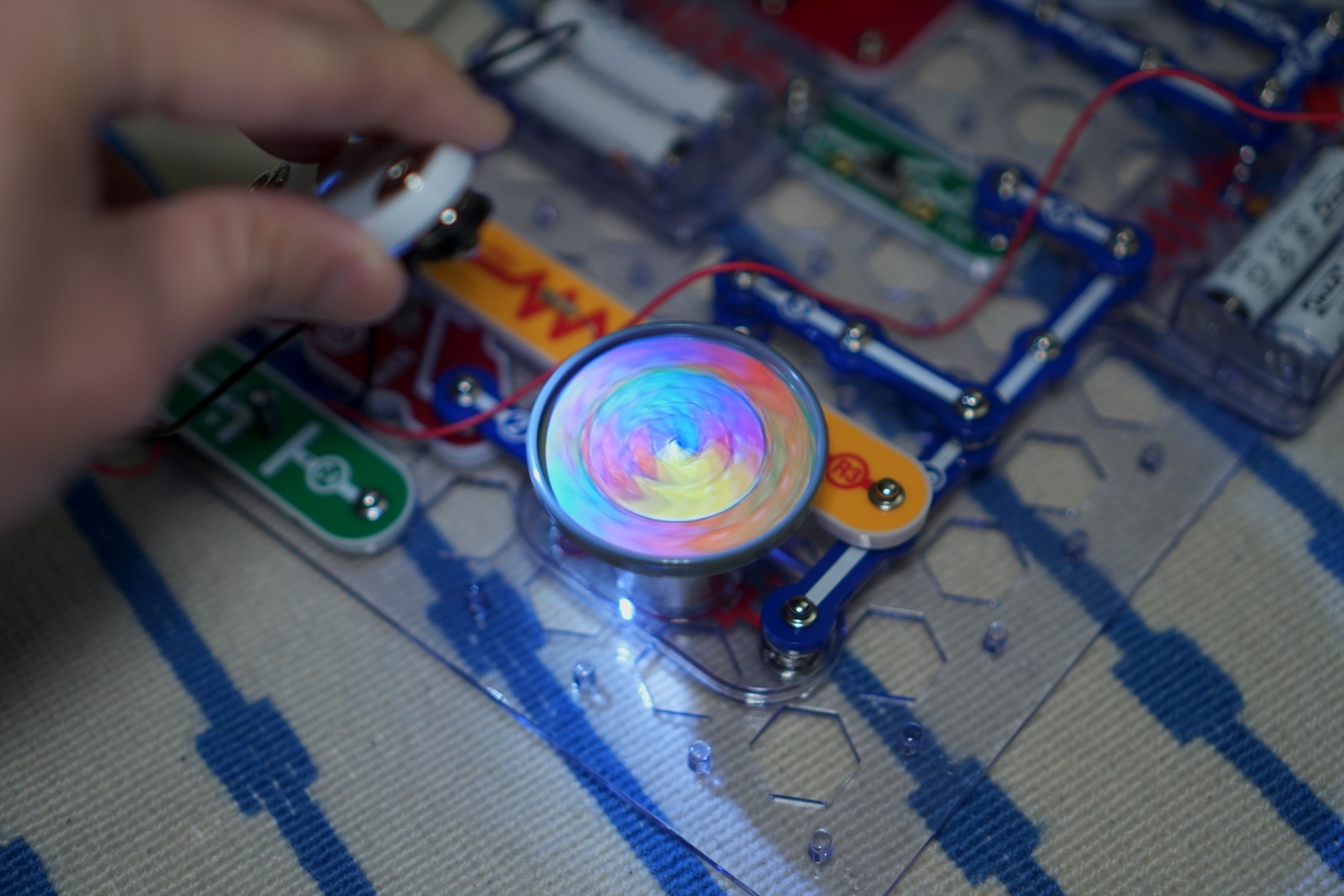
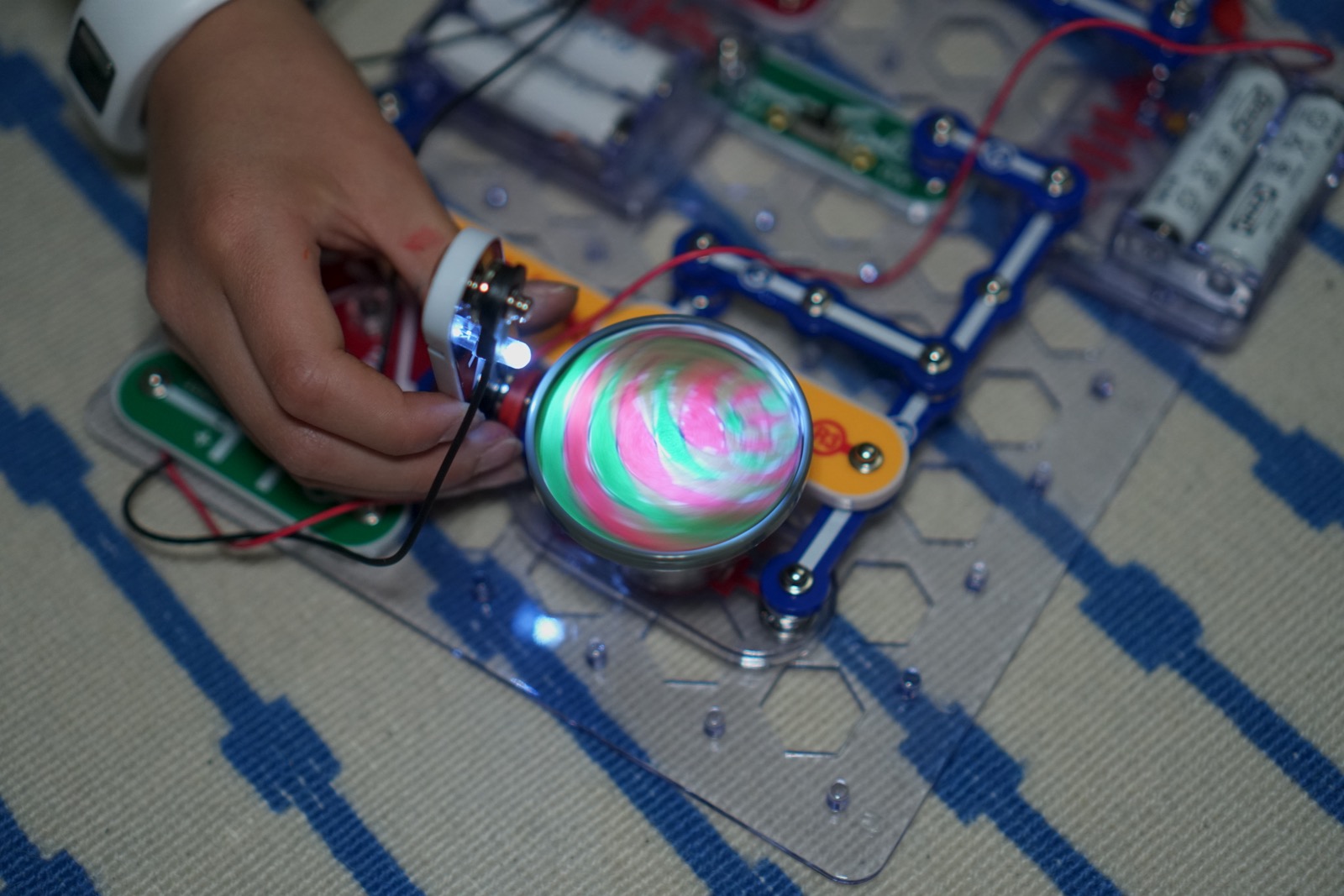
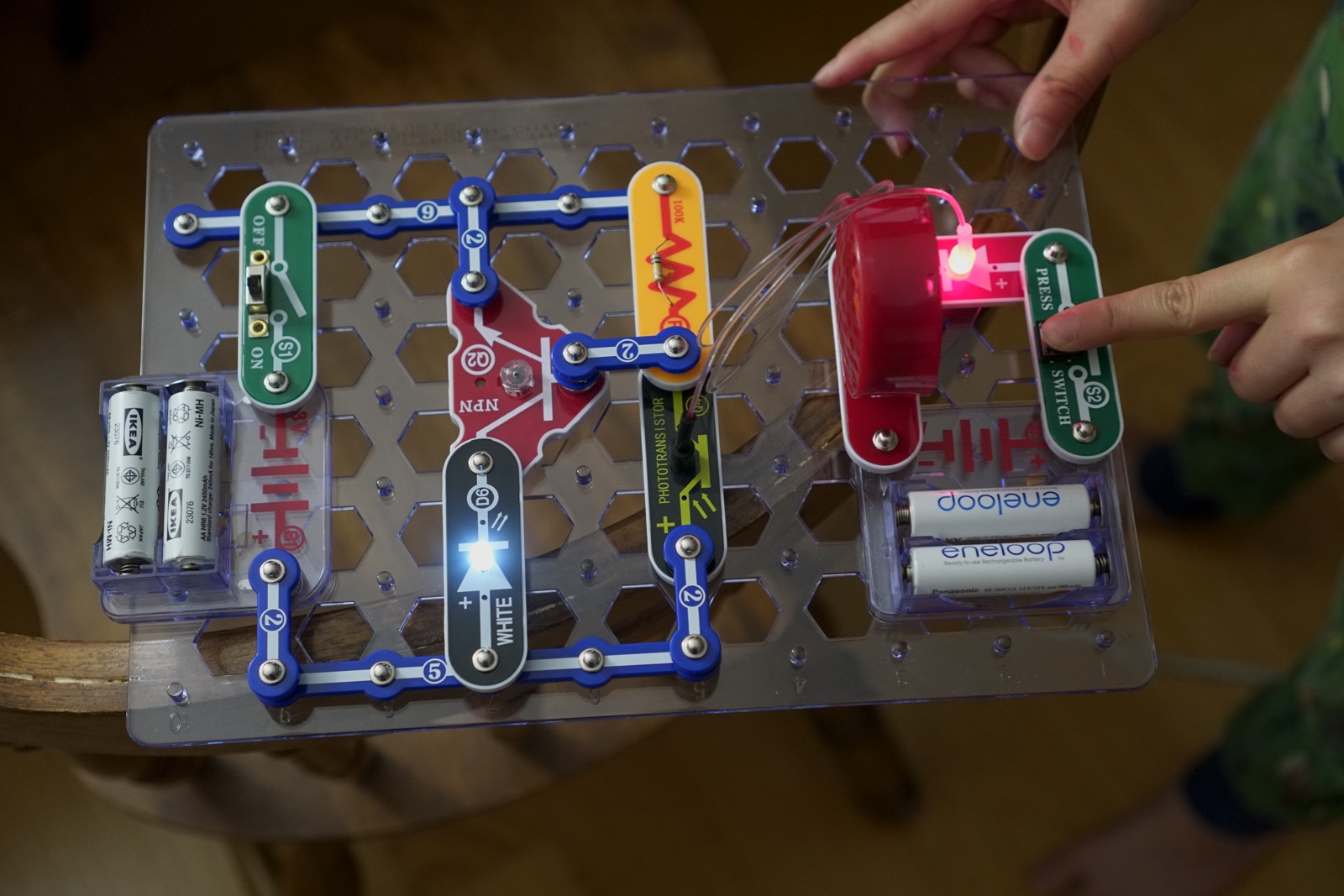
He did quite a lot of experimenting with his Snap Circuits set today, especially this one with spinning coloured discs and an LED light.
He could change the rate at which the LED would pulse. This would cause the pattern in the disk to look different.
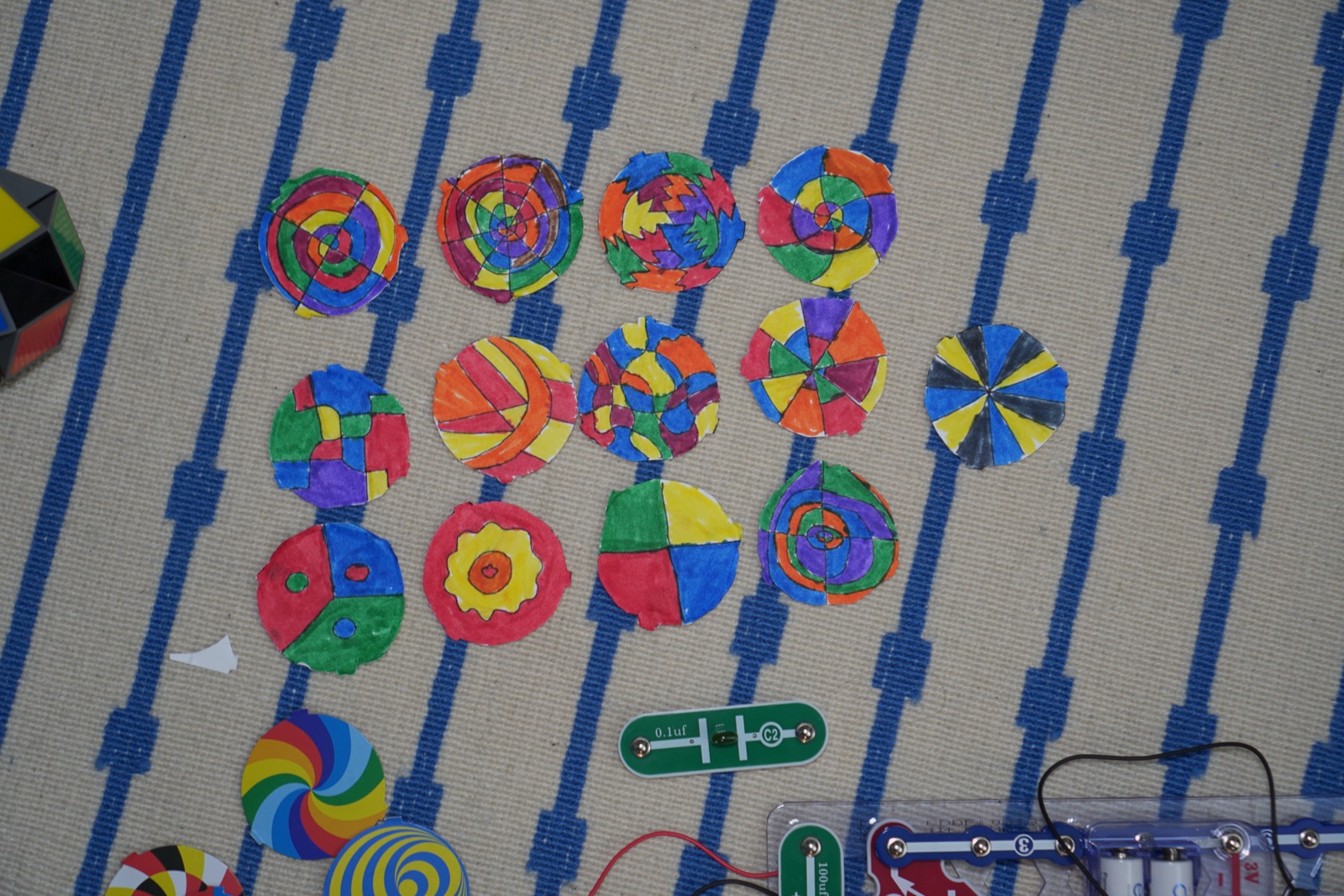
He then made his own discs to try out. In total, he made 13 of them.
What did he learn from making the disks? What patterns or colors worked best?
Great photos of his creations!
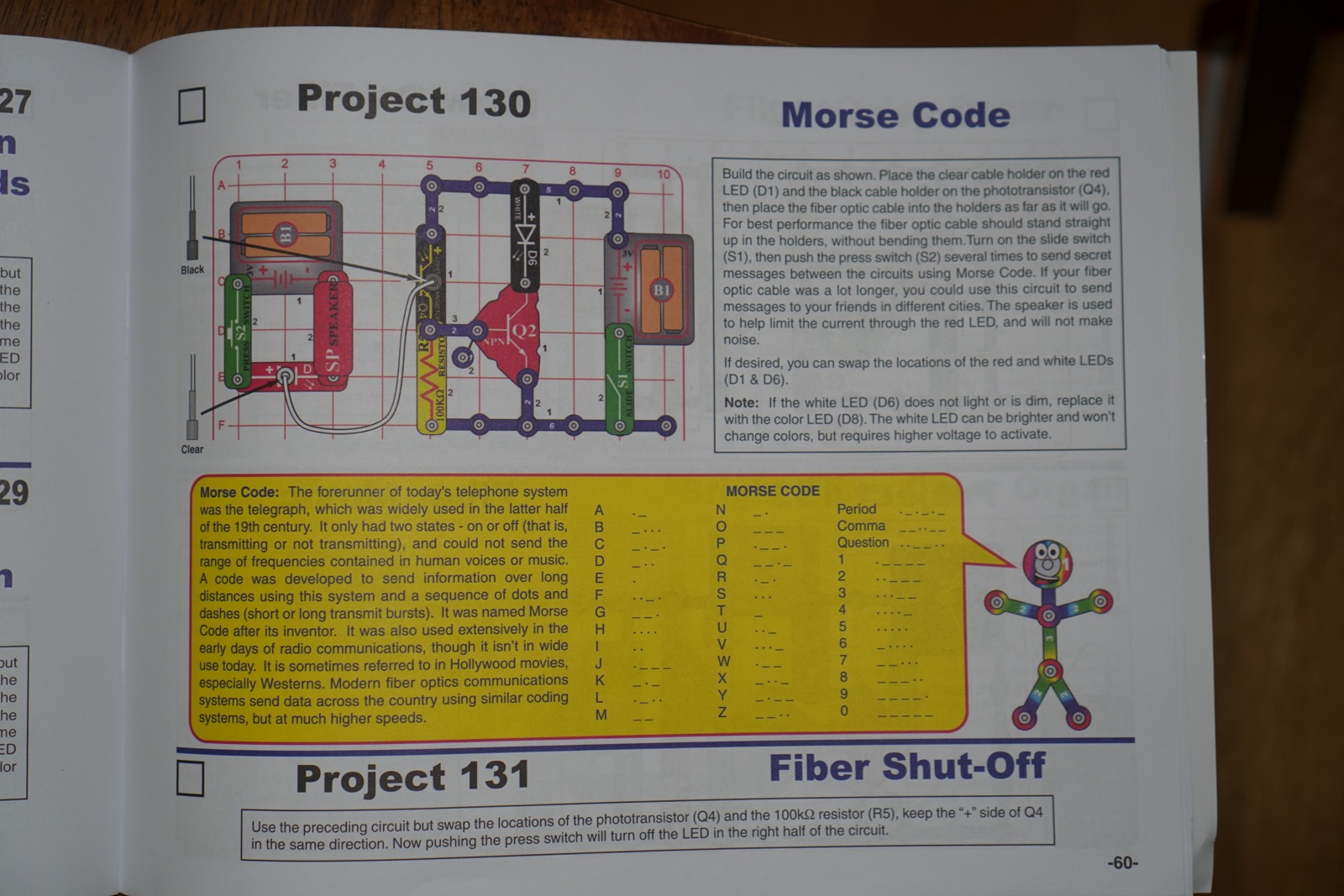
The Snap Circuits manual had the morse code so we could try it out.
I love that you tried out Morse code based on a snap circuit set, incredible!
Is Ethan interested in making other secret codes? If so I can look into some activities or resources for this. Maybe a place to start and see what his interest is:
https://exploratorium.edu/ronh/secret/secret.html
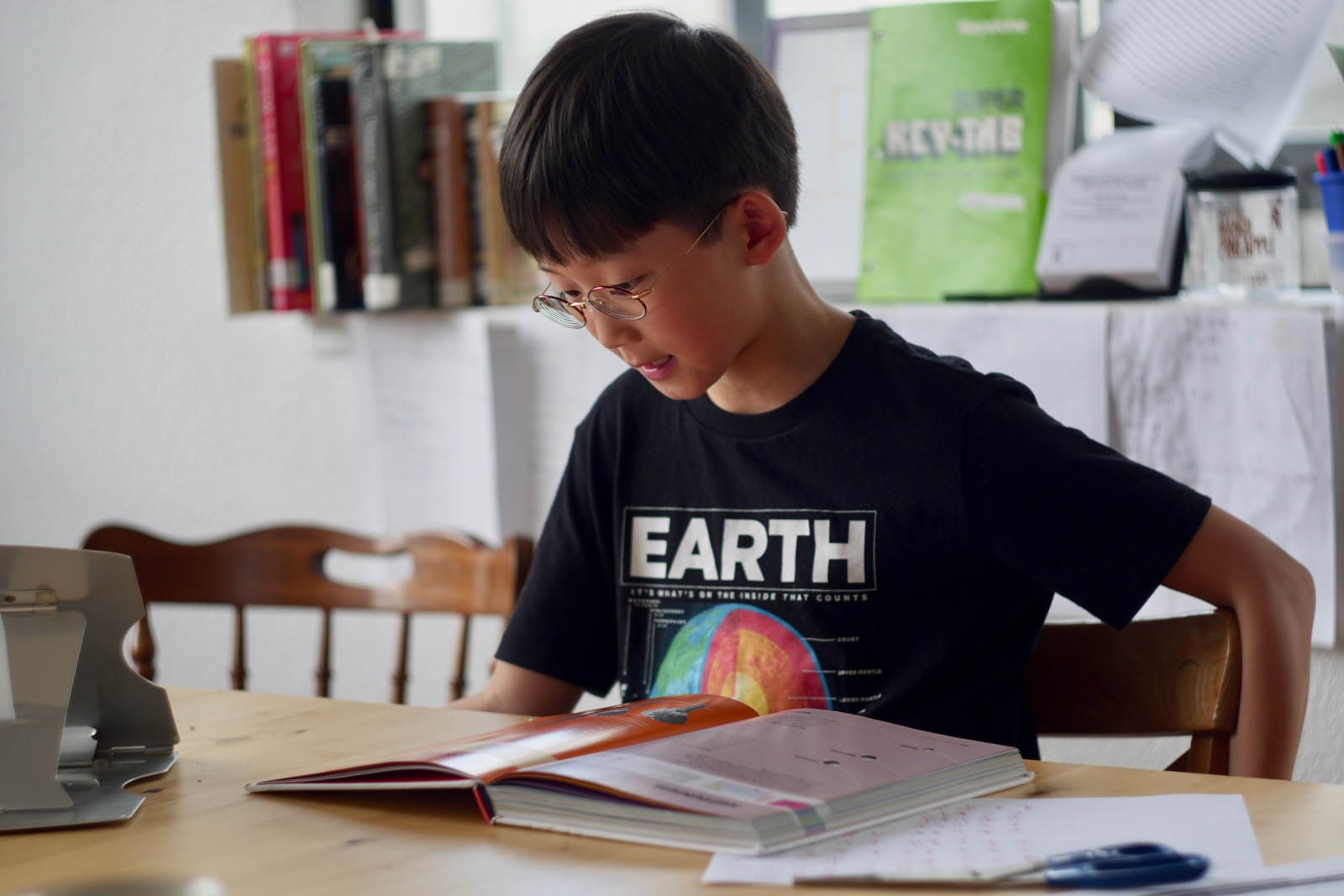
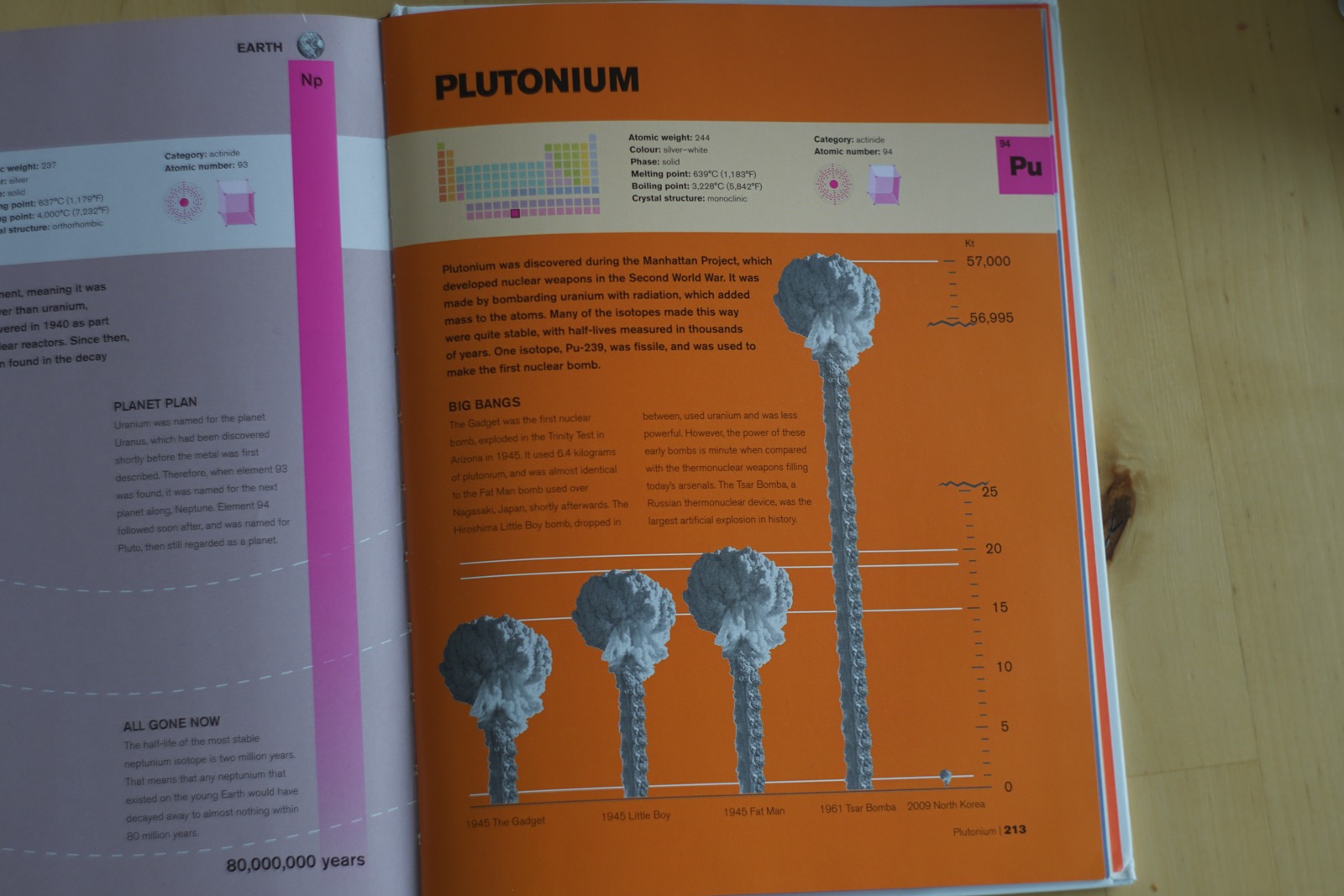
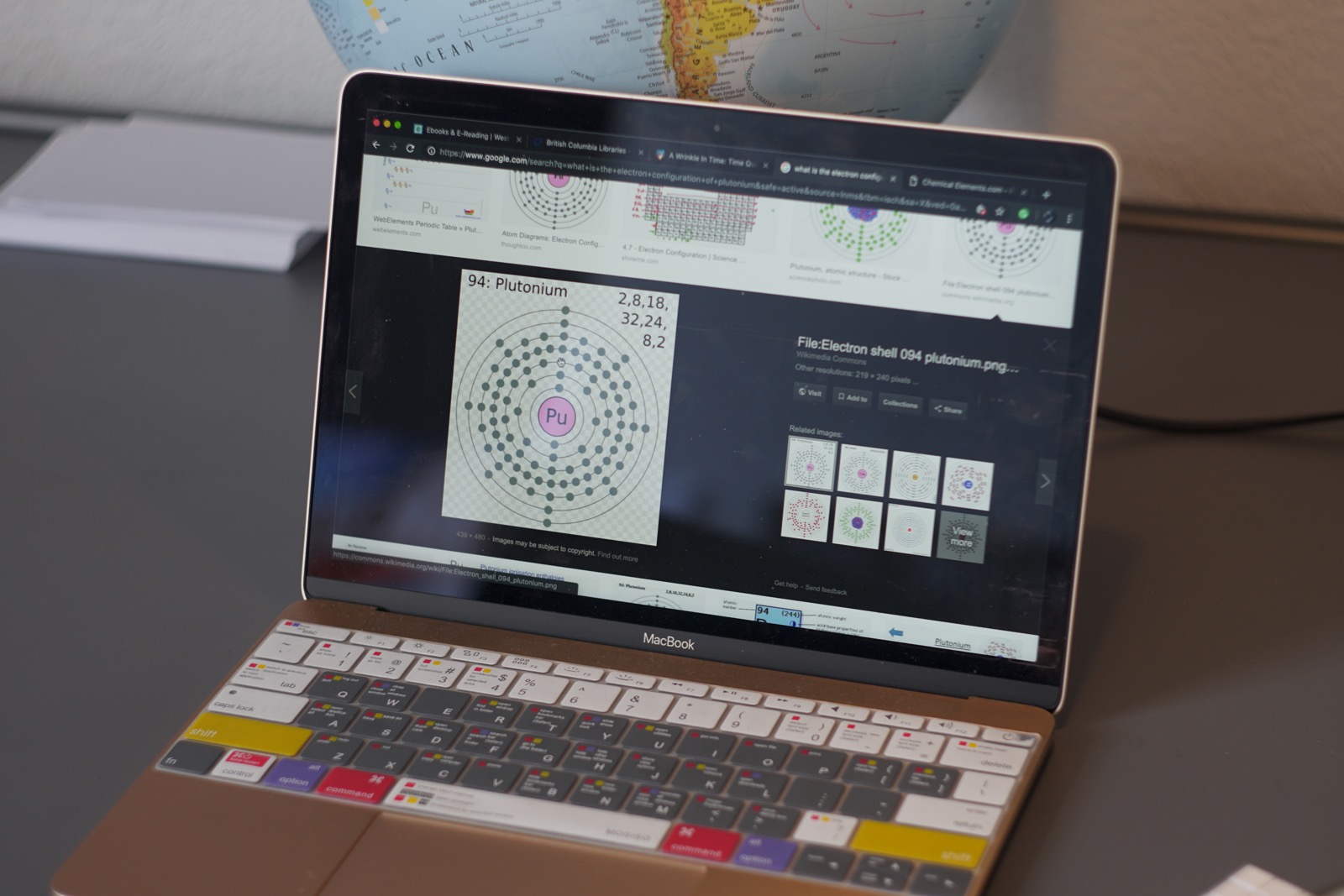
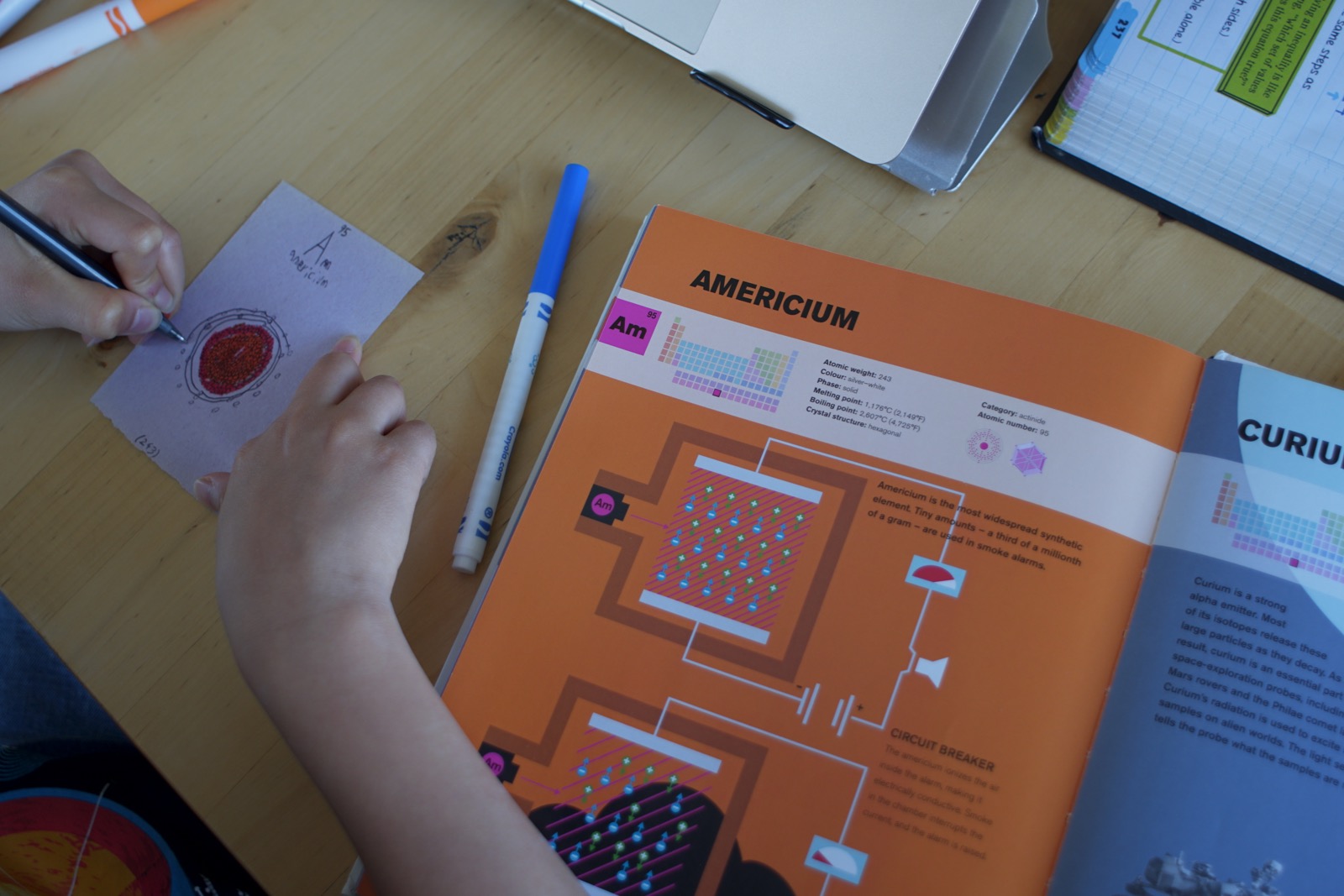
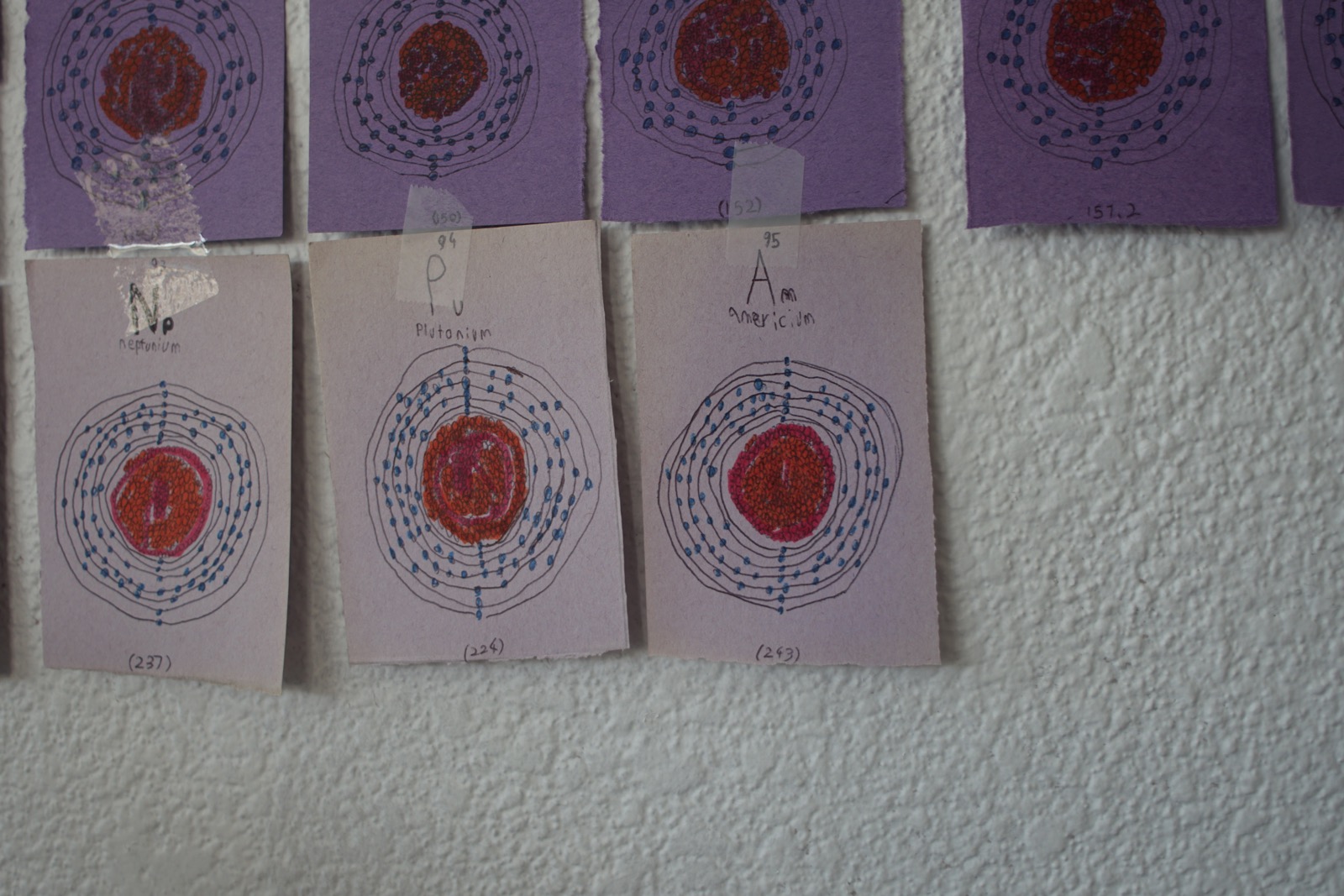
He read about plutonium and was telling me about how it’s used in nuclear bombs. He wondered why the bombs had cute nicknames.
Maybe a way to make the bombs a bit more friendly, despite how terrifying they are? I wonder what Ethan thought their reasoning was?
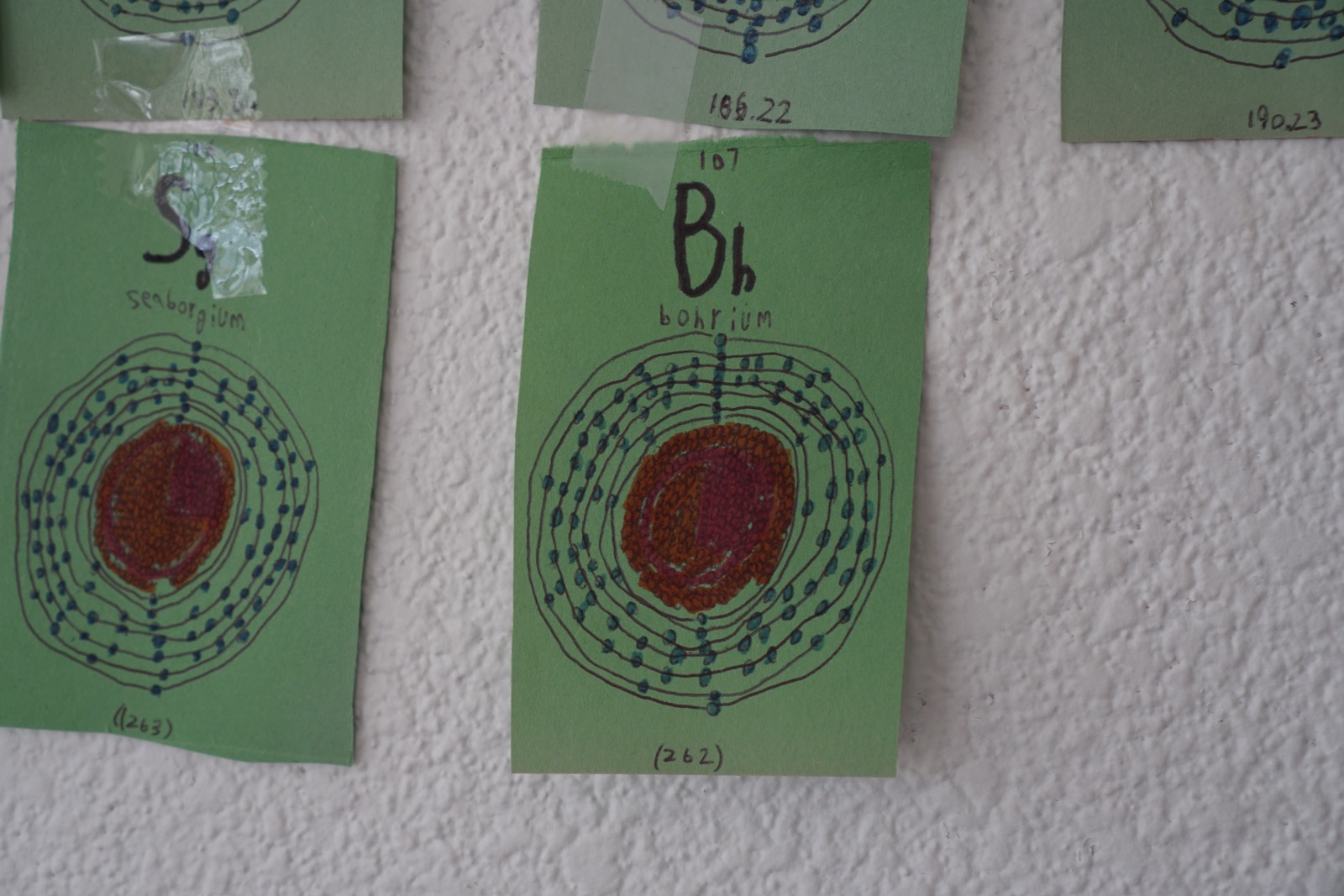
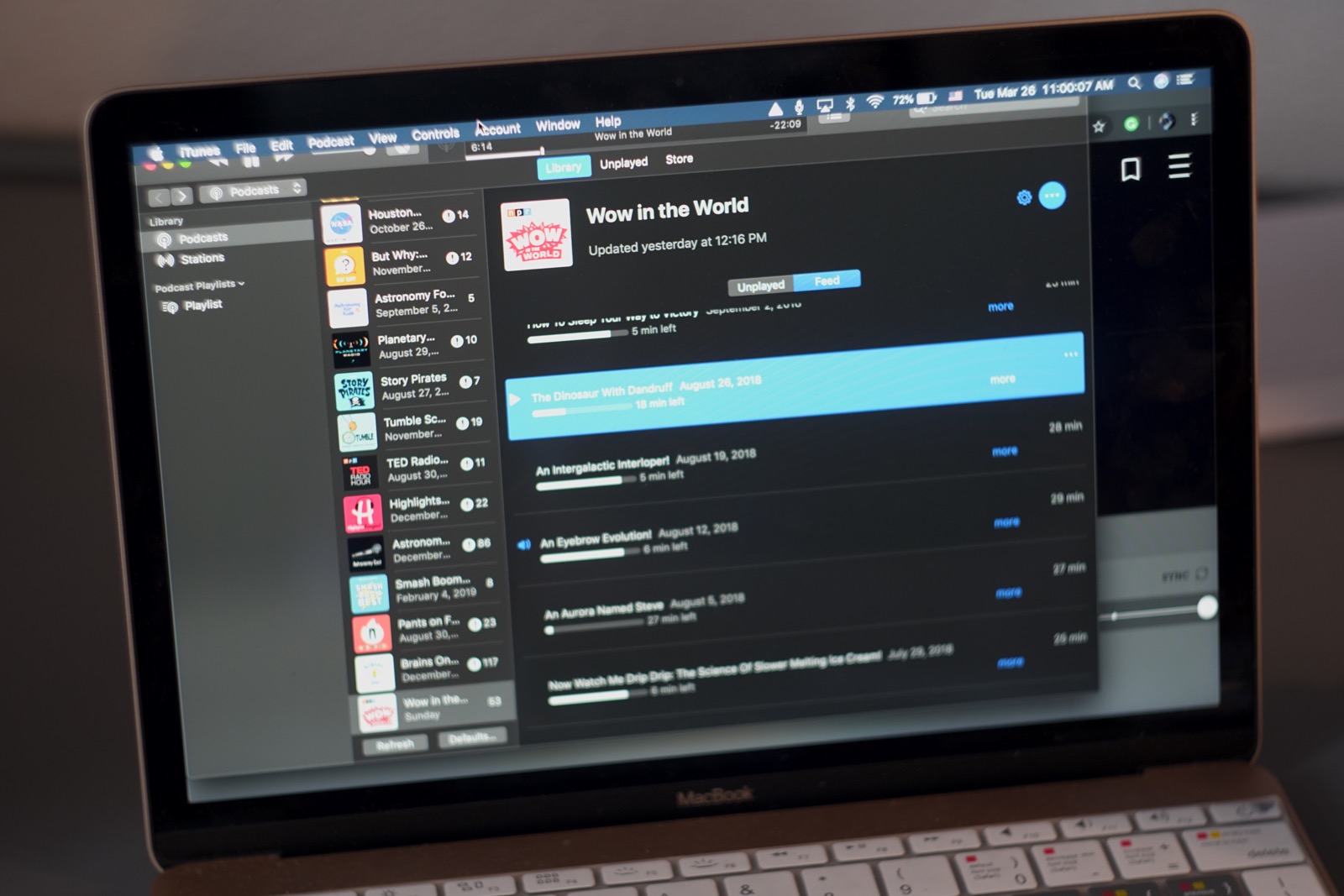
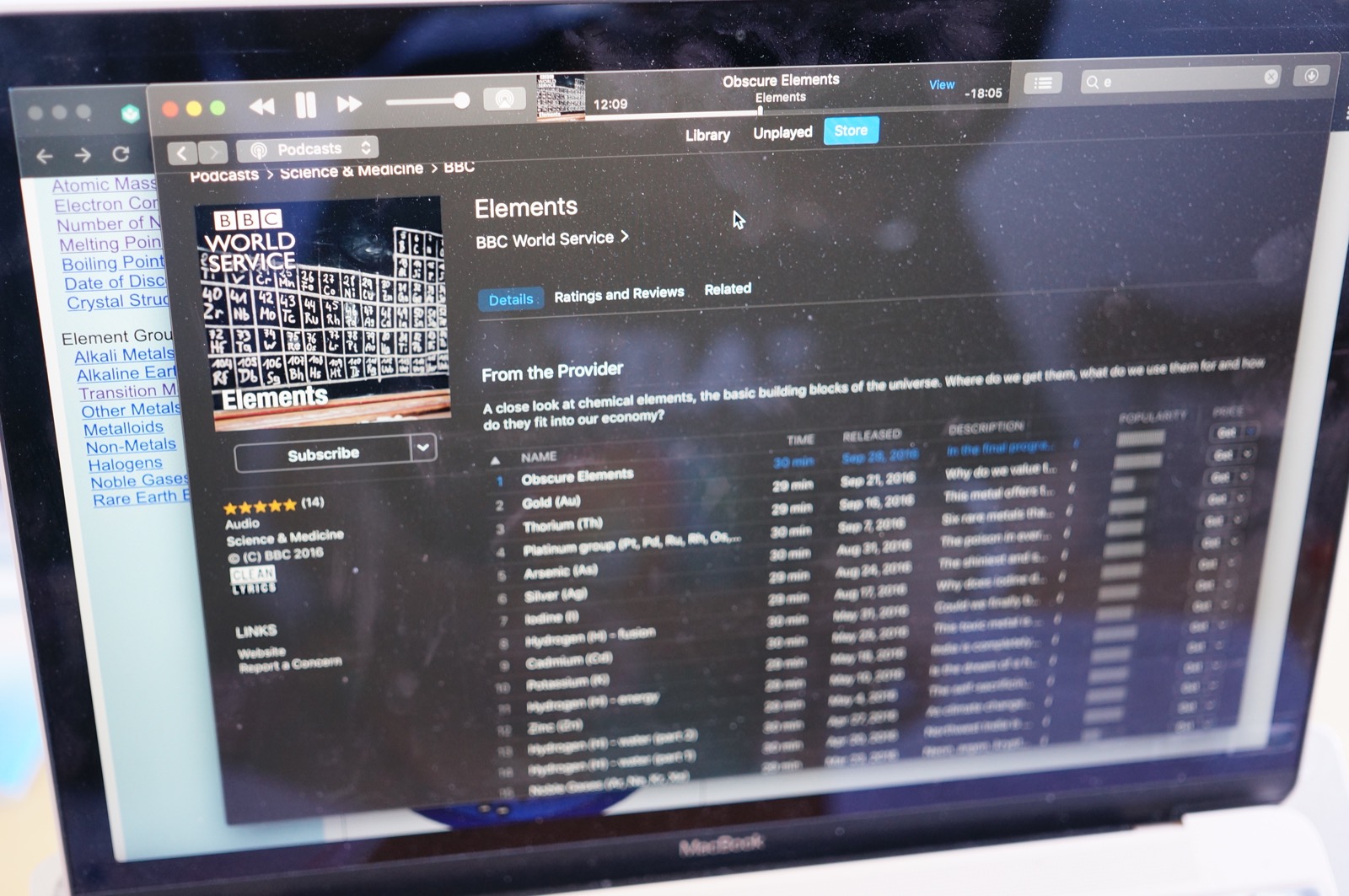
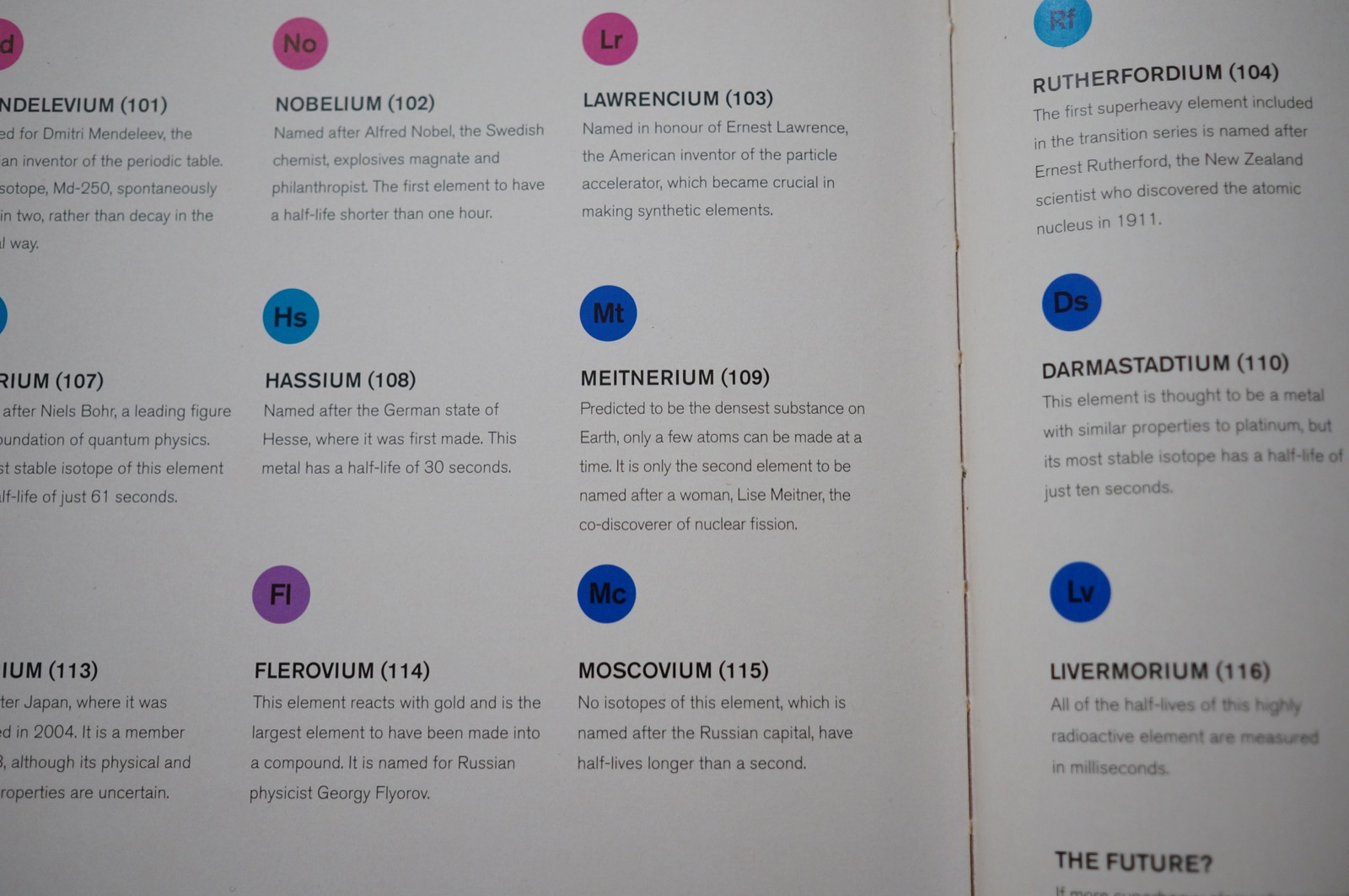
He listened to a BBC podcast called Elements, which talks about each element in greater detail.
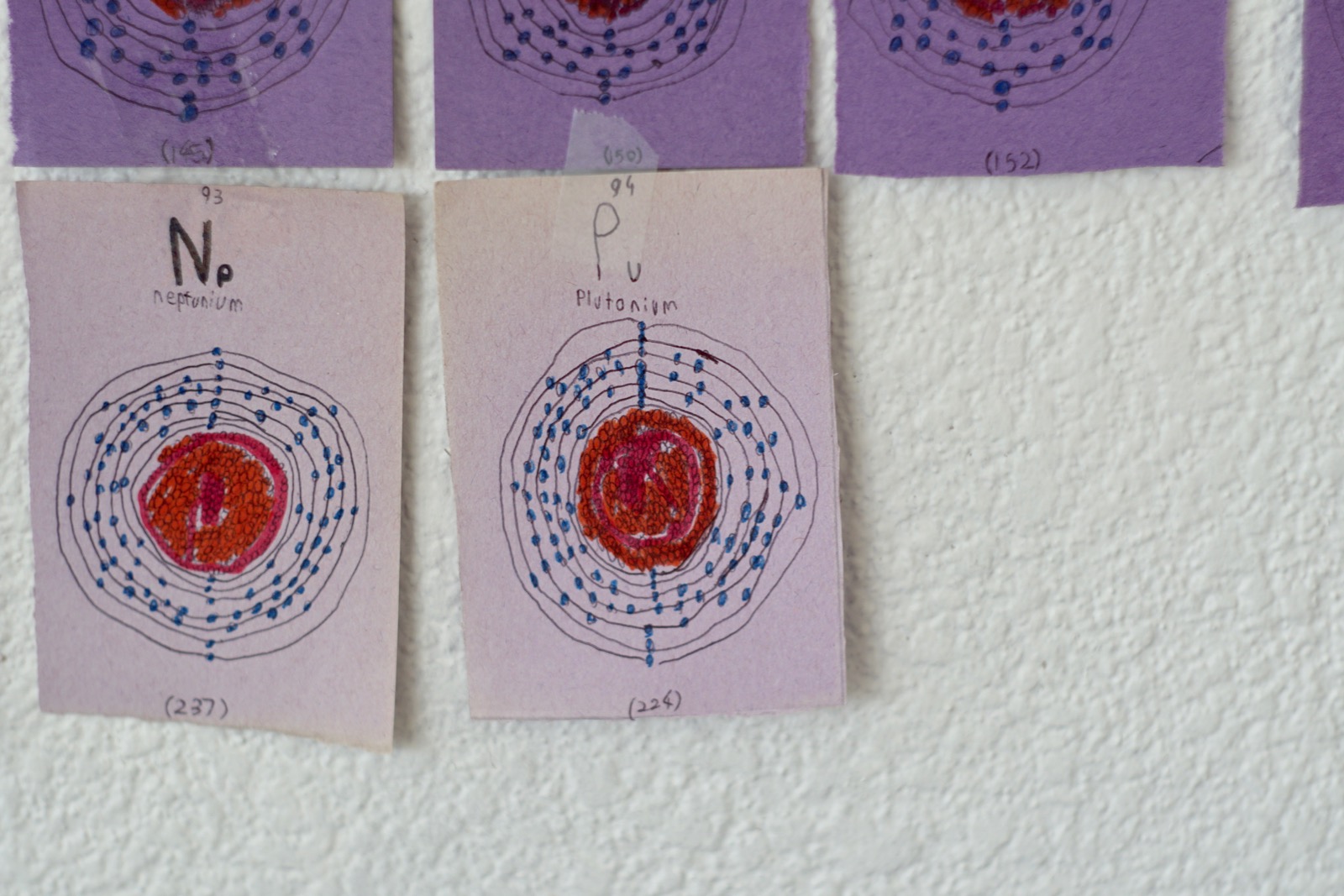
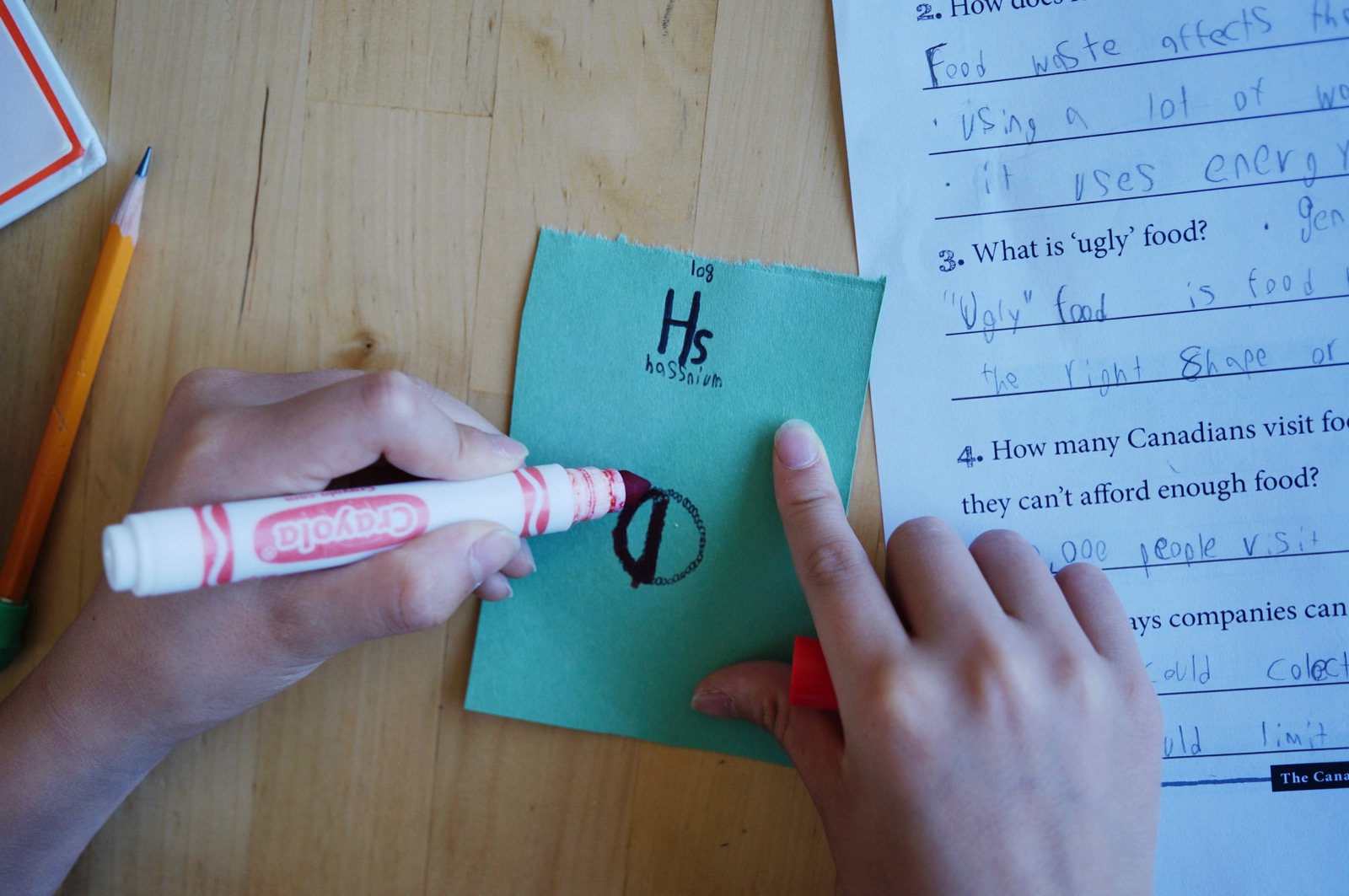
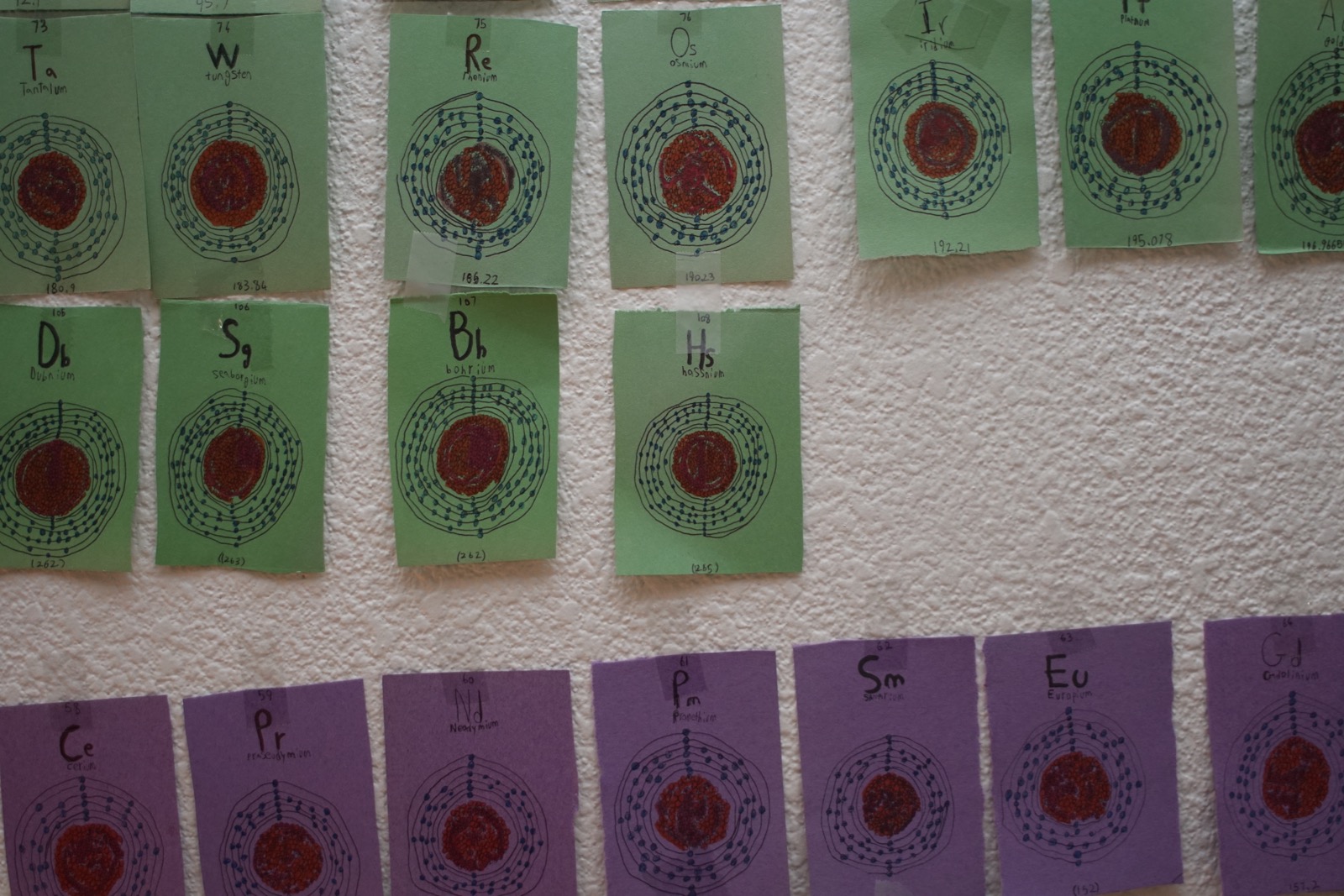
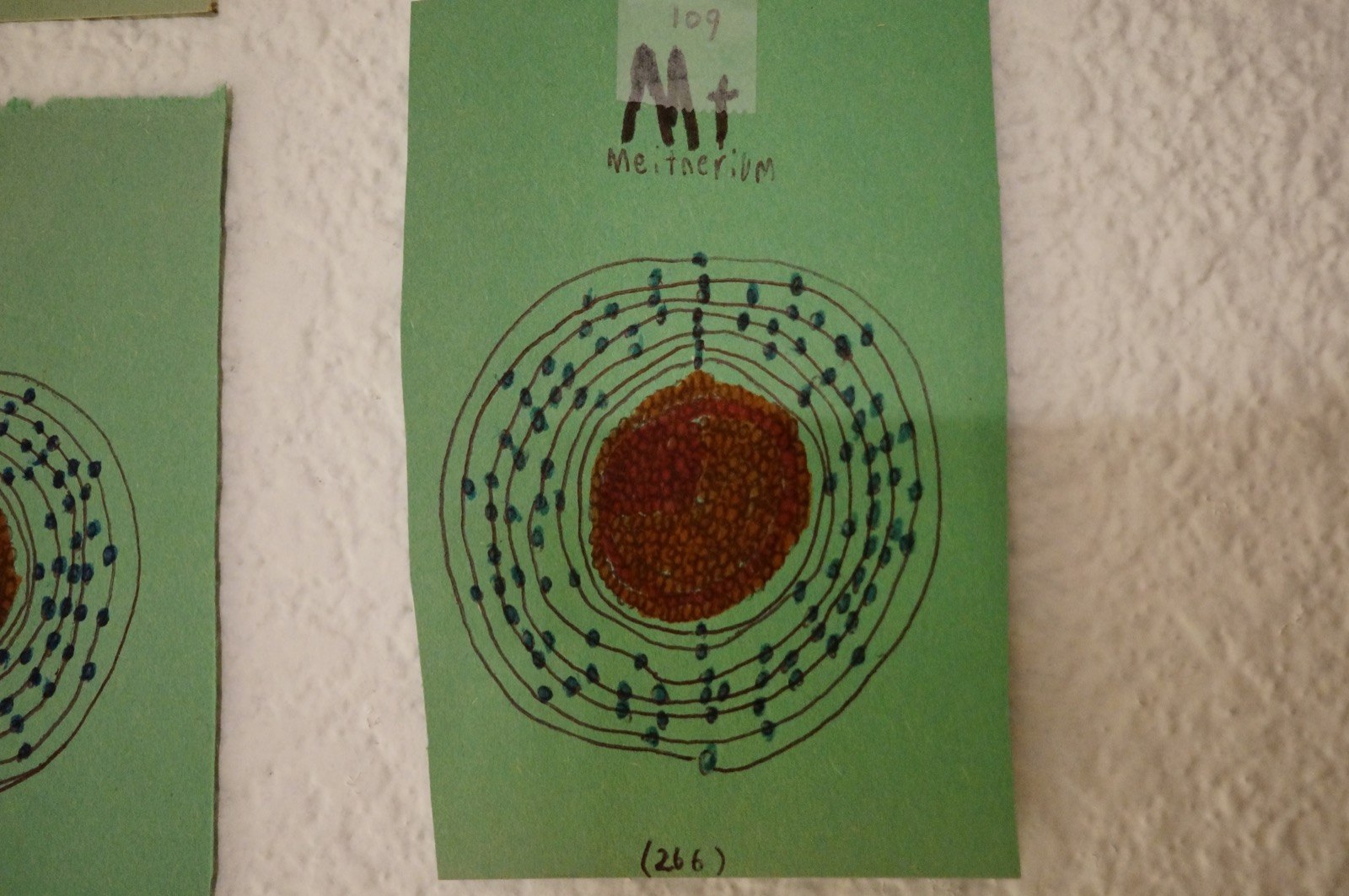
Ethan said that he’s now made 100 cards! I wonder if there is a way to preserve these cards at least for a few years. He has put so much energy into making each element! I know you have a lot of photos of them. Can you laminate them in any way? I gues they are a bit 3-D so maybe photos of each element and make a card for each one, or a video. I am curious to see how all this work culminates or where he goes next in chemistry.
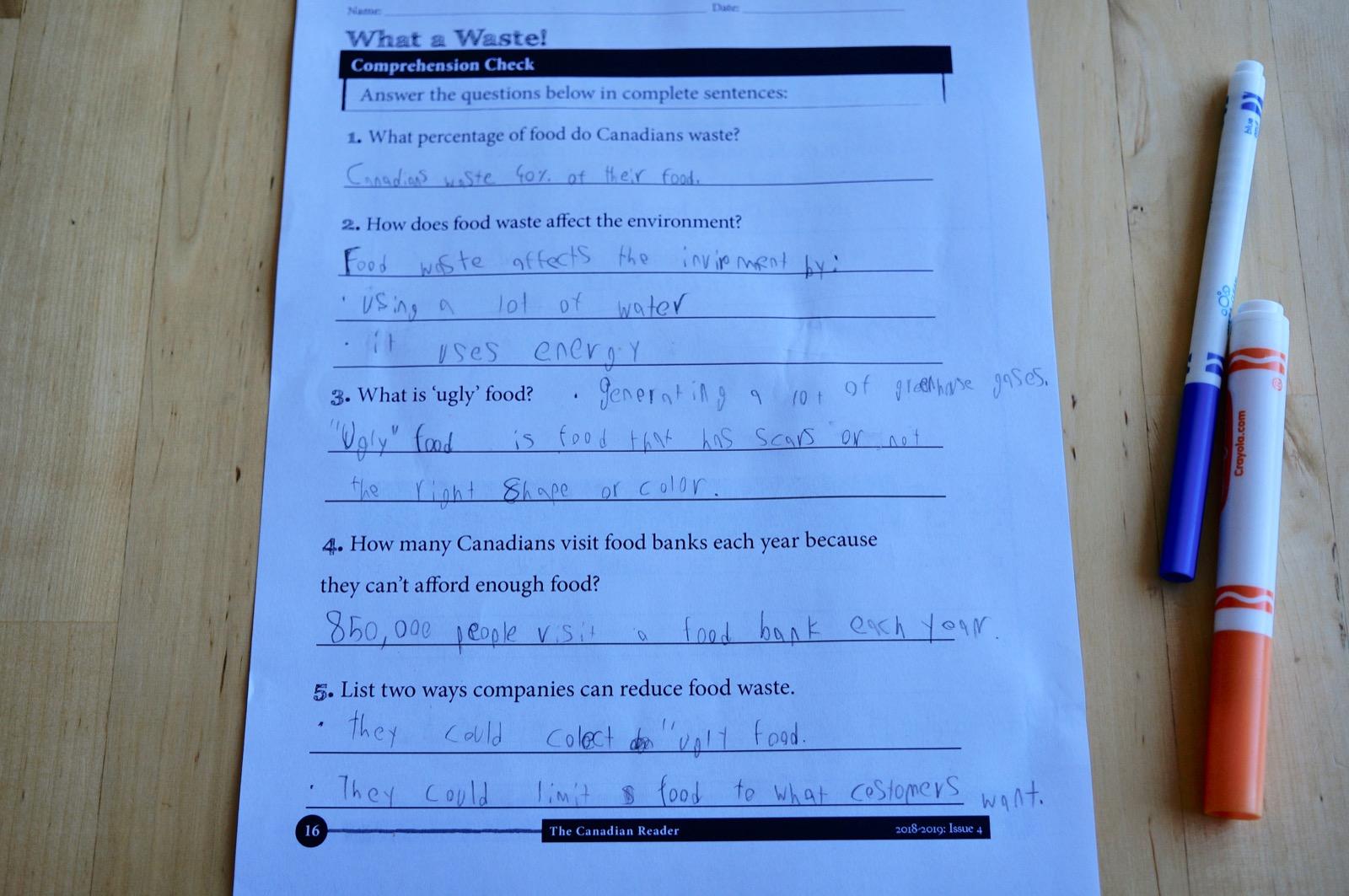
He learned about how Canadians waste a lot of food and ‘ugly’ food.
Good for Ethan to begin to see how much food waste we have here in Canada.
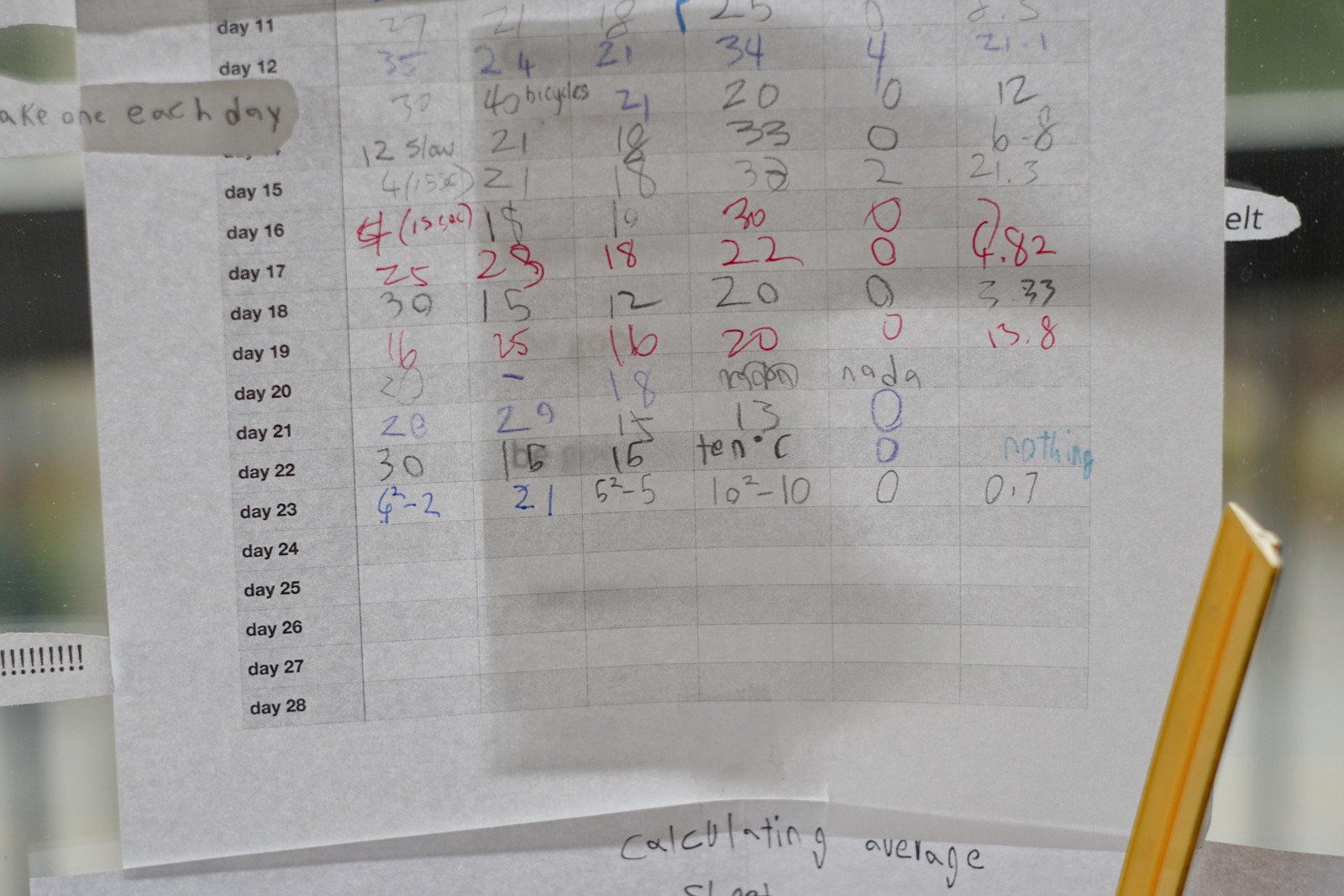
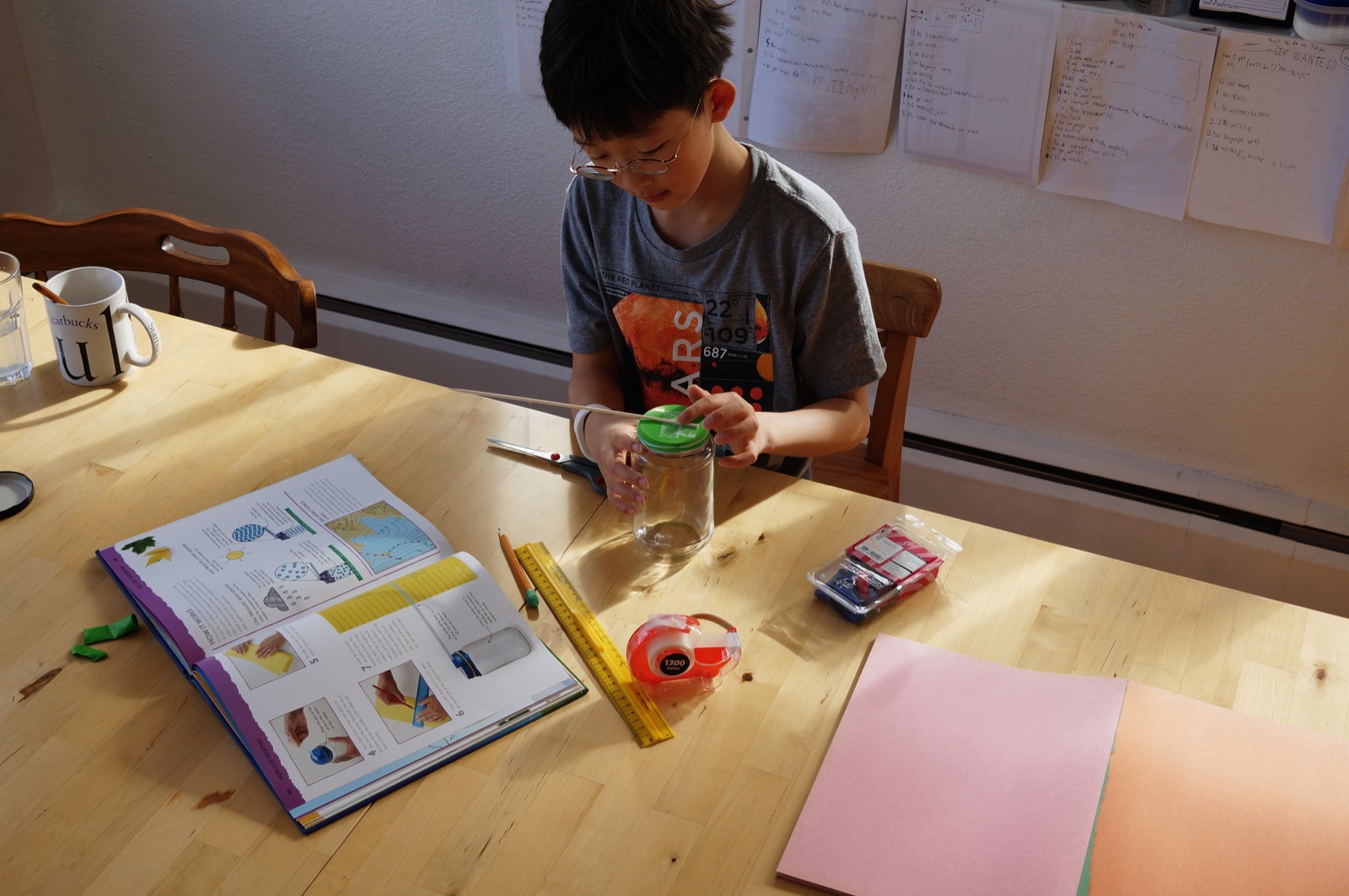
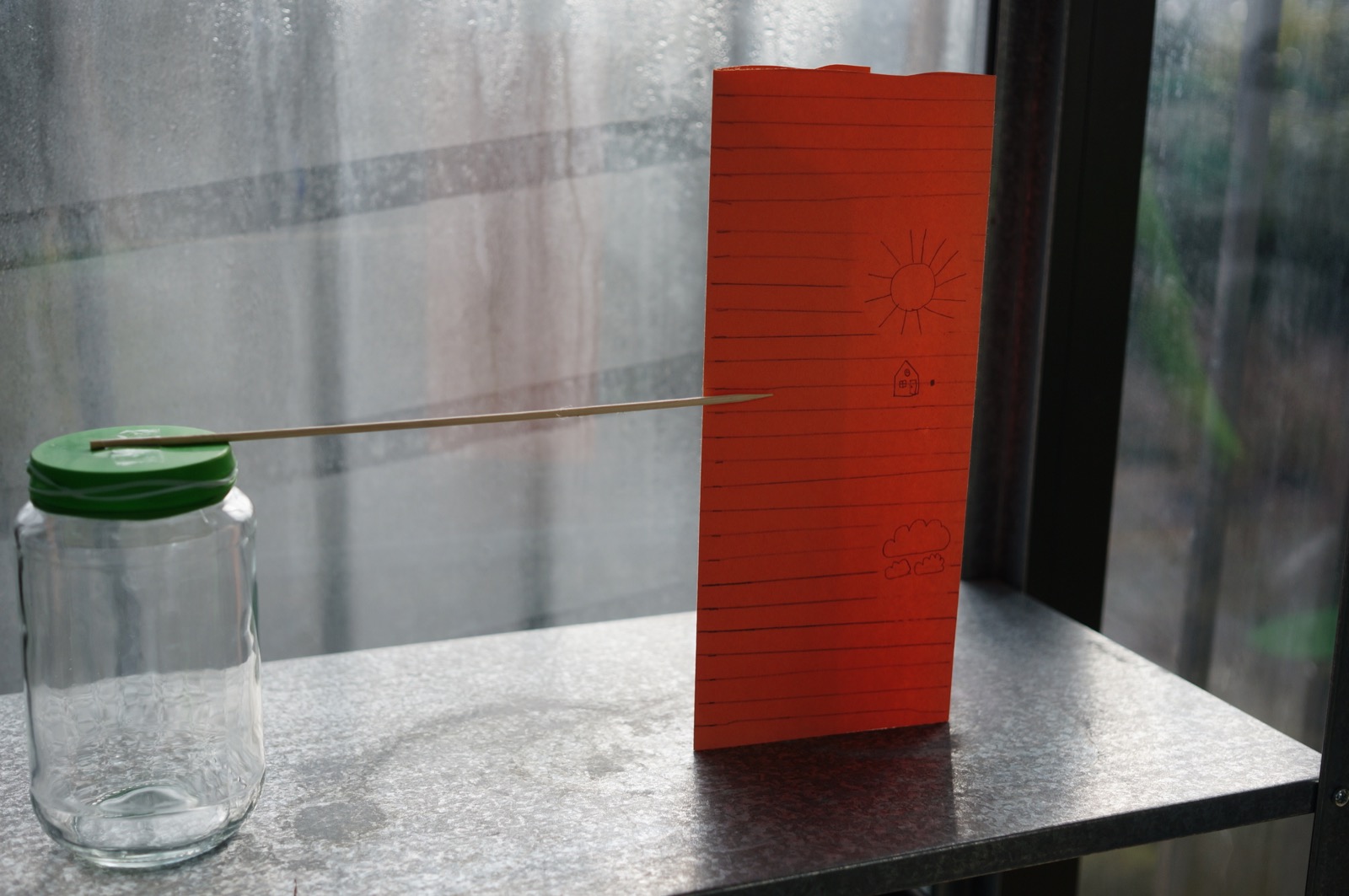
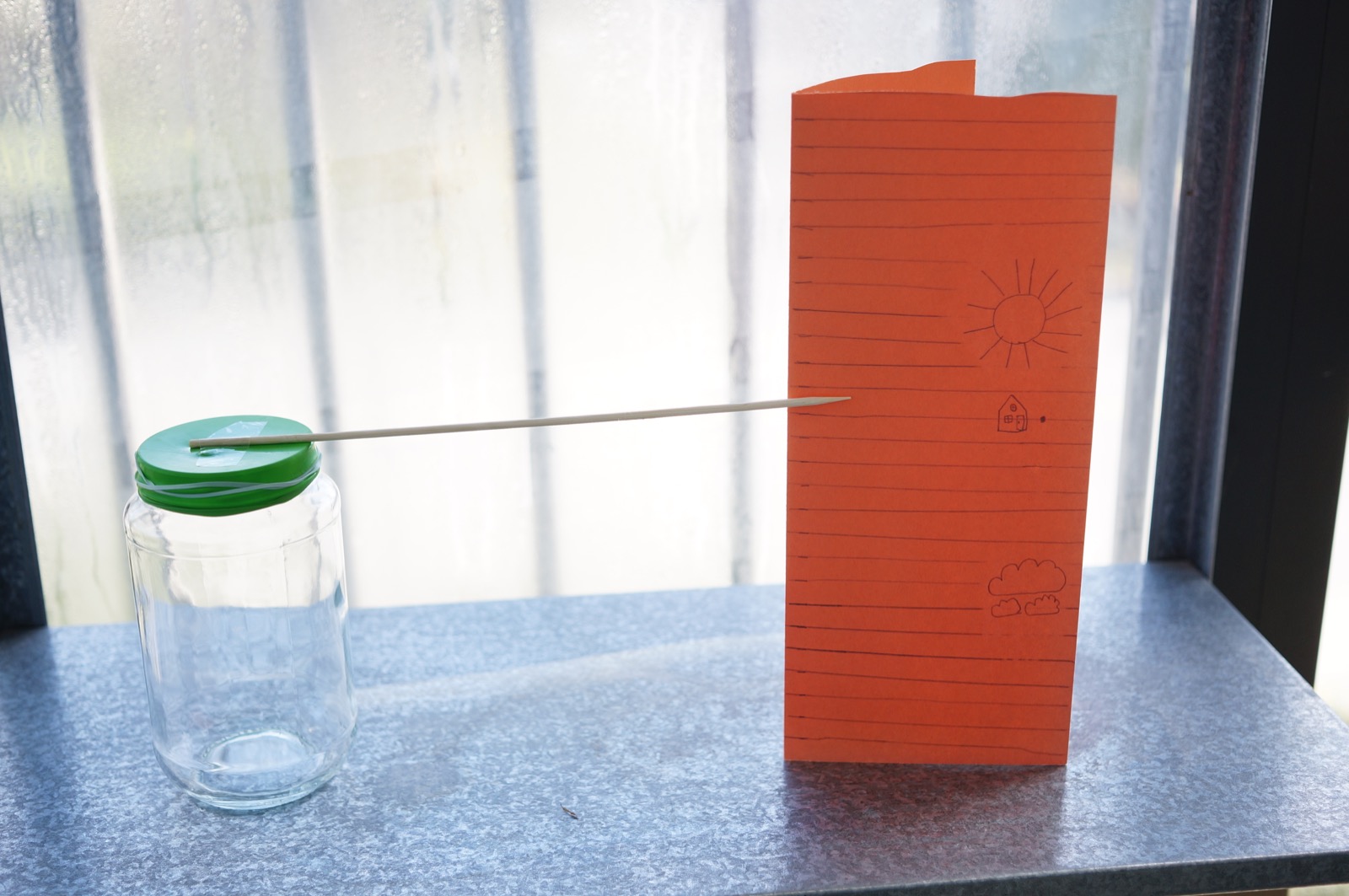
This device shows the air pressure. The skewer rises and falls according to the air pressure as it changes inside the jar. The lid is actually a balloon.
A change in air pressure occurred because the skewer went up.
Great experiment! He now can look/make observations about the rising and falling barometric pressure and how it correlates to changing weather outside.

The atmosphere that surrounds Earth has weight and pushes down on anything below it. The weight of air above a given area on Earth’s surface is called atmospheric pressure. …Atmospheric pressure can be measured with an instrument called a barometer and thus is also known as barometric pressure.
General Observations
- Low and High Air Pressure
- Low air pressure= less weight pushing down= air is rising and cooling which helps form clouds.
- High air pressure= more weight pushing down= air is sinking and warming with less humidity.
- Falling or Low Barometric Pressure
- Deteriorating weather or some form of precipitation such as wet and/or windy conditions and thunder in hot weather are associated with falling barometric pressure.
- As a storm approaches air pressure begins to fall and this can happen very quickly.
- Storms are associated with low air pressure.
- Rising or High Barometric Pressure
- As the storm leaves the air pressure will tend to rise gradually and is associated with approaching fairer weather.
- Rising barometric pressure is a good indicator that no storms are developing in the following 24 hrs and there will be fair weather or no precipitation.
- In winter, rising pressure can also indicate snow if the weather has been frosty.
- Clear skies are associated with high air pressure.
- Localized Pressure
- Localized low pressure represents the path of least resistance for a weather system and is associated with increased storm activity.
- Localized high pressure acts as a barrier to approaching weather systems, diverting their course.
- Weather Fronts and Isobars
- The boundary between a system of warm and cold air is known as a ‘front’ which coincides with changes in air pressure.
- Weather maps (surface chart) and forecasts usually show areas of low (red “L”) and high pressure (blue “H”) as well as weather fronts.
- Isobars, lines of equal pressure, when drawn on such a map, give a contour map showing areas of high and low pressure.
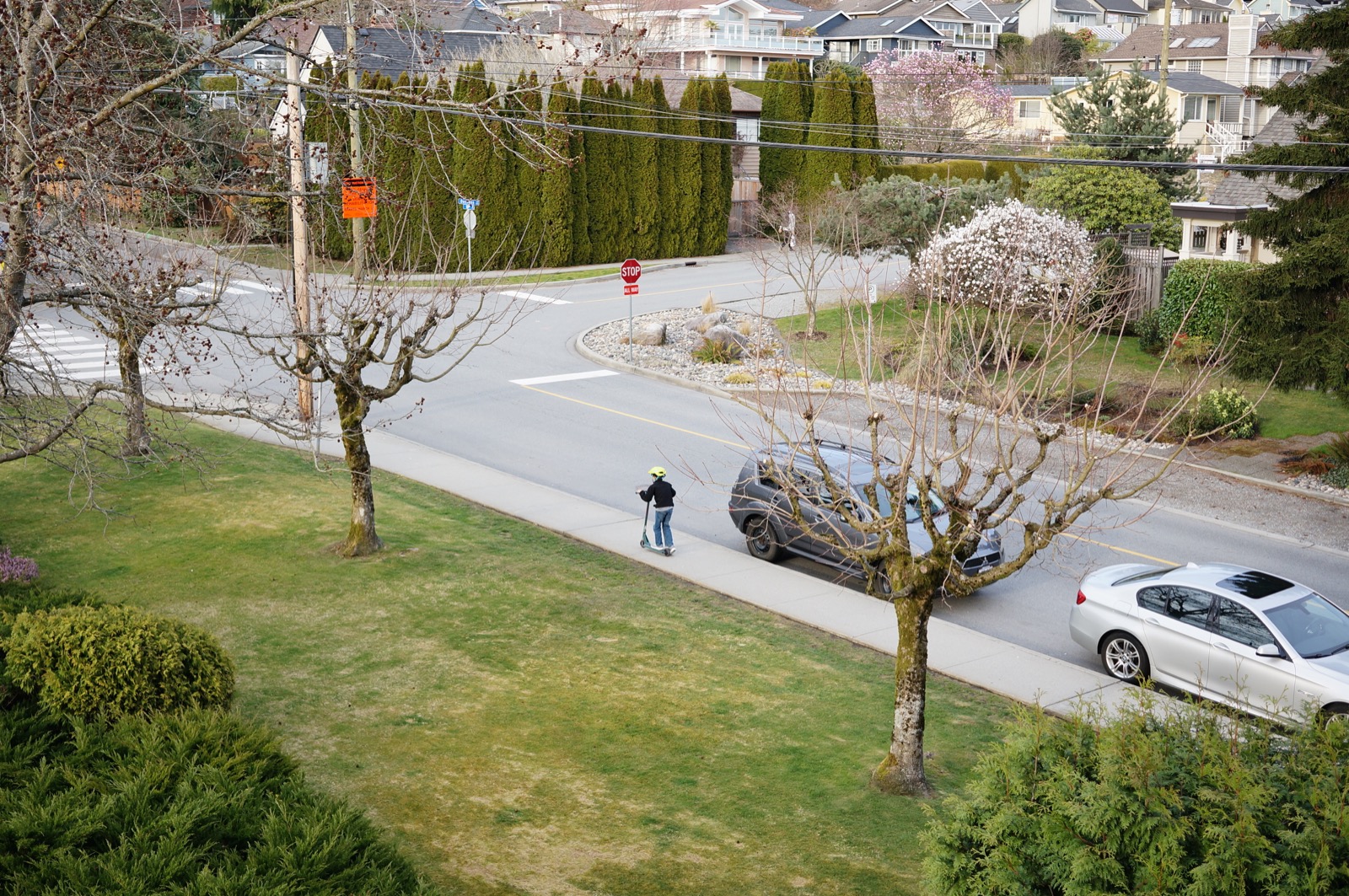
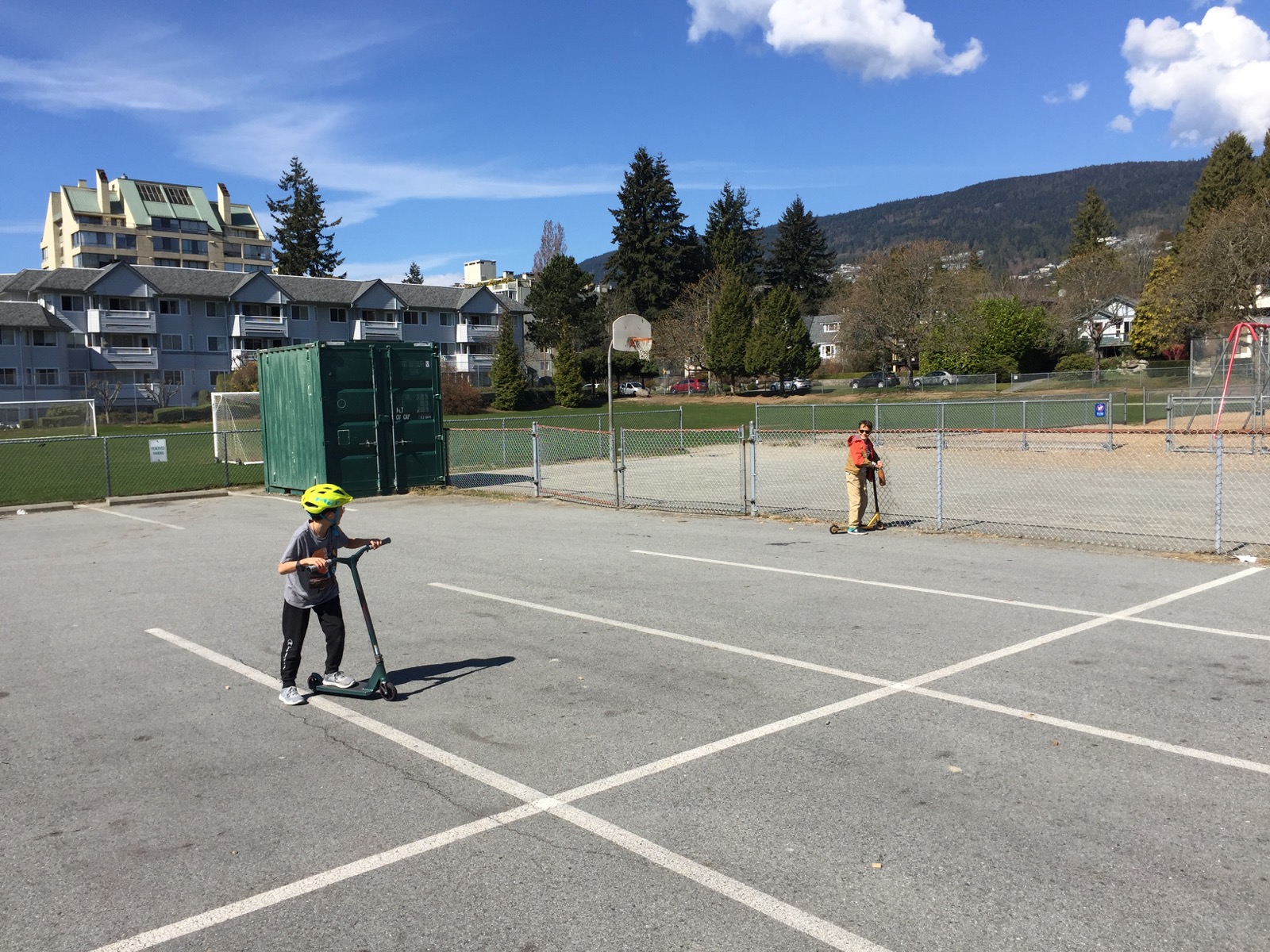
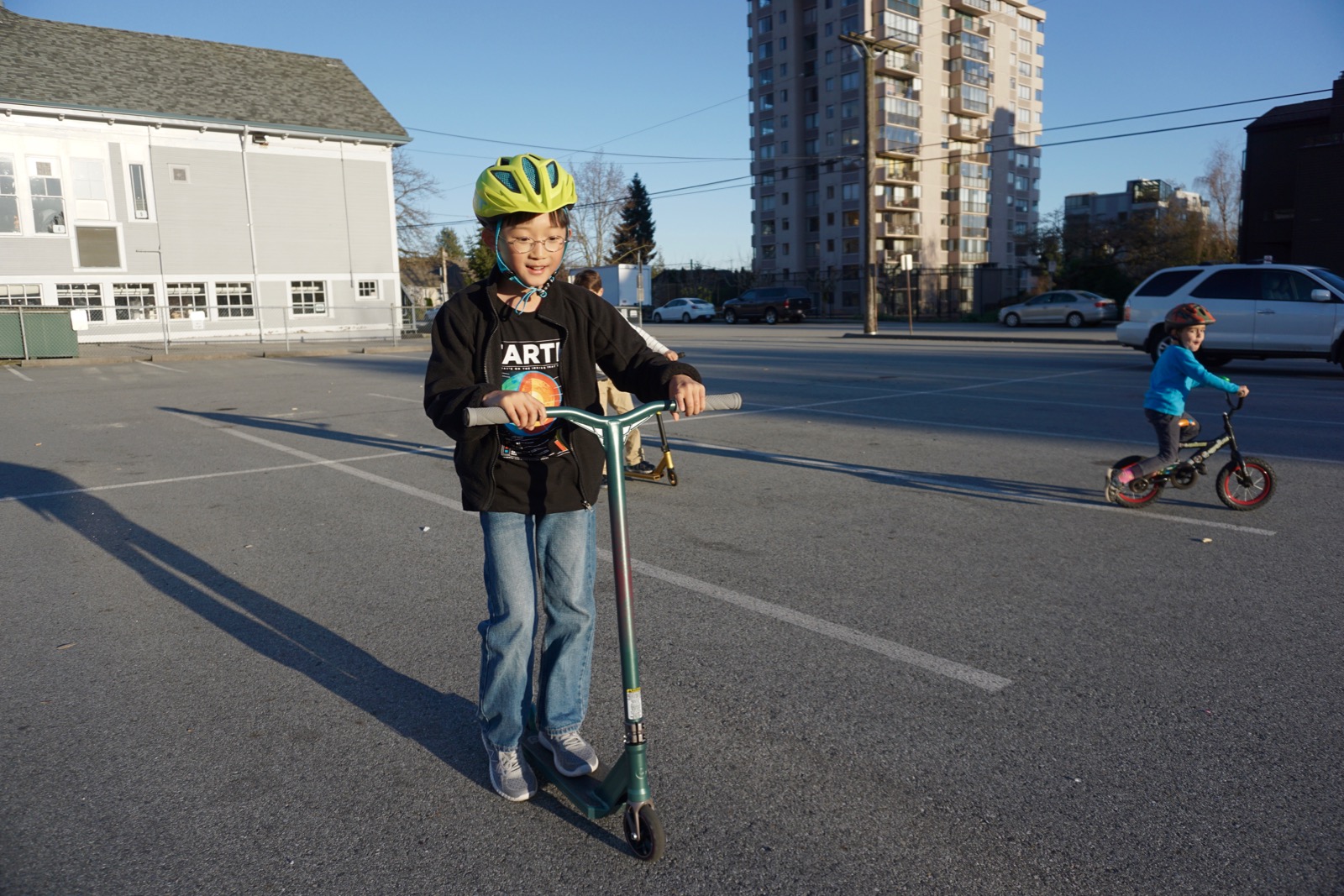
He spent a couple hours outside playing with Kal on their scooters.
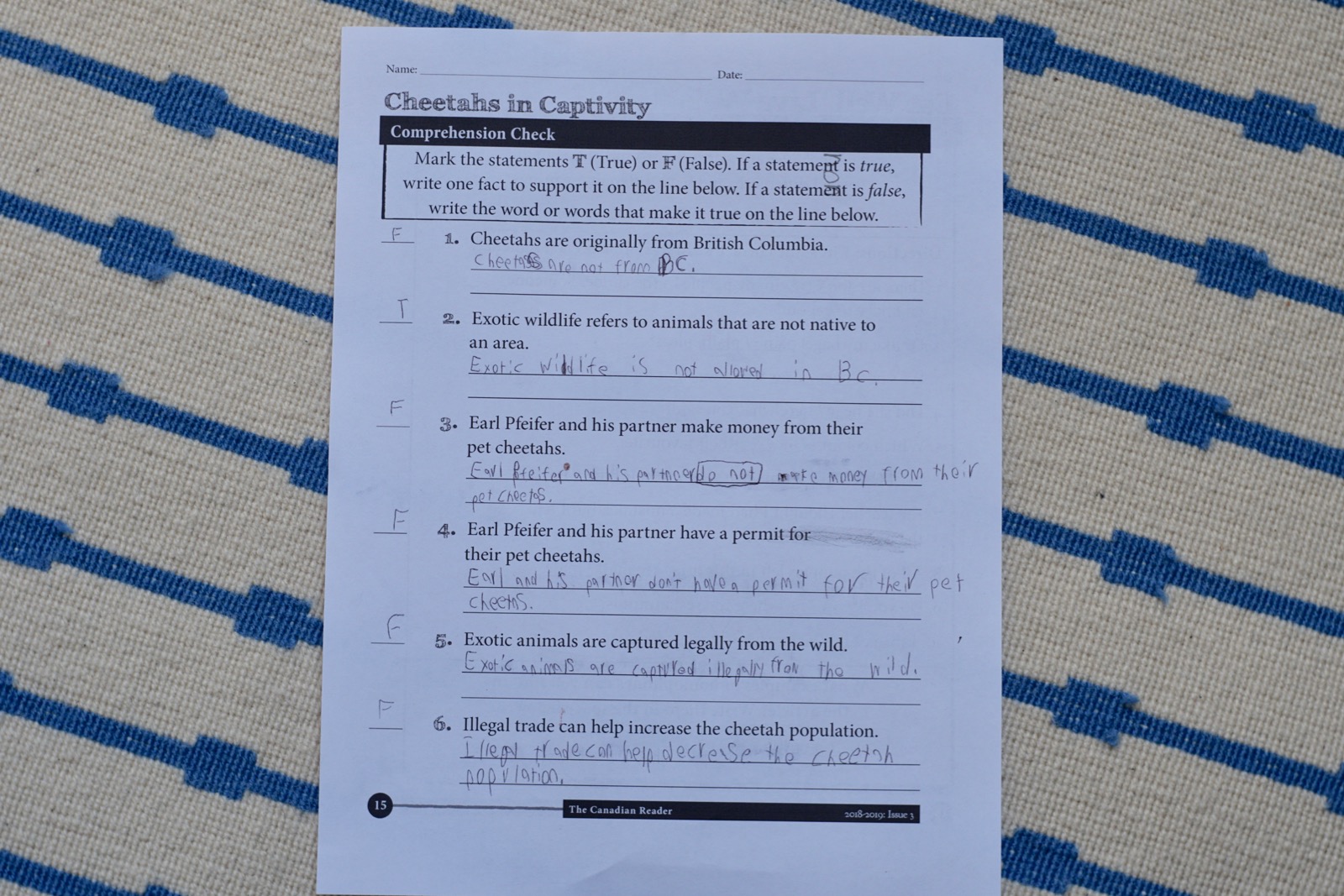
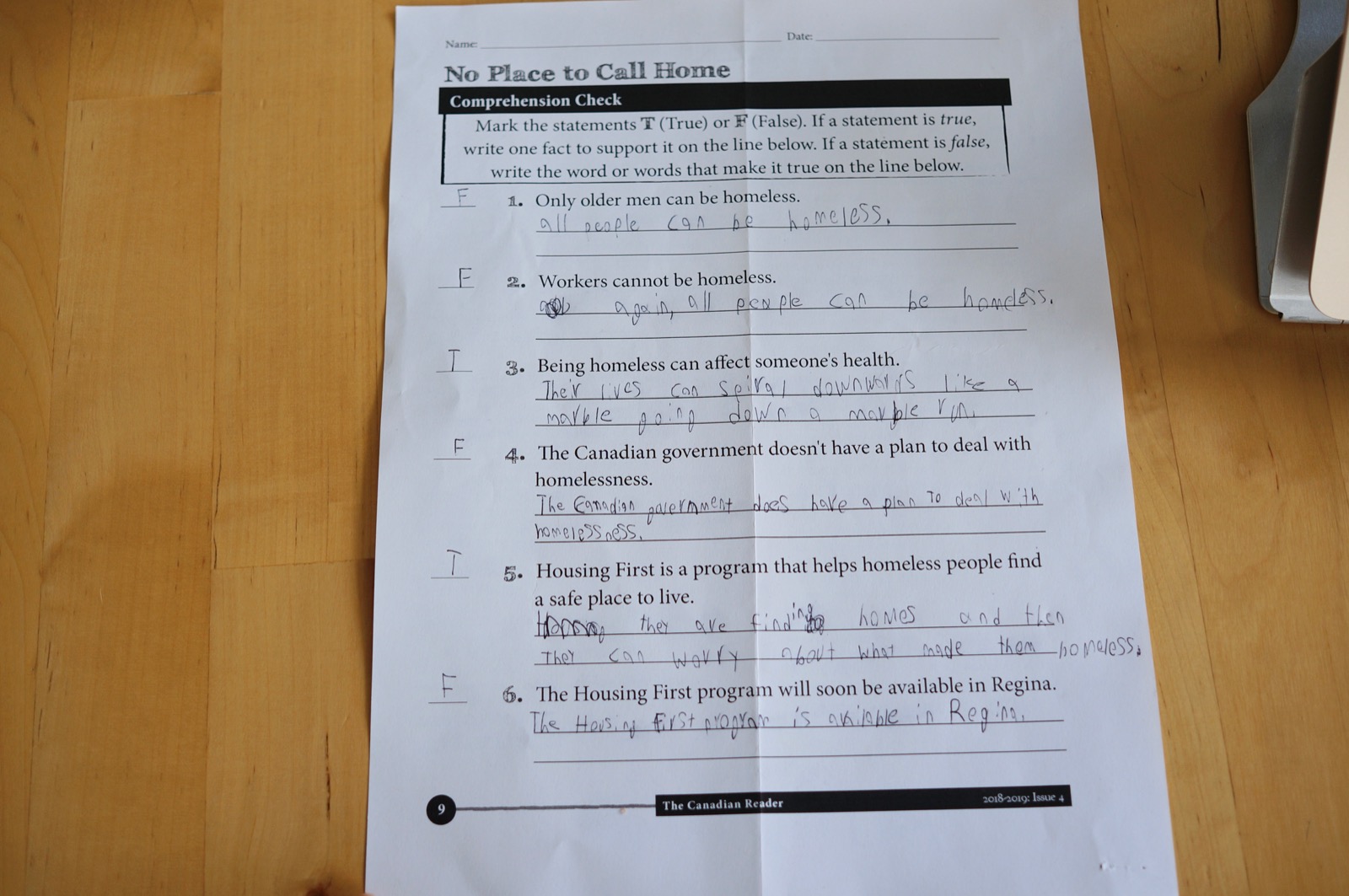
He learned about homelessness in Canada and answered some T/F questions.
How does Ethan react/feel when he sees homeless people in Vancouver?
Did this help him understand more about homelessness?
What sorts of questions is he wondering about still?
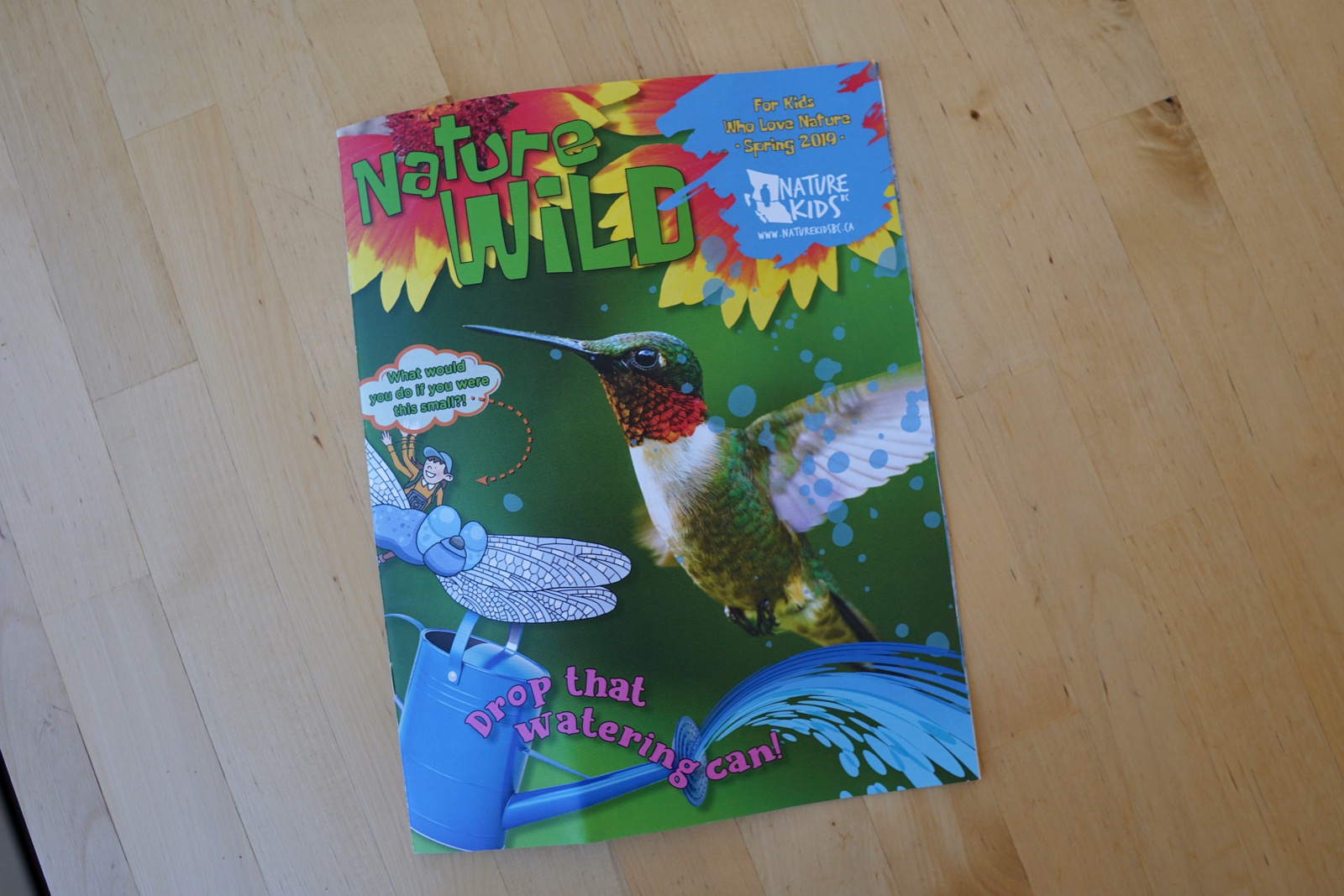
Ethan also checked our mail and was happy to see that the latest edition of Nature Wild had arrived. We learned that hummingbirds fly up and then dive down in order to attract a mate. One particular hummingbird experiences as much as 10 g when it pulls up from its dive.
I am so looking forward to having the hummingbirds back.
I love the calliope ones

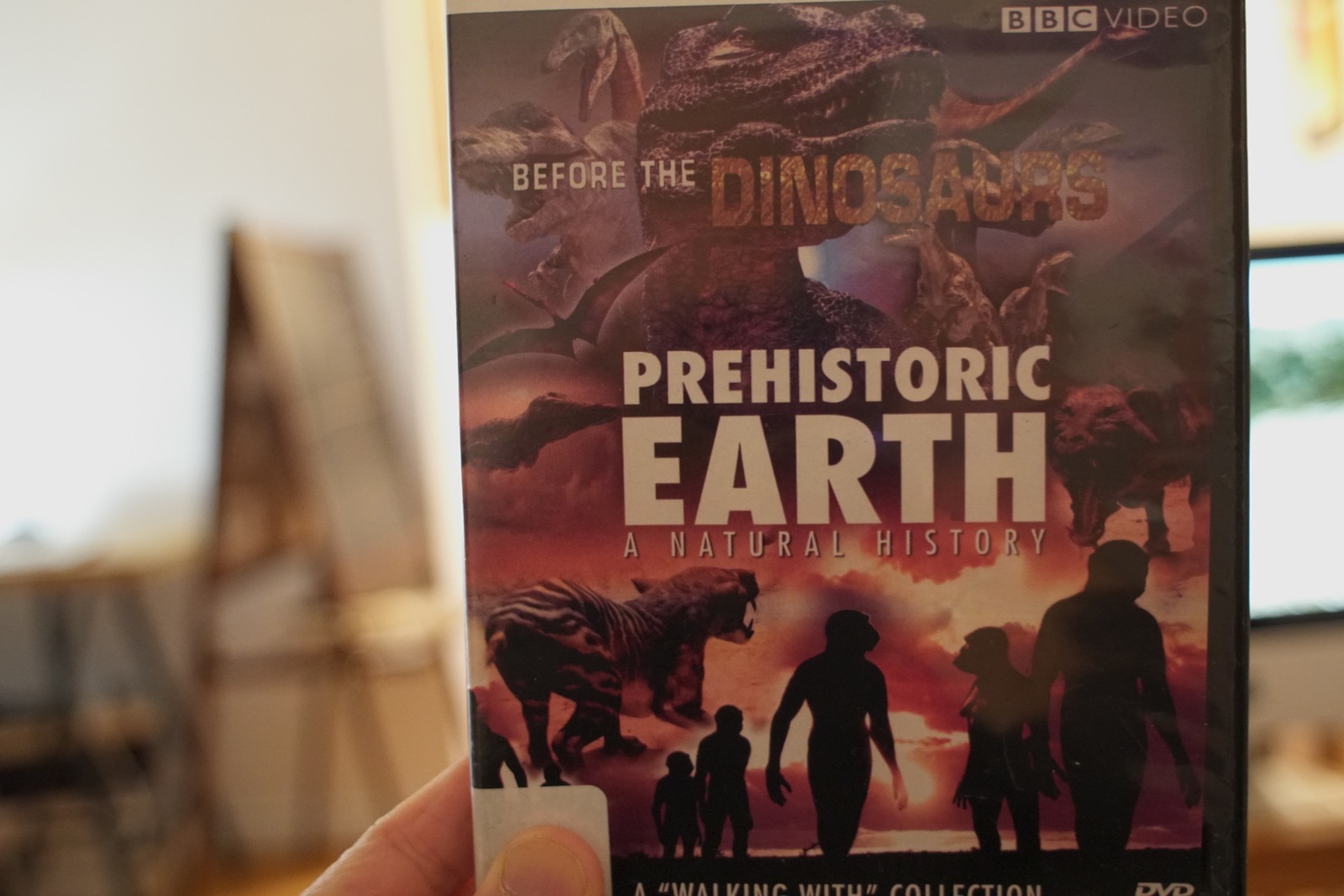
We watched the BBC’s Prehistoric Earth DVD tonight after dinner. At first, Ethan didn’t want to watch it but we’re trying to encourage Ethan to be more open to trying new things. He wanted to just play chess but ended up really enjoying the show. They talked about how the first animals came to be on Earth and how our own ancestor was a simple fish, so that was very cool.
Yay! For trying new things and opening up to new possibilities. It sounds his curiosity was ignited. Maybe he will delve more deeply into animal studies or evolution in the weeks to come.
Recent Comments