

First week of Spring Break, although for us, it might not be much different. It’s definitely a benefit when we’re not trying to scramble to enjoy time together over a two week period. Unschooling has allowed us to spend so much more time together as a family. Here’s Ethan’s week…
March 17


March 18







March 19
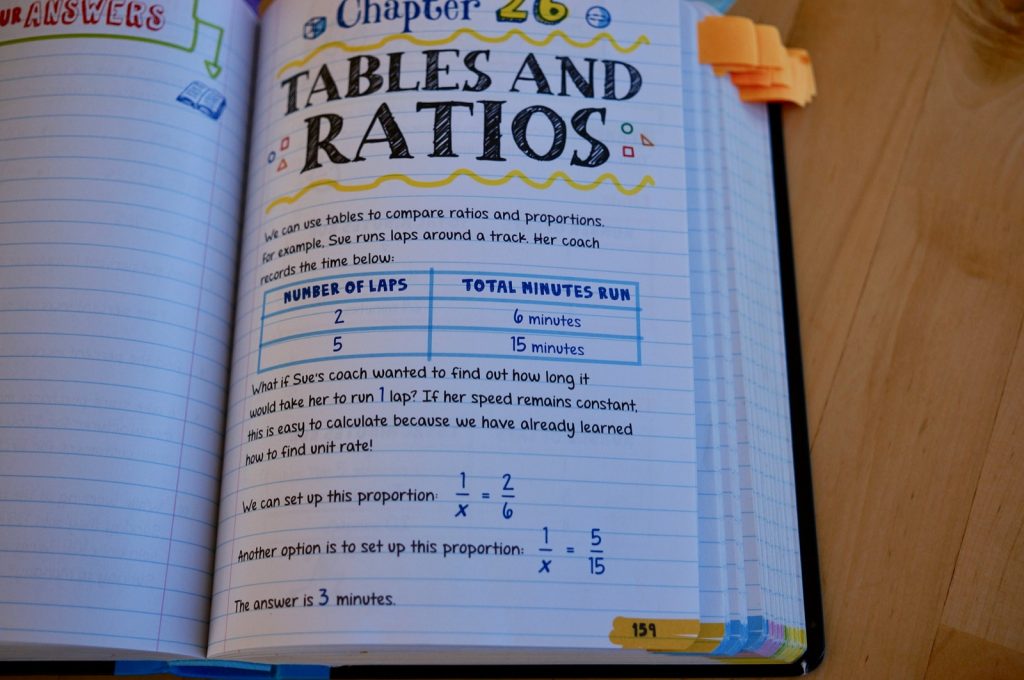
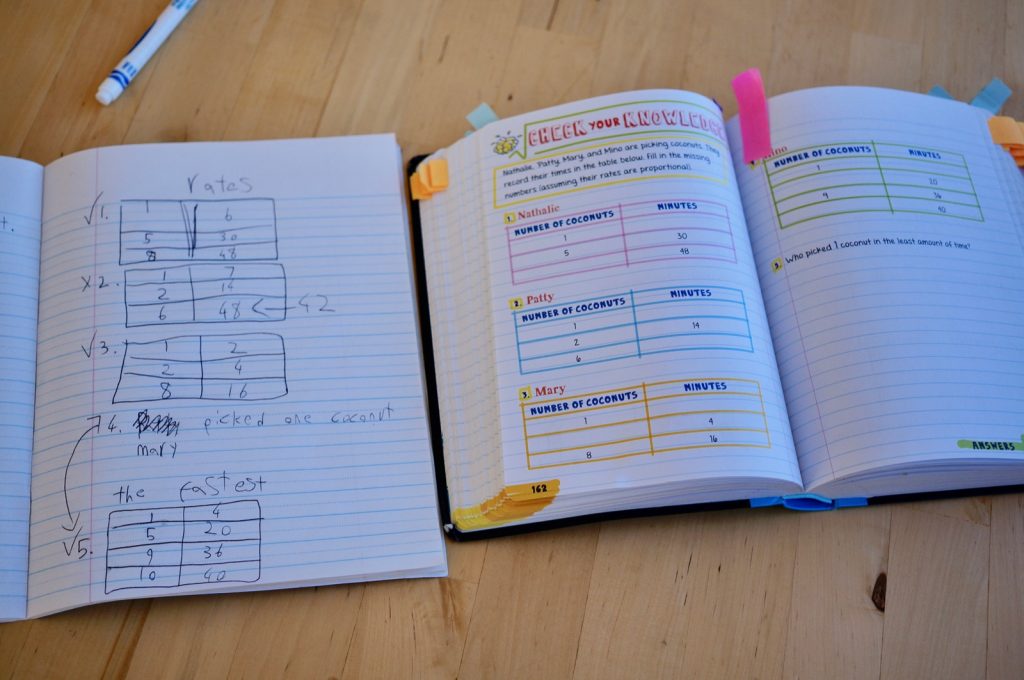

Ethan ended the day by going to Don Steward’s math teaching blog (https://donsteward.blogspot.com/) and checking out some of the lessons there. He wasn’t too interested because it’s a plain looking website but he found something interesting related to geometry.
March 20


March 21


March 22
Today, Ethan decided to take the day off because we had a family lunch and would be out for most of the day.


We read Twenty Thousand Leagues Under the Sea before Ethan went to bed.
March 23
Day off yesterday, so he had to finish his Friday activities today.
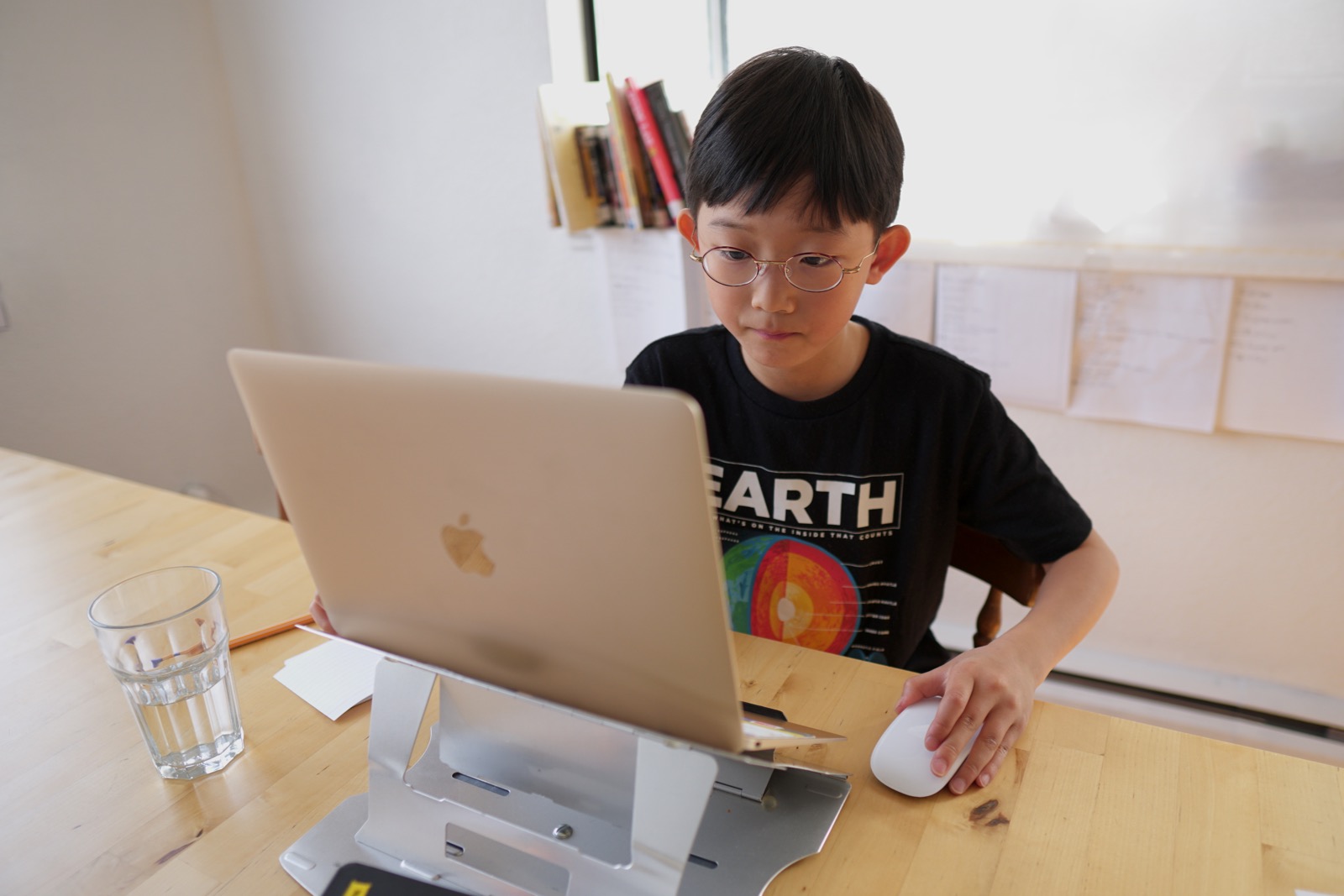
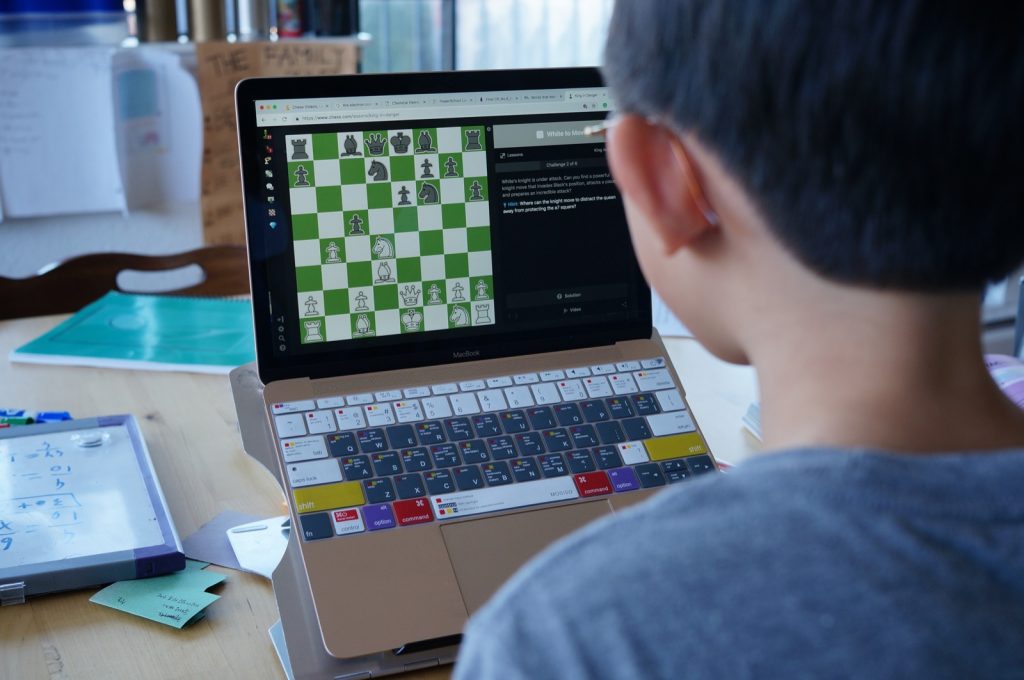
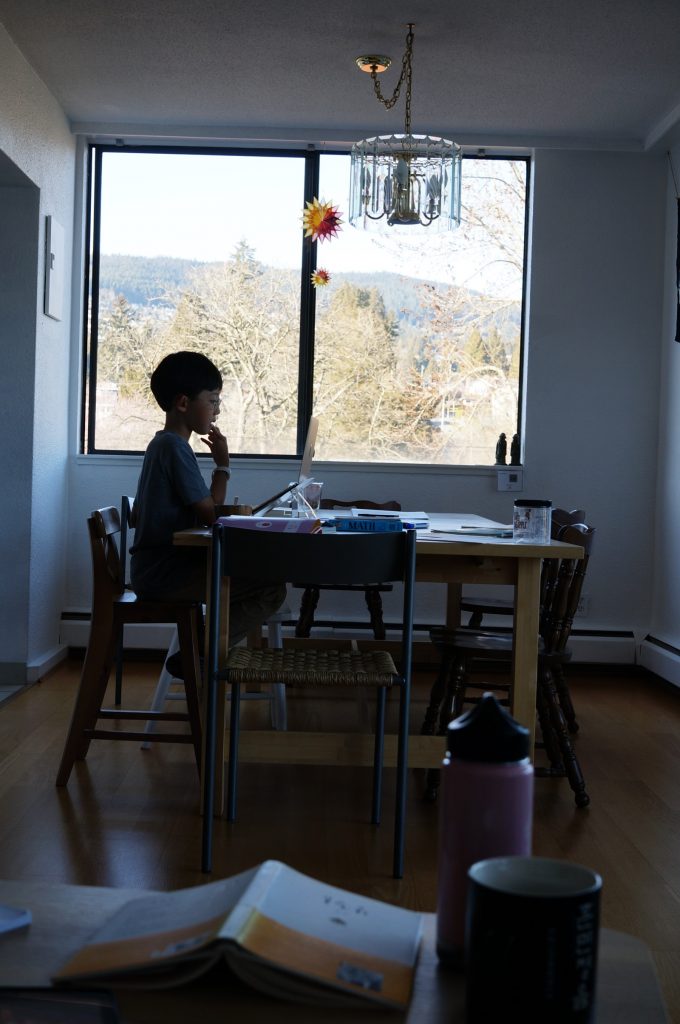
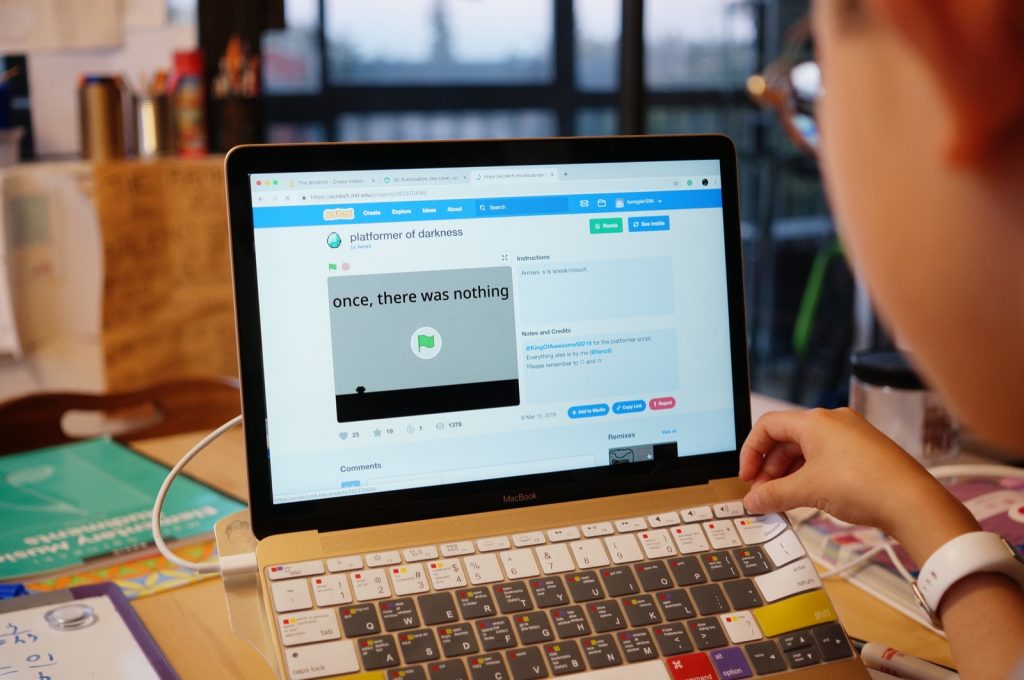
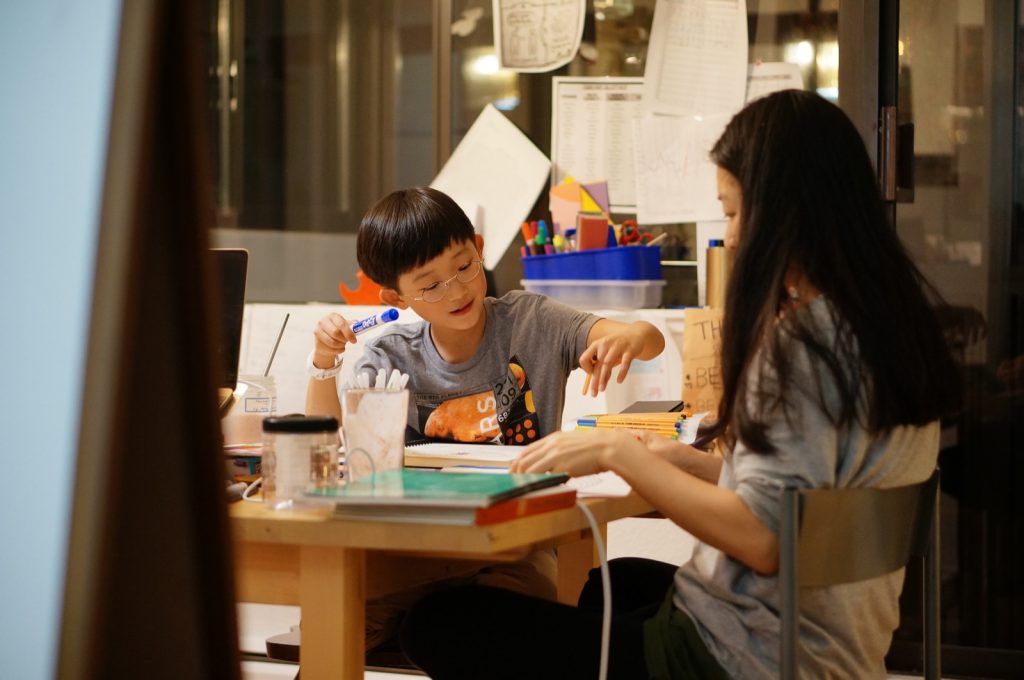
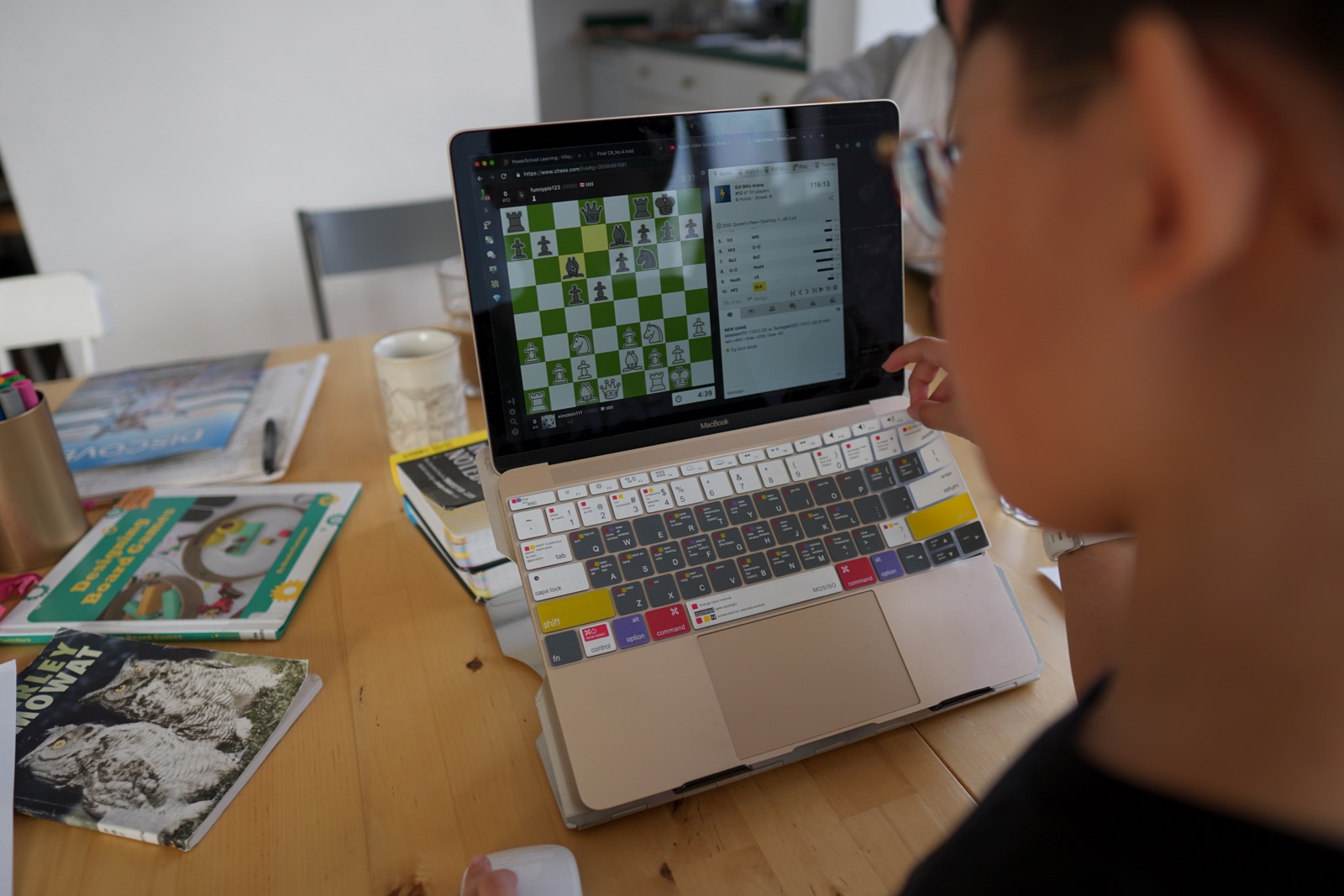
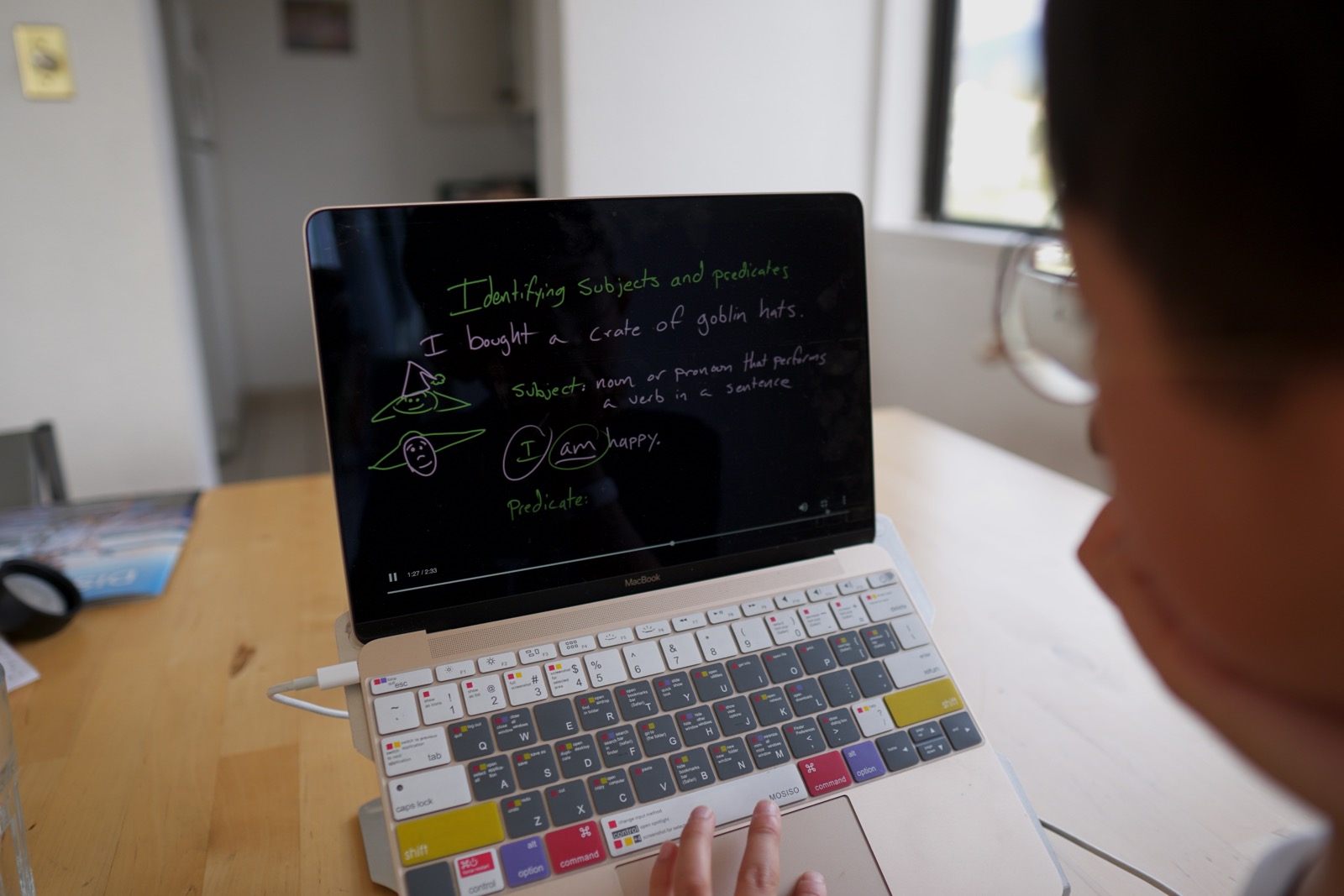
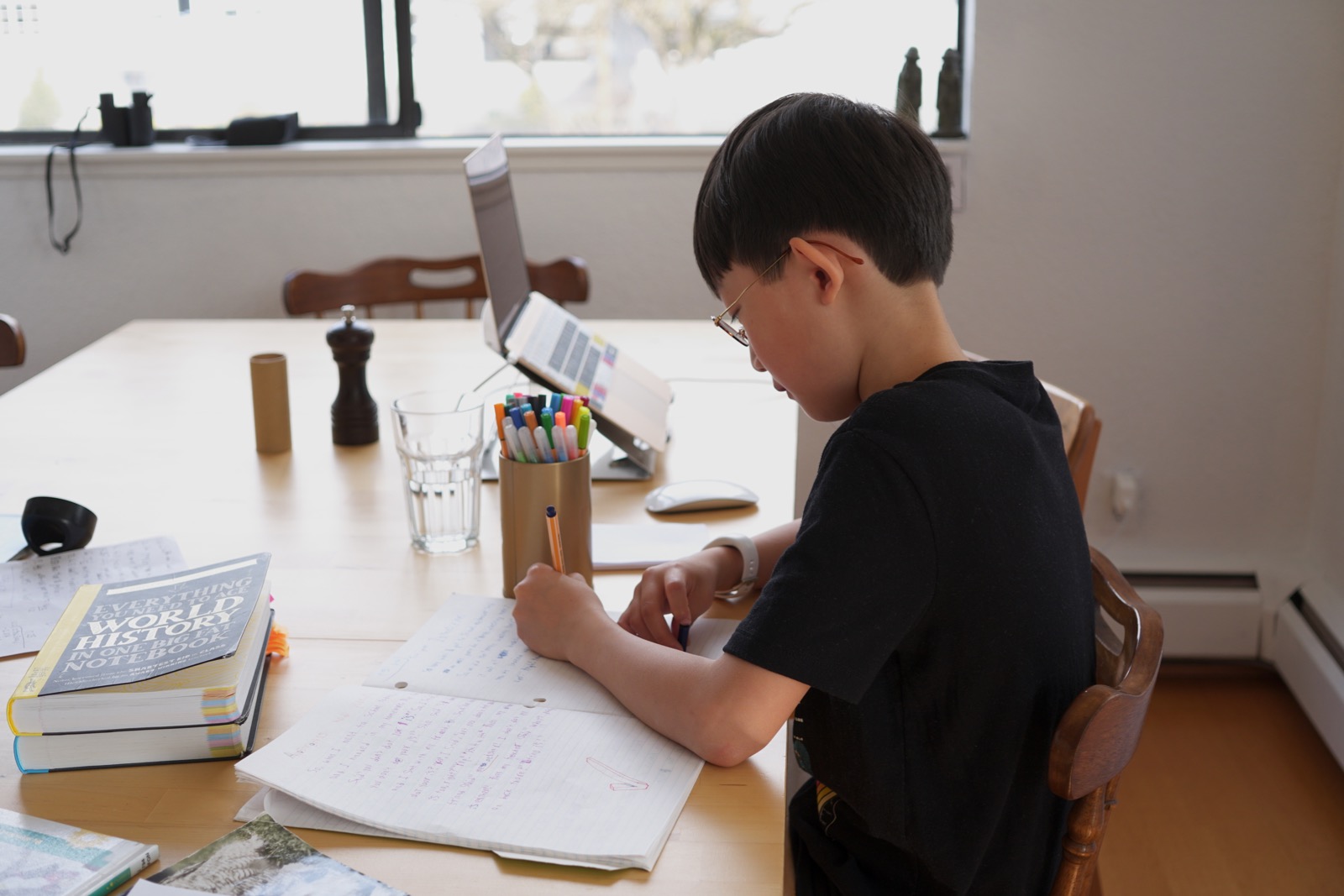
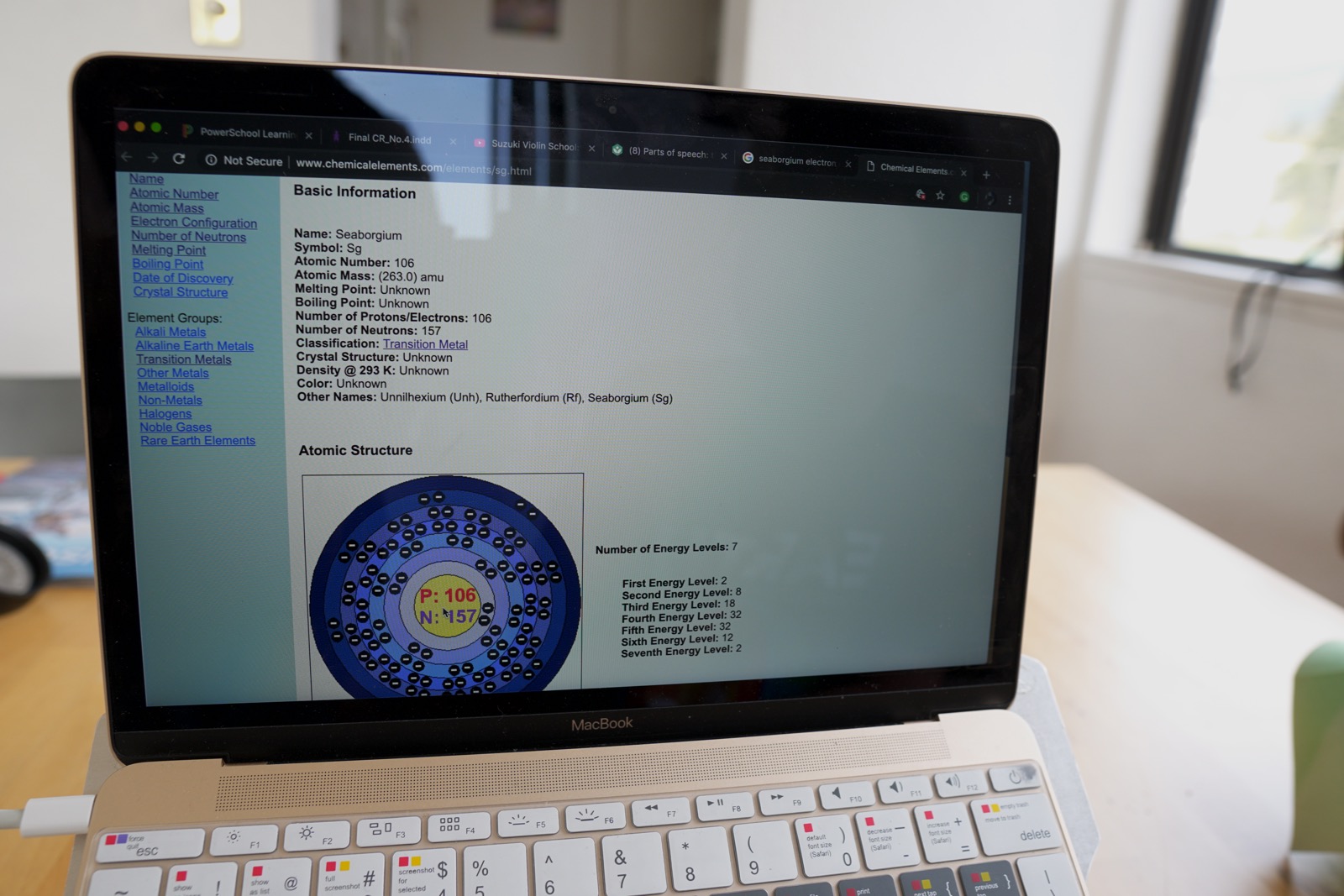
Since he’s using the computer quite regularly, we have him use a laptop stand so he can maintain good posture.

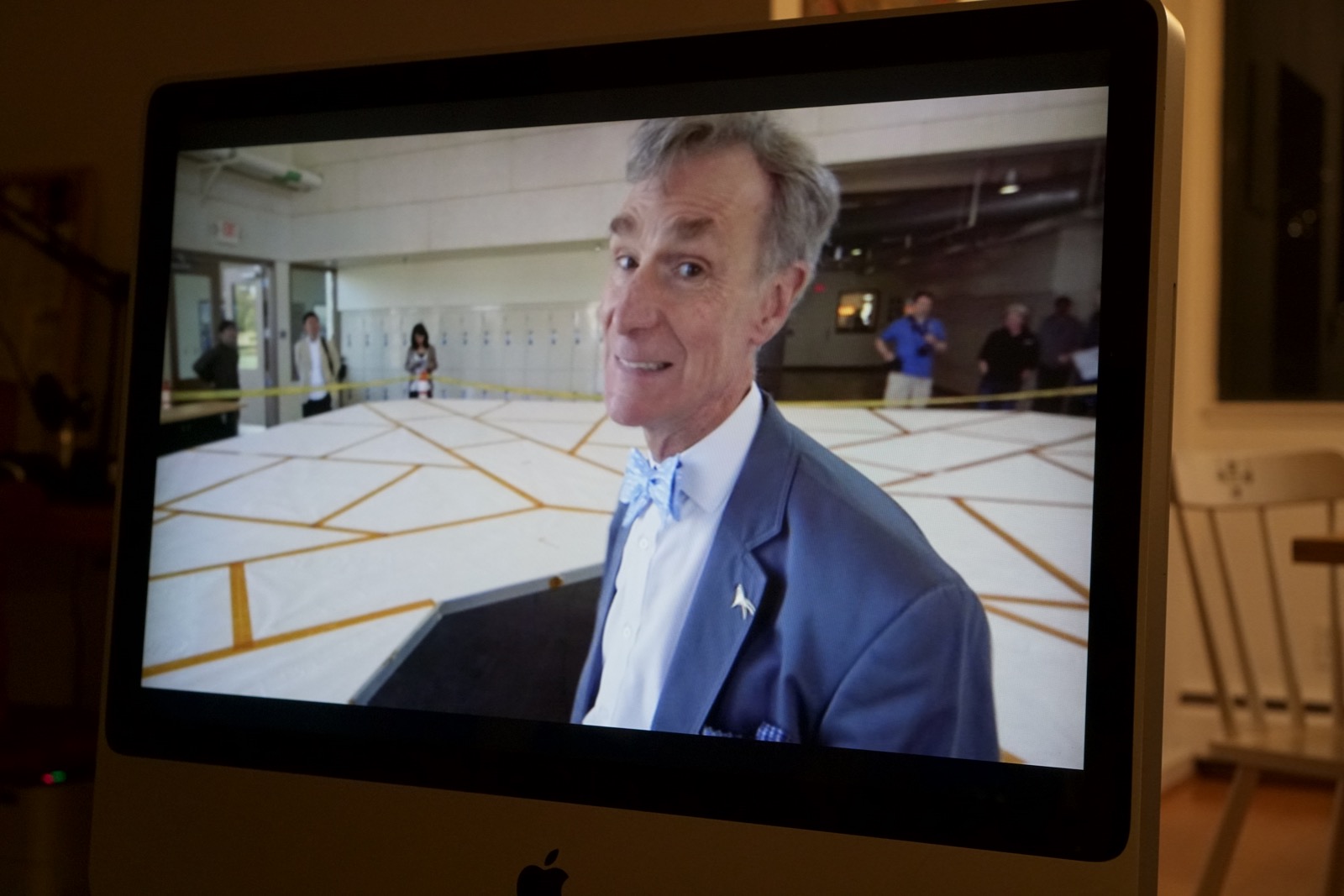

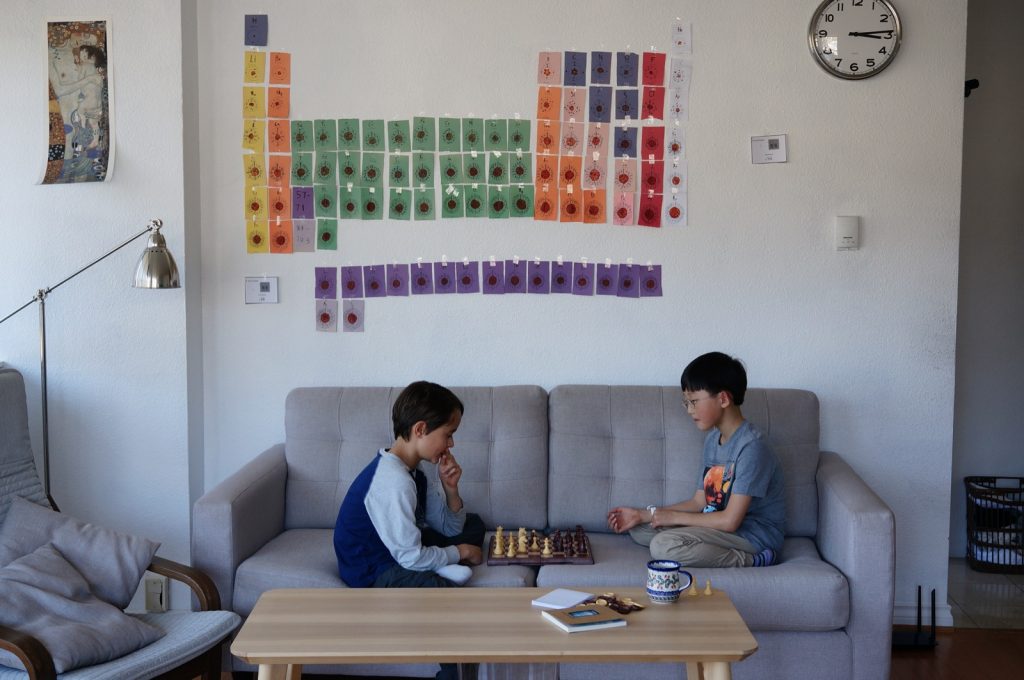
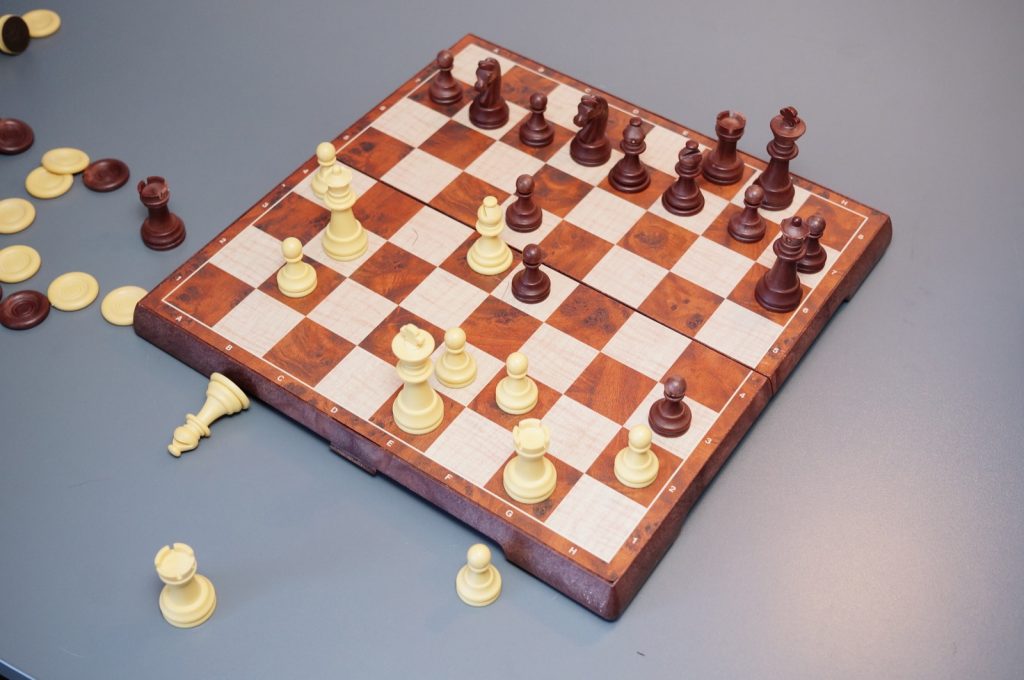
After watching Bill Nye, Ethan and Dong Eun had a chat before bedtime and talked about the similarities and differences between chess and Rubik’s Cubes.
Ethan said that the similarities are:
- Need strategy to solve or win
- Taking control of the centre is important
- Both have colours
- Can be done blindfolded
The differences between chess and Rubik’s Cubes are:
- There are more pieces on a chessboard
- 2D vs 3D, as chess in played on a flat board
- More possibilities on a chessboard
- More colours on a Rubik’s Cube
- Two players for chess versus one person for a Rubik’s Cube
And that was Ethan’s week. A lot of chess this week!
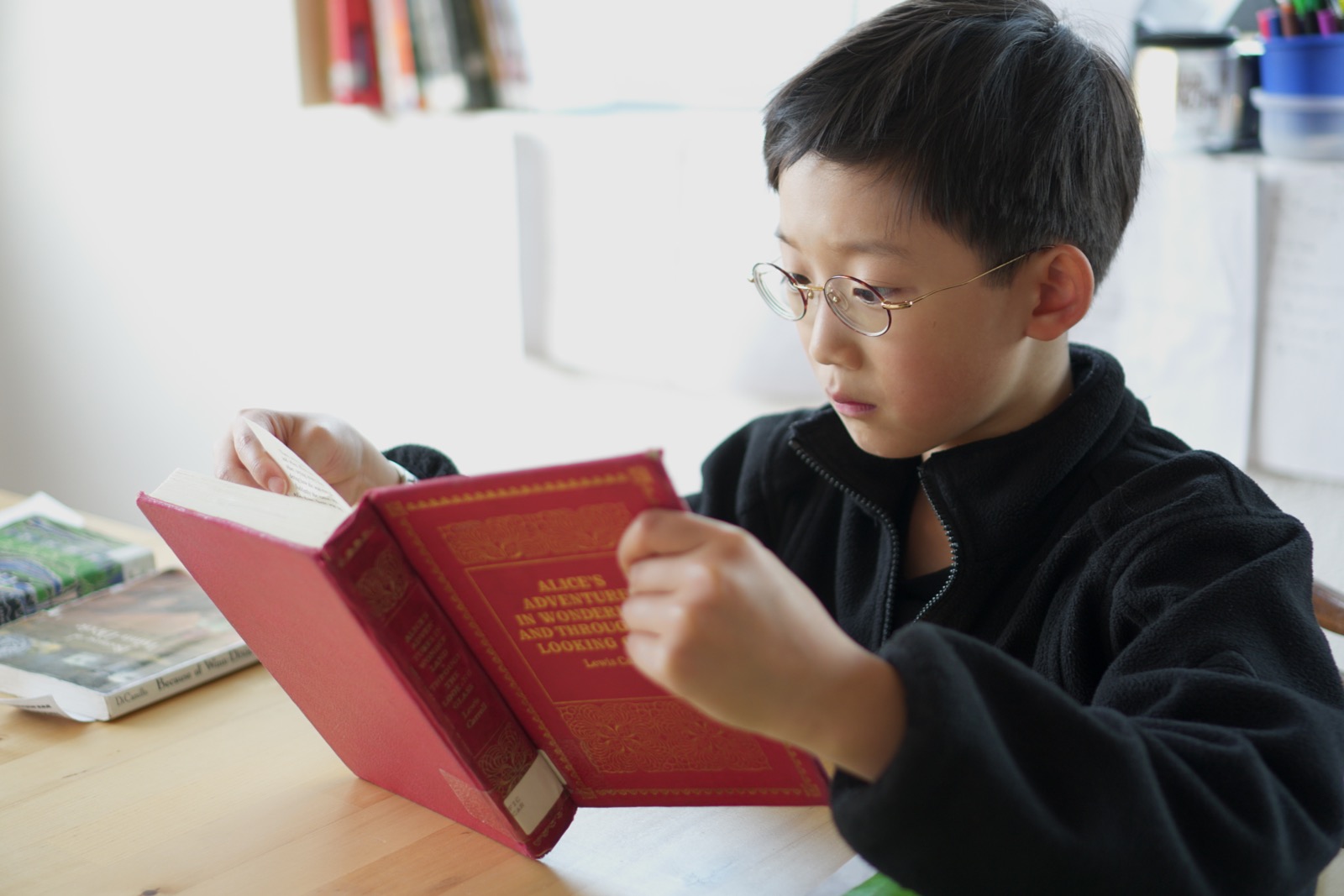
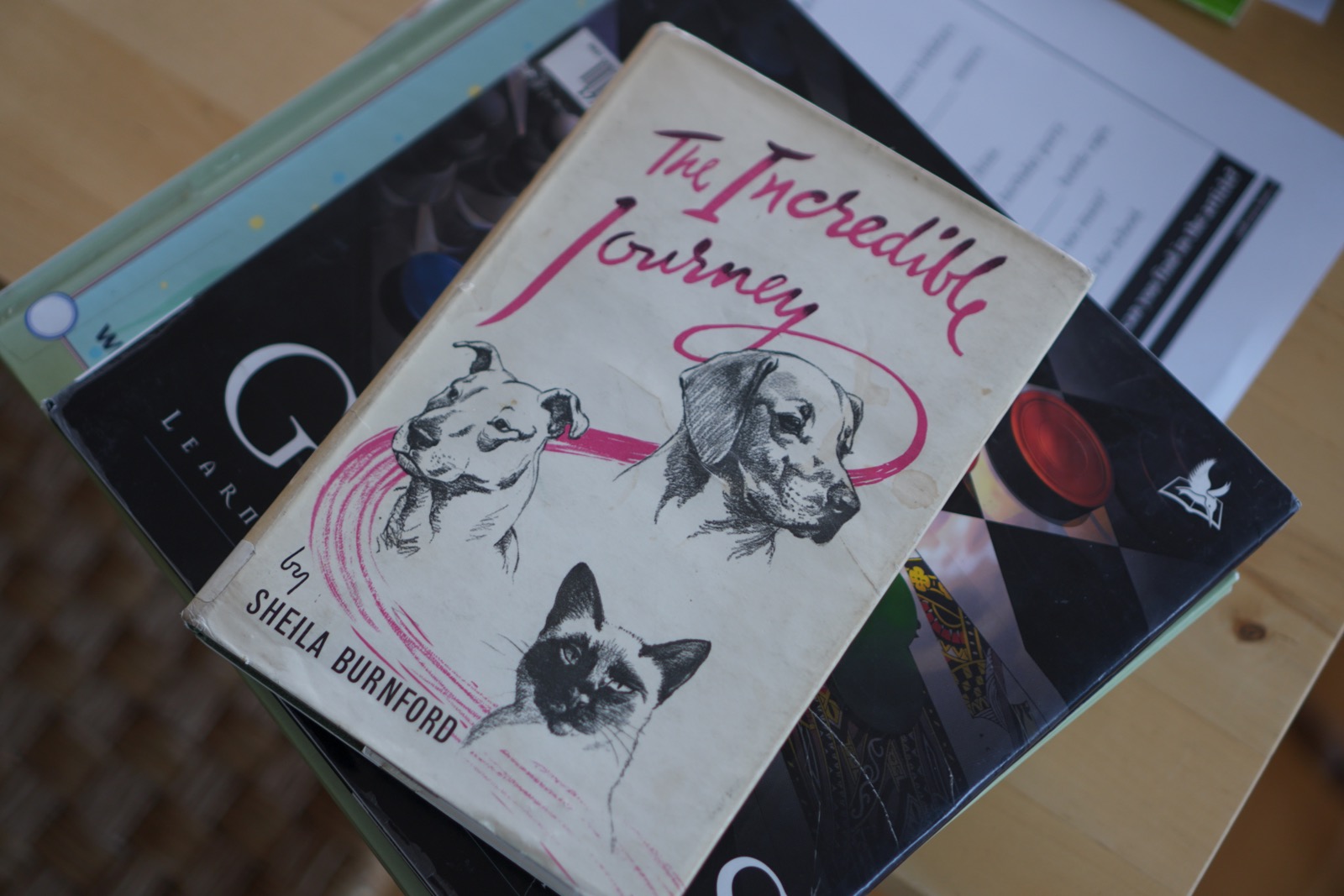
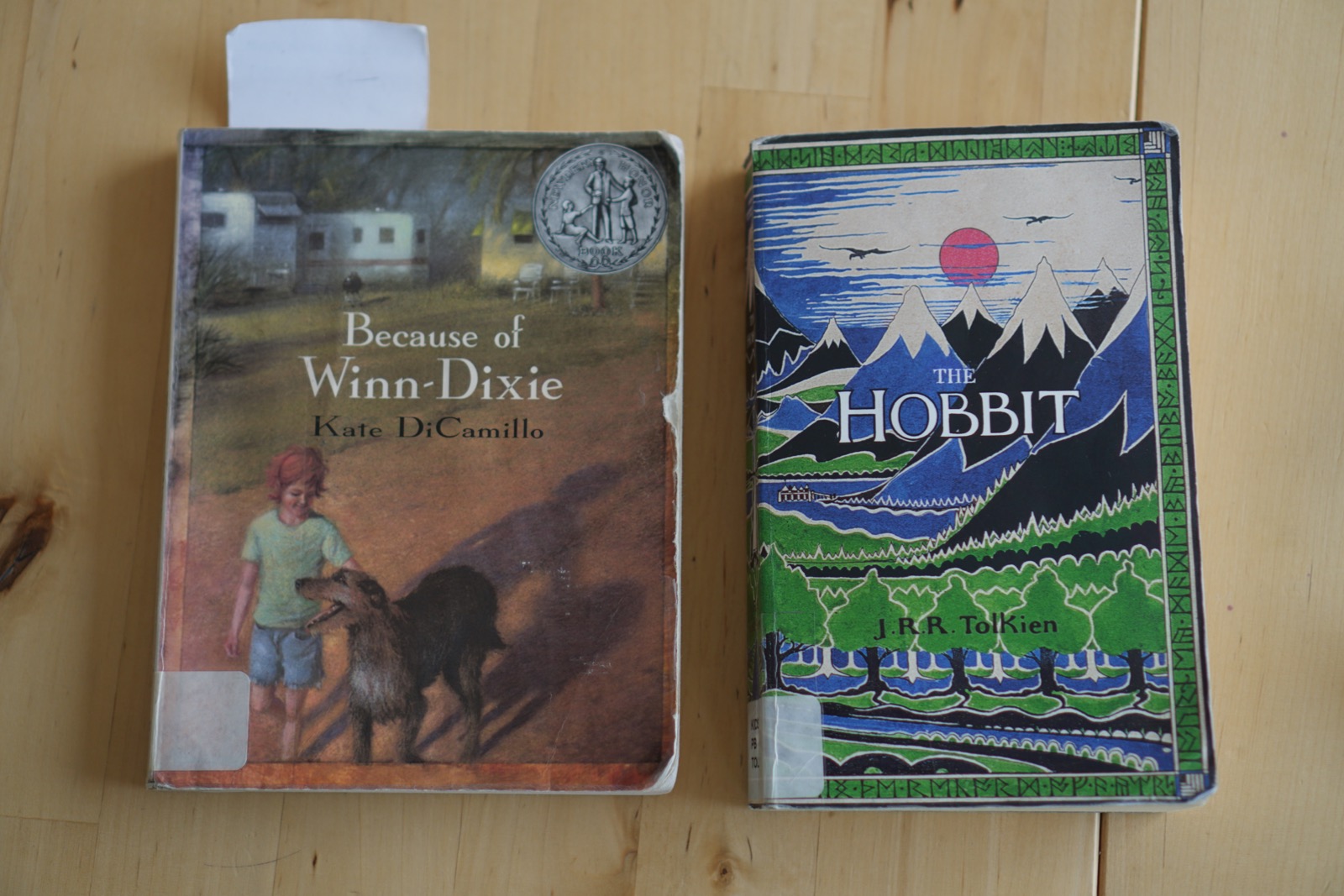
Twenty Thousand Leagues Under the Sea, Alice’s Adventures in Wonderland and Through the Looking Glass, Wrinkle in Time, The Hobbit
This is quite a collection of classics! Some of my favorites of all time. I am wondering how you go about discussions about these books?
I notice you read some aloud to Ethan and then some he reads independently. The language is so incredibly rich in Alice in Wonderland and the Hobbit. Do you look up unfamiliar words, developing his vocabulary?
Do you look up open ended questions to deepen his reading comprehension?
It would be interesting to have him come up with writing around this fine literature. Maybe a book review, a book report, exploring themes, comparing characters. Do you think Ethan is interested in this sort of writing yet?
Here are some math connections for Alice in Wonderland books:
Make a chart of the sequence of events in Alice’s Adventures in Wonderland. Many critics find a definite pattern to Alice’s adventures. Do you agree with them? Explain why or why not, and give examples from the text to support your argument.
One of the chief characteristics of Wonderland is its twisted logic. Read Carroll’s books on Symbolic Logic and The Game of Logic and compare Carroll’s concept of logic in these books to that in Alice’s Adventures in Wonderland.
Or some more general discussion questions, this novel is actually quite advanced so it will be interesting to explore wha Ethan’s level of understanding is at this point:
. Characterize Alice. How old is she? Does her character change during the story? If so, how?
2. Describe the Cheshire Cat. What makes this character important? Why?
3. Alice confronts the Duchess about her treatment of the pig-baby. Alice eventually finds comfort in her relationship with the Duchess. Describe the tension between the Duchess and Alice. How does the Duchess support Alice?
4. Cite two of the peculiar events in the novel. Why did the author include them? What purpose do they serve in the fairy-tale?
5. John Tenniel illustrated Alice’s Adventures in Wonderland for Carroll. How do the illustrations support the story and characters? Would the story be as effective without them?
6. Alice changes sizes throughout the novel. Write down each time she changes size, and what mechanism she uses to do it. Note any patterns in the changes.
https://www.shmoop.com/alice-in-wonderland-looking-glass/questions.html
I suggest reading The Hobbit aloud. It can be fun to take turns and even animate the voices and characters a bit. Such a wonderful book to listen on a recording too if you go on a long road trip again. Let me know how it goes and I am happy to offer all sorts of resources or ways to extend his learning around this book. Tolkien is a genius.
Here are a few prereading activities you could try before even starting the novel. Puns
The word “hobbit” can be used for many puns involving the word “habit” and its derivatives. See how many students can invent. These puns can be used for slogans in posters about The Hobbit or in encouraging people to read the book (e.g. “Tolkien is hobbit-forming!”)
Dragons
Use the information given about Smaug in The Hobbit to create an encyclopedia entry about dragons: their habitat, appearance, behavior, diet and so forth. Don’t forget to include a picture!
Runes
Dwarf runes are used for the map to make it look more authentic. These are dwarf-runes that Tolkien invented, basing them on Anglo-Saxon or Viking runes. Make messages for each other and solve them using either Tolkien’s dwarf-runes or “real” Anglo-Saxon runes.
These are some introductory and/or pre-reading activities to prepare for the reading of The Hobbit.
1. Examine the book itself. Is it hardback or softback? Does it include illustrations inside or just on the cover? Check out the table of contents. Look at the back cover or book flap blurb that briefly describes the book’s content. Based on these items, make a chart of what you think you know, what you know, and what you would like to know. Keep up with this list as you read and see if any of your chart entries change.
2. If you have a reader that also enjoys art and/or characterizations, you may wish to create a character folder. In this folder, notate all the character names that you run across and then draw a picture of this character based on descriptions included in the book. If a description is incomplete, have them note which details they are including for the character drawing from their own imagination. As they read through the book, have them keep new information that they discover about two or three of the characters and see whether this changes how they perceive the character to look, dress, etc.
3. Before reading the book, you may wish to do an author study. Find out what other books that J.R.R. Tolkien has written. Read some of his life story and while you are reading (or as a culminating activity) try and figure out what parts of his real life influenced his writing style and content.
4. J.R.R. Tolkien really enjoyed maps. You could use this as two different activities.
(a) Find a map of the world and notate the different locations that come up while reading a Tolkien biography.
(b) Tolkien drew the maps that are used as illustrations (if you book has them) for The Hobbit. Copy the maps and using a different colored pen or pencil for each character, mark their trails on the map(s) as the story progresses.
5. Nature plays a big role in all of Tolkien’s books in one form or another. He mentions many species of trees and plants that actually exist. Create a Middle Earth Nature Sketchpad. Whenever you run across a tree, plant, animal, etc. in the book, draw a picture of it in your sketchpad. Differentiate those that appear in real life from those that Tolkien made up.
6. Music figures very strongly in many of Tolkien’s stories. The characters do a lot of singing. In your best handwriting, you may wish to keep track of some of these songs, and decorate the edges of the page(s) with drawings of the musical instruments mentioned and/or pictures of the characters doing the singing and/or pictures of items in the story that pertain to the setting the song is being sung in.
7. Choose one or more of the mythological creatures mentioned in The Hobbit and do further research.
8. Folklore is a particular kind of fiction. Learn more about the genre of folklore and how it differs from plain fiction. Do you think that classifying The Hobbit as folklore is appropriate? Why or why not? Be specific. You may wish to re-ask this question after the book has been read. Did your answer change? If so, why?
9. For those students who are studying oration or who enjoying reading aloud, have them read into a recorder one or more of their favorite passages from the book. Critique the recording and then re-record the same passage(s) to see if they can improve the sound, cadance, annunciation, etc. Have a friend or other family member listen to the recording. Ask them if it makes them want to read The Hobbit.
10. Most of Tolkien’s books are full of lesson, morals, parables, similes, etc. To “see” these, you must often look beneath the surface of the story. Make connections based on themes and character personalties with themes and personalities in the real world outside of the Tolkien universe of Middle Earth. Keep this in mind as you begin reading The Hobbit. See if you can see the difference between your average piece of fiction, and this masterpiece of literature.
11. The Hobbit and The Lord of the Rings triology have been called “epic fairy tales.” Both the heroic epic and the fairy tale trace back to the oral tradition. Identify vestiges of the oral tradition thriving in the popular culture. The possibilities can include jokes, riddles, nursery rhymes, urban legends, family anecdotes, narrative songs, and the contemporary storytelling movement.
12. Tolkien presented his original idea of the “eucatastrophe” — the sudden and felicitous turn of a protagonist’s fortunes — in a 1938 lecture titled “On Fairy-Stories.” Identify the eucatastrophe in particular myths and folktales you are familiar with. Do these amazing “lucky breaks” follow certain patterns? Can you offer examples of eucatastrophes in the Bible, Hollywood movies, presidential elections, and professional sports? Keep track of the different “eucatastrophes” that appear in The Hobbit as you read the book.
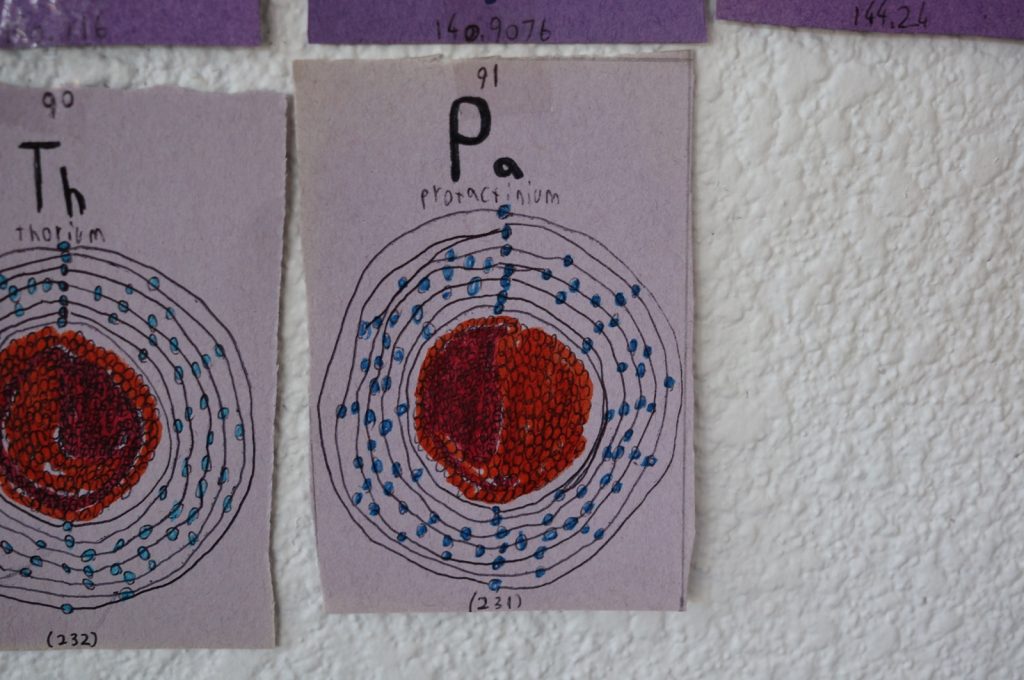
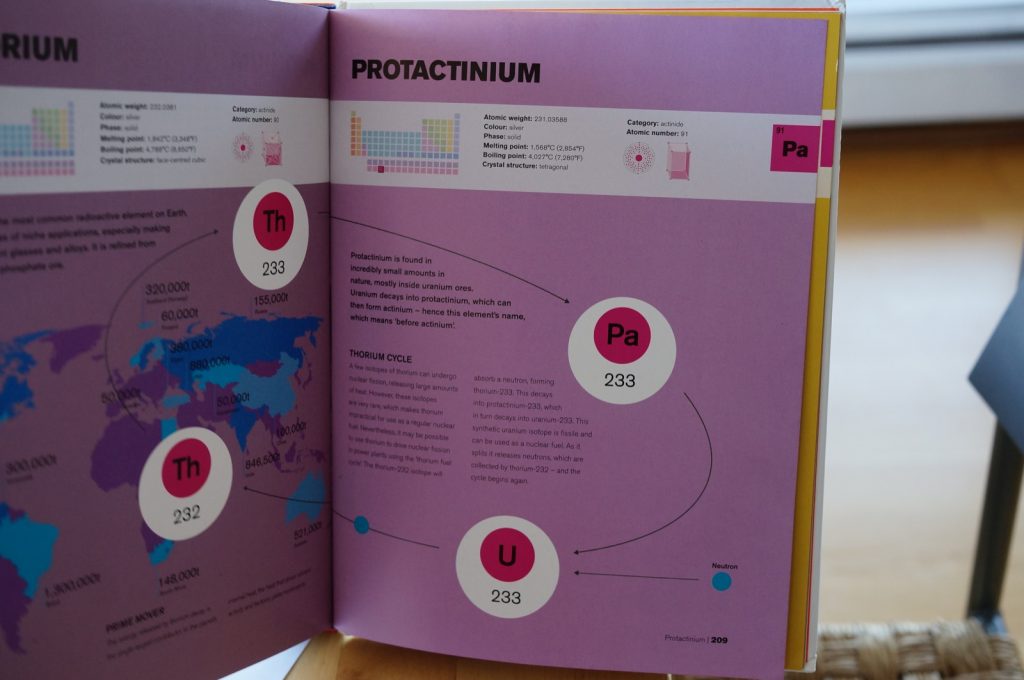
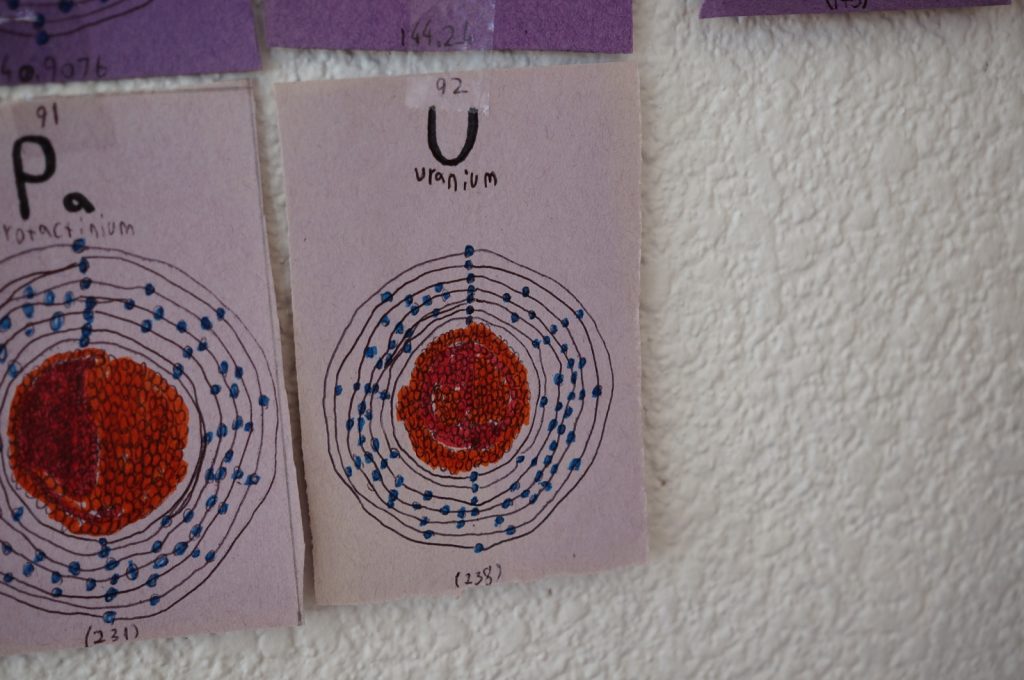
Protactinium I had never heard of this element so I looked it up. I found this, so it made sense:
Uses of protactinium
Due to its scarcity, high toxicity, and high radioactivity, protactinium has no current practical uses other than basic scientific research.
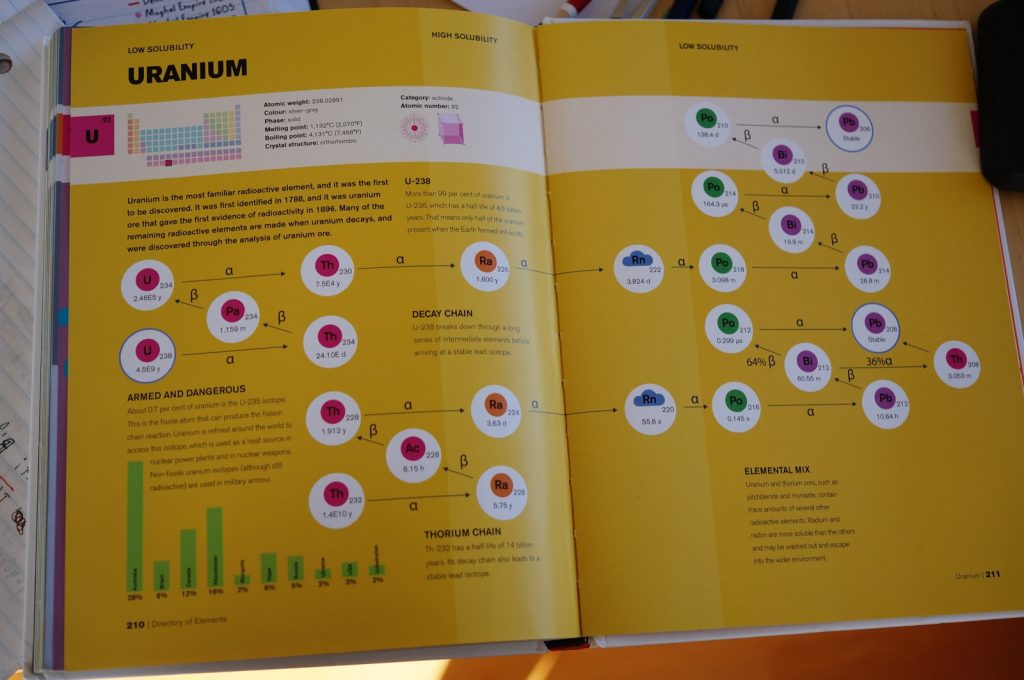
Element number 92, uranium!
Now uranium, that is another story all together. It might be a good time to delve a bit deeper into uranium and Ethan’s understanding of nuclear reactors and power and if you choose nuclear bombs…. Not to mention the environmental concerns
http://teachnuclear.ca/all-things-nuclear/canadas-nuclear-history/uranium-mining/history-of-uranium/
Later, to meet the requirements of the fast-growing nuclear industry, uranium mining was expanded in the U.S., Canada, France, Australia, and Africa. Today, Canada was the second-largest producer of uranium from mines (about 20% of world supply), after Kazakhstan (27%).


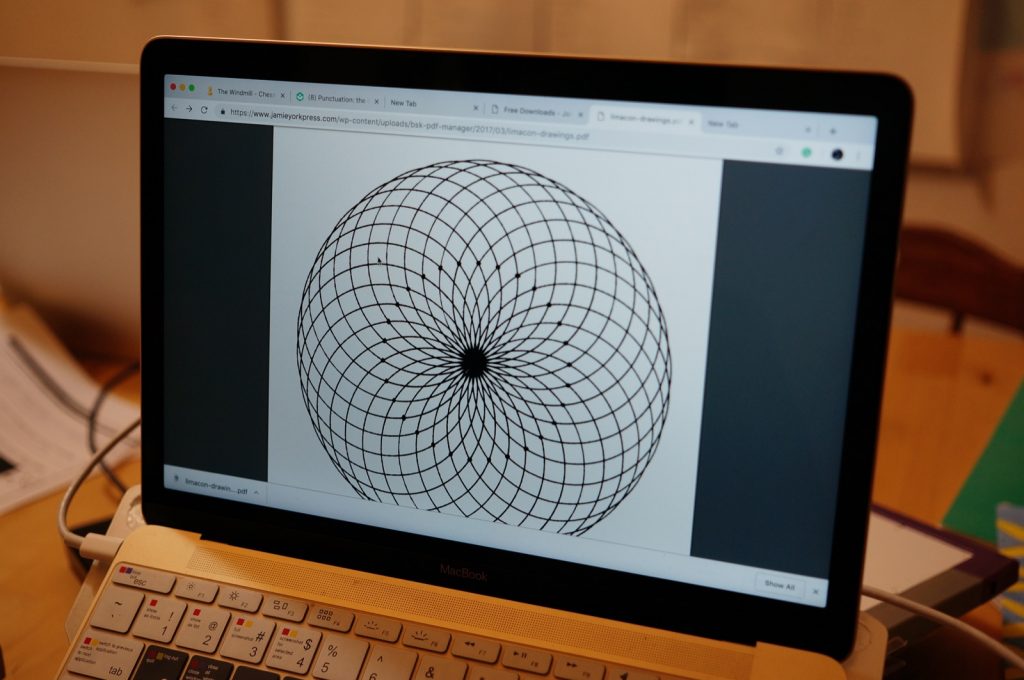
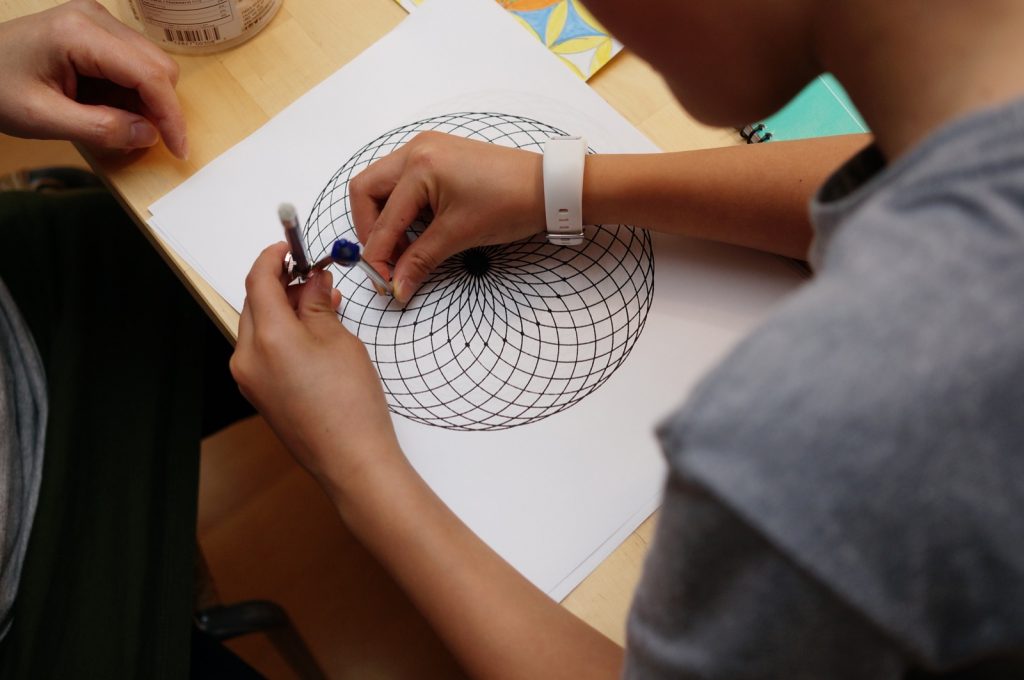
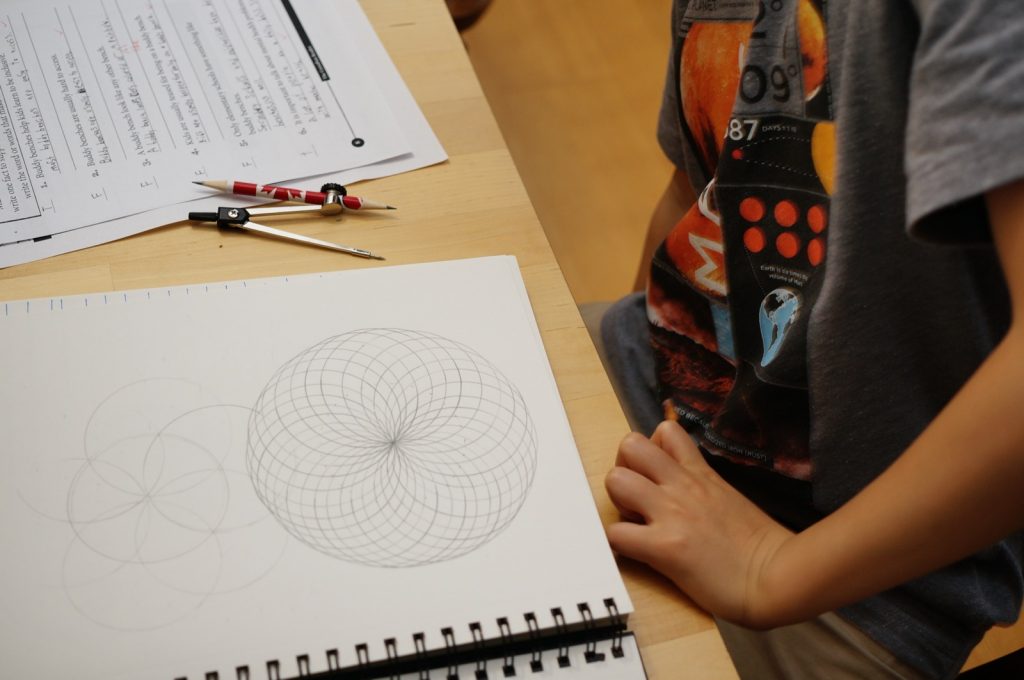
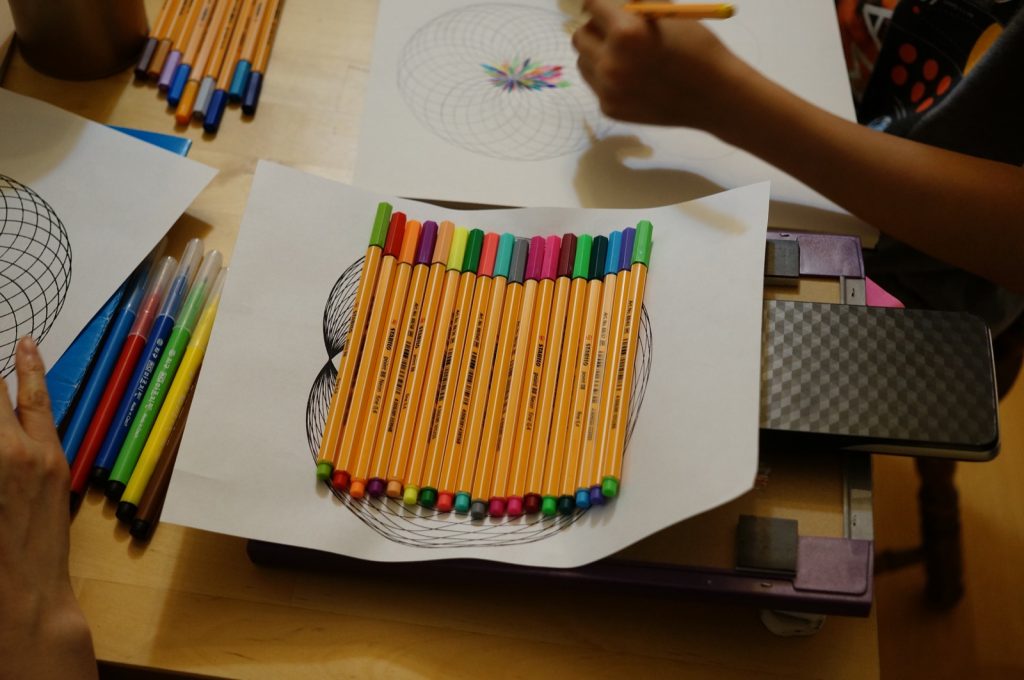
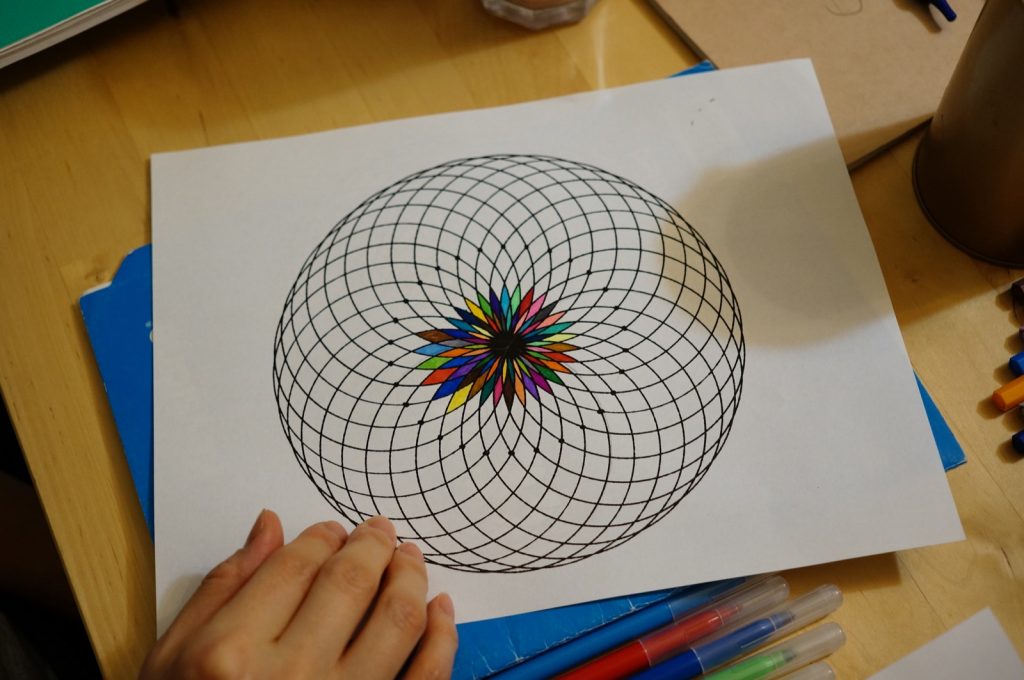
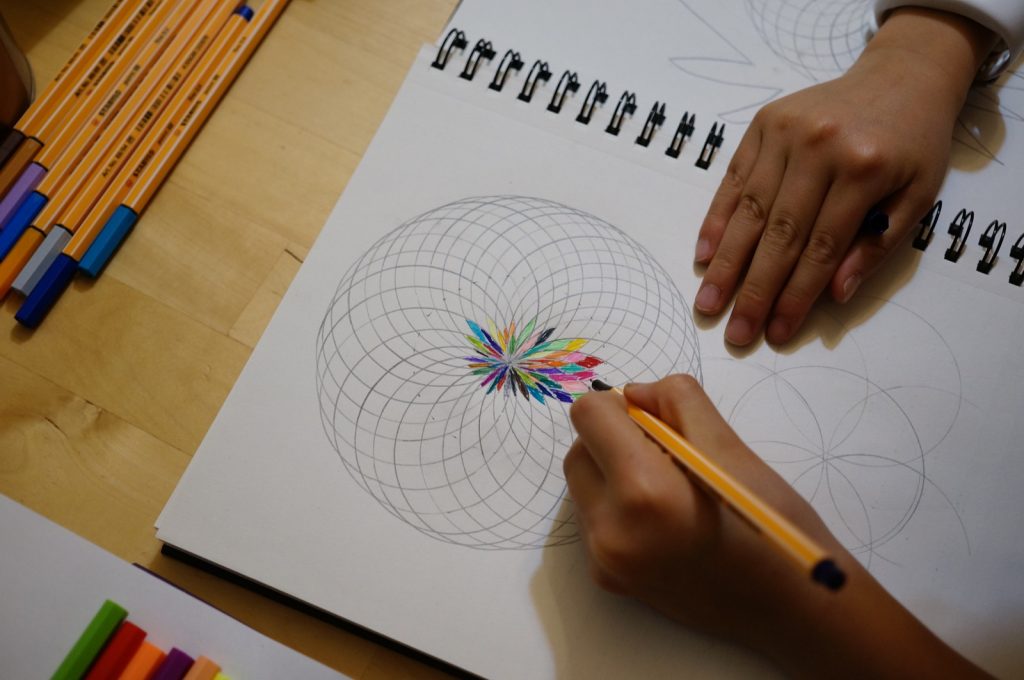
I loved your limacon drawings so much! And I am so happy you liked my math resource suggestions. I can’t wait to see what else you find of interest, please share with me!
I suggest you do a google search of limacon videos…I am sure it will lead you to some very interesting places…good luck. I tried it and it looks like it heads towards calculus.
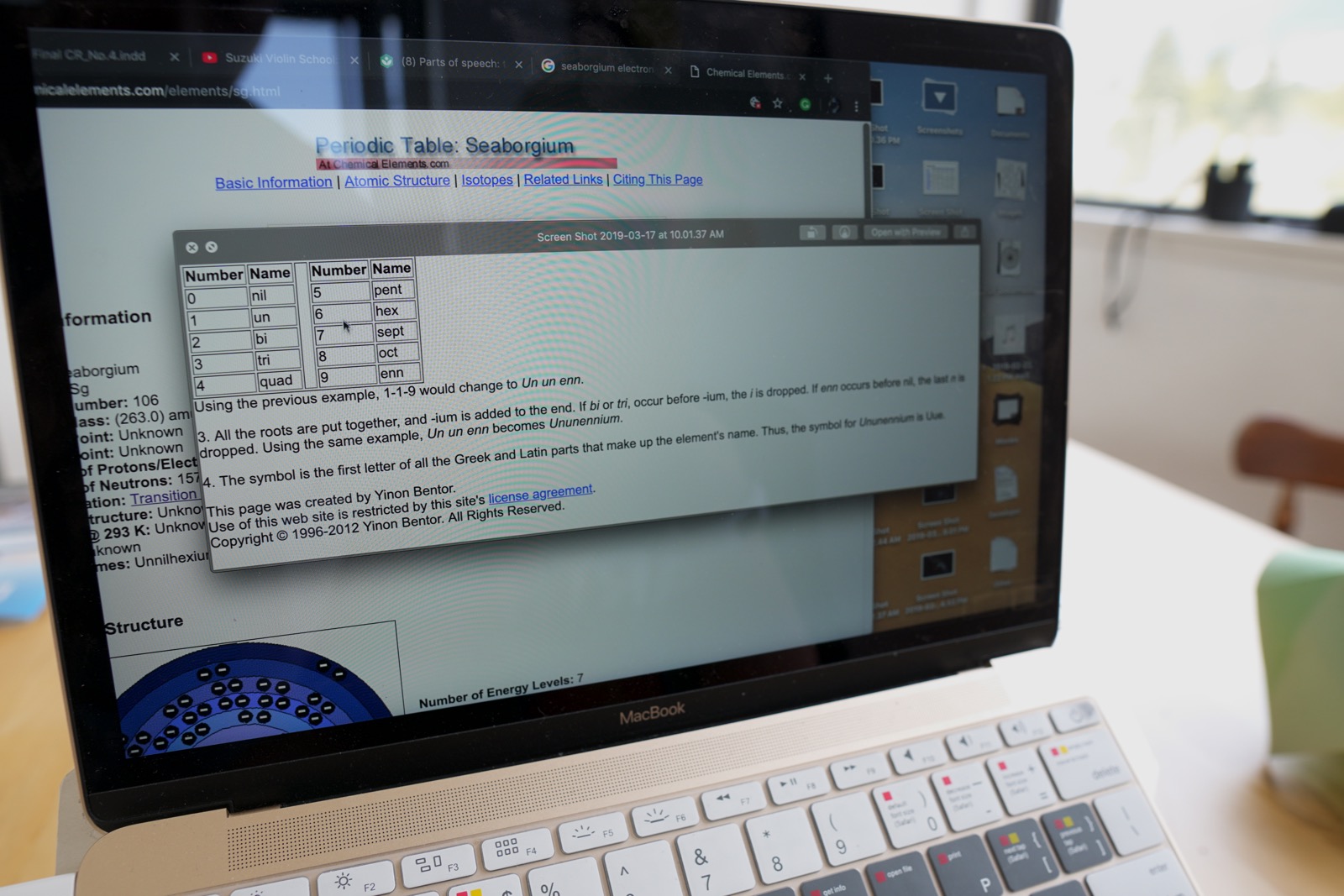
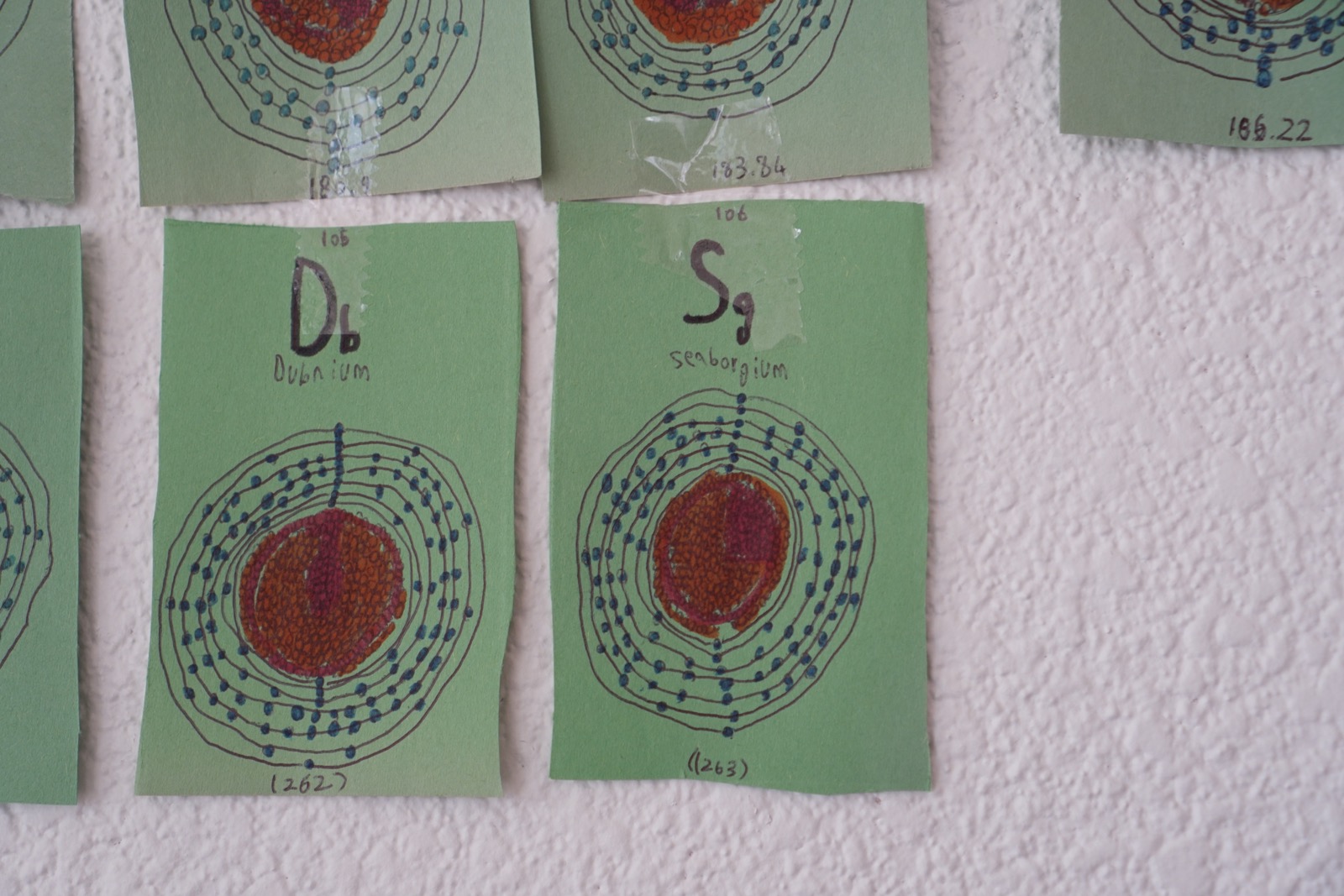
Next, he started working on an element card for seaborgium. He showed me this chart, which is used for giving placeholder names to elements that don’t have an official name, yet. He explained how the chart works and gave me some examples.
Isn’t that so interesting? Amazing he could explain this to you! I wonder where he will head next in his chemistry studies once he completes the entire periodic table.
I thought this was pretty clever prop of my housemate (the teacher) when it was element presentation day in her class:

Afterwards, he spent most of the morning making this representation of all the types of numbers. This type of diagram is known as a Euler (pronounced OY-ler) diagram. He learned a version of this in his middle school math book and decided to make one for himself. He included examples of each type of number.

This is fantastic! Making the Euler diagram in 2D and then a fantastic and entertaining video as well.
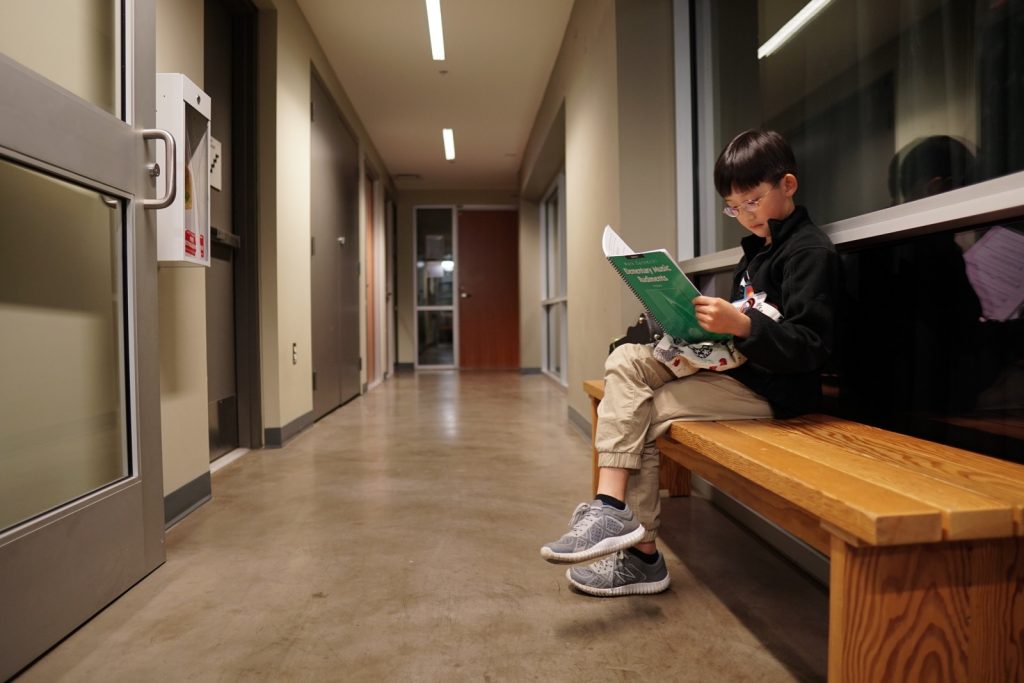
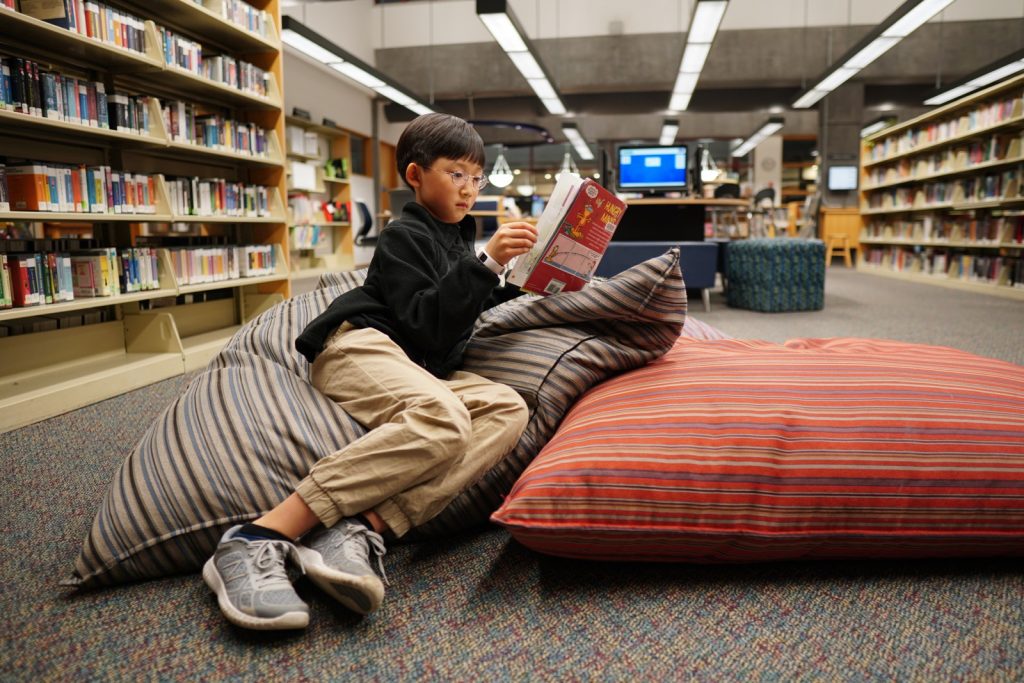
Ethan read Owls in the Family and A Wrinkle in Time. He finished both books.
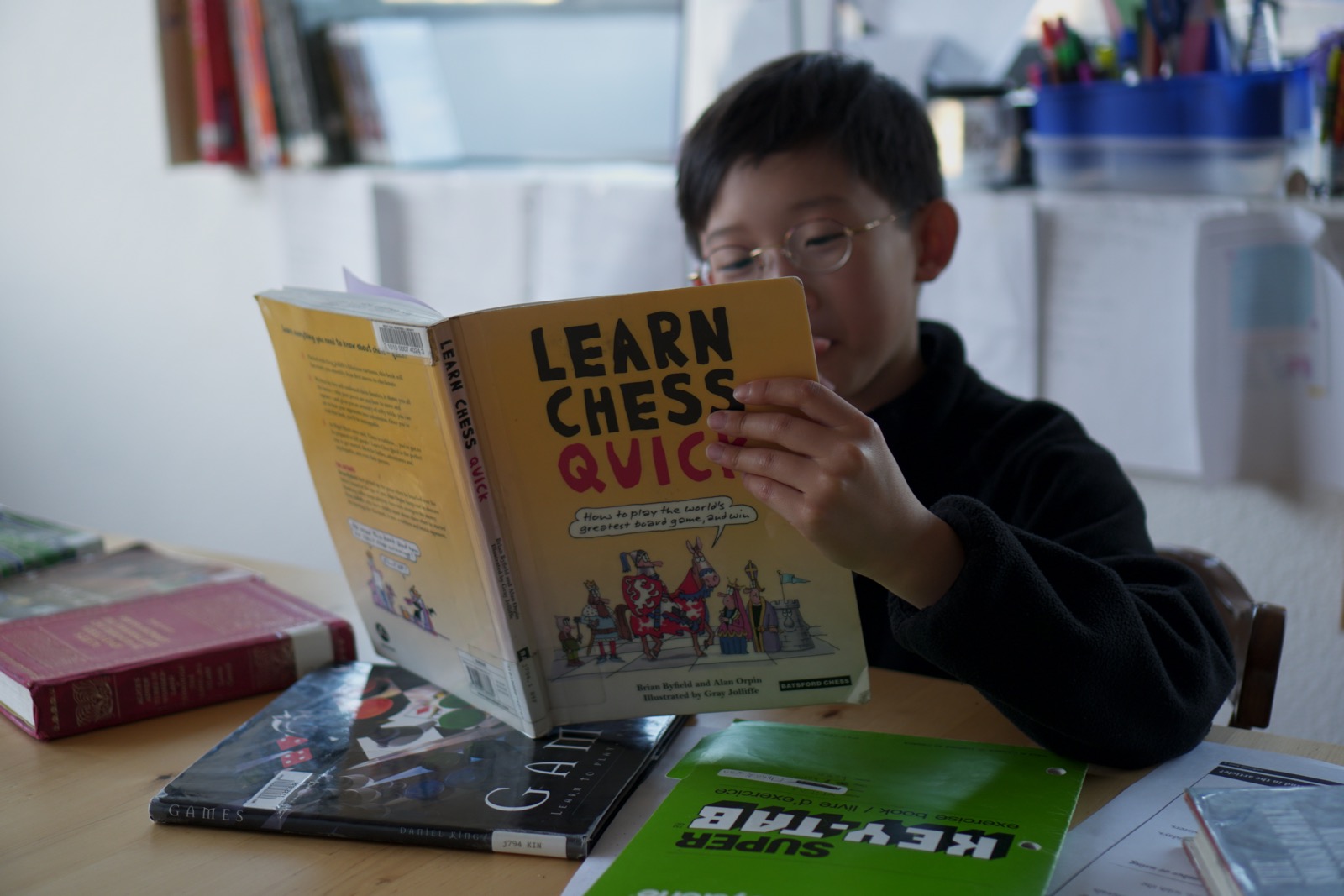
He loves playing chess online, so he said that he would complete two tasks and then play a match. After the match, he has to complete two more tasks before playing chess again. So much chess indeed this week! How do you see his play progressing or advancing with all this reading and practice?
Since he’s using the computer quite regularly, we have him use a laptop stand so he can maintain good posture.
Posture is so important, i am glad you are attending to Ethan’s posture as he does spend a lot of time on the computer and his body is still developing and growing. I use a laptop stand and mouse and keyboard too.
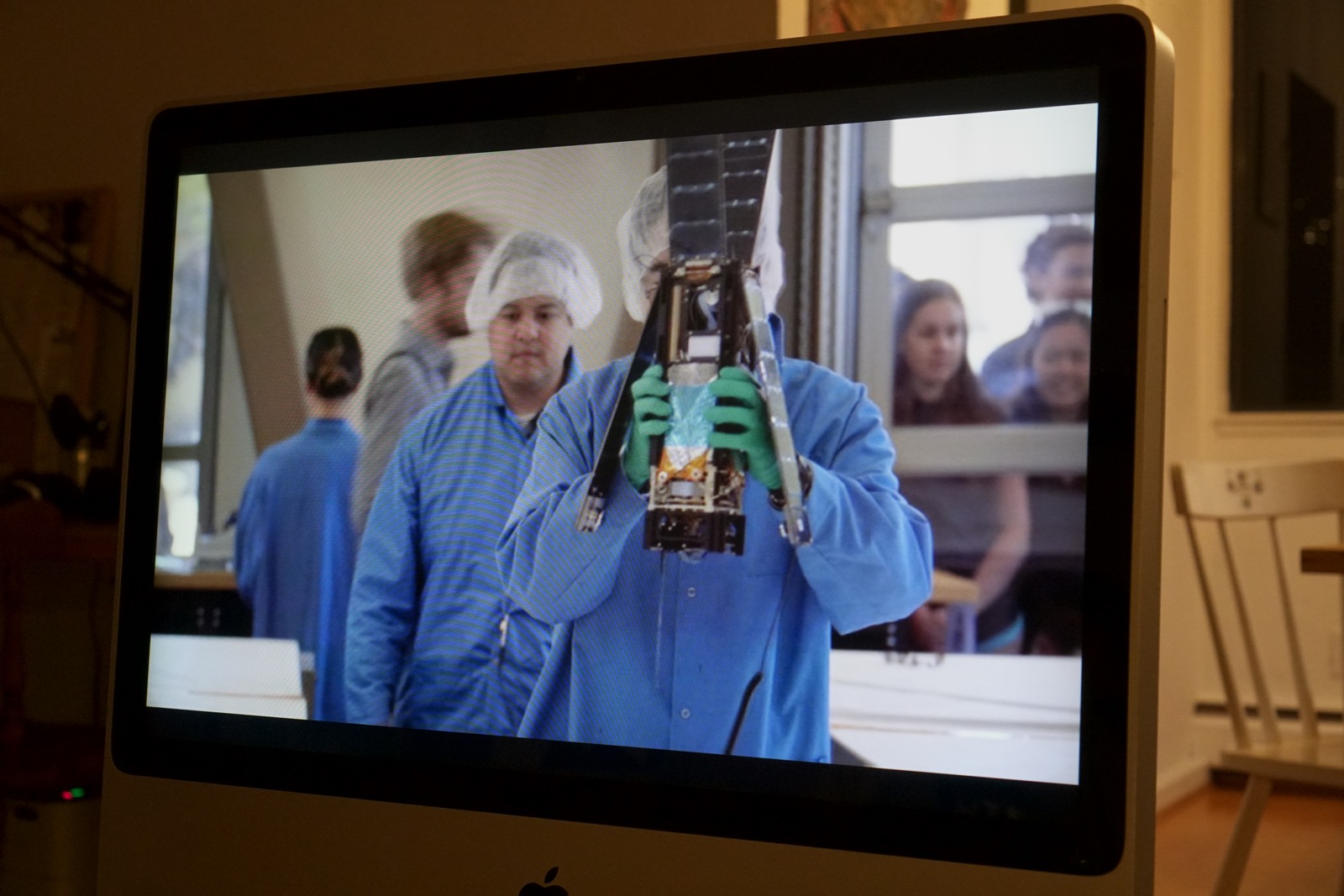
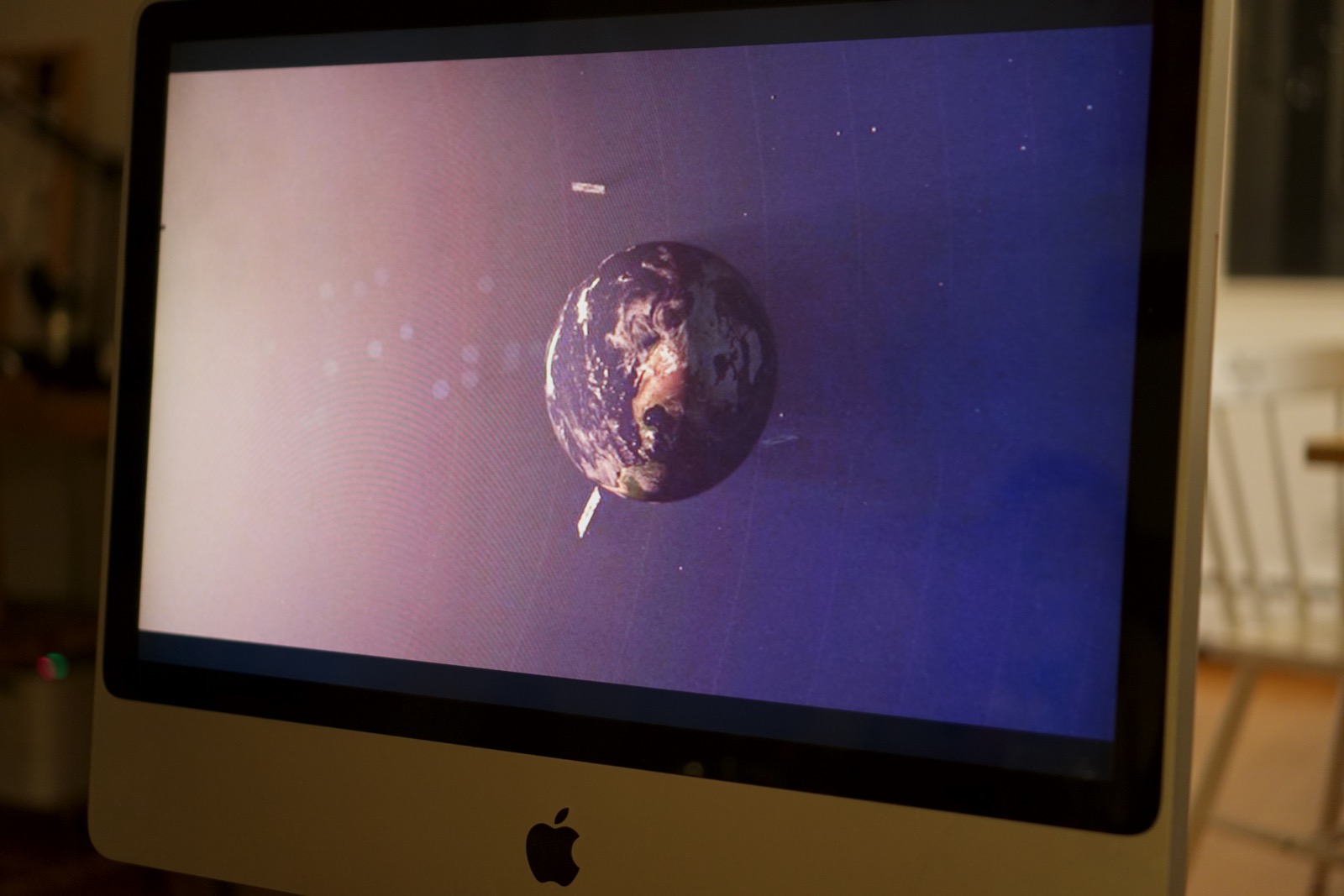
This is the solar sail spacecraft. Yes, it’s that tiny. The sail itself is gigantic but is folded up inside the spacecraft. Ethan knew that it was folded using origami techniques similar to the flasher origami he used to like making. Awesome connection Ethan! Origami and space exploration meet in the most unexpected and wonderful places.
- We learned that the solar sail spacecraft could travel indefinitely without needing it’s own power source so it can visit deep space or other galaxies. The spacecraft could also be used to monitor climate change on earth.
OMG! I can’t wait to see what image and discoveries are ahead with this solar sail technology.
After watching Bill Nye, Ethan and Dong Eun had a chat before bedtime and talked about the similarities and differences between chess and Rubik’s Cubes.
Ethan said that the similarities are:
- Need strategy to solve or win
- Taking control of the centre is important
- Both have colours
- Can be done blindfolded
The differences between chess and Rubik’s Cubes are:
- There are more pieces on a chessboard
- 2D vs 3D, as chess in played on a flat board
- More possibilities on a chessboard
- More colours on a Rubik’s Cube
- Two players for chess versus one person for a Rubik’s Cube
And that was Ethan’s week. A lot of chess this week!
Thank you for sharing his comparisons between chess and rubik’s cube. I think there is more here…
Ethan how do they compare in terms of how you solve/play them?
How do they make you feel similarly and differently?
How are they in terms of playing yourself and then having an opponent?
Recent Comments