
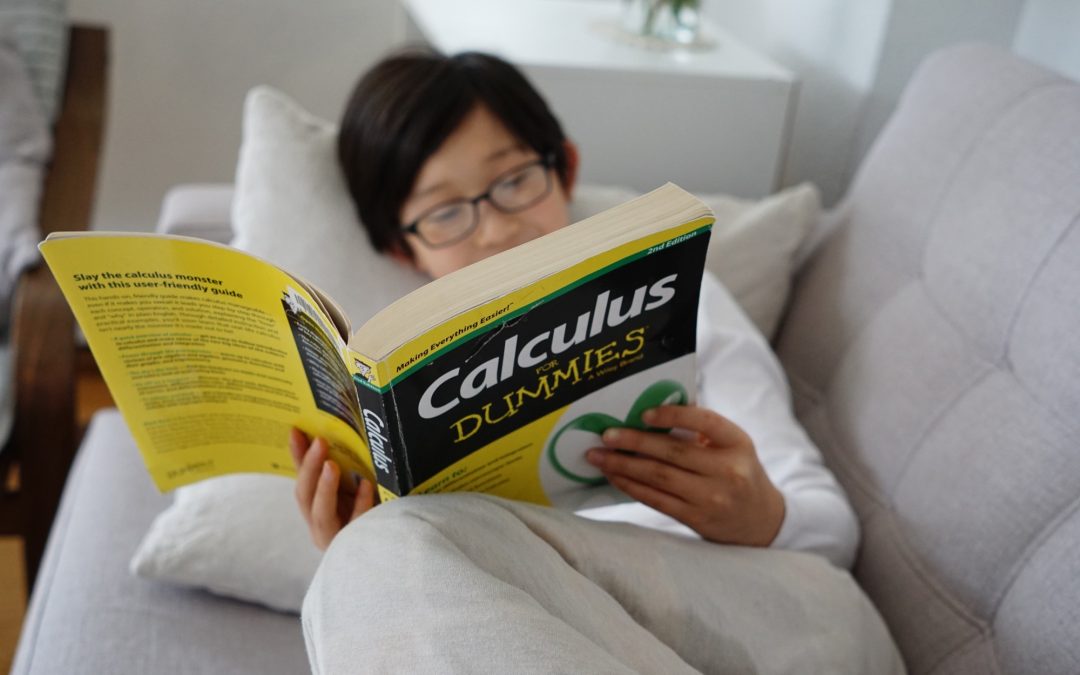
Leap year week of Ethan doing the unschooling thing. Let’s have a look at what happened.
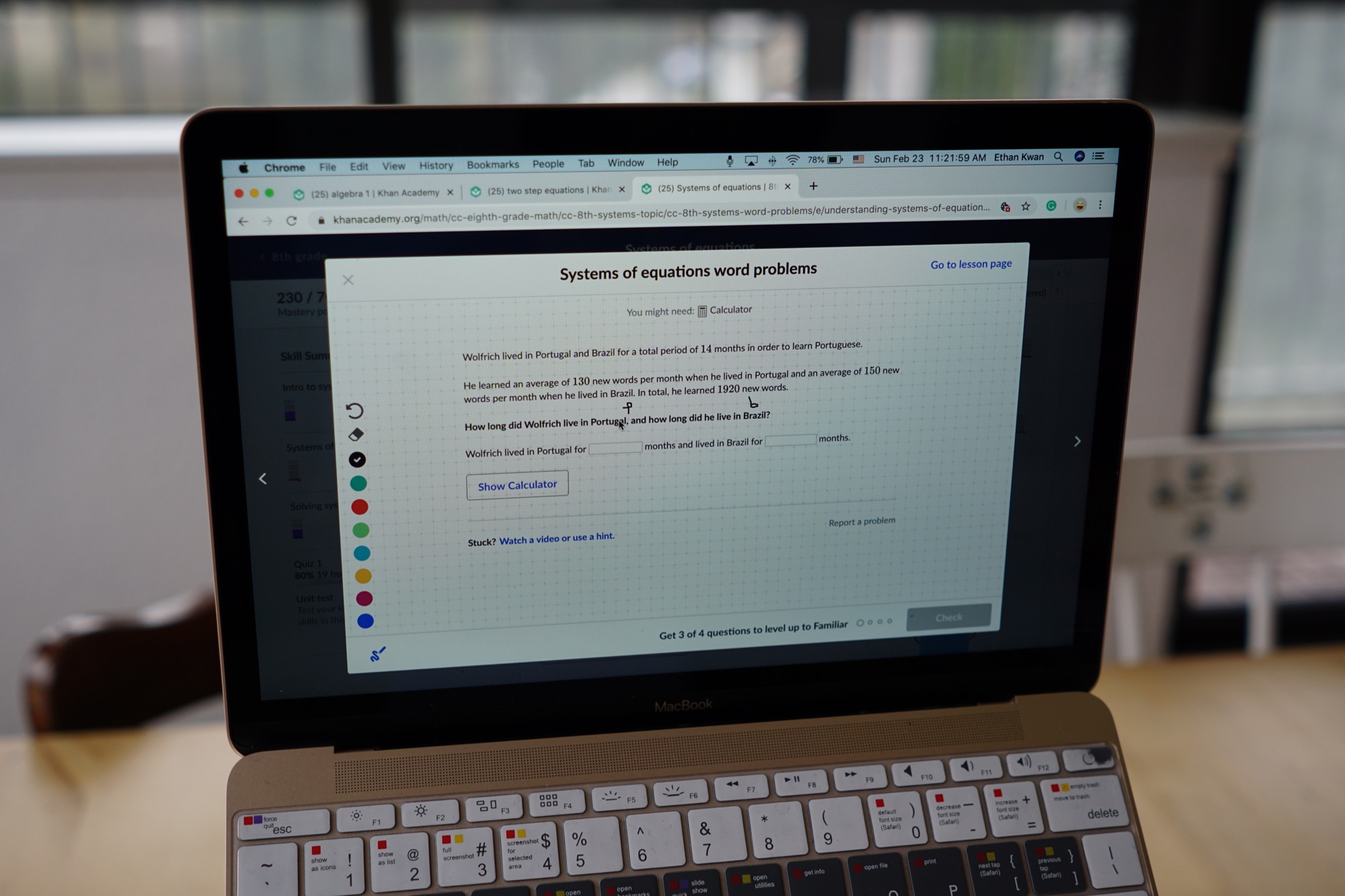
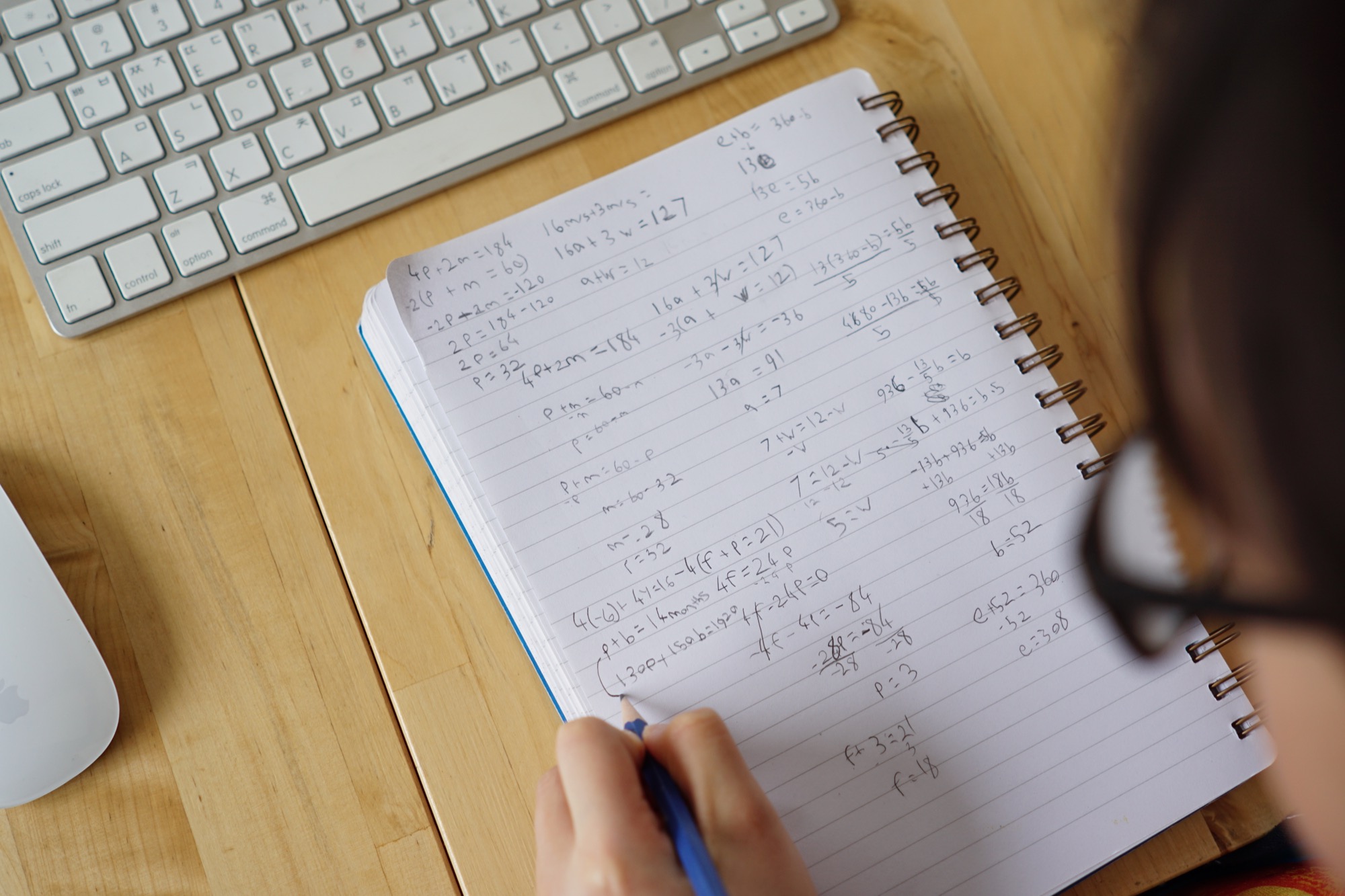
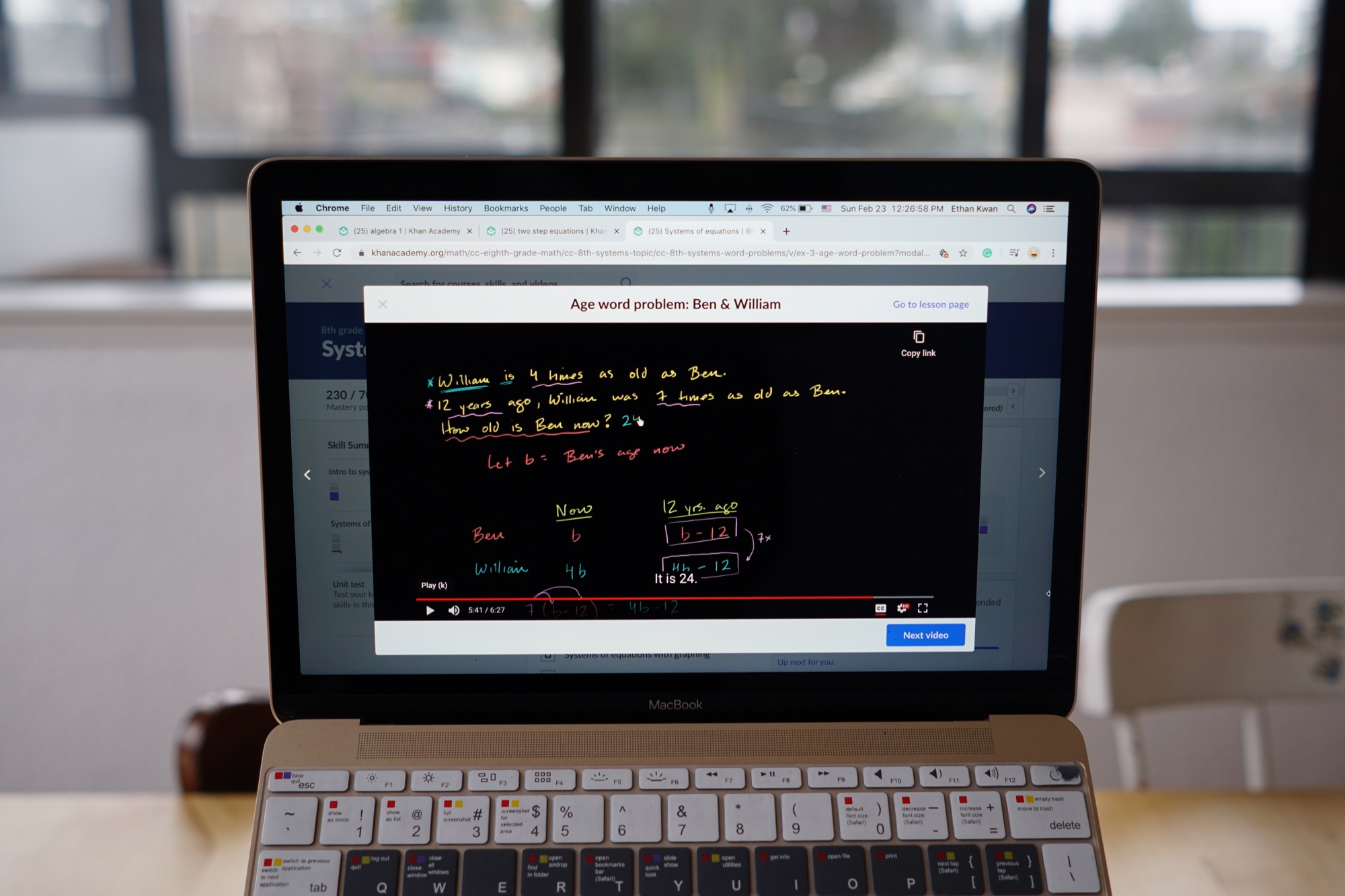
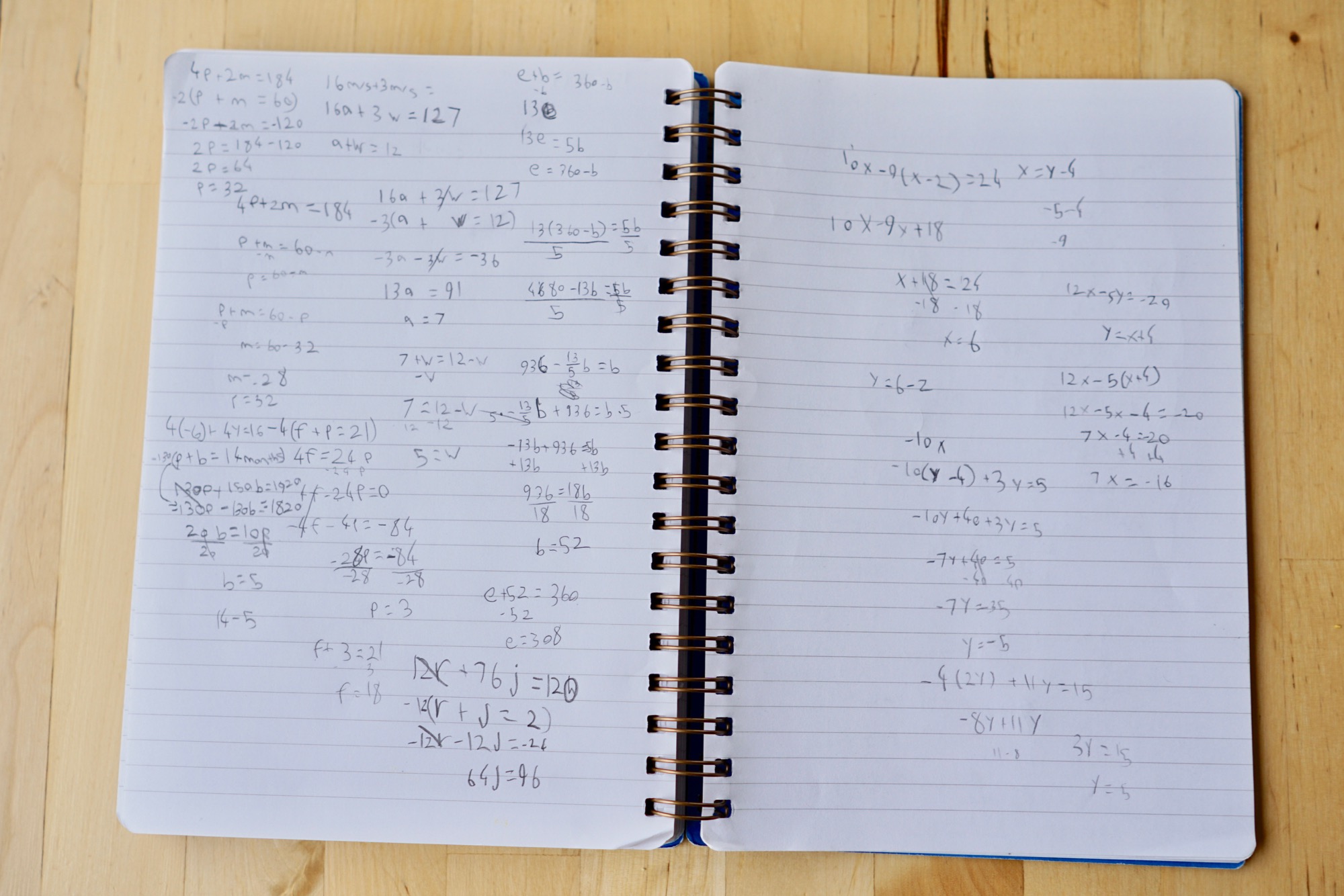
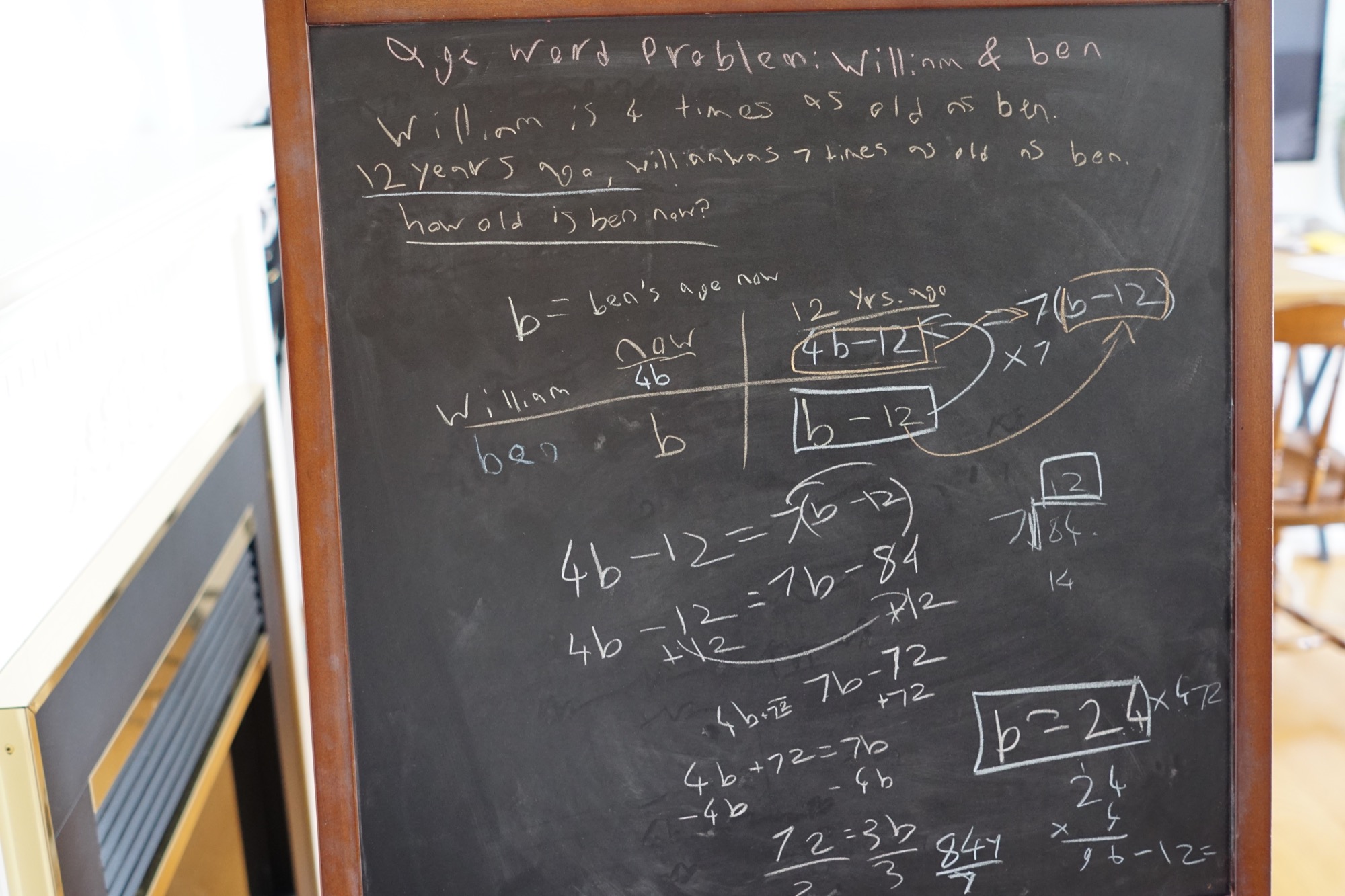
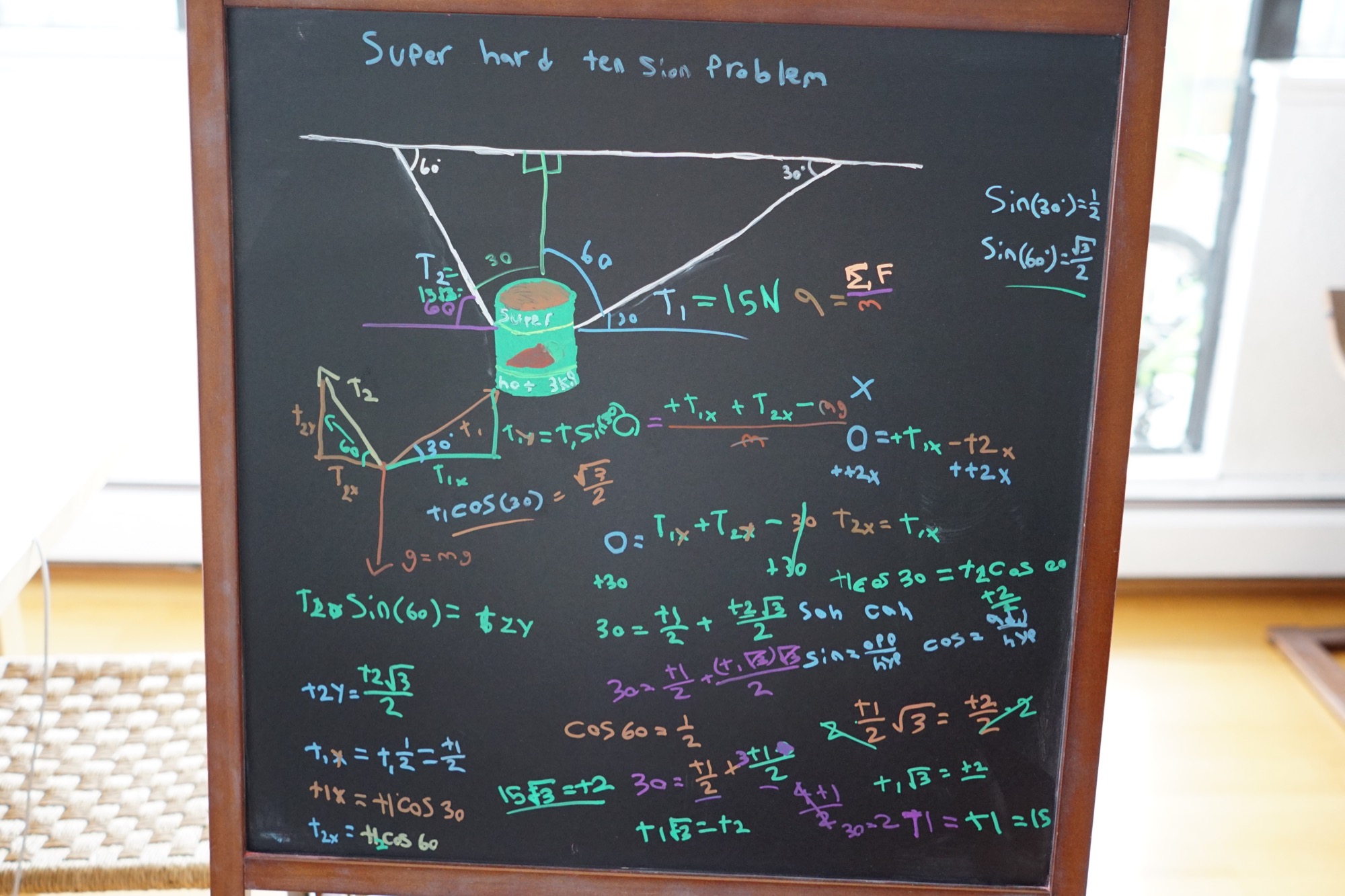
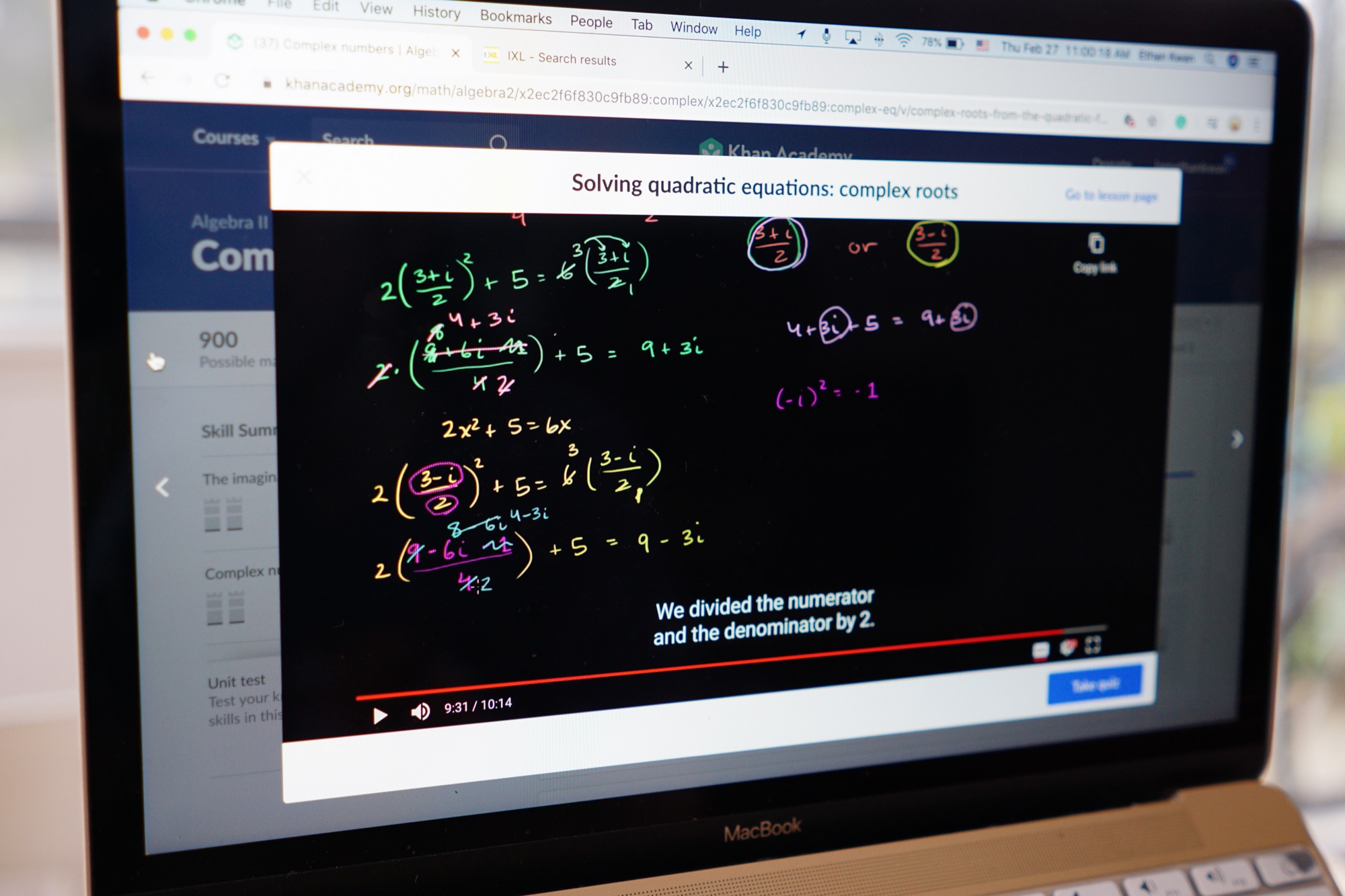
Ethan started working on solving math problems this week to test his knowledge. Although he often learns about Grade 11 or 12 level math and algebra, he found from solving problems that he needed some practice solving systems of equations. He used a combination of IXL and Khan Academy to practice solving systems of equations.
February 23
February 24
Ethan had violin and skating in the evening. In the morning, Ethan had a trip to the dentist where he had four cavities filled. He rested for most of the afternoon after he got home.
February 25
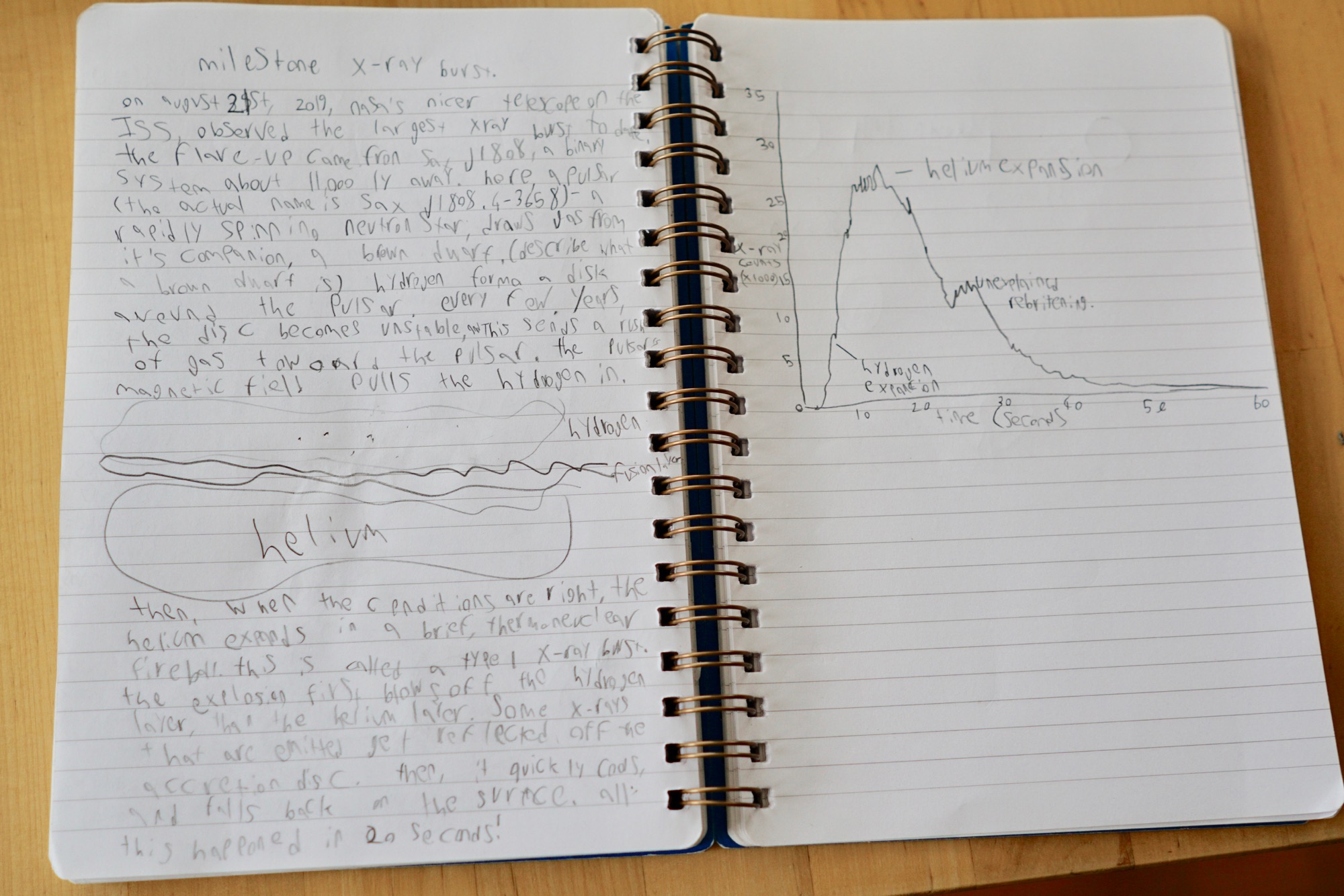
https://howtodostuffwithethan.com/milestone-x-ray-burst-by-ethan-kwan/
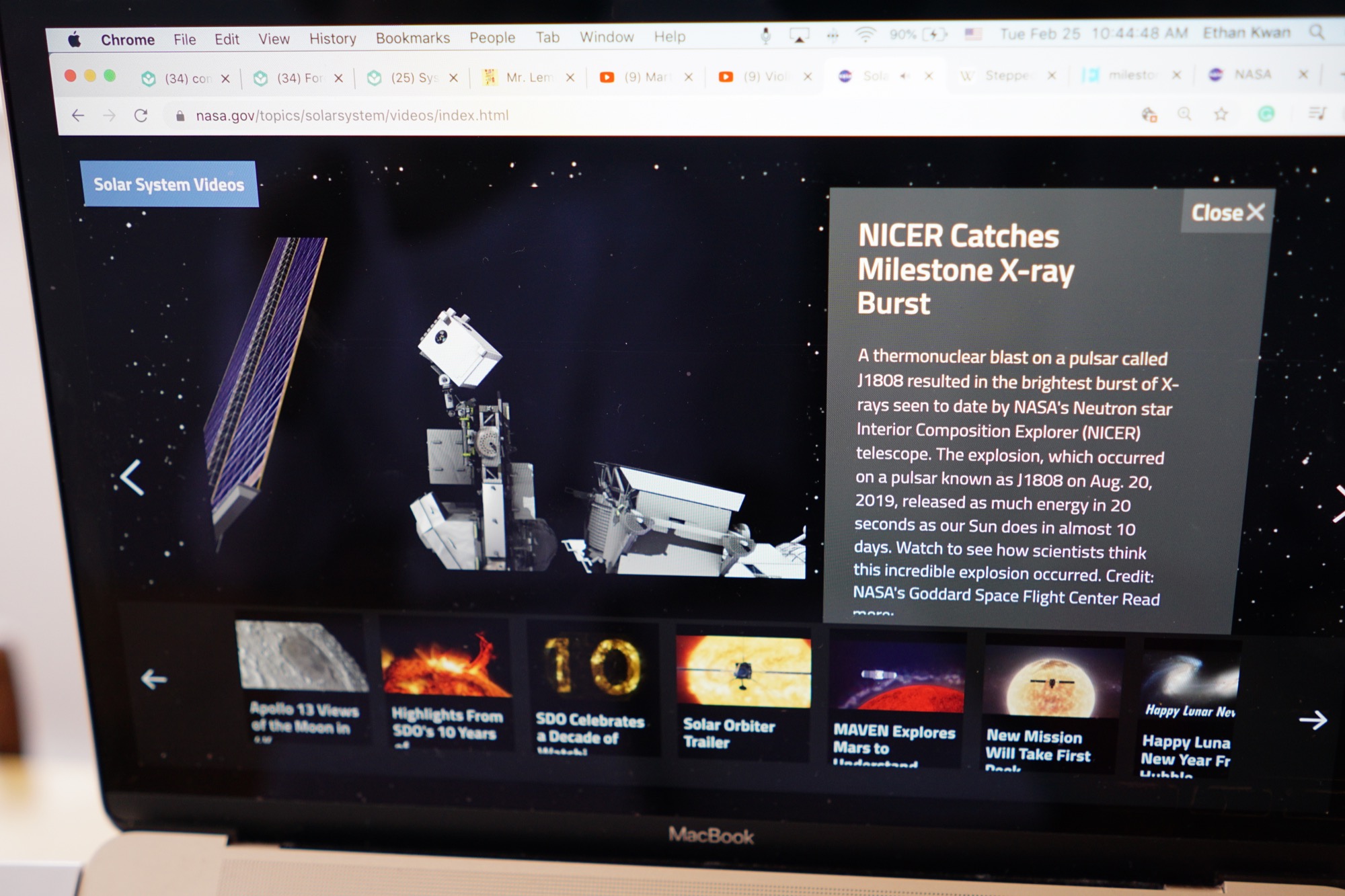
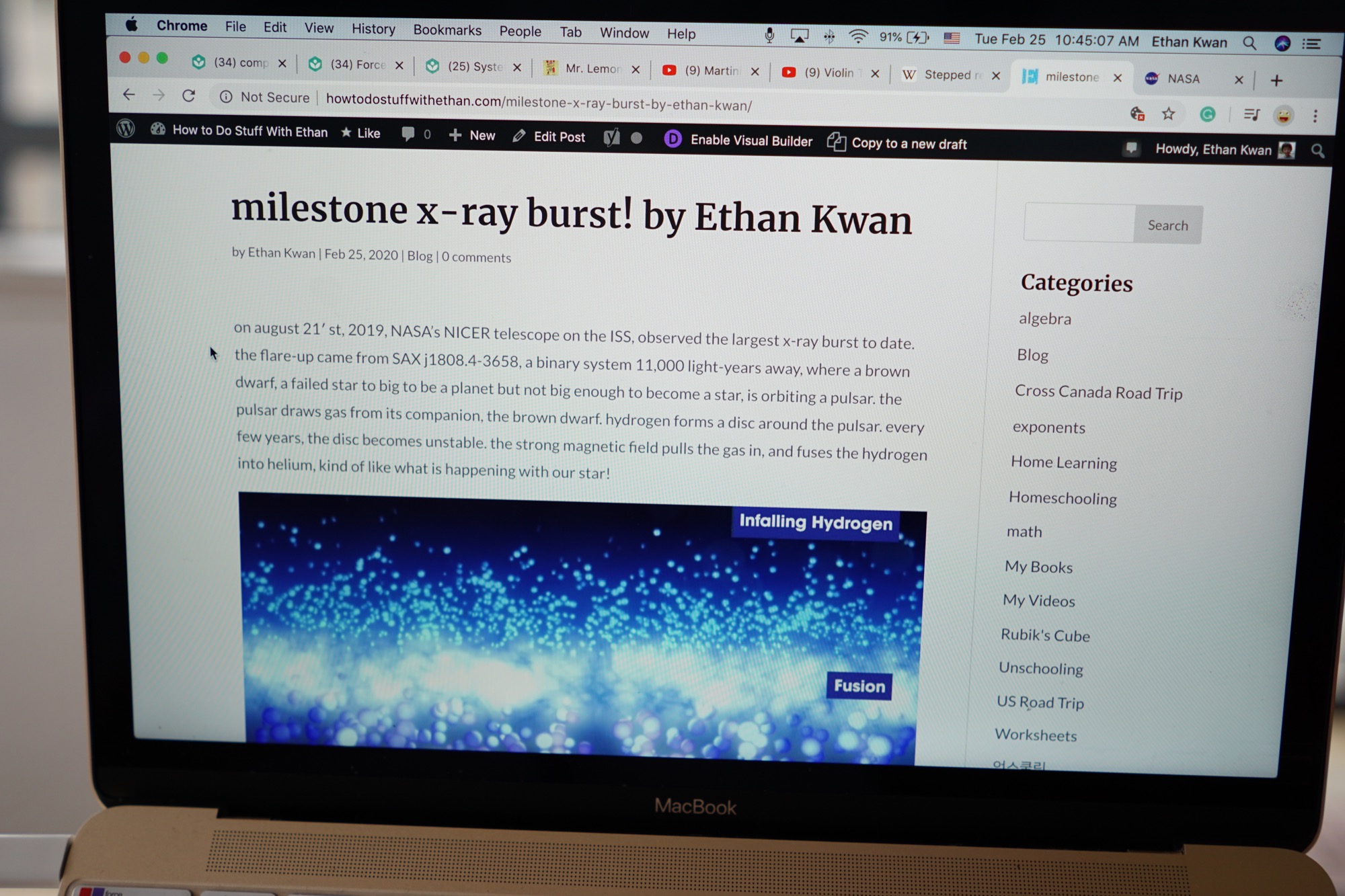
https://howtodostuffwithethan.com/milestone-x-ray-burst-by-ethan-kwan/
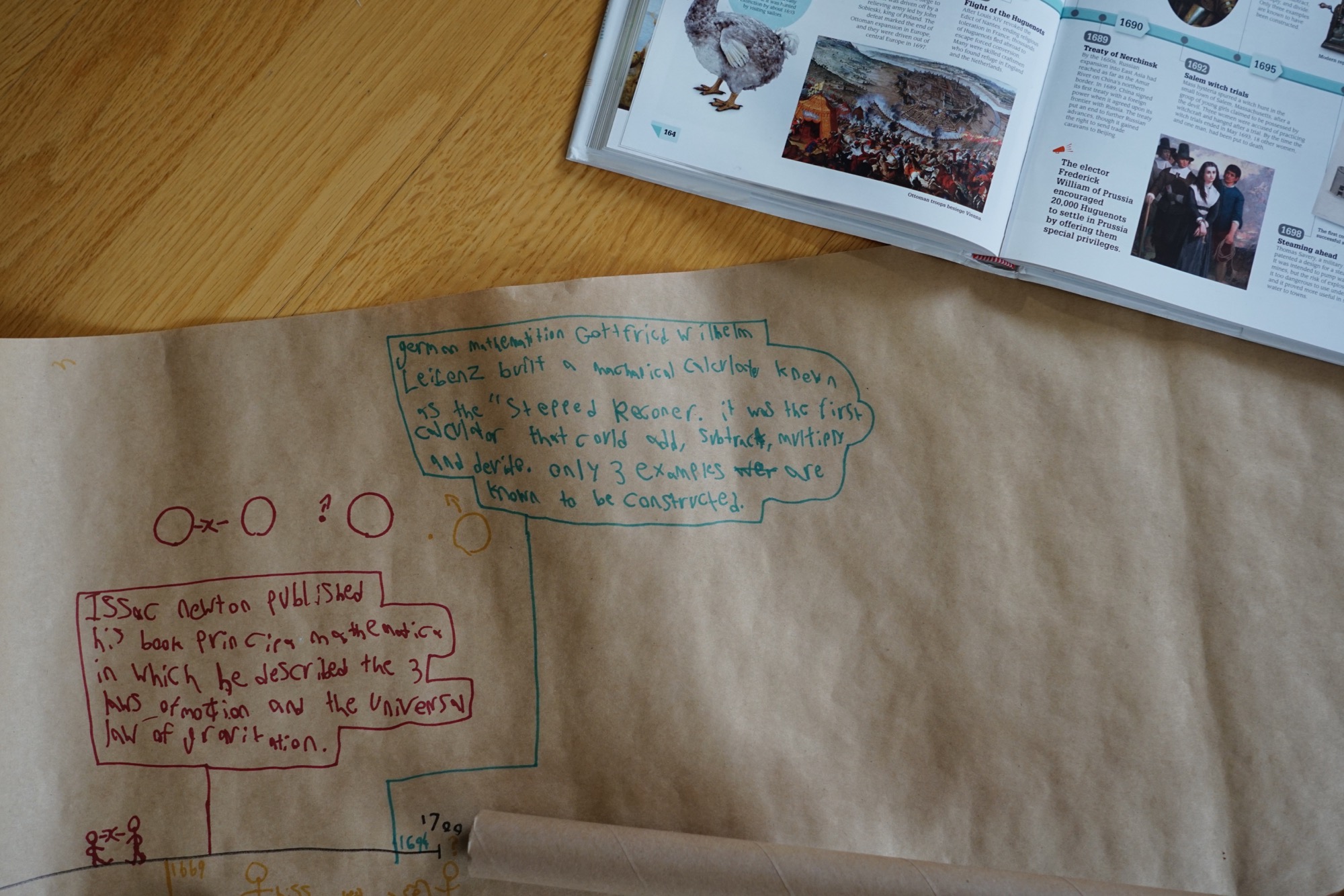
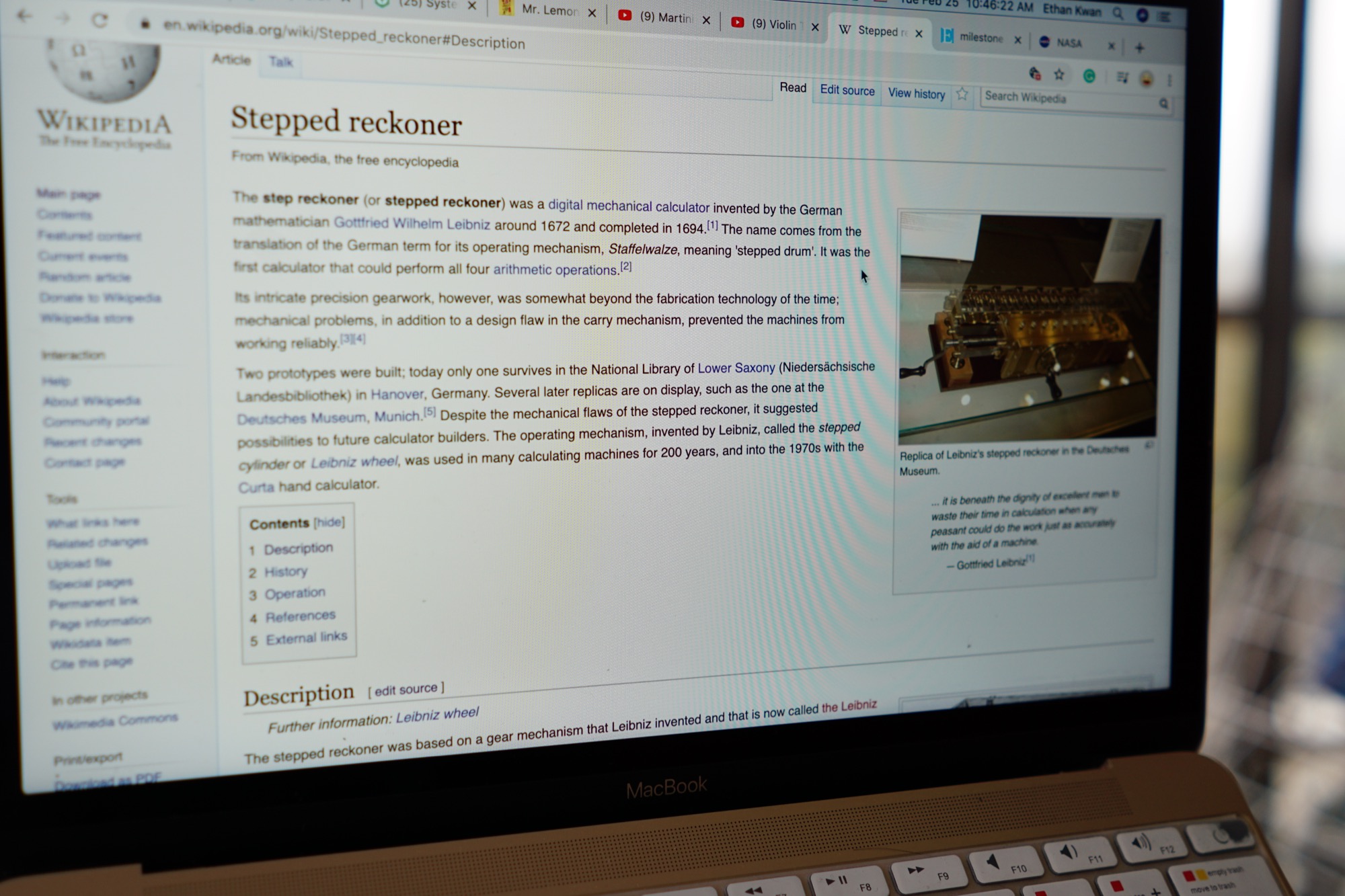
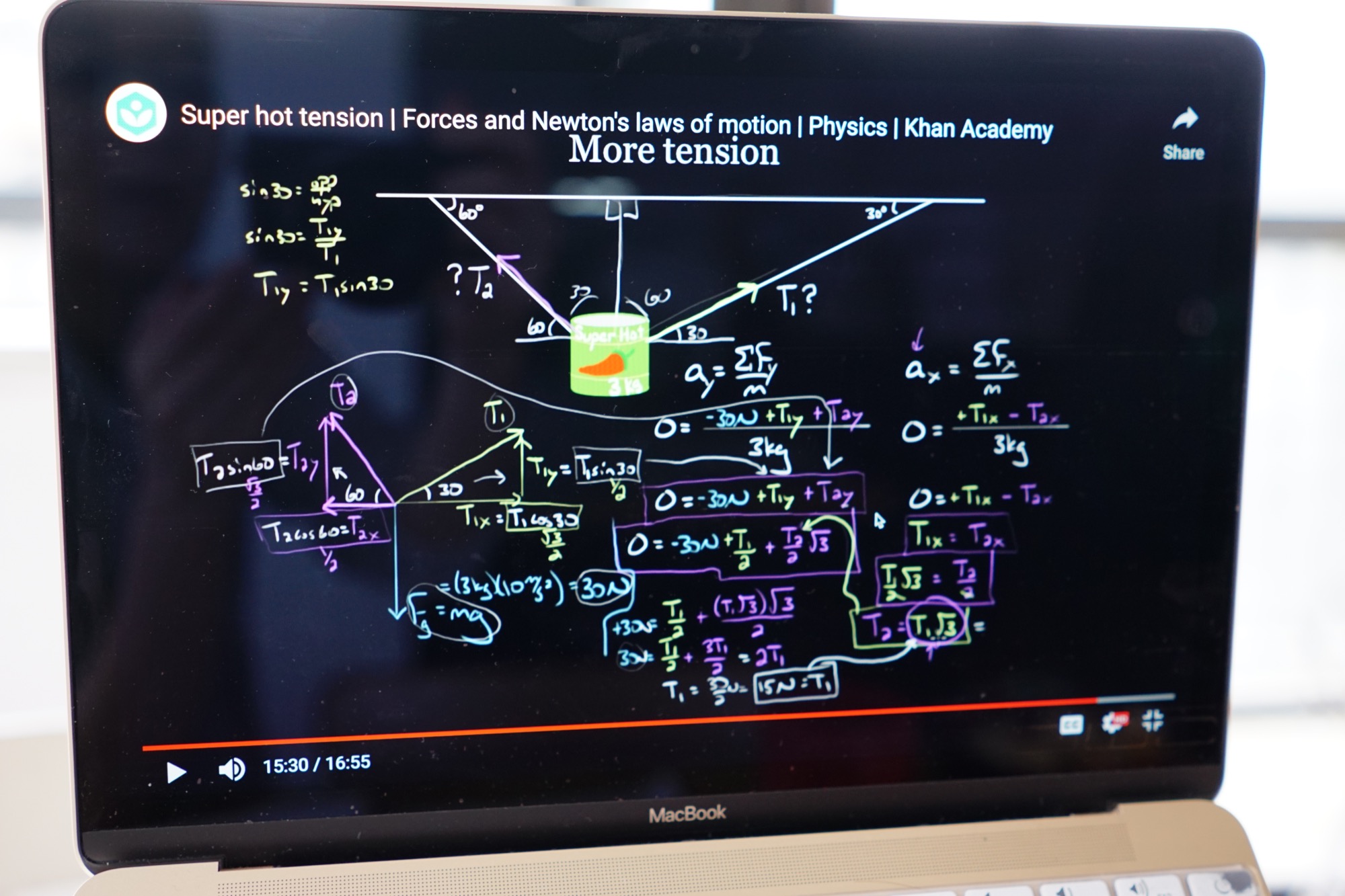
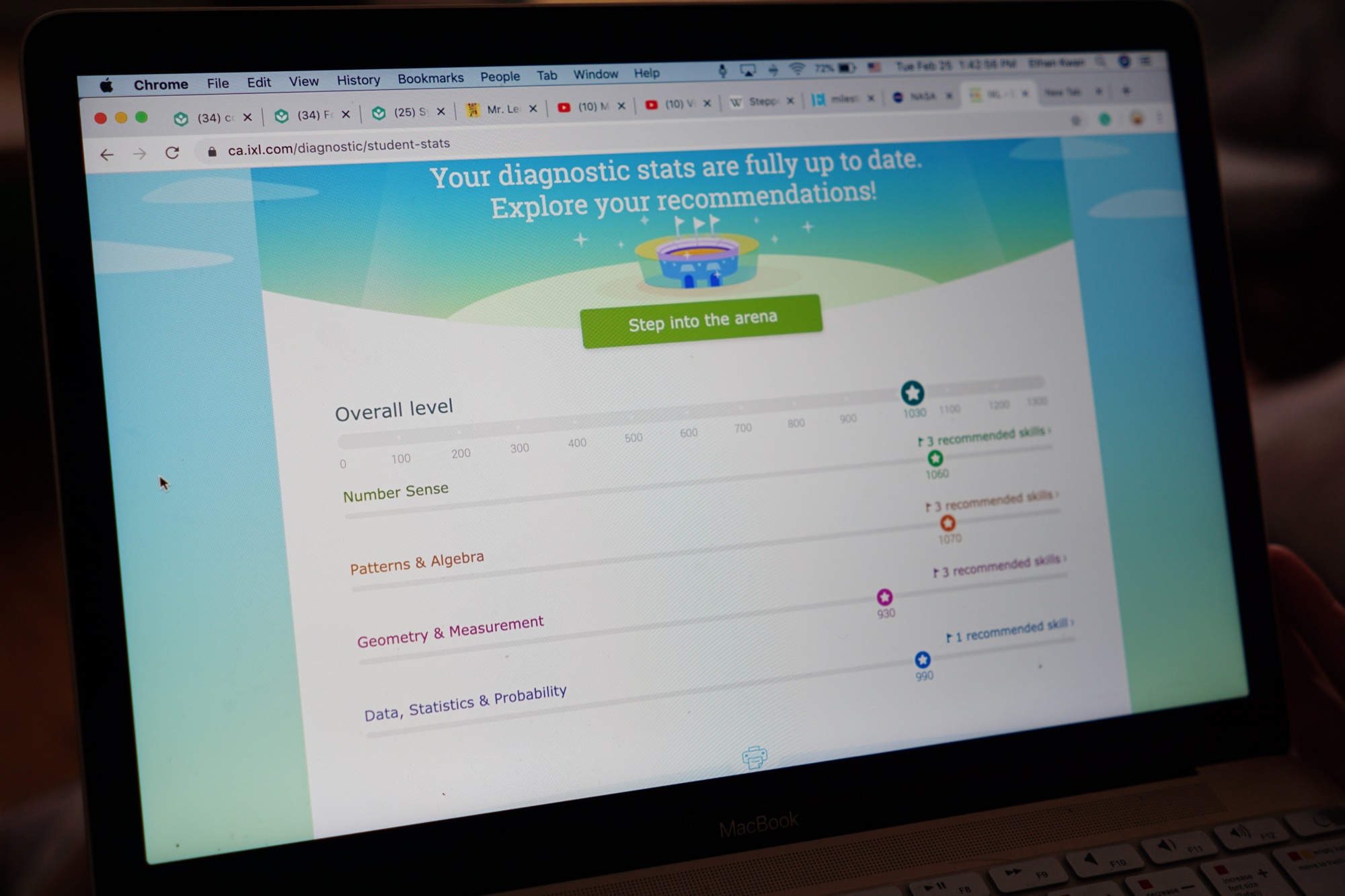
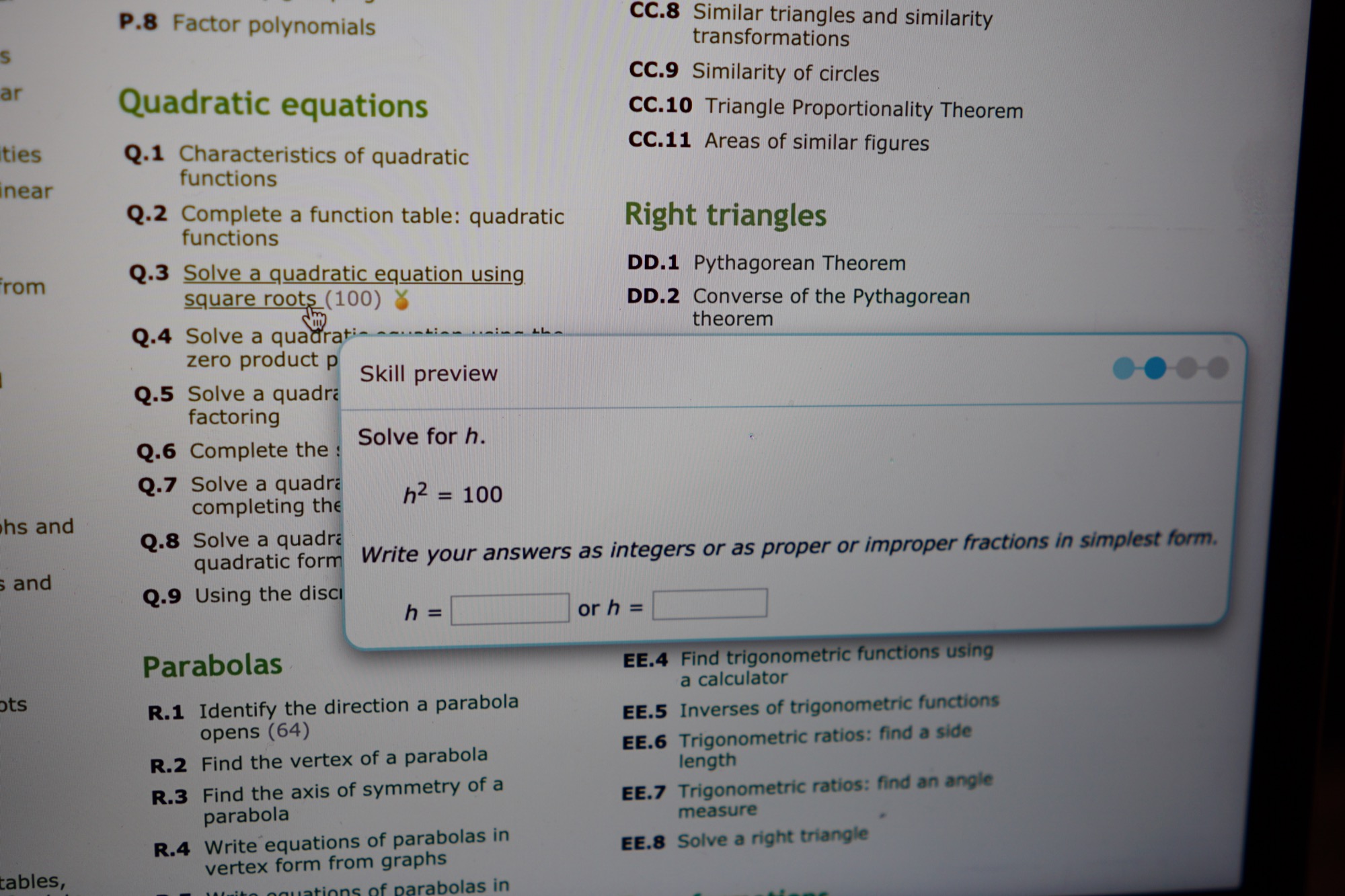
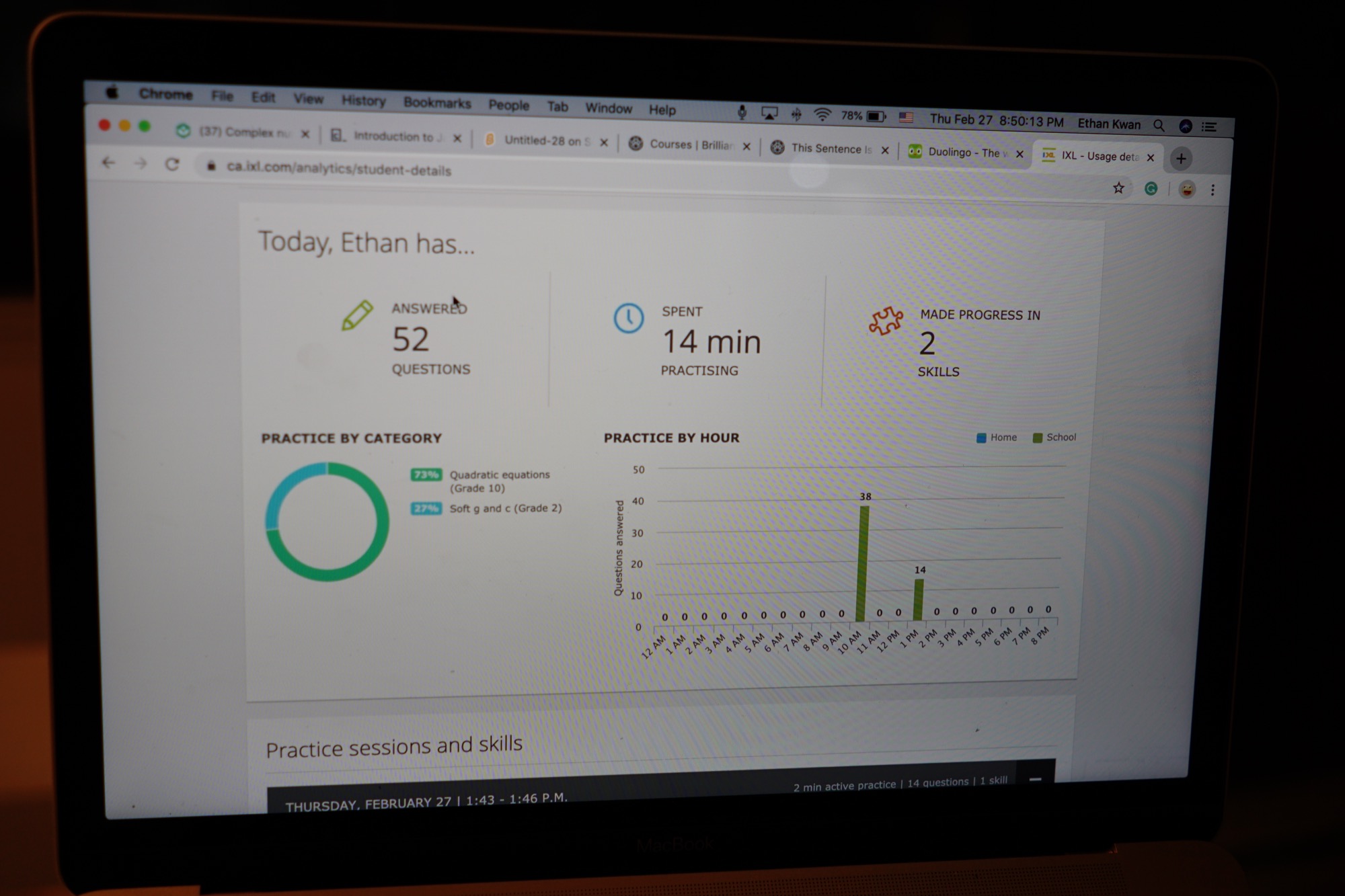
ixl.com
February 26
After nature school, Ethan went to his 3D architecture art class.
Here’s Ethan’s teacher’s report on the day at nature school:
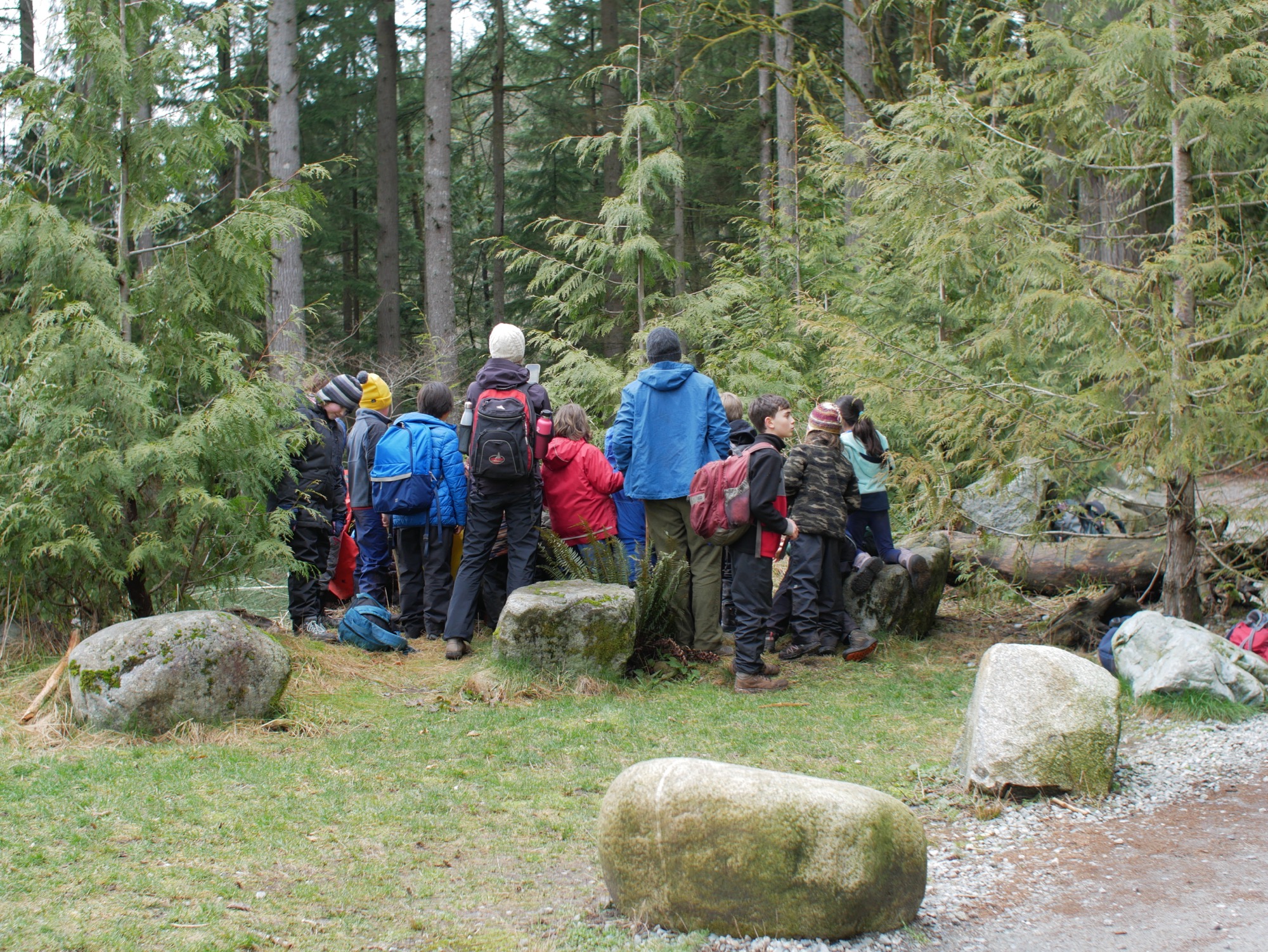
Mink’s Group headed for one of their favourite peninsulas, where they let out some energy, played a round of “Icky Stick”, and finally found out why Mink was carrying giant Vine Maple sticks along for the trip. Everyone had an opportunity to select a portion of the Vine Maple to use for a throwing stick. These were some of the first weapons people ever used to take small game, presumably before the invention of atl-atls and bows and arrows. A throwing stick needs to be just the right length to fit the individual, and heavy and hard enough to do a good job. The Vine Maple made the perfect hardwood for the project, as it was also green and therefore easier to carve. Everyone whittled down their handles and added artistic flair, while Mink set up a throwing range with hanging targets of varying difficulties. They were then joined by Sally’s group to learn the rules of the range! It was a blast trying to hit the targets, and successful throws were rewarded by making coloured marks on the throwing sticks like badges of honour. By the end, everyone was cheering for each other, and it was nice to see that kind of camaraderie rather than competition.
<———————————————————->
That big. It will depend on where you’re reading this from. Ipad:
<————————————————————————————————————>
Phone:
<————————————————————————————————————————————————————–>
February 27
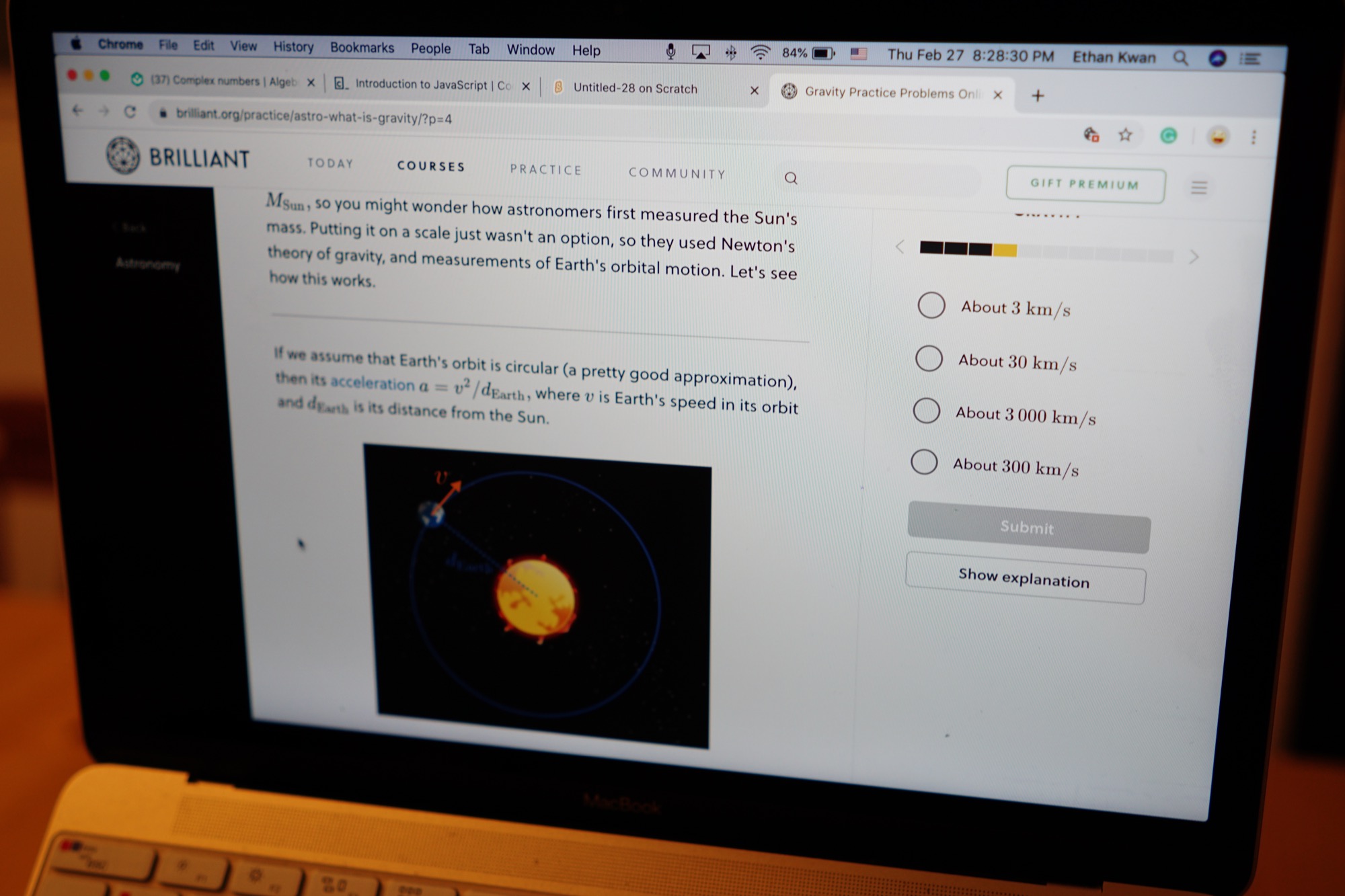
(https://brilliant.org/daily-problems/)
b\Because we bought a membership!
(thanks mom & dad!)
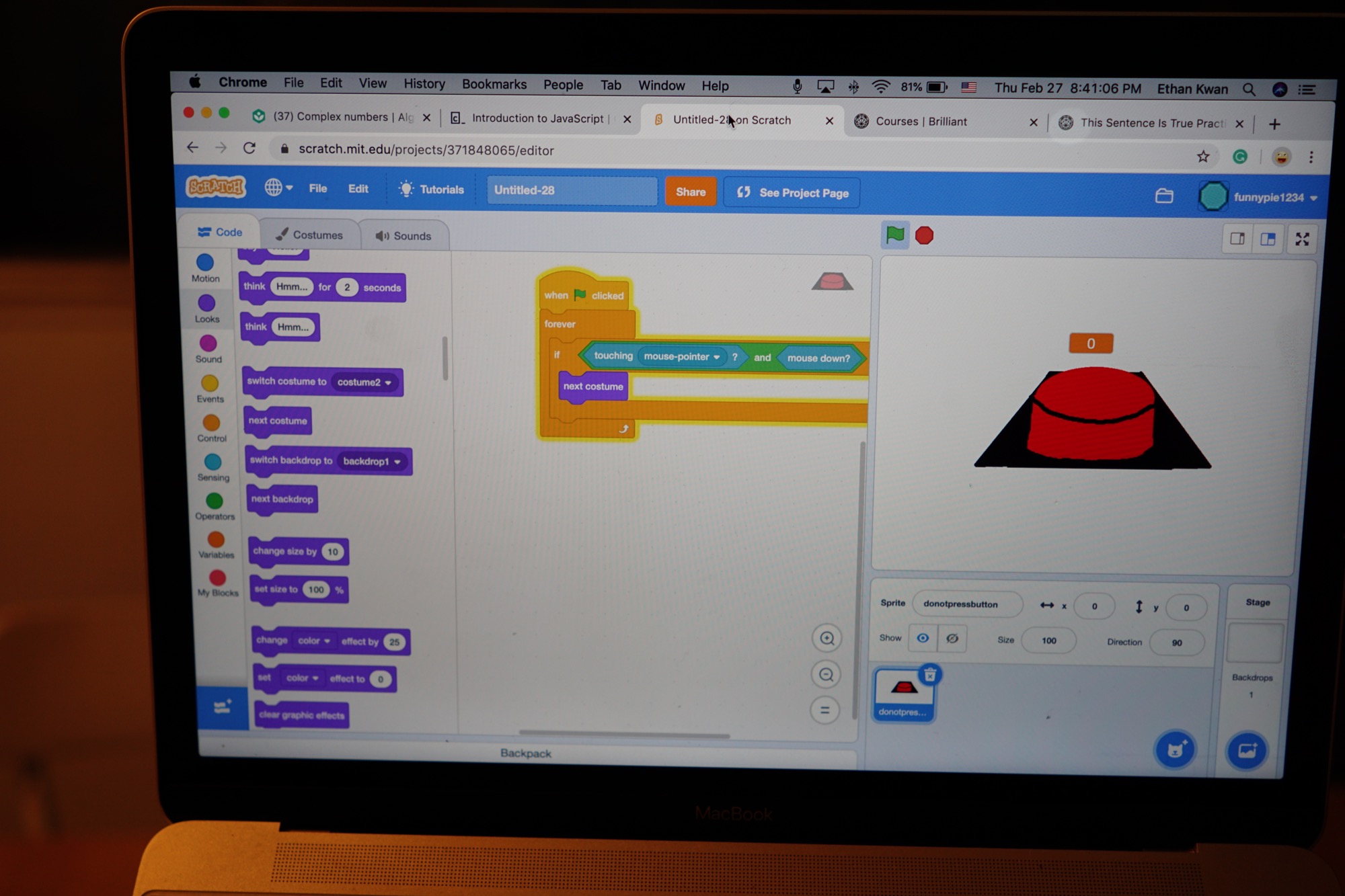
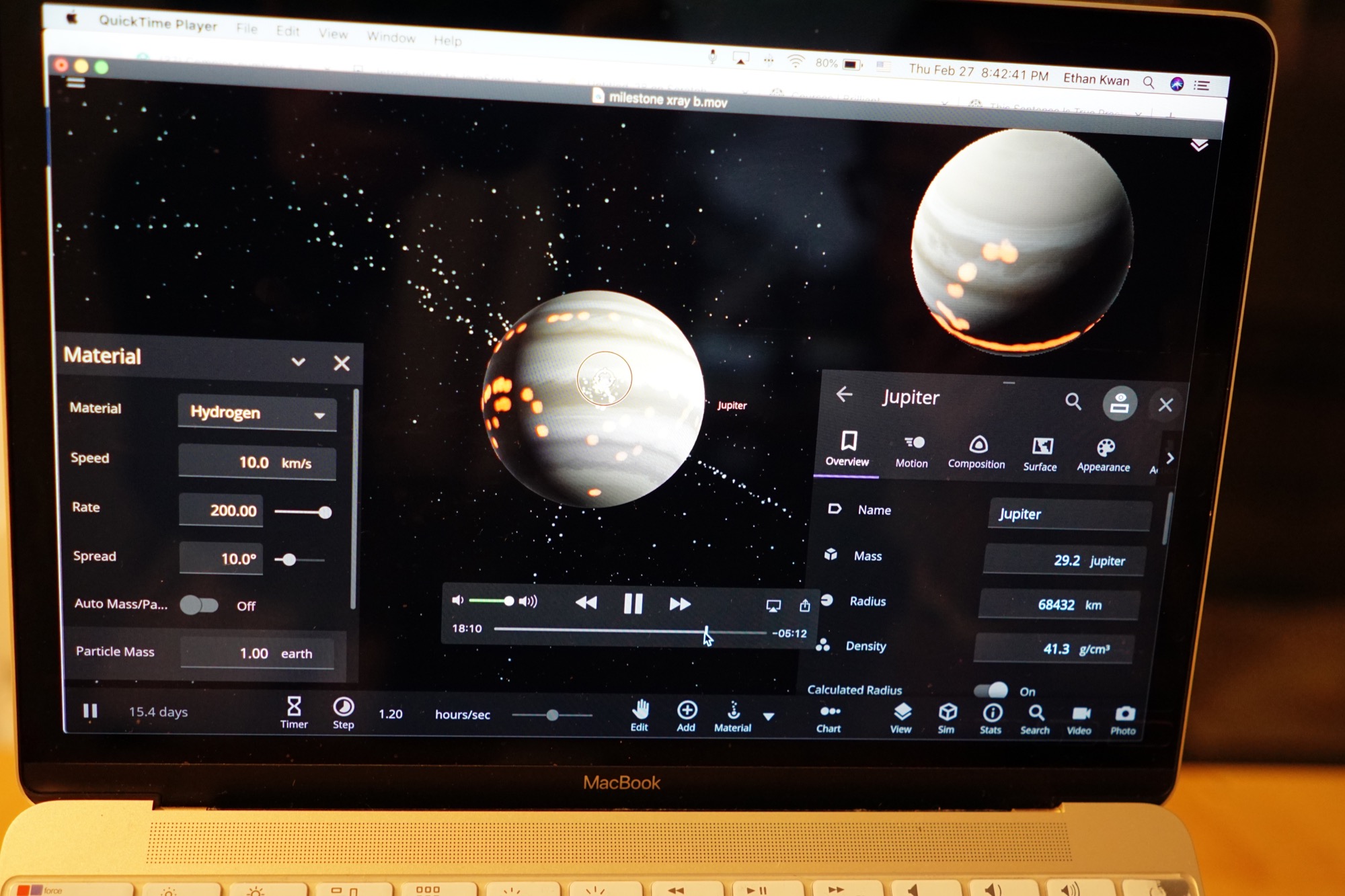
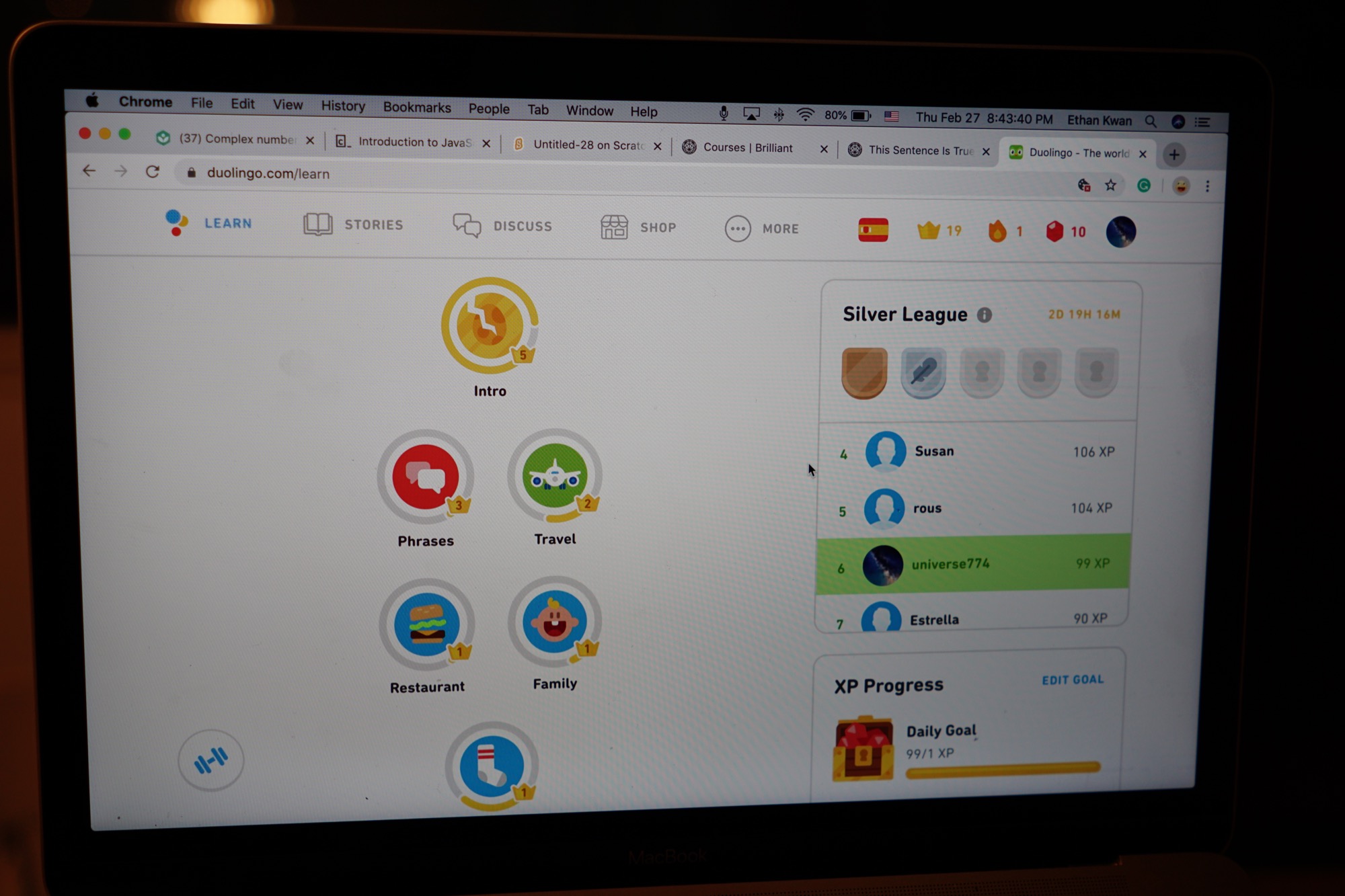
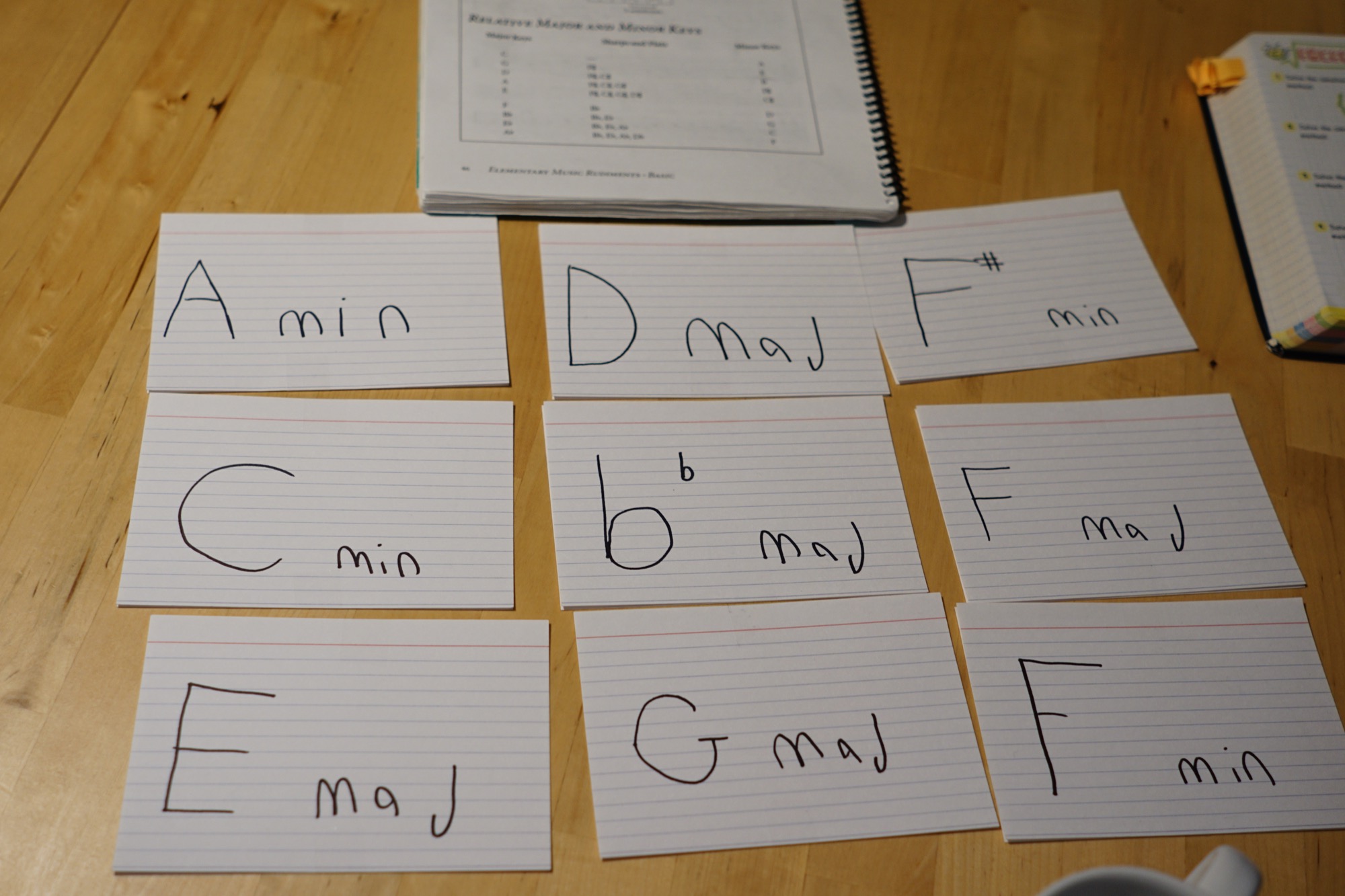
February 28
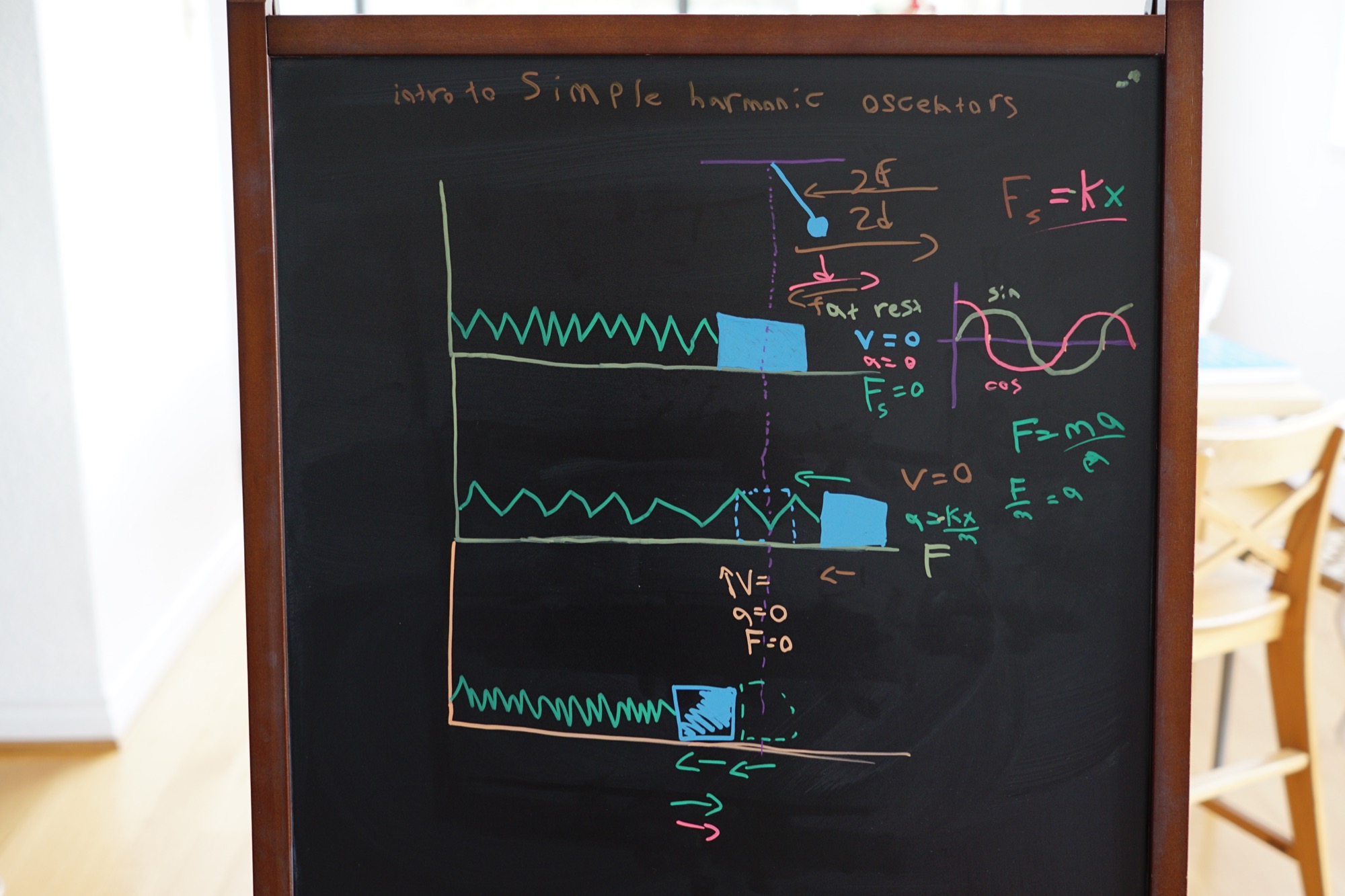
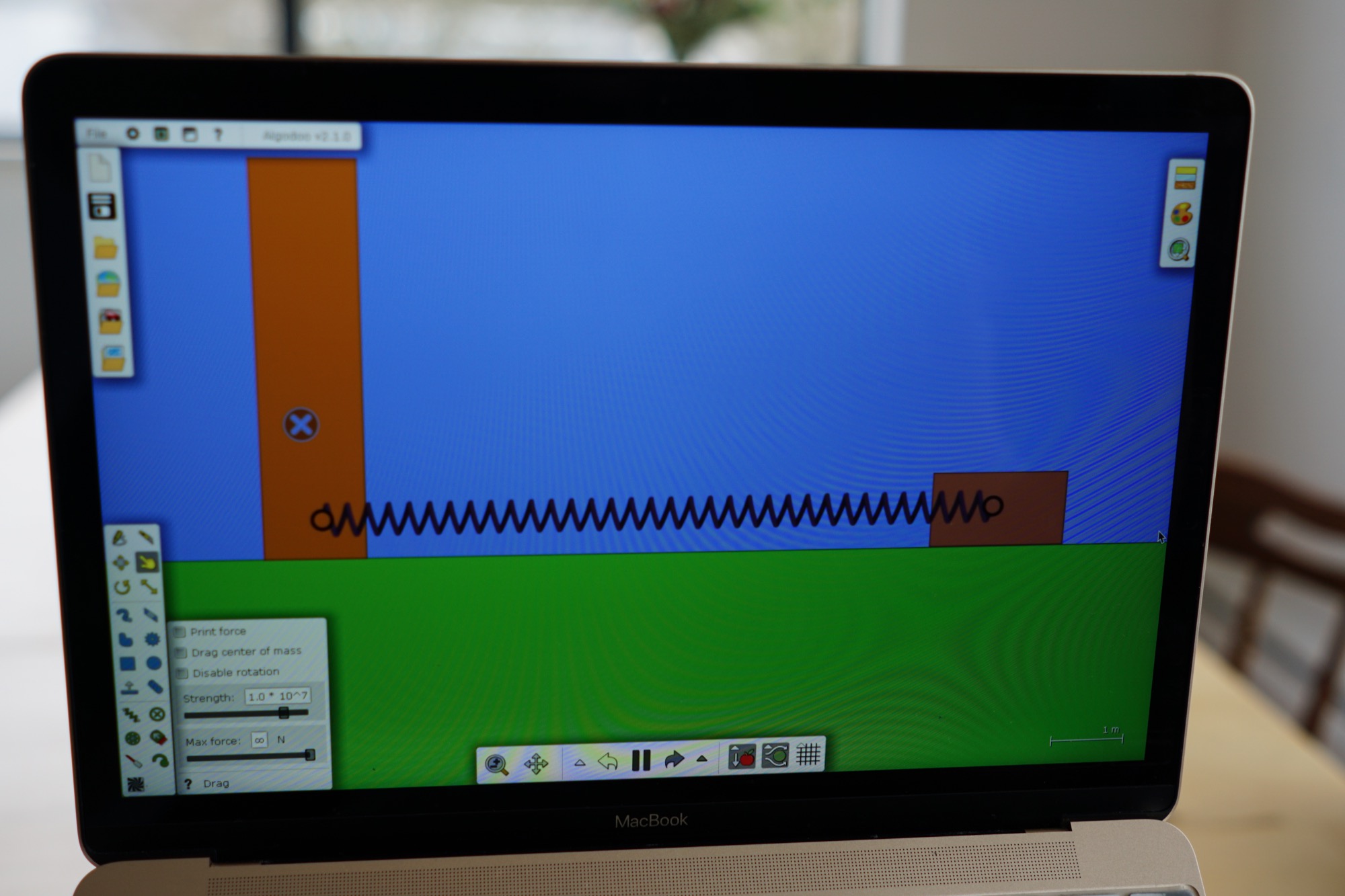
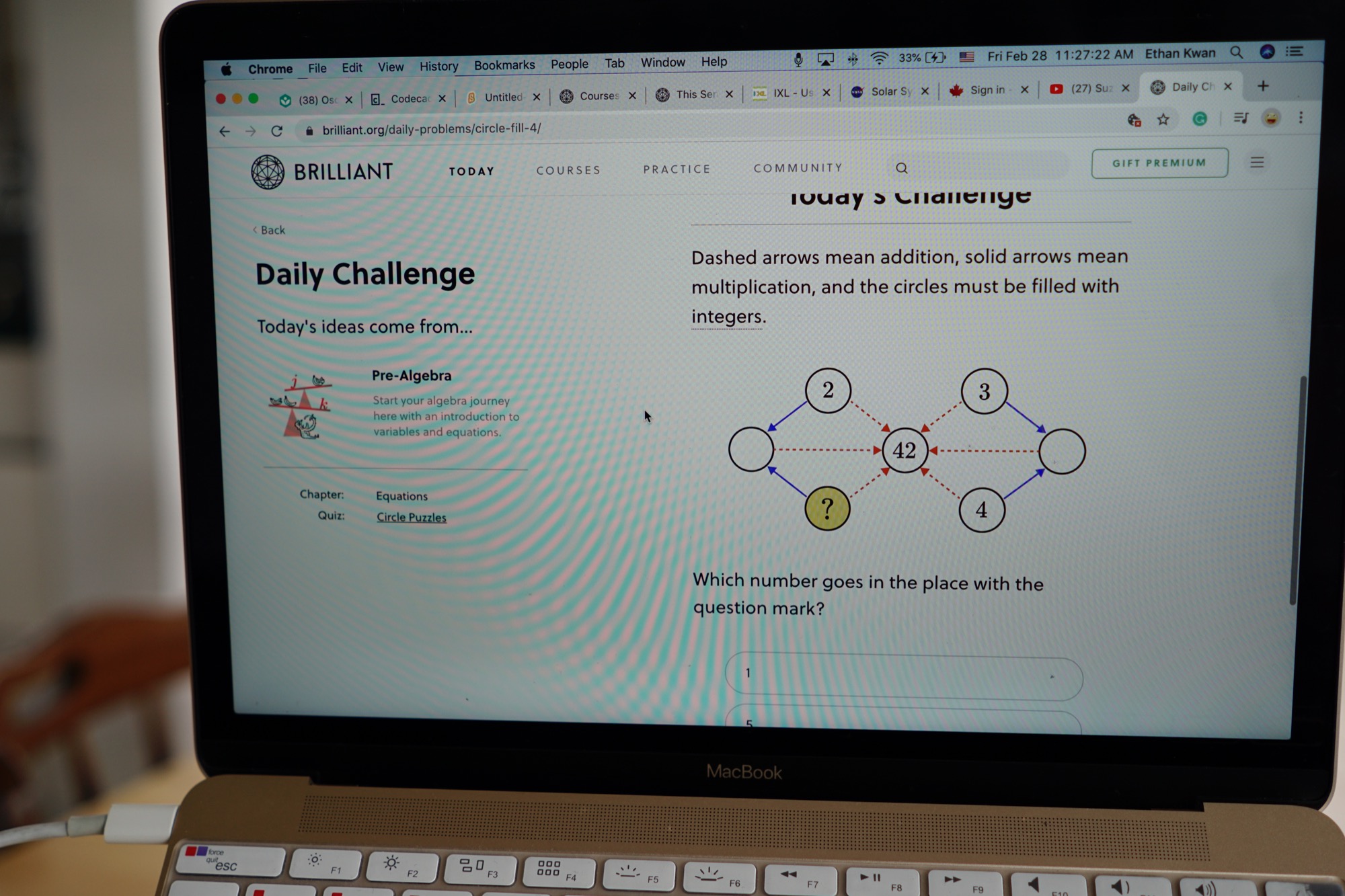
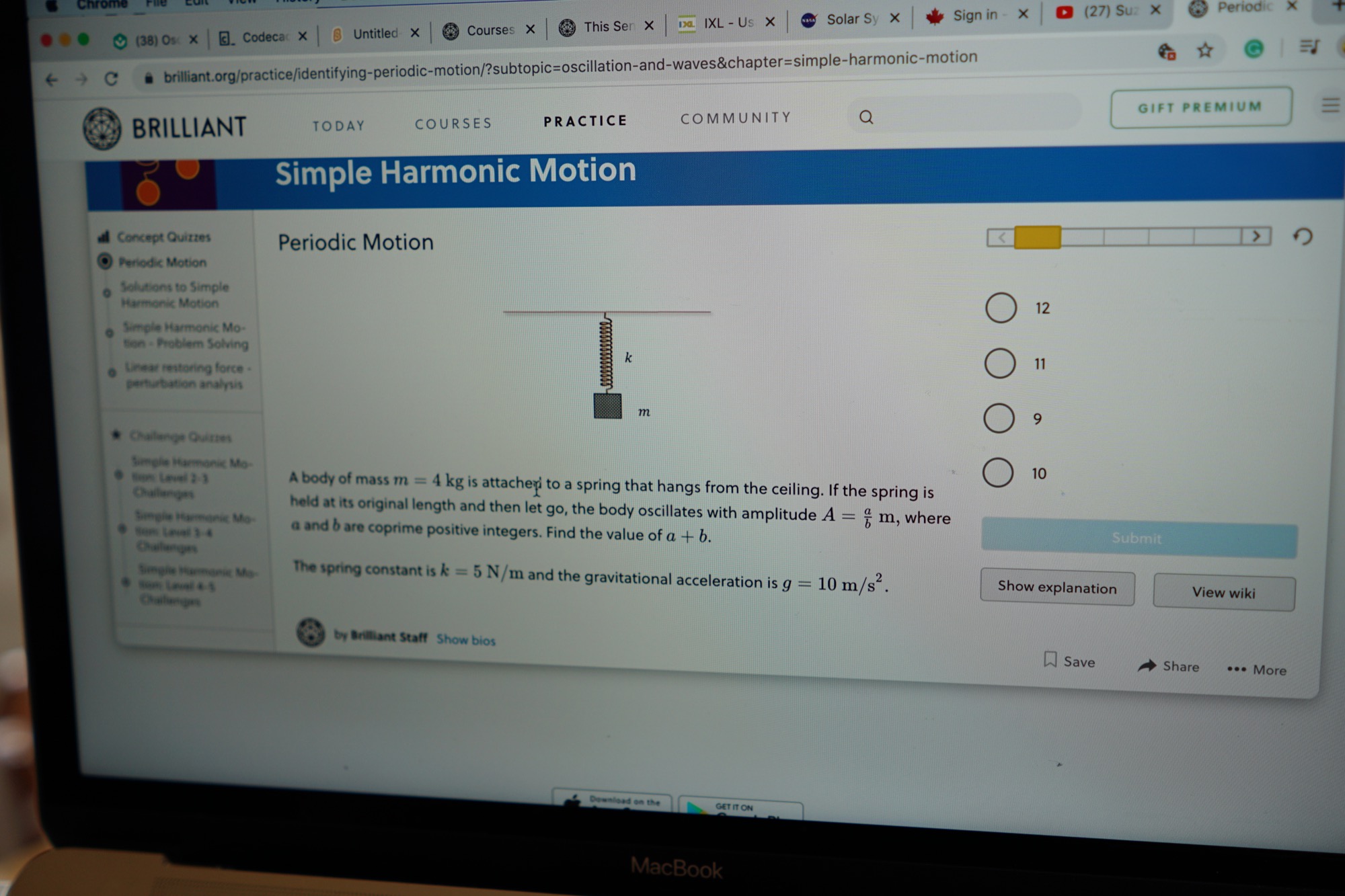
https://brilliant.org/daily-problems/
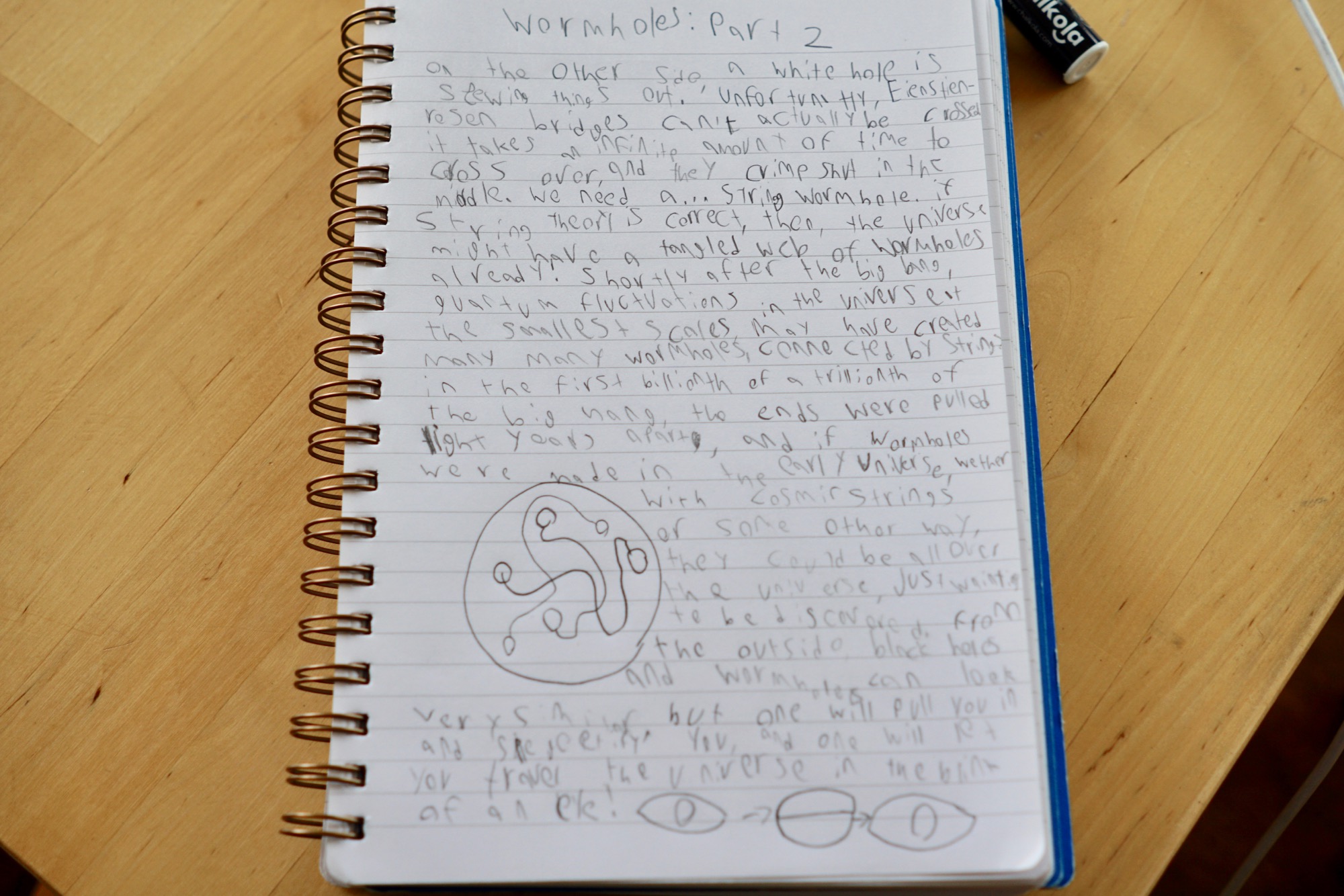
In this image,I’m solving a hard problem. What goes in the question mark?
Dashed(red) arrows mean addition, and solid(blue) arrows mean multiplication!
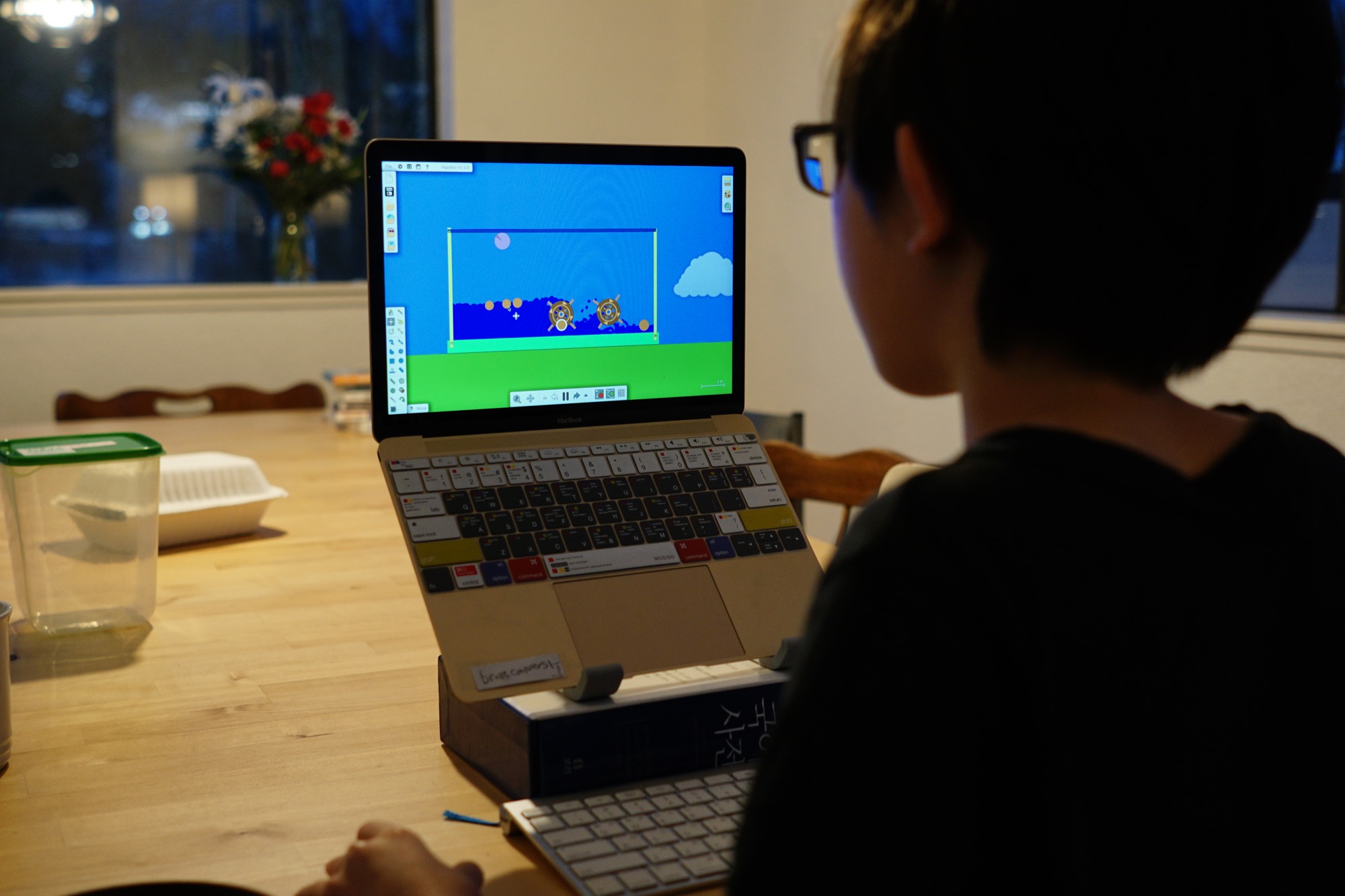
Ethan made this video about pulsars using Universe Sandbox 2: https://youtu.be/KWrJH08Gdn4
February 29
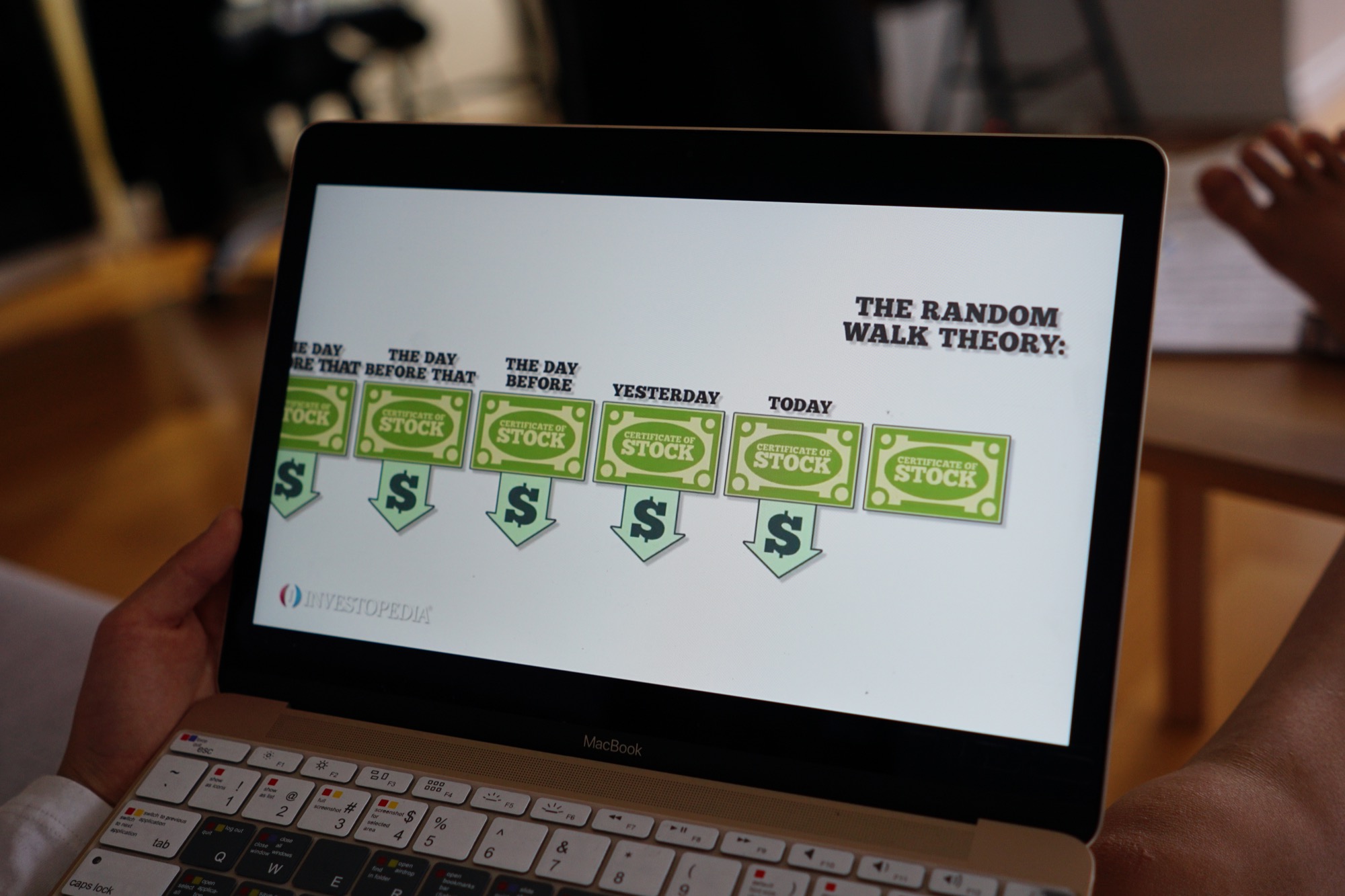
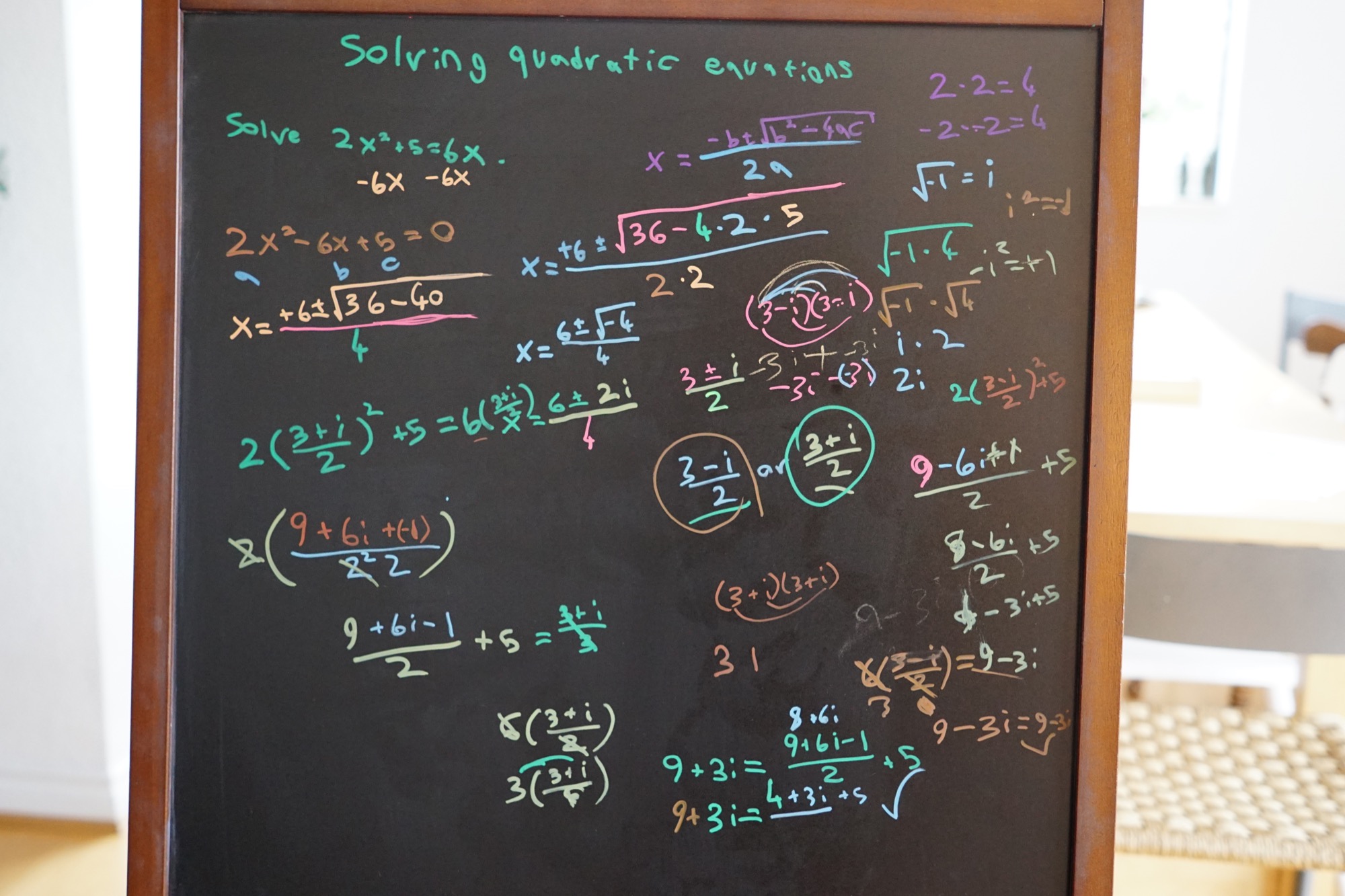
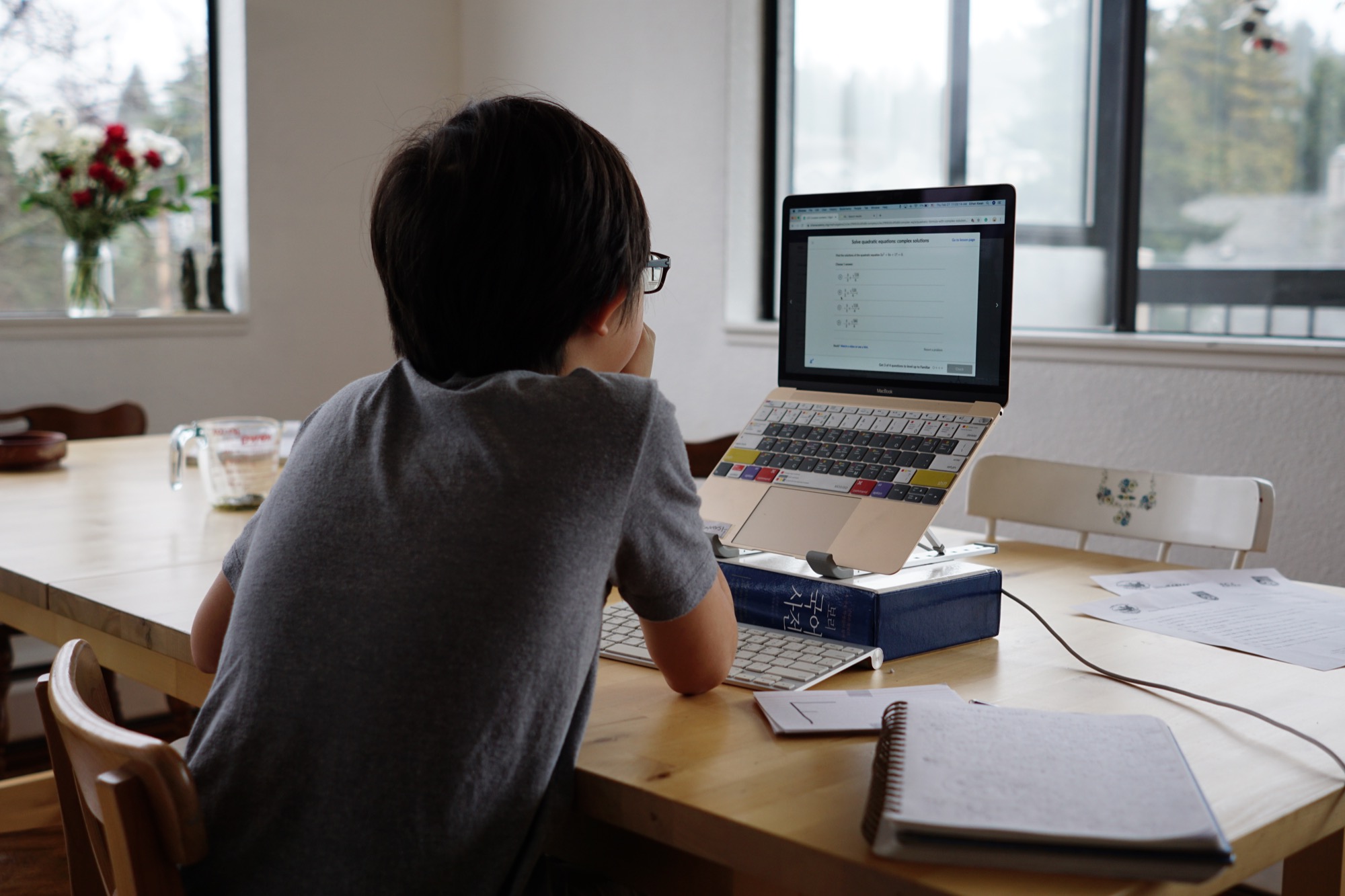
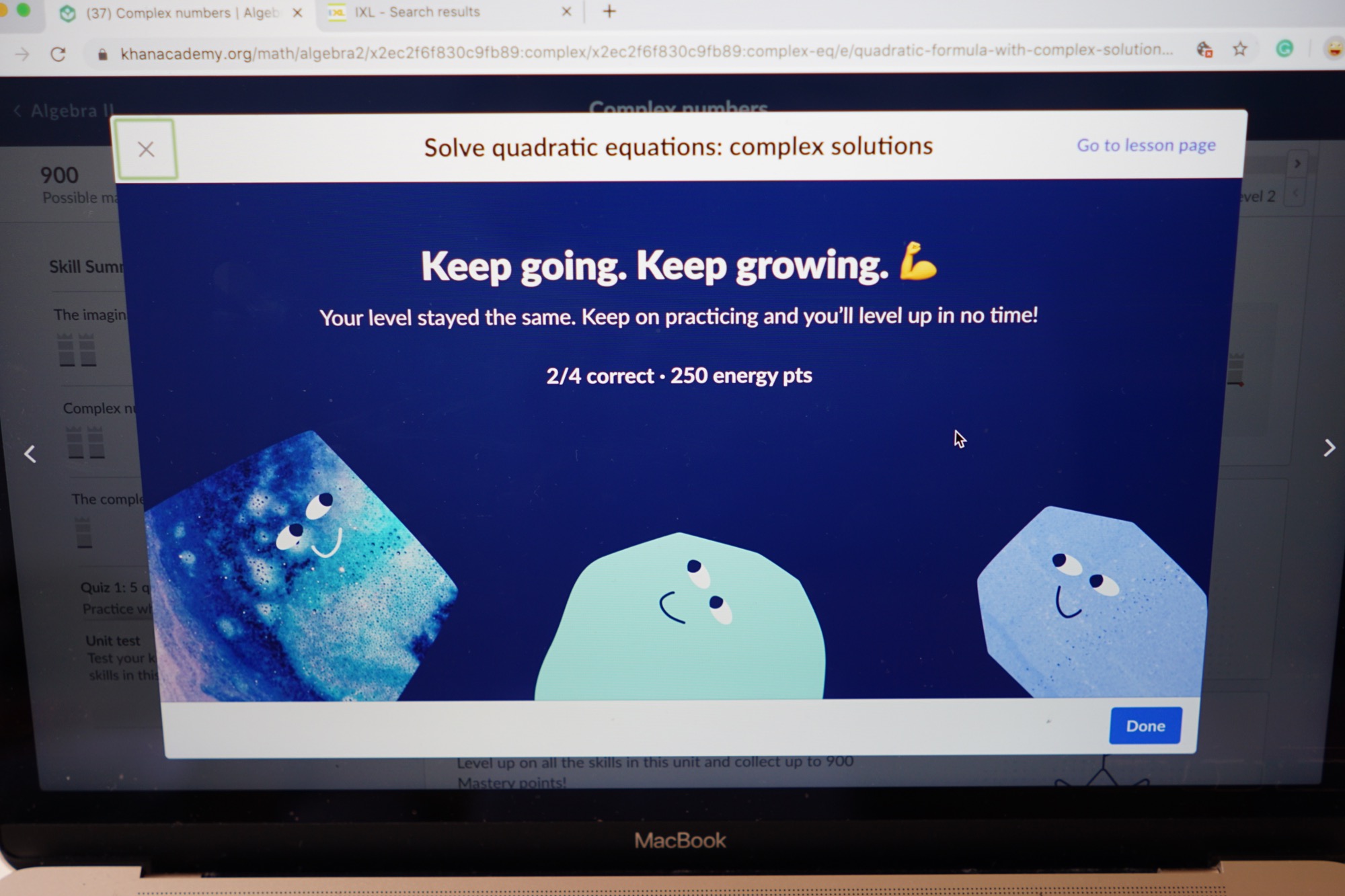
Hello Ethan, In honor of International Women’s Day March 8th and your interest in space, I thought I would share this short biography: ❝Since her death in 1979, the woman who discovered what the universe is made of has not so much as received a memorial plaque. Her newspaper obituaries do not mention her greatest discovery. […] Every high school student knows that Isaac Newton discovered gravity, that Charles Darwin discovered evolution, and that Albert Einstein discovered the relativity of time. But when it comes to the composition of our universe, the textbooks simply say that the most abundant atom in the universe is hydrogen. And no one ever wonders how we know.❞ — Jeremy Knowles, discussing the complete lack of recognition Cecilia Payne gets, even today, for her revolutionary discovery. (via alliterate)LET ME TELL YOU ABOUT CECILIA PAYNE• Cecilia Payne’s mother refused to spend money on her college education, so she won a scholarship to Cambridge.• Cecilia Payne completed her studies, but Cambridge wouldn’t give her a degree because she was a woman, so she said to heck with that and moved to the United States to work at Harvard.• Cecilia Payne was the first person ever to earn a Ph.D. in astronomy from Radcliffe College, with what Otto Strauve called “the most brilliant Ph.D. thesis ever written in astronomy.”• Not only did Cecilia Payne discover what the universe is made of, she also discovered what the sun is made of (Henry Norris Russell, a fellow astronomer, is usually given credit for discovering that the sun’s composition is different from the Earth’s, but he came to his conclusions four years later than Payne — after telling her not to publish).• Cecilia Payne is the reason we know basically anything about variable stars (stars whose brightness as seen from earth fluctuates). Literally every other study on variable stars is based on her work.• Cecilia Payne was the first woman to be promoted to full professor from within Harvard, and is often credited with breaking the glass ceiling for women in the Harvard science department and in astronomy, as well as inspiring entire generations of women to take up science.• Cecilia Payne is awesome and everyone should know her.Cecilia Helena Payne-Gaposchkin was a British-born American astronomer and astrophysicist who proposed in her 1925 doctoral thesis that stars were composed primarily of hydrogen and helium.Read more here: https://scientificwomen.net/women/payne-gaposchkin-cecilia-77Math and science are often a predominantly male fields, but many influential women have paved the way for others. Read here for 20 famous female inventors: https://www.amightygirl.com/blog?p=12223 Ethan started working on solving math problems this week to test his knowledge. Although he often learns about Grade 11 or 12 level math and algebra, he found from solving problems that he needed some practice solving systems of equations. He used a combination of IXL and Khan Academy to practice solving systems of equations.Doing some systems of equations word problems on Khan Academy because I didn’t fully understand how to solve the word problems. now I get it better. Yay! Ethan I am happy to hear you are doing some practice problems. You are learning so many new concepts and it is important to go back and do some practice problems time to time to solidify and apply your learning. Rubber band launcherYour launcher looked like a fun program. Did you have a target or distance you were trying to get the rubber bands to go? Blog entry Milestone X-ray burst. The content of your blog is fantastic. What I do notice is that you need to go back and edit maybe. You are missing so many capitals. You have to always start a sentence with a capital and by 6th grade this rally should be one of the things you edit and fix before publishing. Try this helpful mnemonic COPS Calculus for Dummies-reading How do you like the format of the Calculus for Dummies book, have you used any of the other manuals they publish? Learning about quadratic equations. Learning about the random walk theory. Doing some brilliant(https://brilliant.org/daily-problems/)I look forward to reading more about the challenges and questions you are considering in your brilliant work. I checked out the website briefly, very cool. Learning about simple harmonic oscillators. Teach time. Simulating in algodoo! Here is an example of something I have never learned about. Thank you for sharing now I need to do some research….haha Do you use Google Earth much Ethan? If so what do you use it for? It is an incredible tool and can be used in so many ways. I just wanted to share that they have an education page, with tons of resources and ways to play and explore it: https://www.google.com/earth/education/resources/ Your nature school class this week sounded incredible, wow! Making your own throwing stick and then hitting targets! I would love to hear your thoughts on nature school some time. Maybe you can reflect and add to the teacher write up sometime… So I have a brilliant friend who lives here in Nelson. I told him a bit about you and he agrees that learning physics and math hand in hand is a really great strategy for learning mathematical concepts and then applying them right away in physics. His name is Jason and he often works in the cutting edge of coding, programming, app development, deep learning systems (Do you know what that is?) and such. He has just been hired to be the lead of the research and design team for this company, Hypergiant (yes named after the star). He is so excited to be working on incredible new projects, algae systems for making clean energy, head’s up display for astronauts and a few other contracts with NASA including…. INTERPLANETARY INTERNET! and galactic Artificial Intelligence, wow soundsl like a science fiction movie. So check out the website and share your feedback or thoughts, pretty visionary and creative work in the technology world. https://www.hypergiant.com/about/ https://www.hypergiant.com/divisions/galactic/ I will write up next week 27 as a Direct Contact. If you feel like answering questions or posting anything, feel free, but no need to. So nice to talk with you this week Natasha

