

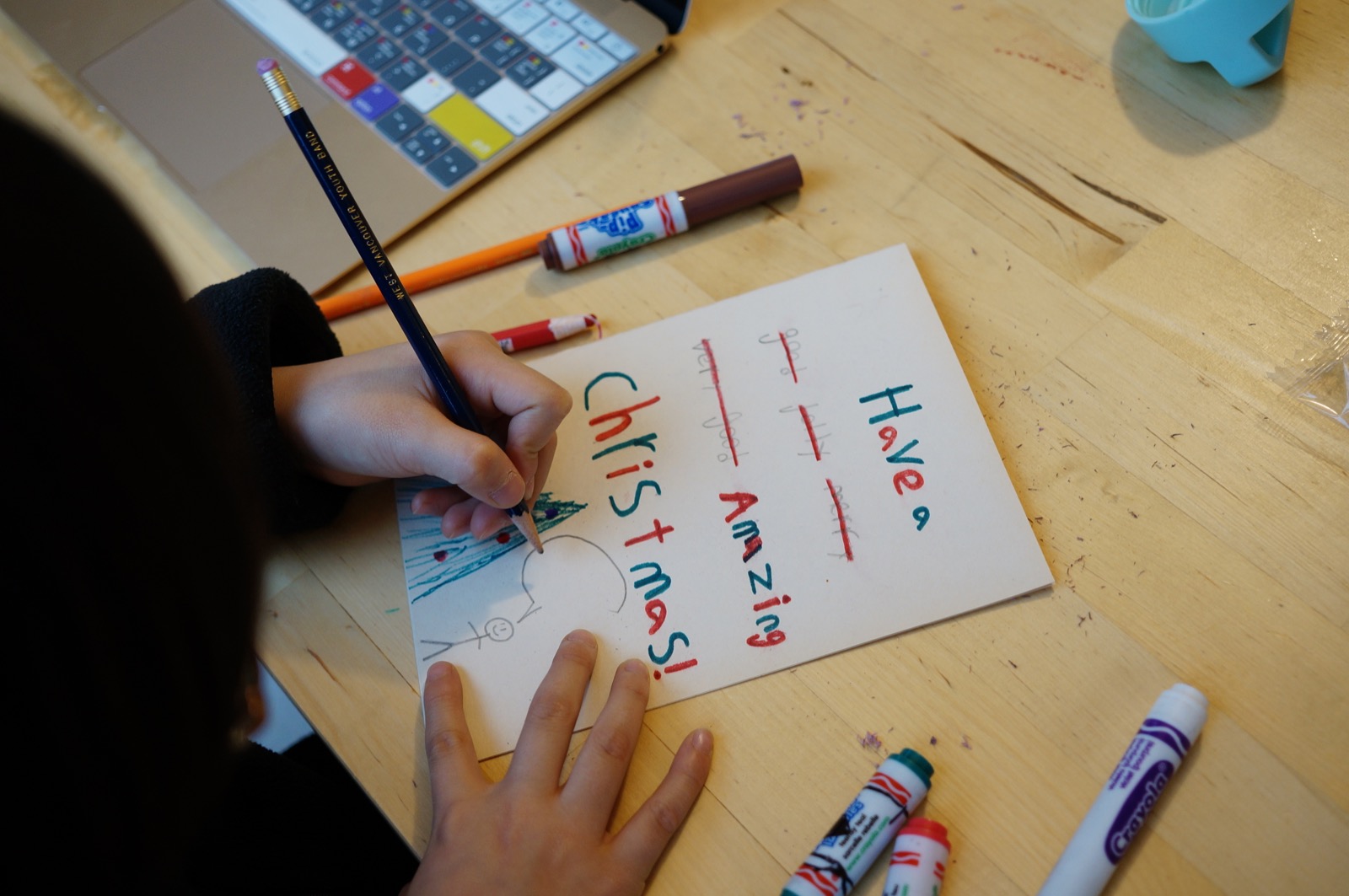
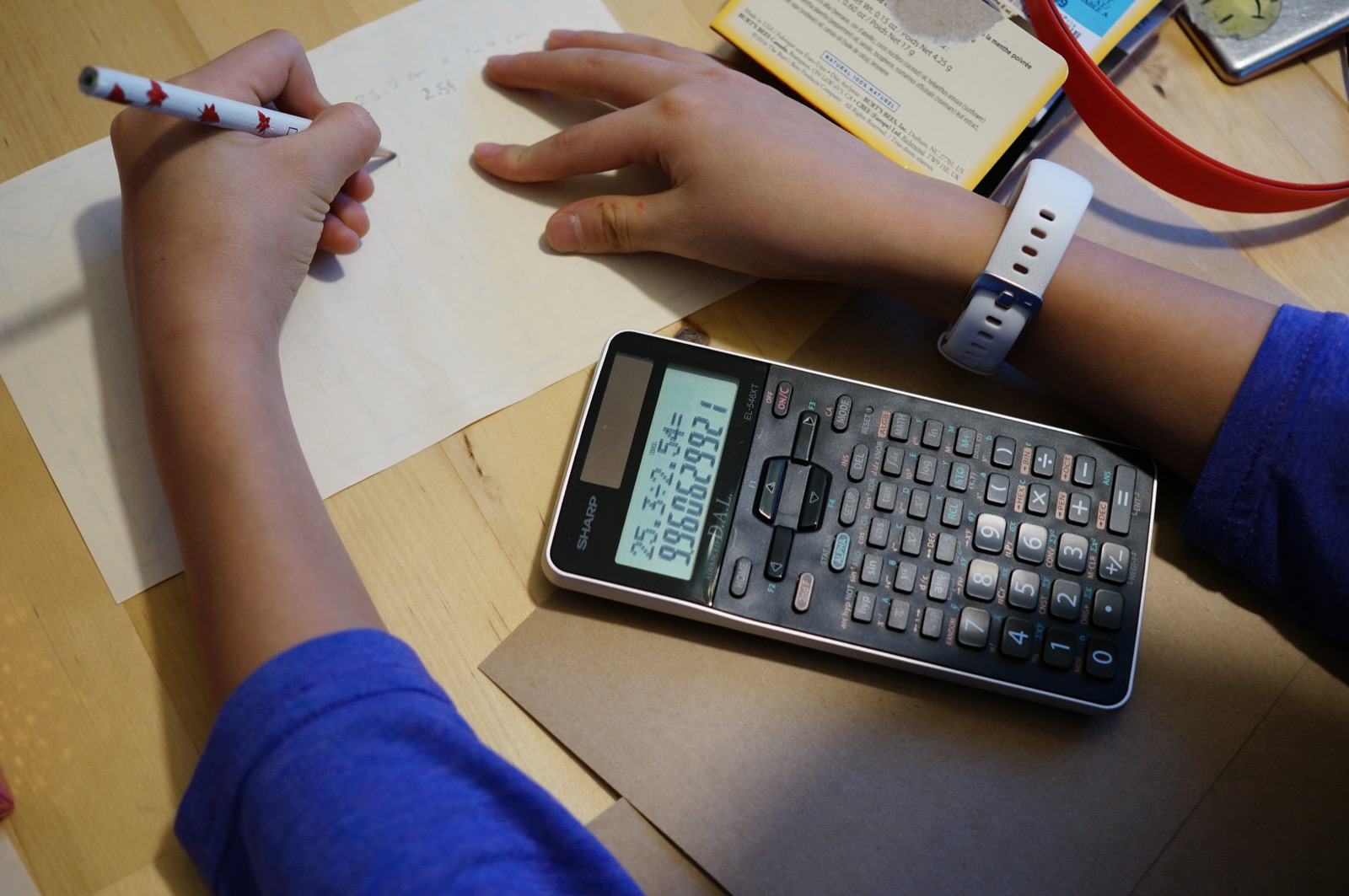
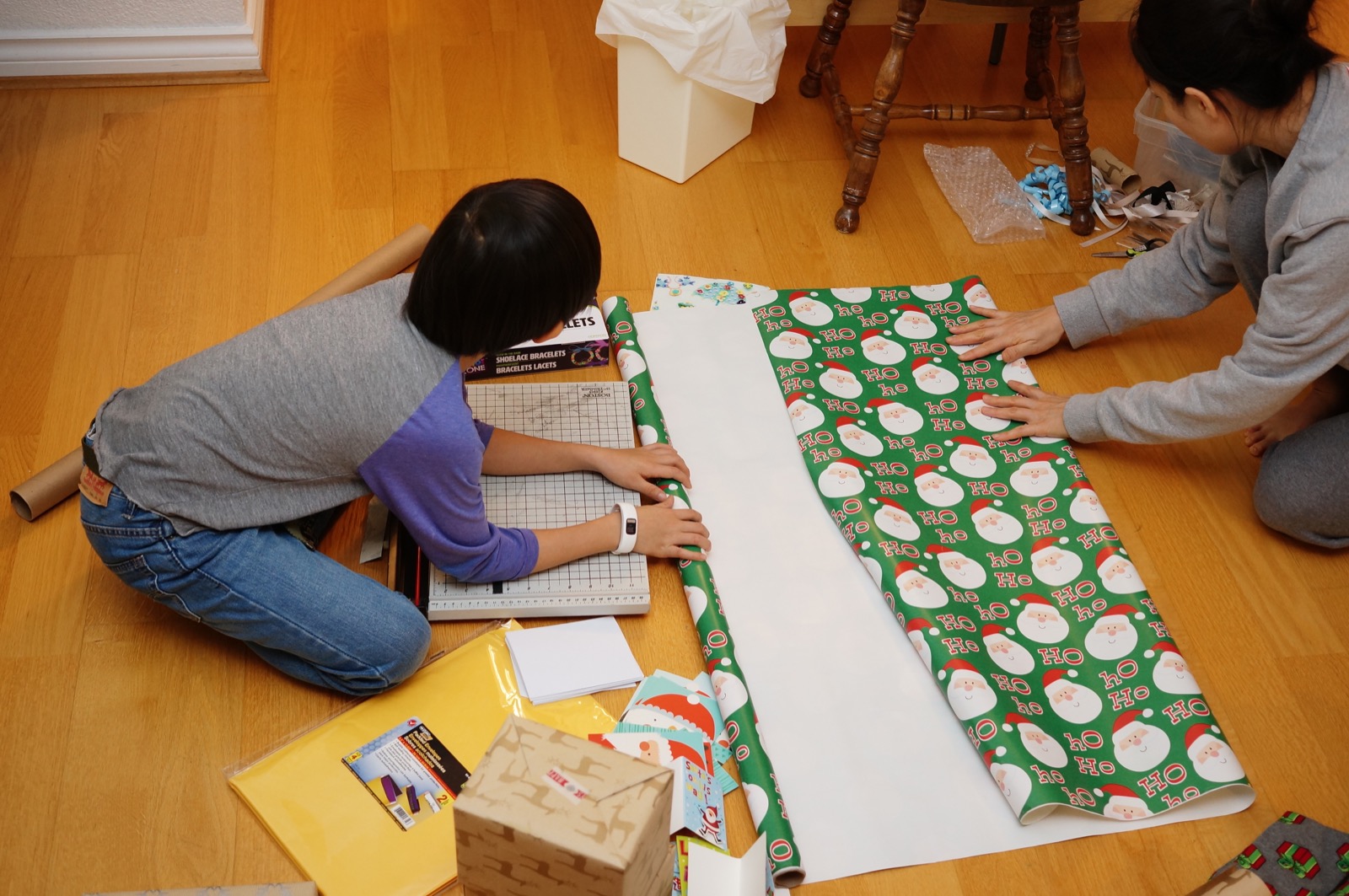
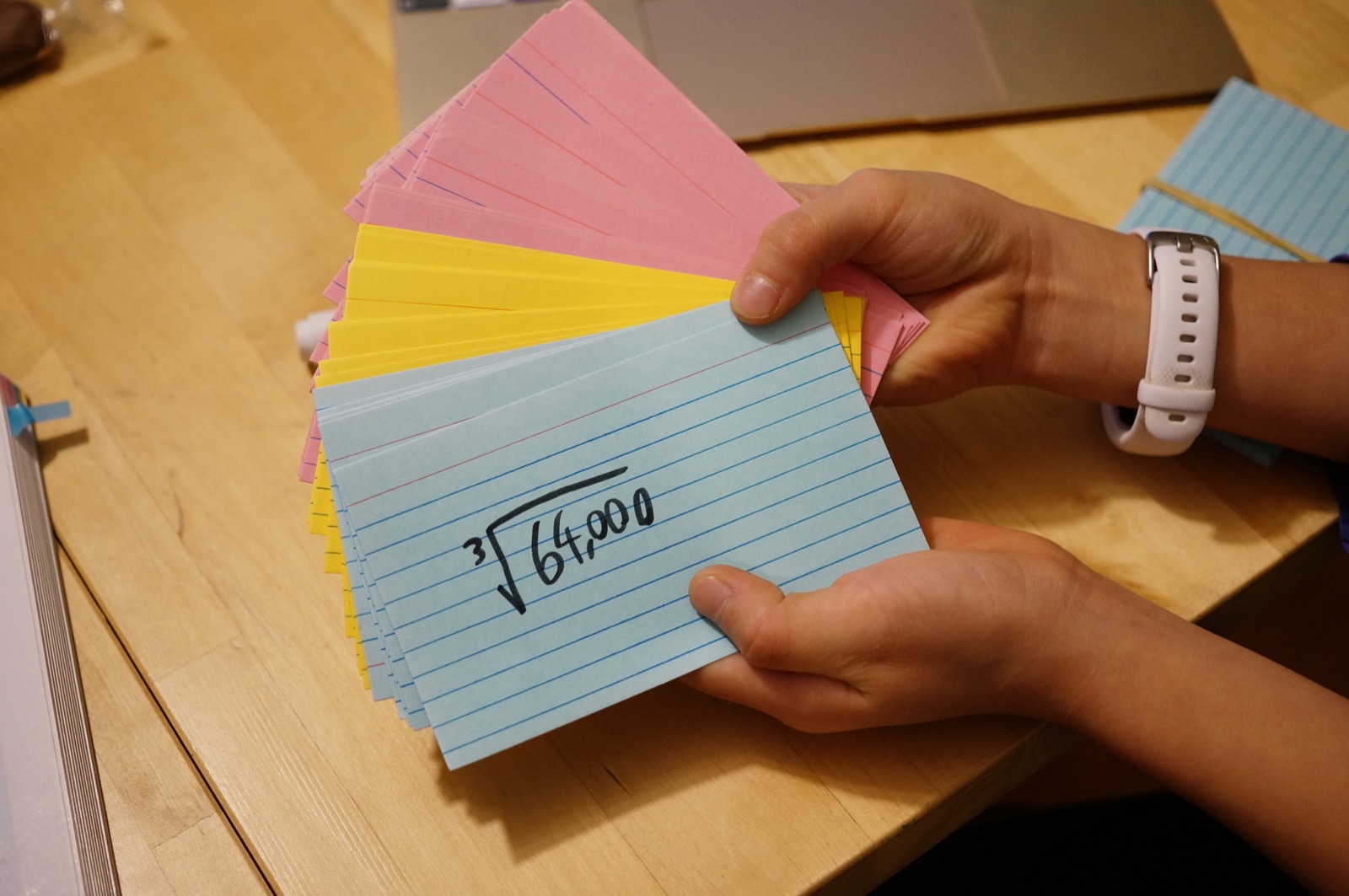
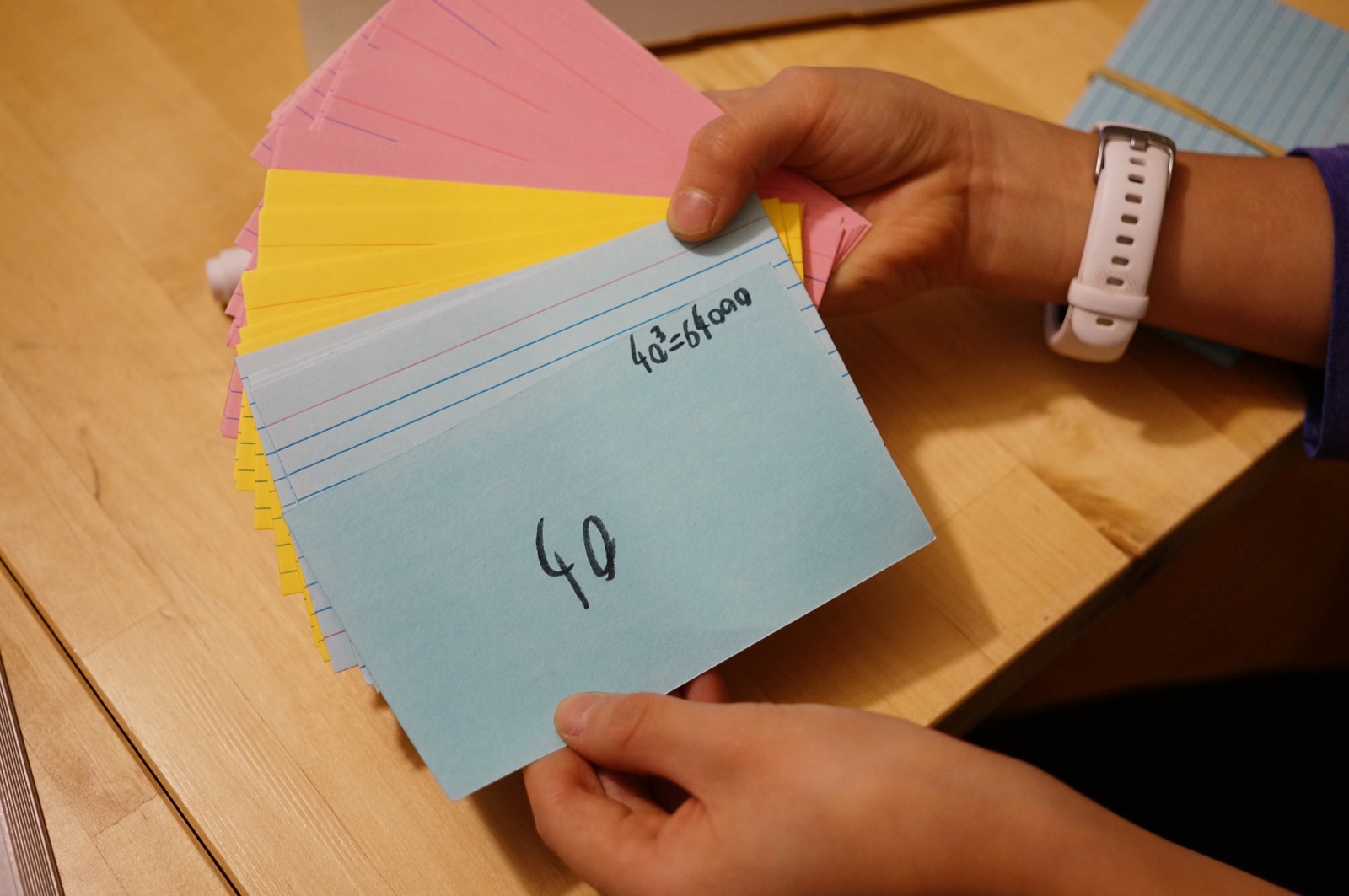
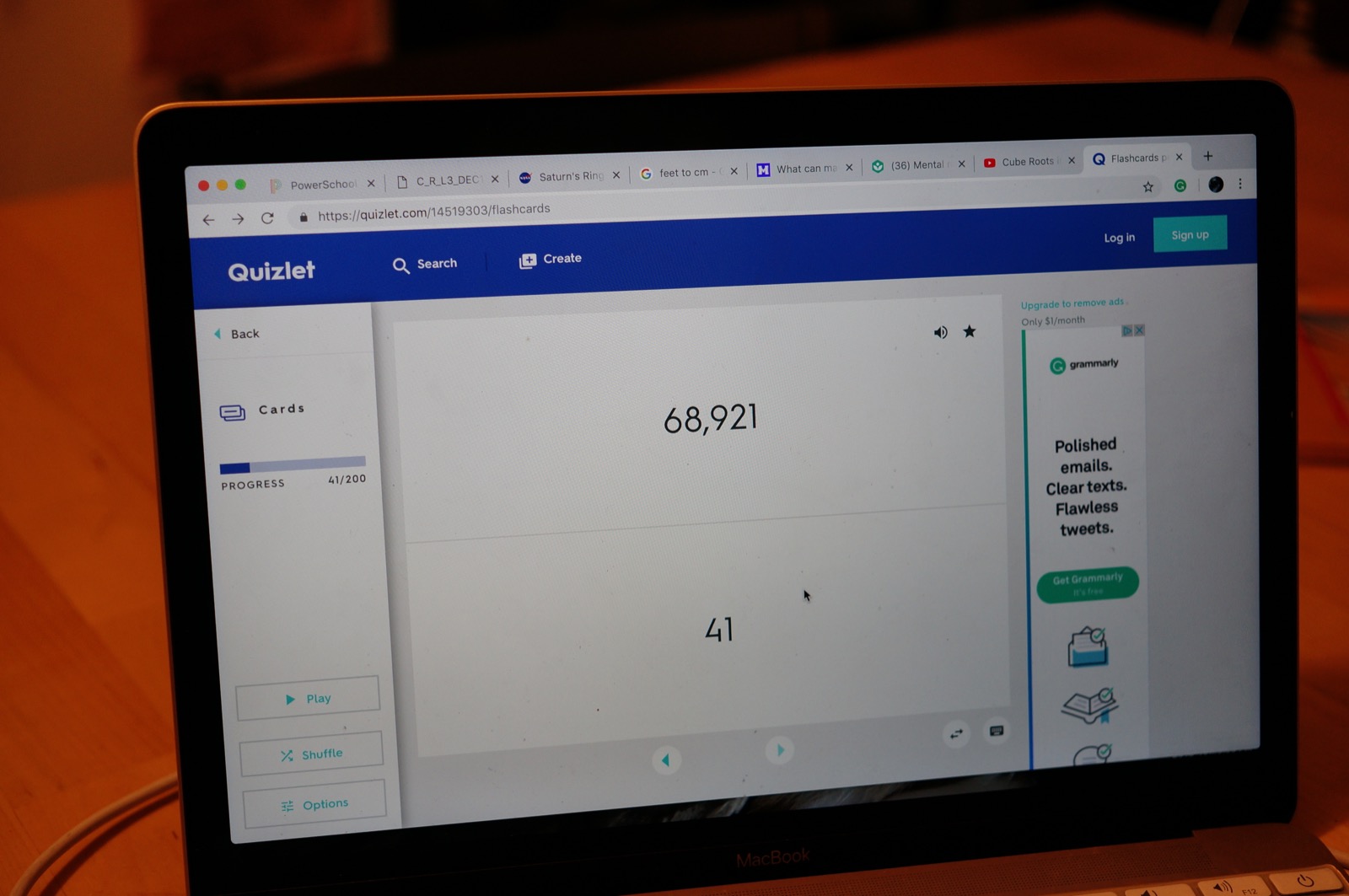
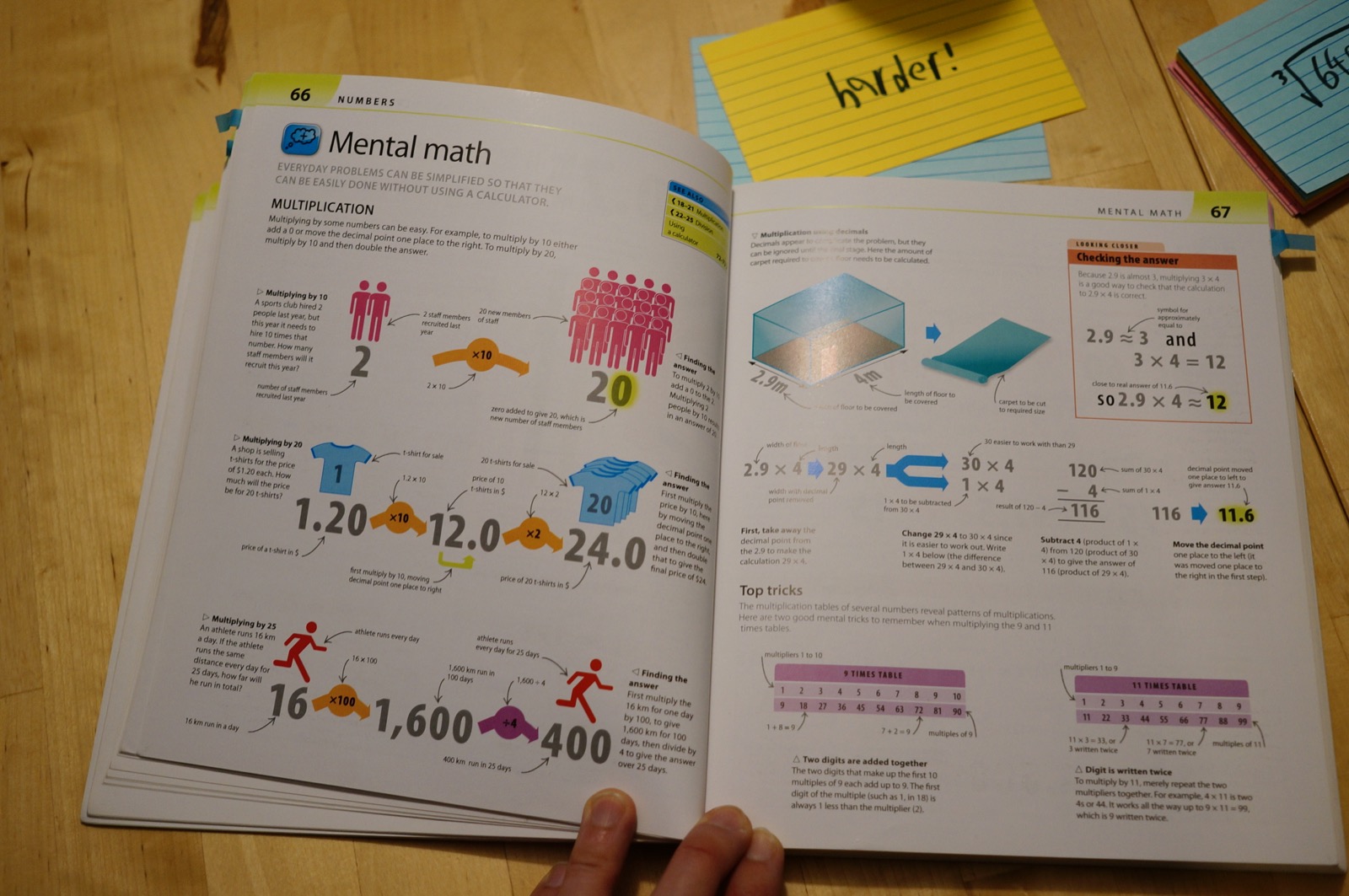
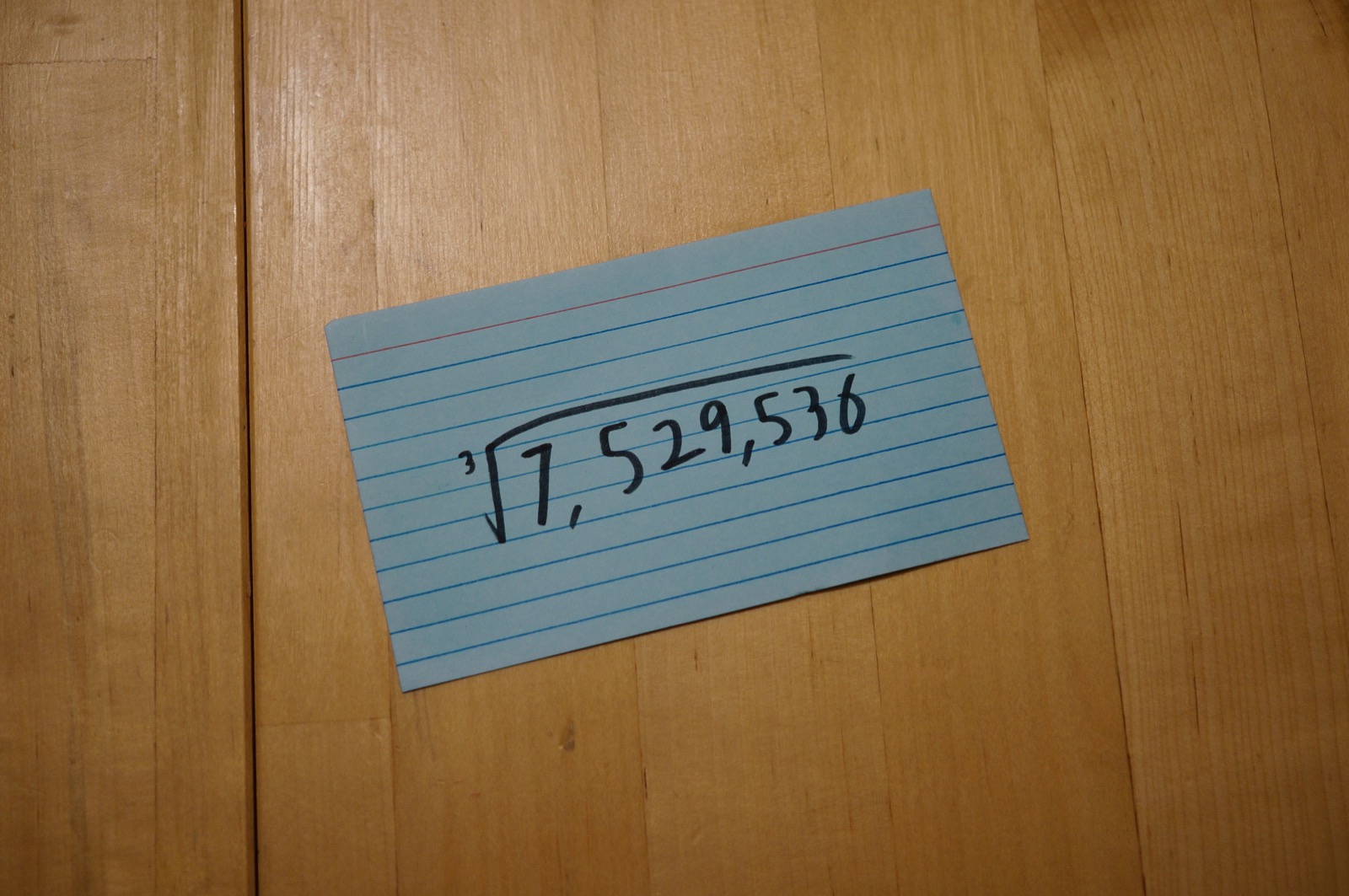
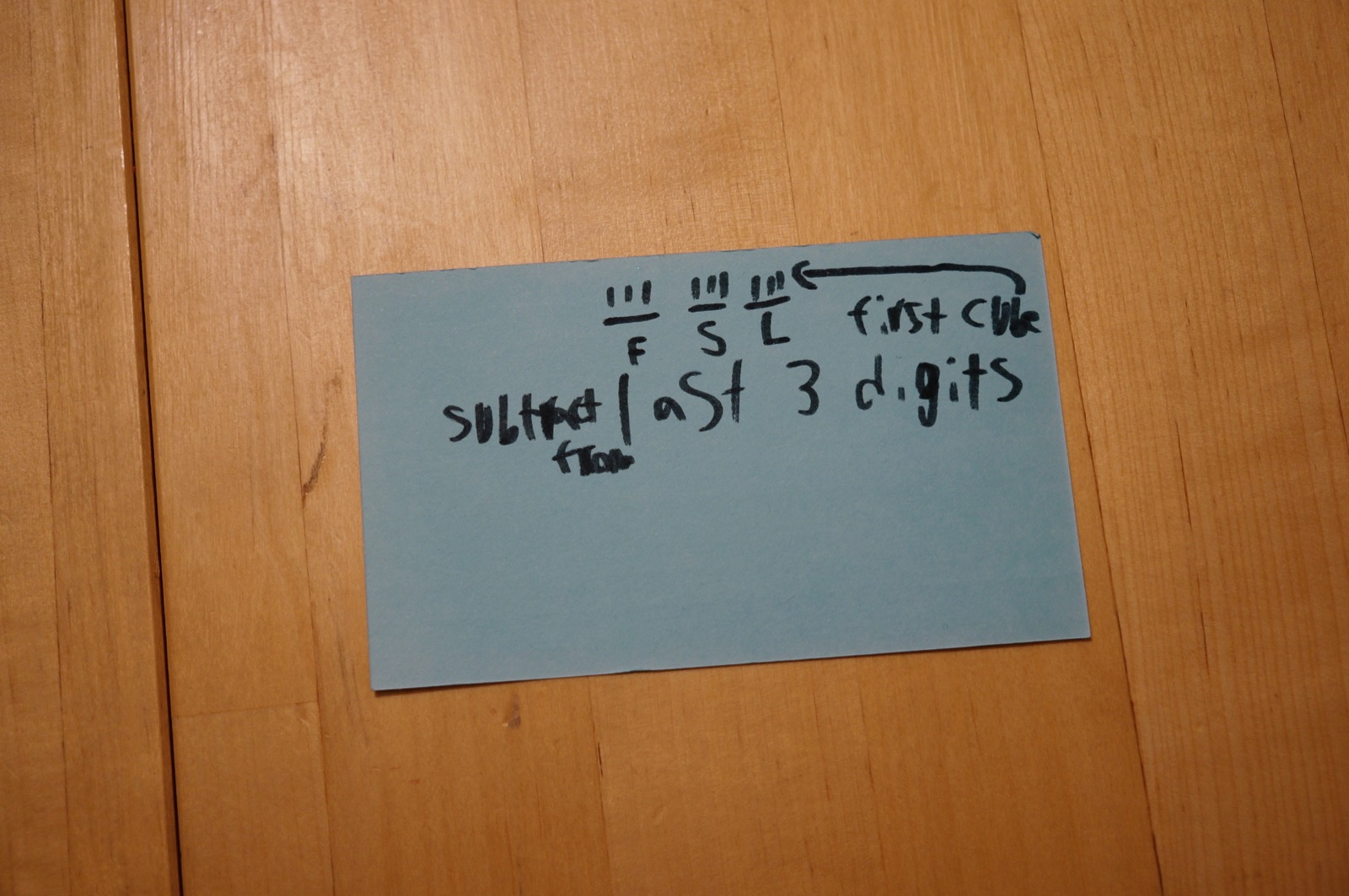
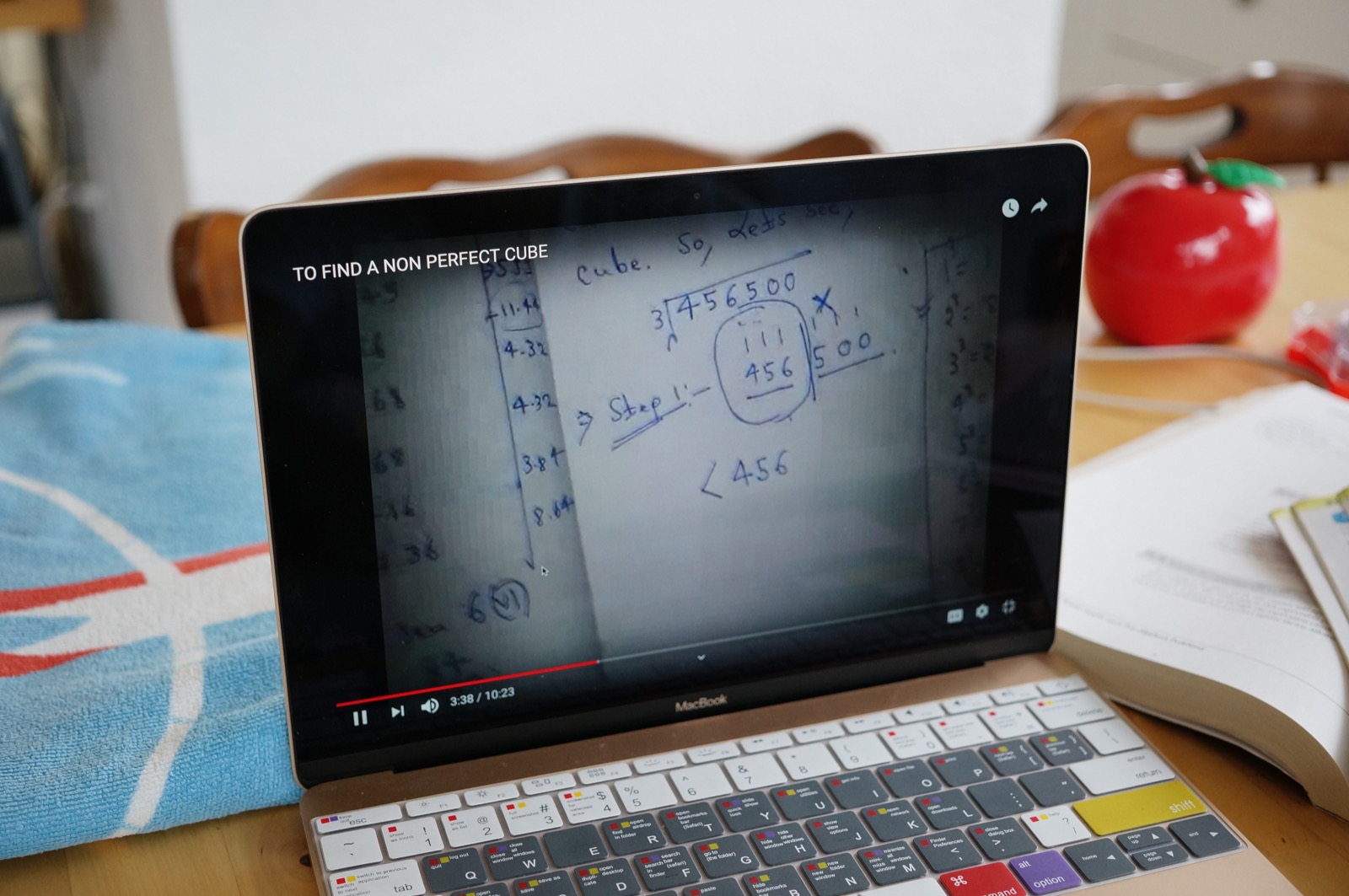
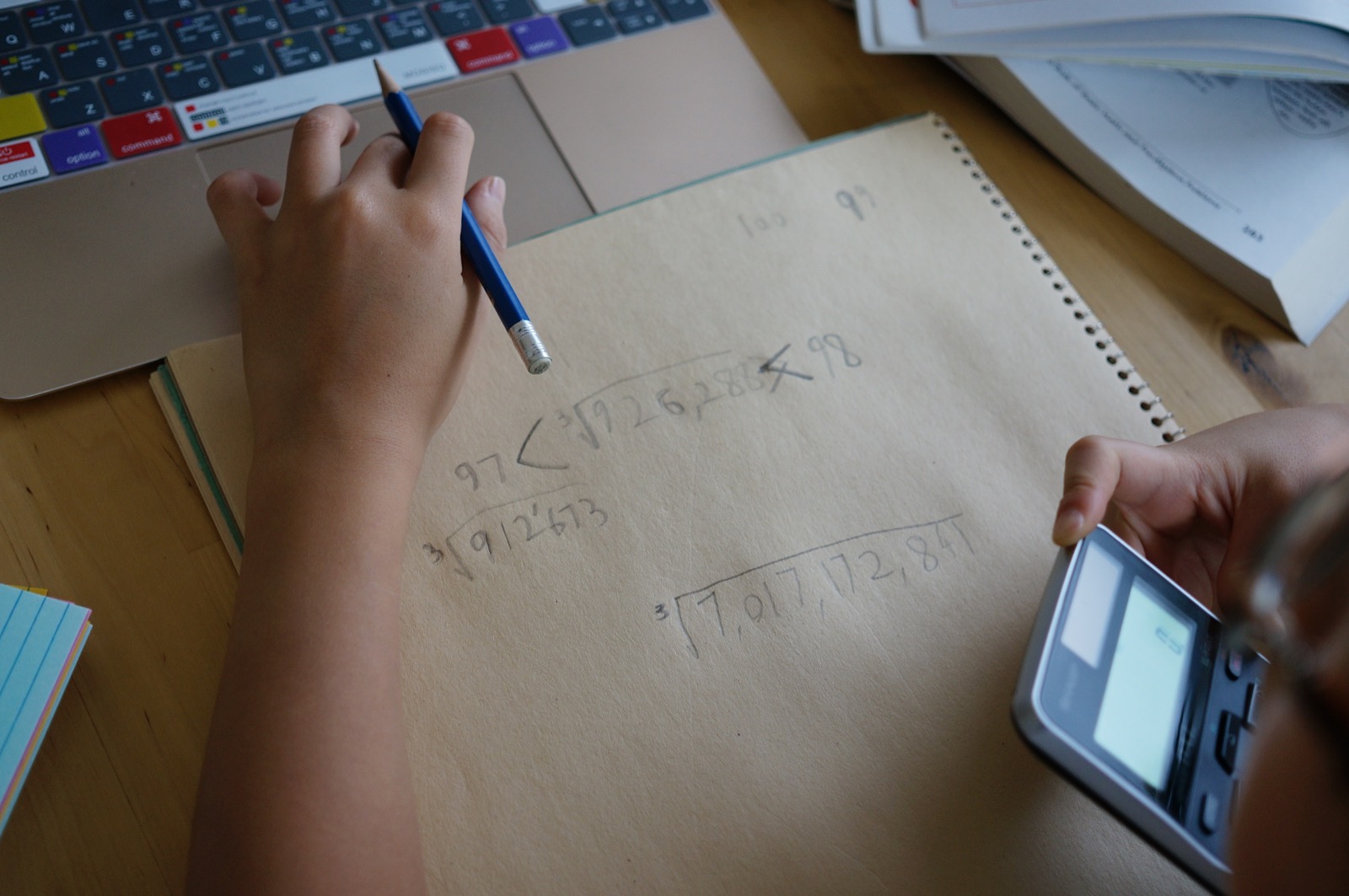
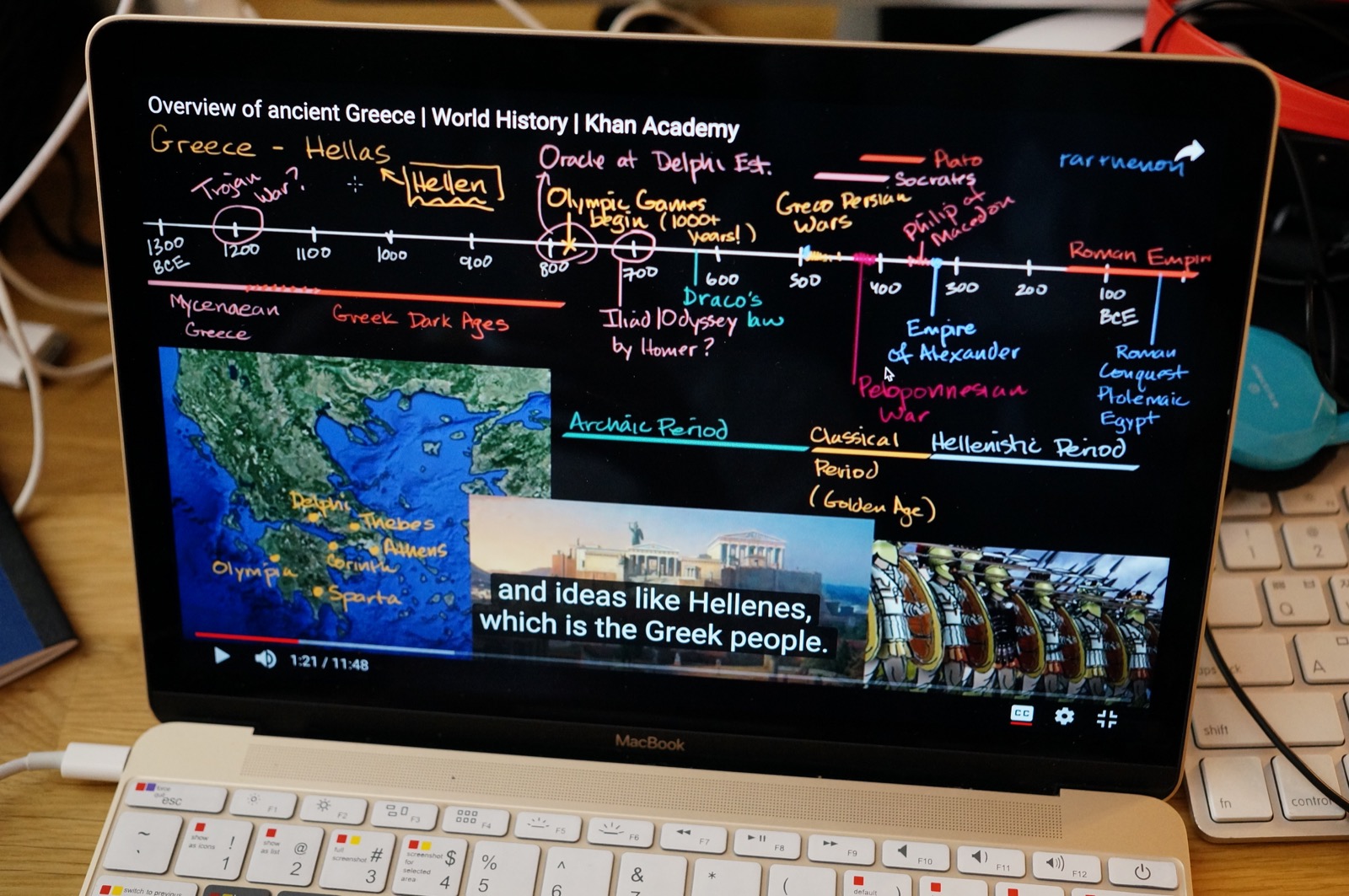
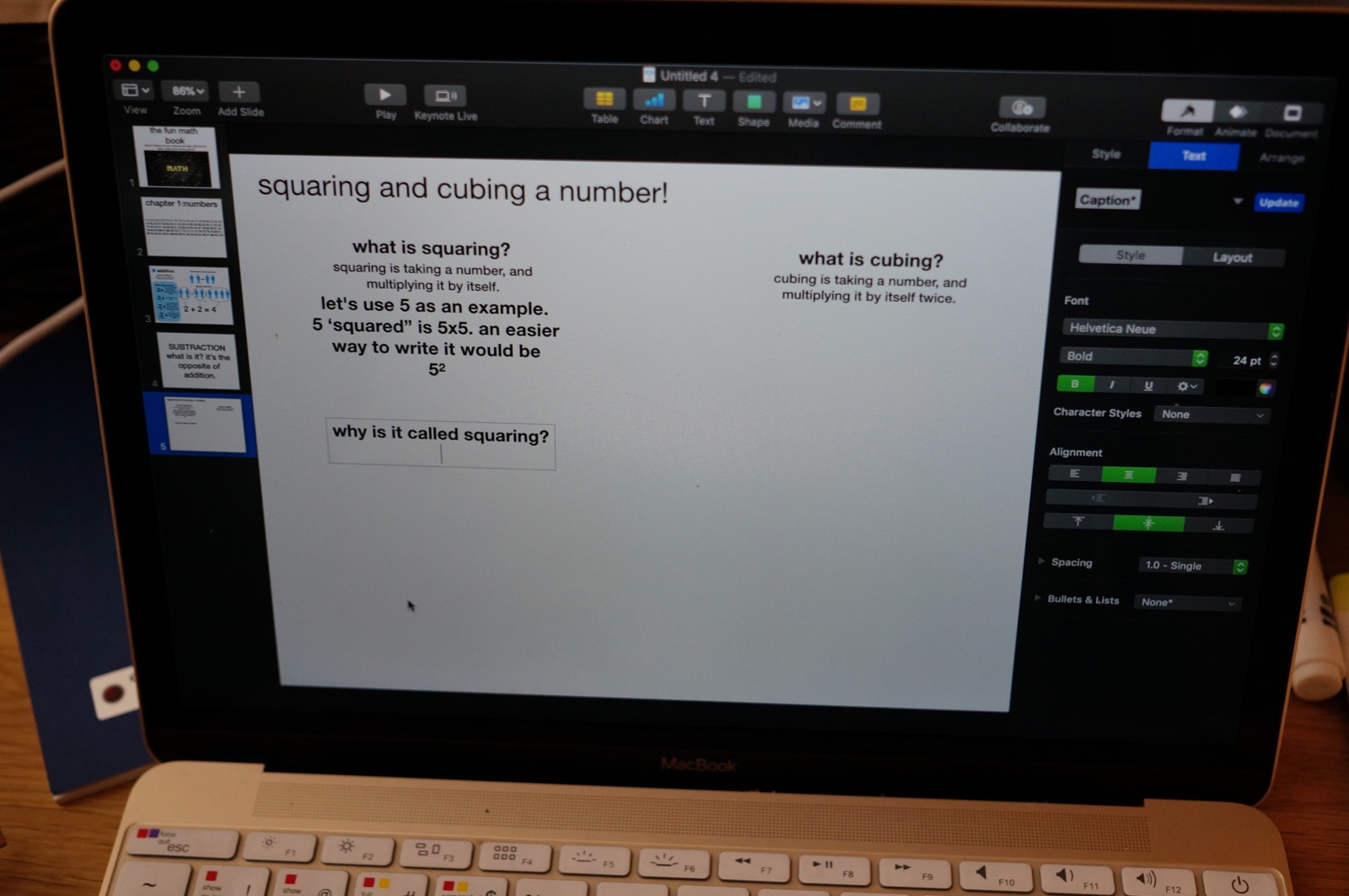
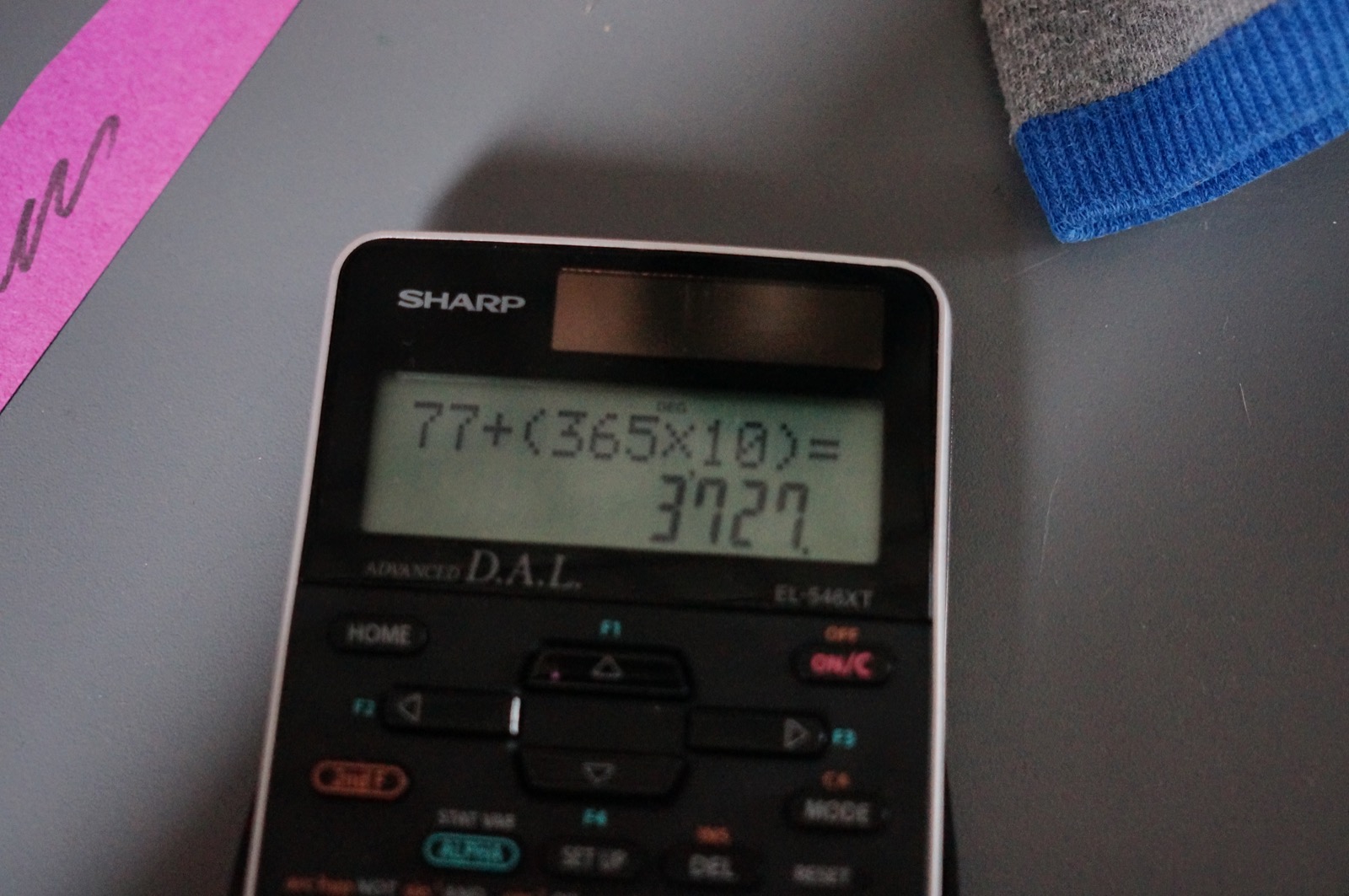
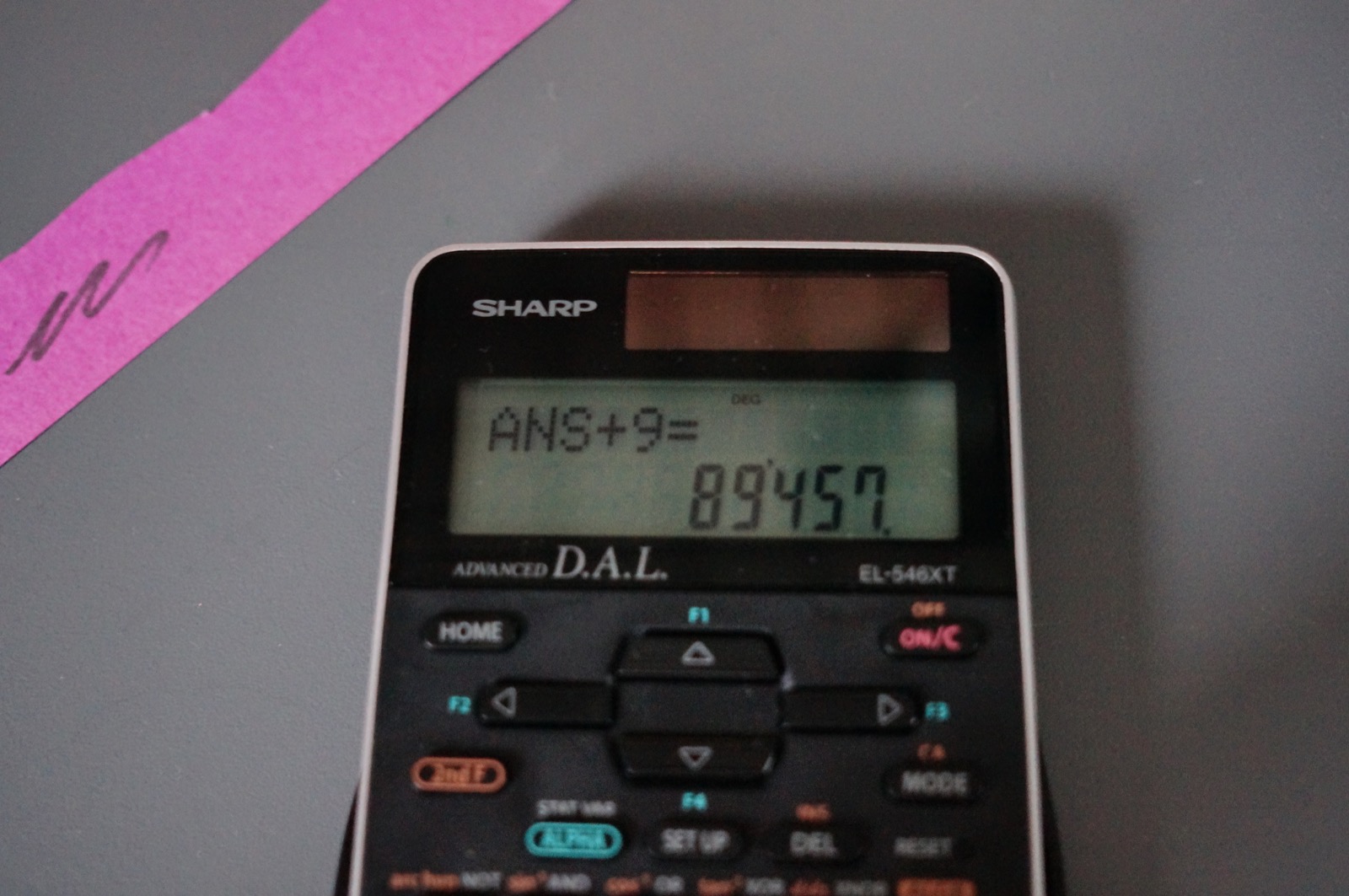
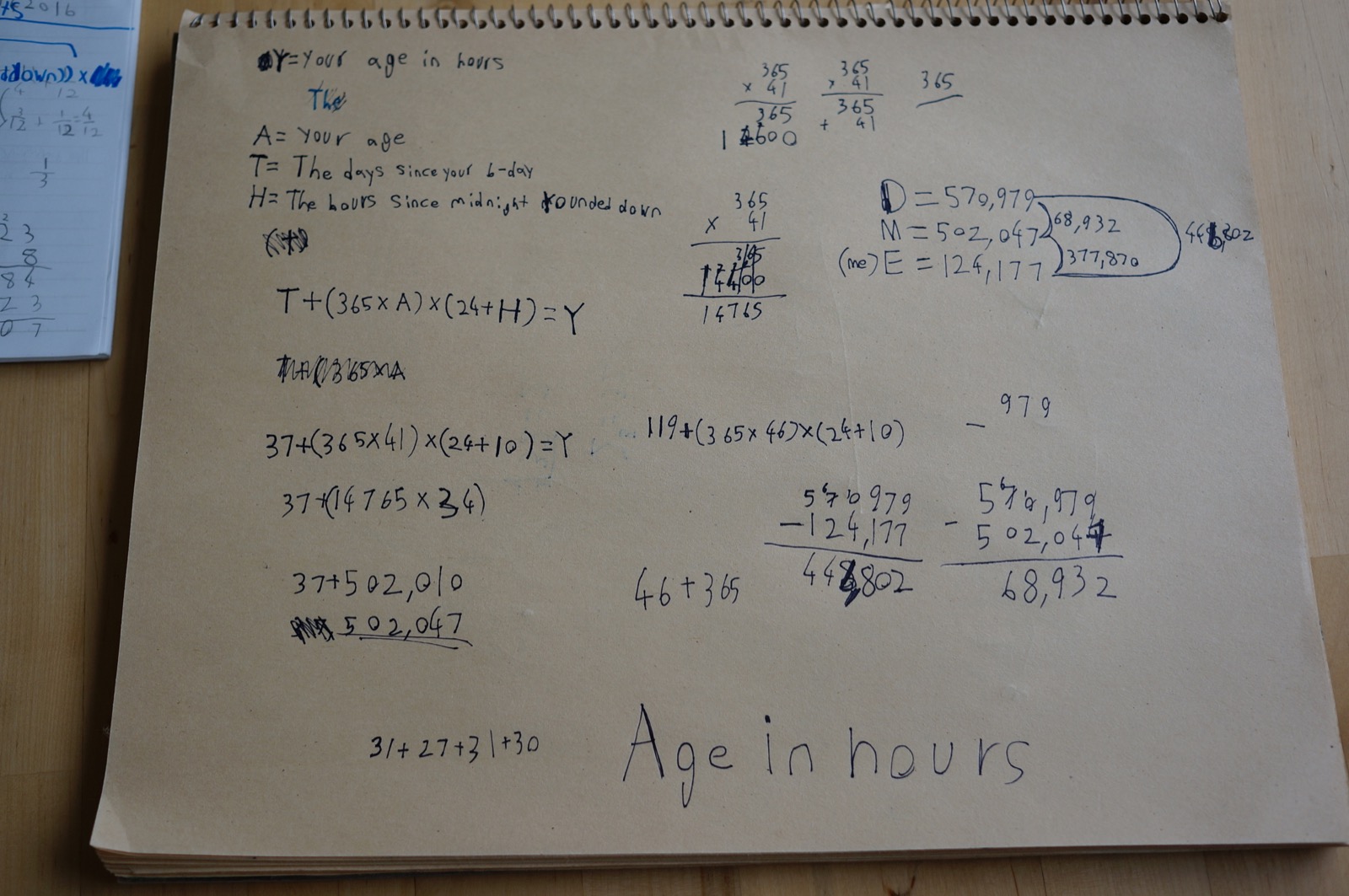
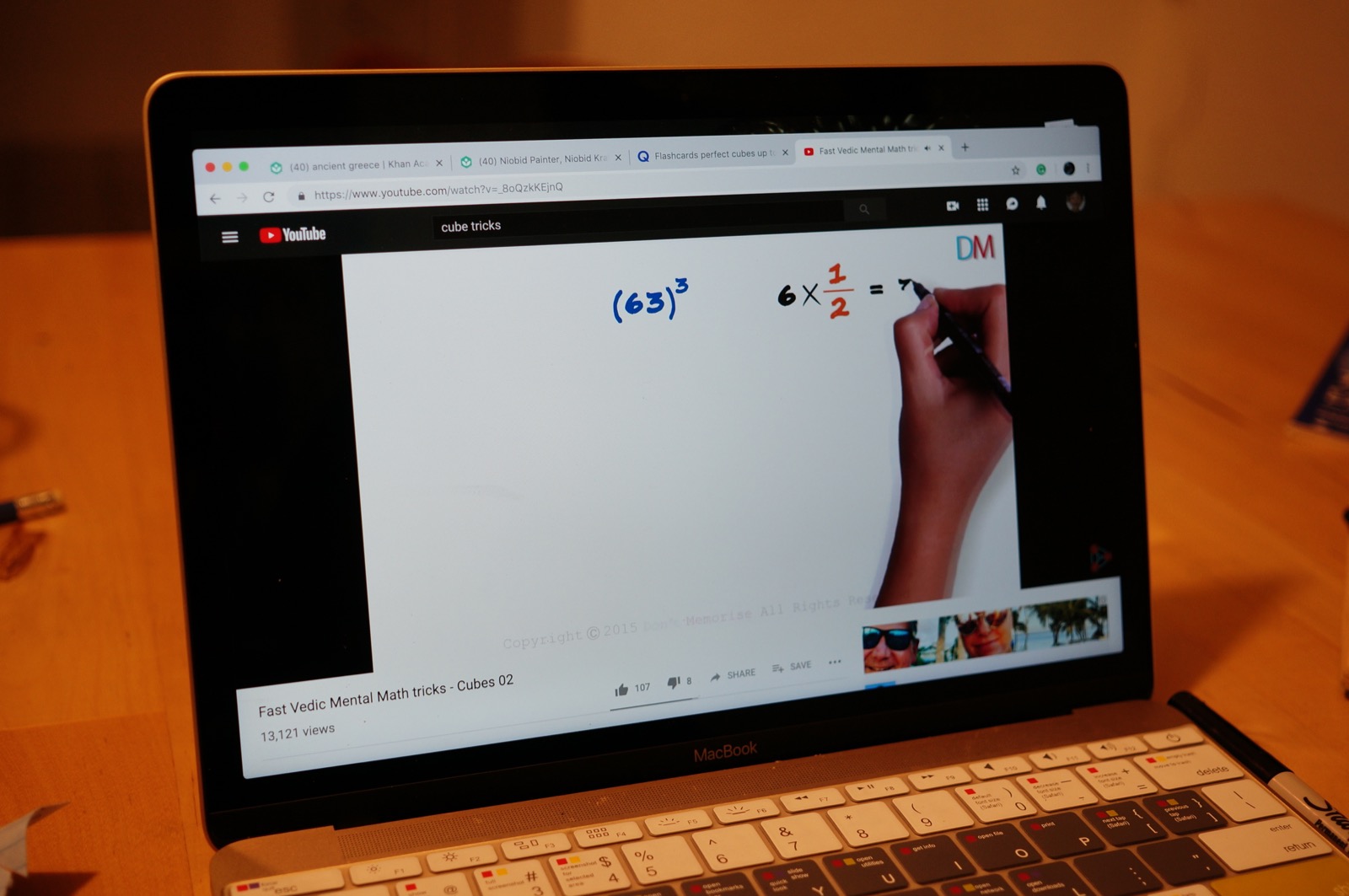
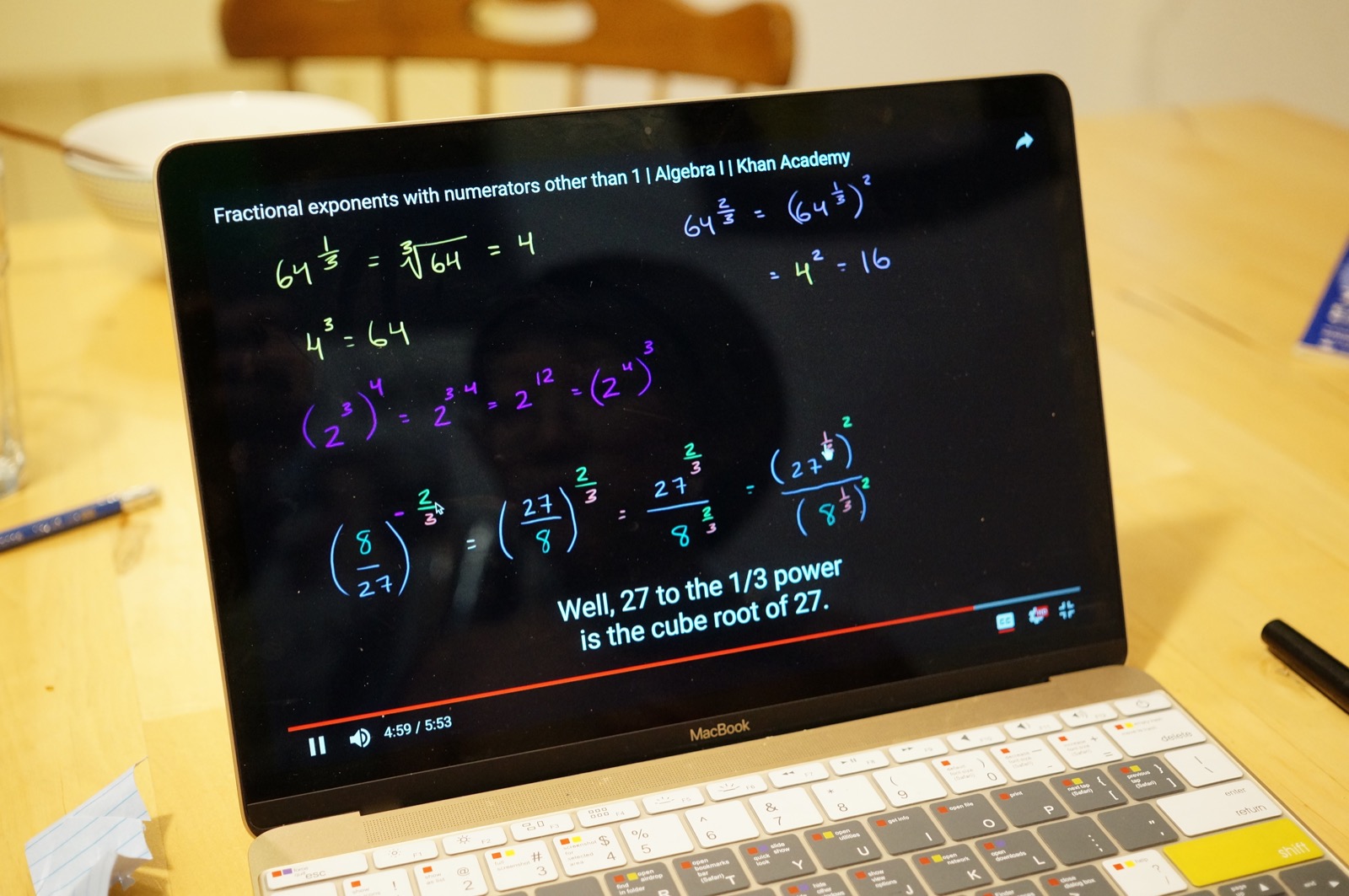
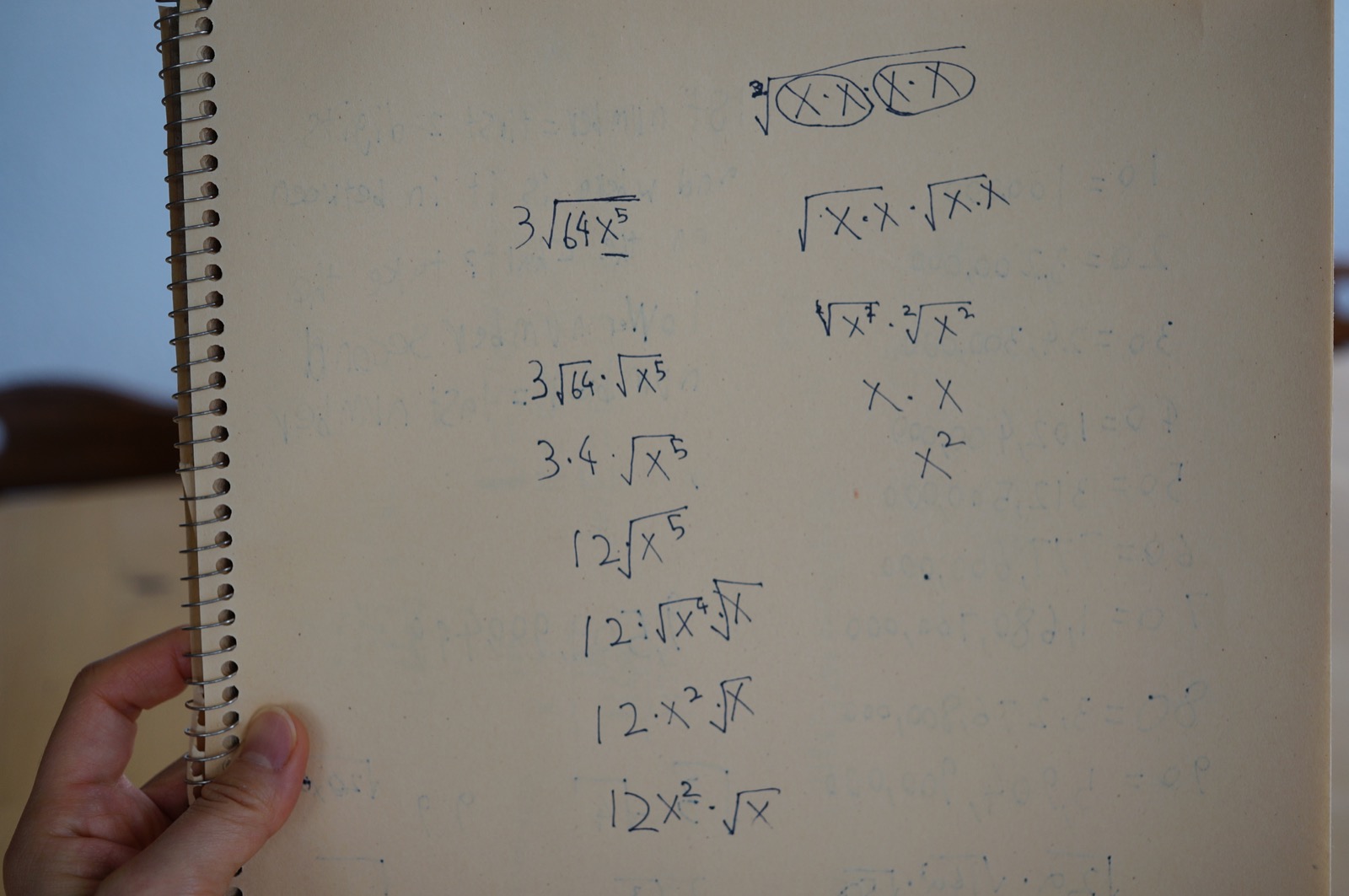
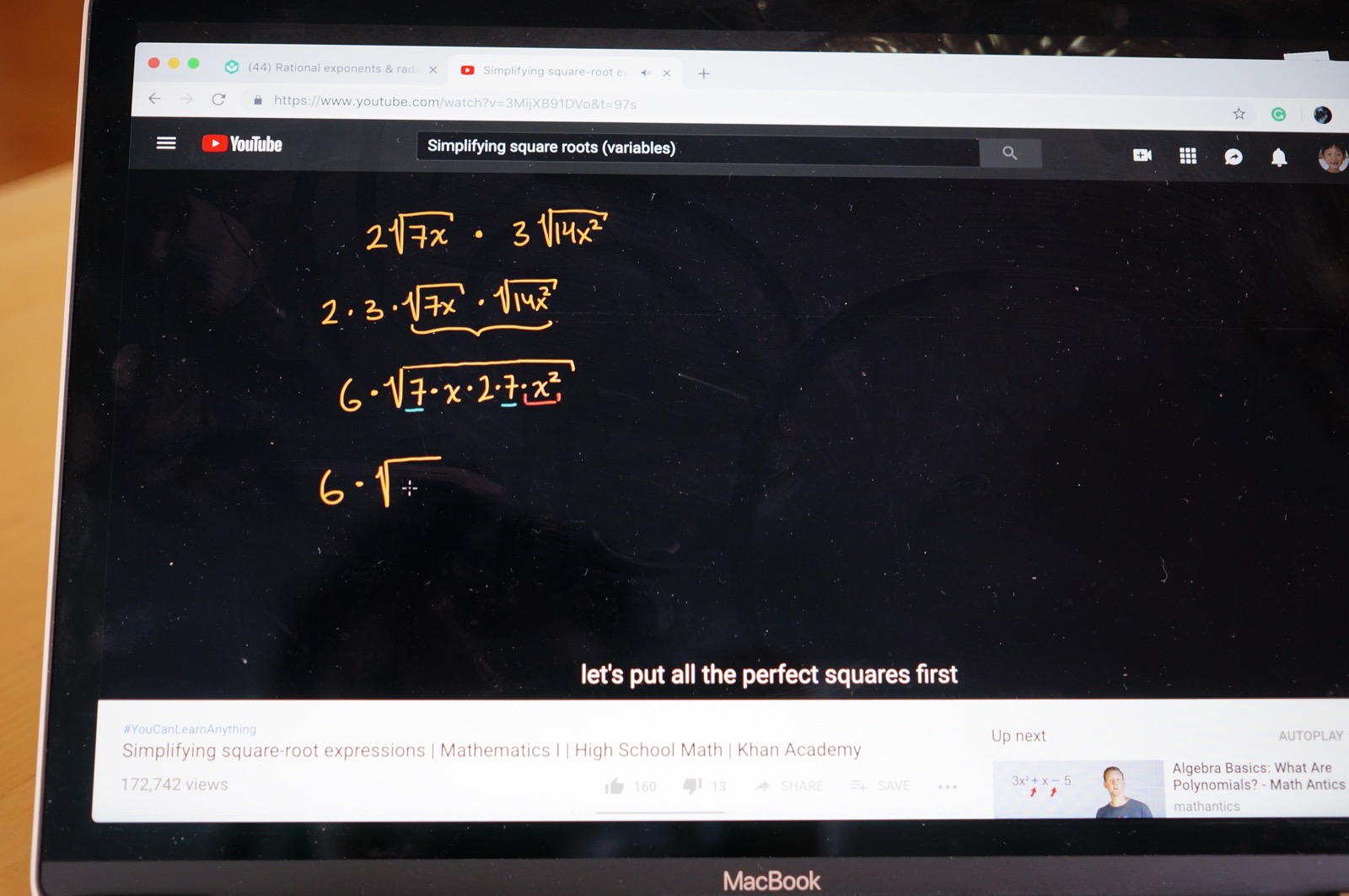
Over the past week of unschooling, Ethan spent a lot of time learning about cube roots. It was also the end of activities for the Christmas break and the start of really gearing up for Santa’s big day.
Still, there was lots of learning going on for Ethan so here’s what happened…
December 16
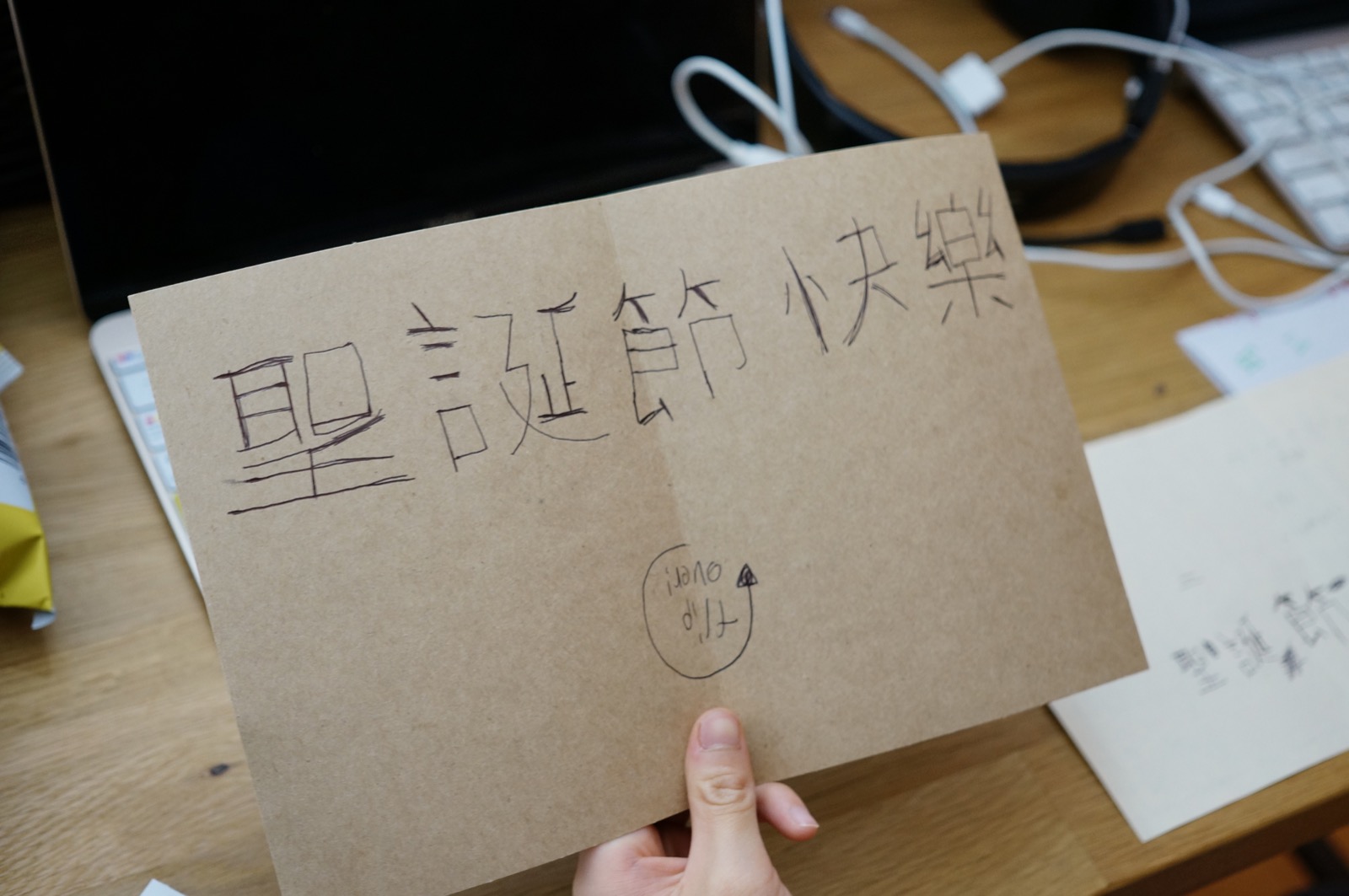
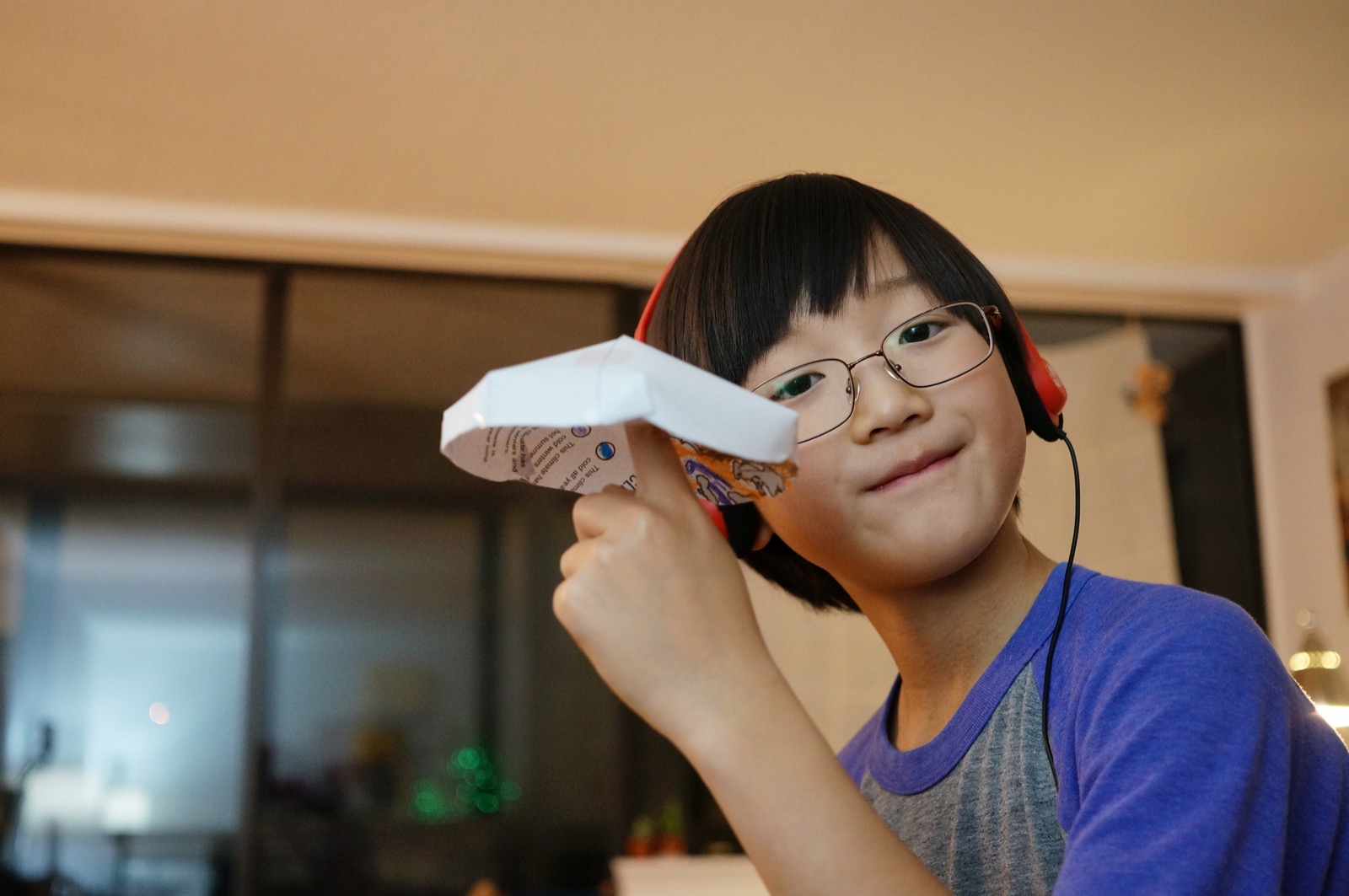
December 17
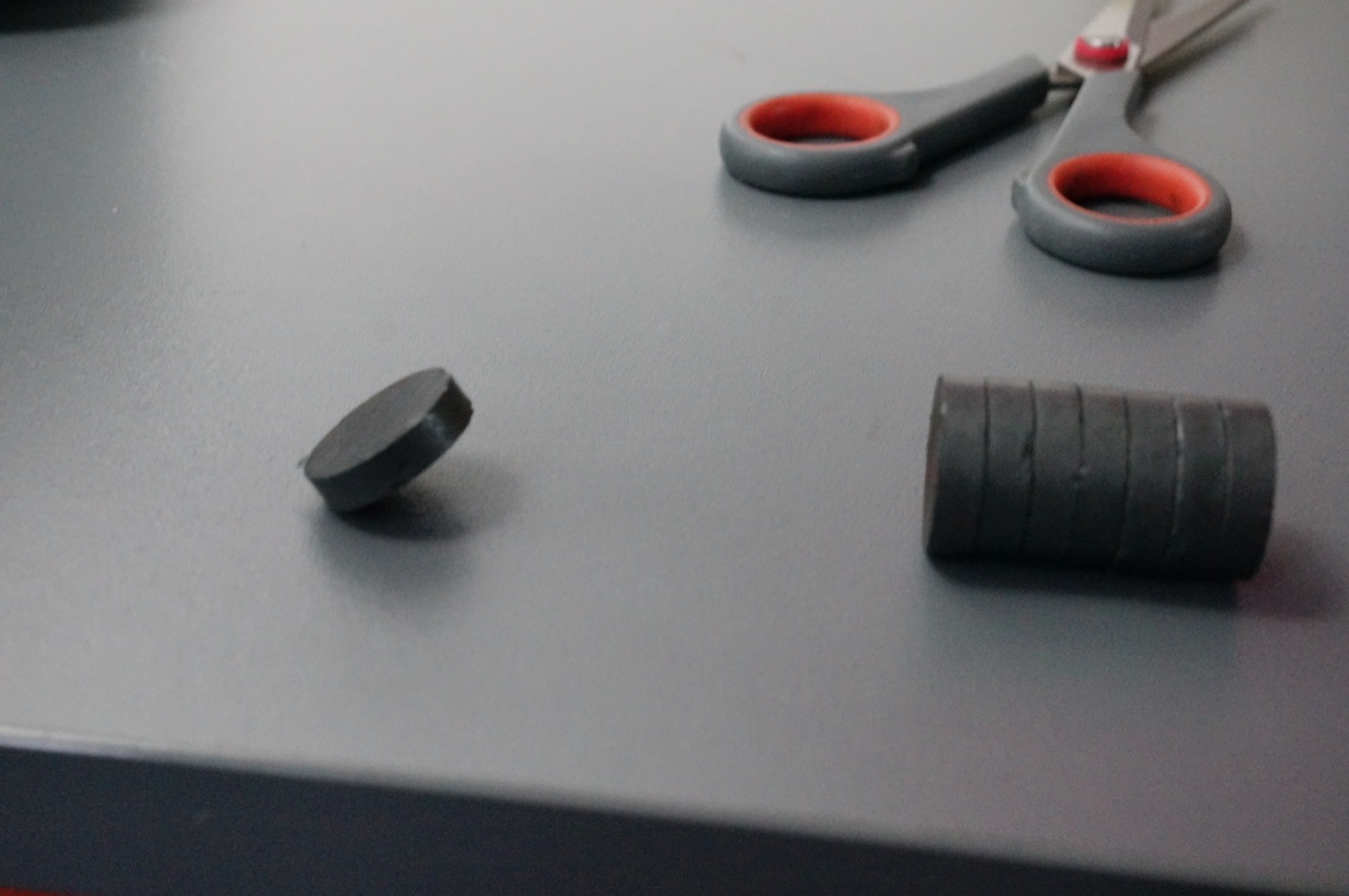
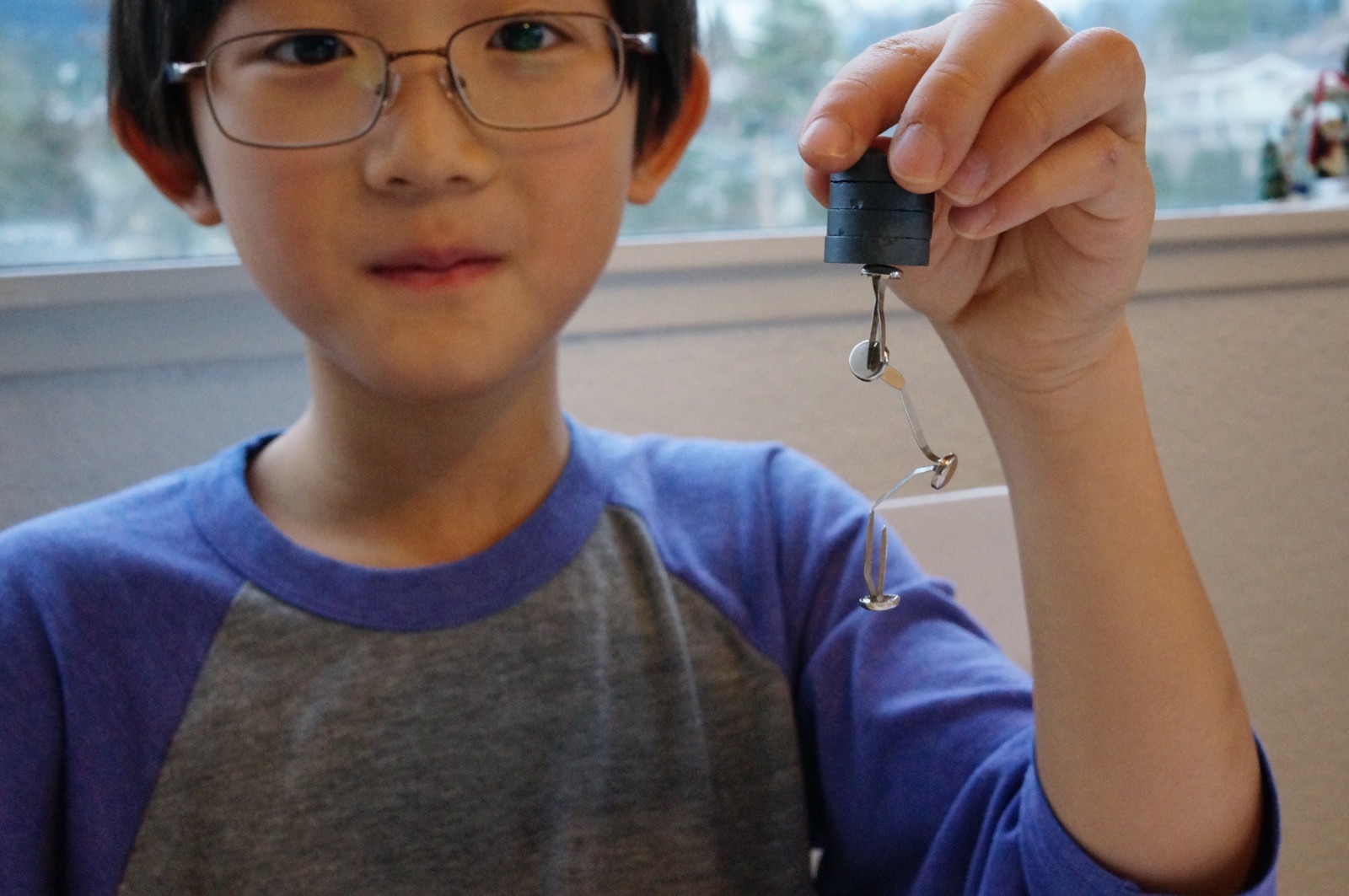

December 18
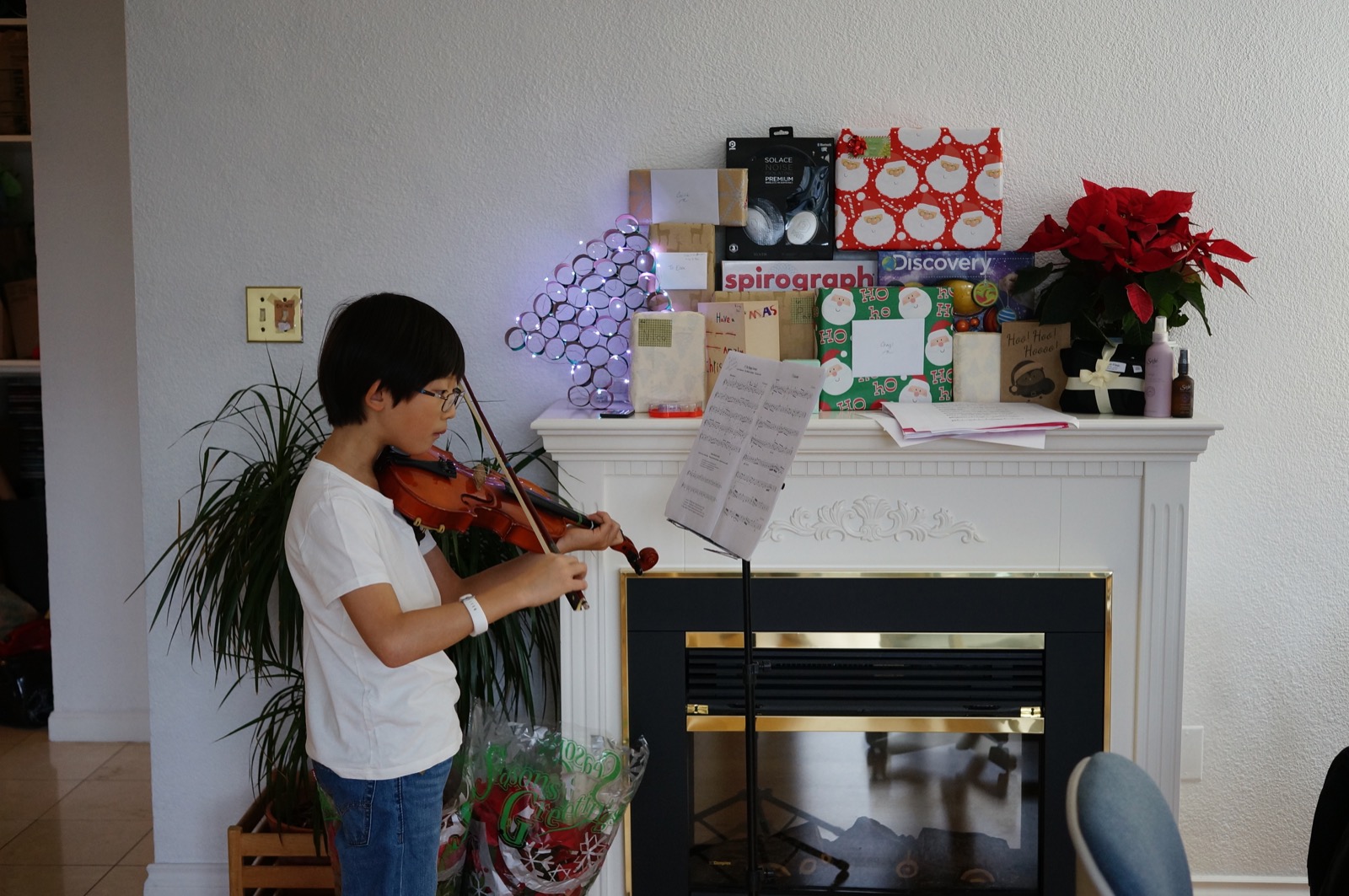
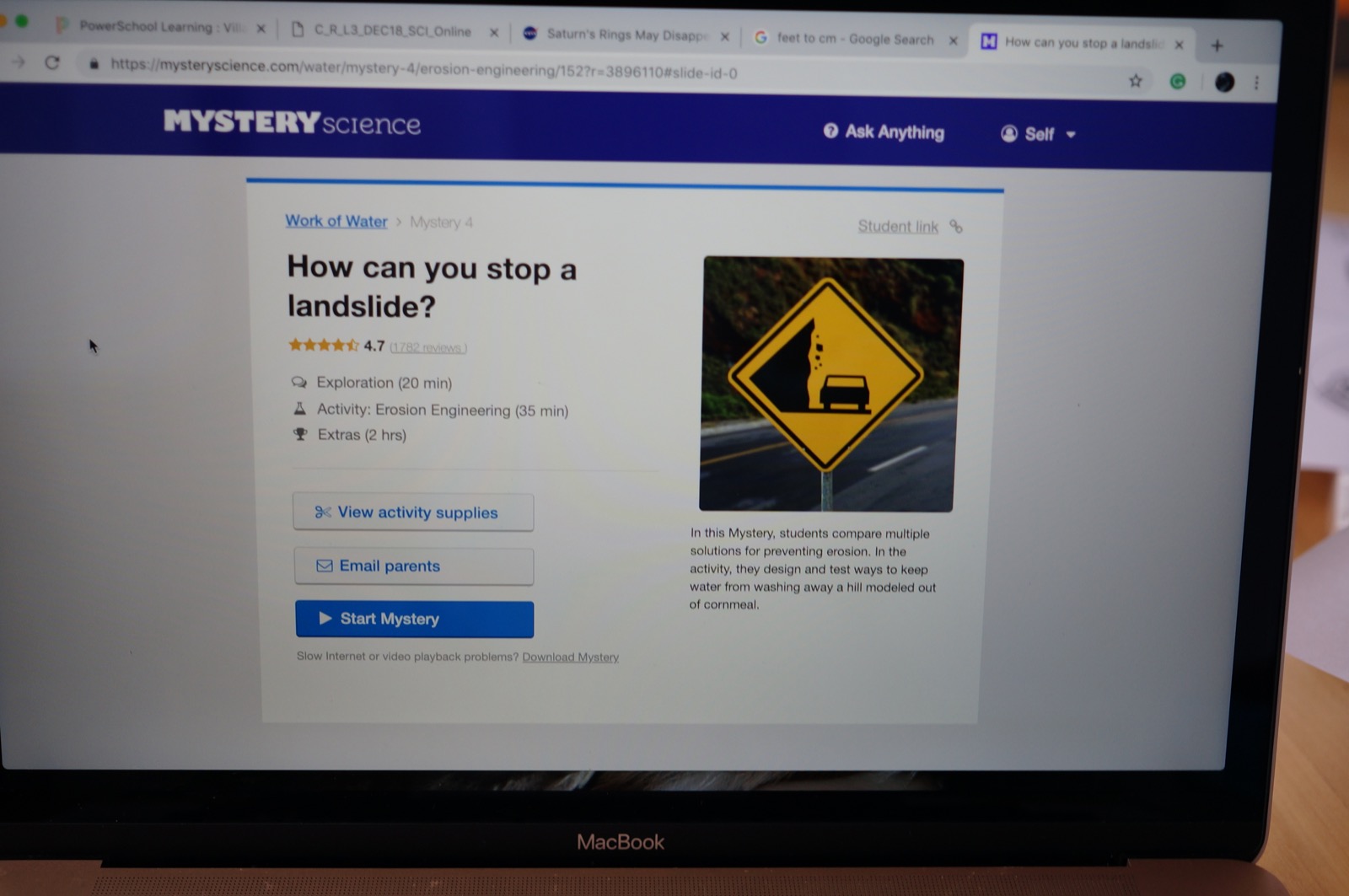

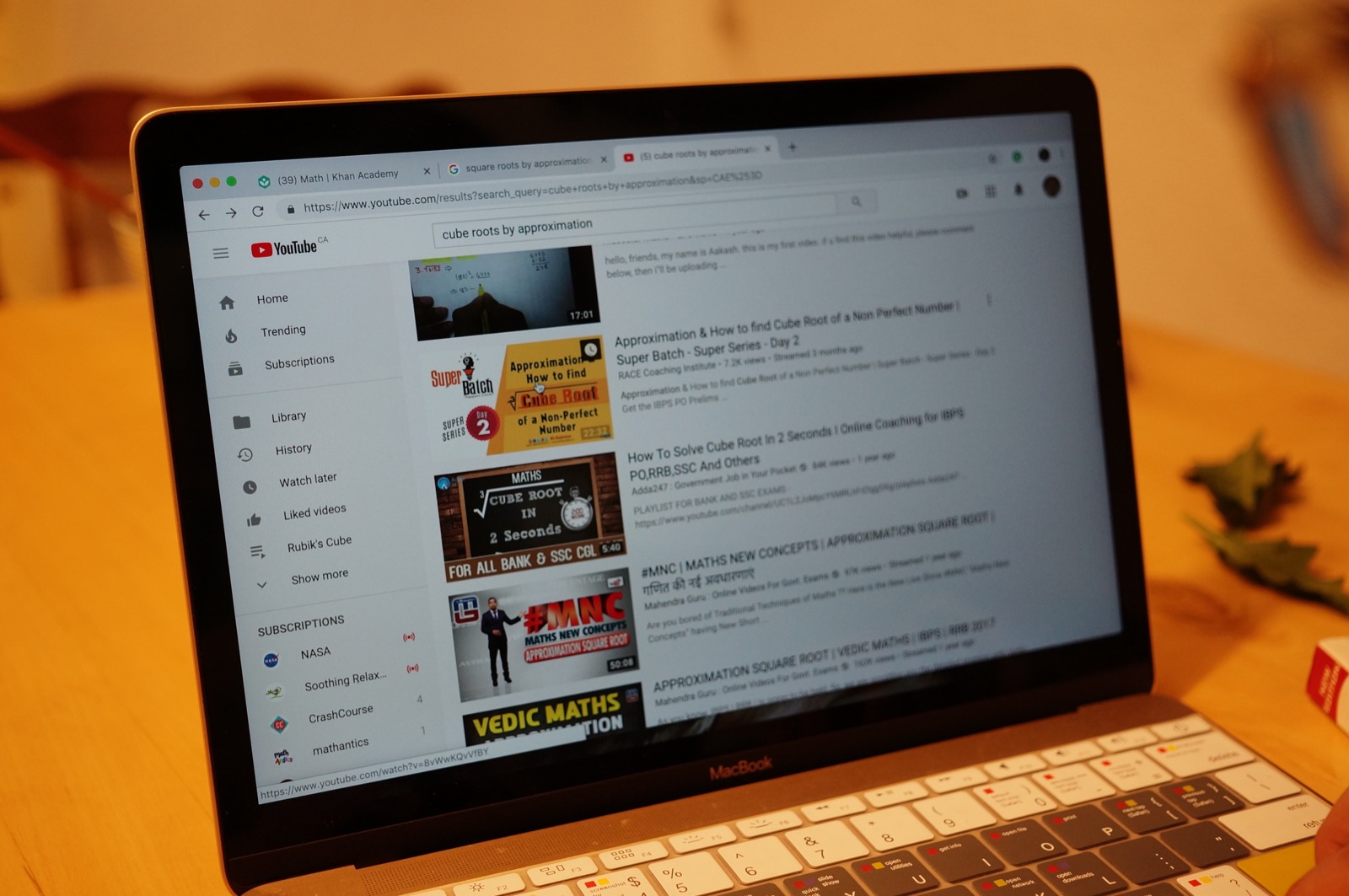
The traditional ceremony involves special food, drink and
December 19

December 20

December 21
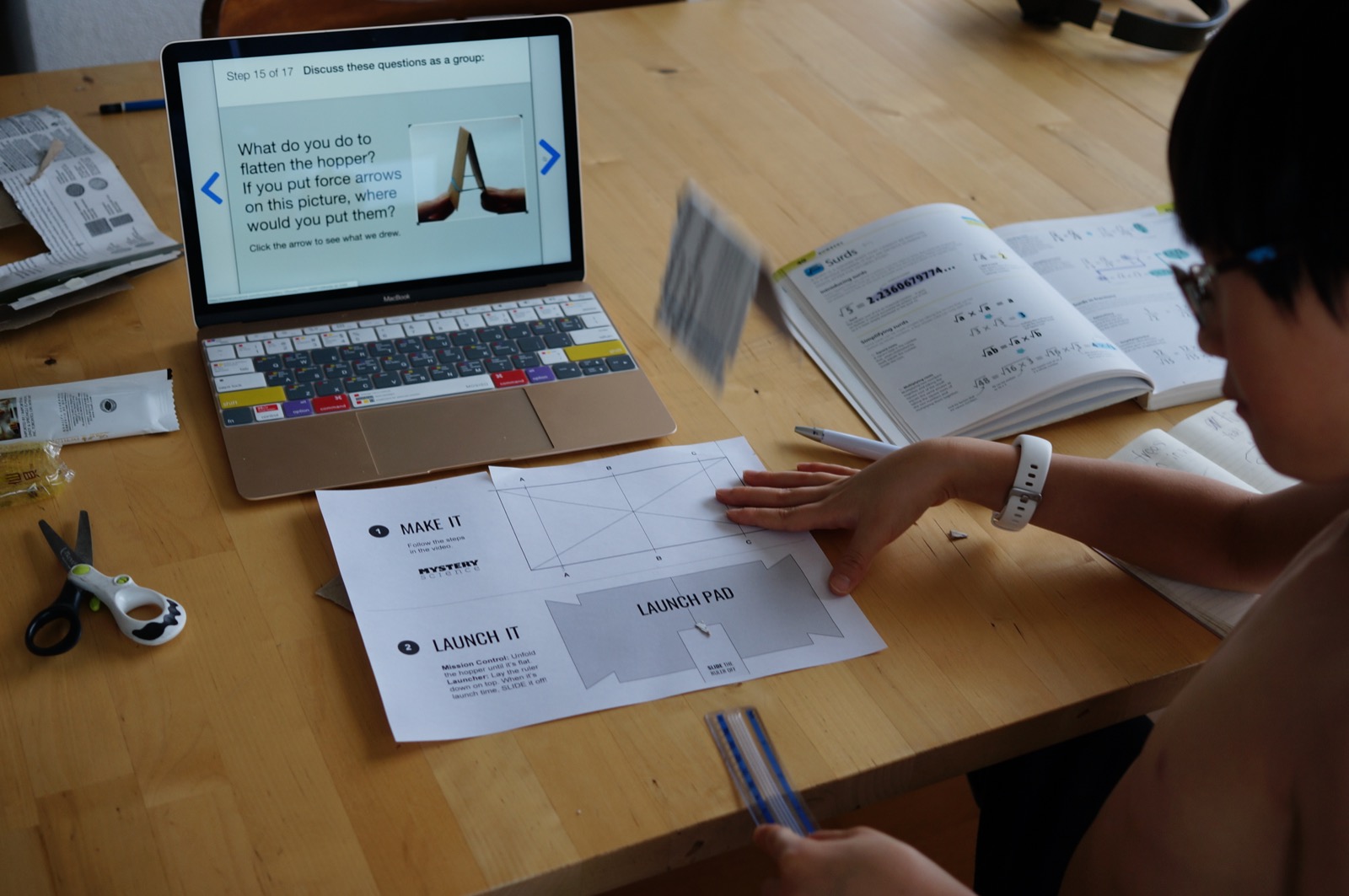
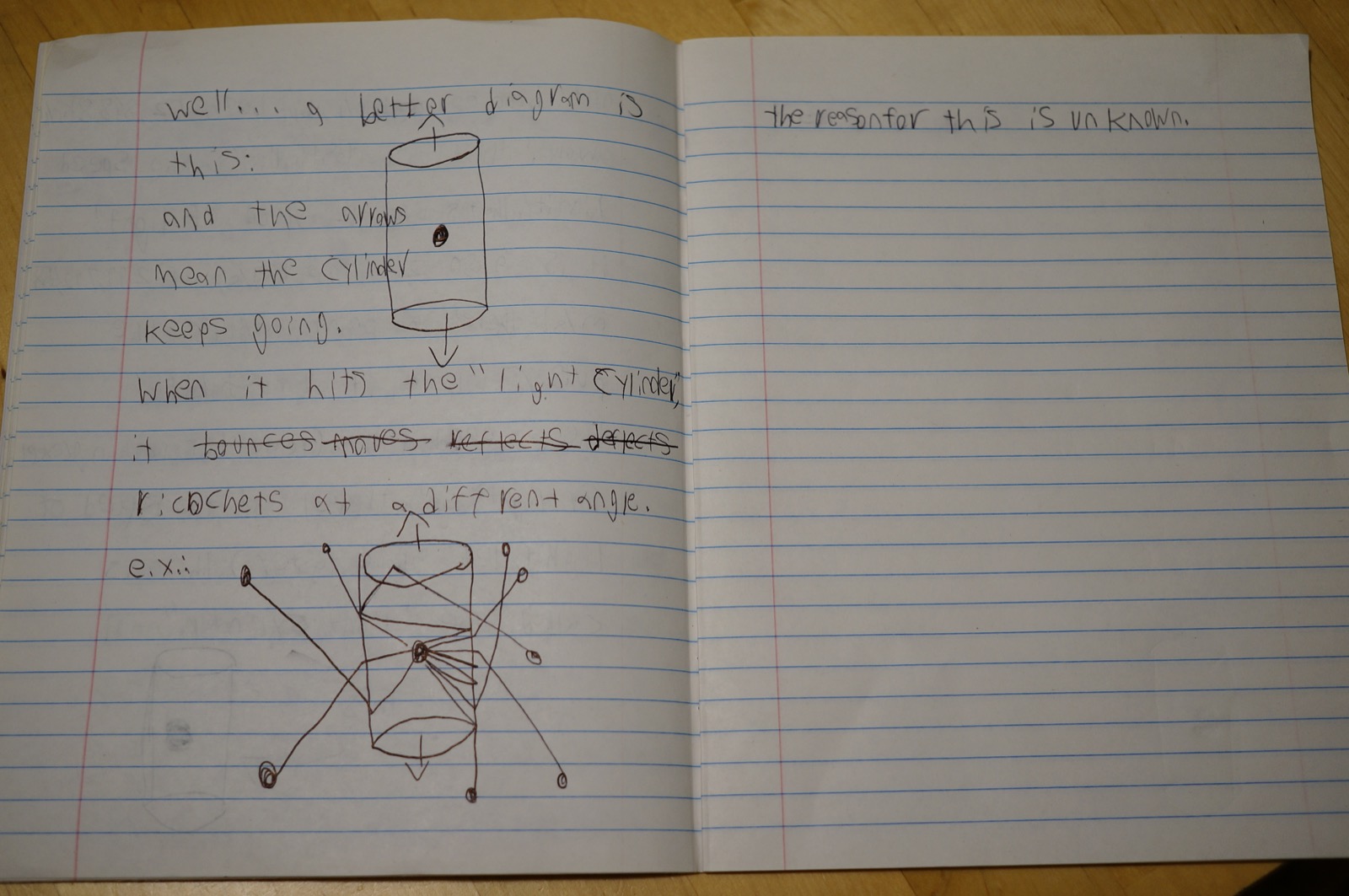
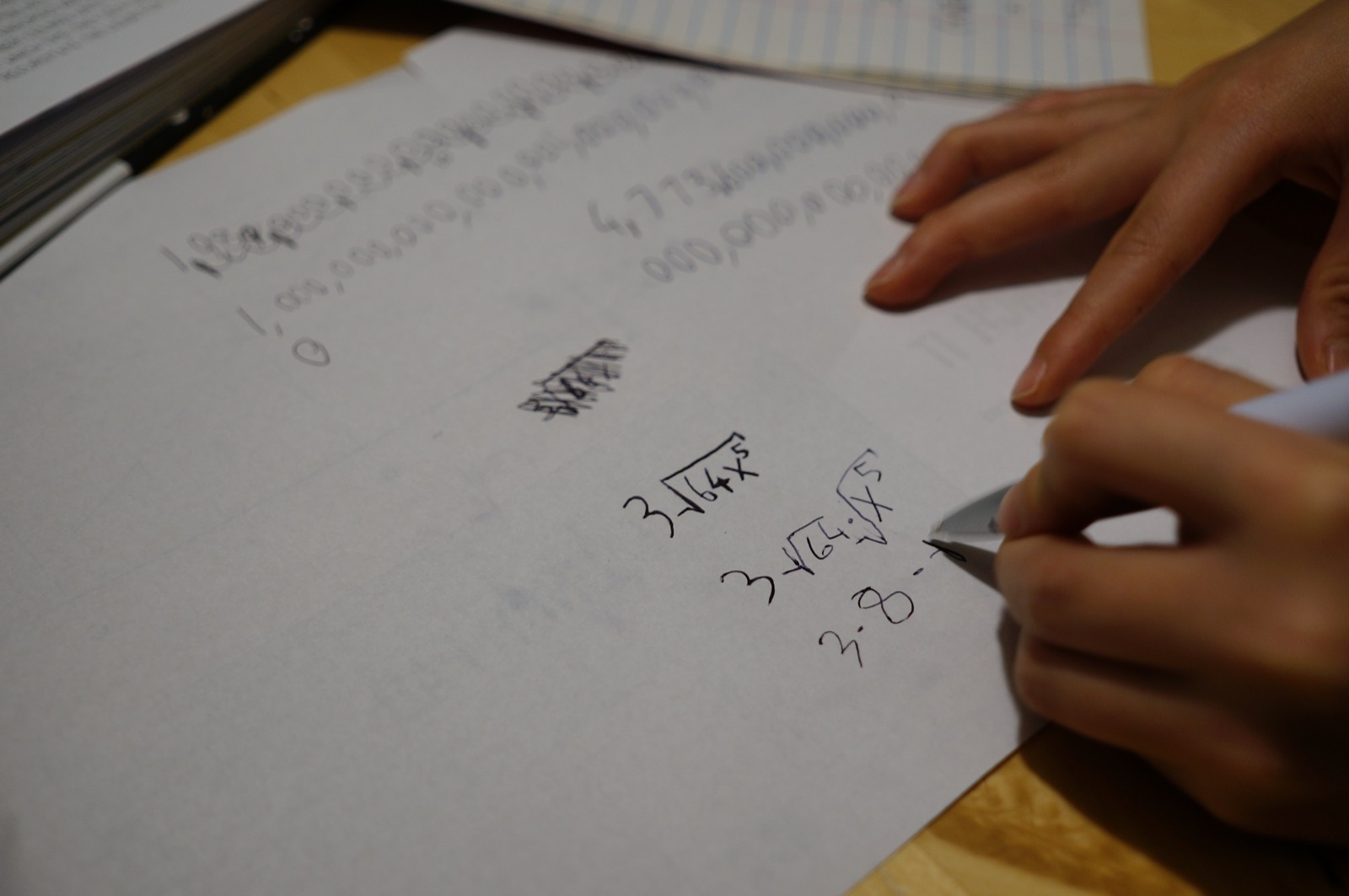
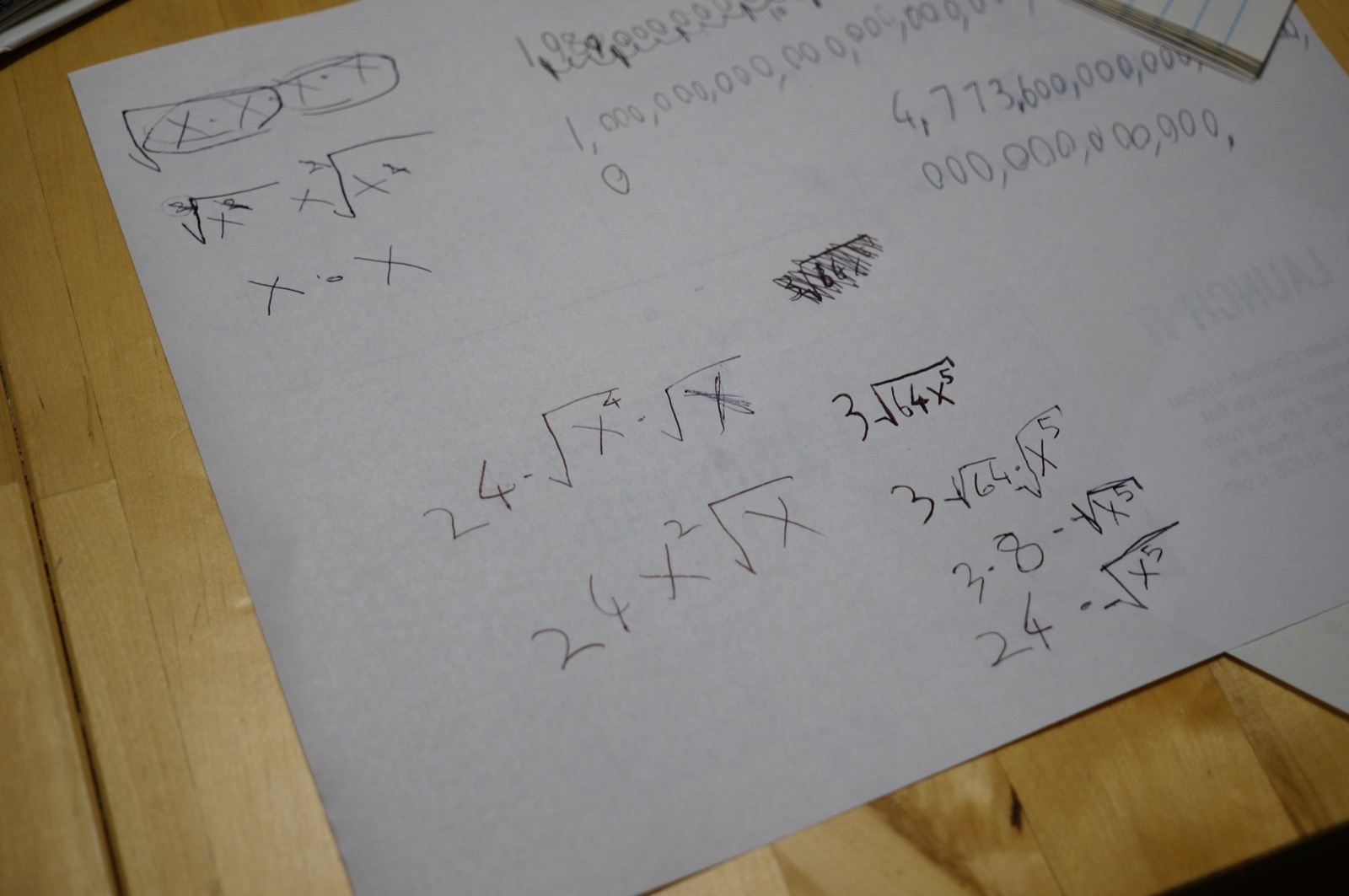
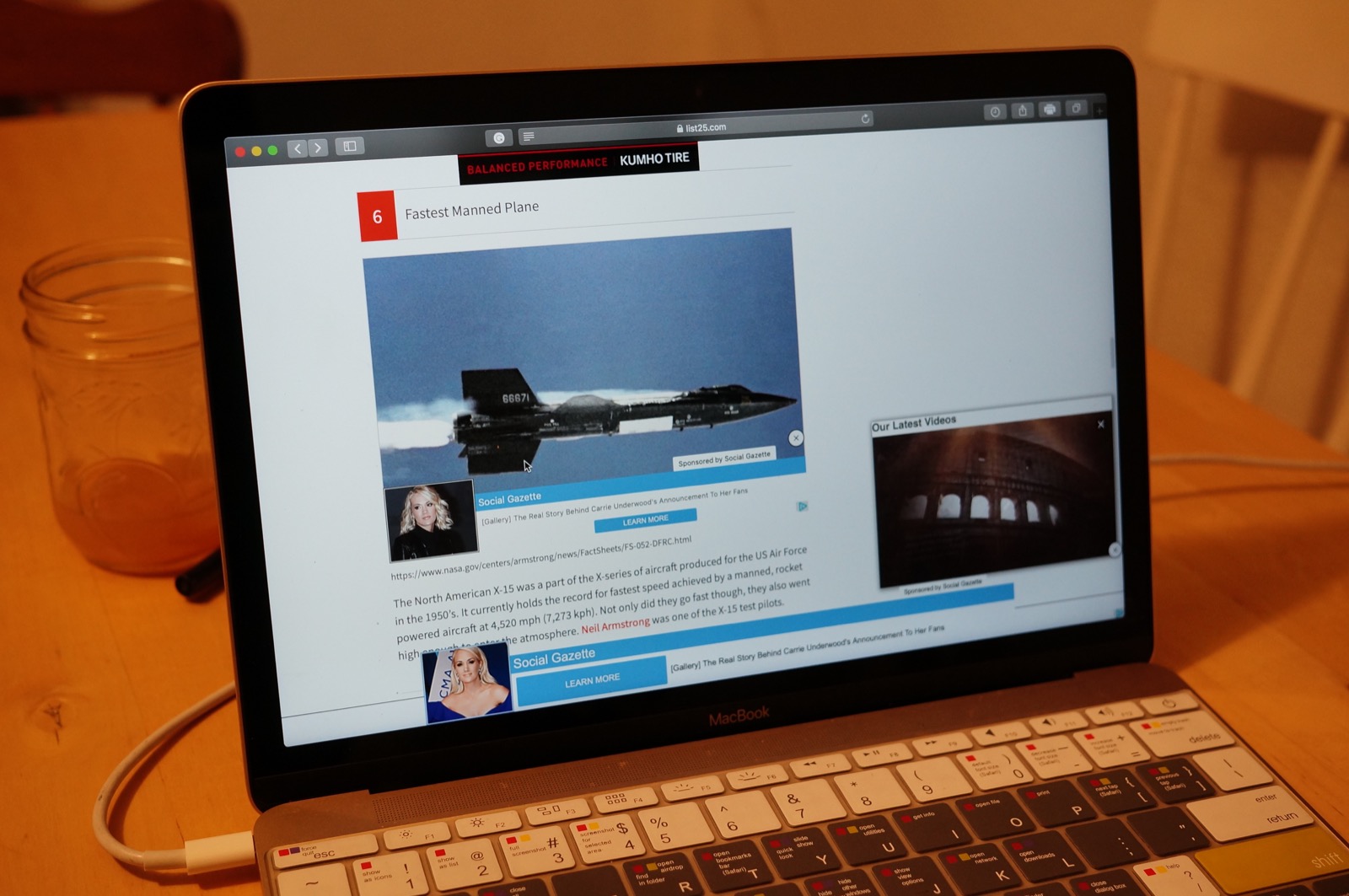
To finish the night, we all watched a few episodes of Brainchild, a fun and engaging science show for kids on Netflix.
December 22




We again watched Brainchild on Netflix and learned a few things about how our memory works. There was a memory trick that hopefully, helps Ethan remember lists of things… hope it helps me, too!
We’ve also been reading the first Cosmic Trilogy book by C.S. Lewis. Ethan seems to like it because it’s set on Mars. The language is a bit older for him, I believe, so I sometimes stop to ask him if he knows a certain word or expression. ( Ethan here… I like it because Mars is a great planet. Mars is the fourth planet from the sun, it is half the size of earth, and it might have had
Anyway, that was the week! Have a Happy Holidays and all the best in 2019!
how to make the fidget fliker!
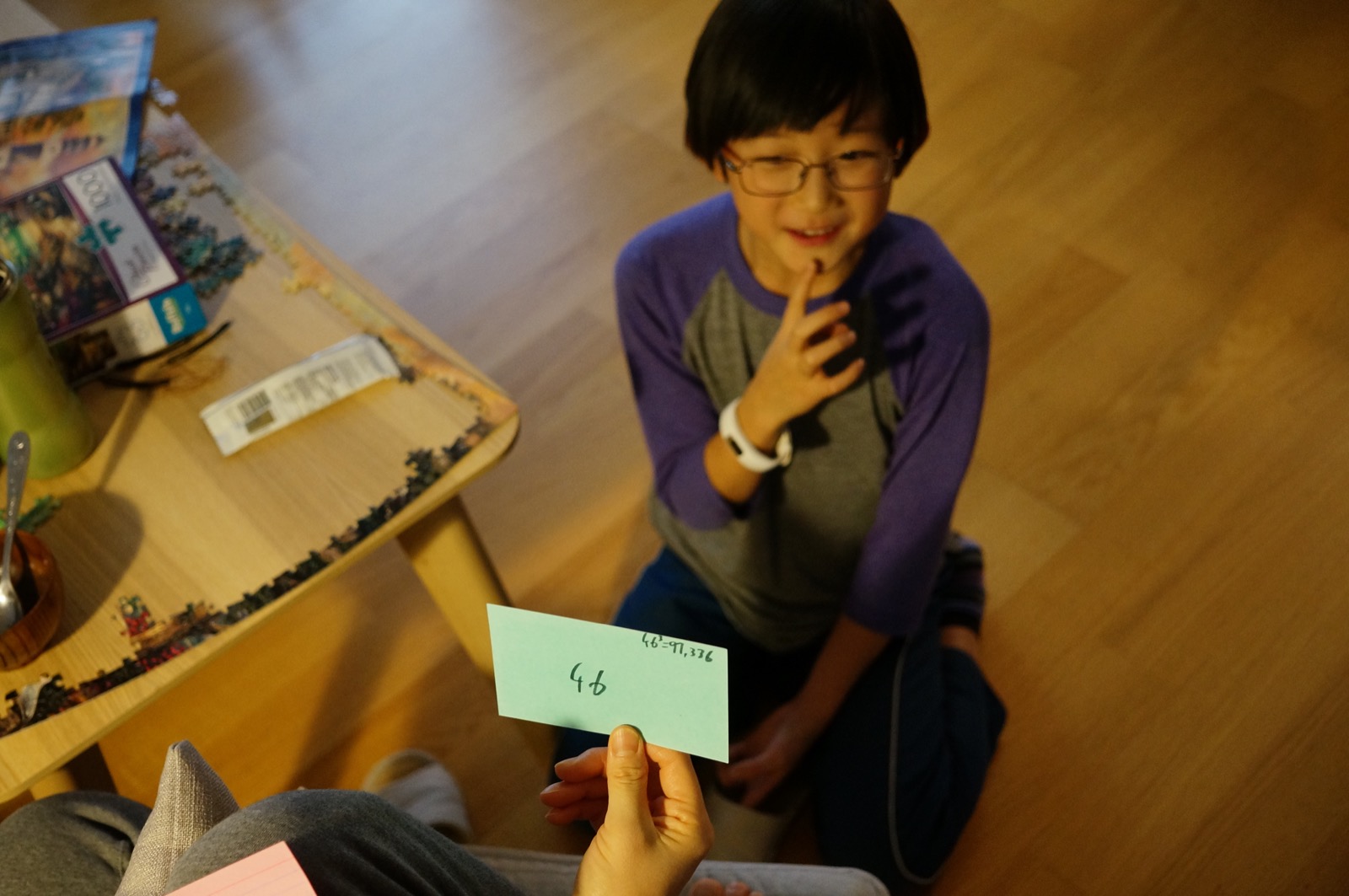
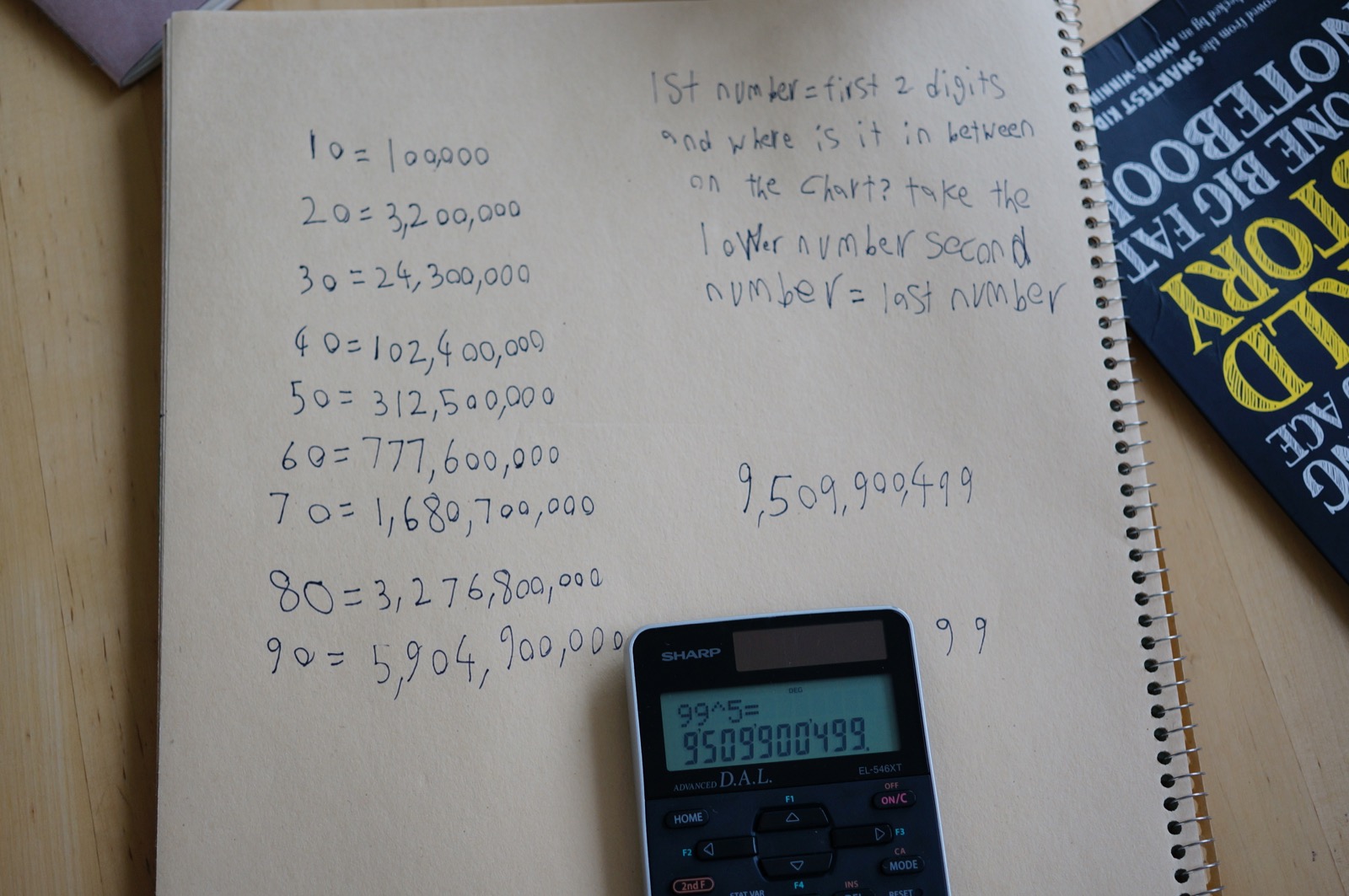
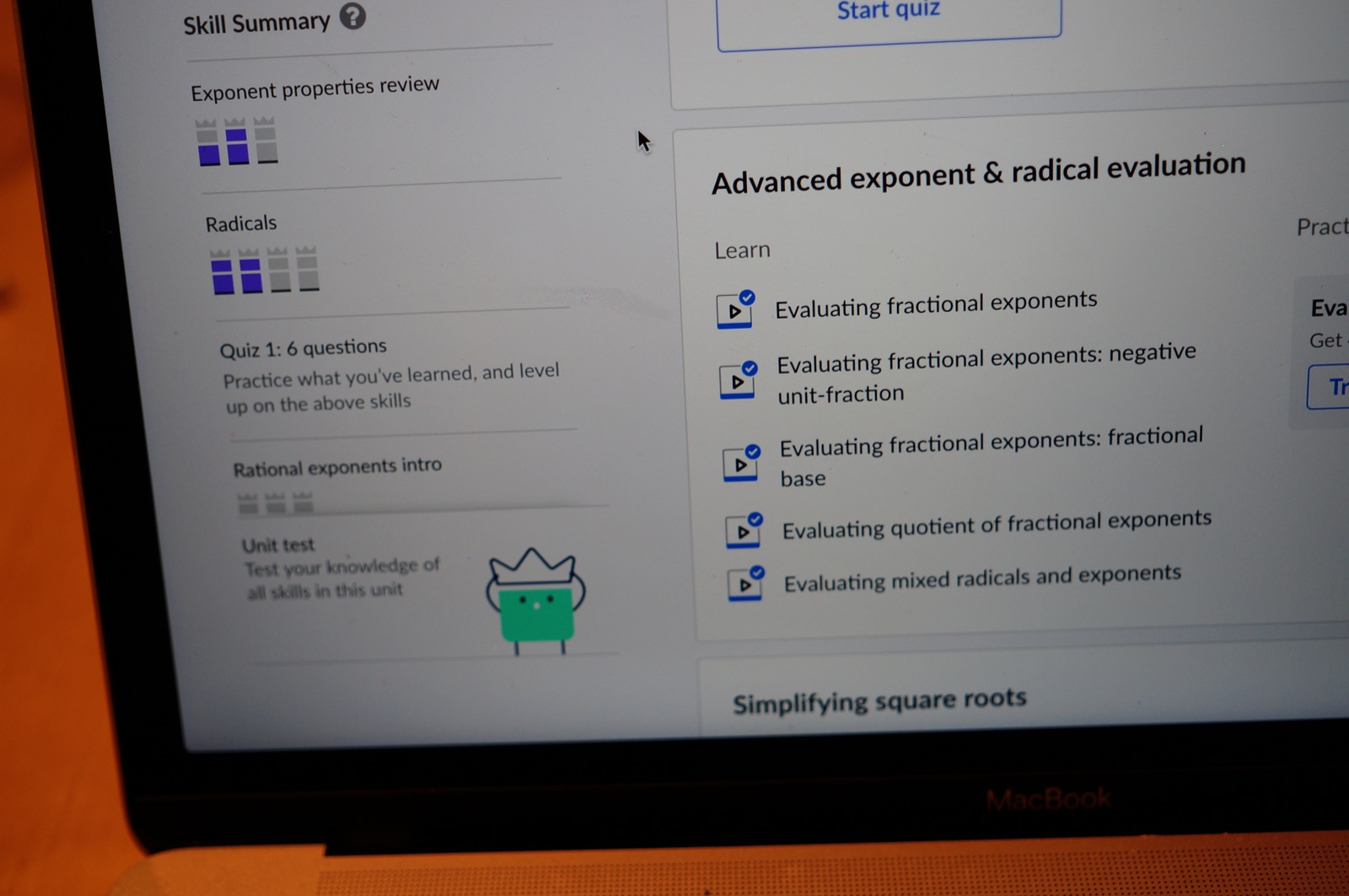
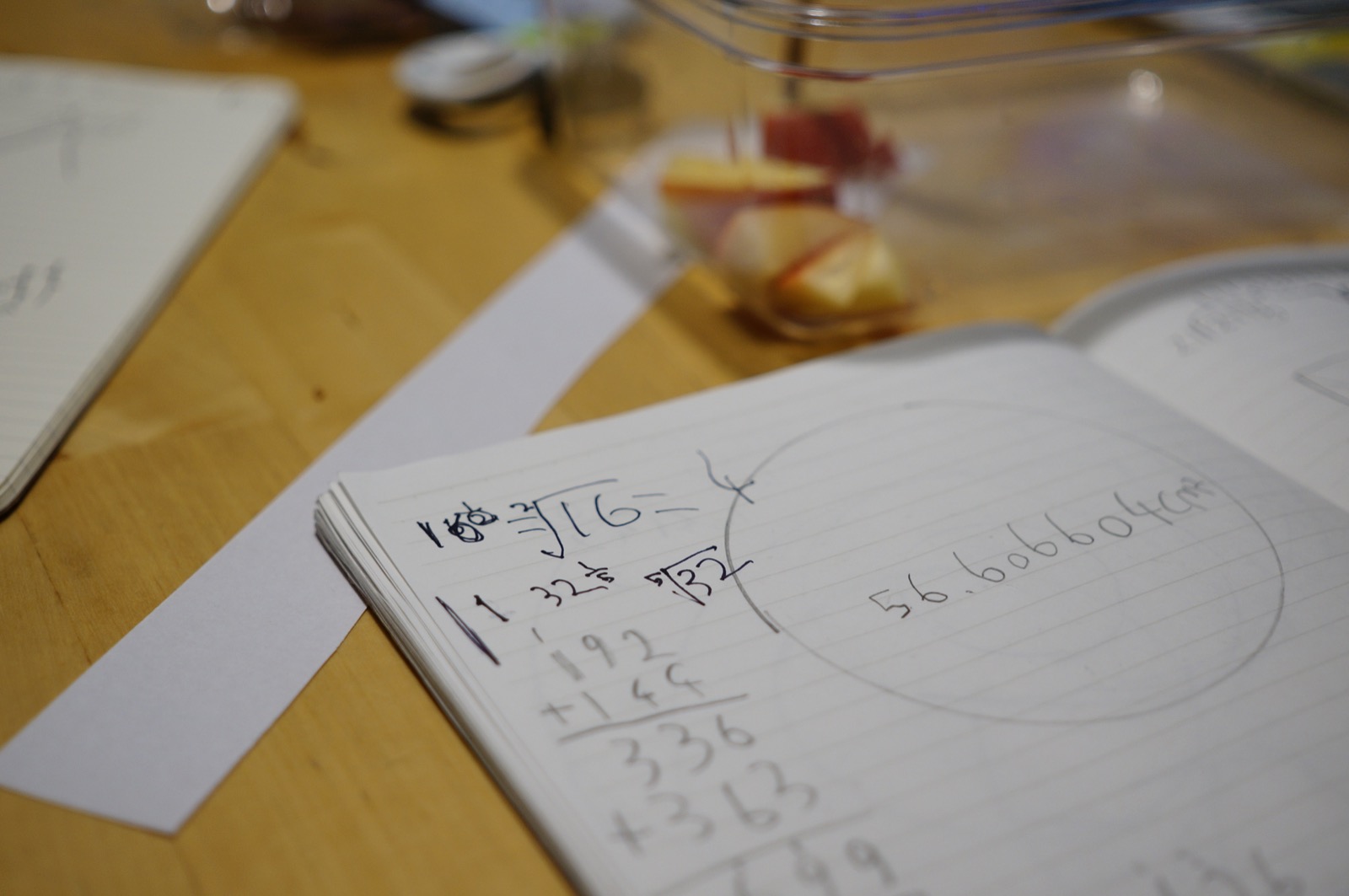
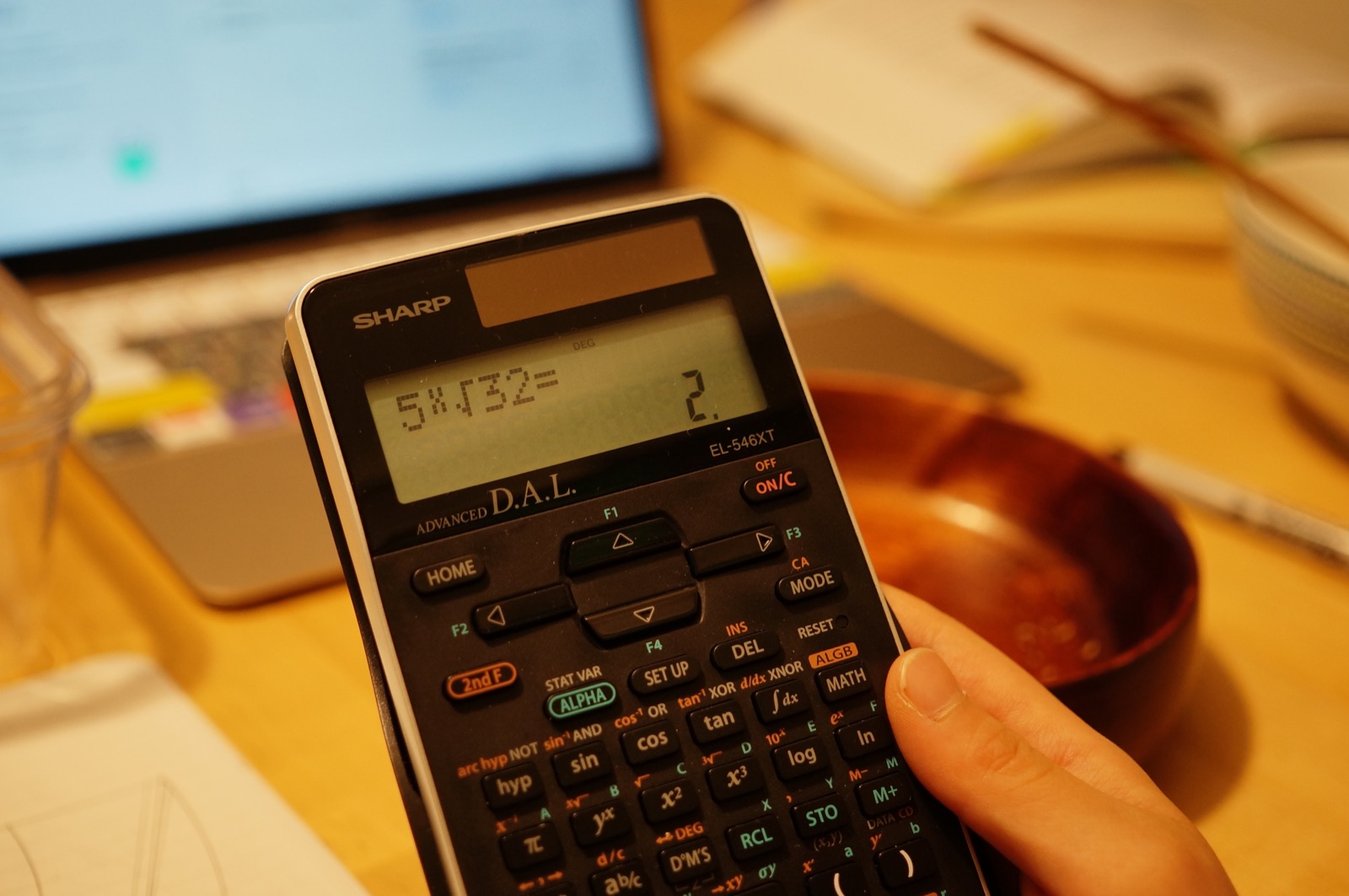
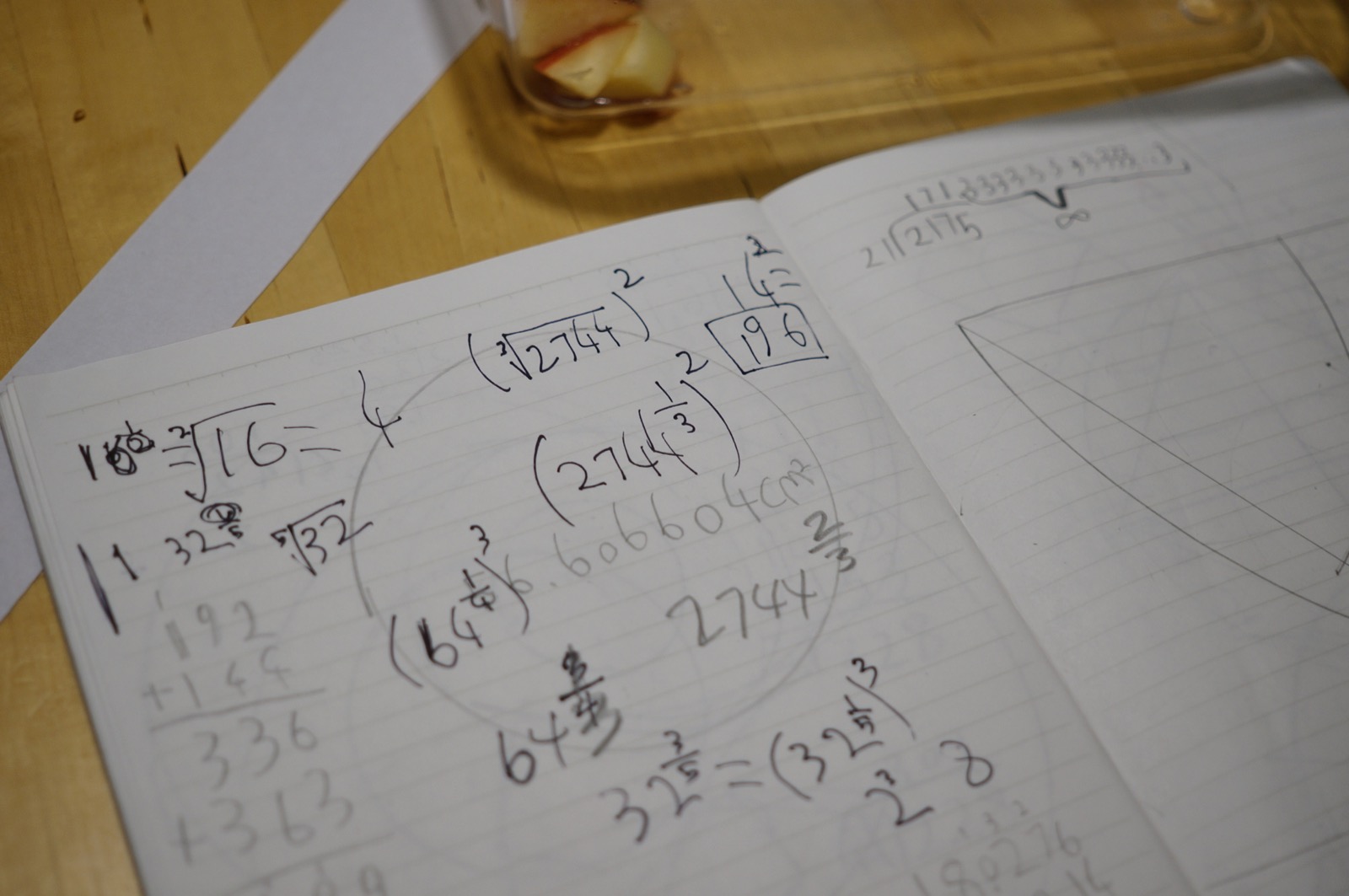
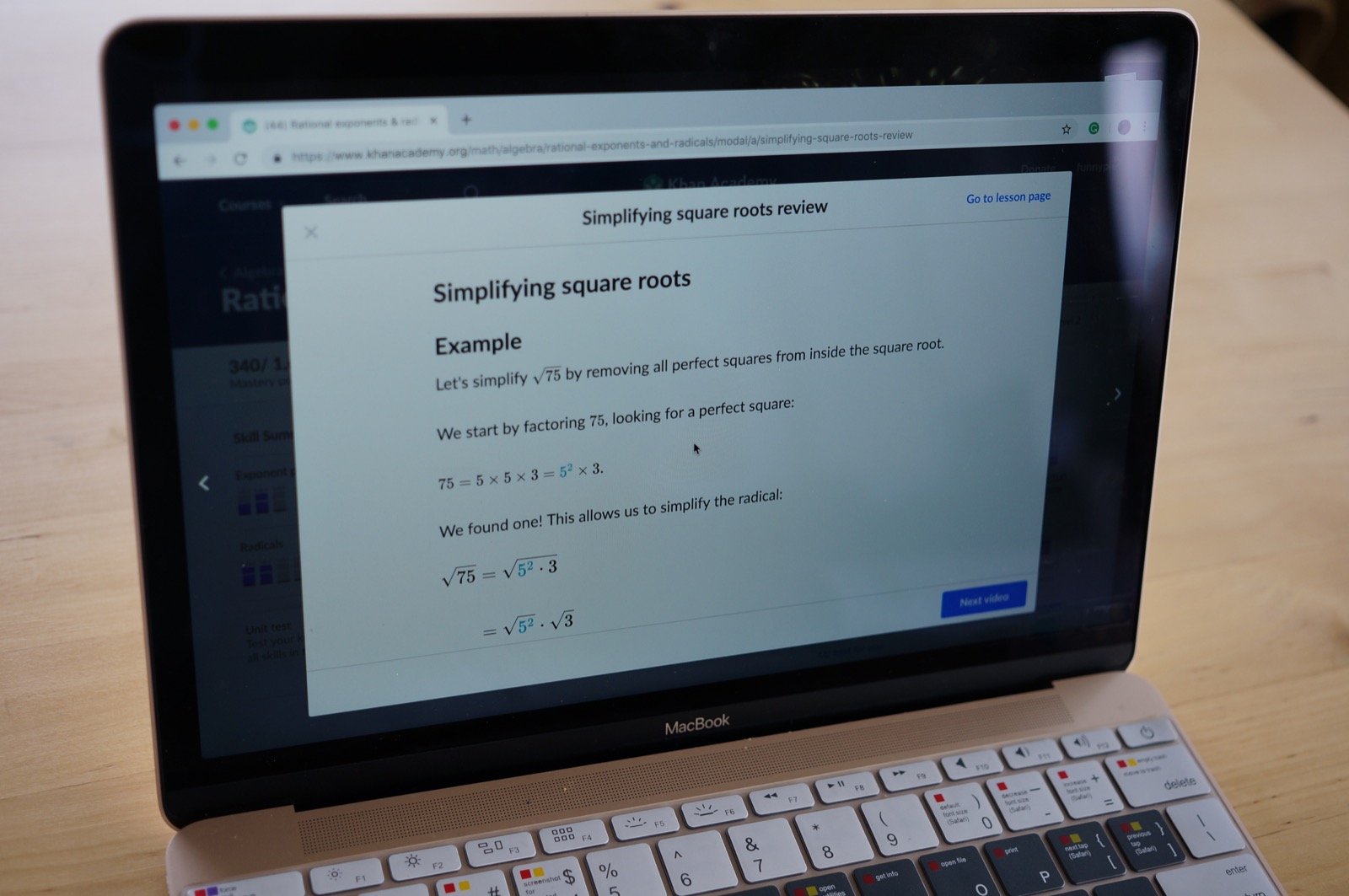
What a full week! Ethan is just maturing and growing before my eyes. I could learn a lot from the math Ethan is doing, some of it is indeed a review from many years ago (middle school and high school), but I have never done anything like all of his square root work. It is amazing how he wants to learn how to solve these problems with such large numbers. I am so glad he is patient enough to explain to you how to solve some of the equations he is challenging you with too.
I checked out Brainchild a bit, the episodes and trailers, looks very engaging indeed. I can see why Ethan wanted to watch a few episodes.
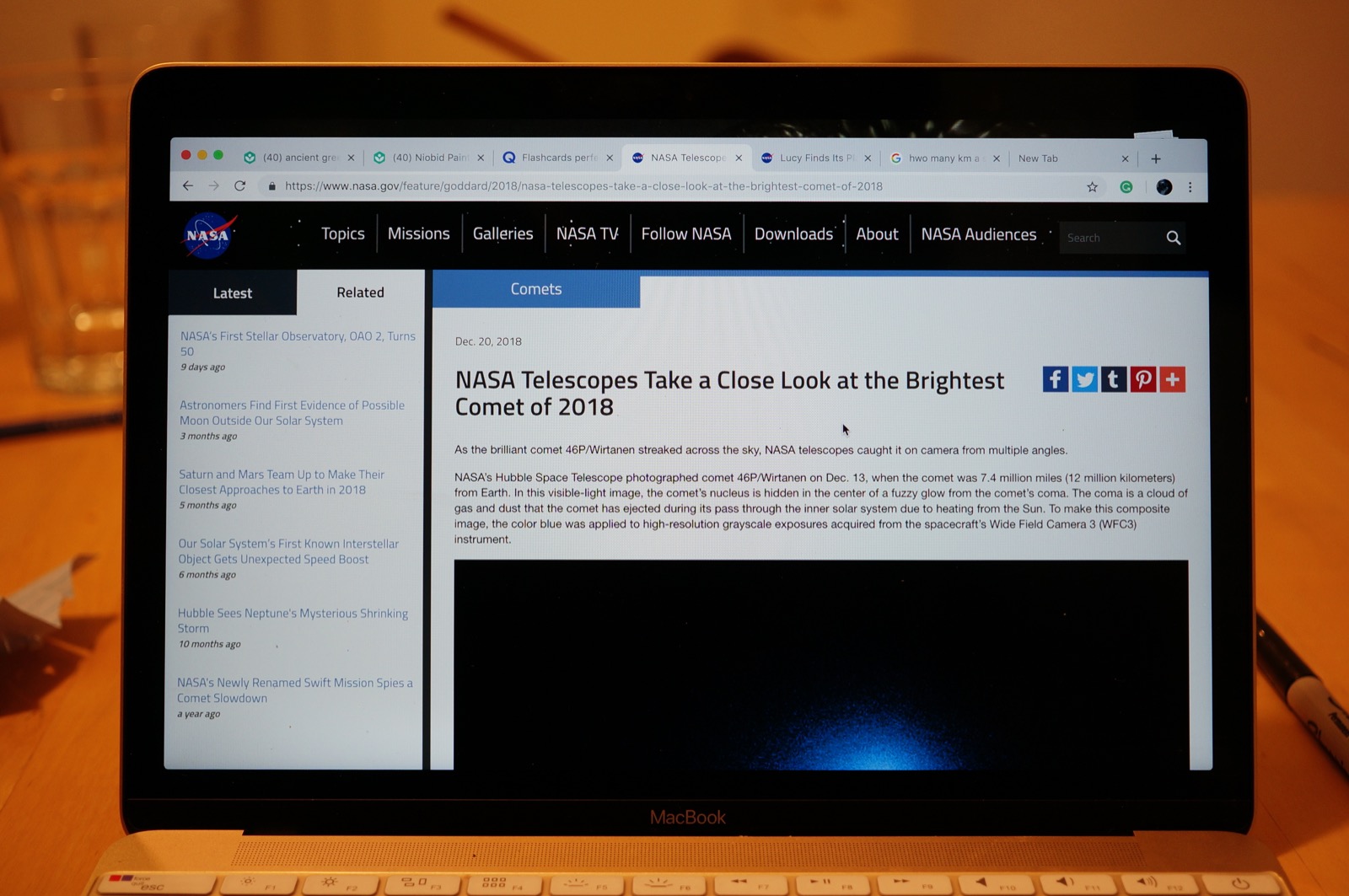
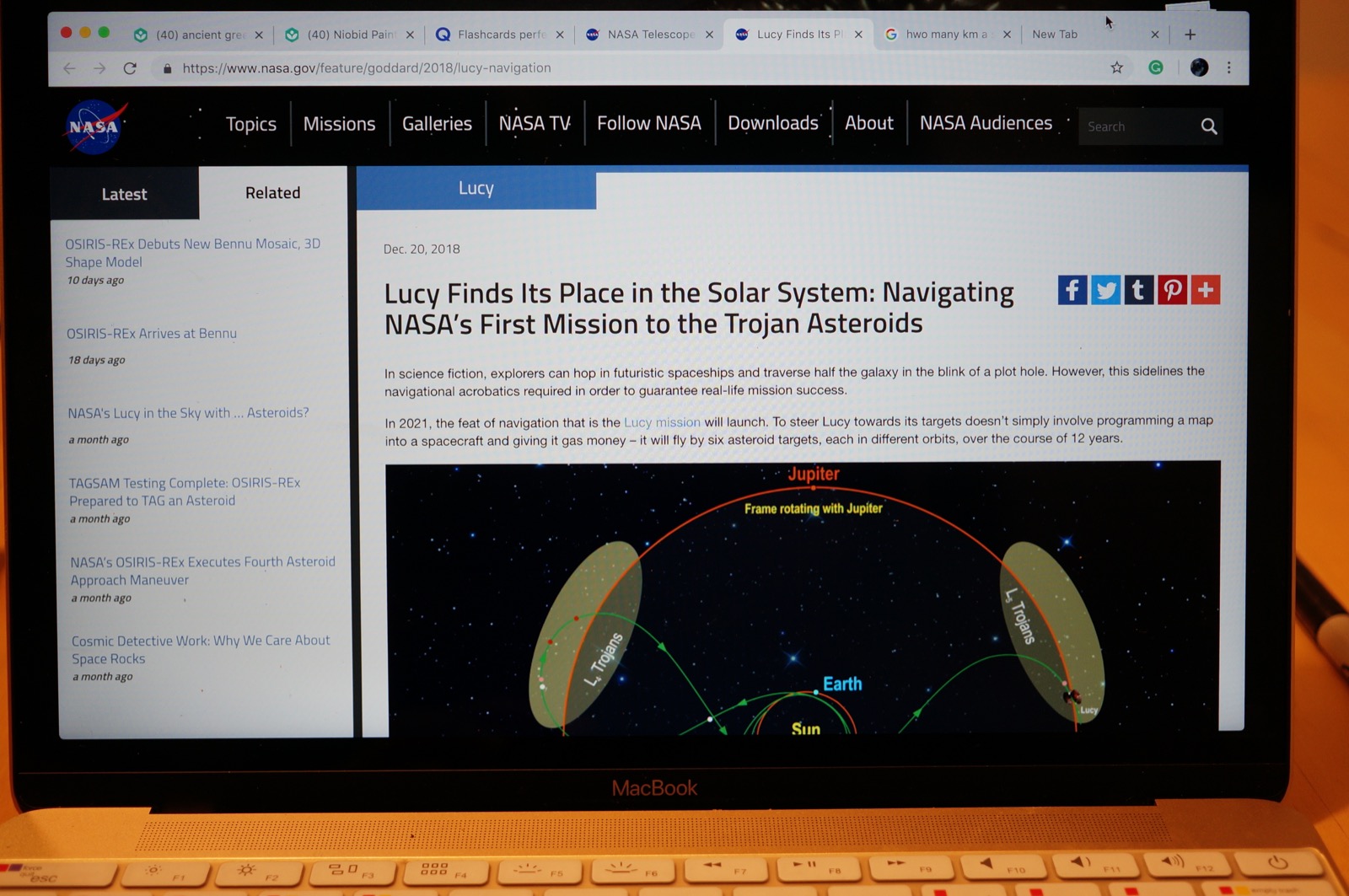
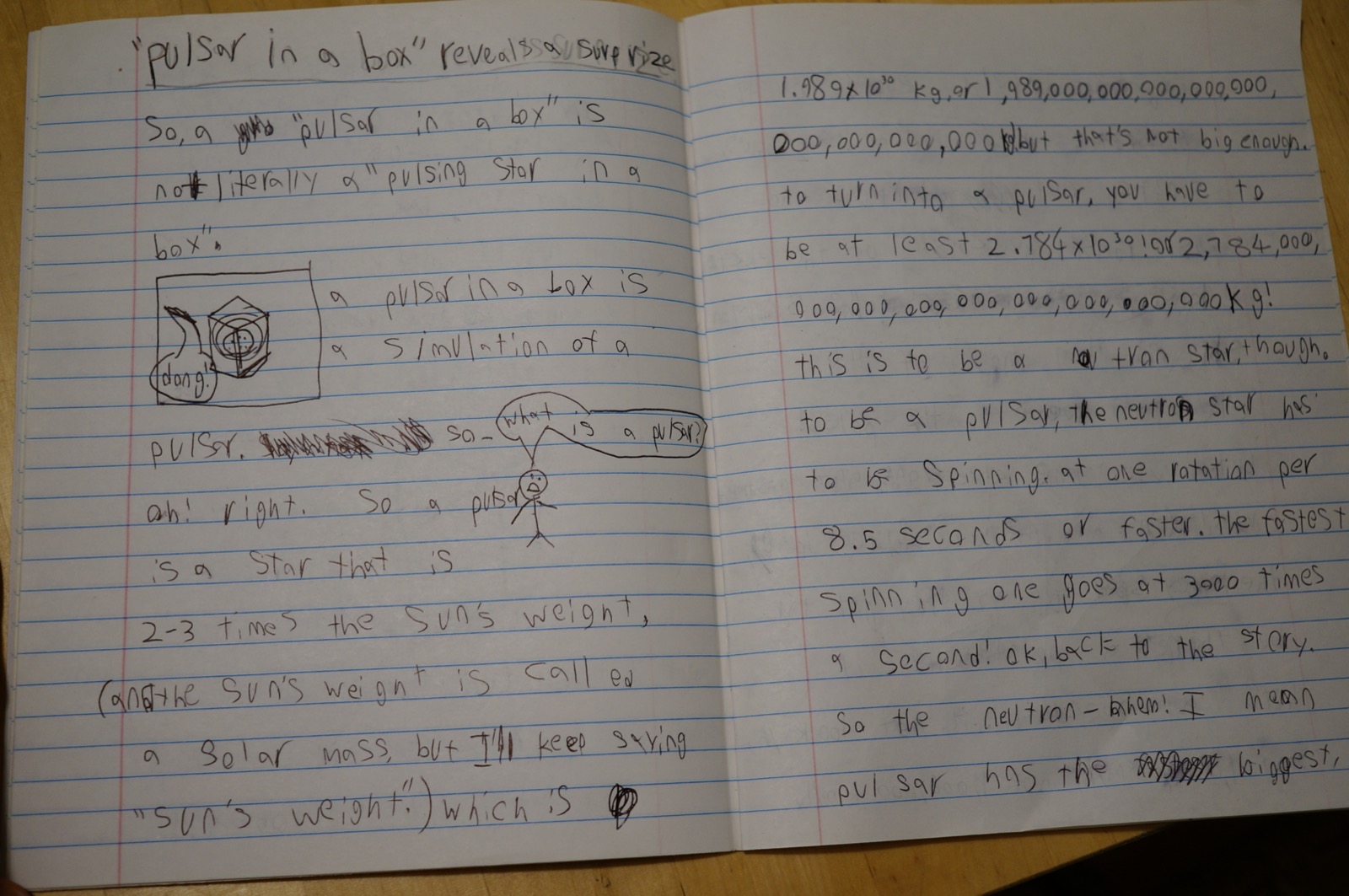
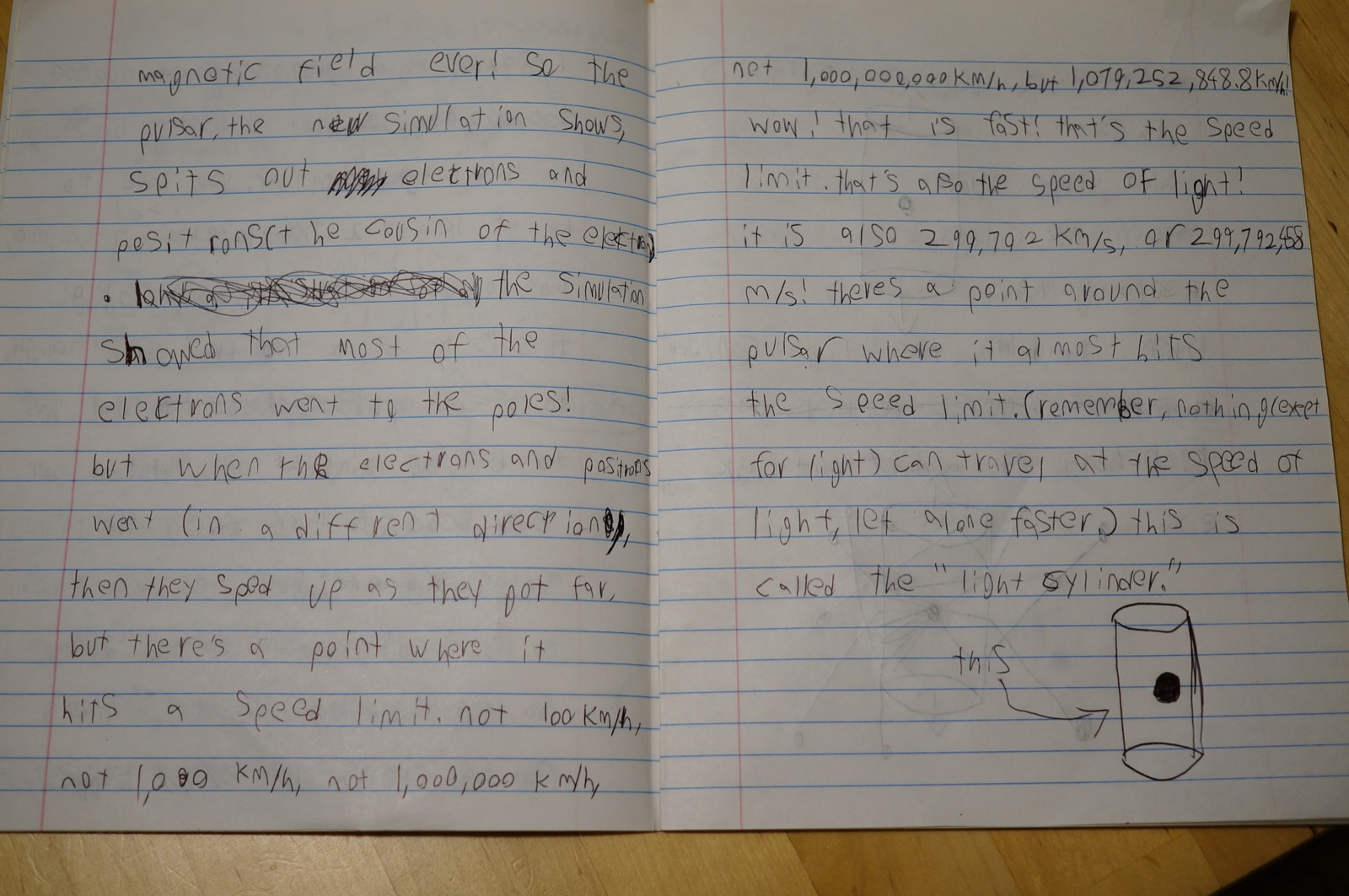
I agree, NASA has such a fantastic website for youth and adults. There is so much on there I often suggest it as a resource for students interested in space. He is obviously getting a lot out of the cutting edge science there and writing about it in his own words! I had a feeling he would start summarizing and explaining his research in his own words either on video or in writing and he is indeed already doing both!
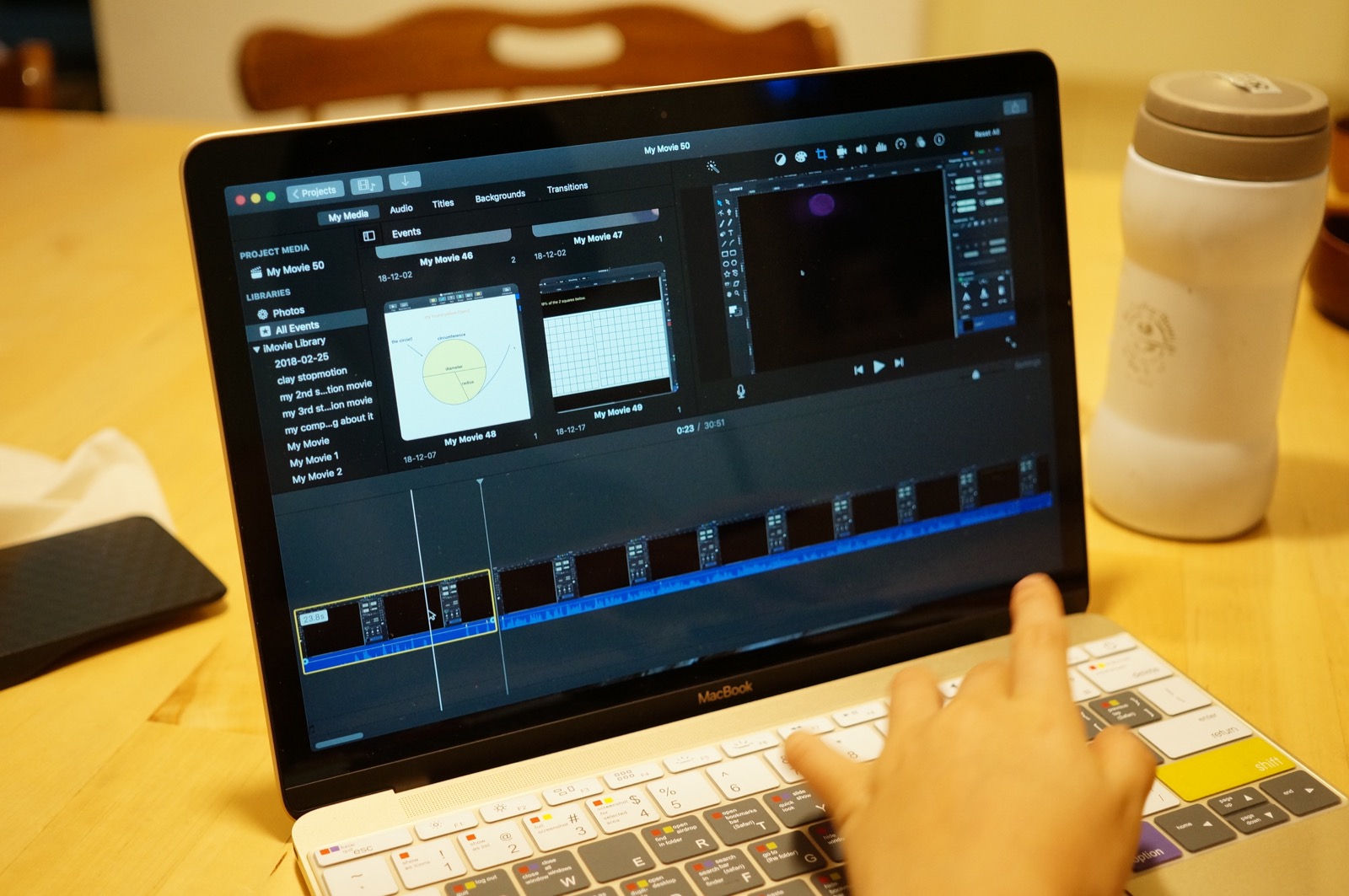
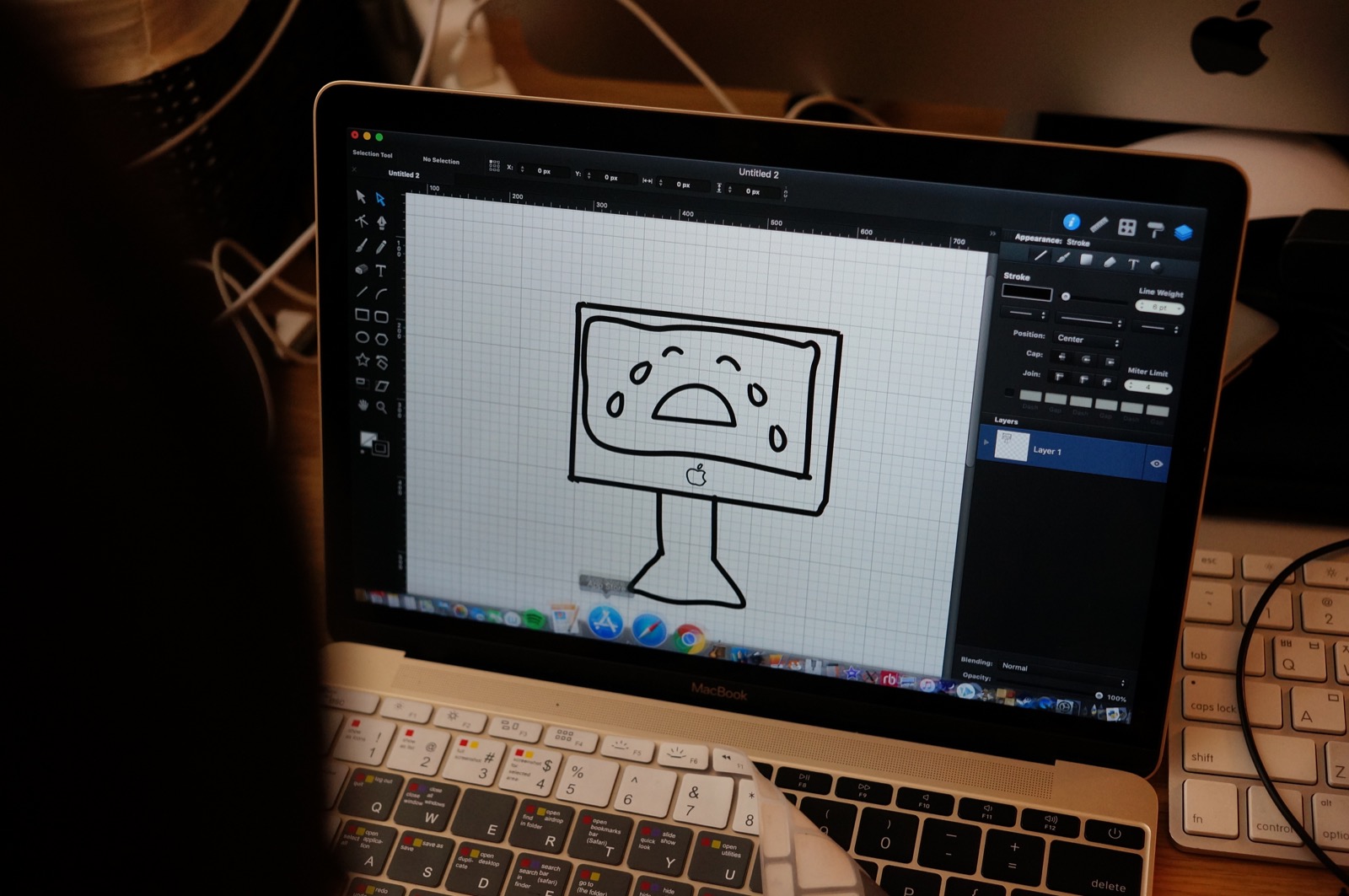
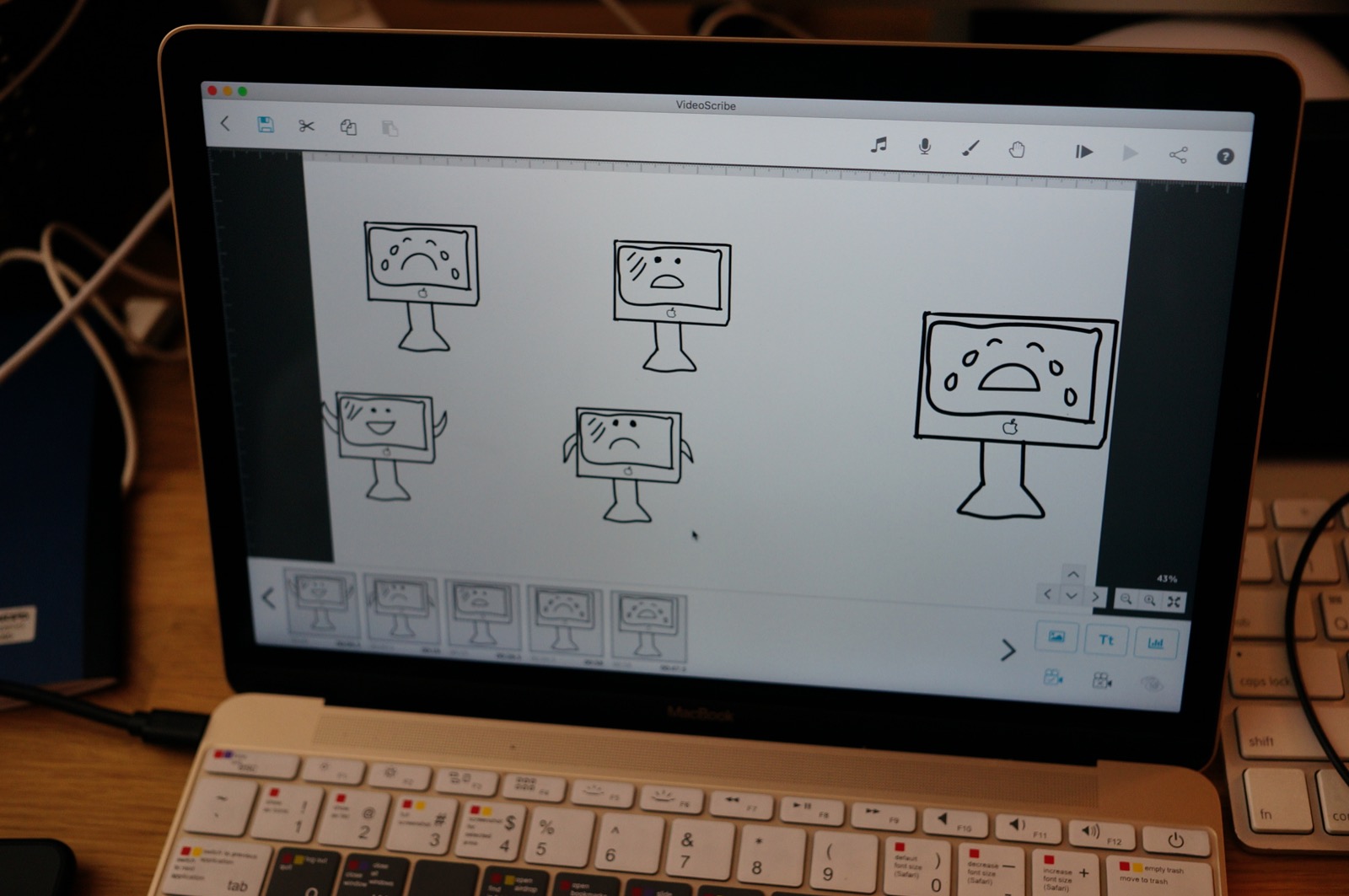
By the way I love his animated figures and how he is using new programs to make instructional videos for others. I shared a few with a friend and mom who is here with me in Hawaii and she was blown away. Ethan is a very inspiring young person and i hope he develops some sort of TED talk of his own someday, maybe on unschooling or how to learn and teach others….or about space or math who knows!?? I am sure he will have some incredible videos and visuals to support whatever his message is. I hope he gets more followers on Youtube too. I know 100 is his goal for this year, but I know he has so much to share and others will catch on soon enough.
Has Ethan ever used Magnets to hunt for magnetic sand on a beach? My housemate just did this with her grade 2-6 class this fall and they loved it. https://thekidshouldseethis.com/post/collecting-black-sand-ocean-beach
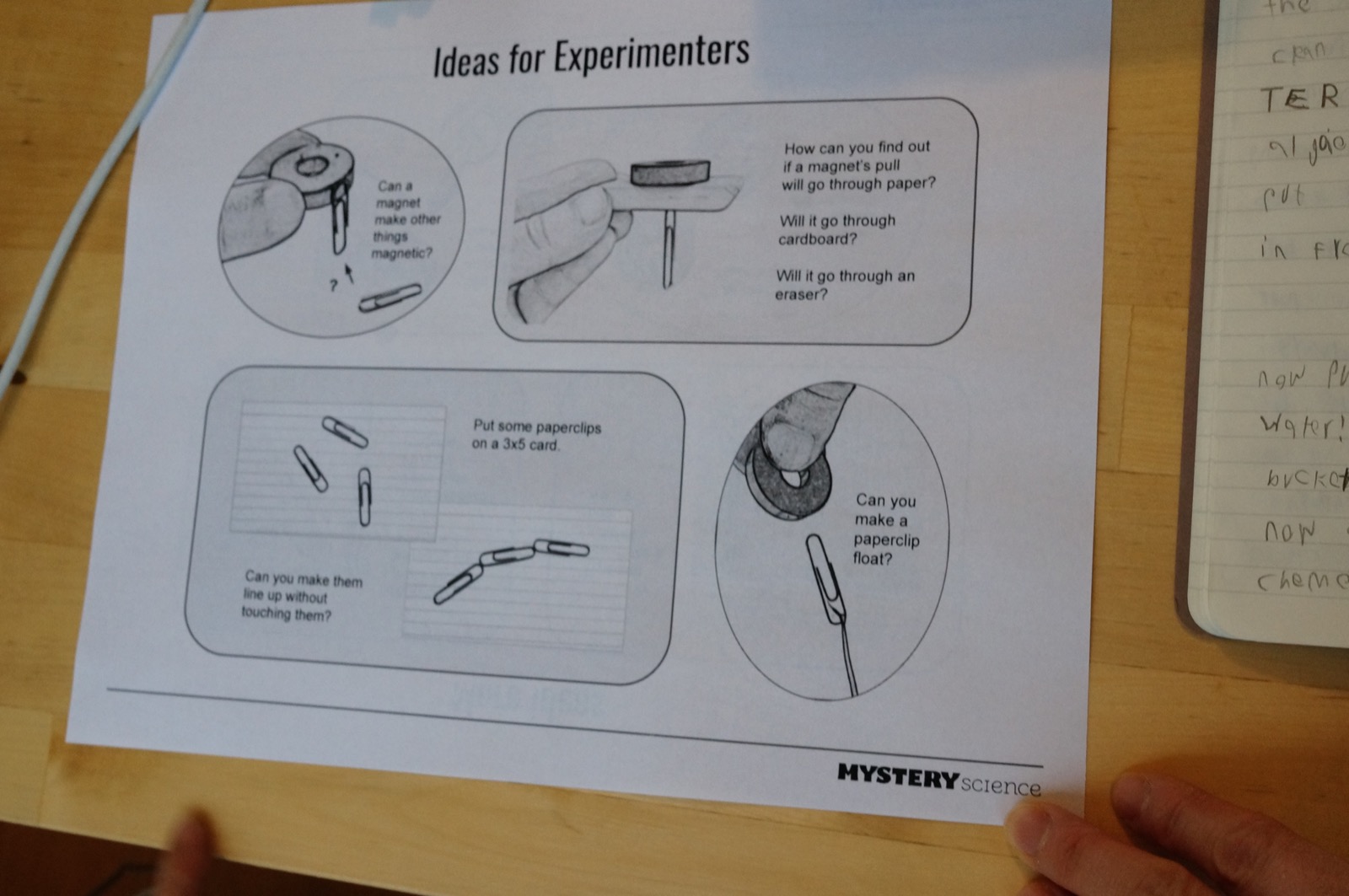
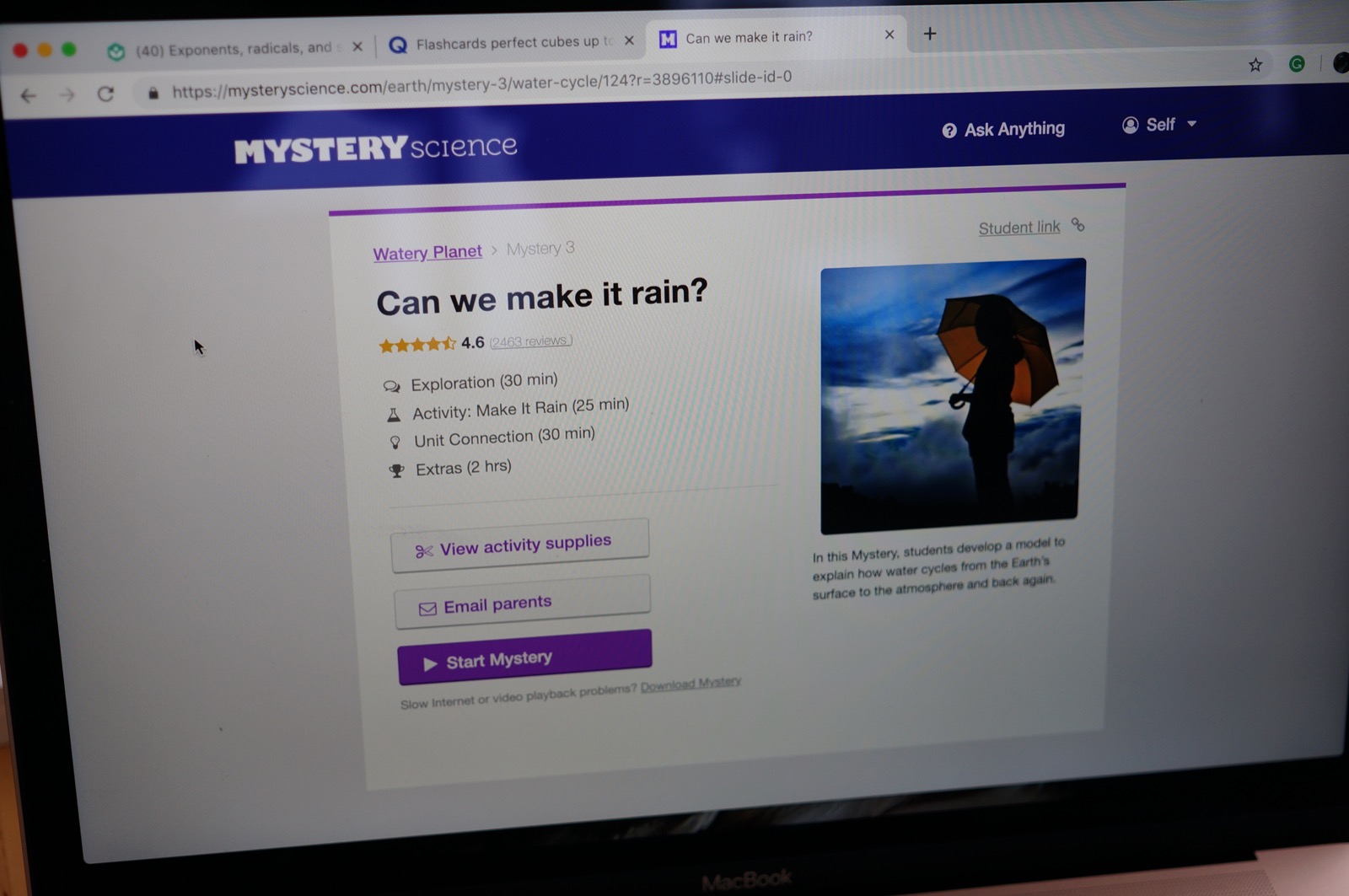
They all studied magnetism, electromagnetism, electricity and building electric circuits. Has Ethan gone on to make the connection from Magnets to Electricity? There is a lot of info in the LE Library and I am sure on Mystery Science as well:
https://selfdesign.learning.powerschool.com/selfdesignlearning/library/cms_page/view/34698901
Magnet Facts For Kids
Play
UHave you played with magnets before? Well we’re sure you must have, as most of us have at some point.
Now what you will know is that all magnets can pull things towards themselves no matter what the shape of the magnet is. That is what magnetism is.
They can’t pull things like paper, glass or cloth, only things that are made of iron or that contain iron, so if you try and attach a magnet to something plastic, it’s just not going to work.
Magnets are usually made of metal iron or another material with lots of iron in it, like steel.

There are different types of magnets and some have super fancy names like Air-core magnets, Electromagnets and the Permanent magnets.
Report this ad

The ones we usually see are mostly man-made by using electricity.
There are also naturally magnetic rocks called lodestone found on the Earth’s surface and in the past people made them magnetic by rubbing iron on the rock surface.
This made the electrons inside them pull in the same direction.
What is iron?
Iron is made up of tiny particles called atoms and each iron atom is made up of 26 electrons.
Magnets are like a big invisible force that we can’t see, just like the wind. But even though we can’t actually see the force, we can see what the force does to things around it.
In the olden days people thought magnets were magic because as they would see things move without being touched!
Below is a picture of magnetic field lines, which we can’t see with our eyes.

Why are Magnets Important?
Magnets are great fun to play with but they are also seriously important and they are used in so many ways in our world.
They hold notes to the fridge and help close fridge doors.
They are used in microwaves, electric fans, earphones, speakers, in medical equipment, electronics and in nearly all electric machines that use motor engines to make them work.
Wow, who would have thought that they were used in so many things?
How Does Magnetism Work?
Magnets have two ends to them. These are called poles – a North Pole and a South Pole, just the same as the earth. The two ends of the magnet may look the same but they don’t do the same things.
If you get two ‘North Pole’ magnet ends – or two ‘South Pole’ magnet ends – and try putting them together, they will push away from each other. But if you take a ‘North Pole’ magnet end and put it near a ‘South Pole’ magnet end, they will pull towards each other.

Report this ad

Another interesting thing is if you chop a magnet in half, you get two identical magnets and each has a North and a South Pole, so you will never find a magnet with just a South Pole or just a North Pole.
Our Earth is a like a massive magnet with a liquid metal core deep inside it which spins, creating a magnetic field with a North and South Pole.
The field is strongest at the actual poles. The Sun is also very magnetic.
Before GPS satellites were invented, the compass was used to tell us what direction we were facing – this would be rather useful if you were stuck in the middle of the ocean.
The magnetic compass was a simple tool with a magnet which balanced, called a needle. The one end was often marked “N,” for north, or colored in some way to show that it pointed north.
Because of the earth’s magnetic field the magnetic needle was always drawn to the magnetic North Pole. It doesn’t point exactly north because true north is at the North Pole.
The needle points to the magnetic North Pole which is about 620 miles (1,000 kilometers) south of true north.
Report this ad


Electricity and magnetism have a strong connection with each other and scientists call this ‘electromagnetism’.
Without it we would have no electricity in our homes or electric motors.
The term comes from knowing that a magnet can create an electric current and an electric current produces magnetism.
So, there’s everything you need to know about magnetism. We hope it is nice and clear and that you’ll be a super kid in all things magnetism when you’re asked about it!
I know Ethan has made a few models of the Solar System. This one is made truly to scale, so exciting!!
I told Ethan I would send him some information linking math to music here is a start
Recent Comments