
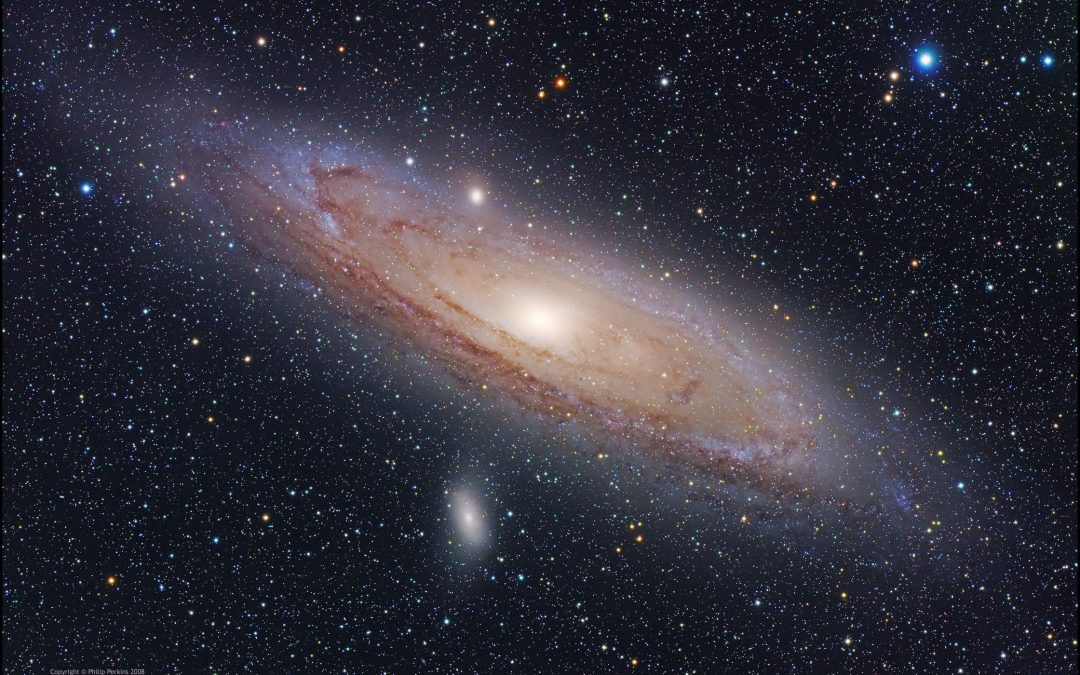
Most galaxies cluster int groups, and our Milky Way is no different, being one of the 30 that make up the Local Group. So, lets look at the really interesting galaxies in the Local Group!
Andromeda:
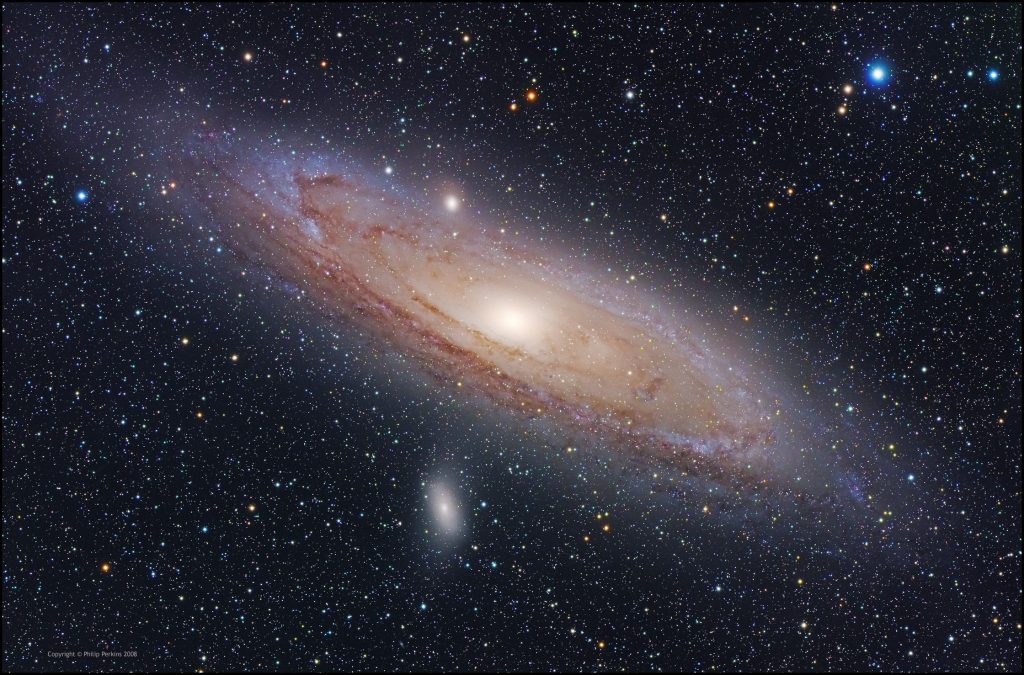
Quick Facts:
Also Called: M31, NGC 224
Type: Spiral
Constellation: Andromeda
Diameter: 260,000 Light Years
Number of stars: 1 Trillion
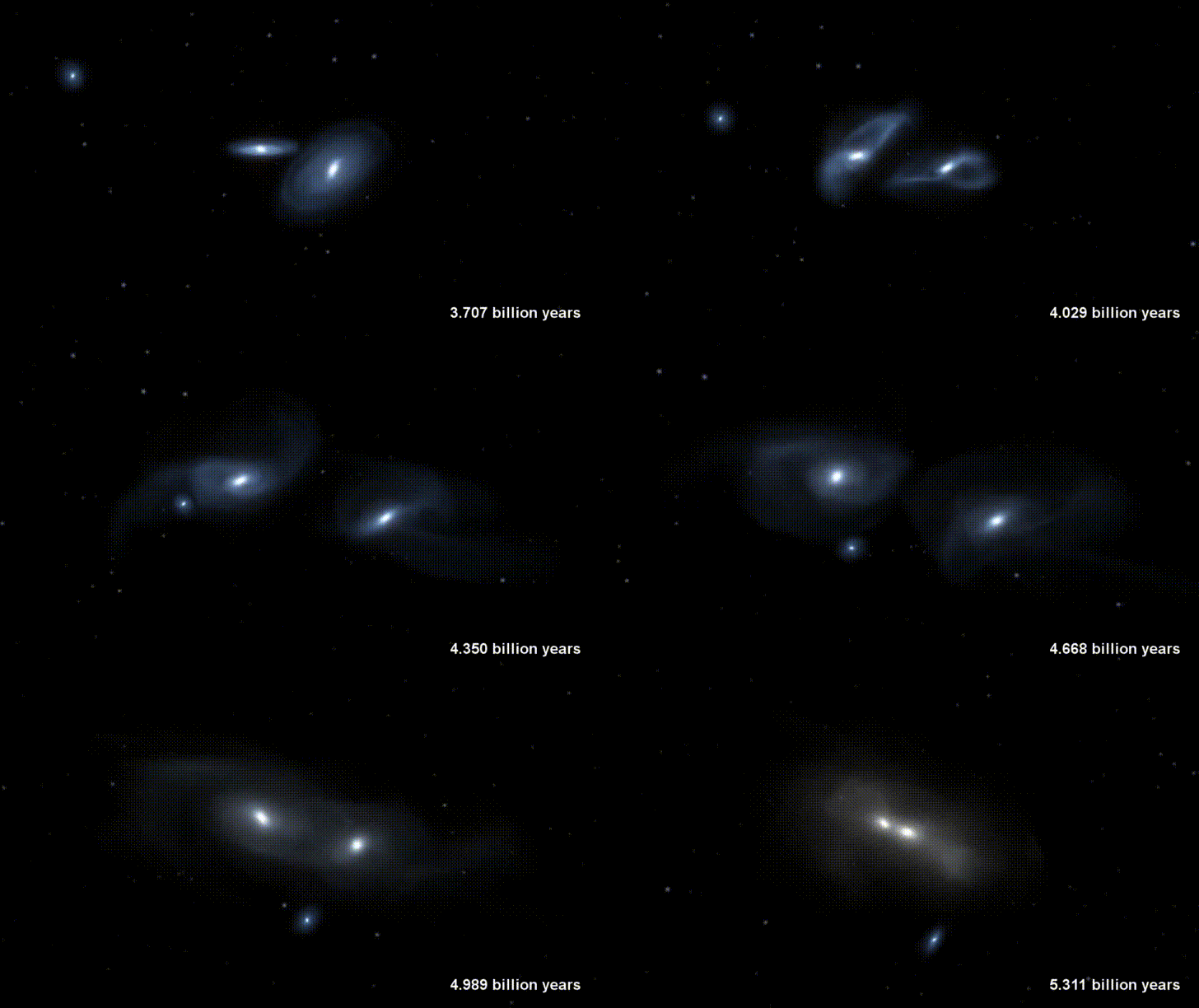
Andromeda is probably the most commonly known galaxy after the milky way. It’s pulling in dwarf galaxies as it hurtles at 120 million km per second toward… US! It will arrive in about 4 billion years.
Triangulum:
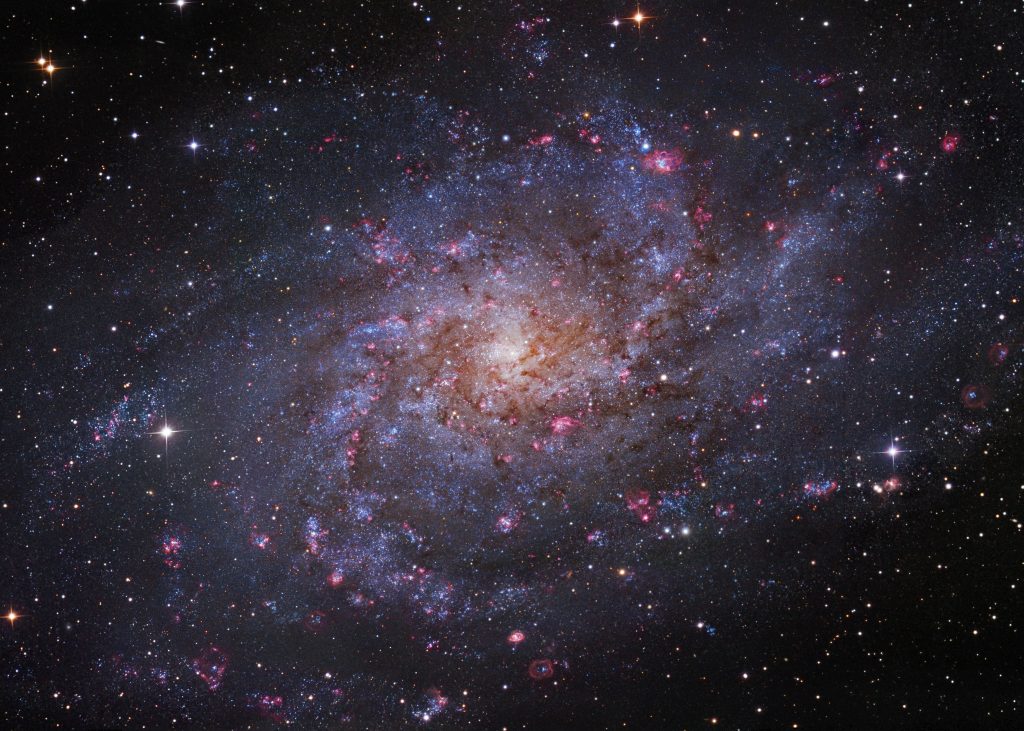
Quick Facts:
Also Called: M33, NGC 598
Type: Spiral
Constellation: Triangulum
Diameter: 60,000 Light Years
Number of stars: 40 Billion
This galaxy, oddly, has no supermassive black hole at the centre. It is a star factory with many Ionized vast hydrogen clouds.
Large Magellanic Cloud:
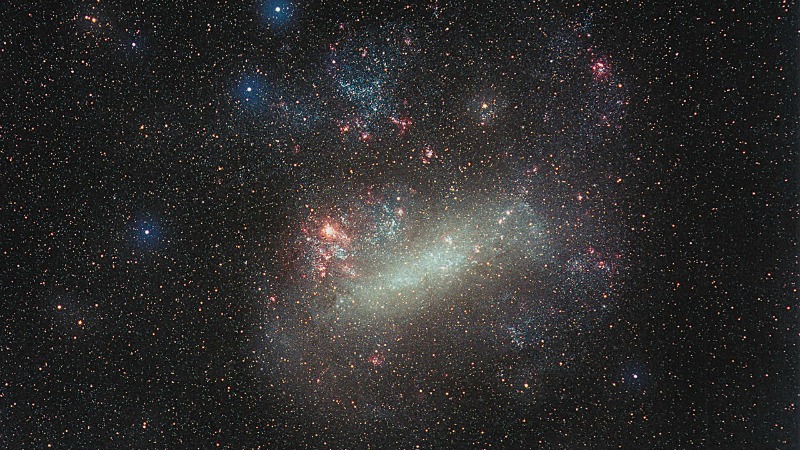
Quick Facts:
Also Called: LMC, ESO 56 – G 115
Type: SB(S)m
Constellation: Mensa
Diameter: 14,000 Light Years
Number of stars: 30 Billion
The Large Magellanic Cloud is being pulled apart by the milky way! it is most famous for the tarantula nebula.
Small Magellanic Cloud:
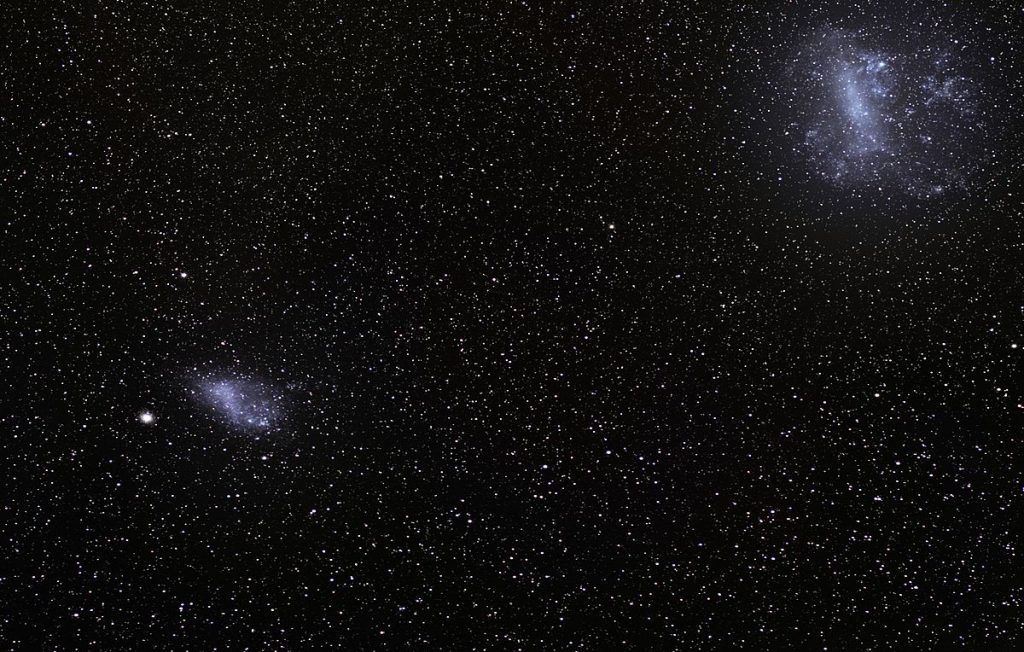
Quick Facts:
Also Called: SMC, NGC 292
Type: SB(S)m
Constellation: Hydrus
Diameter: 7,000 Light Years
Number of stars: several hundred million
The Small Magellanic Cloud is about 200,000 light years away. The small SMC is one of the most distant objects visible to the naked eye!
Canis Major Dwarf Galaxy:
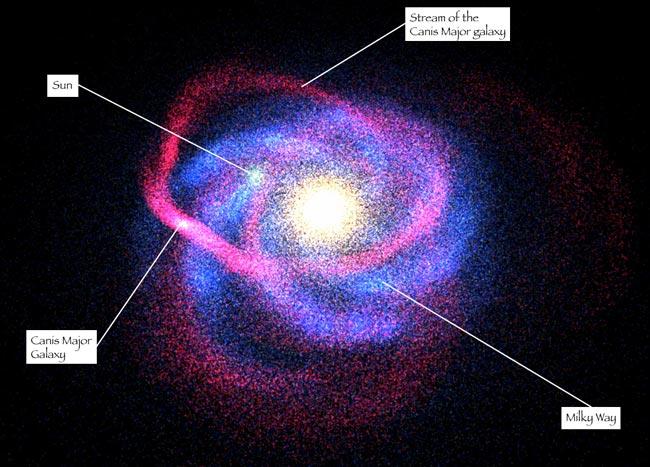
Quick Facts:
Also Called: CMA dwarf, PGC 5065047
Type: Irregular
Constellation: Canis Major
Diameter: N/A
Number of stars: 1 billion
The CMA dwarf is being pulled apart by the Milly Way. It now wraps around the Milky Way 3 times! Most of the stars are red Giants.
Sagittarius Dwarf Galaxy:
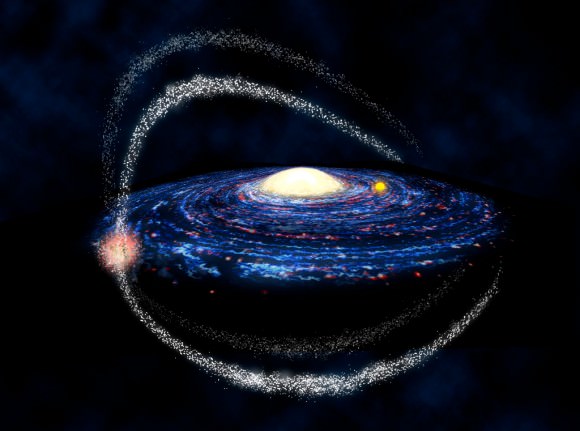
Quick Facts:
Also Called: sag DEG, SGR dSph
Type: dSph
Constellation: Sagittarius
Diameter: 10,000 Ly
Number of stars: 10,000 Million
The sag DEG is being pulled apart by the Milly Way. here is an animation: https://youtu.be/DQBR0IZjf0M or this one: https://youtu.be/-OaZNbJVMOI
That is all the near common galaxies!
BYEEEEE
Recent Comments