
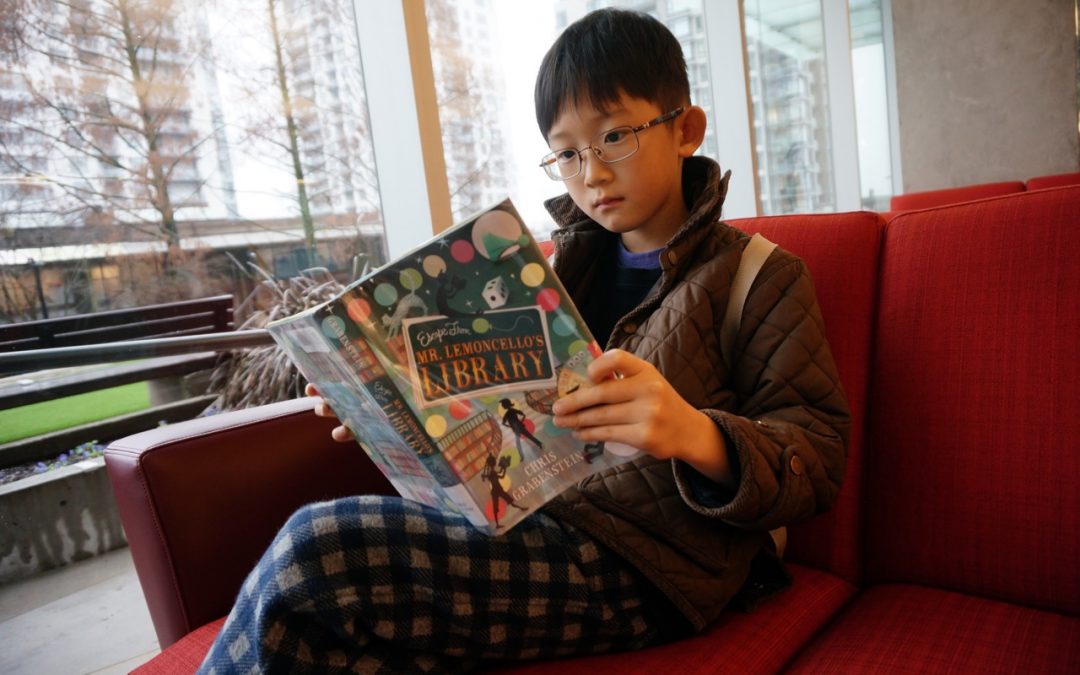
The end of the week used to be about getting rest and doing nothing. But as an unschooler, each day is a day for learning. That’s not to say kids in traditional school aren’t constantly learning. What I mean is that Ethan gets to string together things he’s learned and keep the learning going, no matter what day it is or where we are. Learning takes place at all times, even if you’re talking about spiders.
Spiders in the morning
Ethan’s been waking up after 8am lately and usually wants to get to work on something right away. This morning, I had something cool to show Ethan… a pelican spider.

Pelican spiders are from Madagascar and are the size of a grain of rice, but wow, do they pack a wallop. These little things use their pelican like fangs to stab other spiders, lift them into the air and inject them with venom. So yeah, they keep the spider population in check by preying on other spiders. Pretty cool.

We also learned that pelican spiders will not attack other pelican spiders. When three pelican spiders are placed in a Petri dish, they back off and form a triangle between them. If one more spider is placed in the dish, they form a square. Cool!
Volume practice
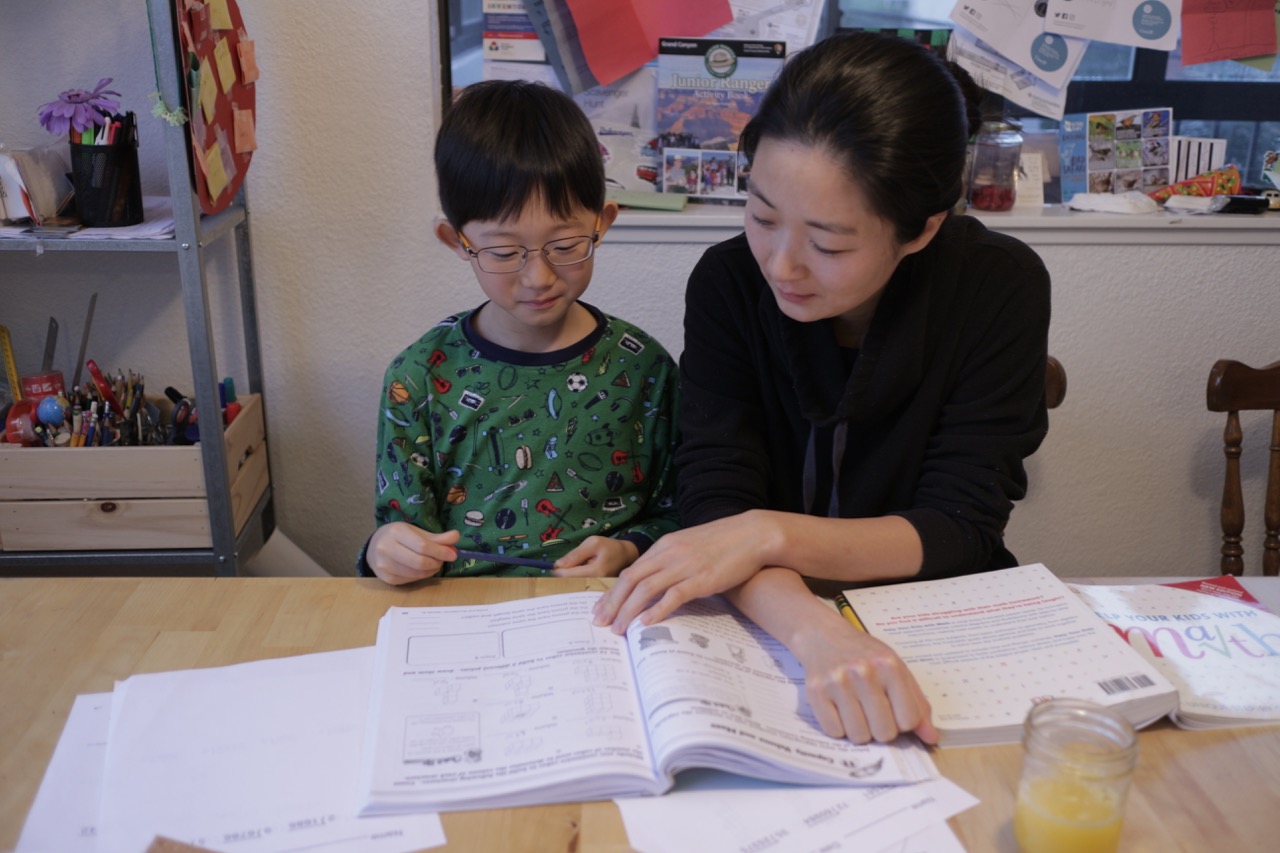
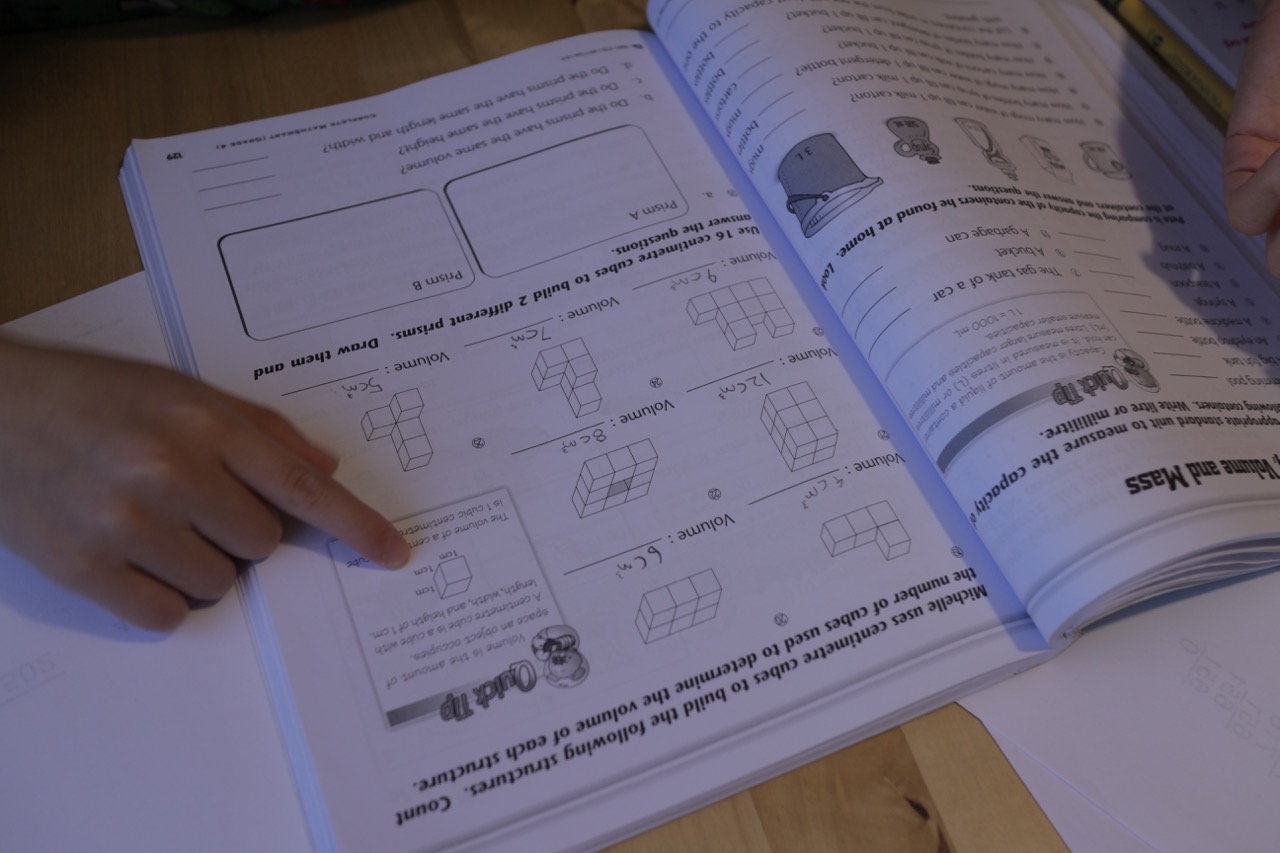
Ethan also practiced learning about calculating volume using his math workbook. He wasn’t too sure about drawing the shapes, as one of the exercises asked him to do, but it was a good time to explain how it takes practice to get good at anything, especially a skill like drawing.
Fast breakfast
We had to head out early this morning so it was a quick but healthy and yummy pancake breakfast. At each meal, we try to have a variety of food because we want to teach Ethan that it’s important to eat several different colours of food at each meal.

Library time
I dropped Ethan and Dong Eun off at the North Van City Library because I had a meeting nearby. We were also going to meet with Ethan’s friend Kenson in the afternoon and since they live nearby, it was good to have everyone go out together.
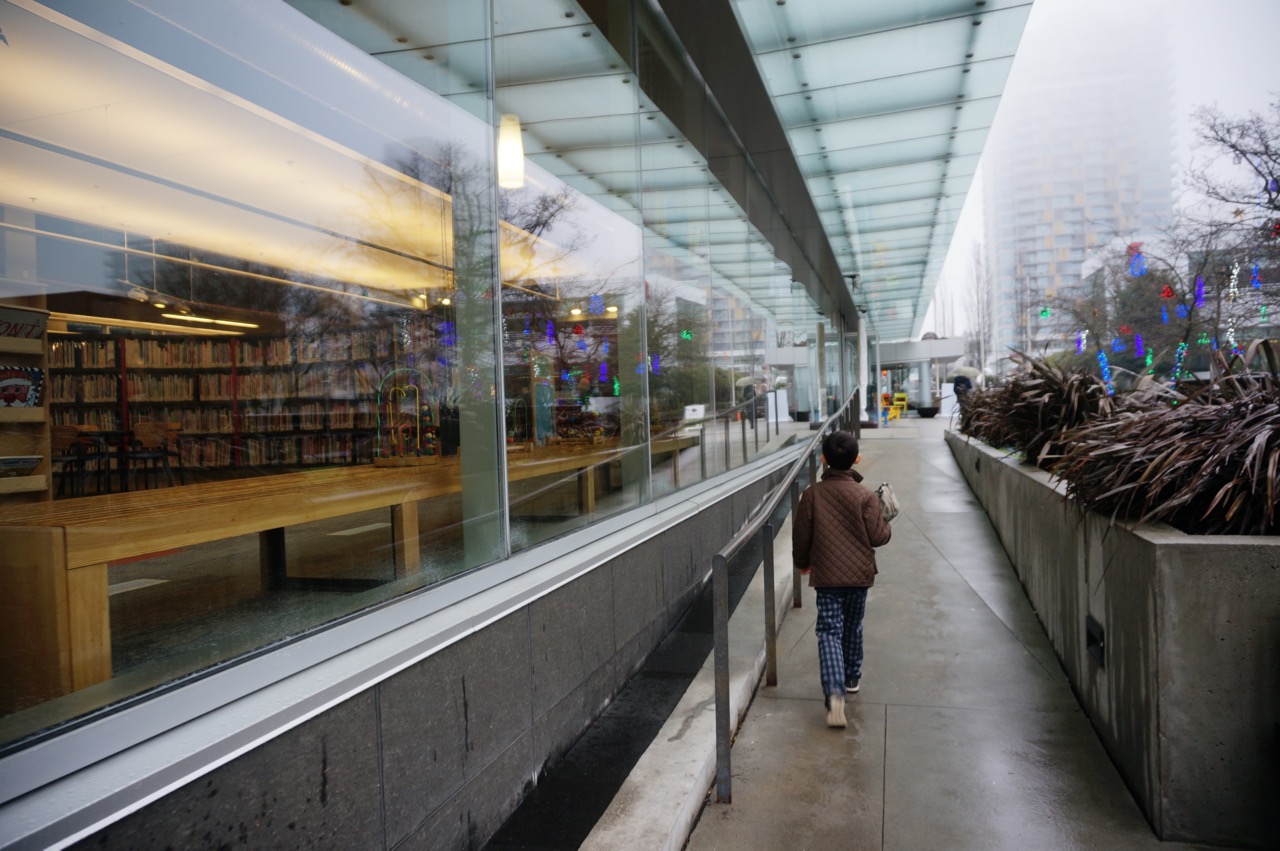
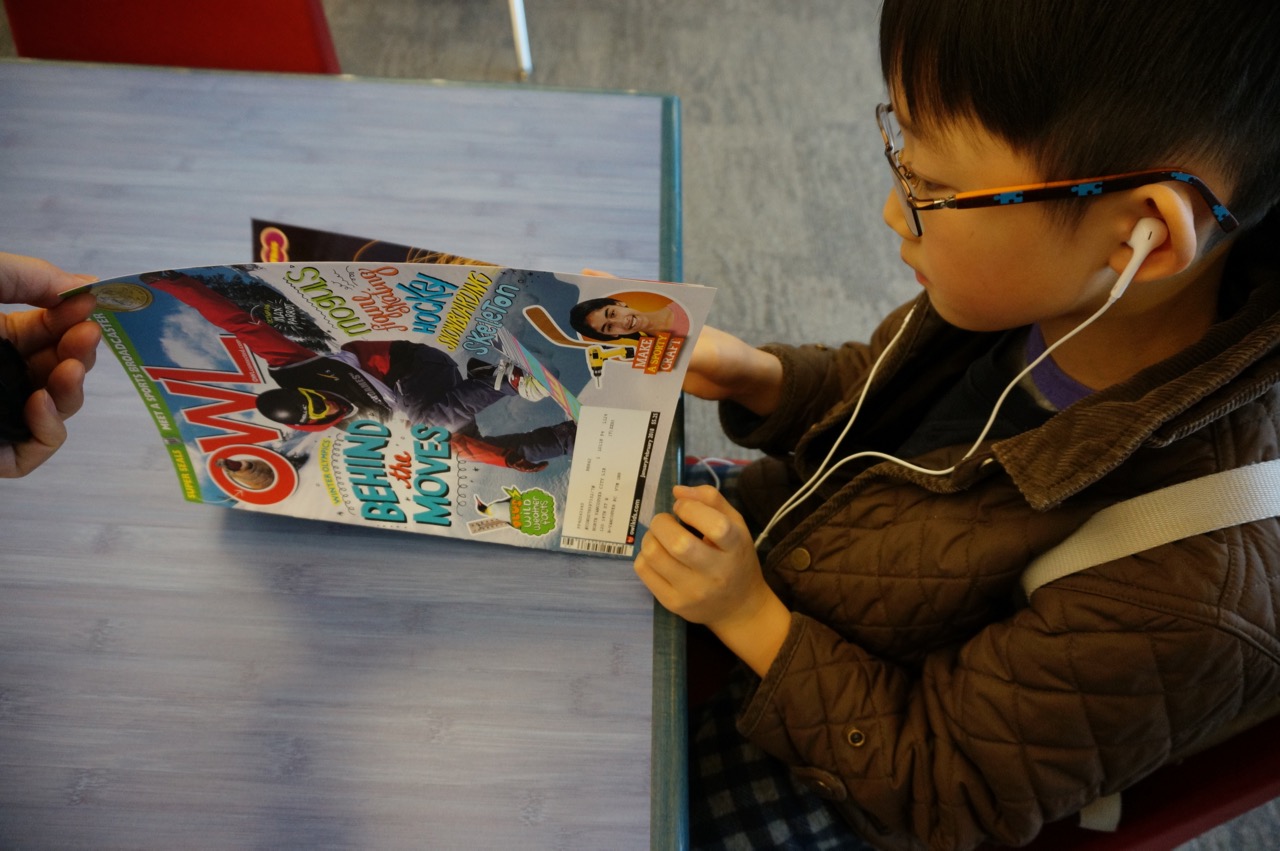
While at the library, Ethan was listening to the “Wow in the World Podcast” and looked through some of the kid’s magazines.
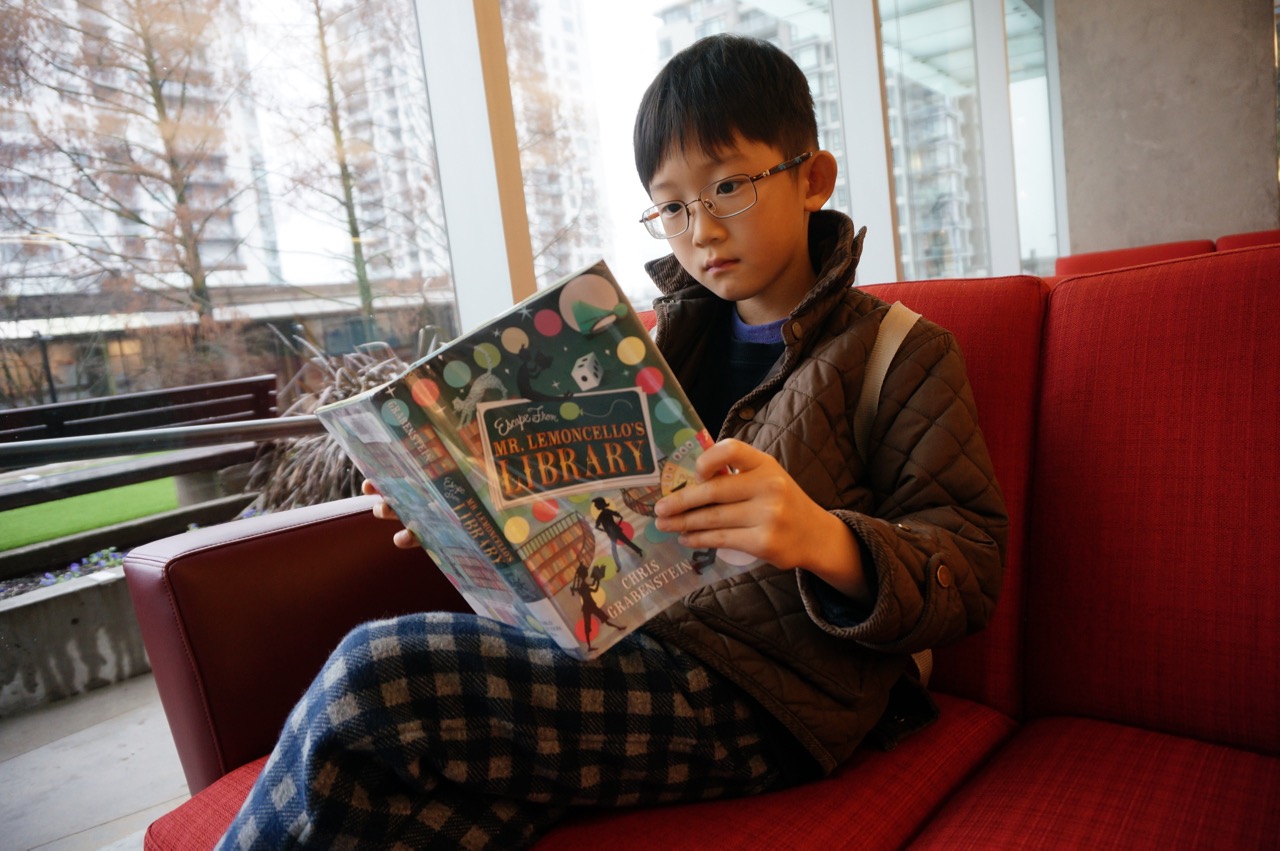
Dong Eun found a Grade 4 suggested book list, so Ethan read some of “Mr. Lemoncello’s Library.”
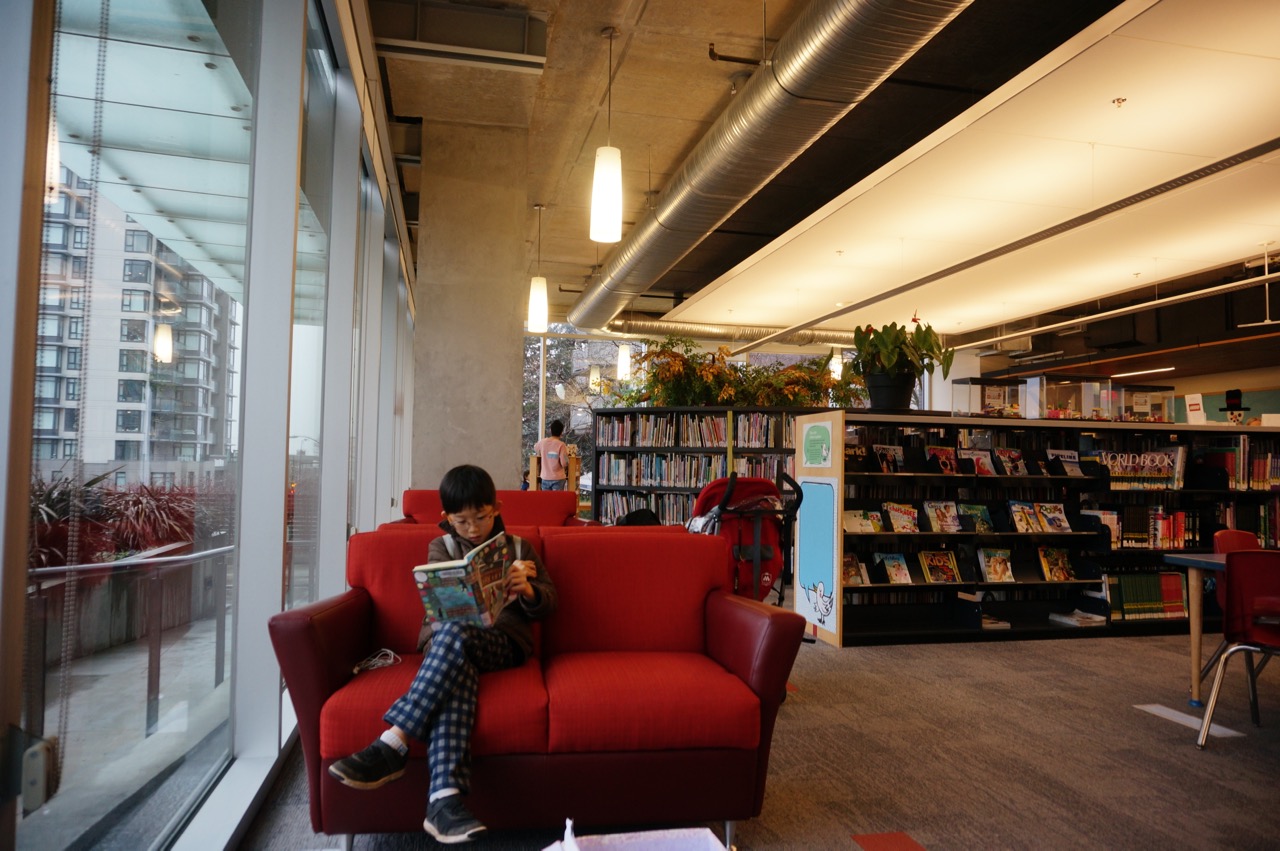
Dong Eun also found some great books about homeschooling and after doing some reading felt more at ease about how to approach Ethan’s home learning journey. But we still had some uncertainty and looked forward to our call with Natasha, Ethan’s LC.
Playtime with Kenson
I’ve mentioned Kenson’s name a few times before on the blog because he’s the only other homeschooler that Ethan hangs out with at the moment. Kenson’s parents decided to homeschool Kenson for the same reasons we chose homeschooling for Ethan and the boys get along great, so we’re grateful to have met them.
Another cool thing is that Kenson is two years younger than Ethan, so it’s a good experience for both kids to have a friend who’s a different age.
Ethan taught Kenson the paper airplane design that Ethan has been making lately and the two of them soon had planes zooming around the house.
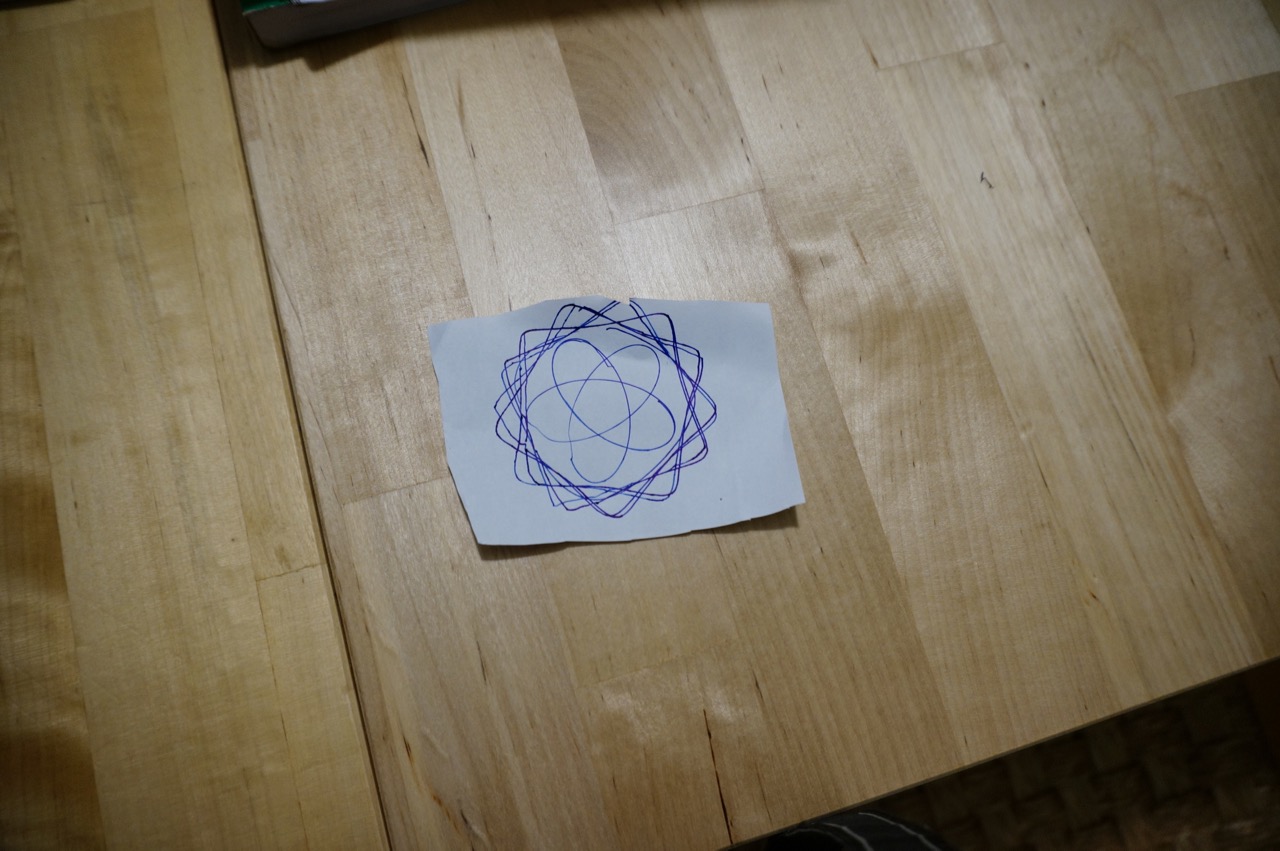
Kenson has an old Spirograph toy, the one that draws mathematical roulette curves known as hypotrochoids and epitrochoids (had to Google that!). Ethan made similar drawings on a 3D printer at Science World a few weeks back, but doing it by hand was pretty cool.
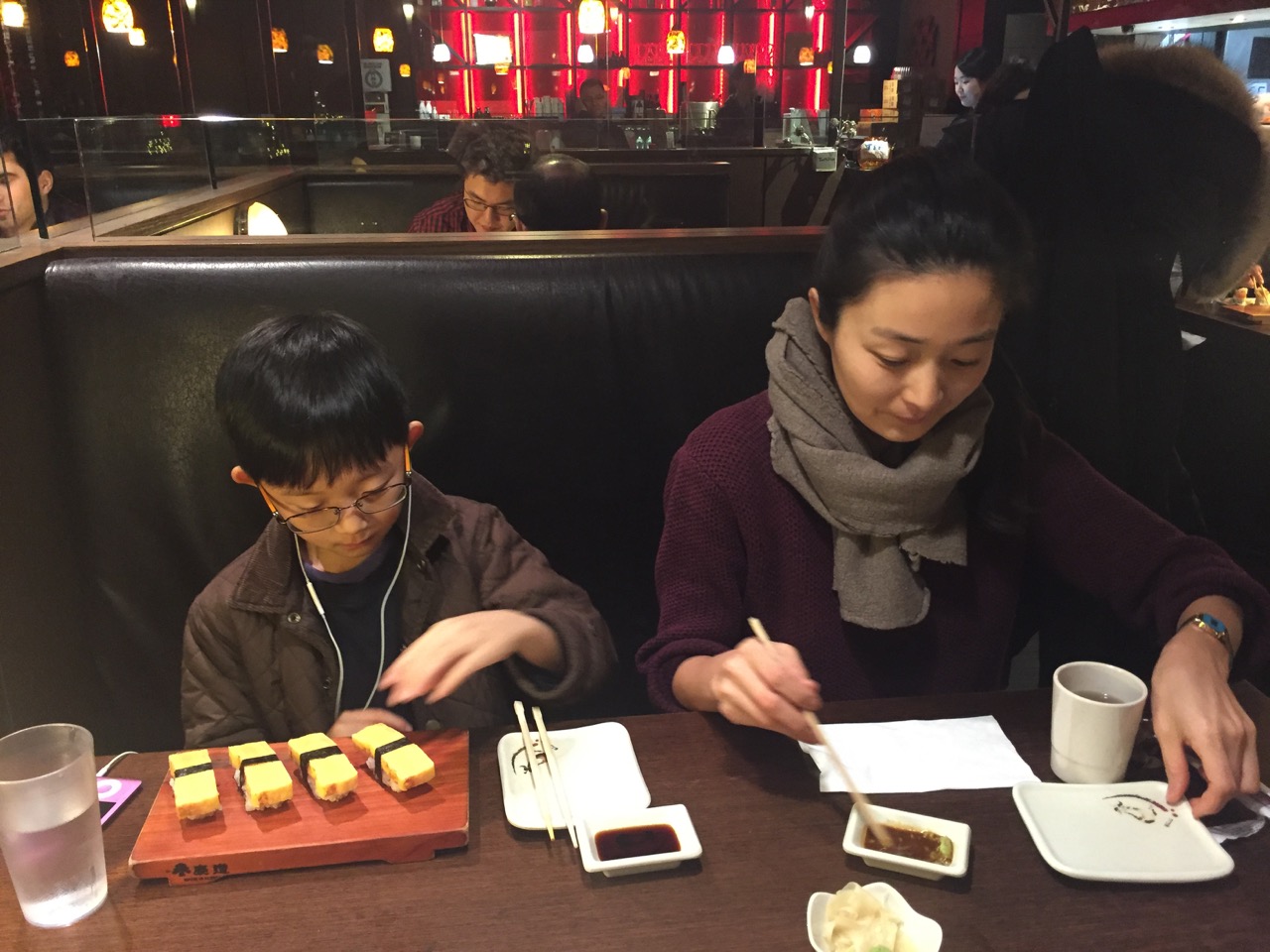
After playing with Kenson, we headed over to a used sporting goods shop to find some clothing and boots for Ethan. We couldn’t find anything that fit but did find out we were hungry, so it was lucky that our favourite sushi place was on the same street.
DIY math worksheets
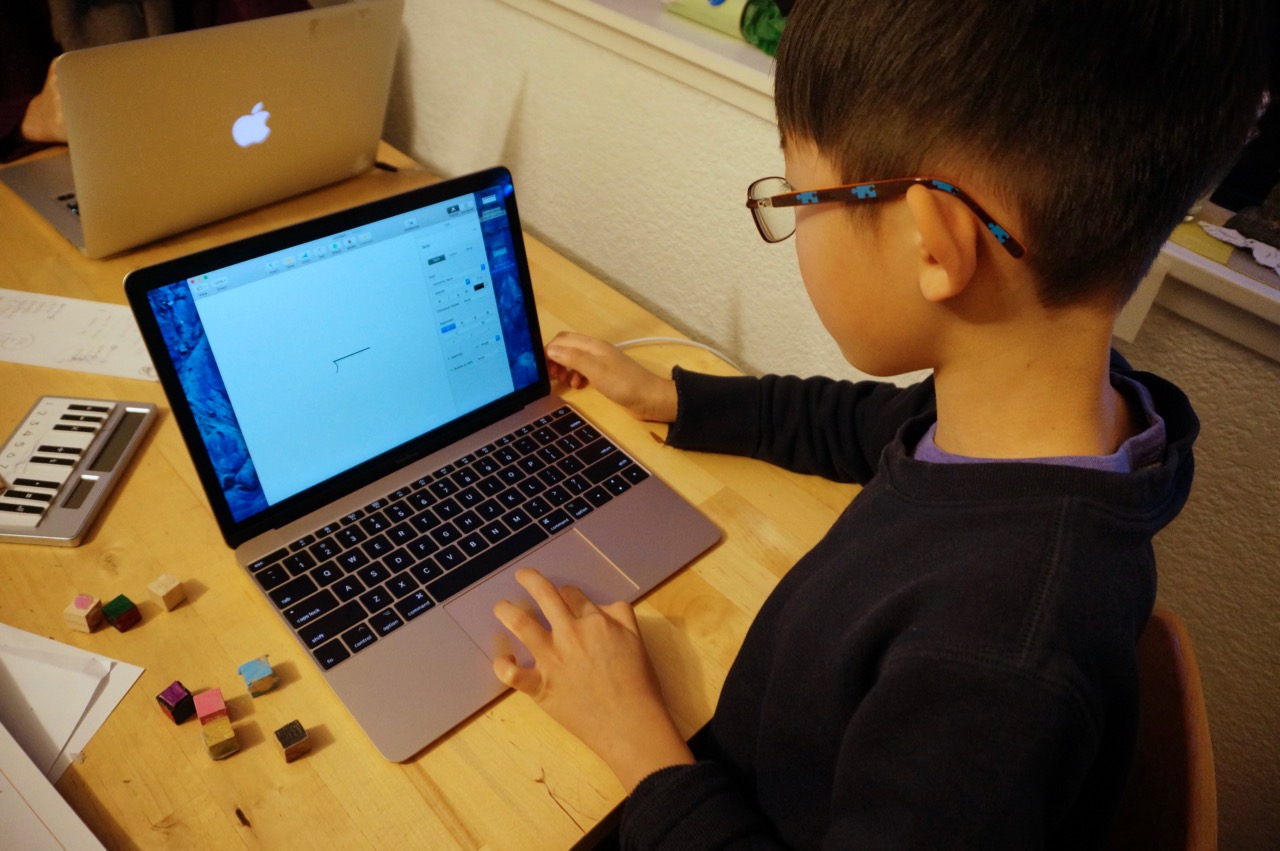
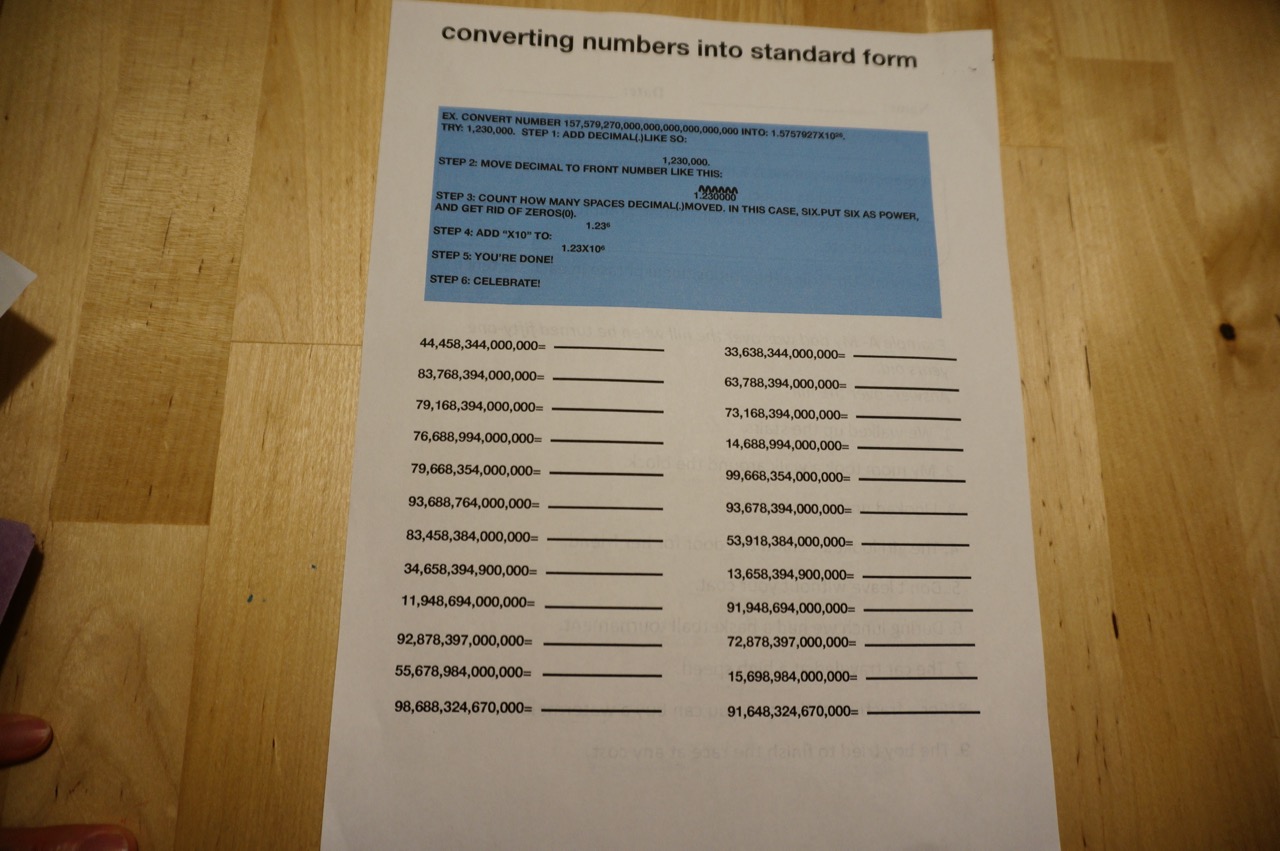
Since Ethan has been able to use his laptop, he’s been into creating books and also worksheets to practice math problems with. Recently, he has been practicing long division and standard form and wanted to create a worksheet to practice more. He struggled a little using the software but once he learned a few tips, he was able to churn out a standard form conversion worksheet.
Call with Natasha
Our call with Natasha went extremely well. We were so grateful for not only her time, but her thoughtfulness and empathy. The feedback she gave us and the suggestions she offered made us feel like we are on the right path. We were very uncertain as to whether or not we were helping Ethan and how to approach certain subjects, such as math and reading comprehension.
But after the call, we breathed a sigh of relief, knowing that allowing Ethan to lead the way would be best for him and us.
Natasha sent us a great article about unschooling and one point in particular stuck out, which was for us to act as reference librarians and to treat Ethan as if he was a library patron. Our role is to help him find what he’s looking for, offer suggestions and introduce new things that might be of interest to him. Sounds great to us!
The main thing is that the call re-affirmed our decision to take Ethan out of traditional school and to follow an unschooling path, as this seems like what is best for him.
Made Blocky game
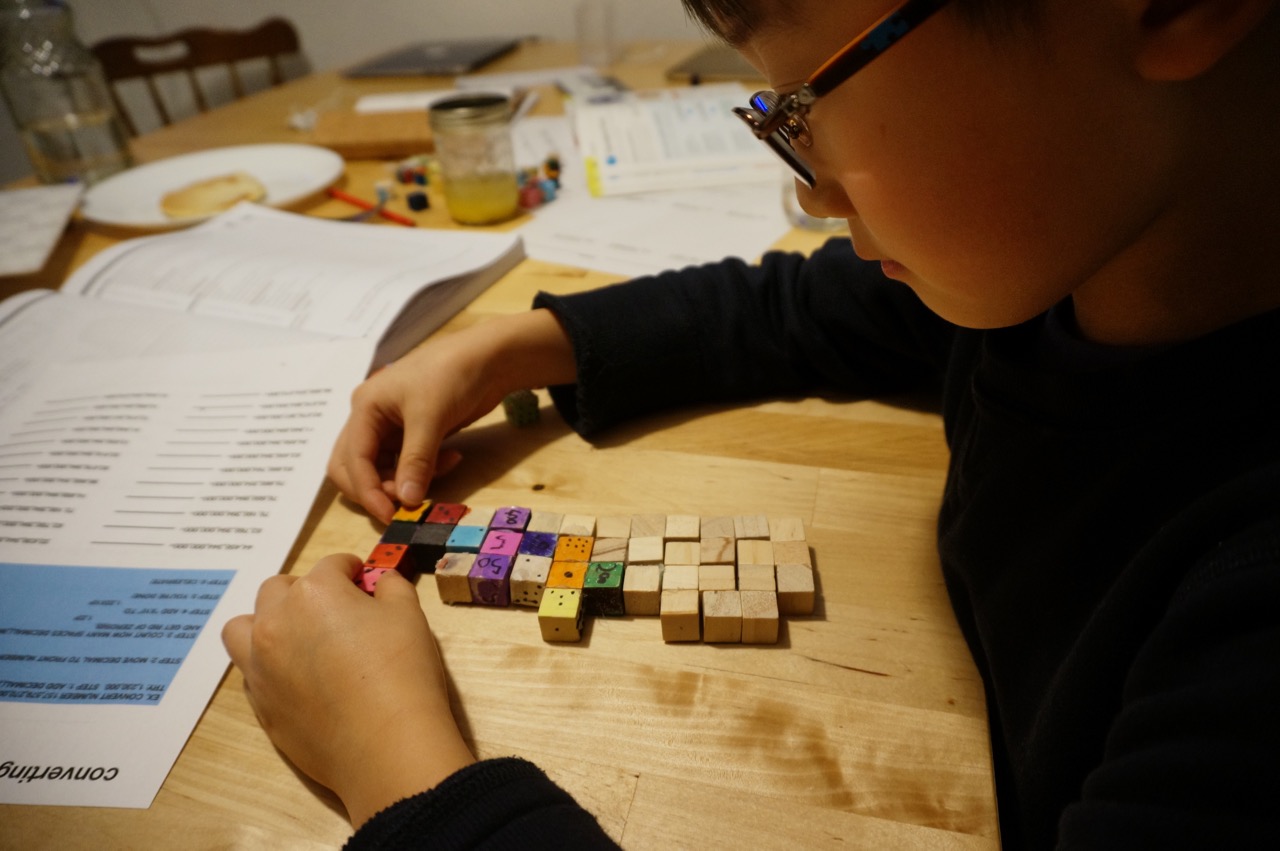
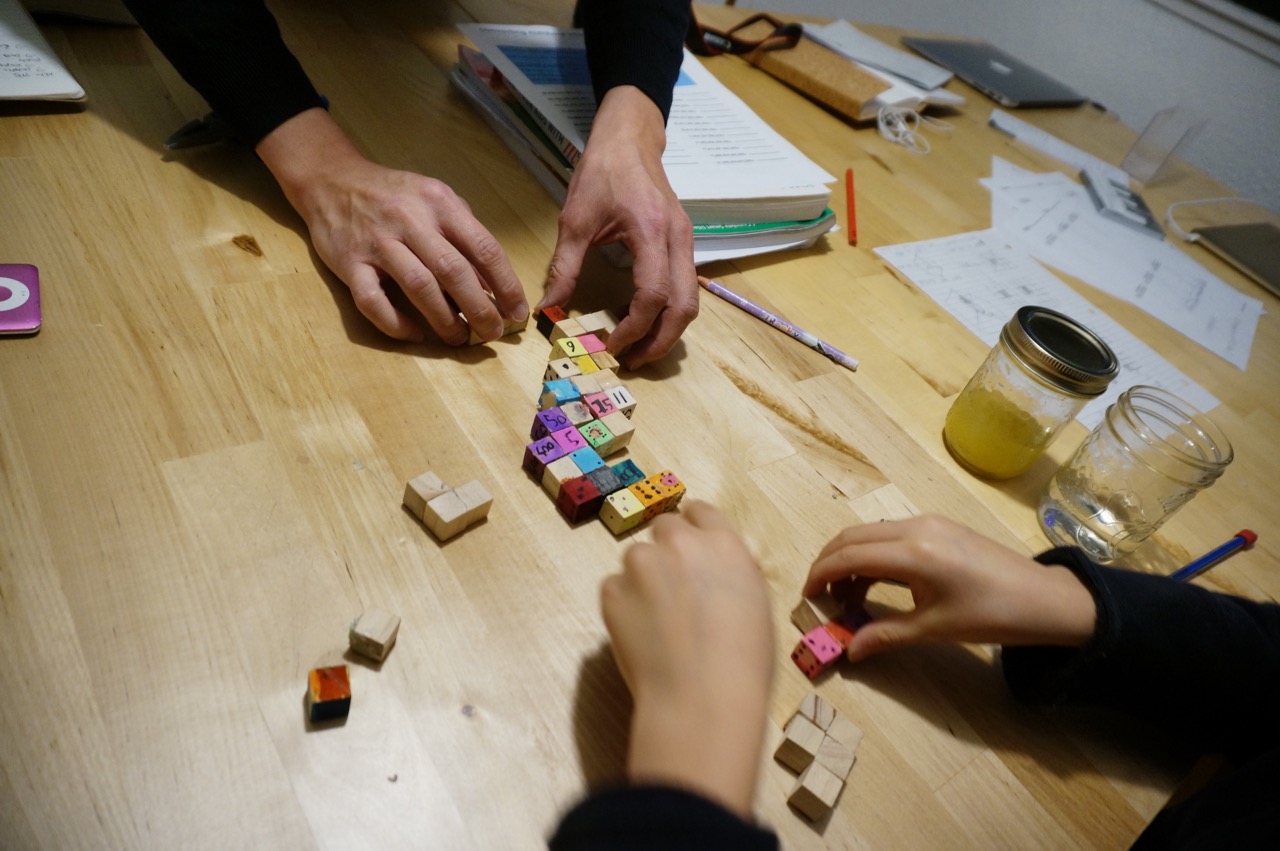
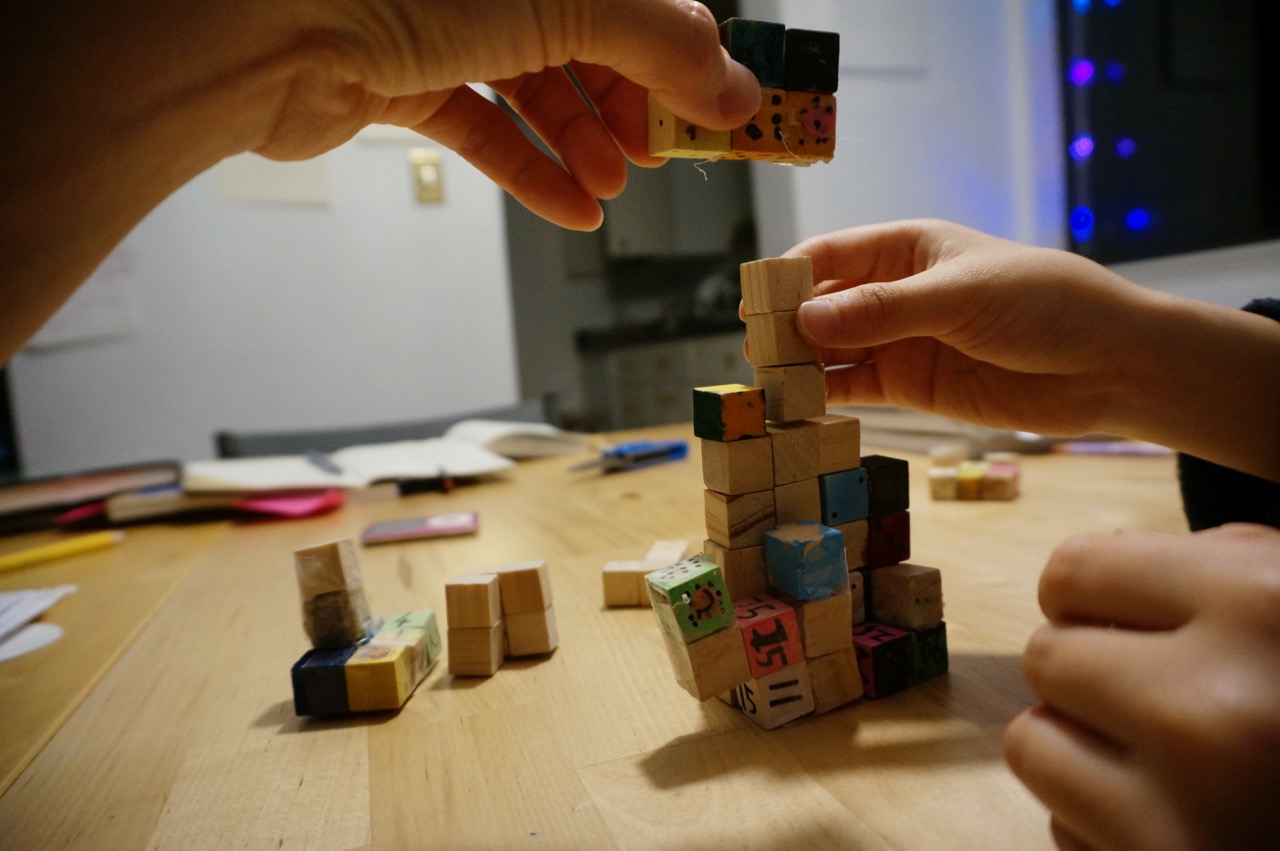
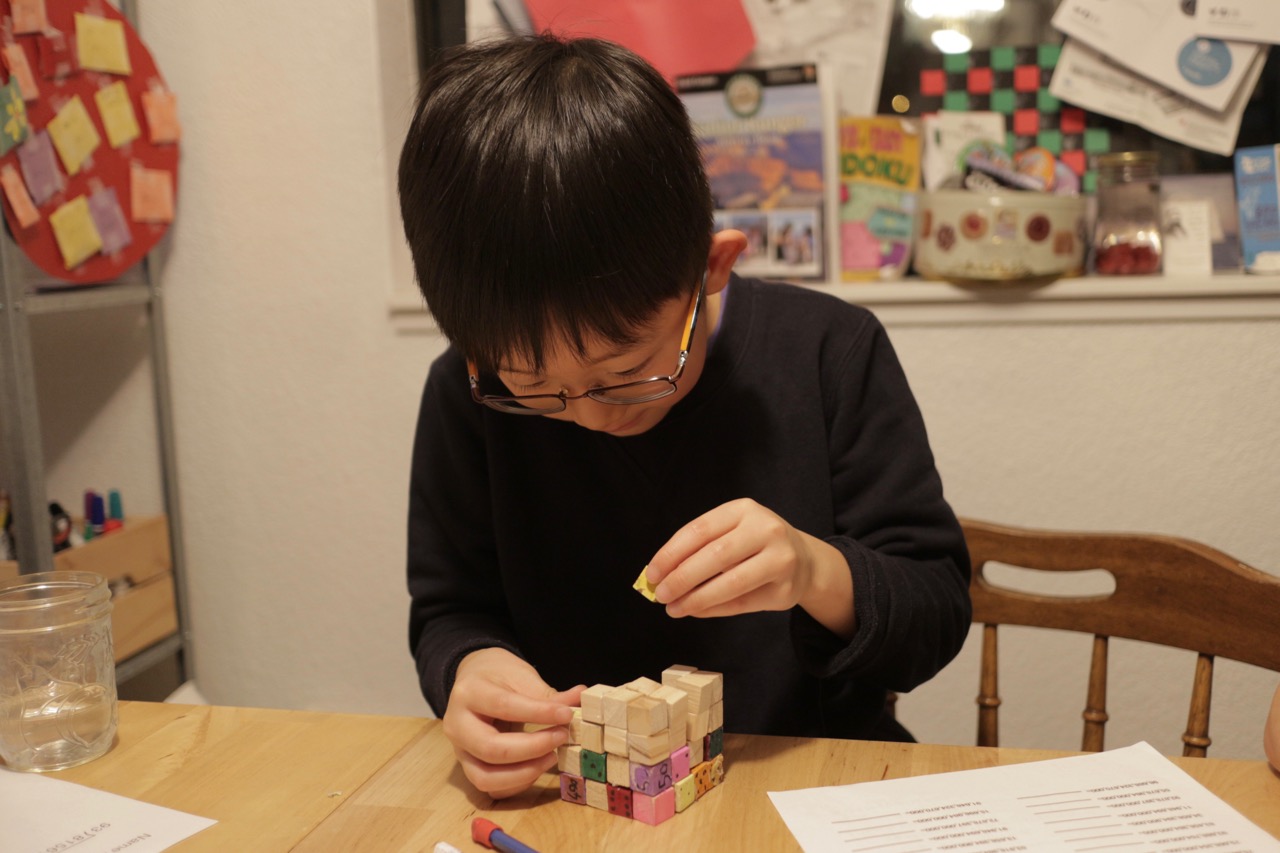
While on our call with Natasha, Ethan was at the table listening and occasionally commenting. But what he was focused on was creating a new game he calls Blocky. He even wrote instructions and two versions of the game that could be played.
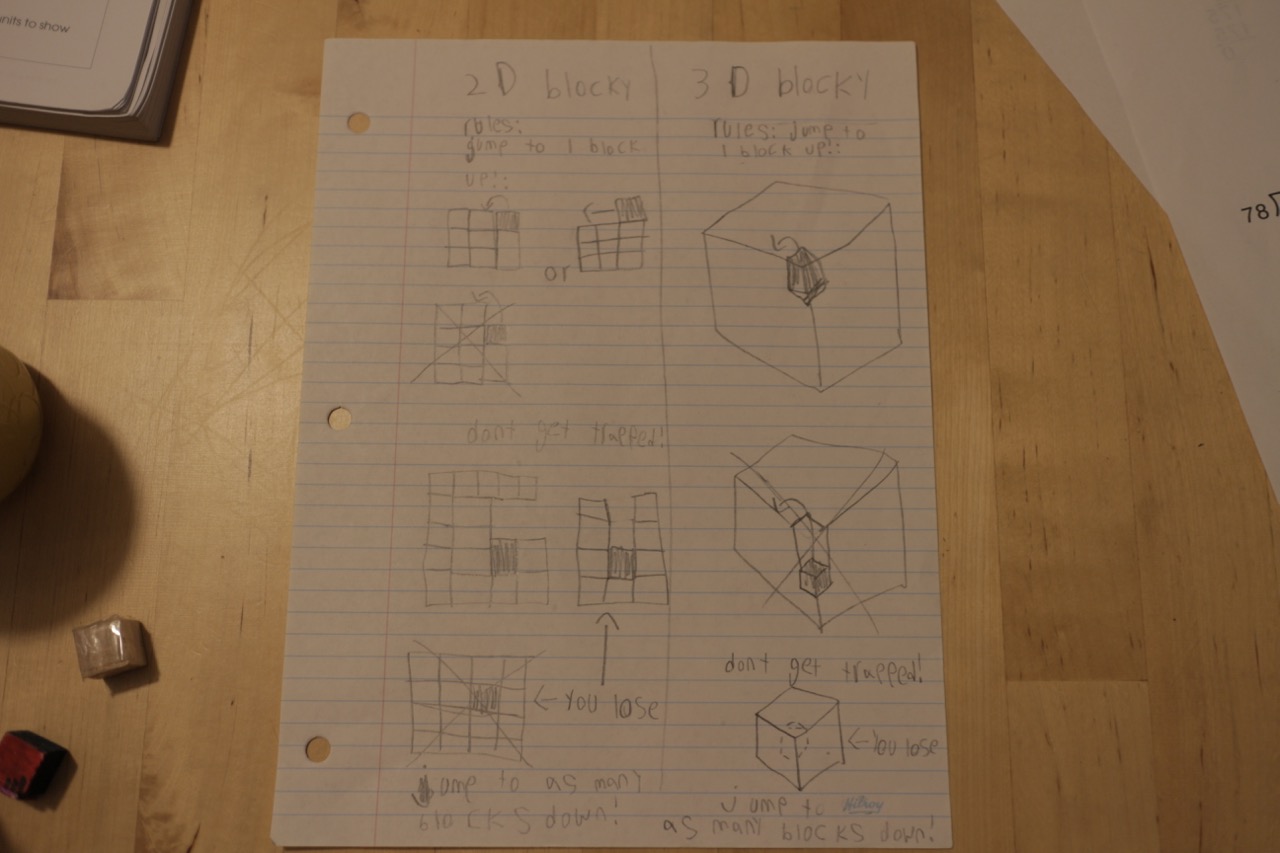
The object of Blocky is to move one of the blocks to meet up with his friend who is placed at a random distance away. You need to add blocks to help the first block move up. The first block can only move up one block at a time.
Mozart who?
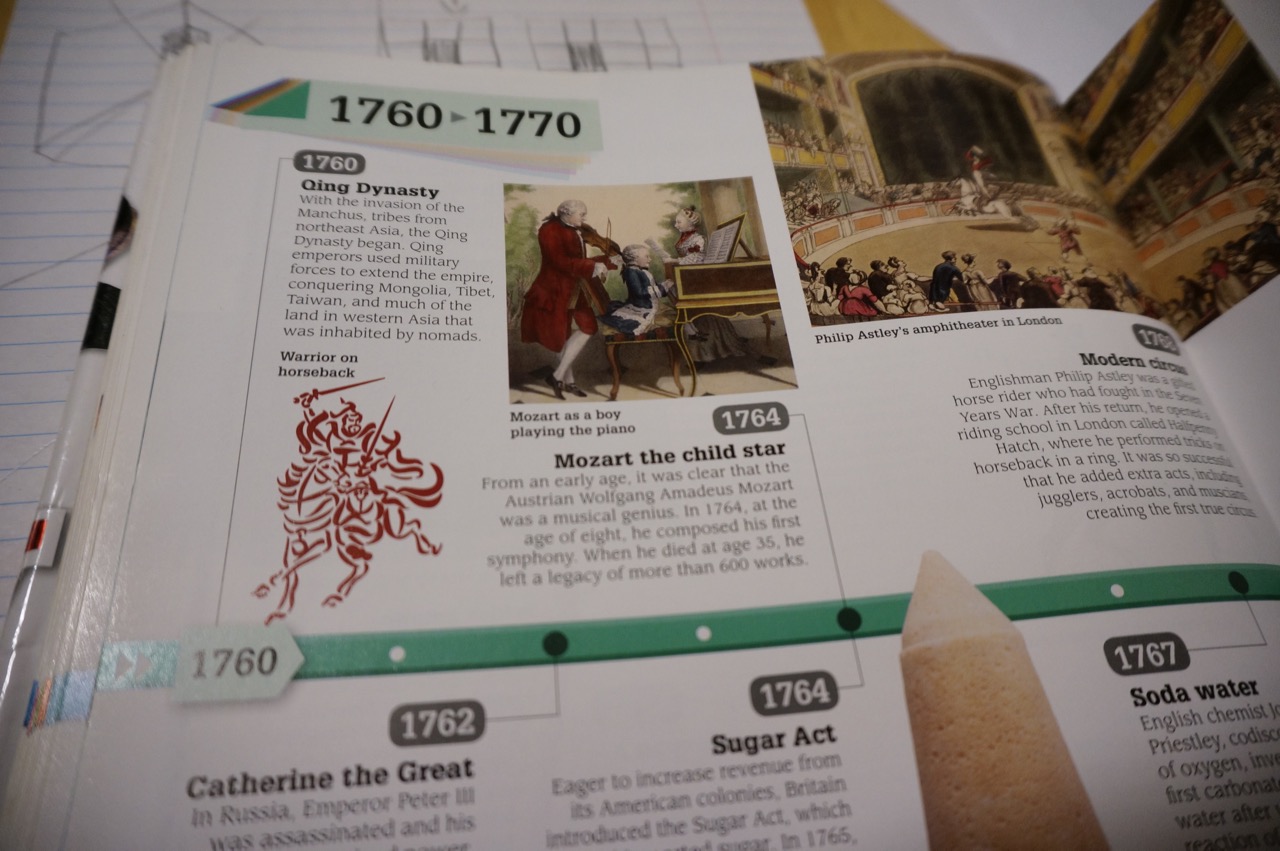
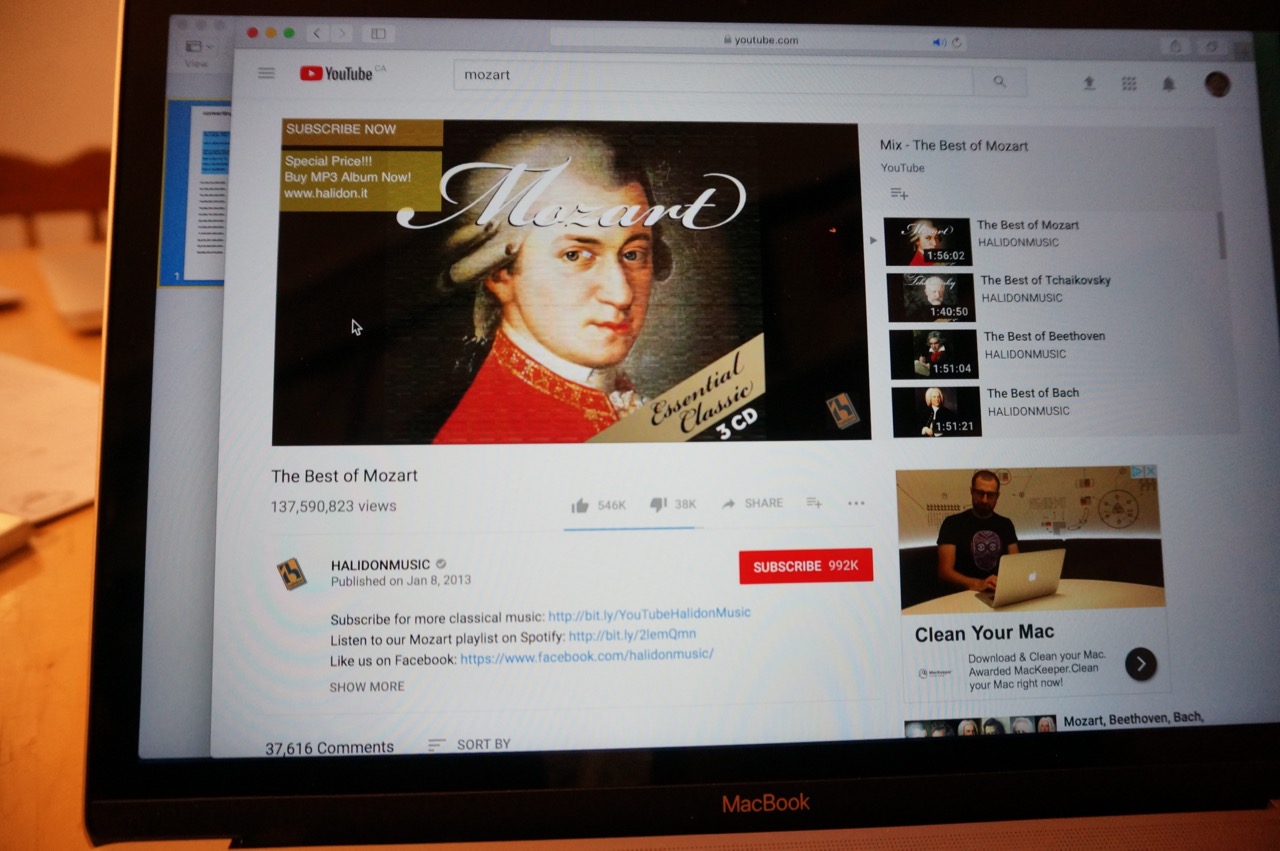
We borrowed a world history timeline book and Ethan was flipping through it after finishing up the Blocky game. He stopped at the part about Mozart so we put on some Mozart to listen to.
And Felix Baumgartner?
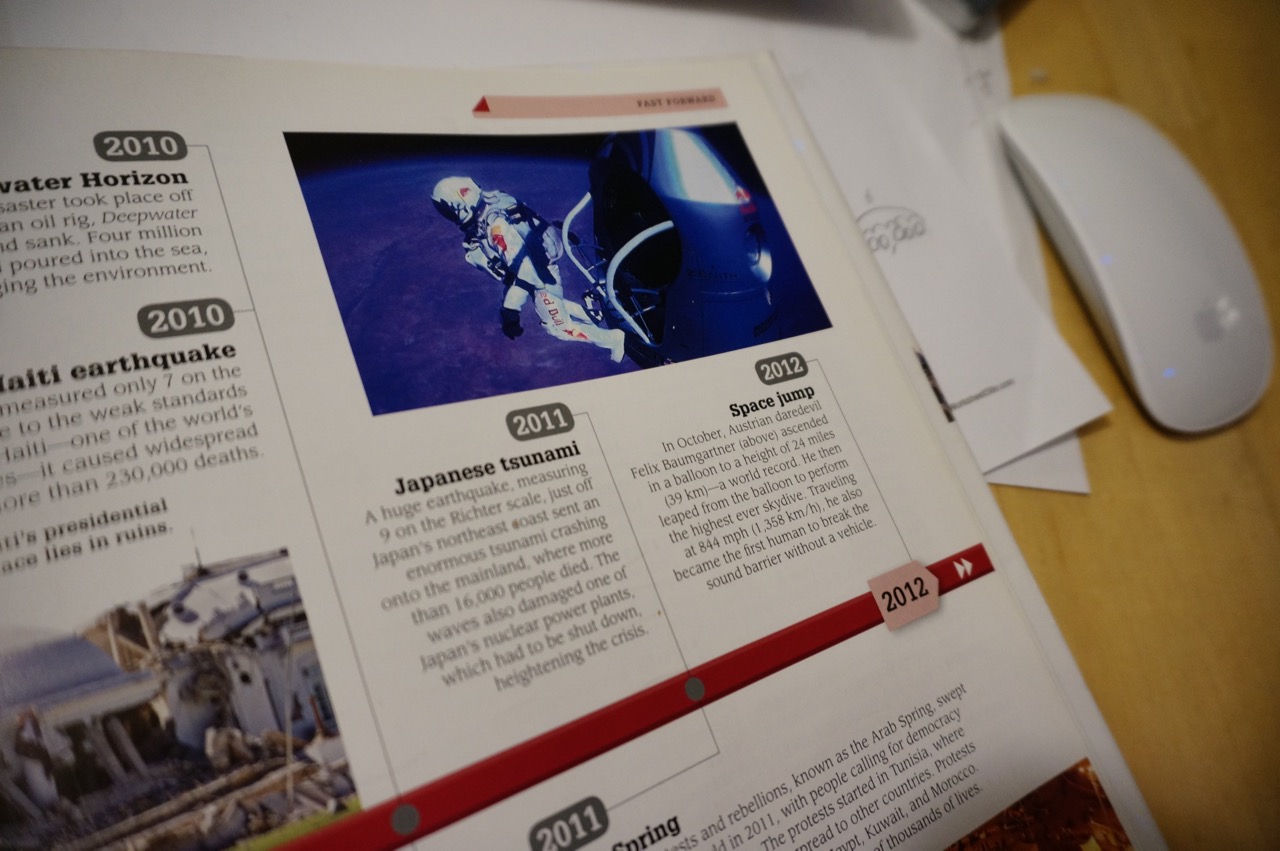
Also in the history book was something about Felix Baumgartner, the daredevil who set the world record for highest skydive. He also became the first human to break the sound barrier without a vehicle.
Ethan was fascinated by the jump, so we’ll have to expand on this one and see what else we can learn from this. We talked a bit about how the jump had to be timed perfectly so Felix could land safely, along with how fast he was going. I’m sure there are so many other lessons we could come up with.

Saturday, January 13 – It started with dim sum
We had dim sum with my parents as part of our weekly family get-together. Ethan usually only likes to eat the shrimp dumplings, but it’s really about seeing his grandparents and learning restaurant etiquette.
After dim sum, we started a full day of shopping in preparation for nature school. We needed boots, some warm layers, waterproof pants and wool socks.
We decided to buy used items because for something like boots, we don’t feel it’s worth it to buy new since Ethan may only get to wear them for one season before outgrowing them.
We also want Ethan to learn that it’s not always necessary to buy new things and because we want him to understand the importance of minimizing our carbon footprint.
So we hit up Value Village and were lucky enough to find a pair of waterproof hiking boots in great shape for only $8.99. We also found most everything else, except for the socks.
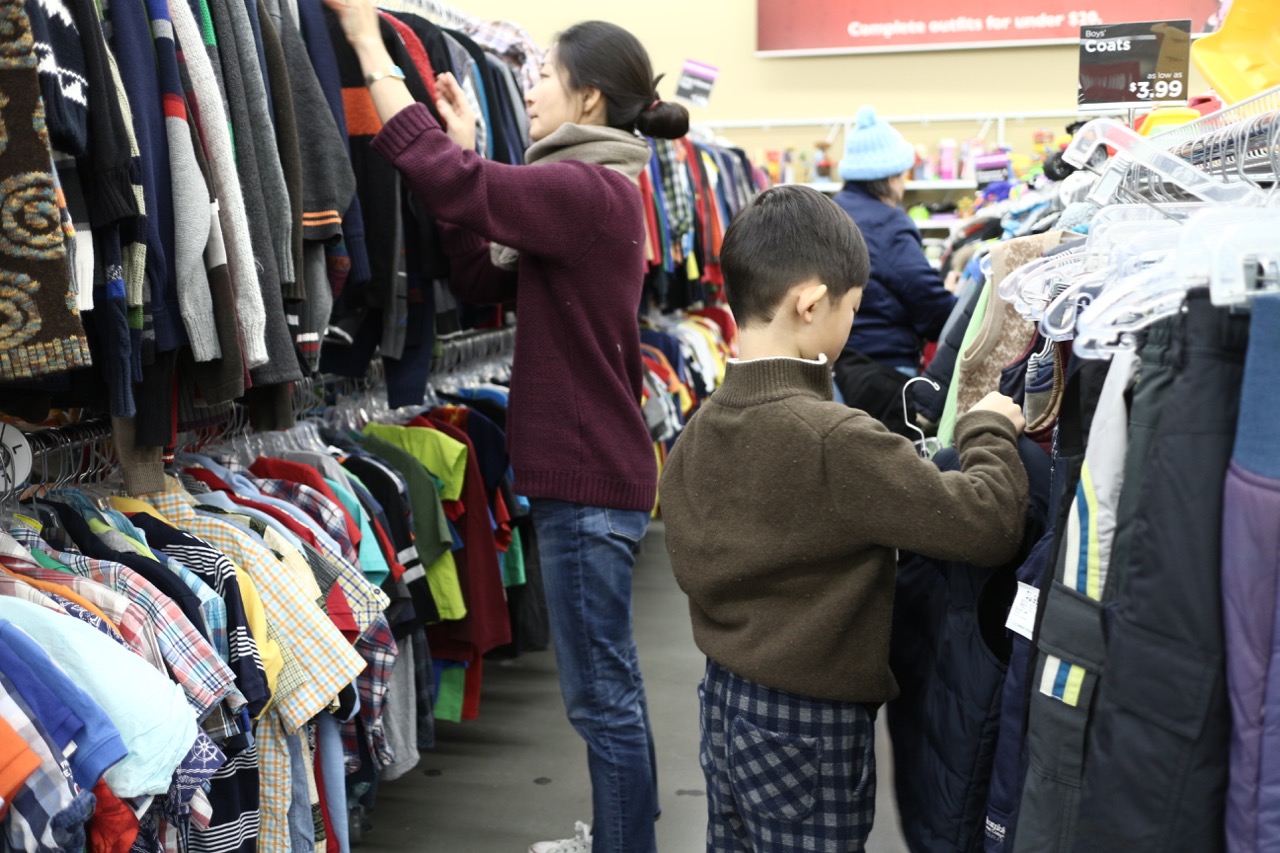
But since we were there for almost two hours, it was a great time for Ethan to practice patience and finding a way to enjoy himself, even though shopping is low on his list of favourite activities.
One thing he liked doing was trying on goofy looking sweaters.
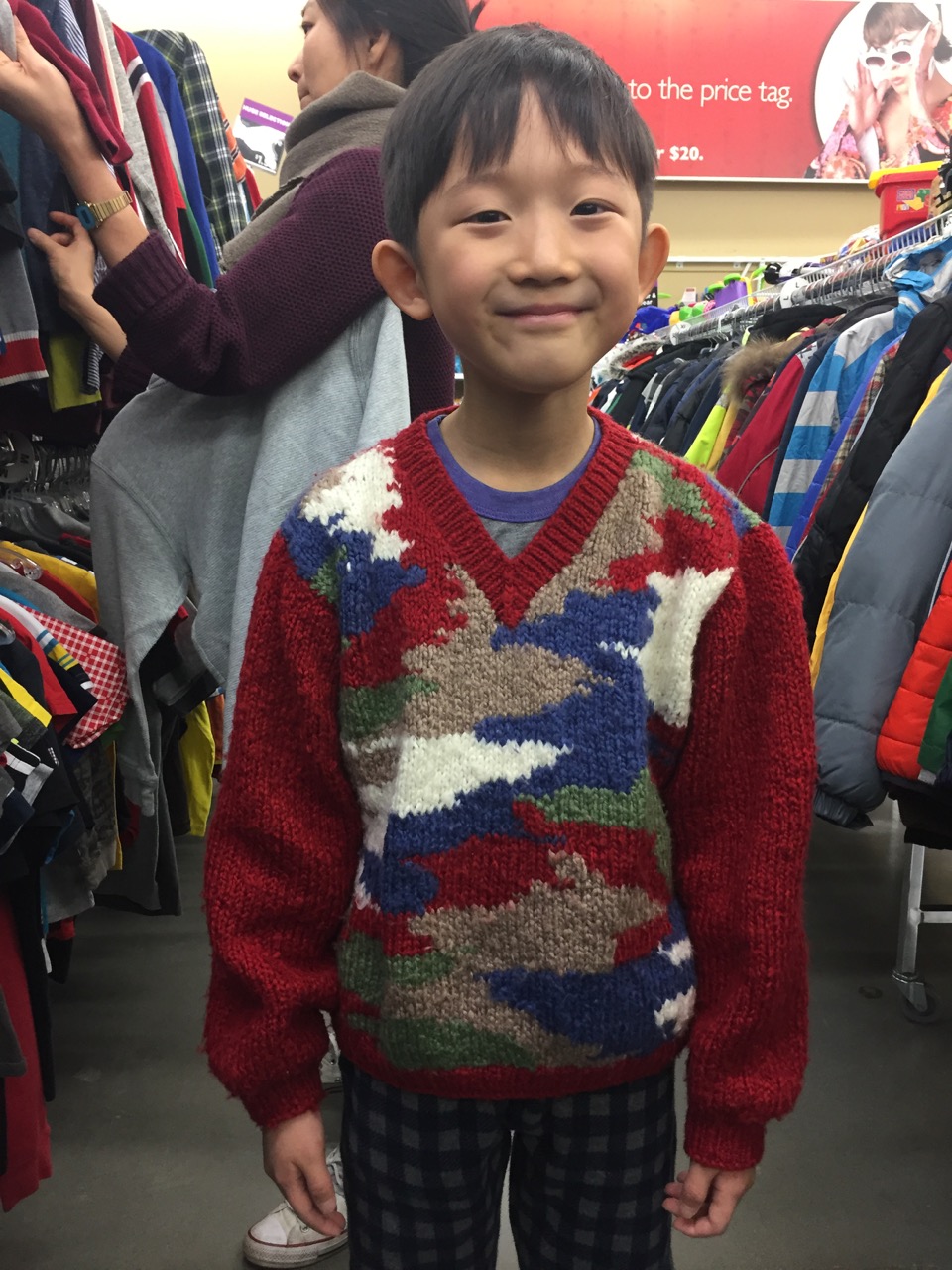
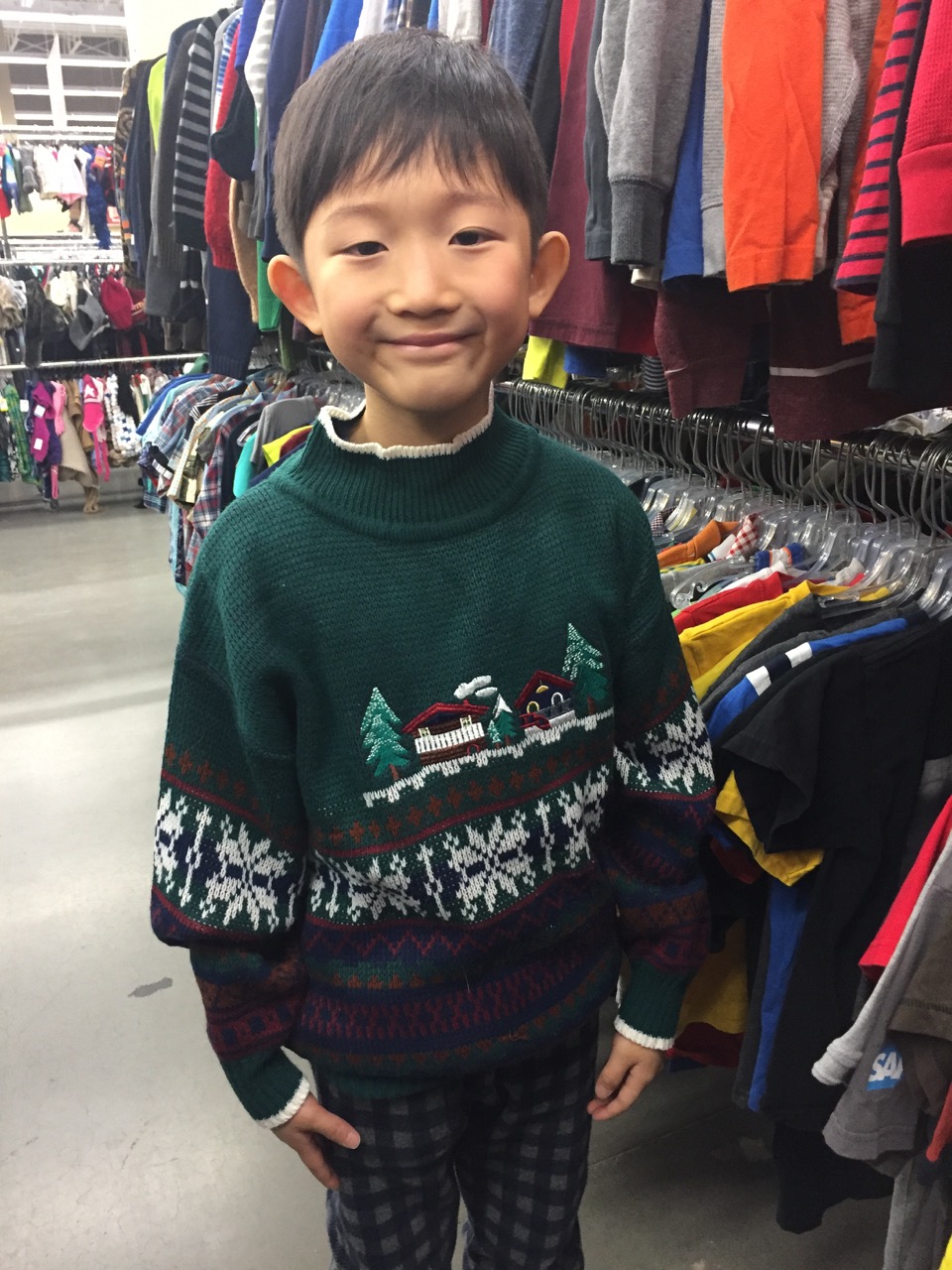
We then went to the mall to look for socks and do some grocery shopping. We spent quite a few hours out shopping today and Ethan handled it all quite well. It was tiring for all of us, but it was nice to see Ethan deal with the situation and not start whining and complaining too much.
Dinner with grandparents
We had to go over to my parents so we ended up having dinner out with them, too. The highlight for Ethan was getting the complimentary hot chocolate that came with the dinner special.
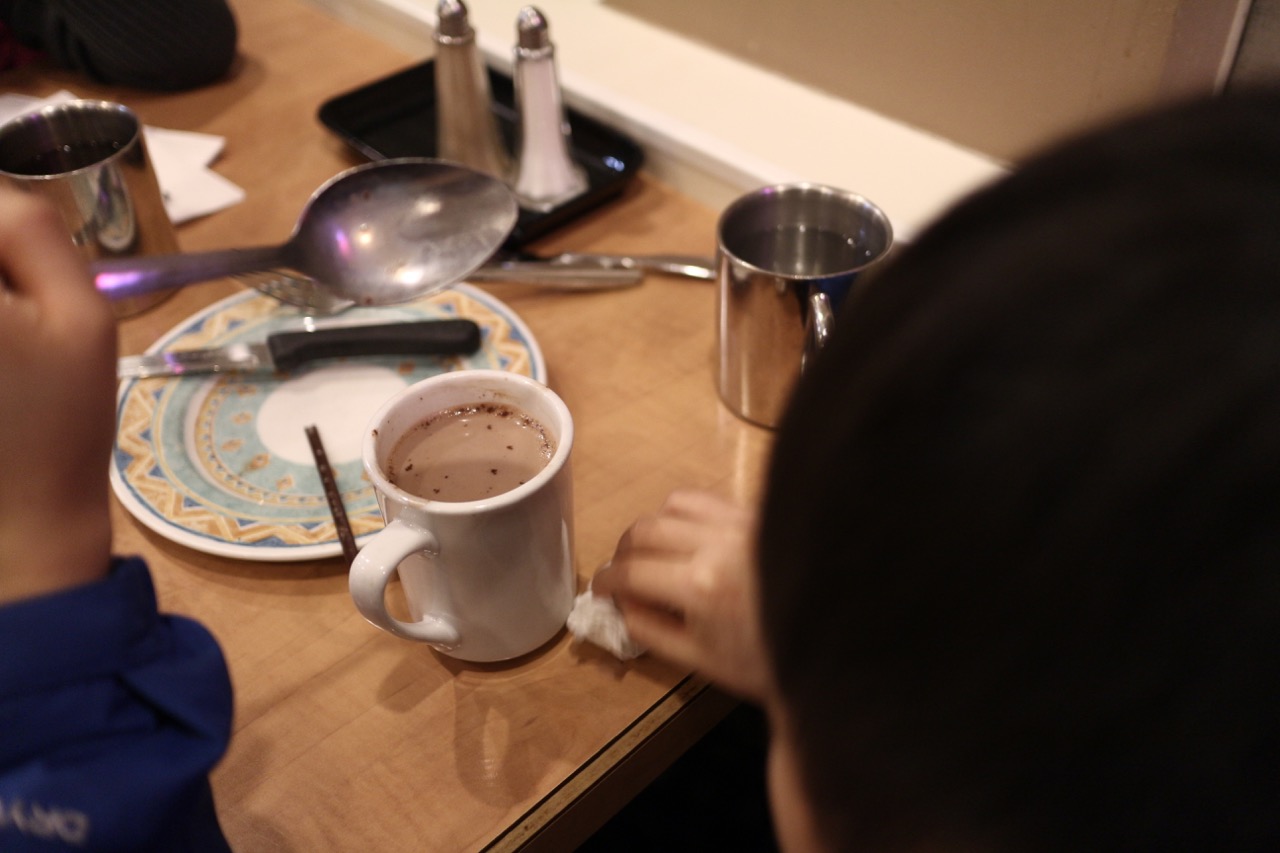



After dinner, we watched a bit of Star Wars at my parents before heading home. It had been a long day, but there was still something for Ethan to look forward to when we got home.
Amazon delivery
Ethan was excited to get home because he got a keyboard cover for his laptop that shows all the keyboard shortcuts. It’s actually pretty cool and made me want one, too!
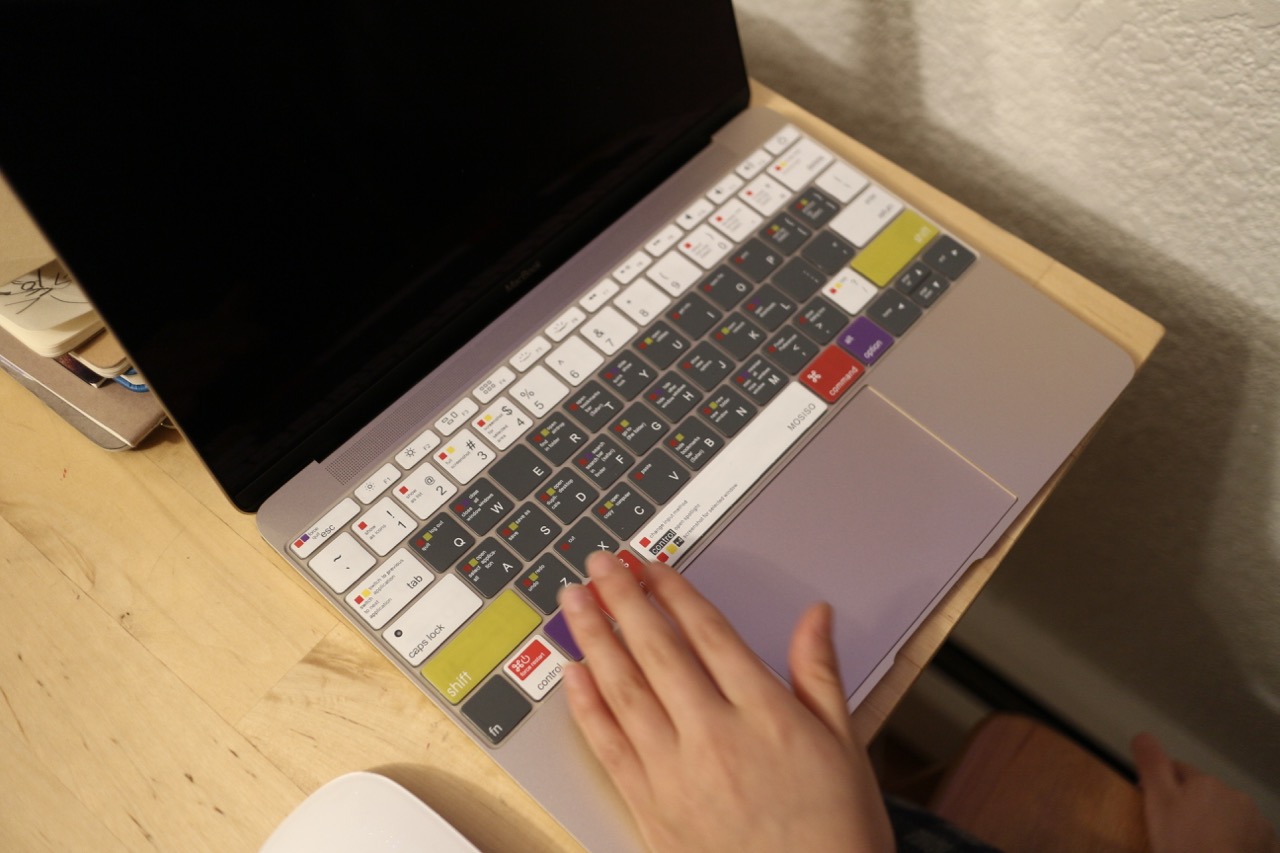
And he also received his survival knife that he needs for nature school. It’ll be cool for Ethan to learn how to properly handle a knife and to use it in outdoor survival situations.
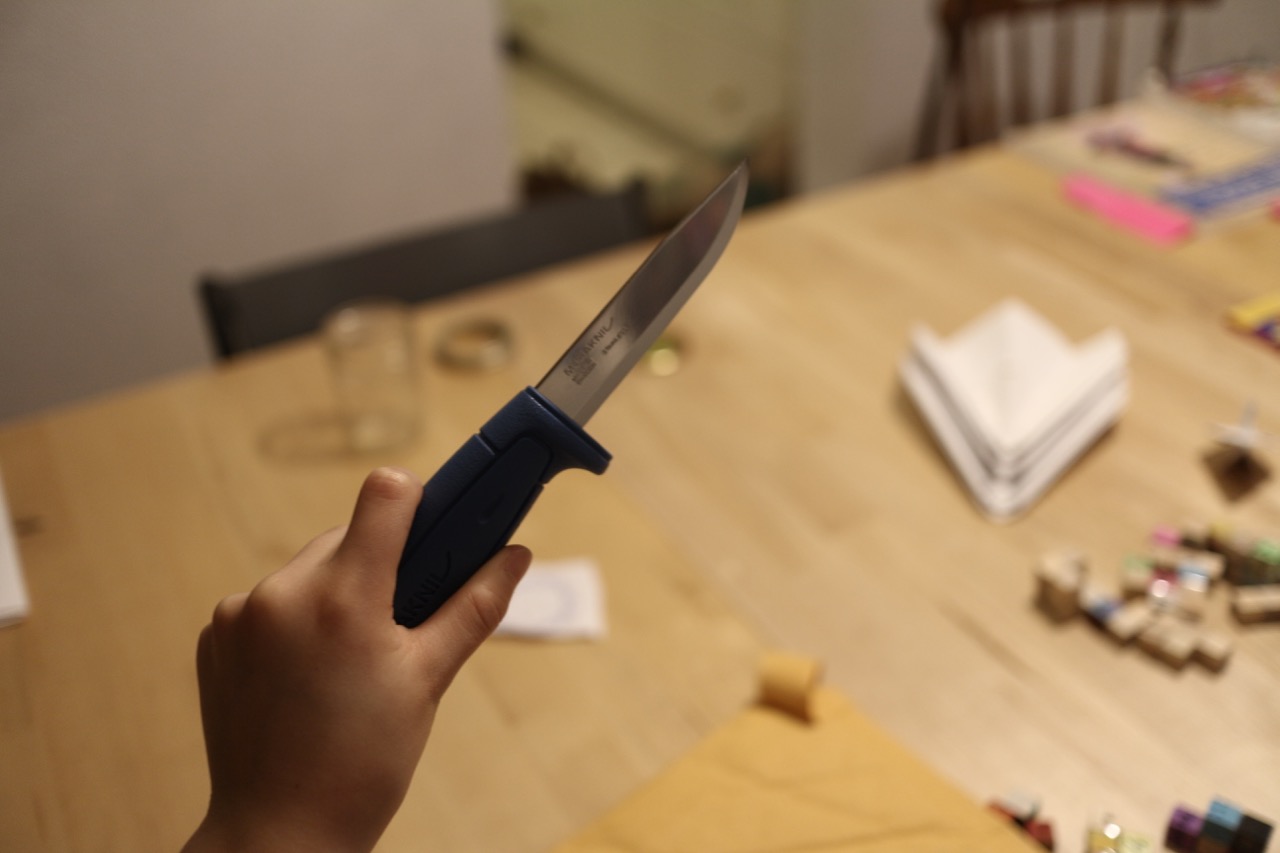
And that was what happened with Ethan on January 12th and 13th. Pretty busy days, but the days never feel rushed, unlike when Ethan was in public school.
The highlight for us was the call with Natasha, as we are feeling so much more relaxed and confident about what to do. And we’re looking forward to meeting Natasha in person next week, so that should be awesome.
Wow, that’s so amazing what the other child is doing and the similarities to Ethan are also very cool. Thanks for sharing and for your comments, too.
Hello again,
I won’t be responding in full to your reflections this week as I already wrote up the content of our phone call. I did take note of all of the incredible learning and activities he engaged in this week! By the way his math book is incredible!! Can I share it with some of my other learners?
I am so glad we had such a positive conversation and yes Ethan is a knowledgable guide to follow! I love the idea of being a library for whom Ethan comes to for resources. I see myself in much the same way. I am a learning consultant who offers support and resources no matter what direction the family or learner takes in their learning journey.
I am copying a section of another grade 4 learner’s reflection. I think you might get some inspiration and ideas from this entry. I will include more in the weeks to come so you can continue to see your homeschooling experience reflected.
Ideas from another learner:
I drew out some designs on graph paper, and learner1 drew their flip images. Her knowledge of coordinate geometry helped to plot the points of these complicated figures before connecting them with a ruler to make the bizarre picture. (This was big in my friend’s math homeschooling program from France, and I really like these brain-stretching exercises…learner1 made some for me to do too, and my brain had to work hard to create the flip over the line of symmetry.)
We moved on to Equivalent Fractions. learner1 gets it. We did a number of exercises, with pictures as aids. She can reduce fractions and make equivalent fractions with ease. We’ll do more with manipulatives when we get home. I ordered some good storybooks about fractions from the library, which should be there when we get home.
The last three weeks we have been reading “Around the world in eighty days” by French author Jules Verne. We were completely out of books, and this tattered copy was passed on to us. It has been a fabulous travelling book. Whenever we pulled out the book, we also pulled up the world map on the iPad and checked out all the places Phillaeus Fogg and Passepartout travelled through on their journey around the world. learner1 can trace their journey from England through the Mediterranean, Suez, Red Sea, across India by rail/elephant, China, Japan, across Pacific Ocean to San Francisco, rail and other modes of transport across USA, and steamer back to Liverpool. She knows the time period of this story, and can point out the evolution of various modes of transport over so many years. It would be a very different journey today, even if we used their exact same stops. learner1 is good with the iPad world map, zooming in to find countries, cities, landmarks. Her knowledge of continents, countries and cities is broader than mine was at her age, that’s for sure.
When the characters were passing through India, we happened across a national geographic magazine that had an article and pictures about the elephant festival in Jaipur, northern India. learner1 could imagine the characters travelling by elephant through the scenes in the magazine pictures. We also looked up pictures online of decorated Indian elephants from the festival, and pictures of the Holi Festival celebrating the coming of spring in India. Lots of cool videos of colourful dyes being tossed everywhere at this festival. learner1 liked it. She wrote a story using one of the pictures as a prompt.
“Around the world in eighty days” has been a great read-aloud book with lots of new vocab, ideas for discussion, social studies topics, and interesting bits about travel. We have a chapter to go on our final plane ride from Toronto to Vancouver.
week 19: Phone conversation
I am just going to summarize and highlight some phrases of my conversation with Ethan and his parents in their words in black, mine are in pink
Since we have been back a little bit of time to adjust,
Getting back into scheduling, studying, difficult to find ways to be effective
Redirection maybe?
Totally different then travelling being home
Hard, feels like we are starting again
Wondering about things we think he is supposed to learn
We chose unschooling so he can learn in his own way
In fact now we feel like don’t know what to with it, I never learned this way
New process for us
Fear of falling behind of his grade
Started doing to some workbook curriculum
He so fascinated and engaged in so many things, feels like he is just playing
Not getting enough learning, more challenges, he likes more challenging math. His cousin came over grade 6 she brought homework over worksheets, Ethan wanted to do it, willing to ask her and wanted to find more challenging math to work on that, maybe better to skip ahead
Want to follow his interests, feel like that is the best way to learn, gives him freedom, more relaxed, joyful, enjoyable
See those kinds of perspectives for learning
Such a learning curve as his teacher, time to adjust, following his passions, gain knowledge, deepen his interests, expand on his interests.
Is what we are doing is really right, is it what we are comfortable with.
The problem is not Ethan, its us
I suggested taking his reading to another level and developing reading comprehension skills though discussion of ideas and themes as well as some writing. Maybe a novel study on a Wrinkle in Time, the Hobbit, Charlie and the Chocolate Factory.
It is fine to reread a novel or read one together and take it slowly with lots of open ended questions:
Here are some examples of what I mean for the novel “Wrinkle in Time” You can google “Open ended questions”….for any novel which you decide to develop these higher level comprehension skills.
Discuss the meaning of childhood within the framework of the novel.
Discuss what role ‘difference’ plays in the novel.
What does the Dark Thing represent?
What is L’Engle’s philosophy of education in the novel?
Why do you believe Meg had such a hard time learning to love in the novel?
Now its more about making meaning- reading comprehension
Compare and contrast, Venn Diagrams, what are “themes” or symbolism…
Here is a grade 4 level book which covers social studies/history themes in WW2, the Holocost etc, persecution…I am sure you could find more science based novels as well..or even one about chess

Critical Thinking Learning Experience for higher level thinking on FSA
Some ideas for developing Critical thinking skills in the SD library.
https://selfdesign.learning.powerschool.com/selfdesignlearning/library/cms_page/view/29208200
Ethan has been reading a lot of chess books
He wrote a 10-15 page story about the queen in the Chess story
Adventures of a Chess Queen, 10-15 pages and some pictures Ethan chirped in
Uses chess notation to follow on
Not from a workbook, I realize let it grow organically and naturally, let go the expectations
So ask him about his process for writing this story
Also try going through the editing process
Writer’s Workshop brainstorming, characters, plot development, rough draft, editing, final draft
He is actually doing so much, realizes more relaxed
Don’t want to do workbooks
He prefers a book about how to Help your kids with math, for parents, all the different math concepts, he is fascinated he uses it
Standard form, made his worksheet how to convert number into
I expressed how advanced this is:
Levels of thinking here
Unschooling myself first, learn together
They know that ethan is doing fine and they are also learning from him
Trusting the process
During our phone conversation, Ethan got 1cm cubes and made shapes, then drew the shapes he constructed and developed a game from these creations, so awesome
I encourage you to be explicit about your own learning process, speak out loud about all your steps when making a meal, or writing and email, preparing to pay bills, researching something online…
At the end of the conversation we made plans to meet up in person in Vancouver next weekend.
I would like to visit them in their home, meet Ethan and share a meal together. I want to see Ethan in his home environment and check out some of his many projects!
Really wanting to find ways to connect with other Self designing families
I will copy and paste other families reflections to share, inspire, reassure, connect
Bloom’s Taxonomy of Thinking


10 Tips for New Unschooling Parents

By Jan Hunt
Because few of today’s unschooling parents were unschooled themselves, they may have many fears about their own competence to create a rewarding learning environment. These fears are based on the parent’s inexperience with unschooling as well as on the false assumptions about learning that their school experiences taught them years ago. When the present generation of unschooling children become parents themselves, they will have more confidence and trust in the process. As I often tell my clients, today’s generation of parents have it the hardest, because they have to trust a process that they themselves never experienced directly.
Here are ten tips for making a smooth transition:
1. Let the Child Lead
Parents new to unschooling often feel overwhelmed by the assumption that everything is in their hands. They believe that it is up to them to choose the topics for each day. If that assumption were true, most unschooling parents would burn out quickly and send their children to school! Fortunately, the truth is just the opposite. The best way to help a child learn is to let him have the reins – he will naturally know what is of most interest to him at every moment, and will make that clear to you. Trust that your child knows best what he is ready and eager to learn, and then help him to find whatever materials or information he needs. The best analogy is to a reference librarian, who waits until he knows what the library patron is looking for, and then helps him to find it. No reference librarian tells the patron what to learn, though he may make suggestions once he knows the patron’s interests. Relax and let your child take the lead. Once this concept is fully understood, unschooling becomes easy and joyous.
2. Everything is Educational
Many parents just starting to unschool feel intimidated by the assumption that educational activities have to be scheduled into each day. Because they have attended school, they learned the invalid but relentlessly taught lesson that some things are “educational” and others are not. Nothing could be further from the truth. Everything in life is educational. Every single thing the child does brings learning, and the more fun he is having, the easier the process will be. Even those subjects that seem hard to schoolchildren, such as grammar and math, will come about naturally as they are needed in real life.
The child knows best what to learn.
3. Freedom is Essential for Learning
Forget everything school taught you about the importance of “maintaining focus”. Keeping children focused in school (even if it takes drugs to do it) meets the teacher’sneeds – it makes it easier for the teacher to manage the classroom. But the use of force – of any kind – interferes with learning, because the child feels coerced, monitored and limited. Children are naturally aware of many things at once – there is so much for them to learn and think about. We should treasure their spontaneity and curiosity, not force them to stay focused on what we think they should be learning. An unschooling child stays focused on whatever interests him in that moment – and that is the best way to learn.
4. Rest is as Important as Activity
Research shows that significantly more learning takes place when there are rest breaks in the learning activity (adult subjects given breaks remember more material than those given no breaks). The human brain needs time to process information. Don’t assume that the child is ever “doing nothing” or “just playing”. Just because we can’t see the processing doesn’t mean it isn’t there. Activity and rest are equally important to the learning process. A child recuperating from school or other stressful experiences will need even more “downtime” to recover.
5. Trust Your Child’s Built-in Timetable
Learning schedules and school timetables interfere with learning. If someone starts to warn you that your child “has to learn…” just tell yourself that he will learn it, at exactly the moment he’s ready to learn it, in the way that feels most right to him. Even if we could somehow force a child to learn something sooner, he might forget it, or worse, lose interest in that subject. Isn’t it better for a child to learn to read when he most wants to do so, developing a lifelong love of reading, than being forced to learn at a younger age, growing into adulthood with an aversion toward reading in general? Schools focus so much on each school year, they seem to forget that the child is preparing for an entire lifetime – not just for next Friday’s test.
Everything in life is educational.
6. Freedom and Happiness Form the Best Foundation for Learning
Have no expectations about what an unschooling child should look like. An unschooling child will not look like a school child. She will not be intimidated by authority figures. She will look freer and happier, and will express her needs and feelings in more mature ways. Trust that the unschooling child is doing things naturally, and learning about life in the way children learned for millennia before public schools existed.
7. Trust Your Child’s Learning Style
Remember that each child has his own way of approaching learning, and whatever that way is, it’s the very best way for him. My son taught himself the alphabet by creating the letters with his whole body. I was glad he wasn’t in a classroom where he would have been told to sit down! Trust that your child’s learning style is the right one for him.
8. Remember that Unschooling is for You Too
The whole family can learn right along with the child. This time around, the learning will be more interesting and last much longer. Watching a child learn in a joyful and easy way can bring vicarious pleasure, helping the parents to heal from difficulties they experienced in school years ago. Topics that the parent grew to dislike in childhood can now be appreciated fully.
9. Enjoy the Freedom
Unschooling is freeing, not just for the child, but for the whole family. Unschooling families can enjoy quiet playgrounds during school hours, take family vacations in September, and introduce their children to people of all ages. The family is also freed from the tyranny of the daily school schedule.
10. Have fun!
Unschooling at its best is great fun for everyone. Be on the alert for books, toys, games and activities you think your child will enjoy. Make them available, but with no expectations or pressure. Films, board games, leisurely walks and outings with family and friends not only bring more learning but create the connection and trust that underlie the best learning environment.
If you can trust the unschooling process and trust your child, even when that feels like a leap of faith, you’ll soon learn how easy and joyful unschooling can be!
“Little children love the world. That is why they are so good at learning about it. For it is love, not tricks and techniques of thought, that lies at the heart of all true learning. Can we bring ourselves to let children learn and grow through that love?”
– John Holt,
How Children Learn
Recent Comments