
No, not Mexican food and skating at the same time, although that would be pretty cool! Instead, it was a busy week with some cool experiences for Ethan. But I guess it wouldn’t be unschooling without cool stuff happening because that seems to be the norm for Ethan.
Let’s dive into the past week, which I’m late posting again!
March 11
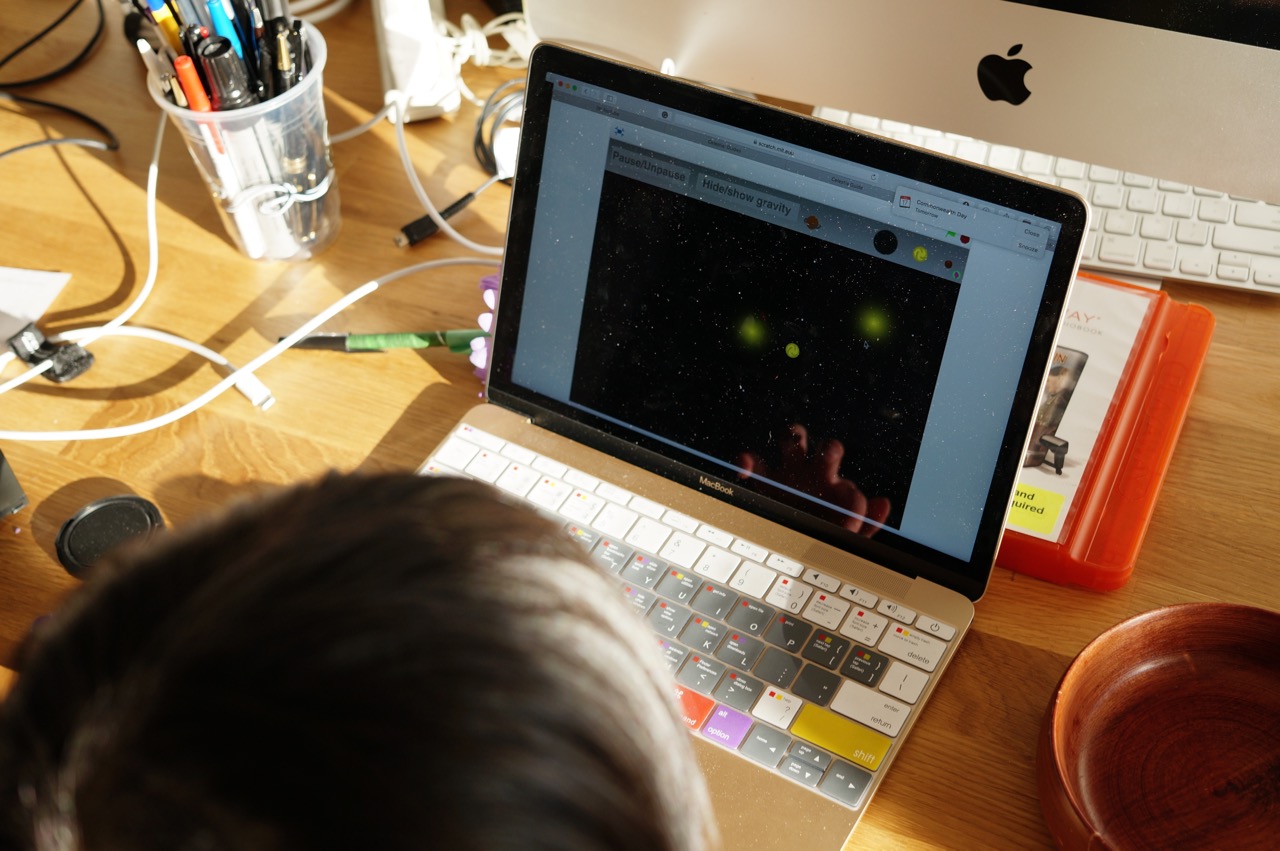
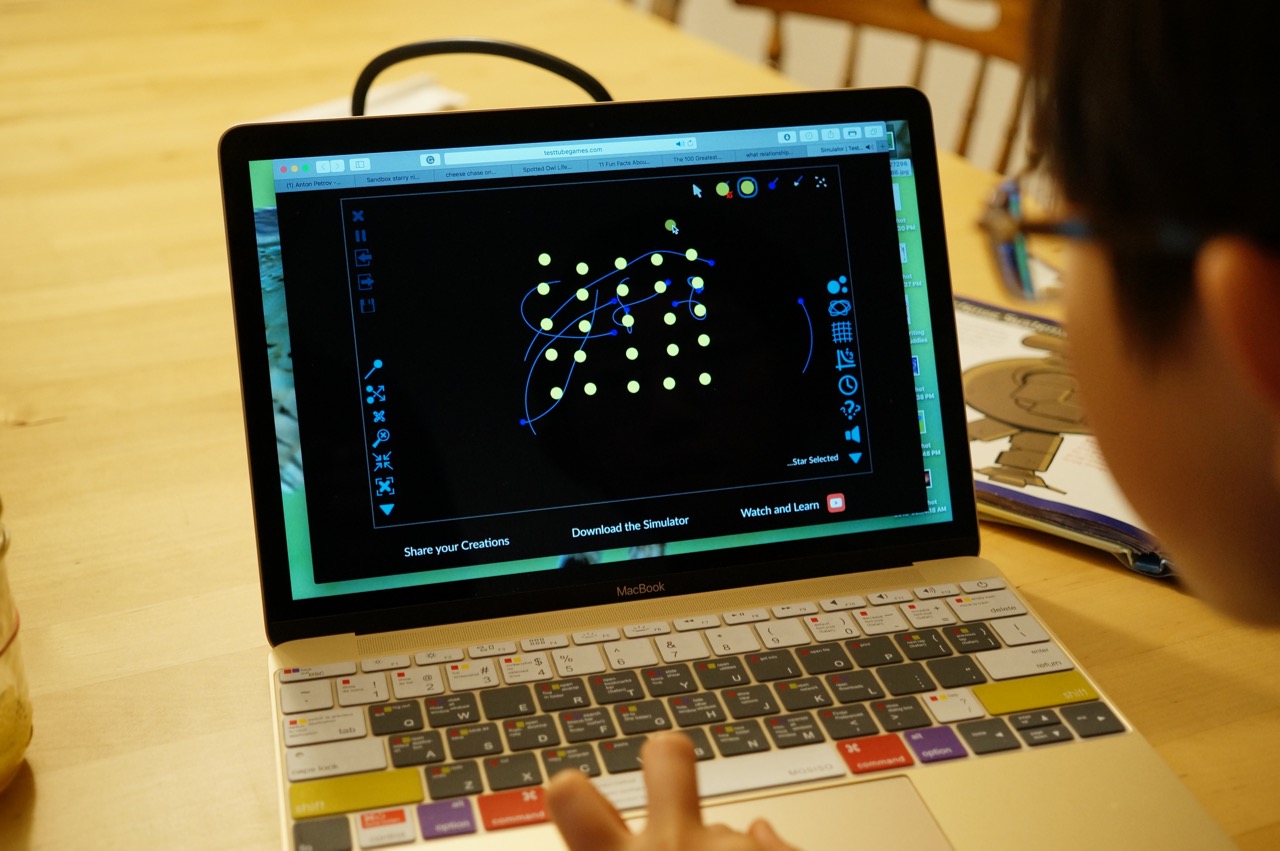
Ethan loves gravity simulators and we found a couple that are pretty cool. They let you choose planets and stars and place them in the solar system to see how they interact with each other.
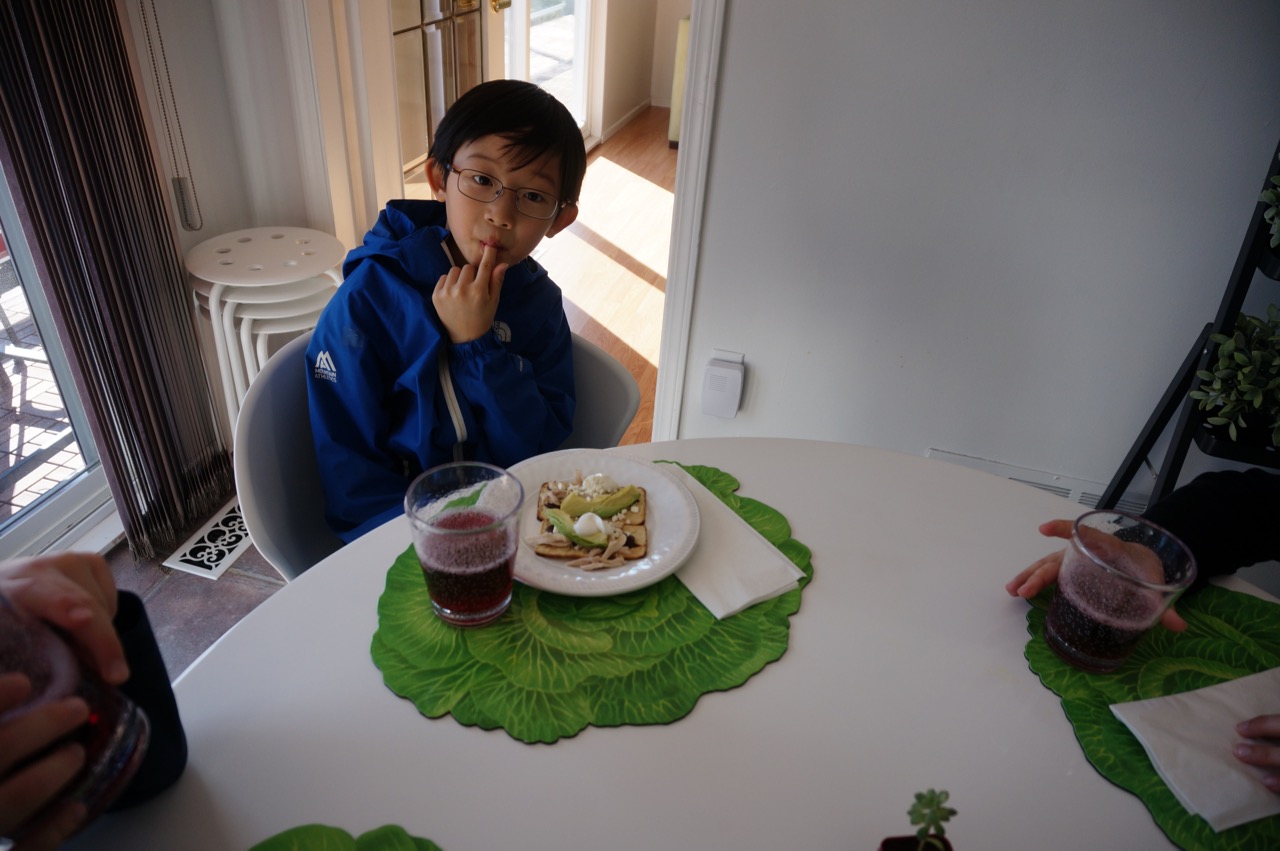
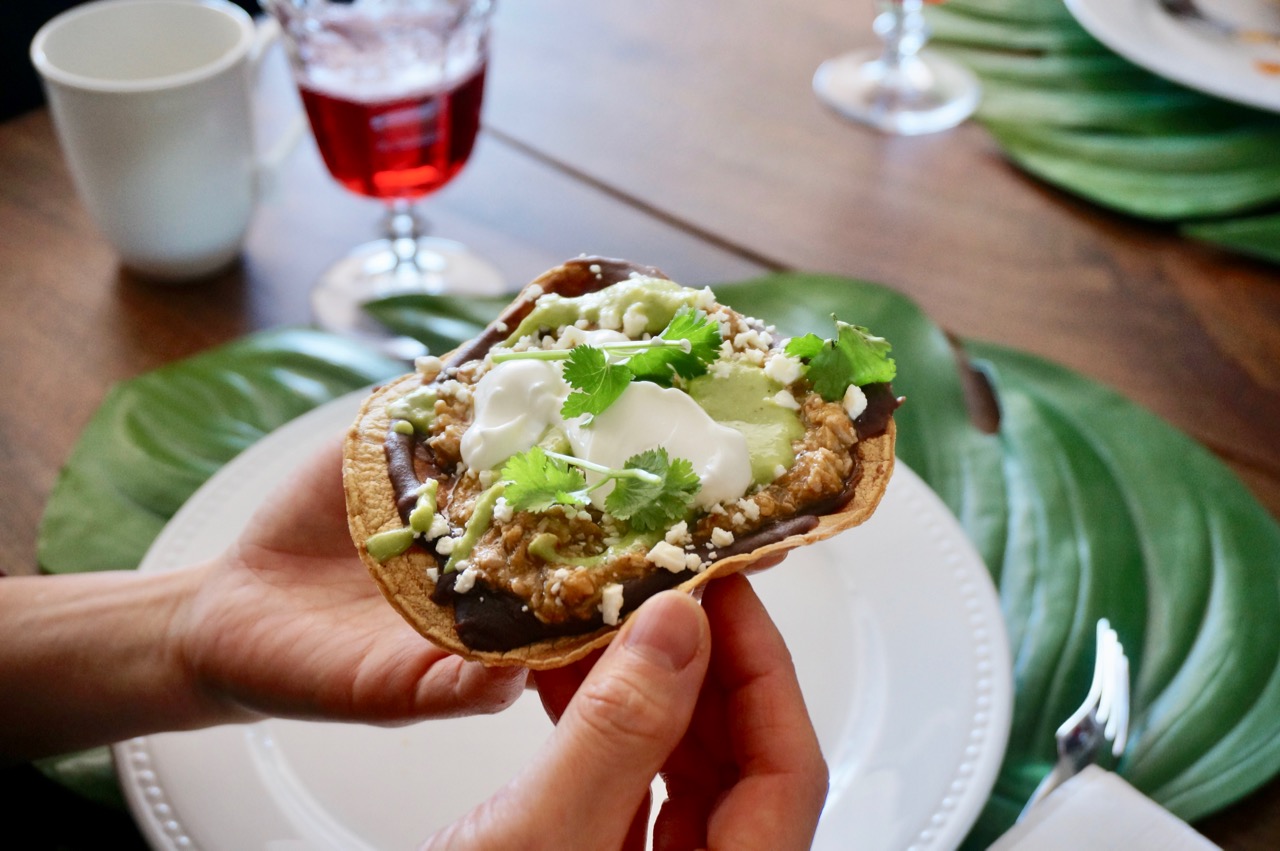
Later that morning, we headed to a friend’s place for an amazing Mexican lunch. We thought Ethan might not like it, but he really enjoyed the new food. Probably helps that Carlos, the dad, is also a professional Mexican chef!
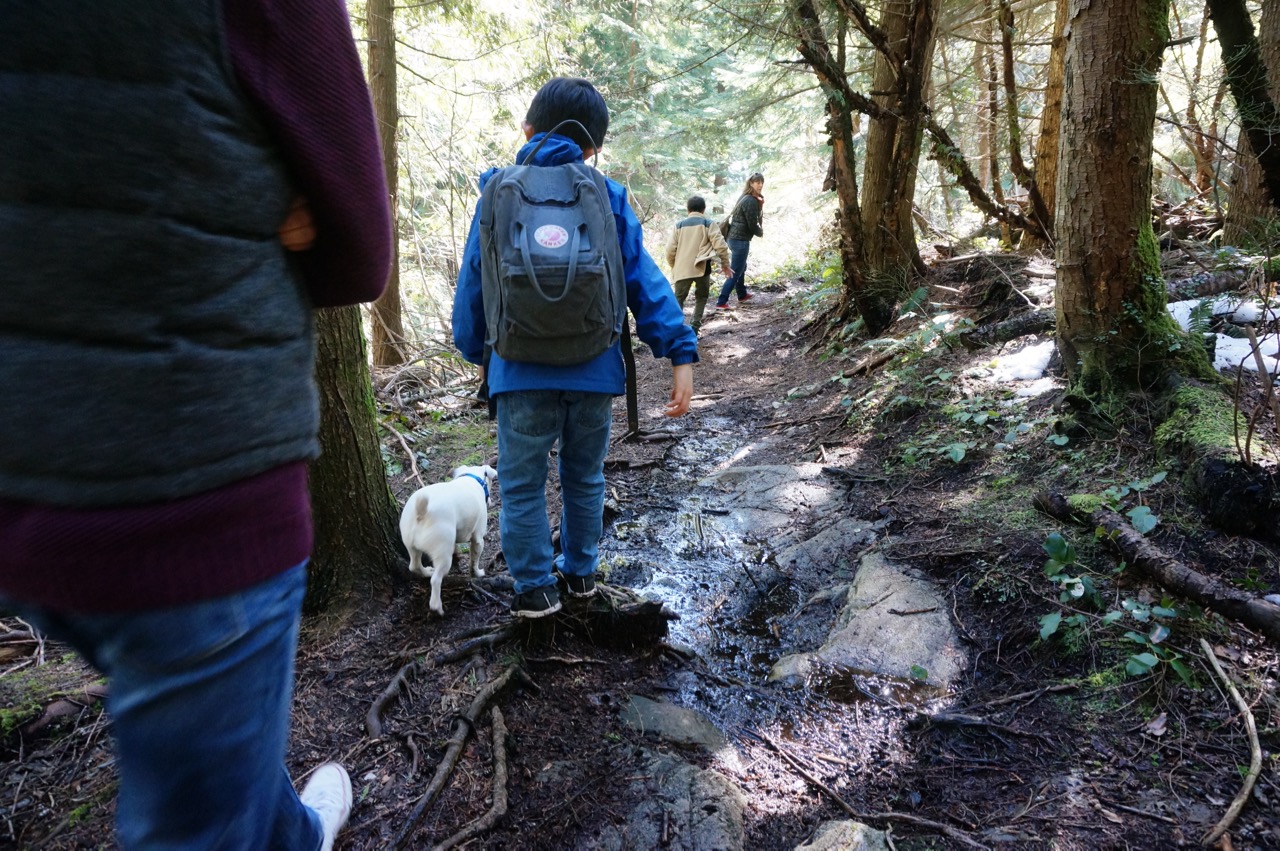
After lunch, we all took a short walk through the woods near our friend’s house. They have a dog so Ethan and the other kids took turns walking him.
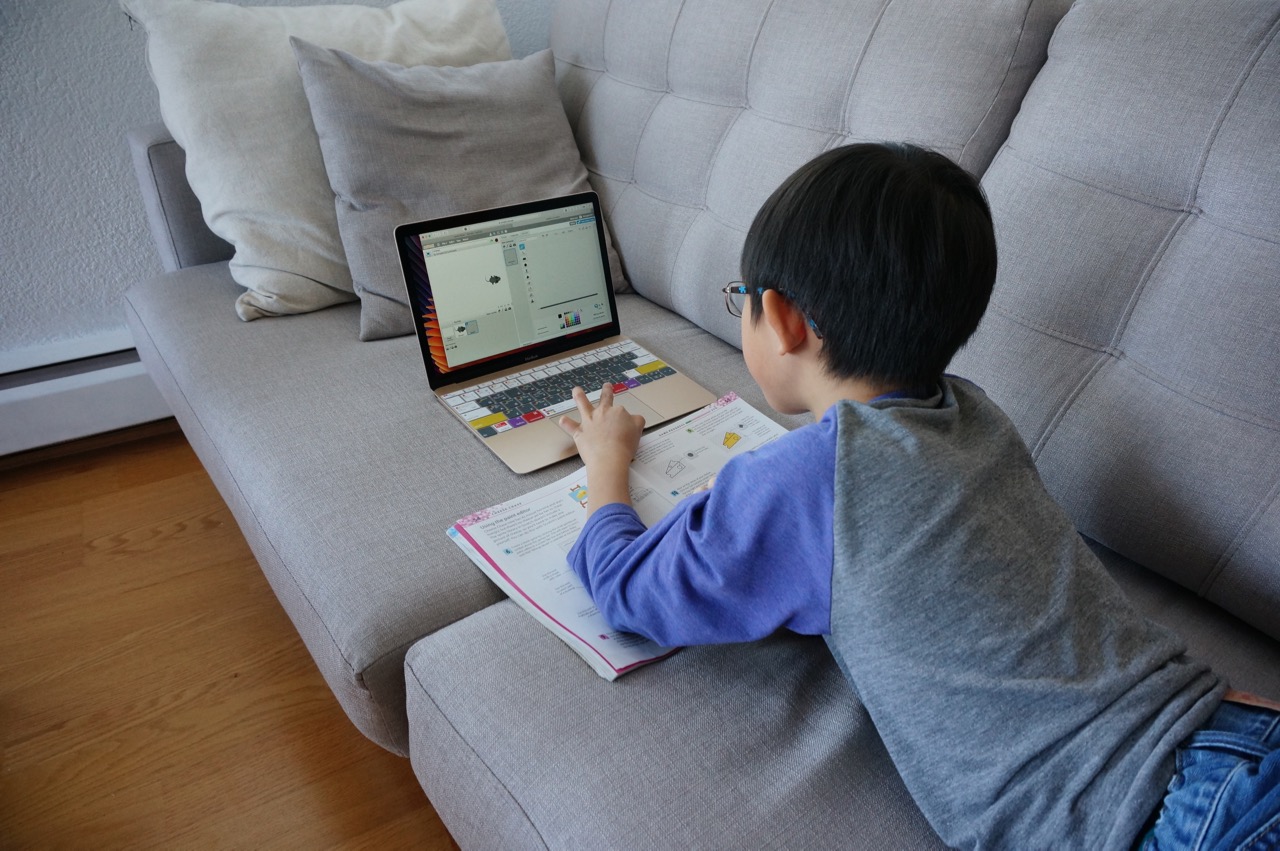
Back at home, Ethan went to work on a coding project.
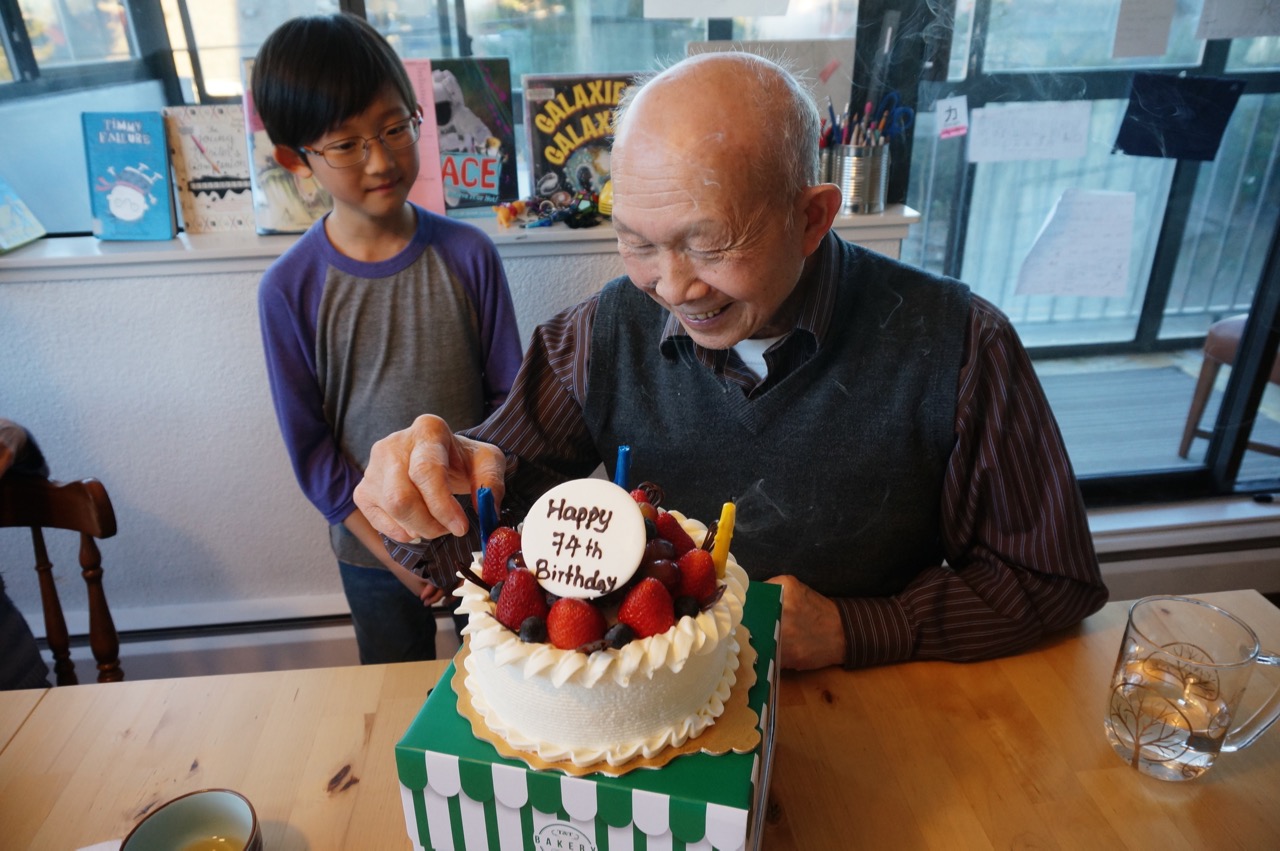
Then my dad came over and we celebrated his 74th birthday. Ethan made him a birthday card.
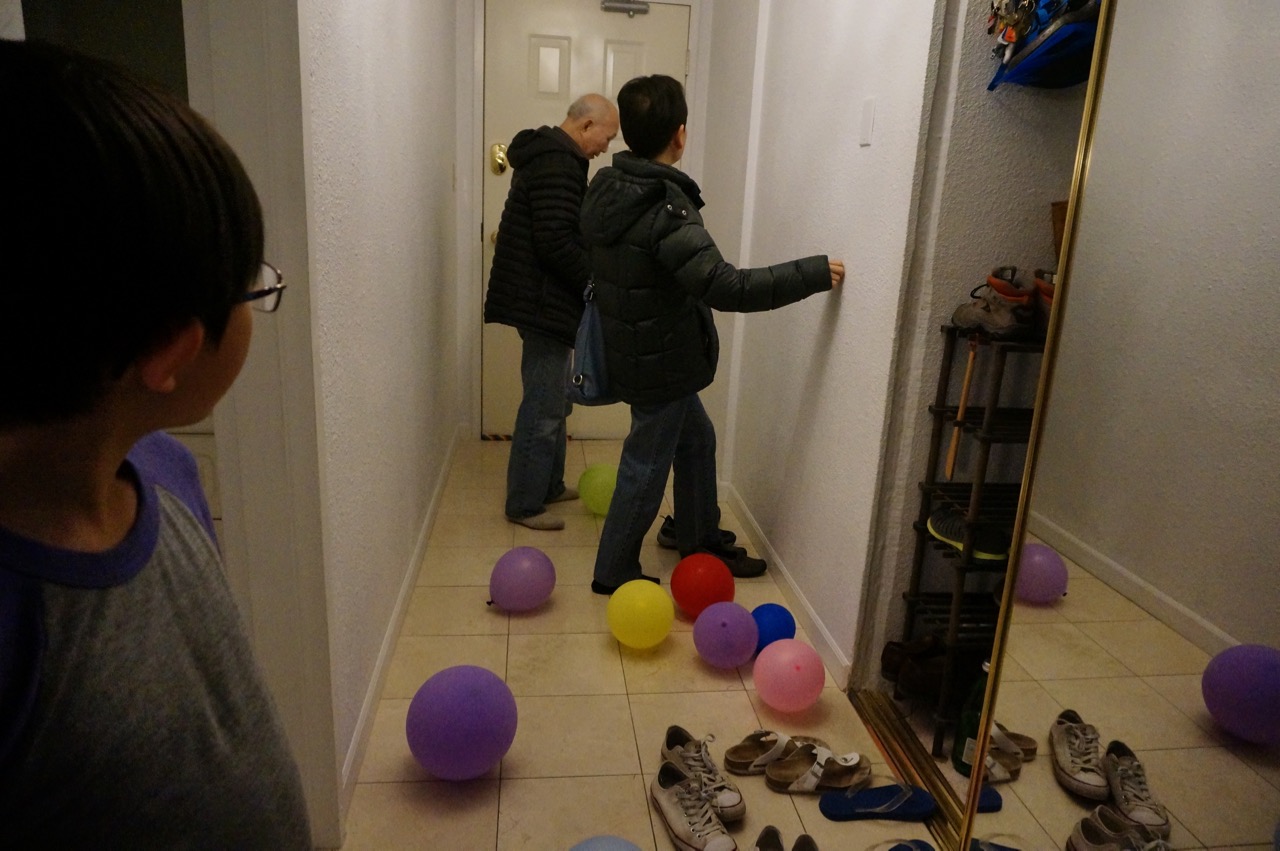
He also blew up a bunch of balloons and placed them by the door as a surprise.
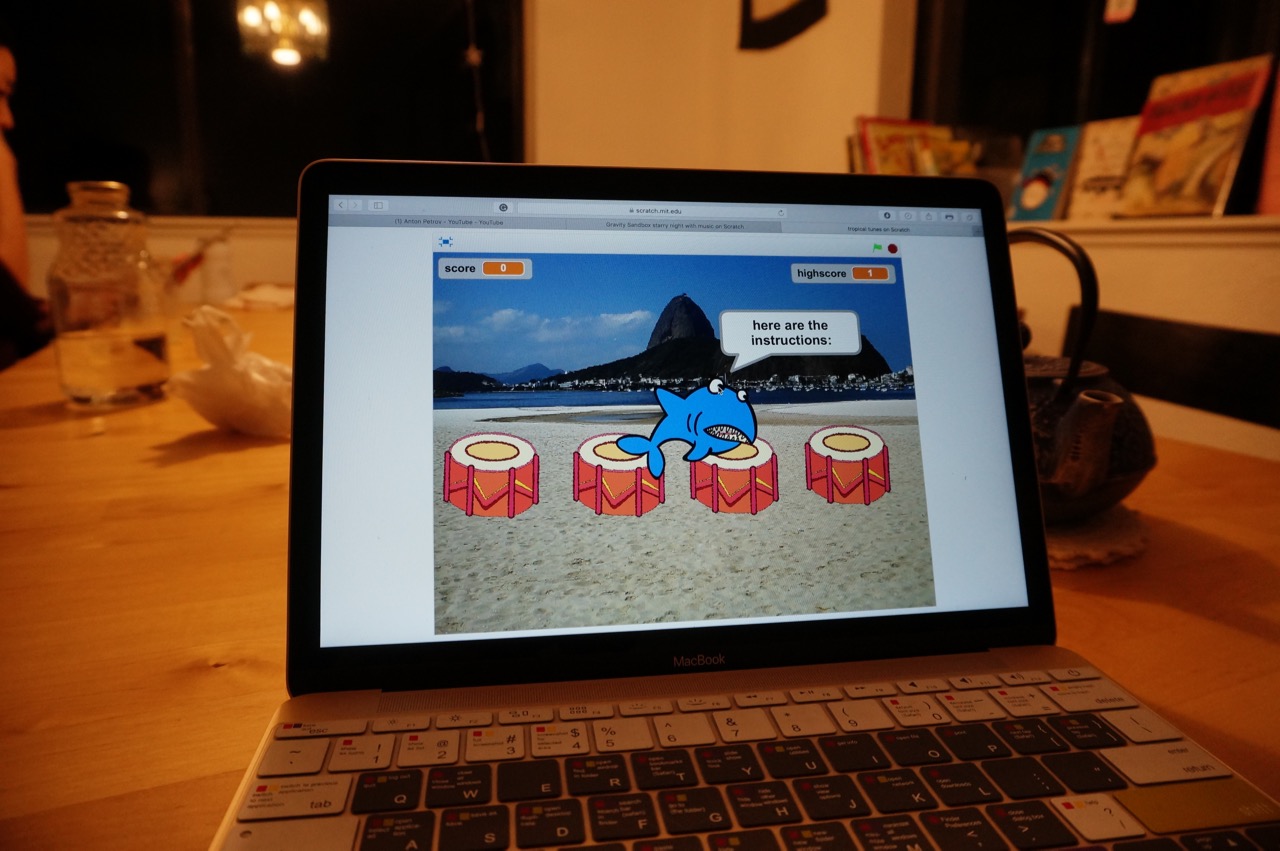
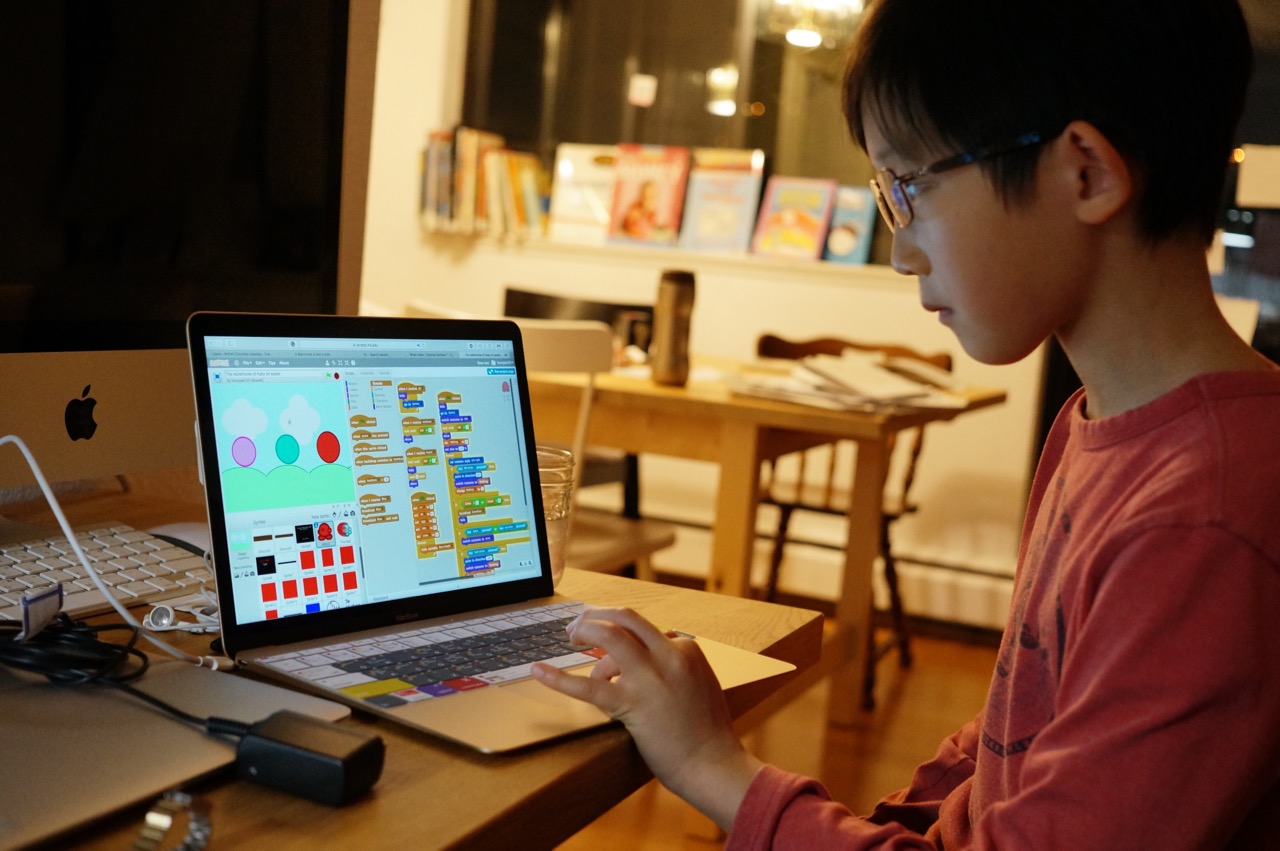
After dinner and the birthday cake, Ethan showed us the game he was working on in Scratch. There are games online that let you modify the code and that’s what Ethan did with this one.
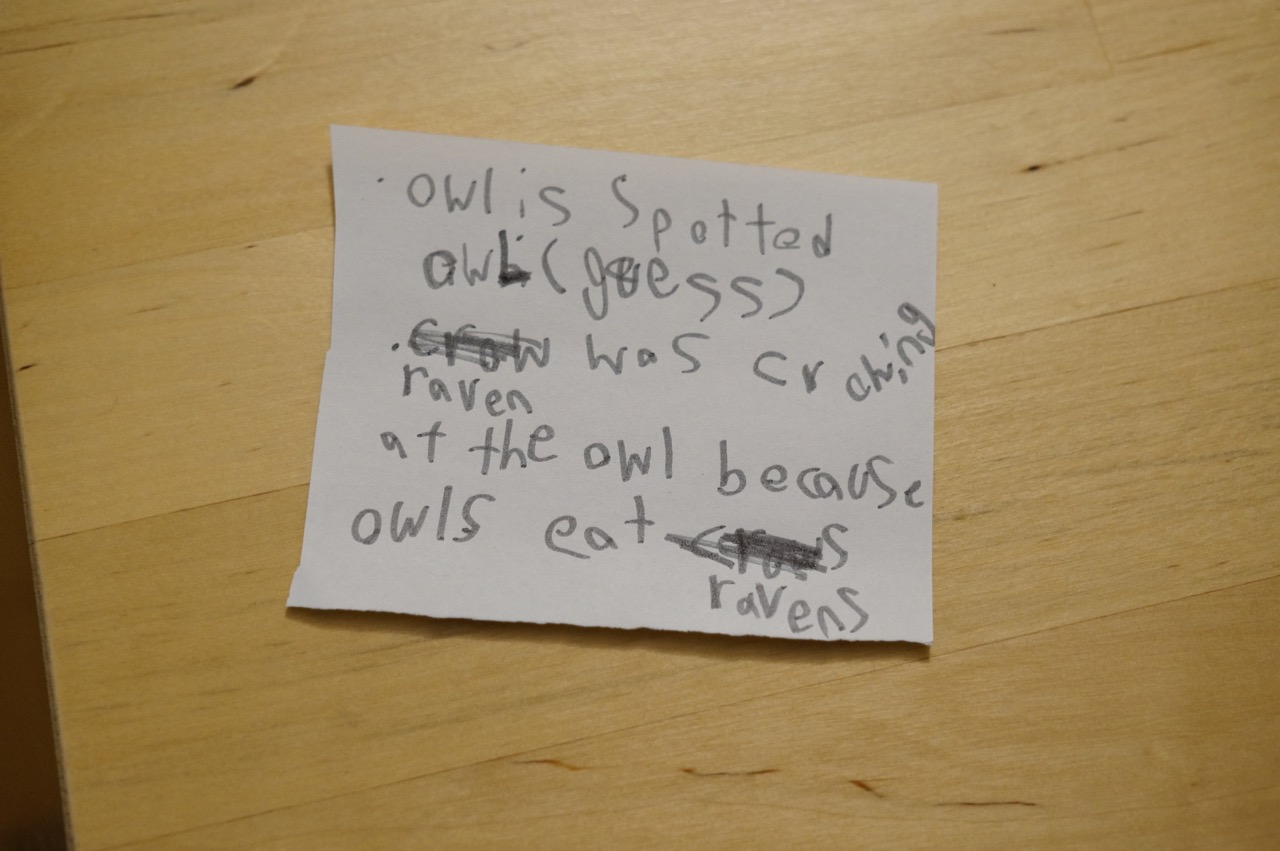
For nature school, Ethan had to identify an owl species they saw and think about why a raven was cawing at it.
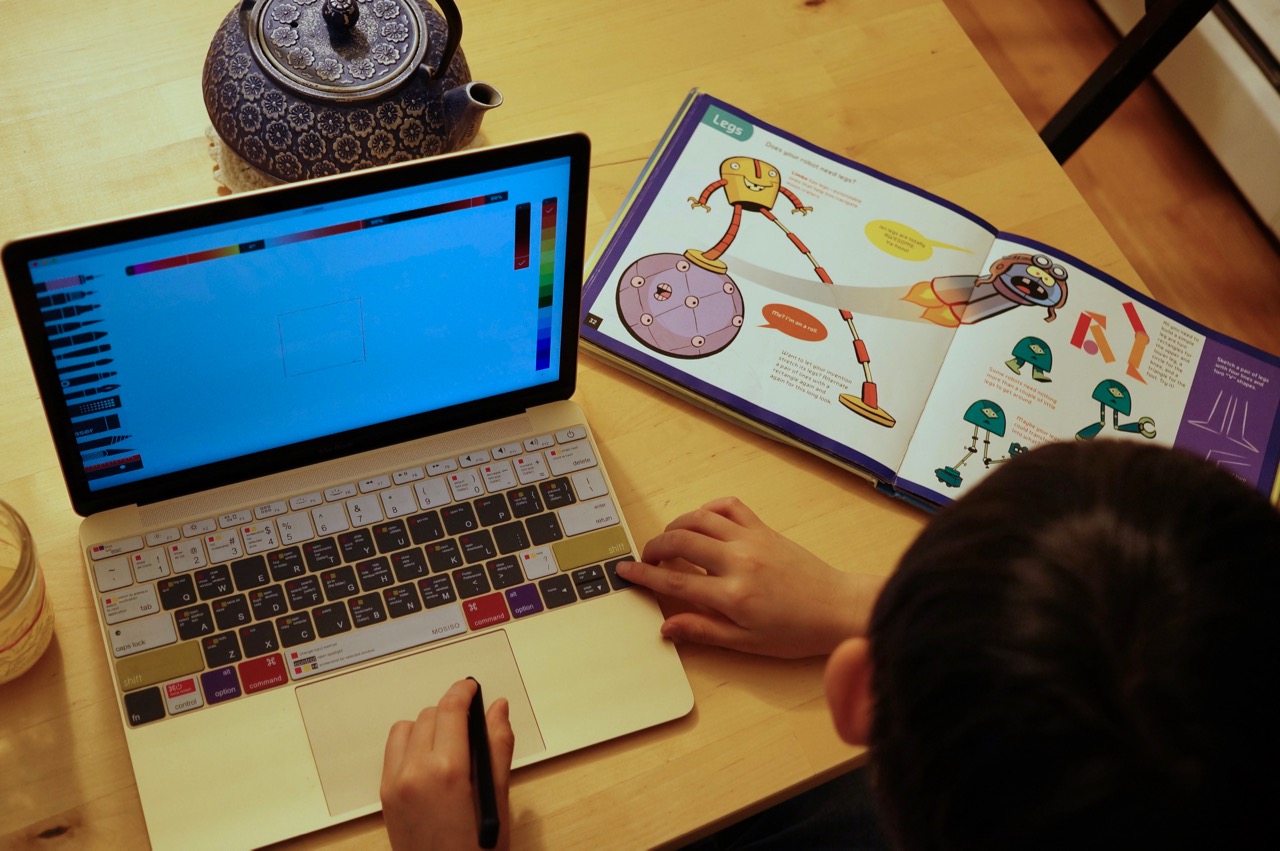
Ethan used a drawing program to try and draw some robots from a book about how to draw robots 🙂
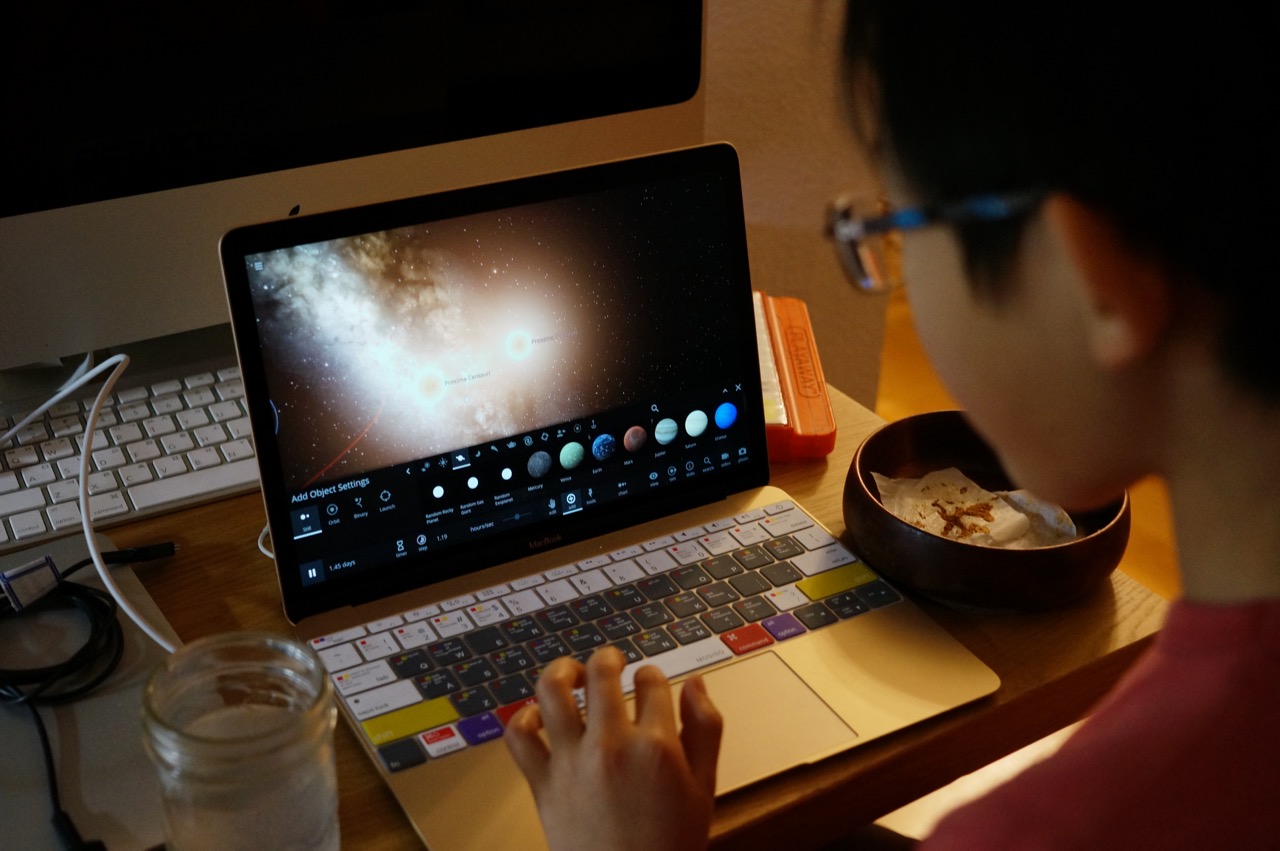
This is the gravity simulator. Ethan has a bunch of large stars, suns, and there are planetary bodies orbiting them.
March 12
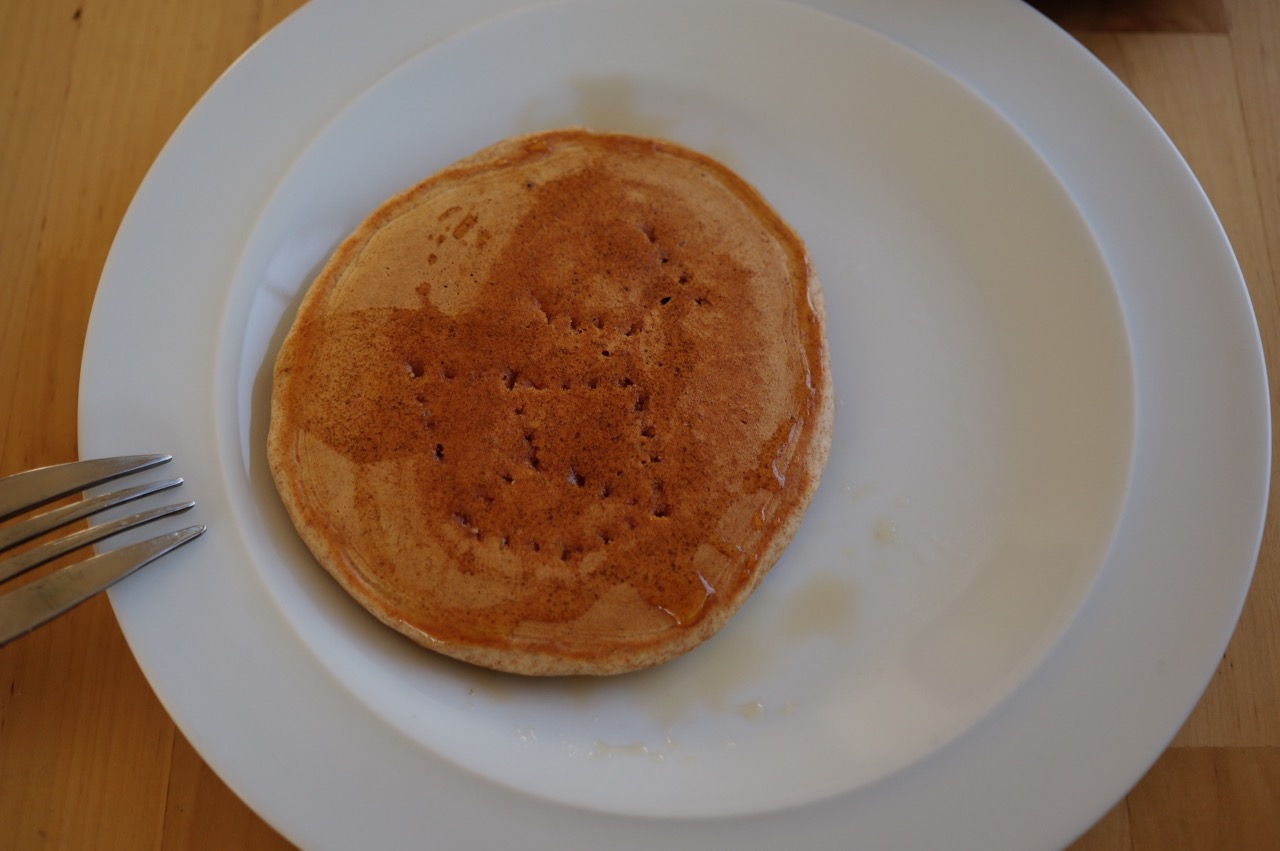
At breakfast, Ethan drew a 3D cube into his pancake. He obviously loves 3D drawings if he’s putting them into his food 🙂
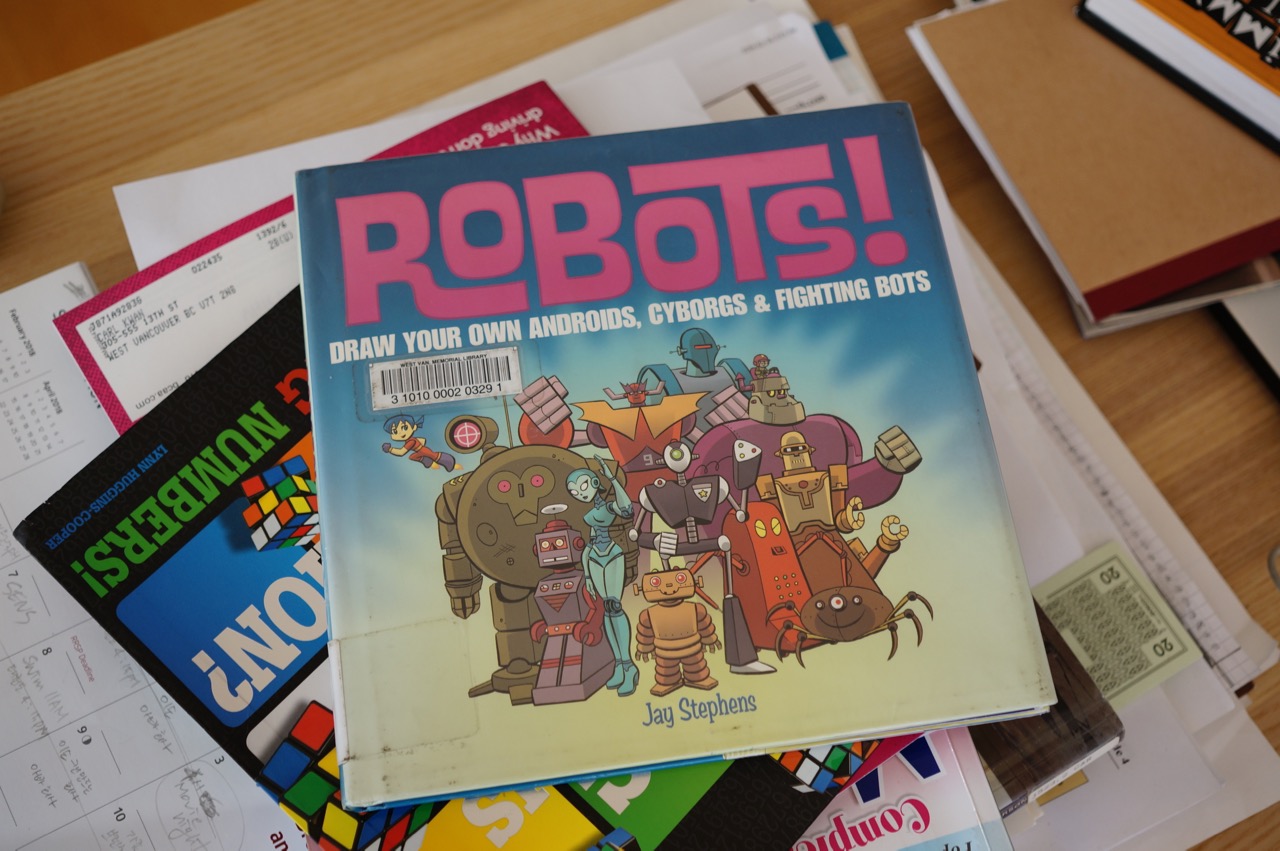
He’s also been really into this drawing robots book.
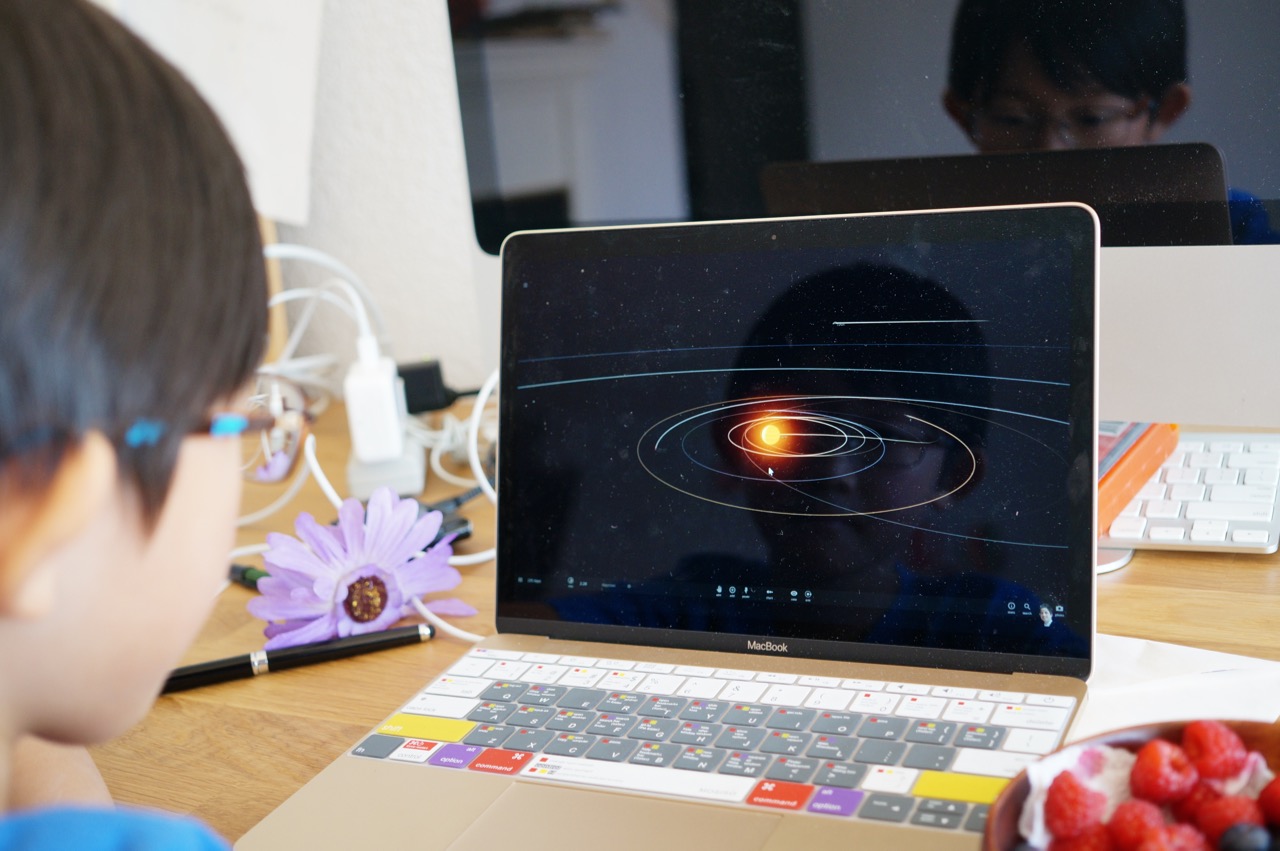
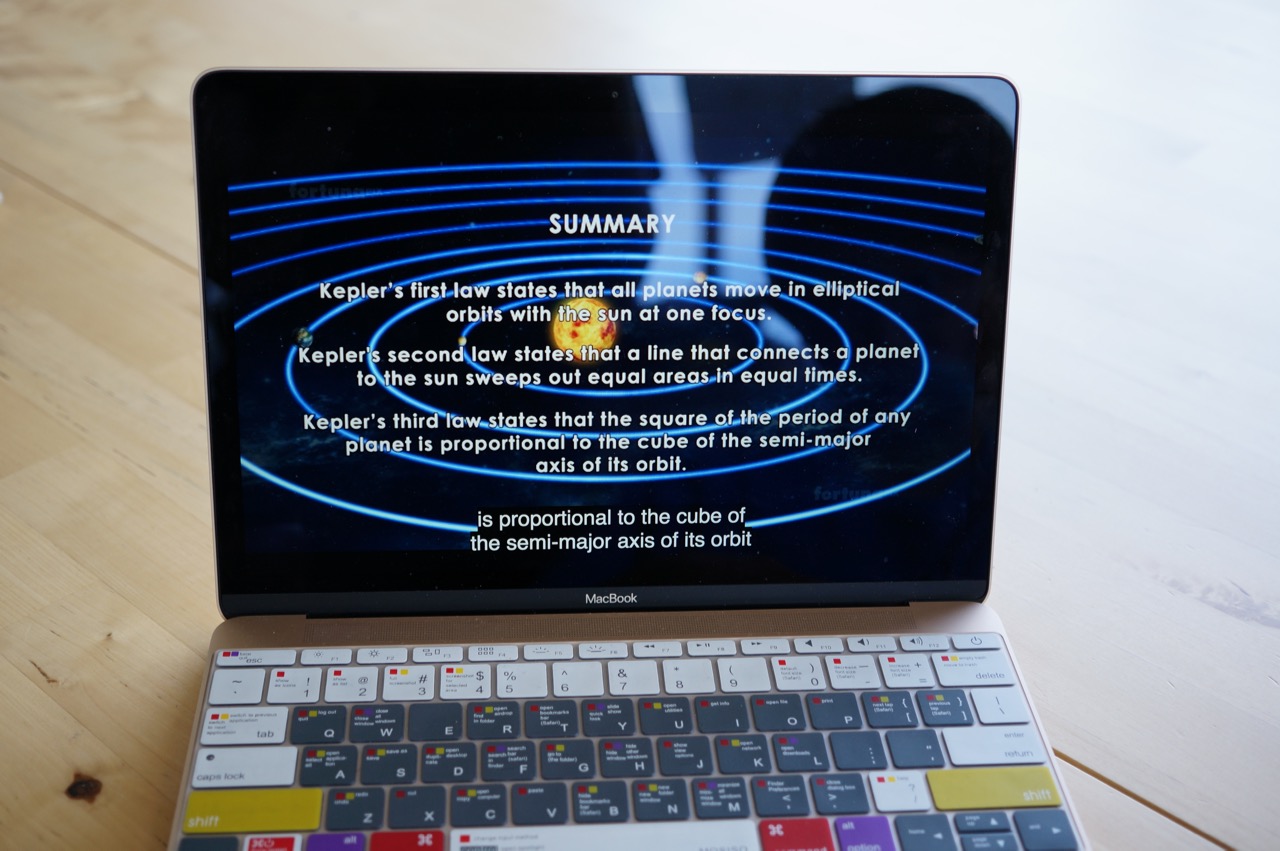
This is a more advanced gravity simulator that Ethan really likes. There are far more options for the types of objects you can place on the screen and everything looks far more realistic.
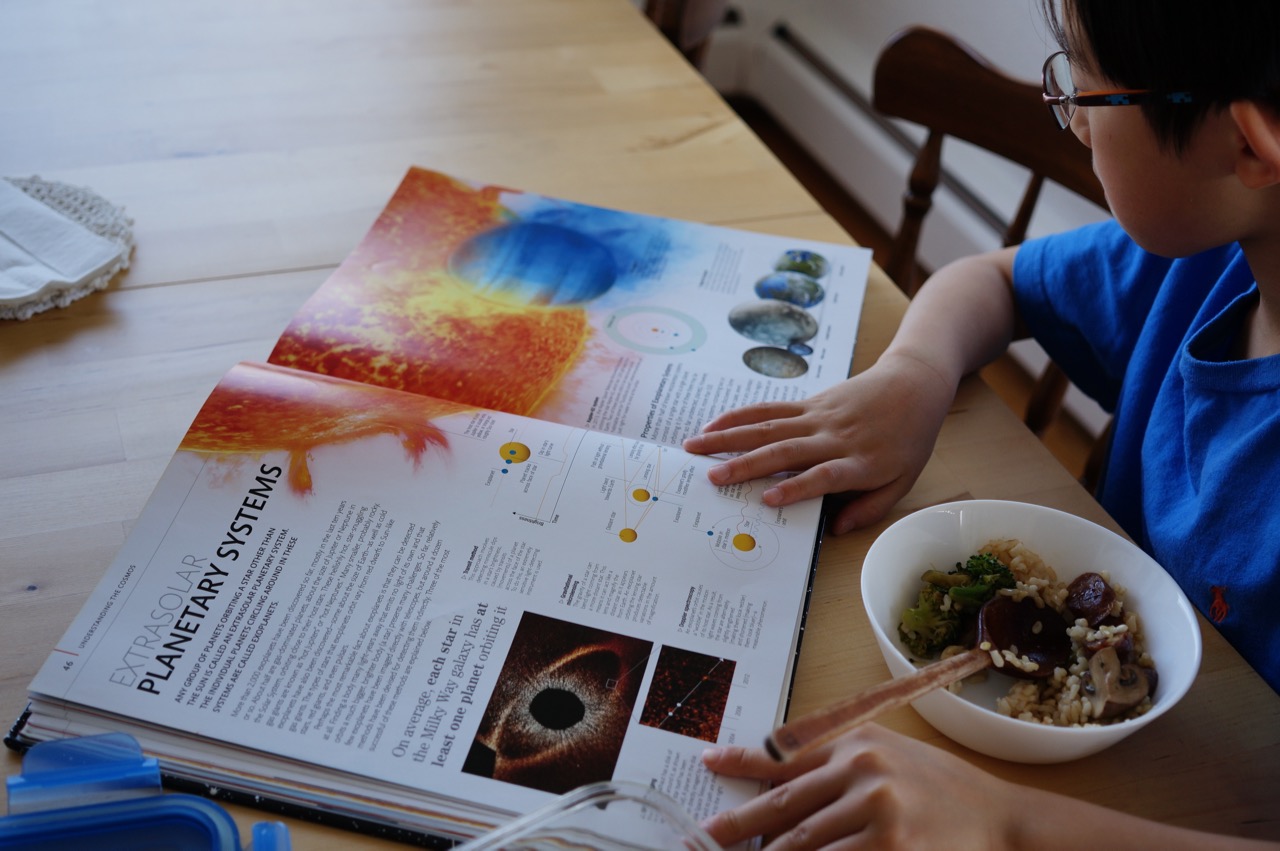
After the simulator, Ethan read up on planetary systems.
And then he watched some videos about the solar system.
It was a nice day out so he went to play with some friends at the playground.
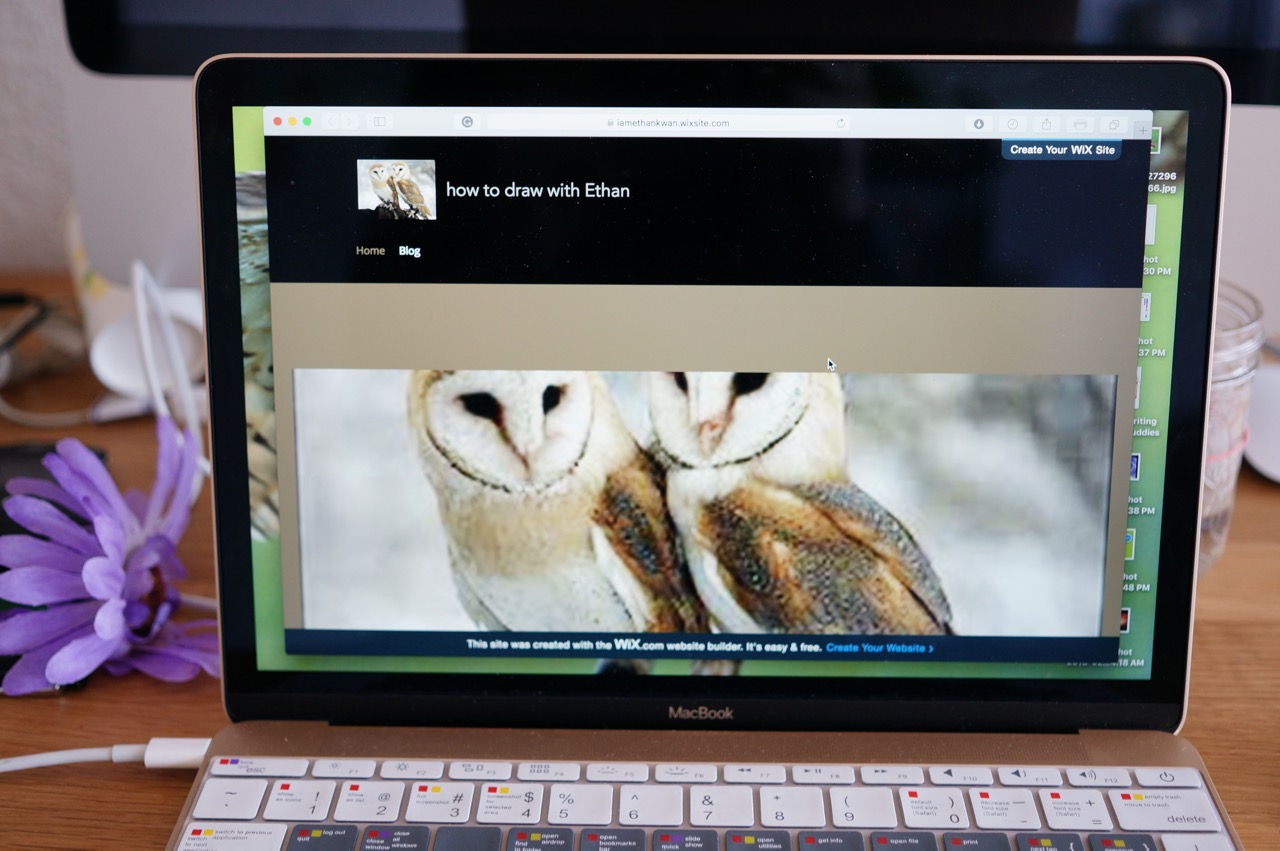
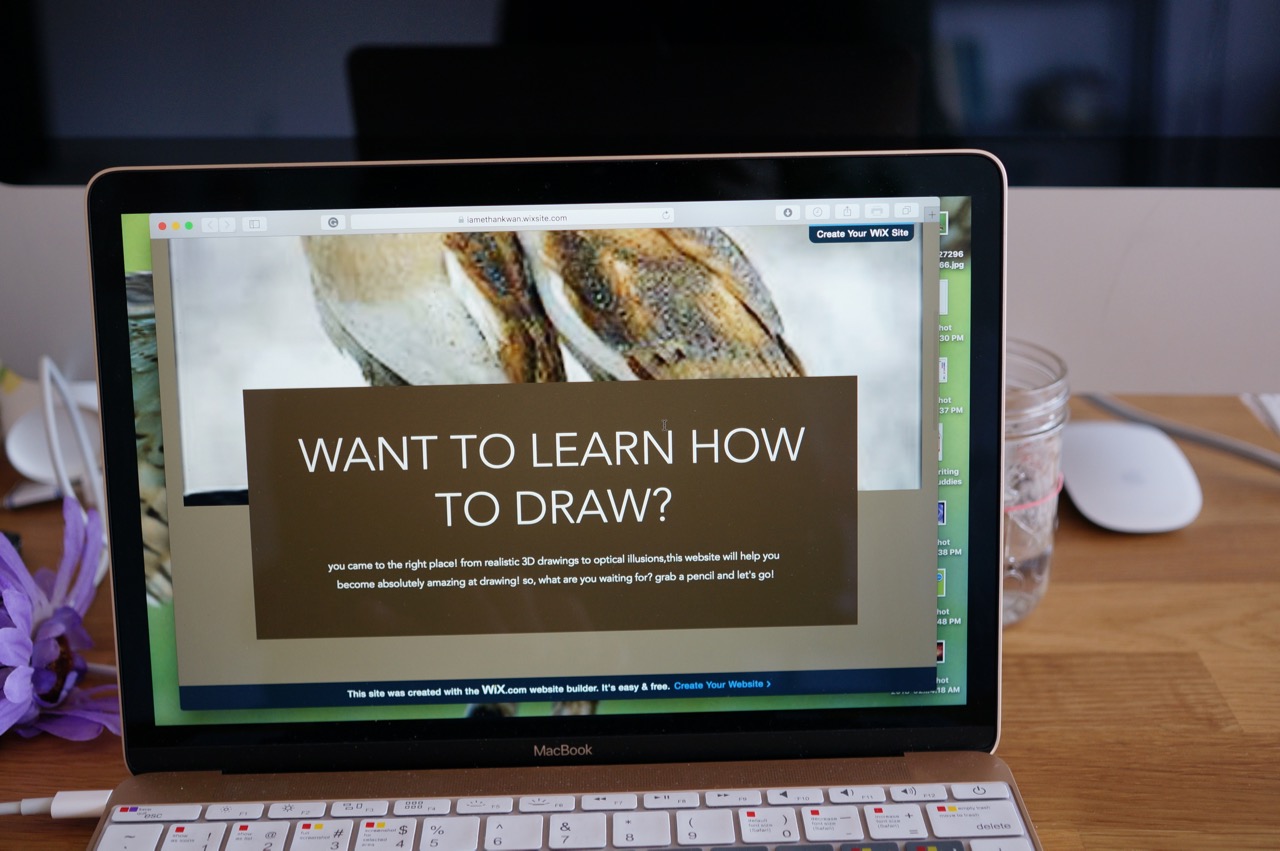
When he came home, he made a new website to teach people how to draw. He used owls on the homepage because he had been doing some research about owls for nature school.
Later, his friend and the friend’s little brother came over to play. Ethan was very good with the younger boy and seemed to quite enjoy playing with him.
March 13
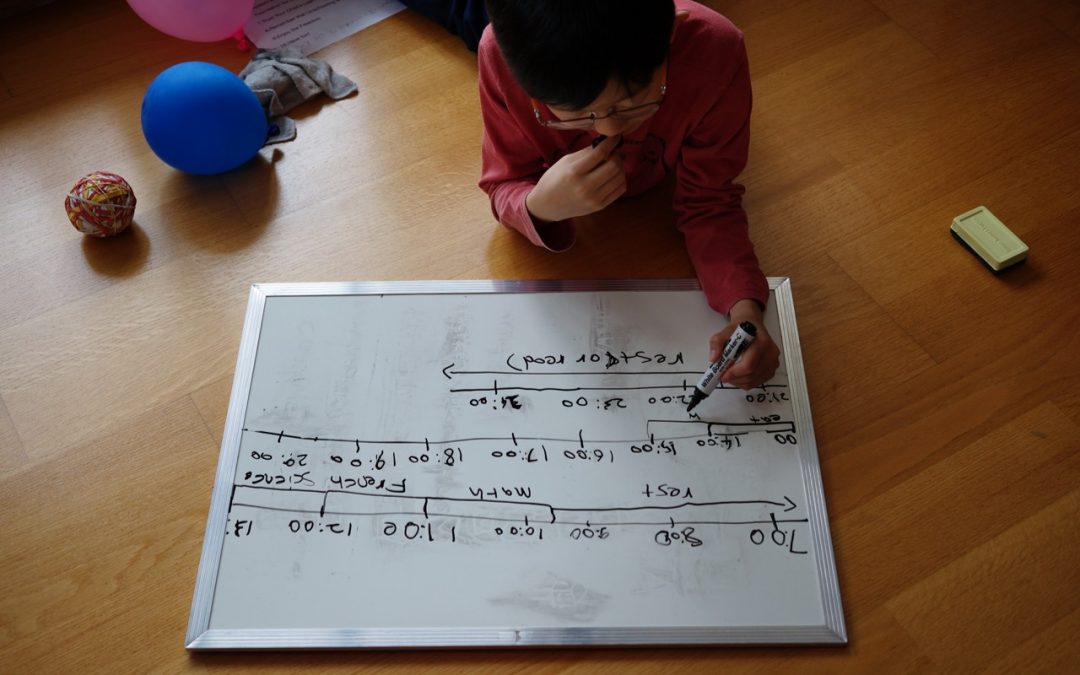
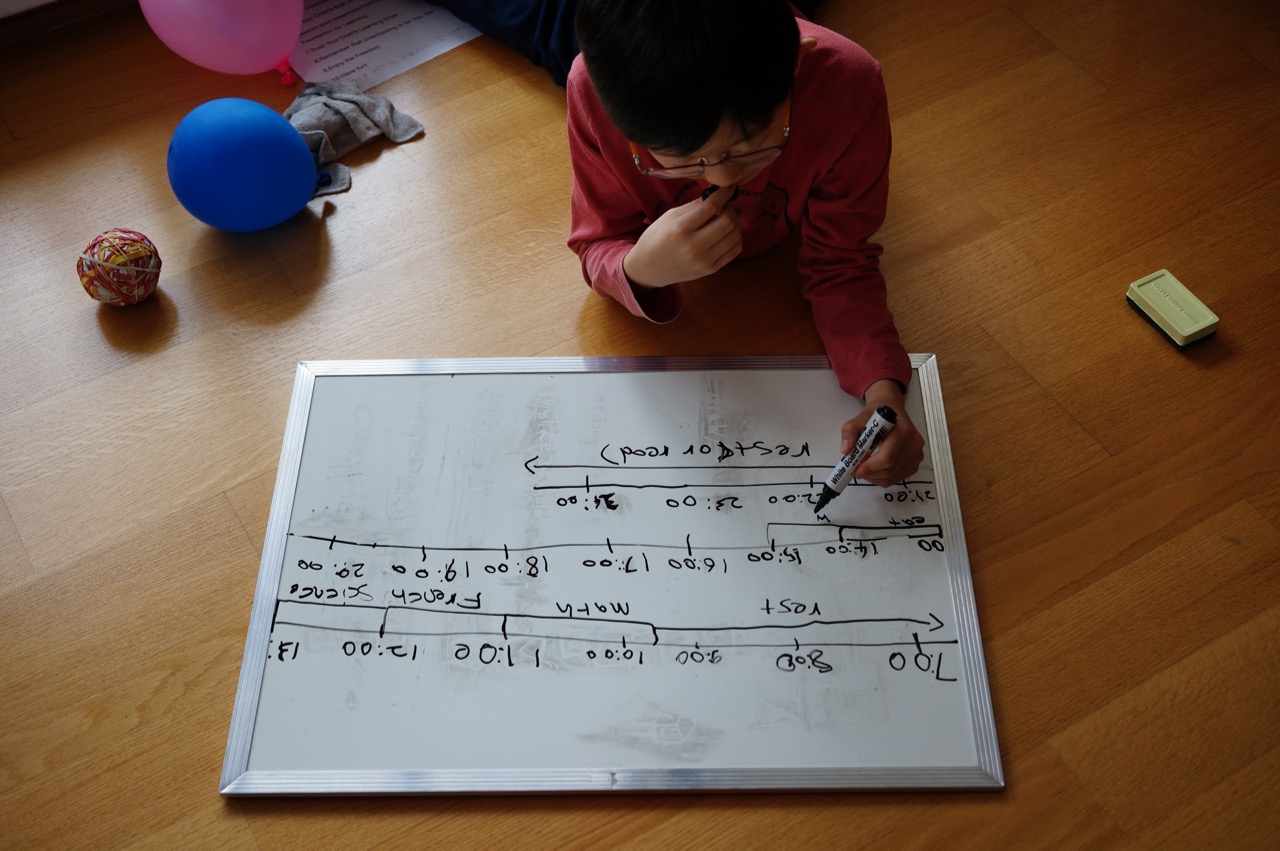
We wanted Ethan to follow a schedule each day but we also wanted him to have some flexibility. So he made a daily time chart to help himself manage his time.
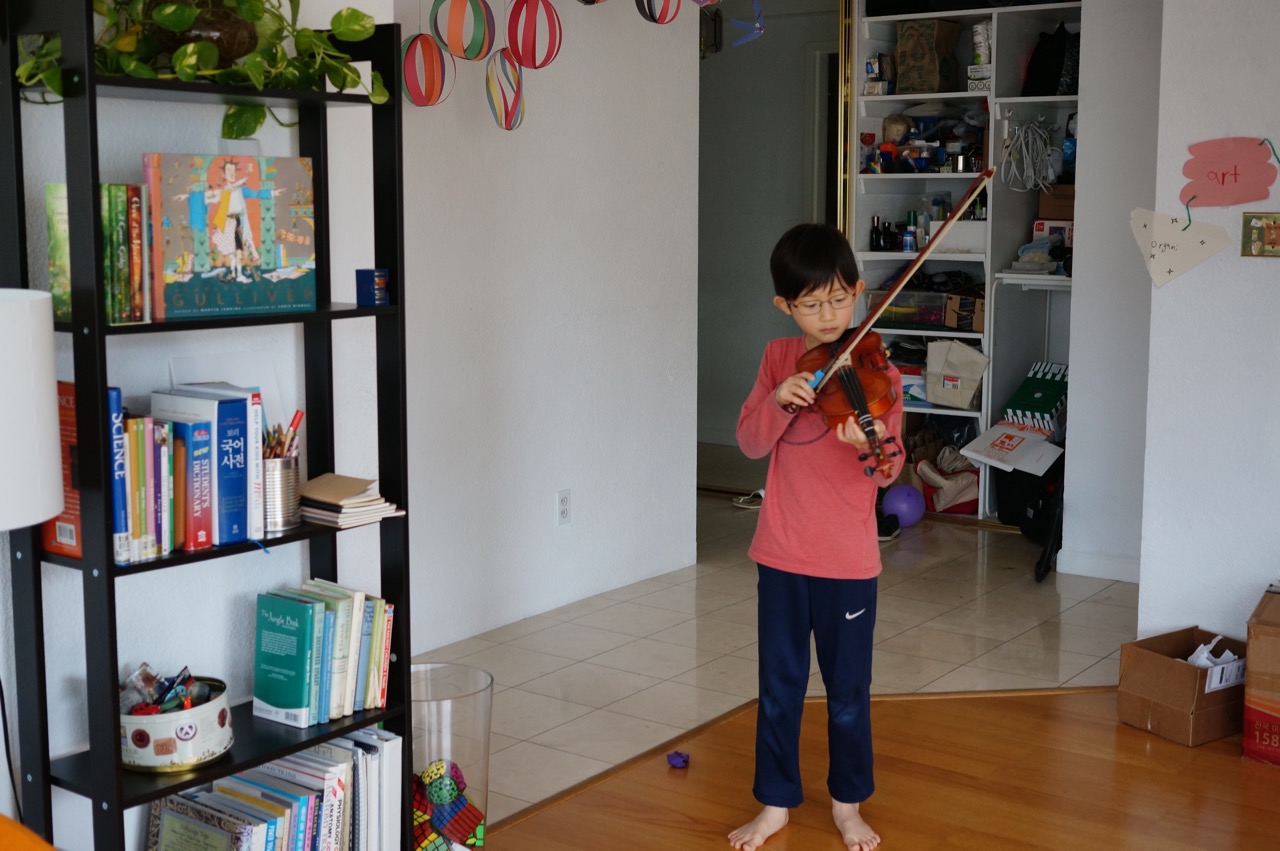
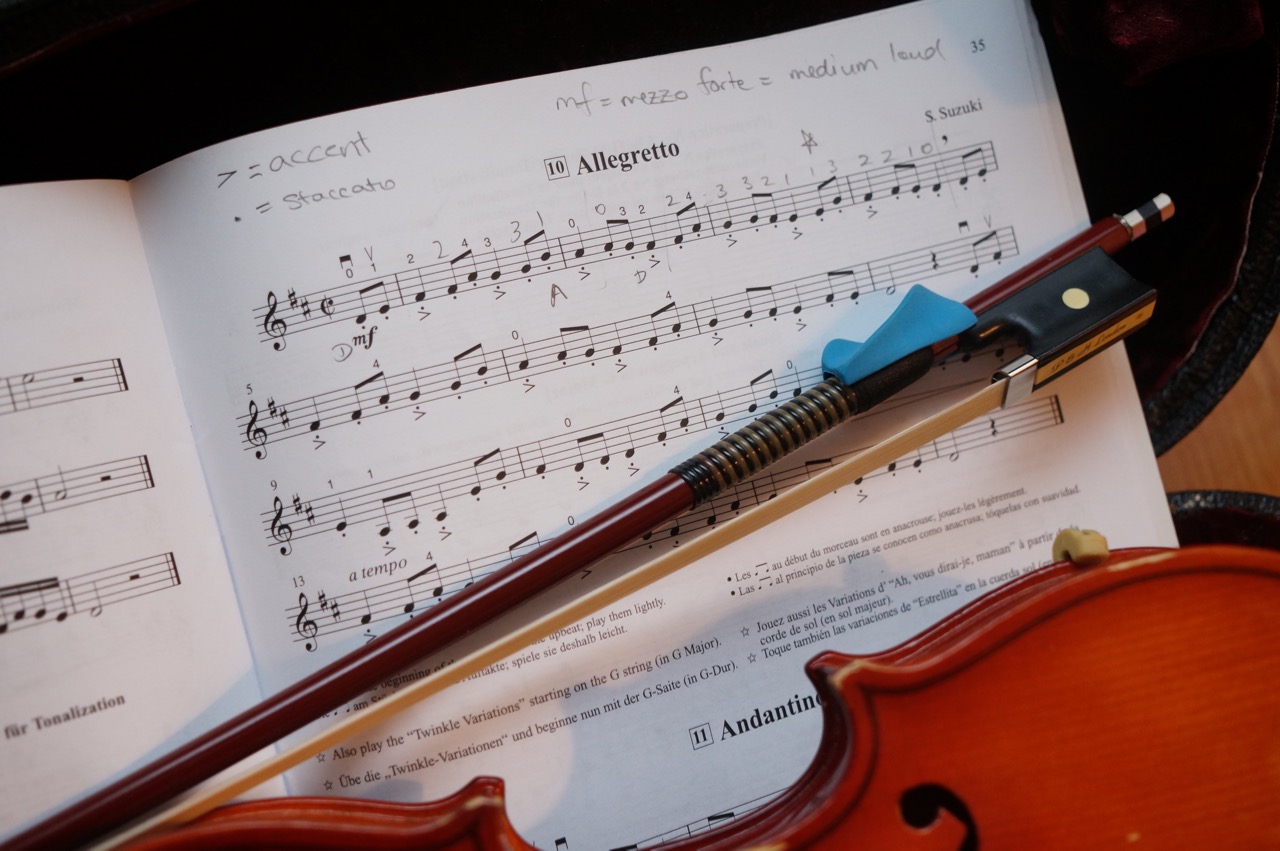
And it was time for violin practice! He’s been practicing every day and gets better all the time. He’s not rushing through it as much, either.
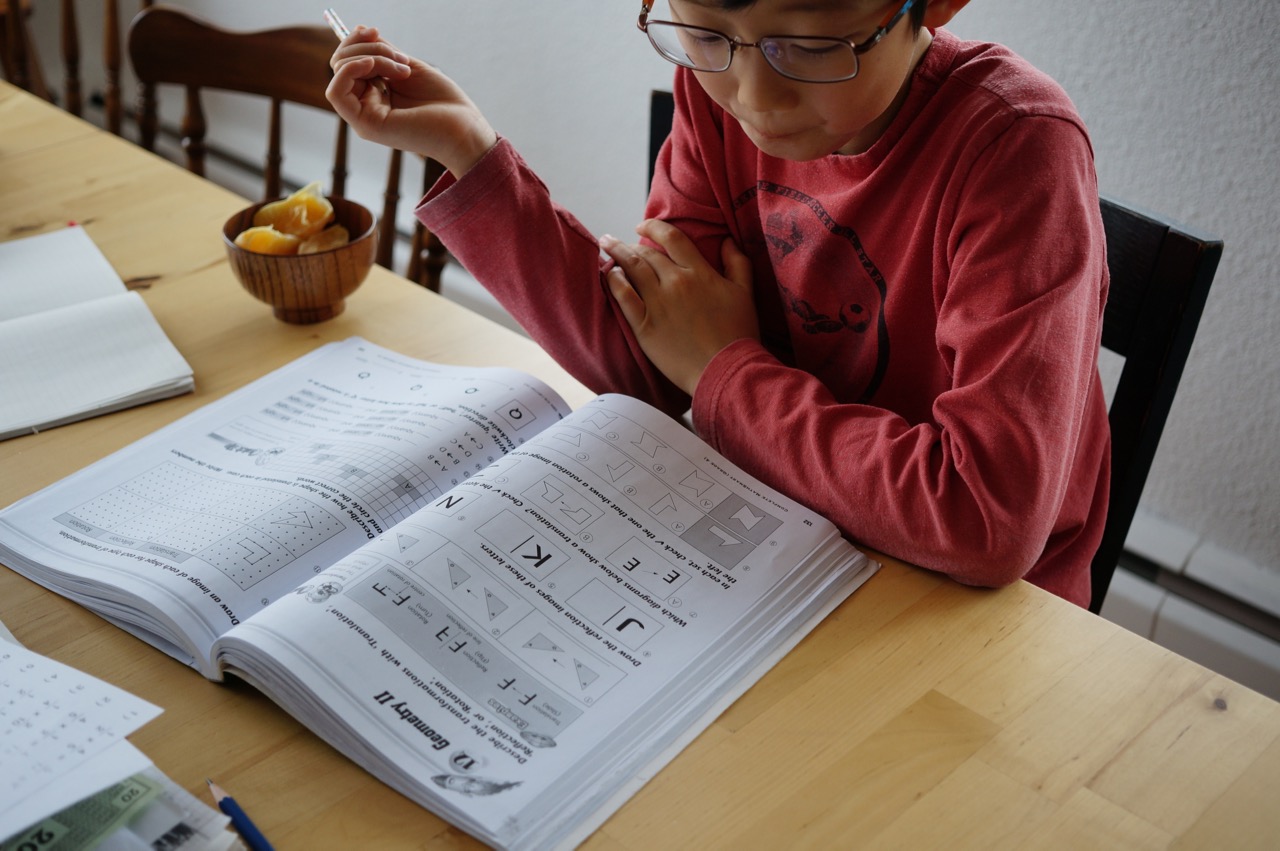
Taking a break and looking at geometry in the math workbook.
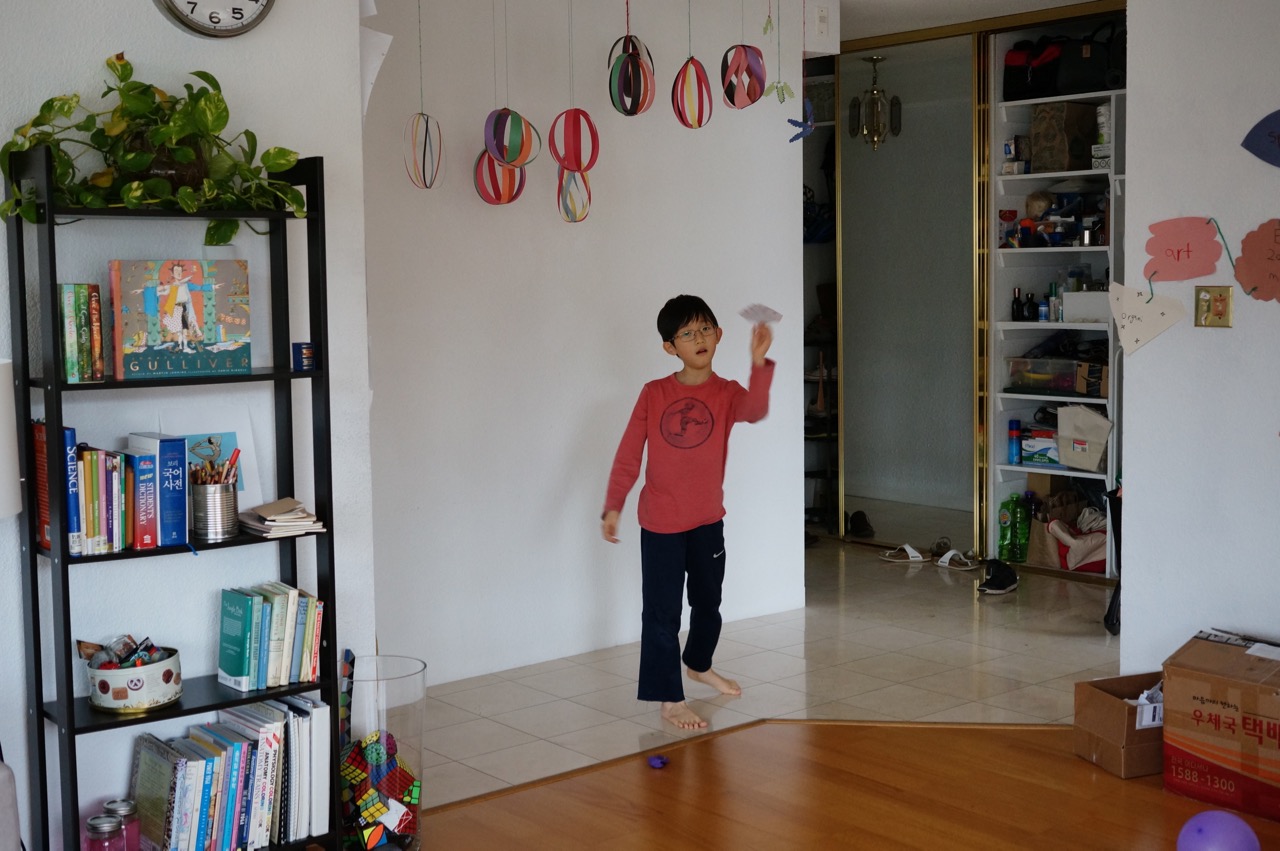
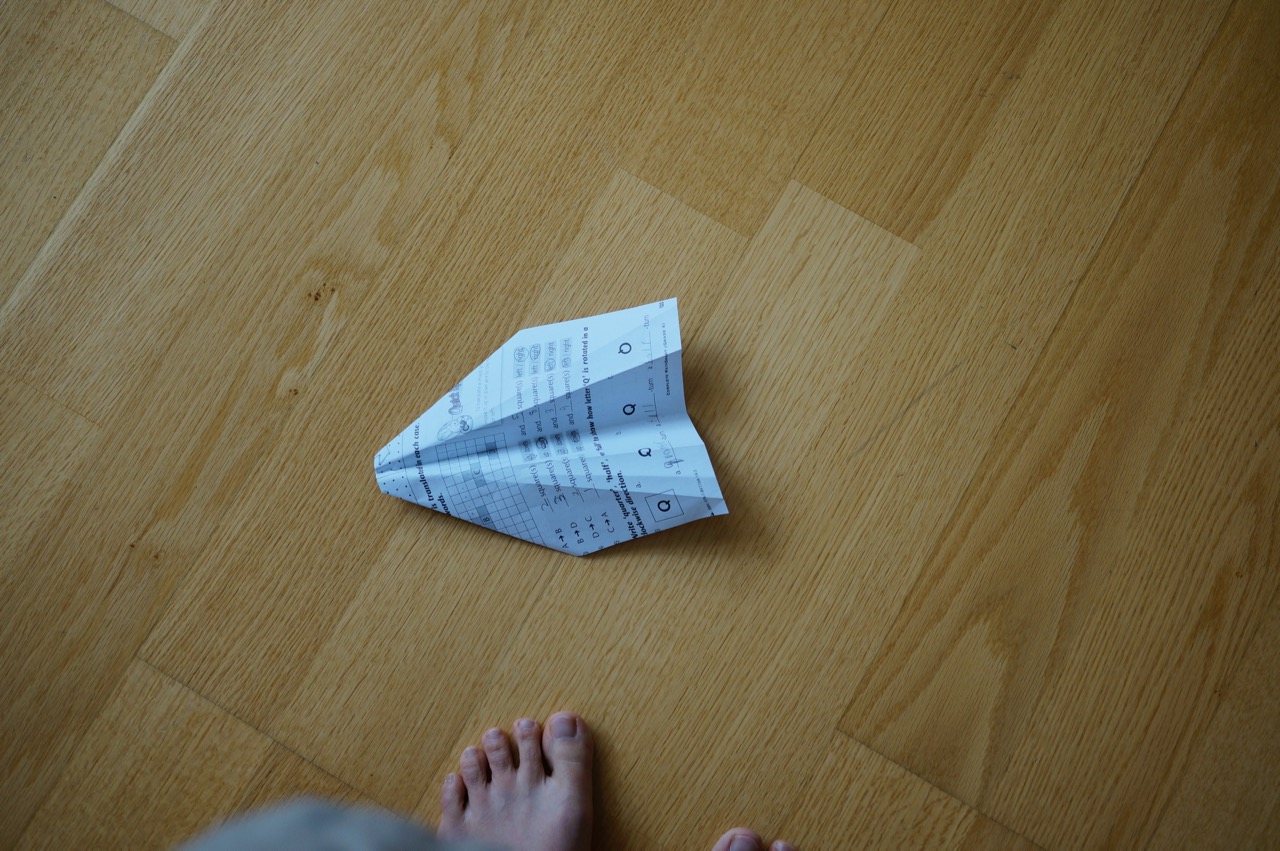
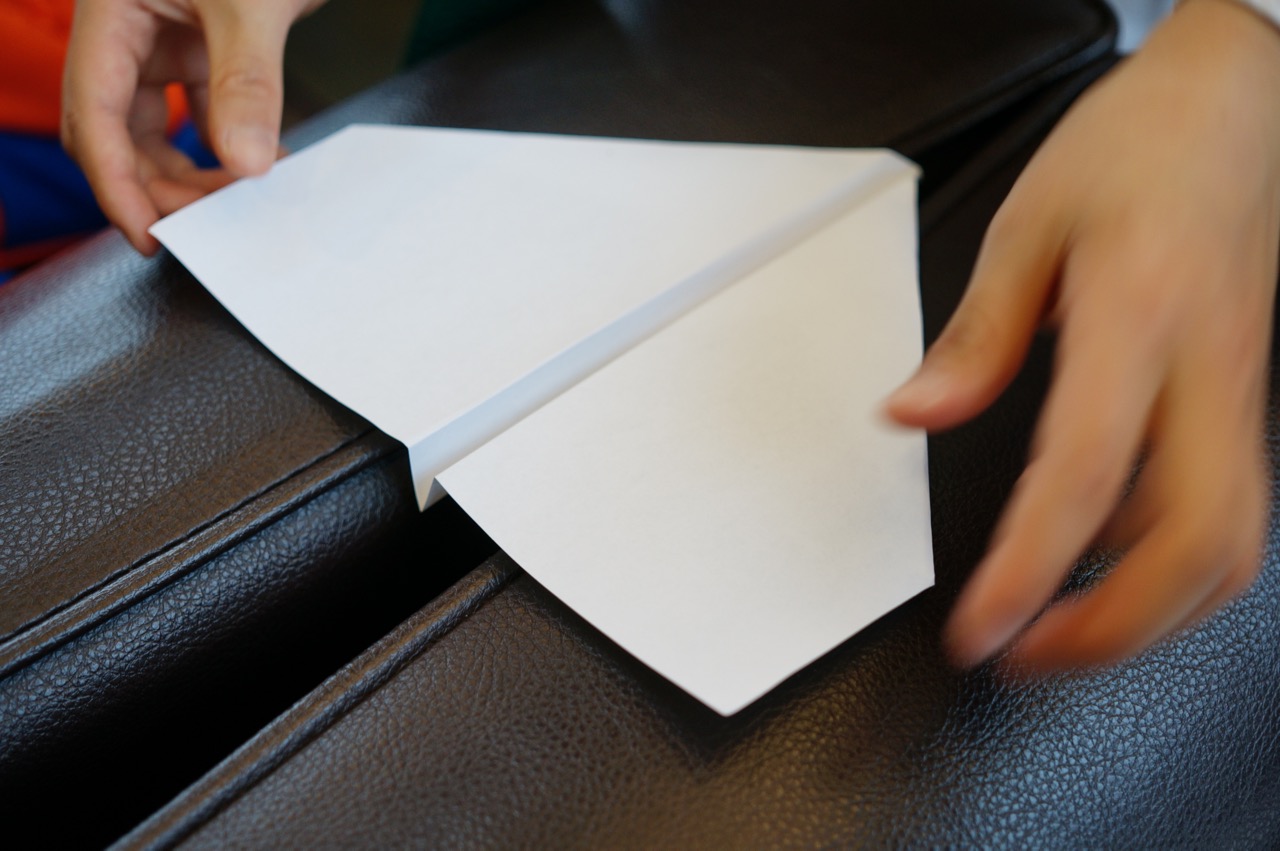
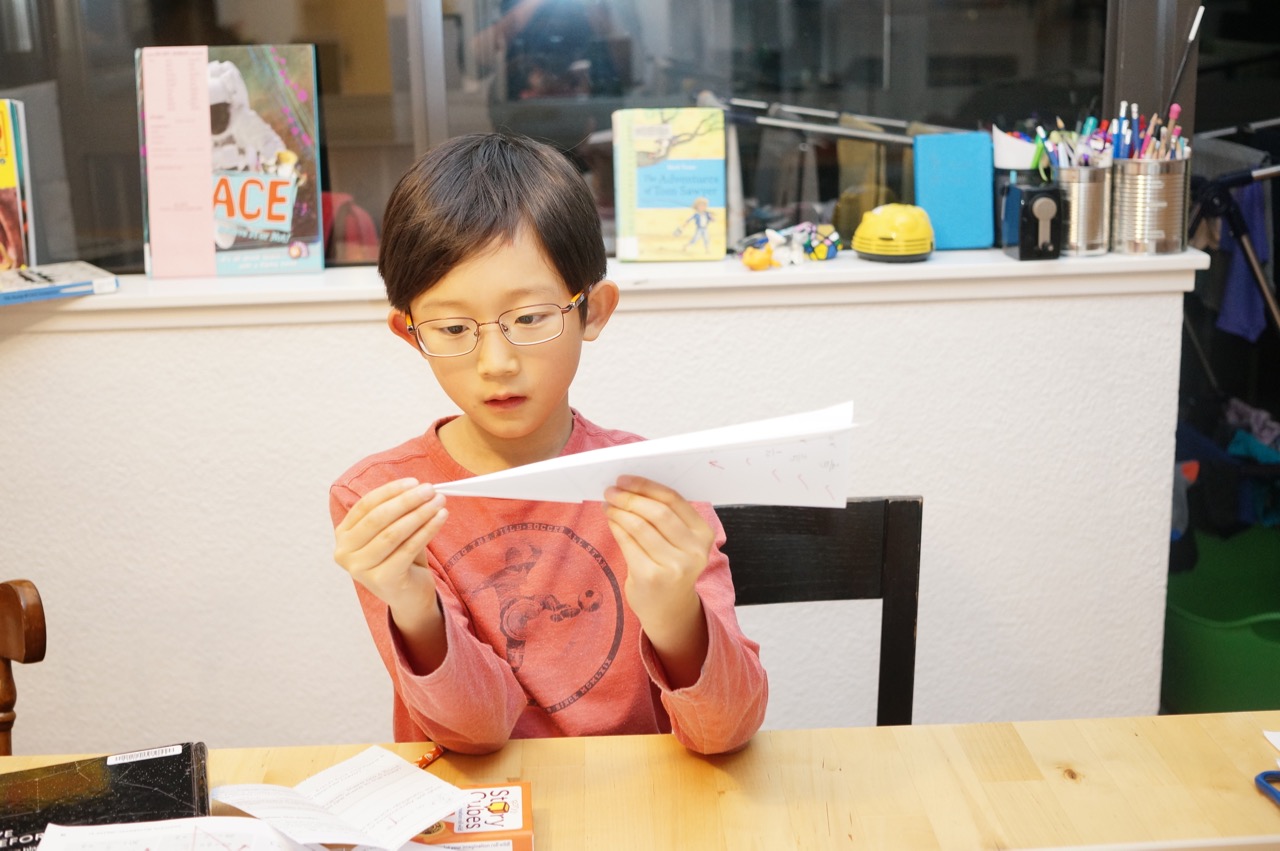
Next, Ethan tested out some paper airplane designs he learned.
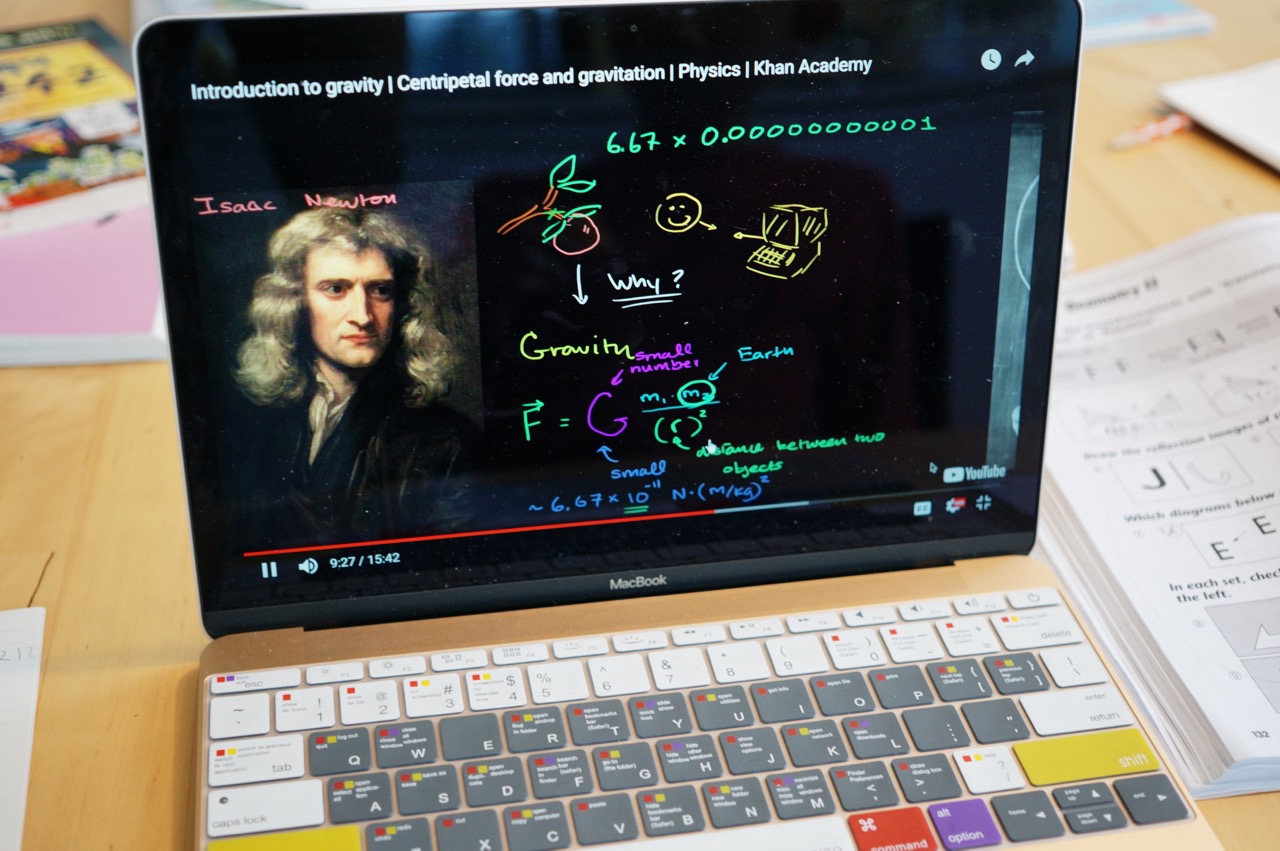
Ethan really enjoys learning about space and gravity so in this case, he watched a video about gravity on Khan Academy.
Time for violin and taekwondo classes.
He made this in between classes.
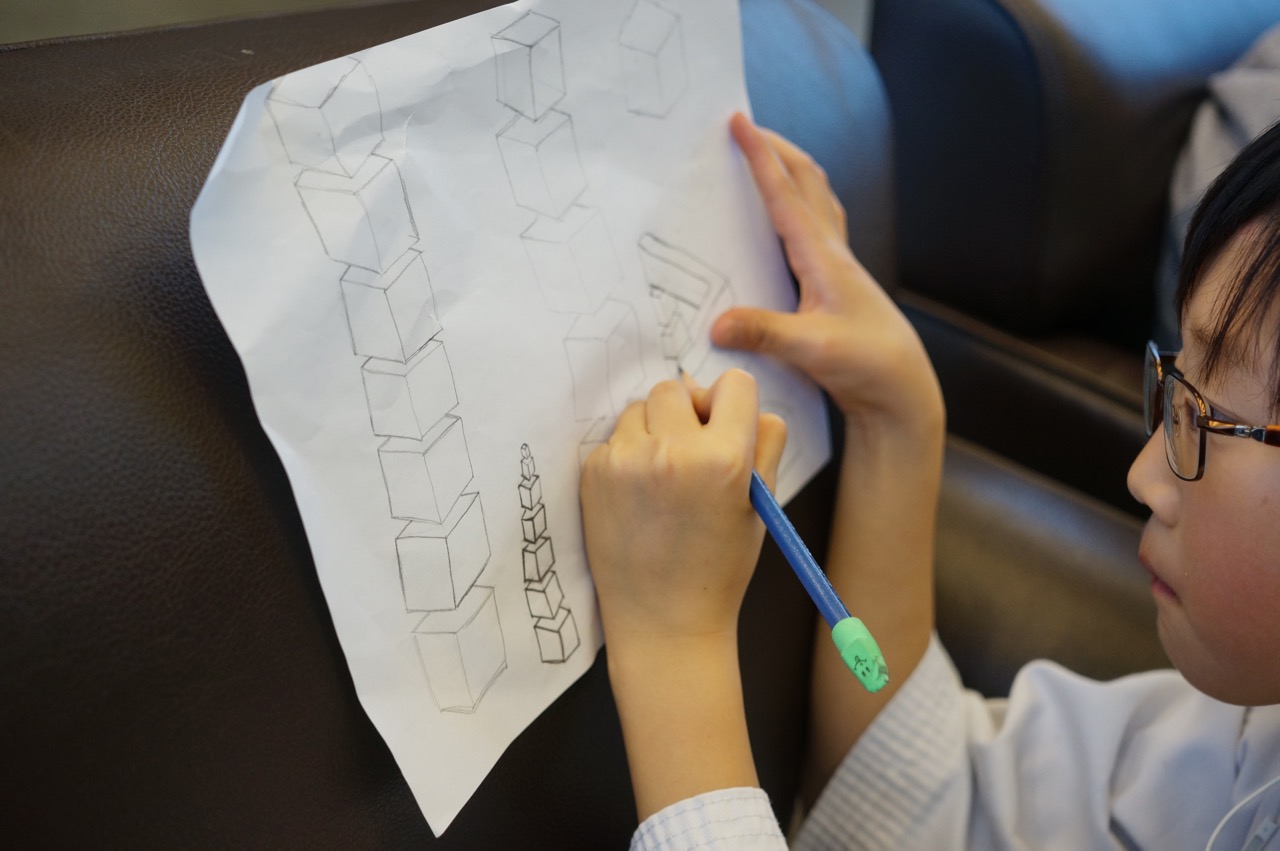
And he drew some 3D shapes, too.
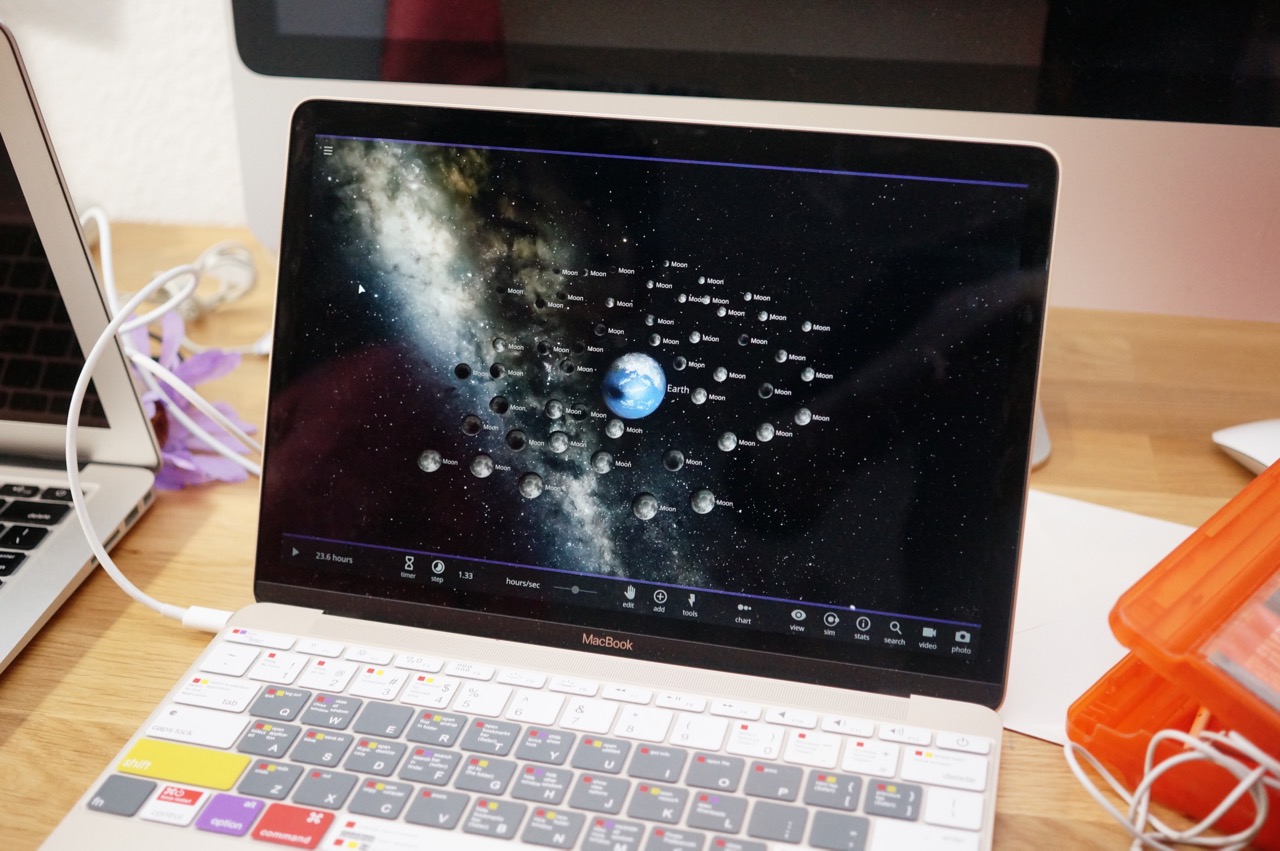
What’s going to happen to earth if it was surrounded by a whole bunch of moons? It’s not a pretty end for earth 🙂
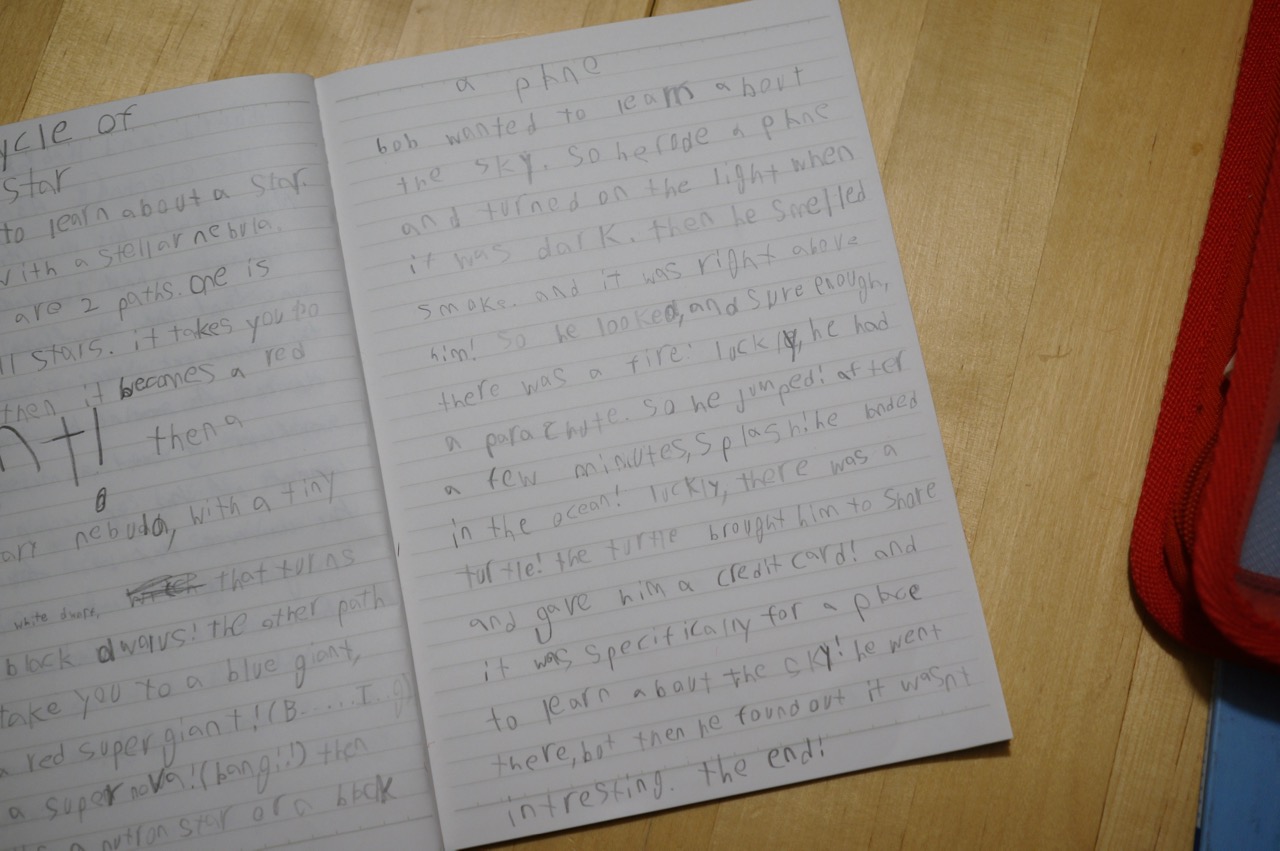
Ethan wrote a fictional story about a plane by using the story cubes for inspiration and direction.
And more paper airplane time.
He also practiced a new song he learned in violin class.
March 14
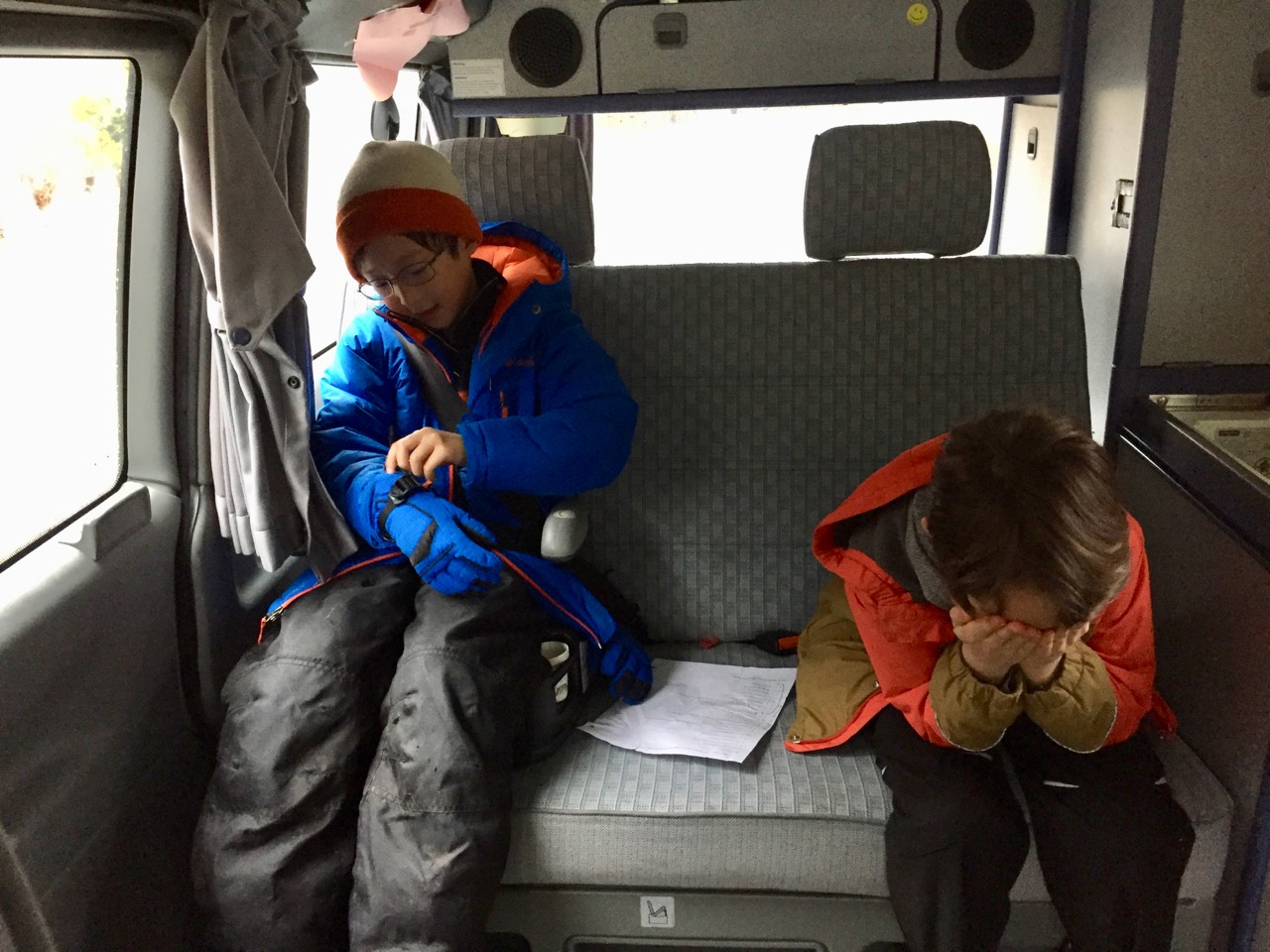
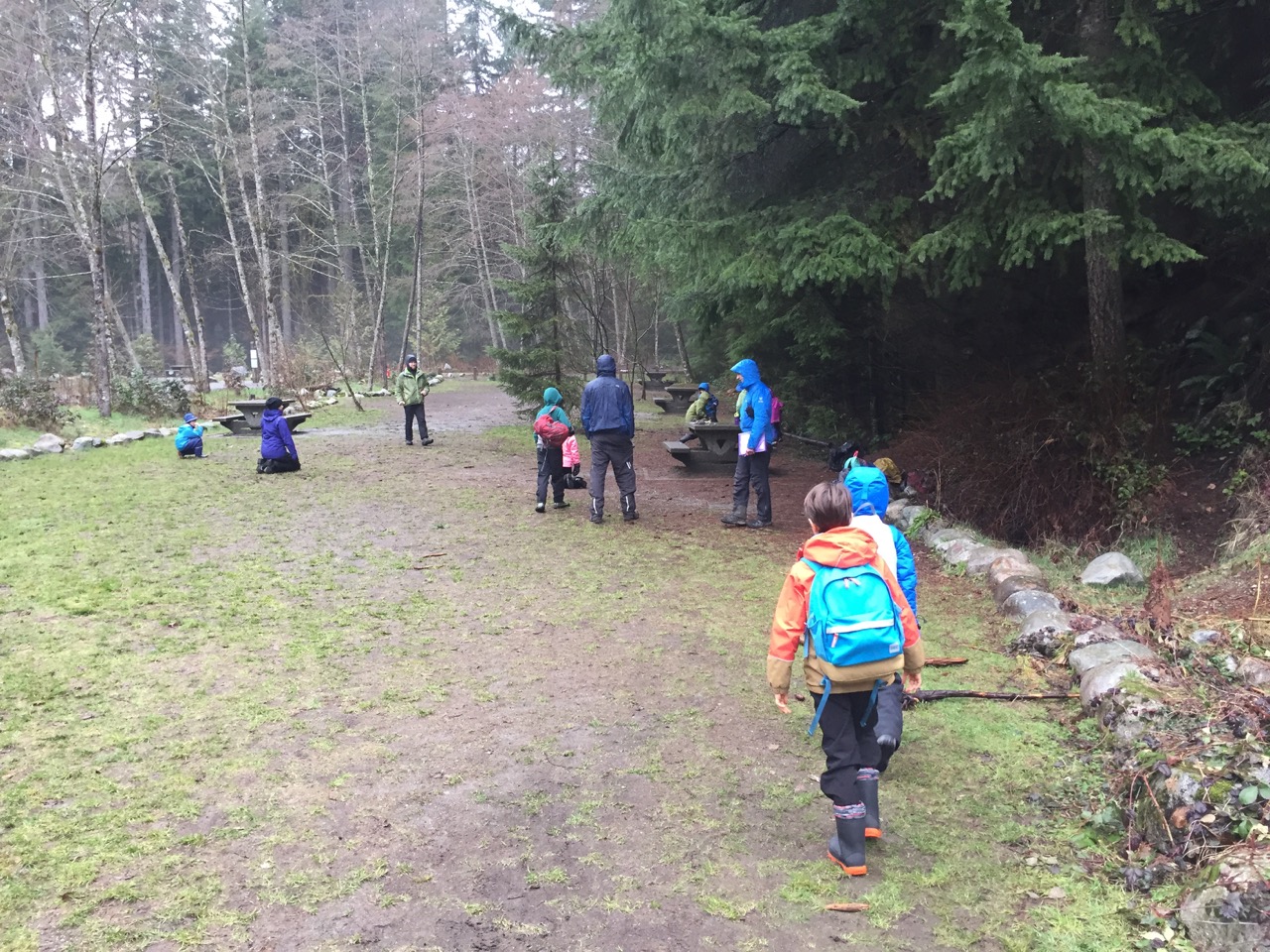
Off to nature school with his friend.
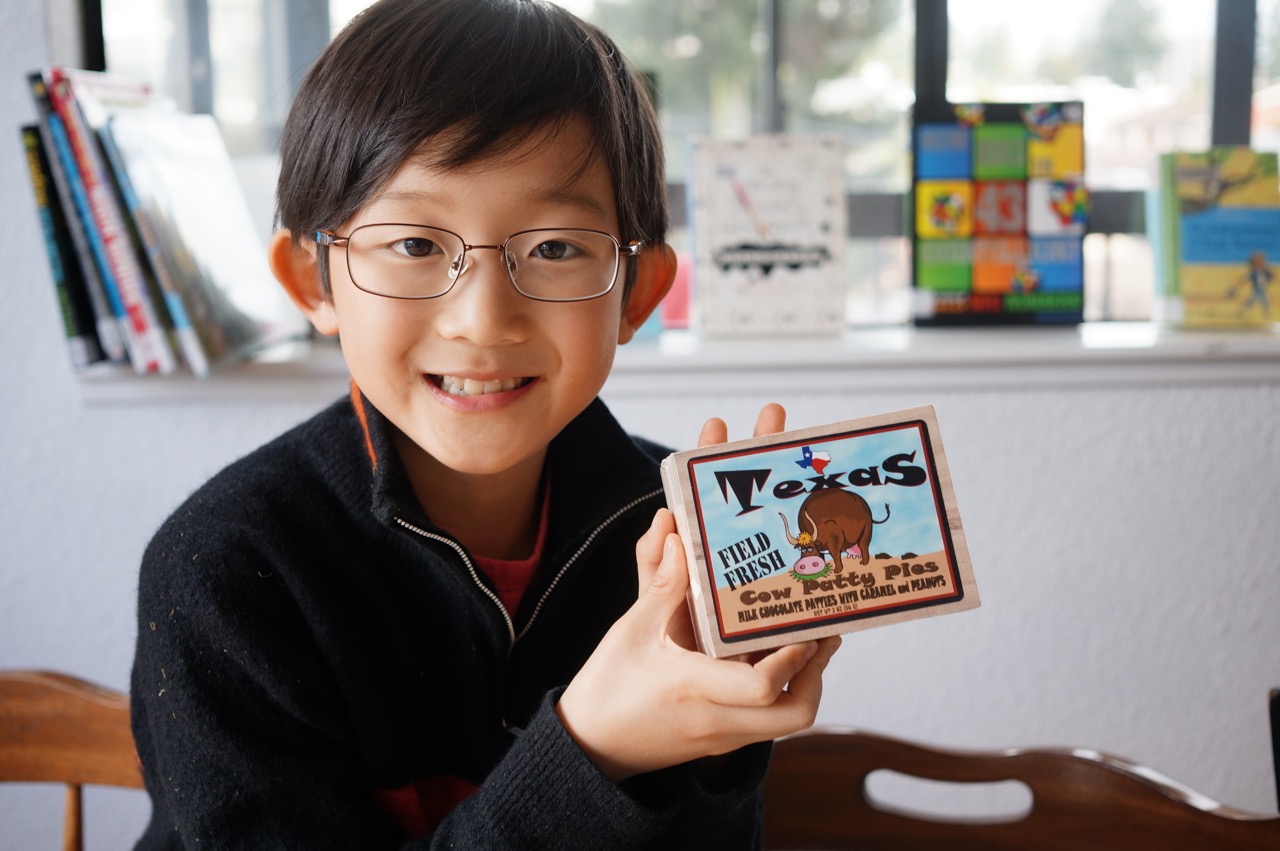
After nature school, Ethan opened a present he got from a neighbour that Ethan was helping collect the mail for. The present was cow patty pies 🙂
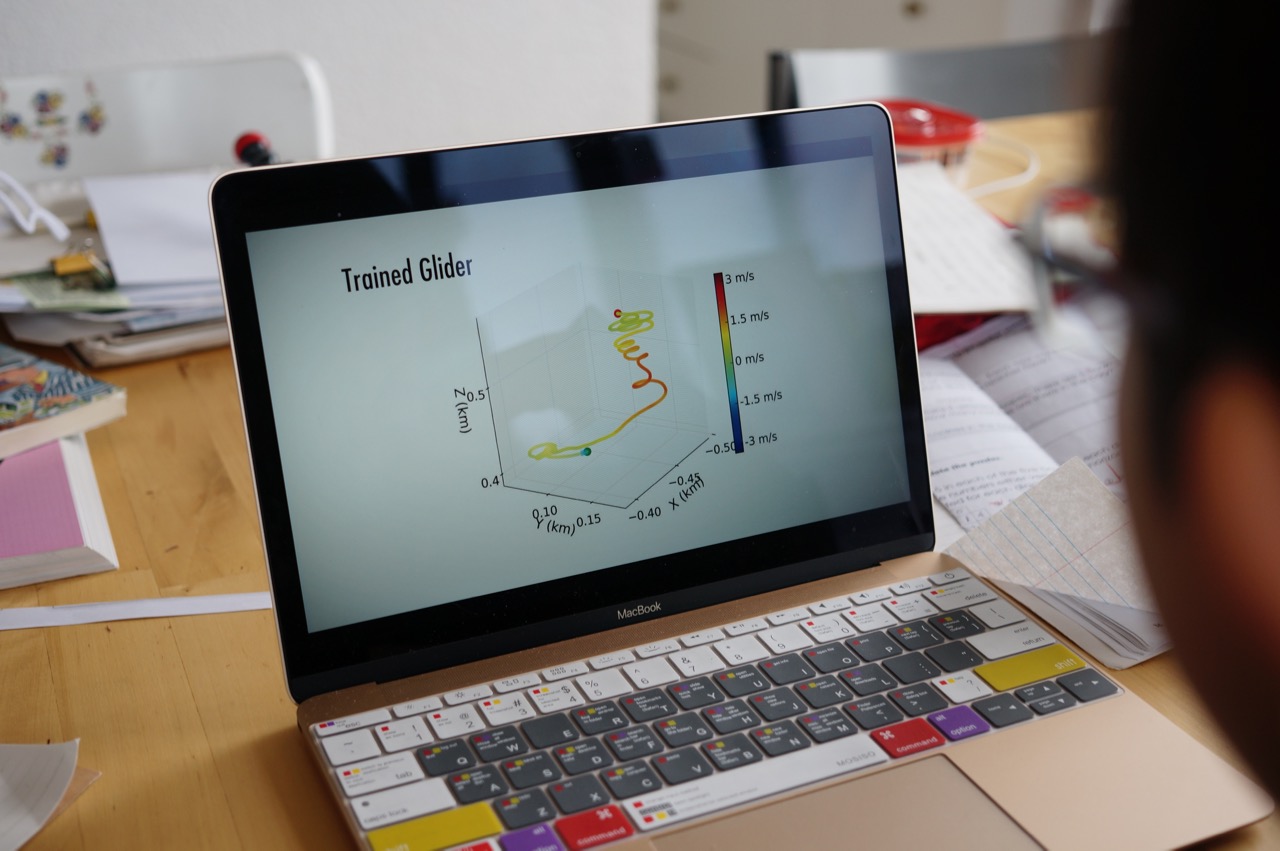
Ethan watched a video about planes and aerodynamics.
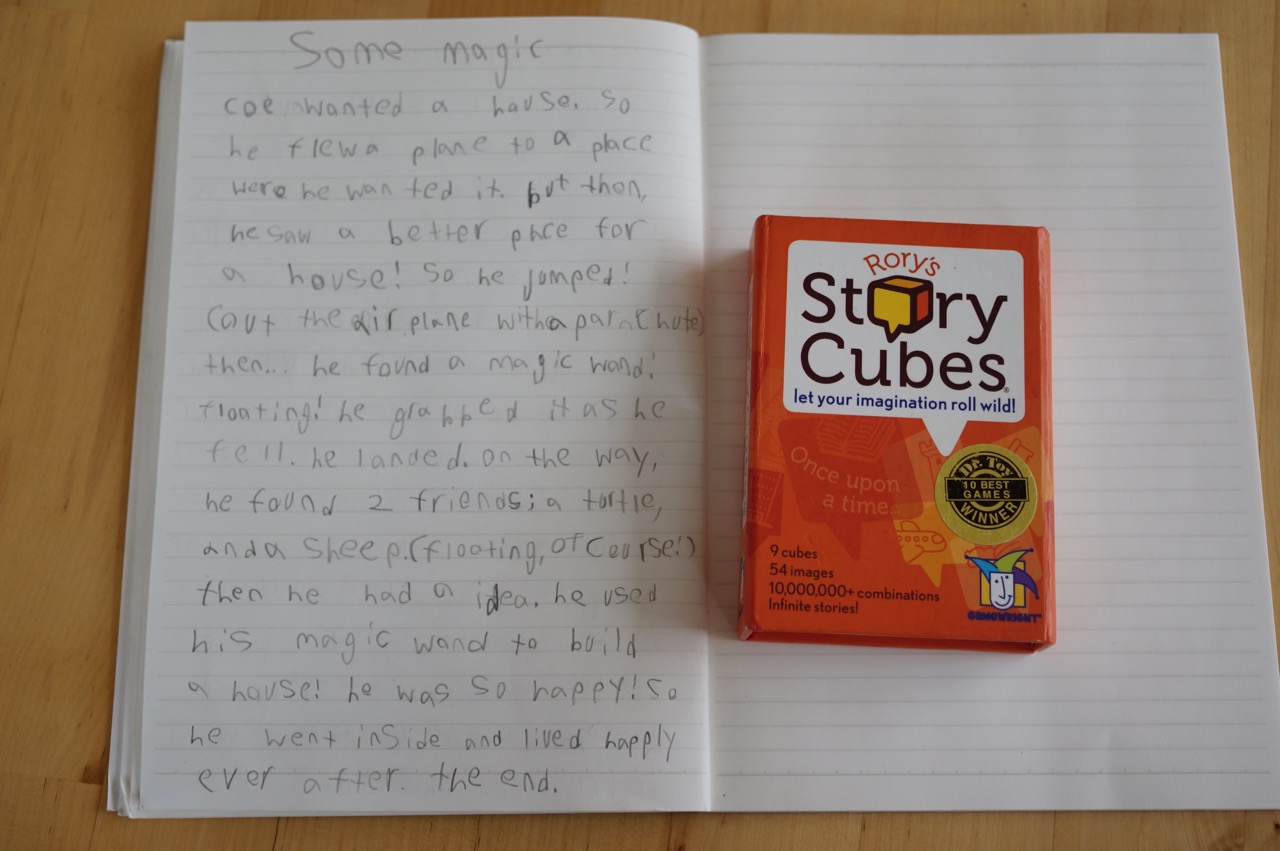
He then wrote a story about magic using the story cubes.
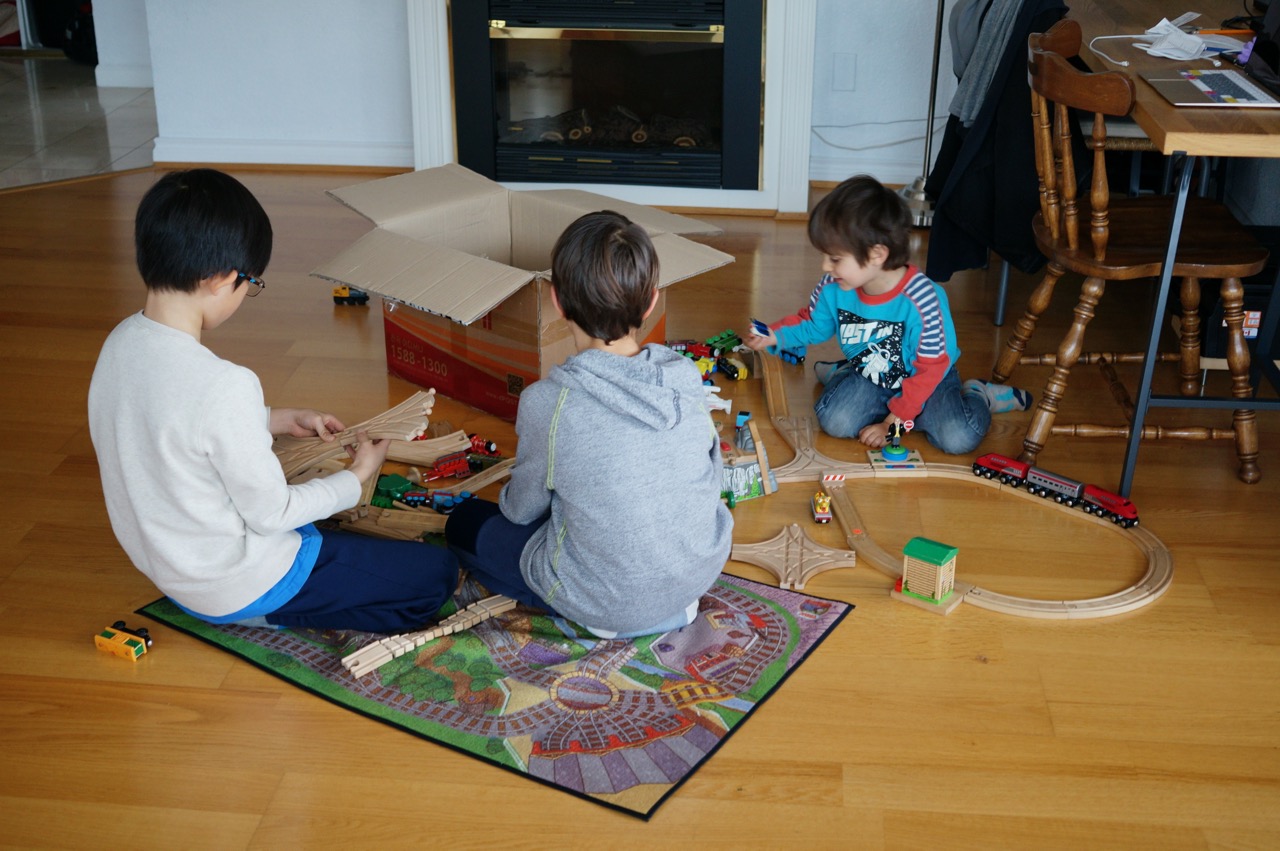
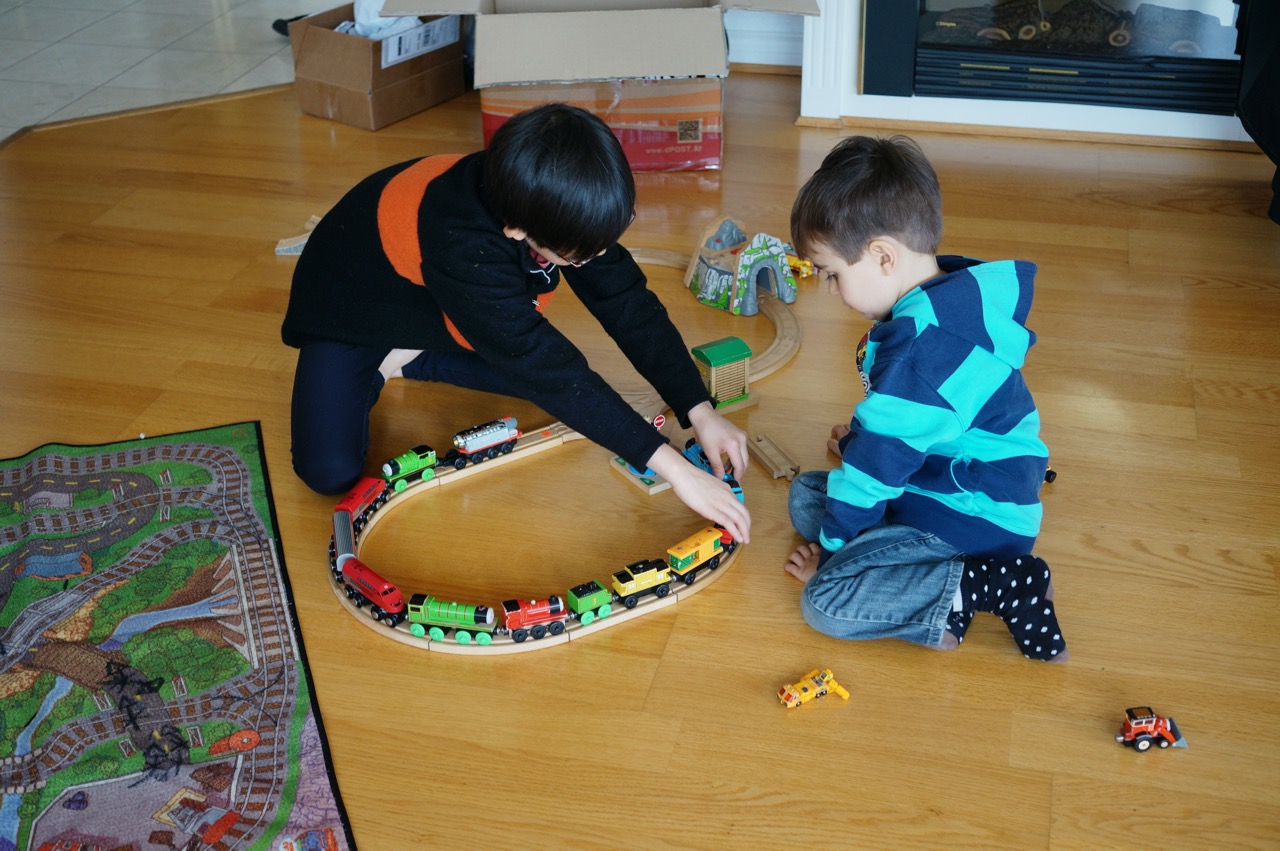
Ethan’s friend and little brother came over again. Ethan spent some time helping the little one with the train set.
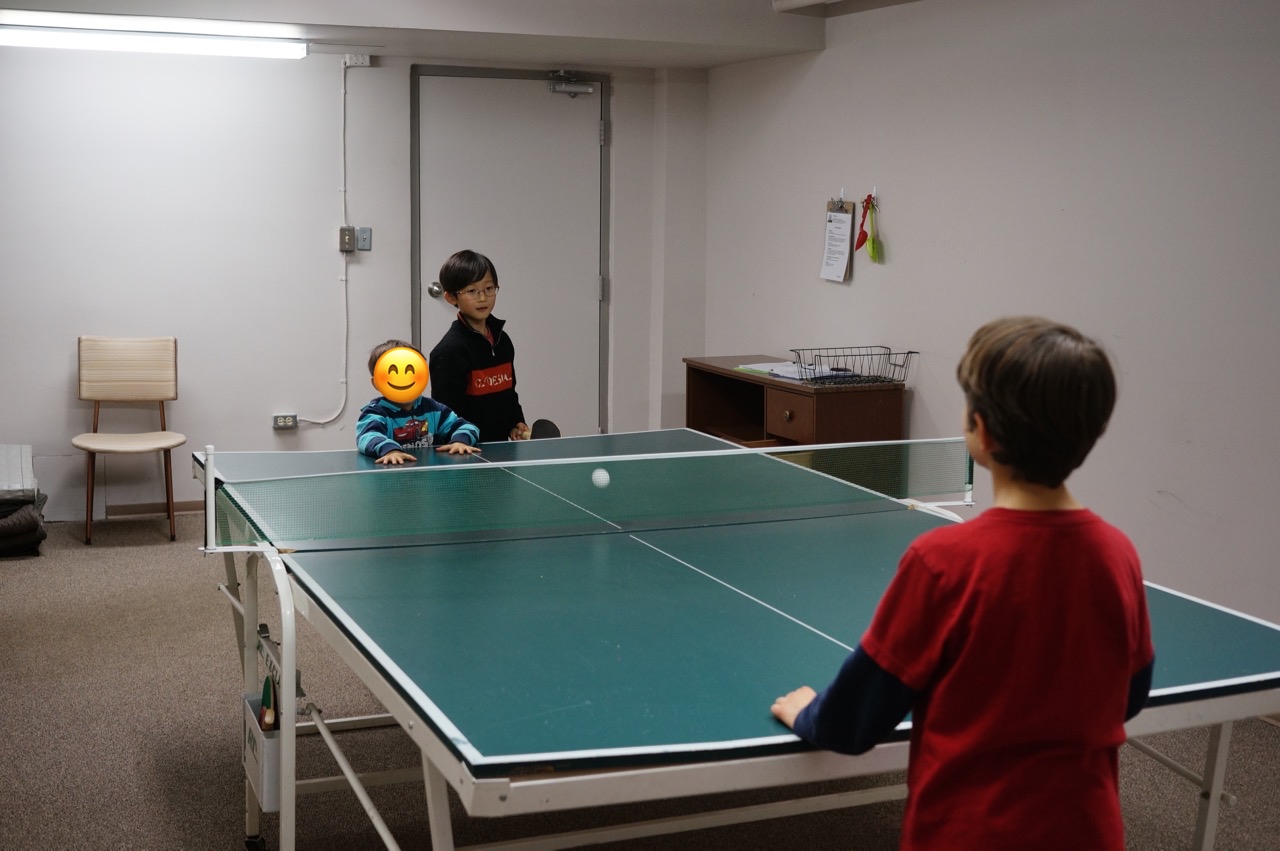
Then they all played ping pong together.
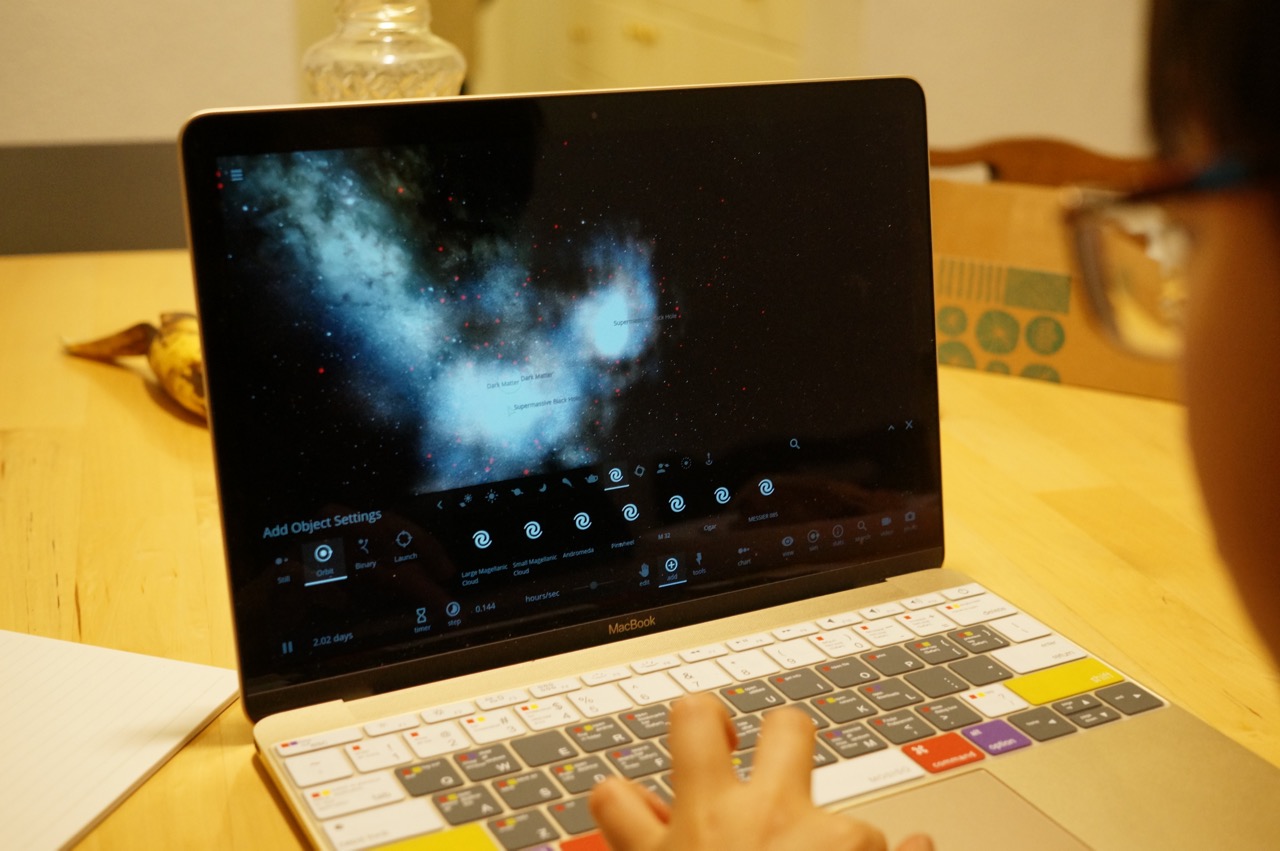
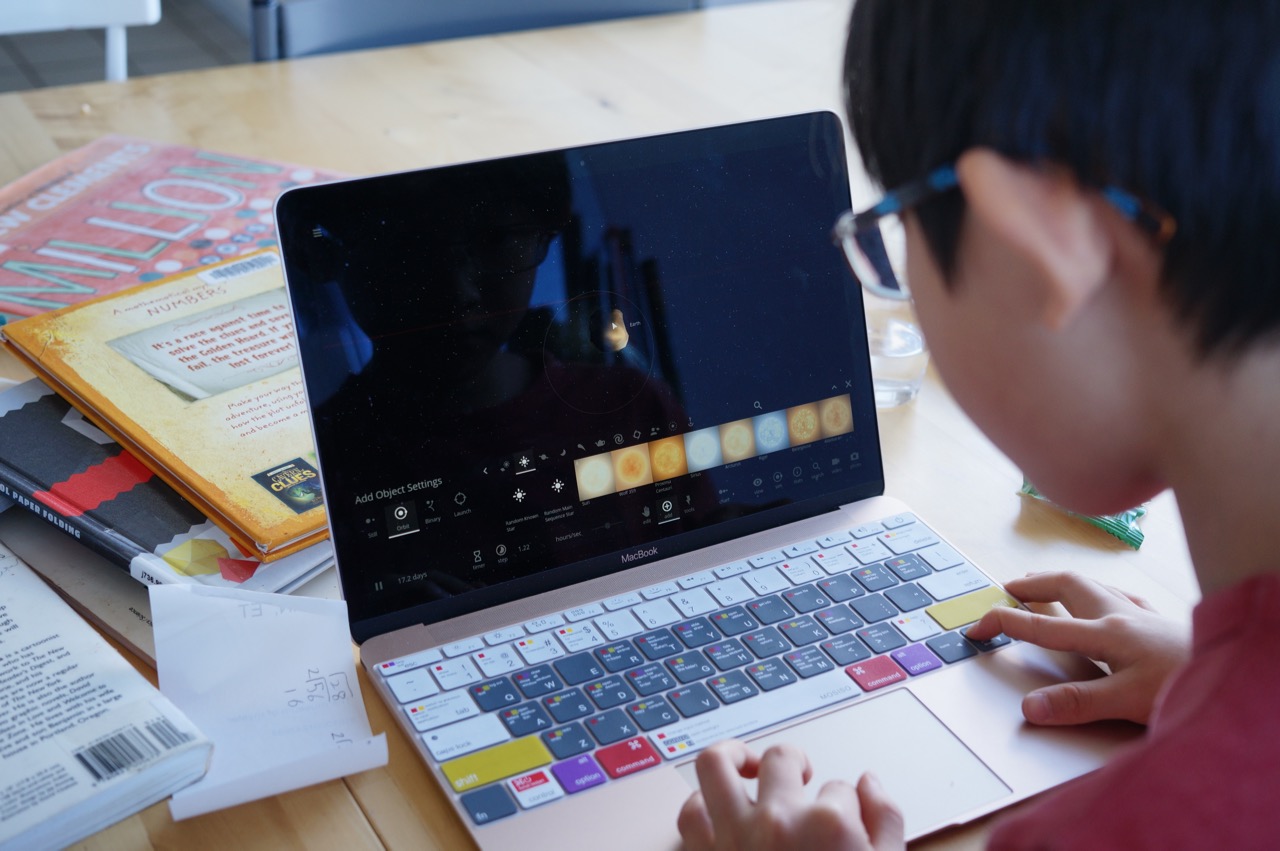
Afterwards, Ethan was using the gravity simulator again. The app is called Universe Sandbox, btw.
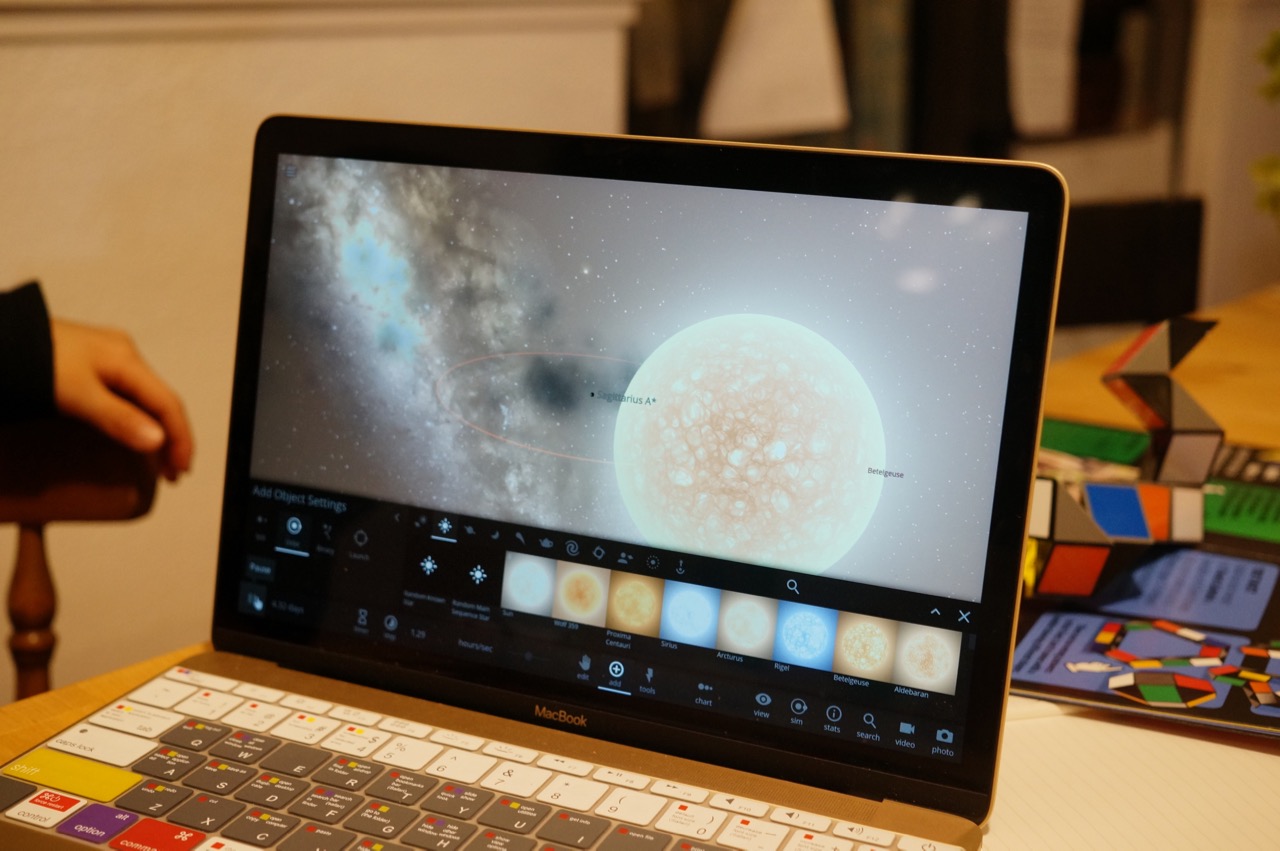
What happens when you put stars together? Some pretty cool stuff!
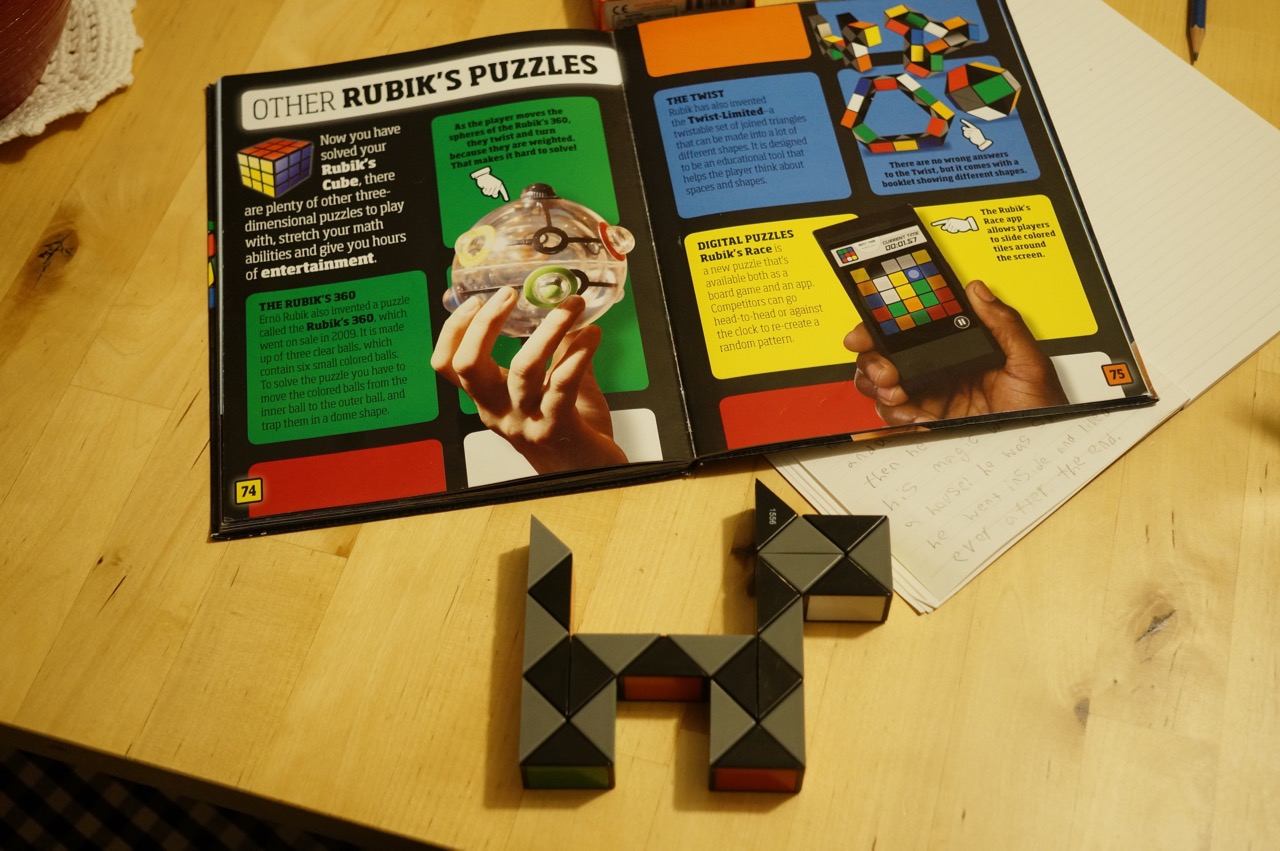
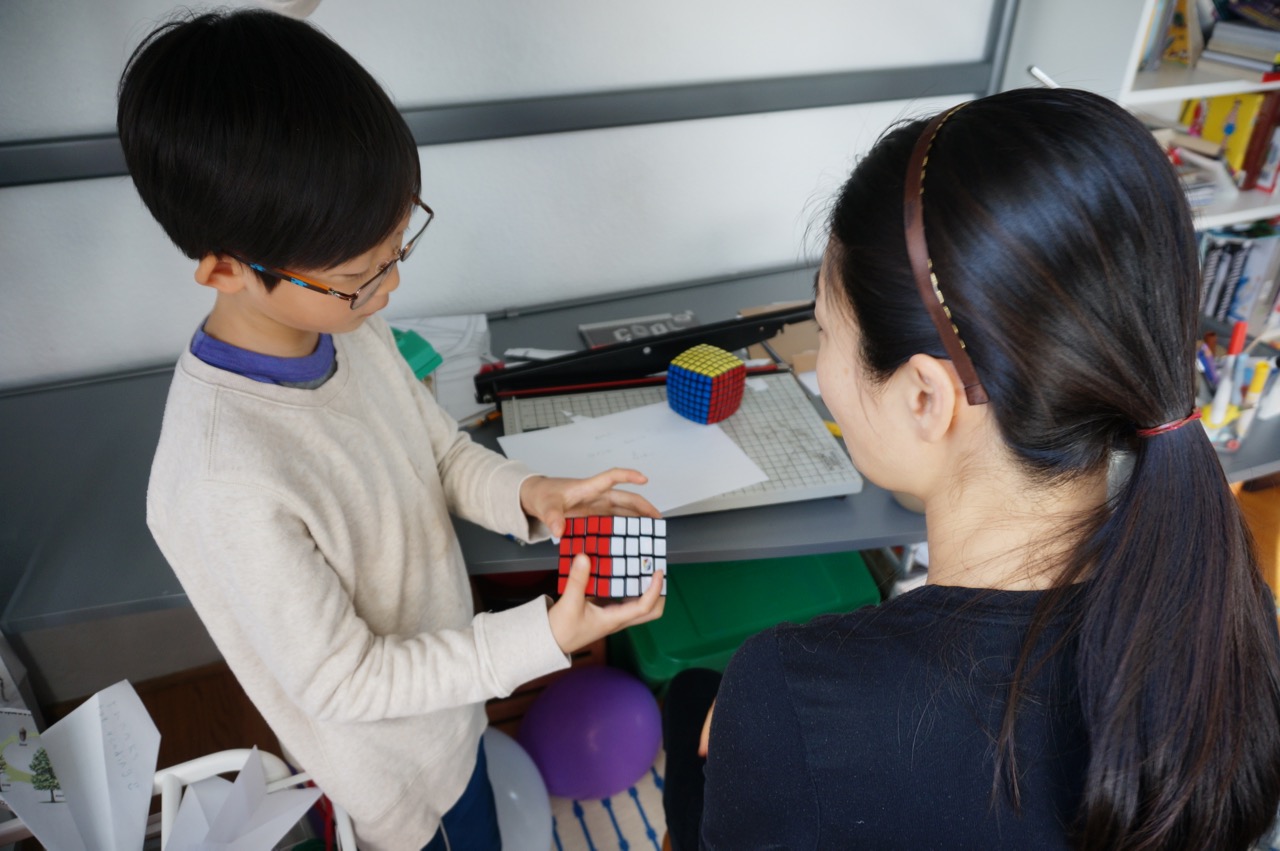
Ethan borrowed a book about Rubik’s Cube from the library and made this little doggy shape from one of the puzzles.
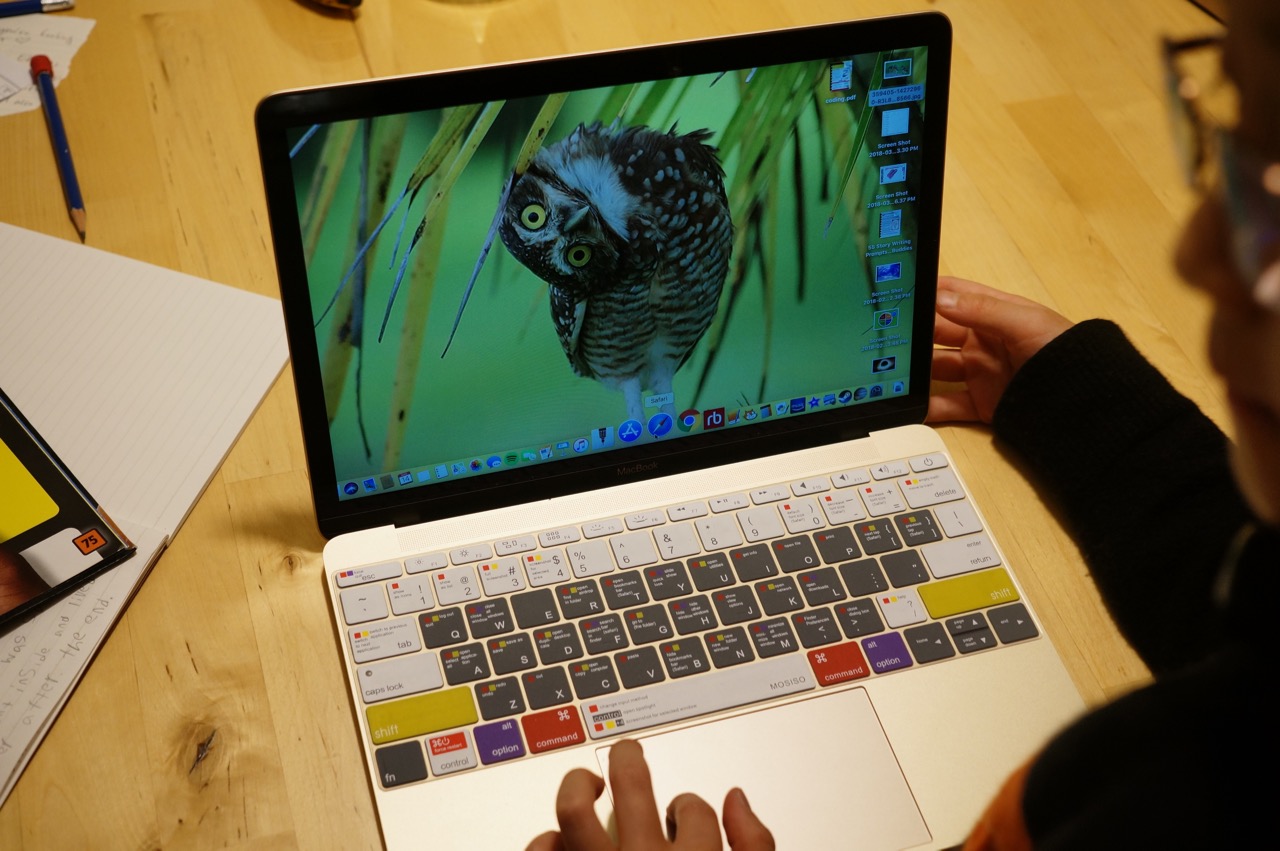
He then changed the desktop image on his laptop to an owl. We should’ve found some other owl resources for him this week.
March 15
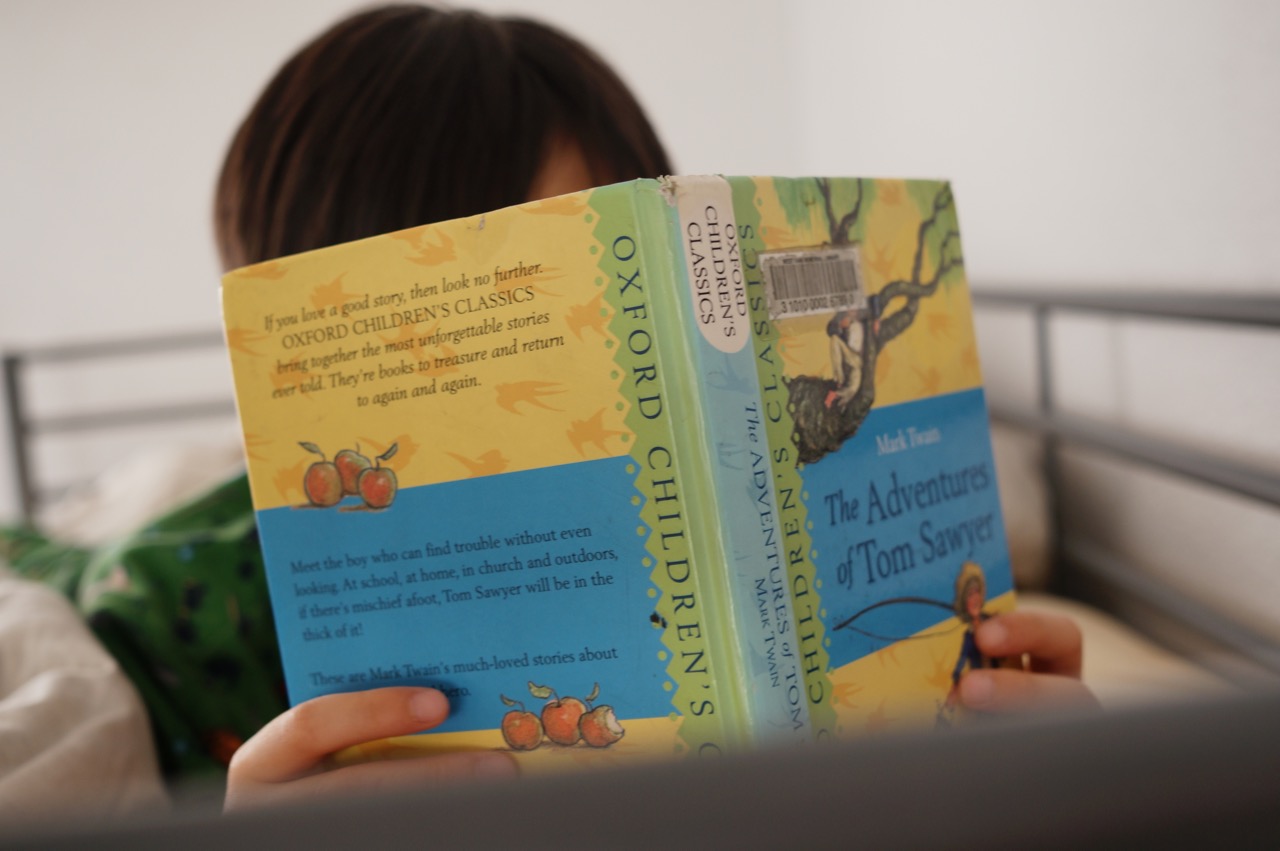
He’s been listening to an audiobook verion of “The Adventures of Tom Sawyer” and spent some time reading the book this morning. Not sure he finished it, but he said the story was ok.
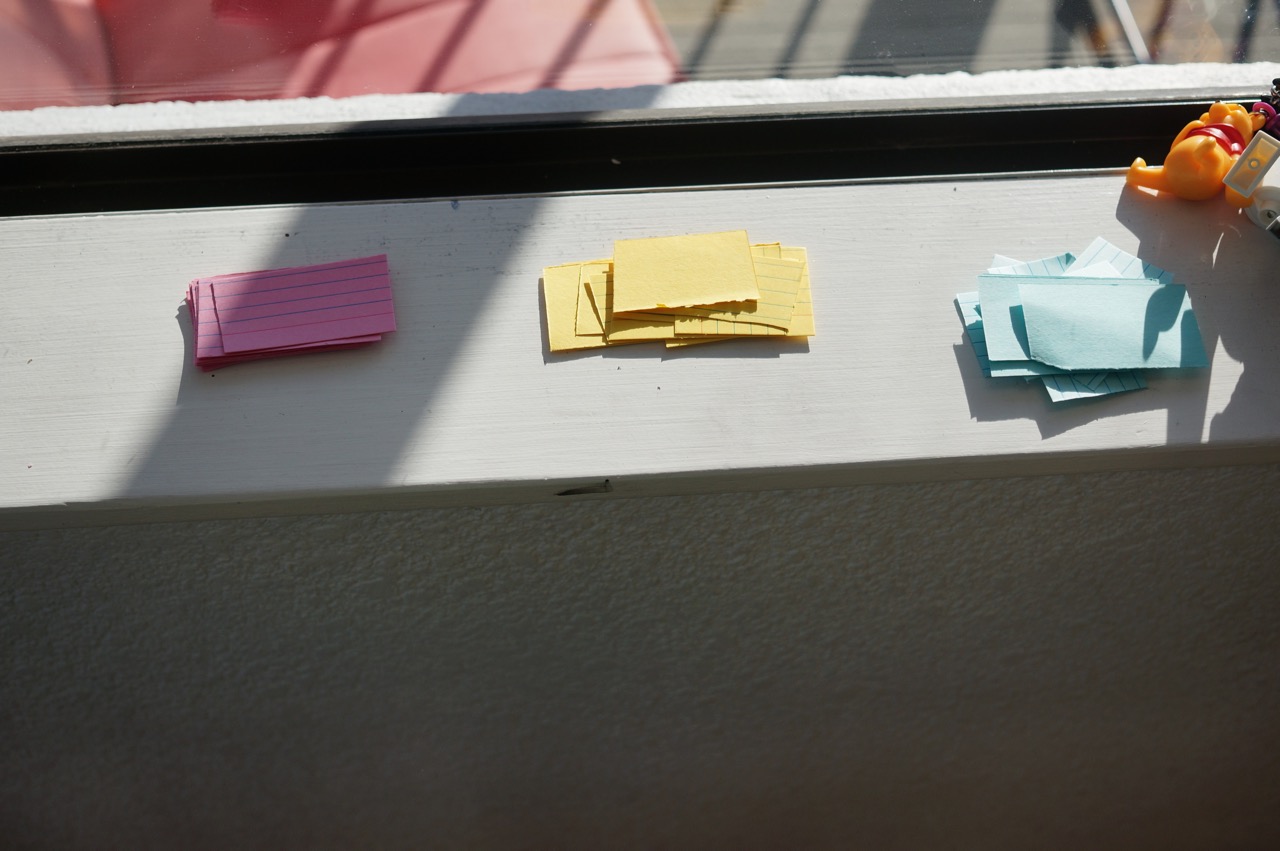
Ethan made some flash cards to help him with good behaviour. Ten pink cards gets him one yellow card. Ten yellow cards gets him a blue card. And if he gets ten blue cards, he can get a present 🙂
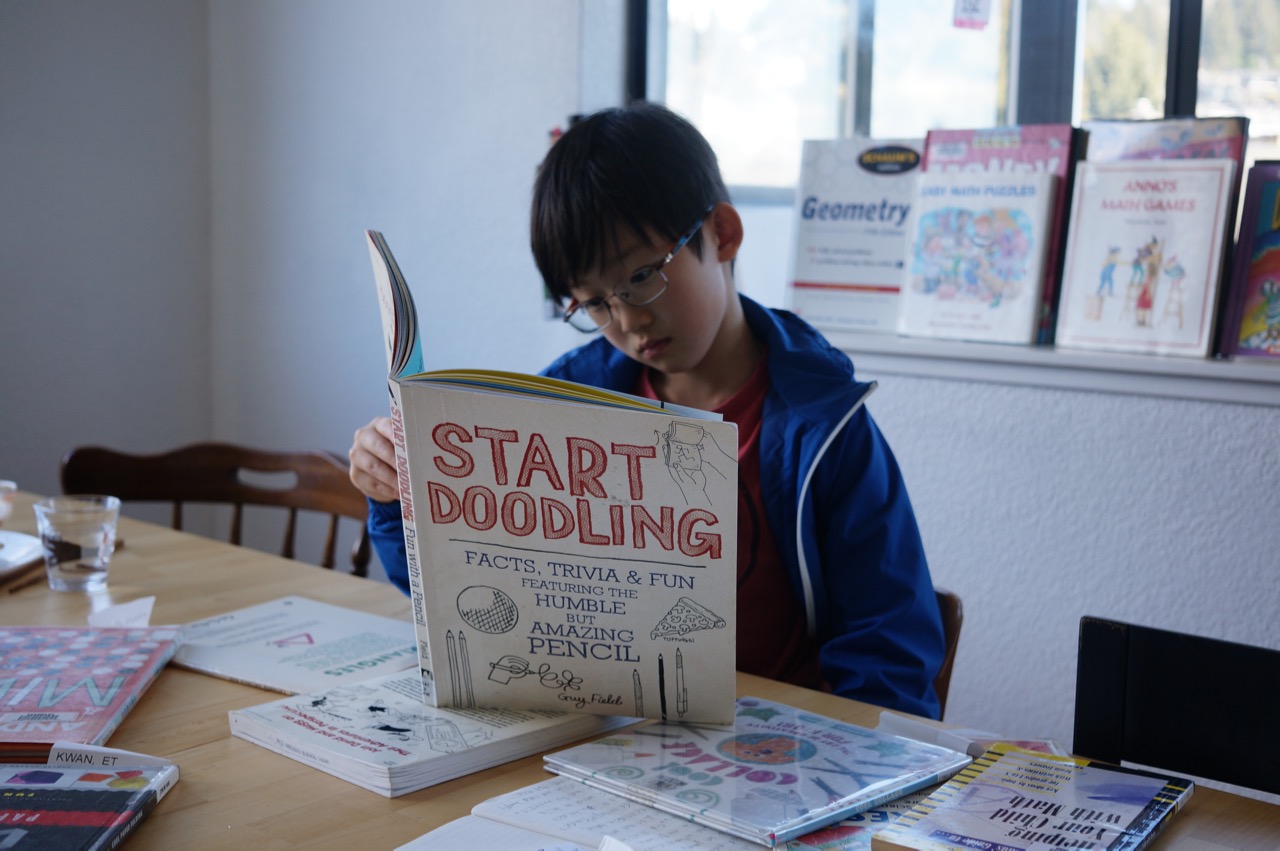
We found him some drawing books in the library’s regular art section. He likes these books because they are more challenging and interesting than the ones that are more kid oriented.
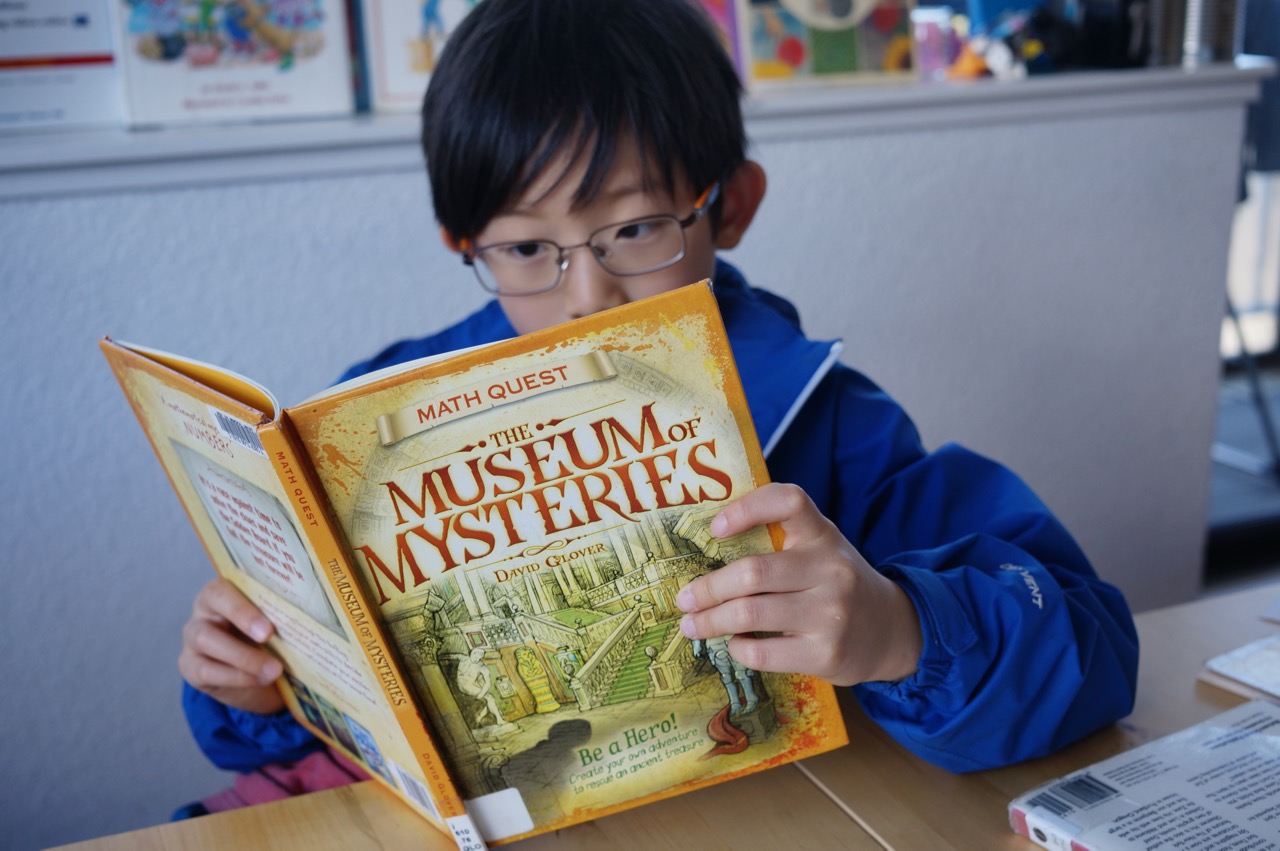
He really enjoyed this math quest book. It’s like a choose your own adventure book, except you have to do math.
Then it was more experimenting with creating a universe.
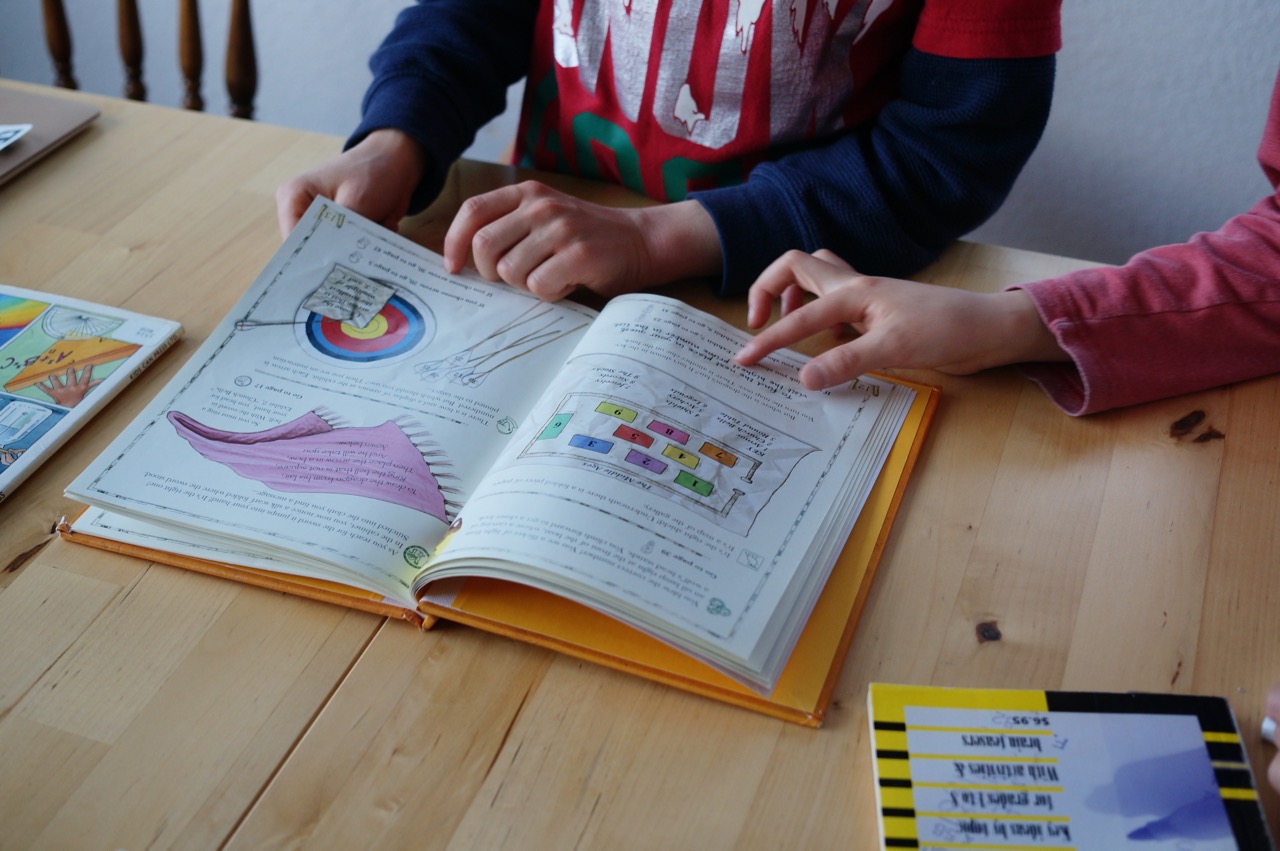
Ethan’s friend came over again and the two of them read the math quest book together. They had fun conversation about what to do and about the math involved.
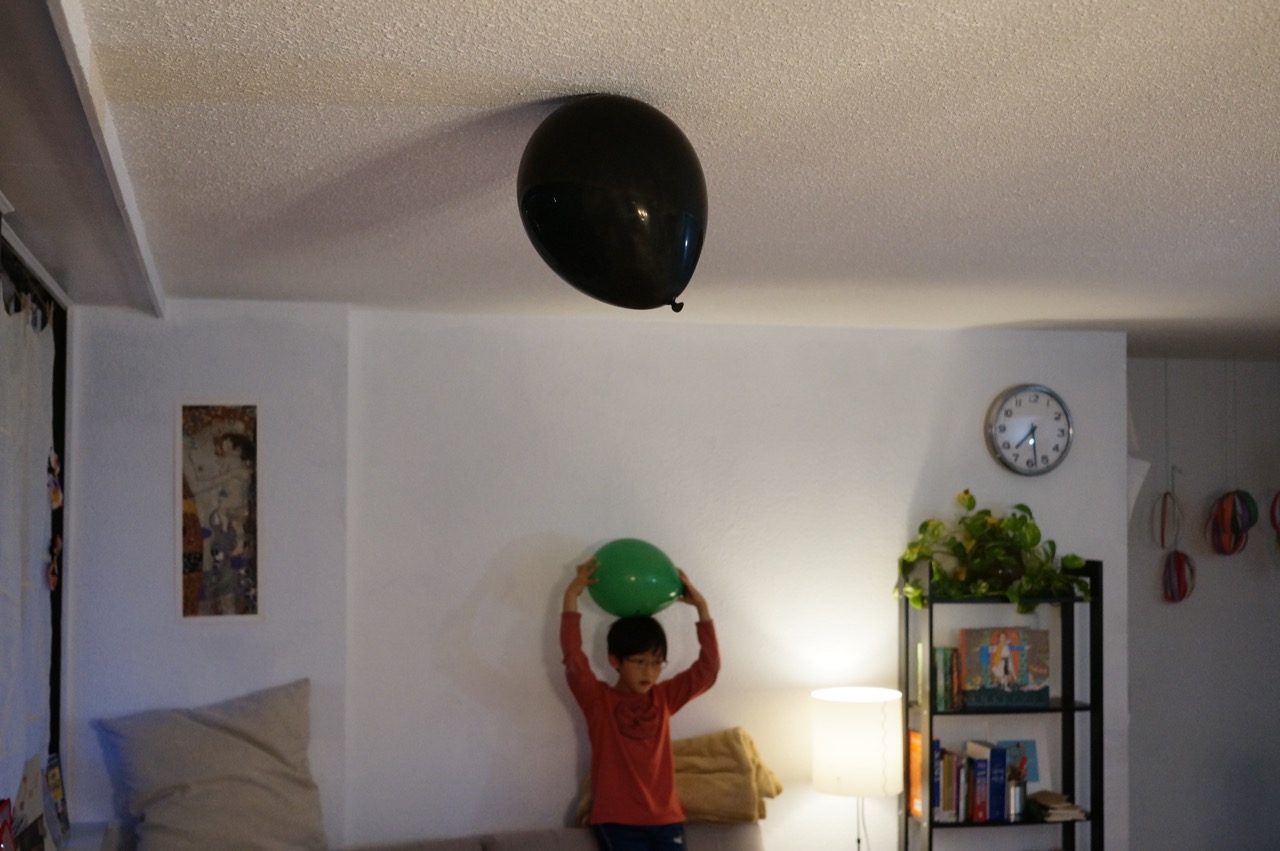
An odd bit of static electricity whereby the black balloon floated up to the ceiling!
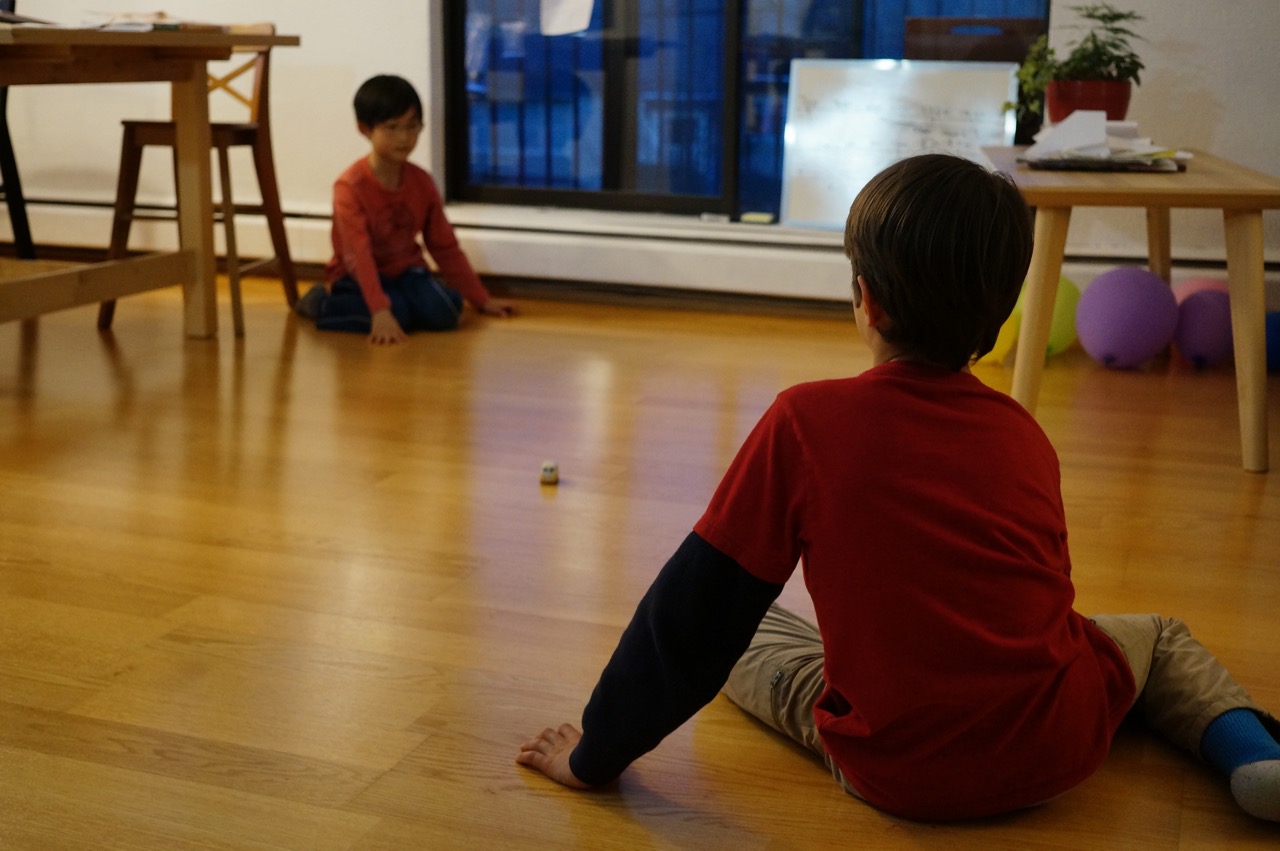
More play time with his friend.
March 16
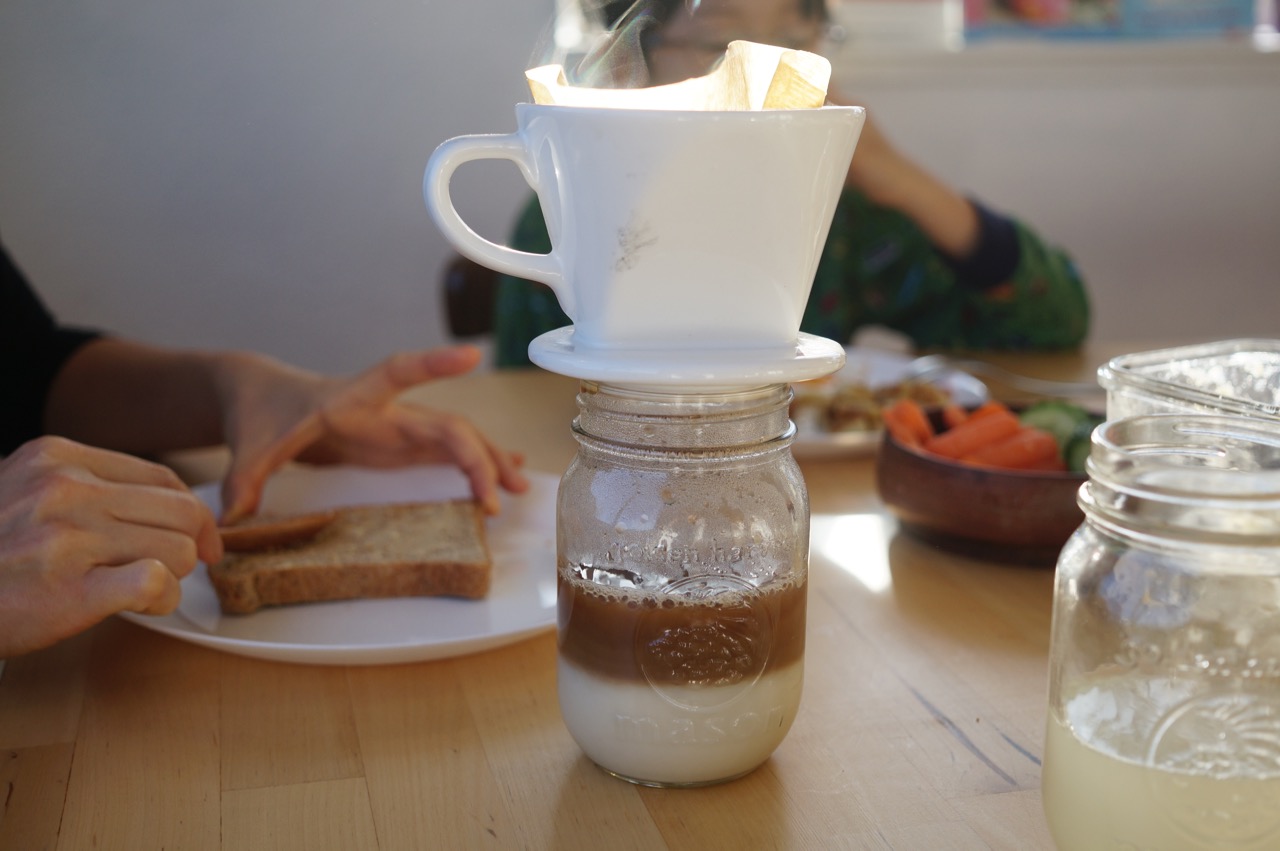
At breakfast, Ethan was fascinated by how the coffee was interacting with the soy milk. He talked about how the coffee must be less dense than the soy milk, and he remembered his own experiment with oil and water.
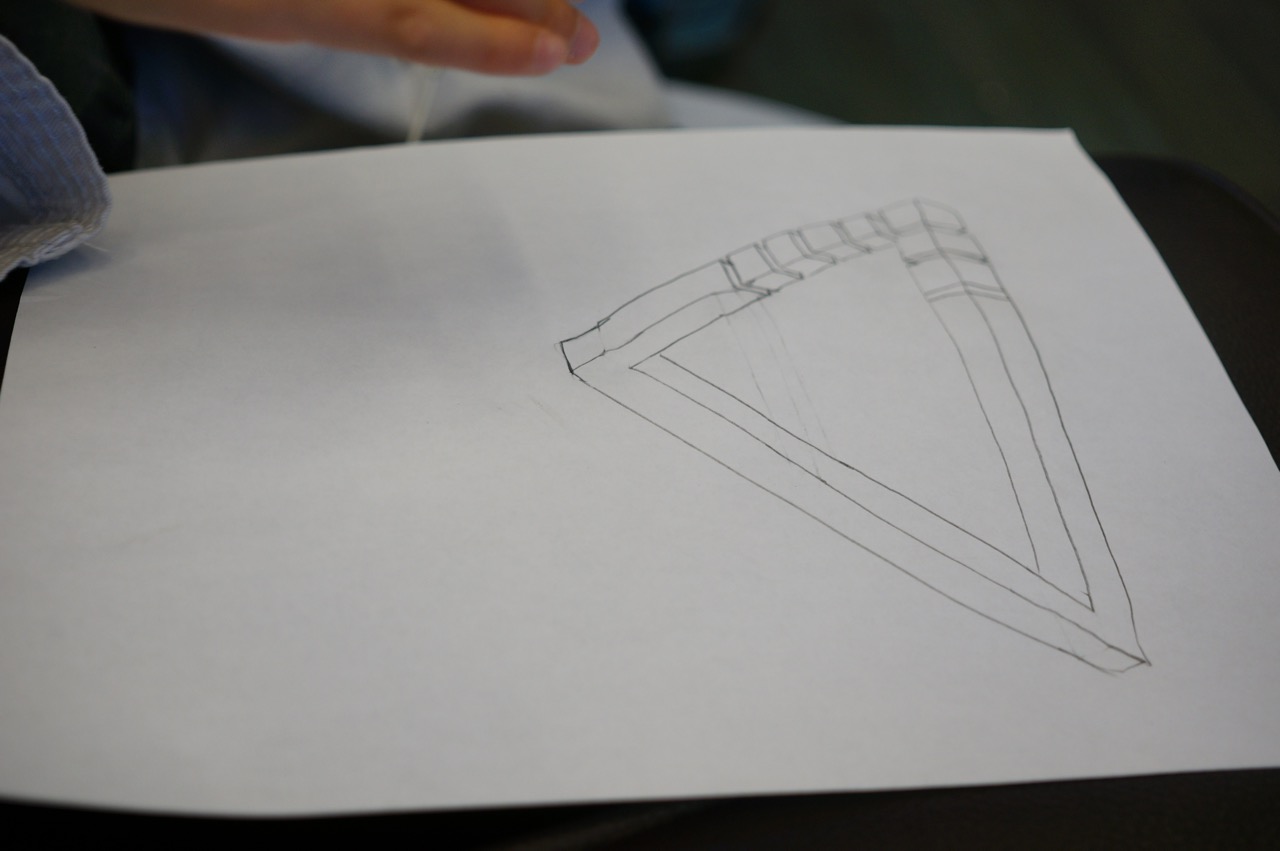
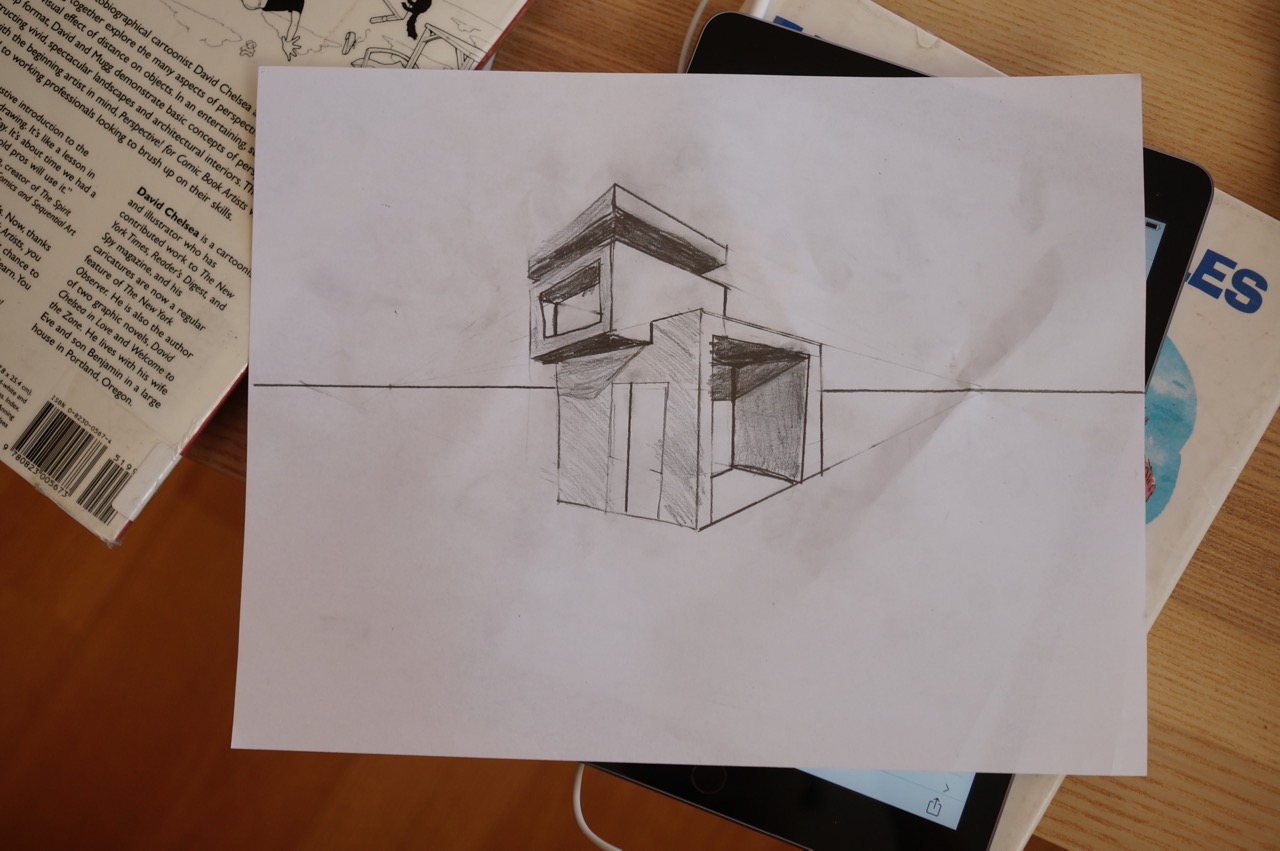
After breakfast, it was time to practice two point perspective drawing. He read about this in a book we borrowed and then he found a tutorial online.
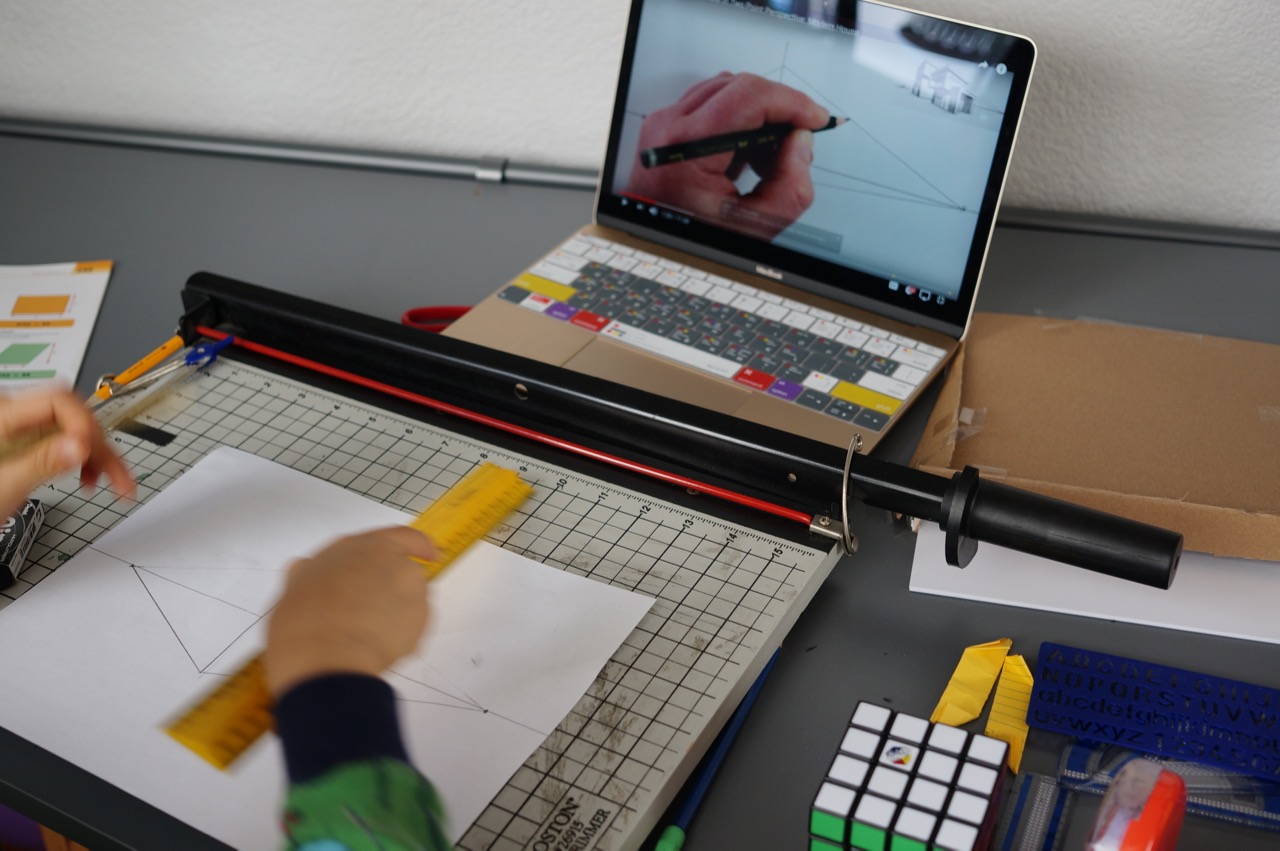
And this was the result…
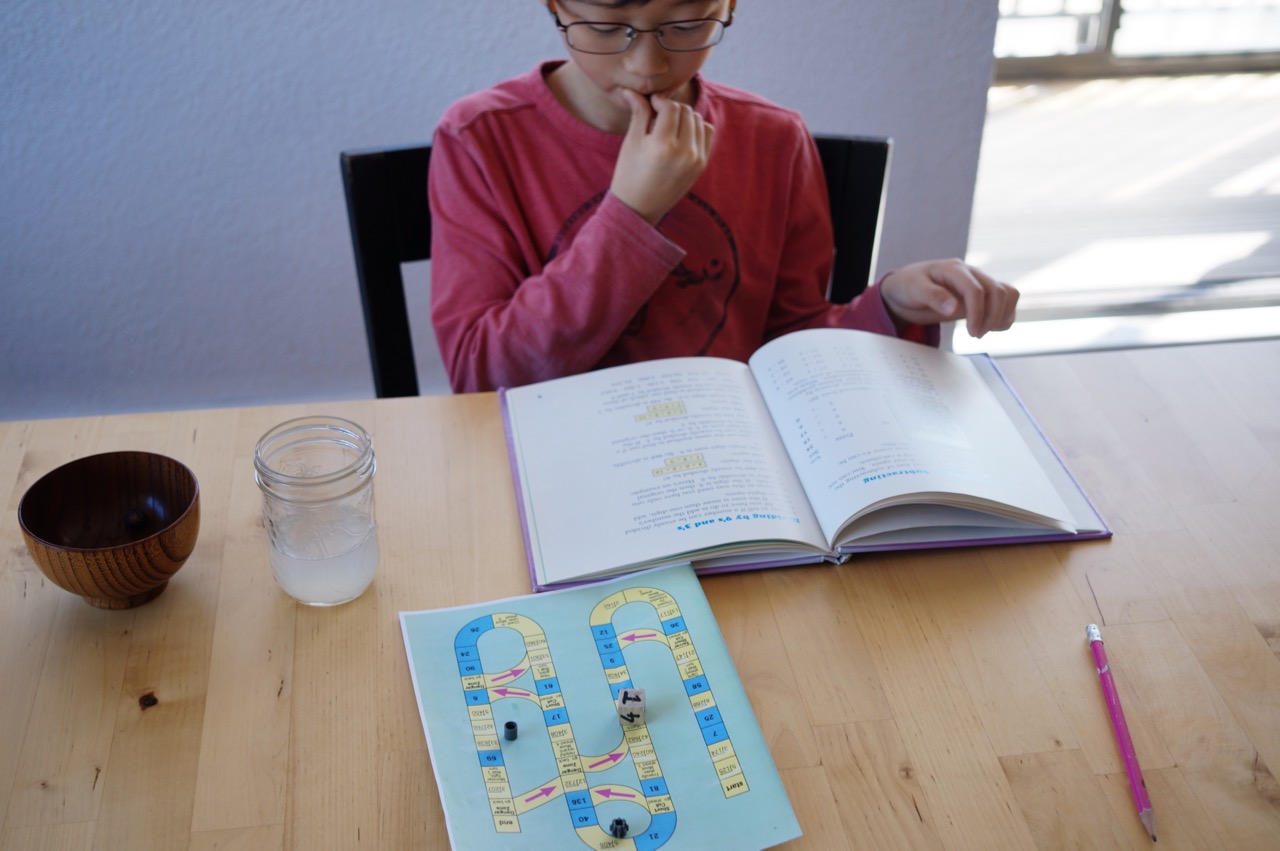
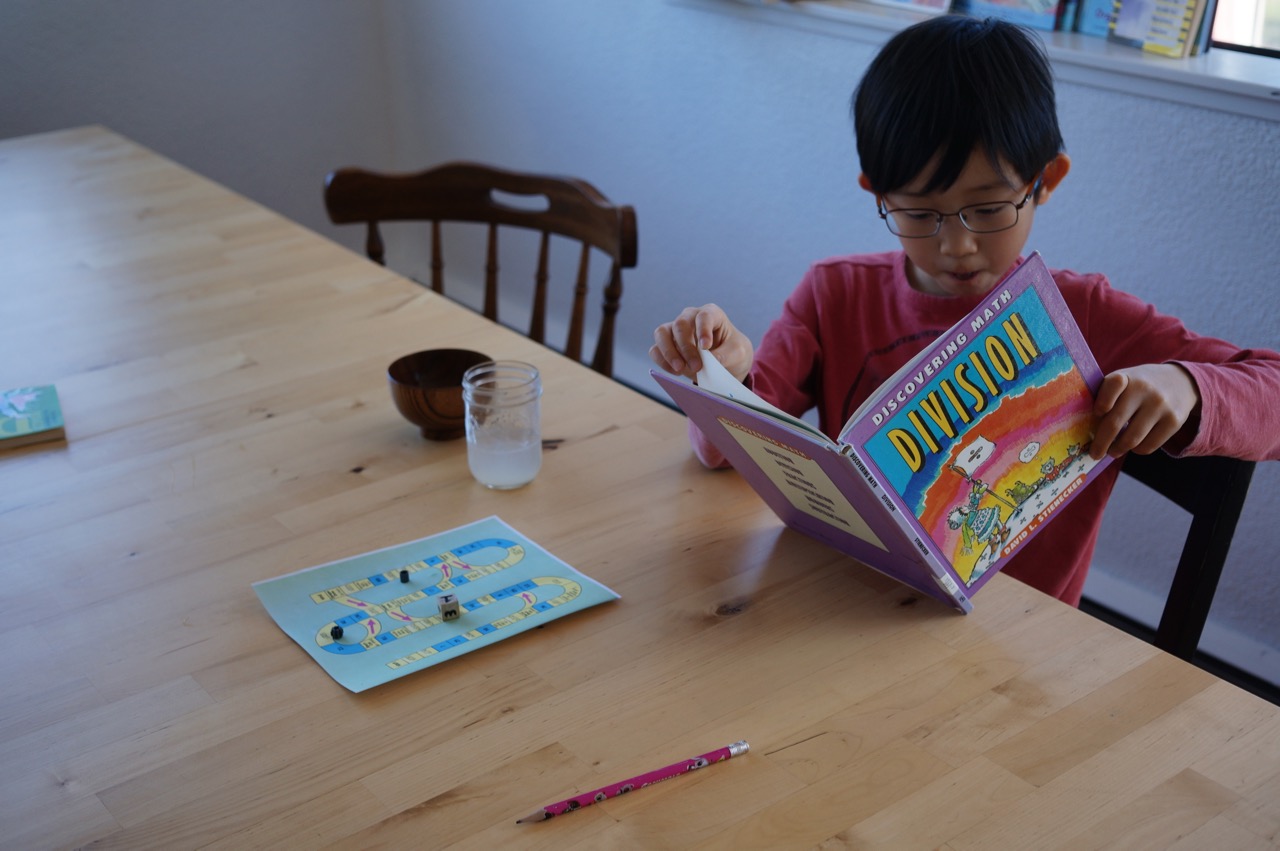
Reading about division during a snack break. He also printed out a math-based board game to play.
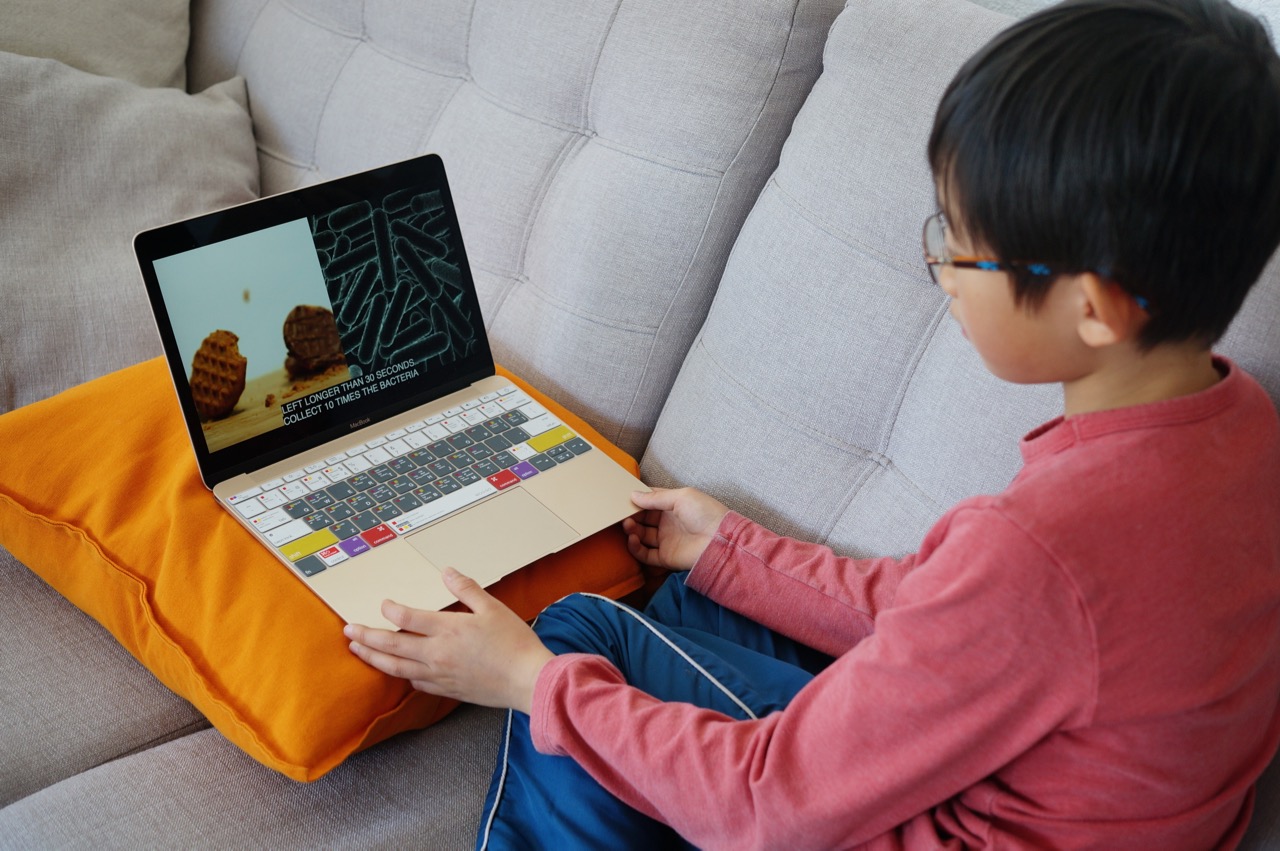
He watched a Discovery Education video about bacteria and whether there was any truth to the “5 second rule” for when you drop food on the ground.
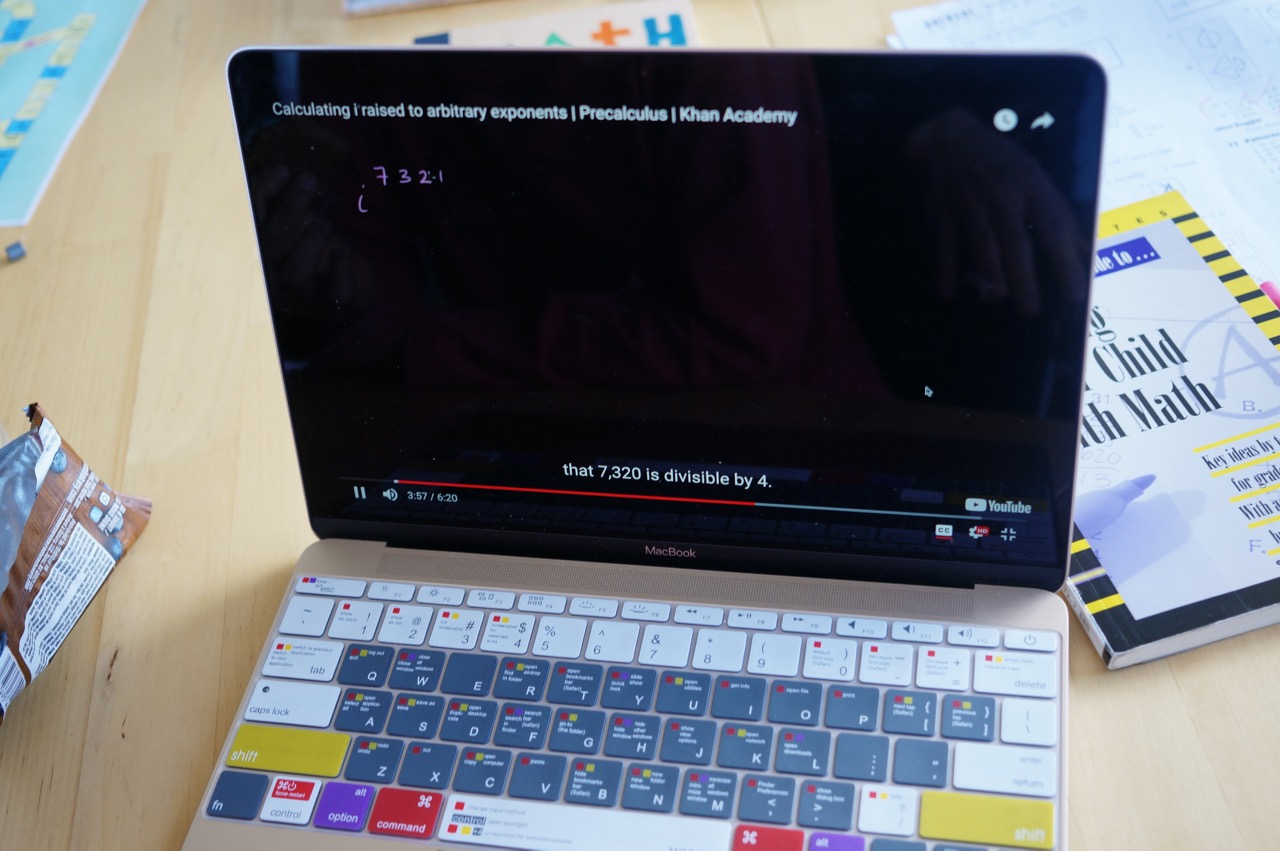
Next up was learning about exponents on Khan Academy.
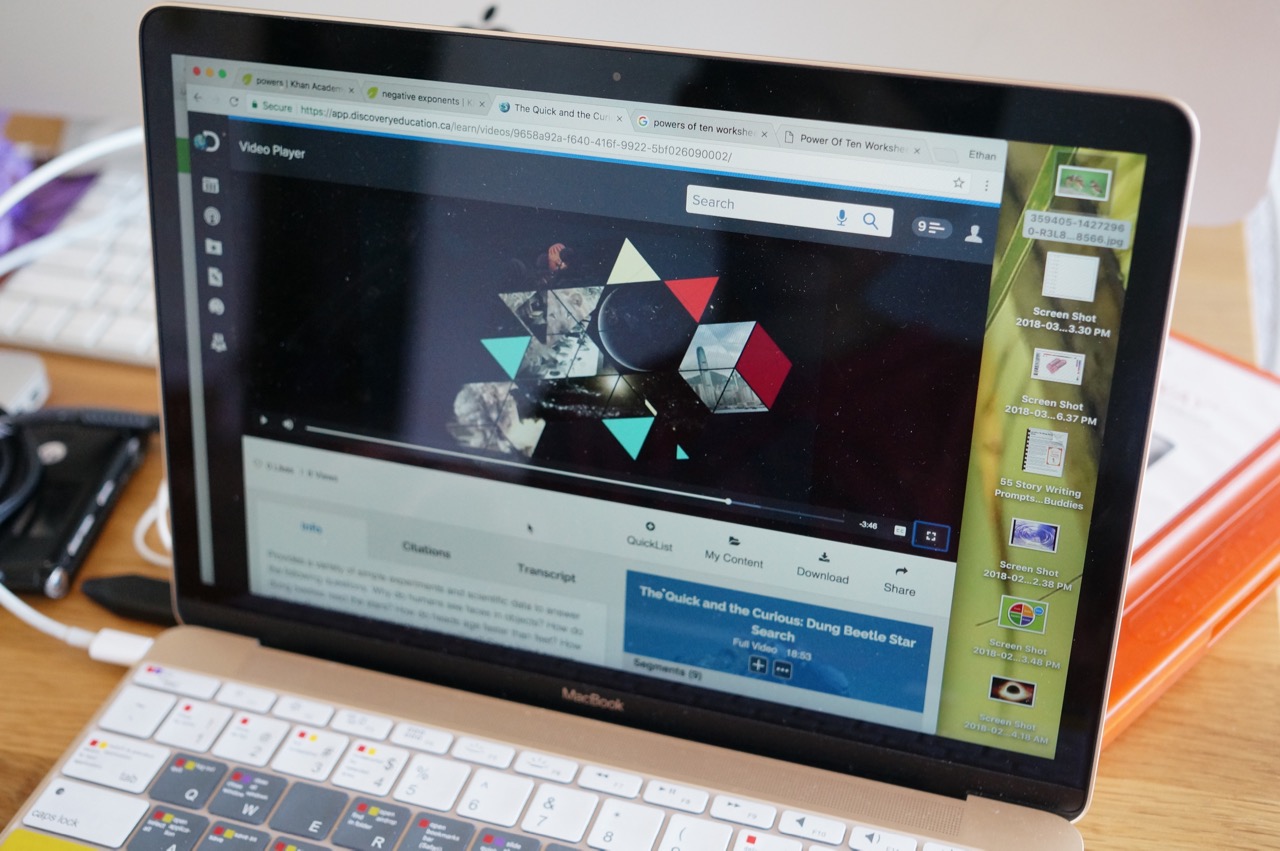
And a video about dung beetle star search(???).
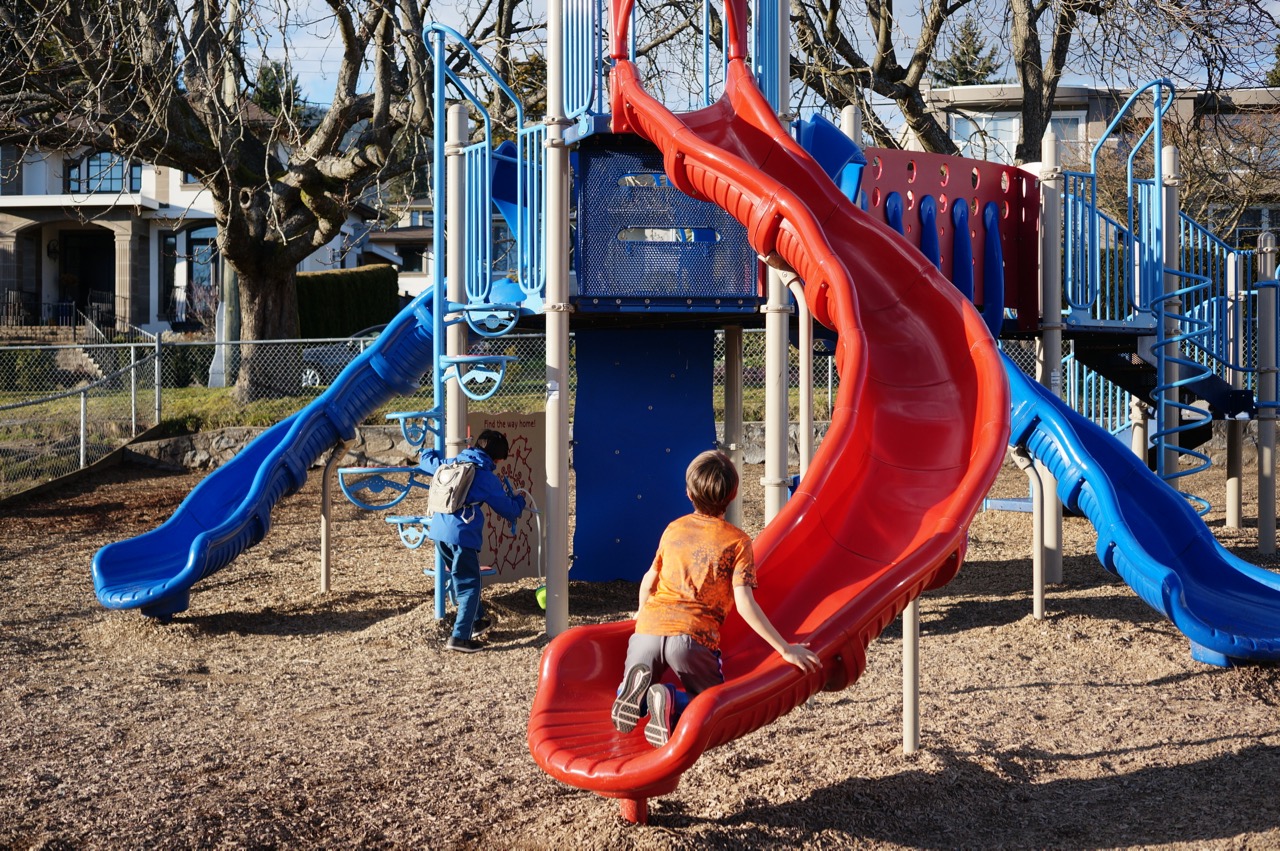
Another nice day so it was time to play with his friend at the playground.
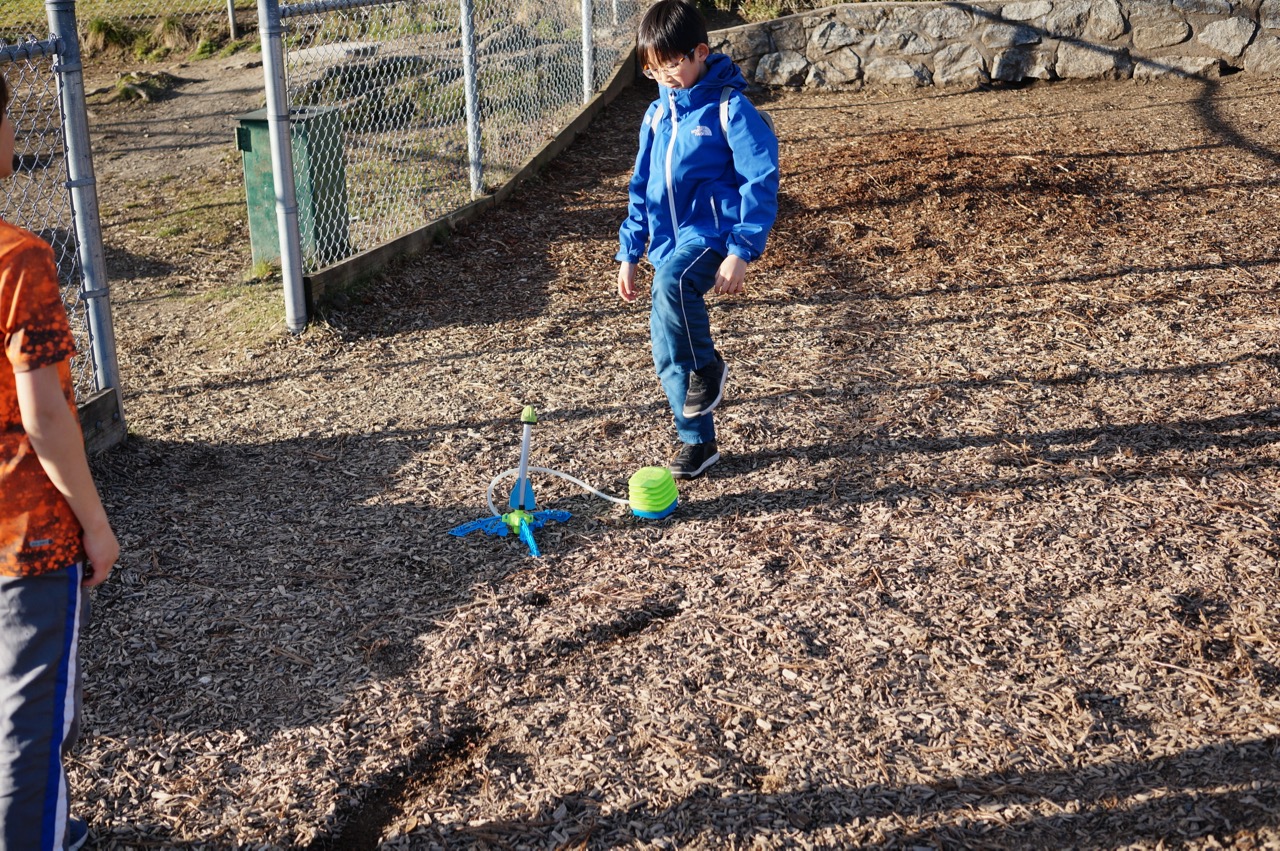
He learned something about how a rocket can be shot into the sky with air.
What happens when you put a whole bunch of planets close to each other and black holes? This gravity simulator lets him explore and experiment with anything he can imagine.
He then worked on modifying a game he found on the Scratch website.
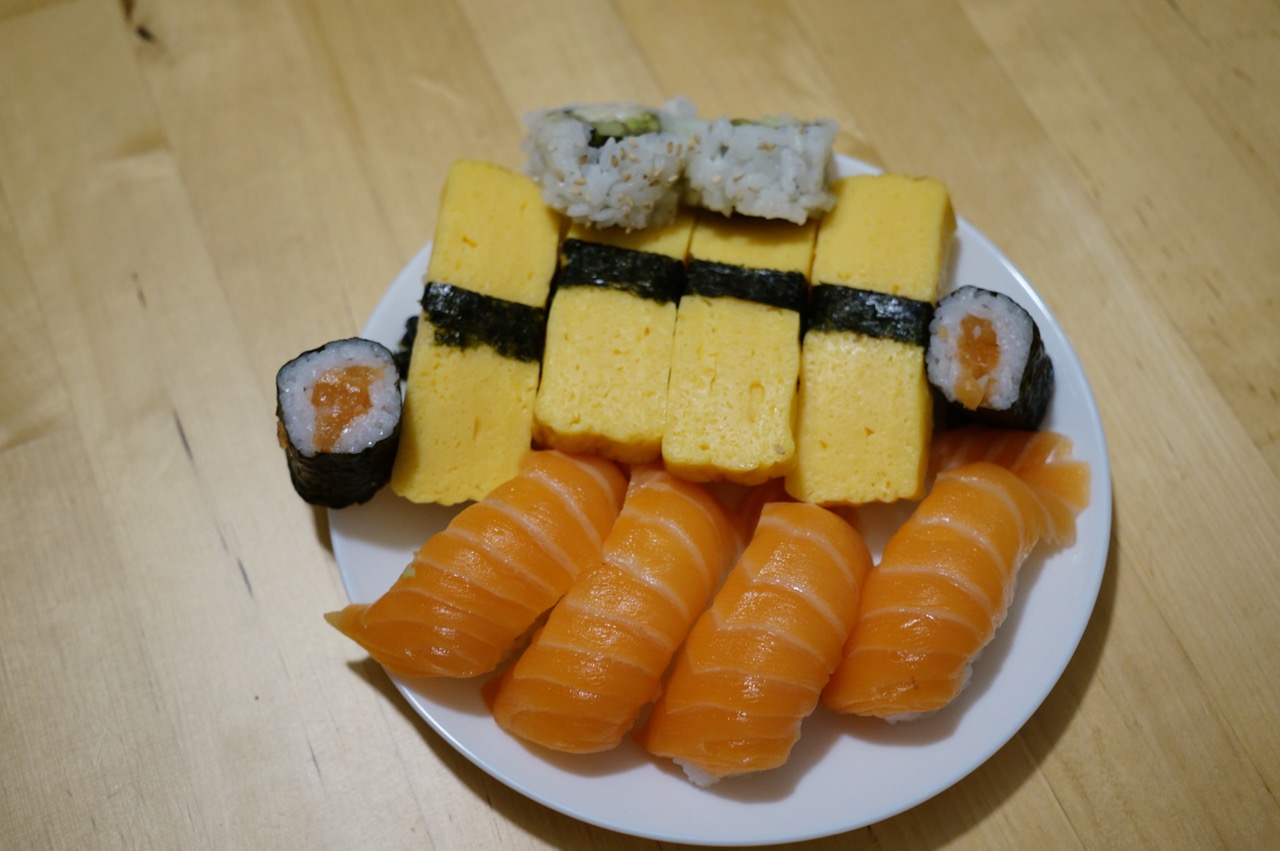
Dinner time!
March 17
In the morning, Ethan was trying to figure out an equation to calculate how many cubes there would be if you also had cubes inside.
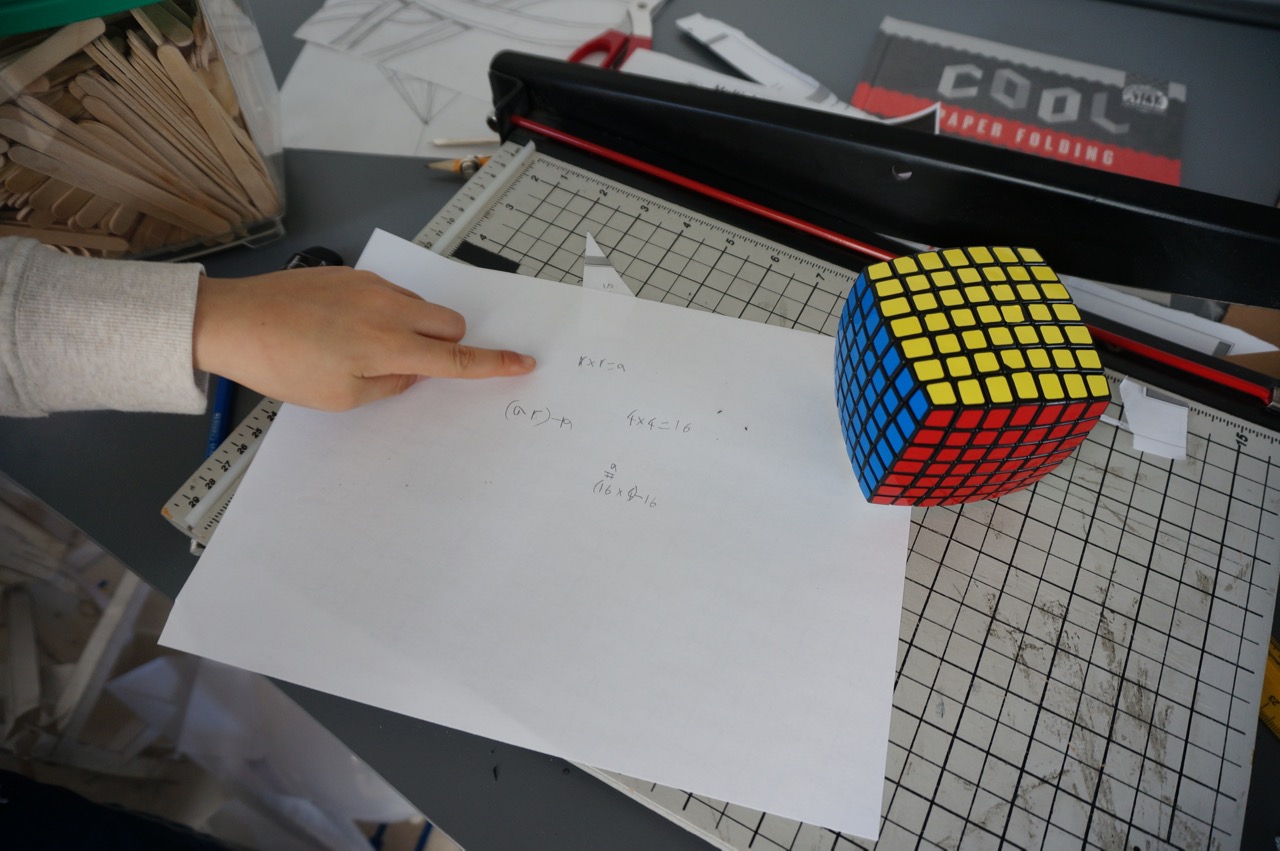
Explaining how his equation would work.
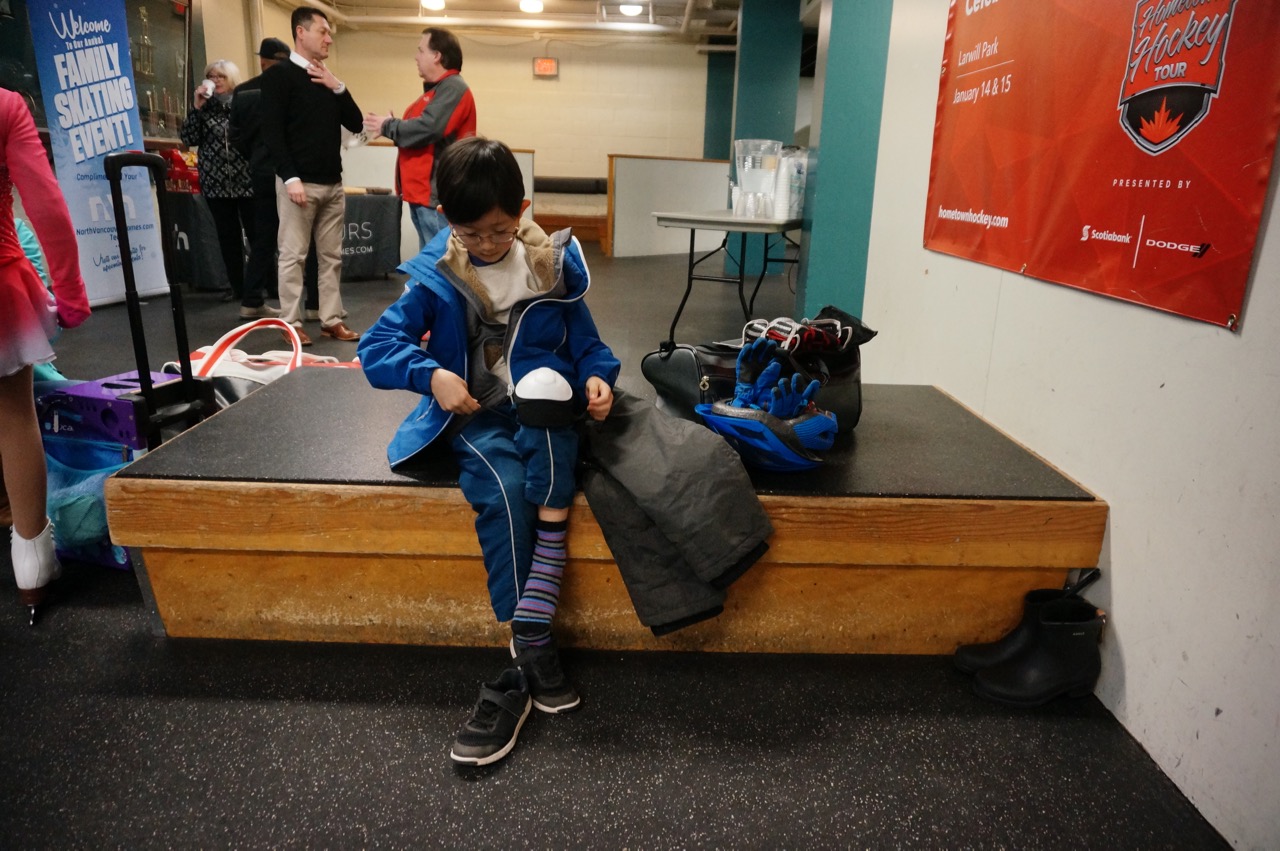
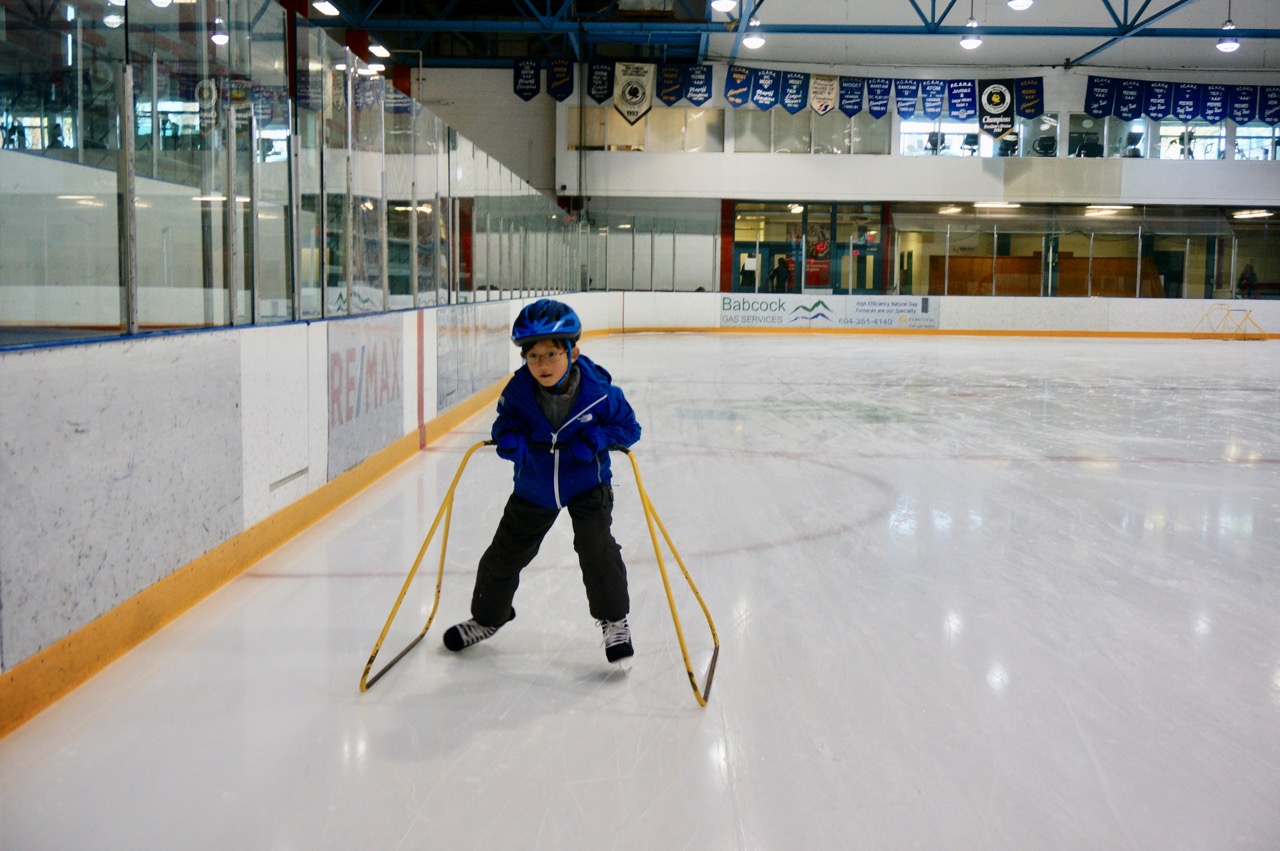
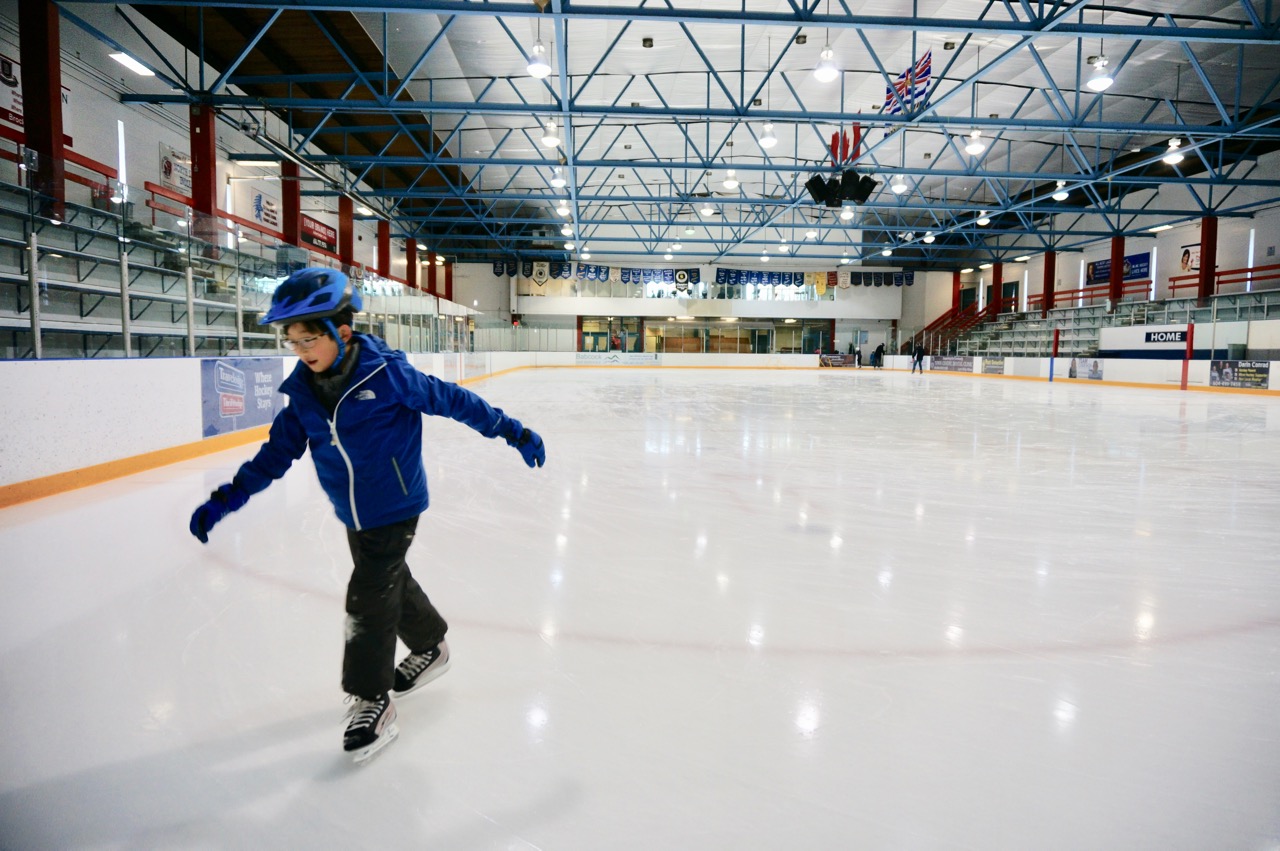
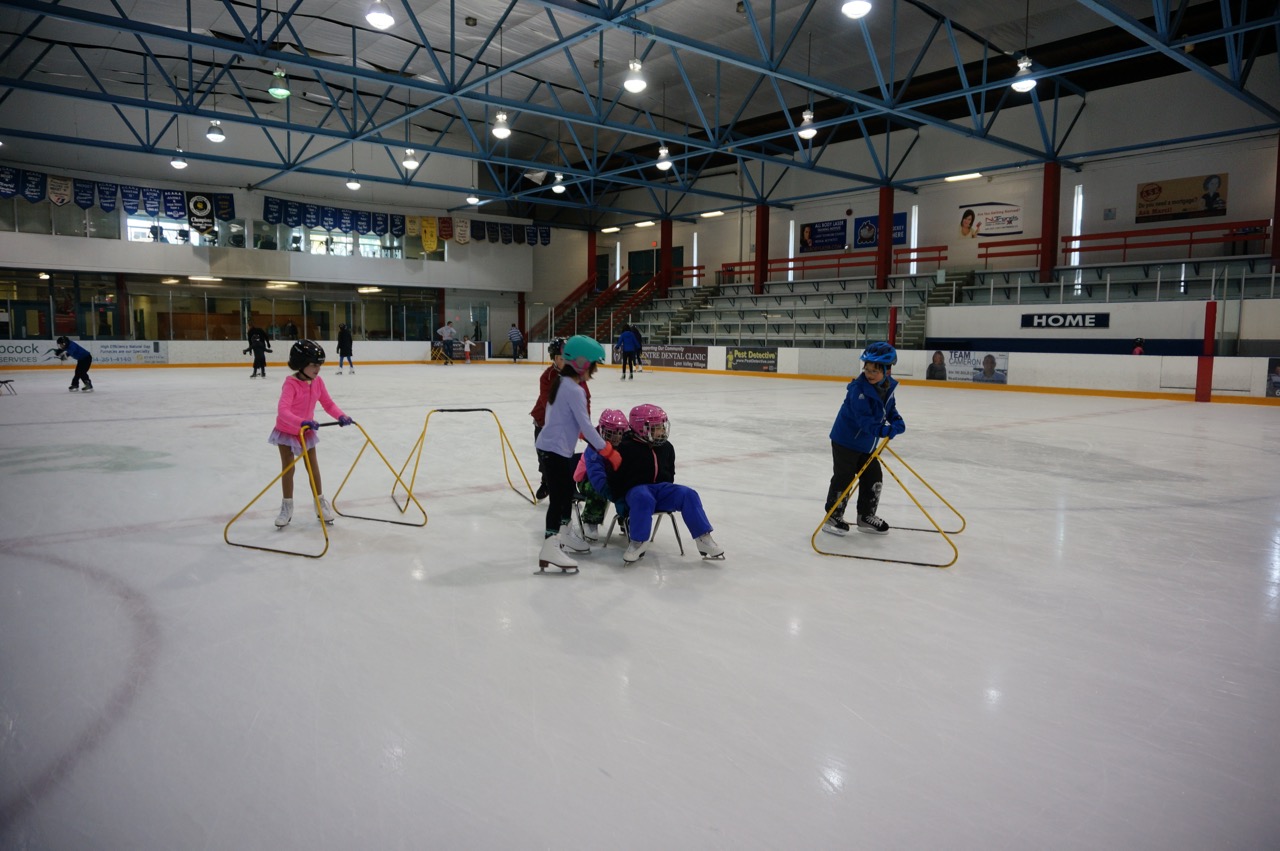
Time for skating! A client of mine was having a family skating event so we went and ended up having a great time.
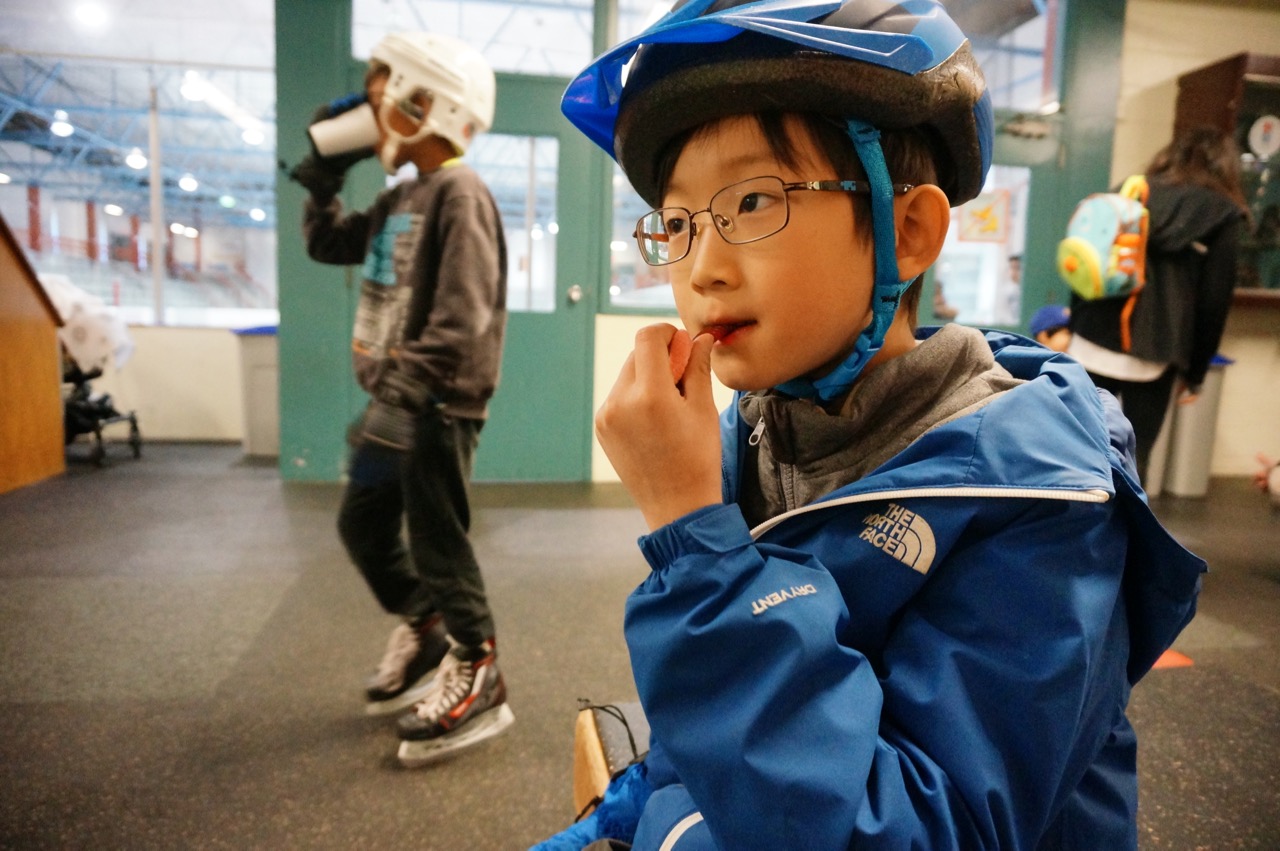
Maybe because there were yummy snacks like gummy worms.
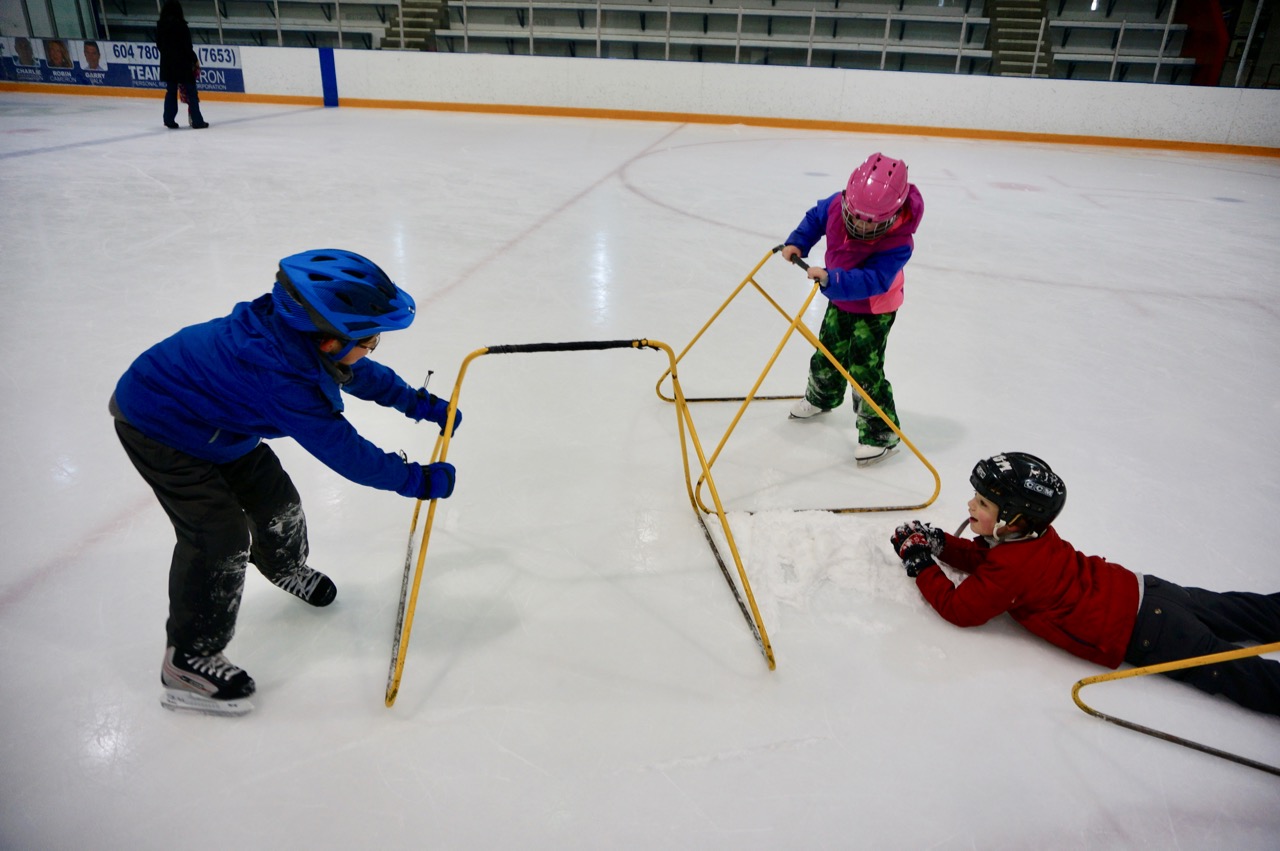
Ethan helped the other kids collect snow and put it into a pile.
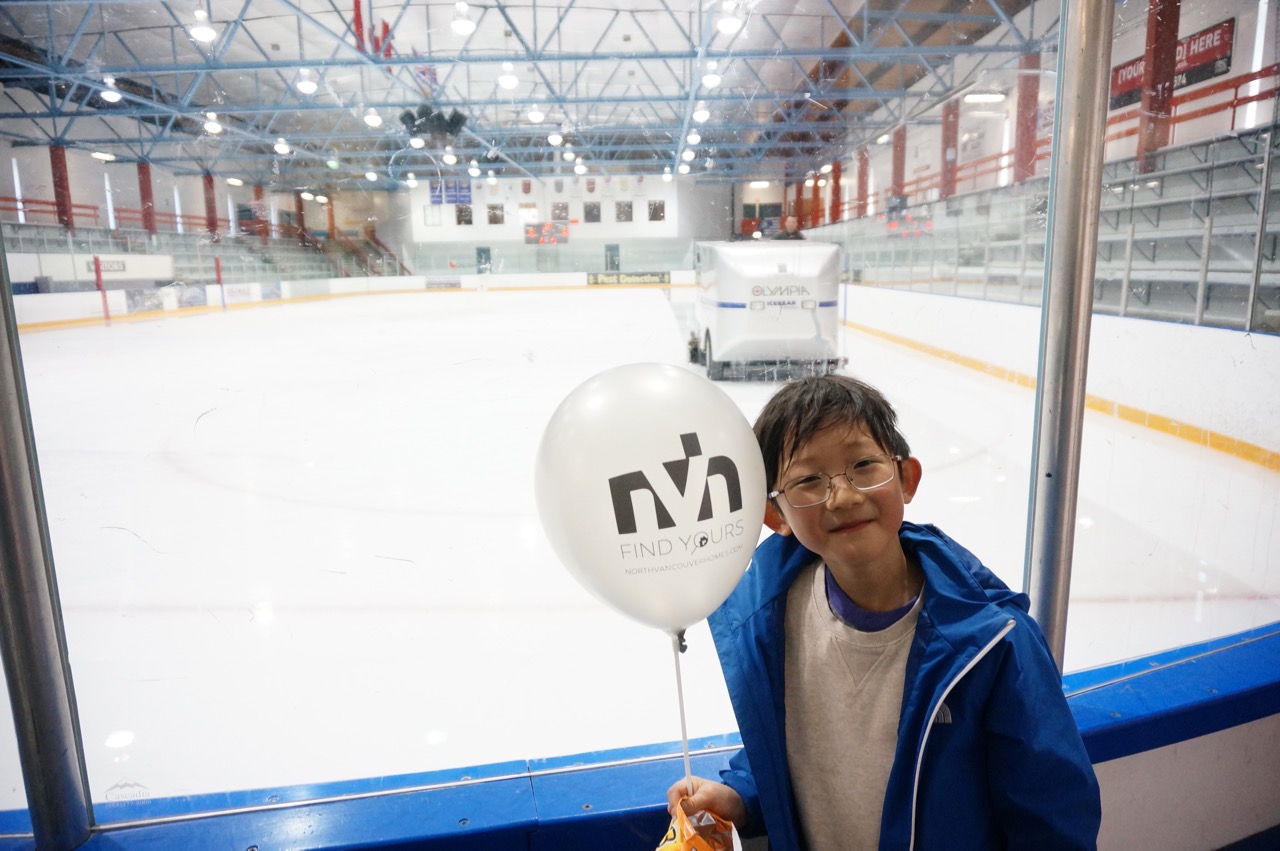
And every kid loves the zamboni, of course.
Back home, it was time for more experiments with gravity and objects in space.
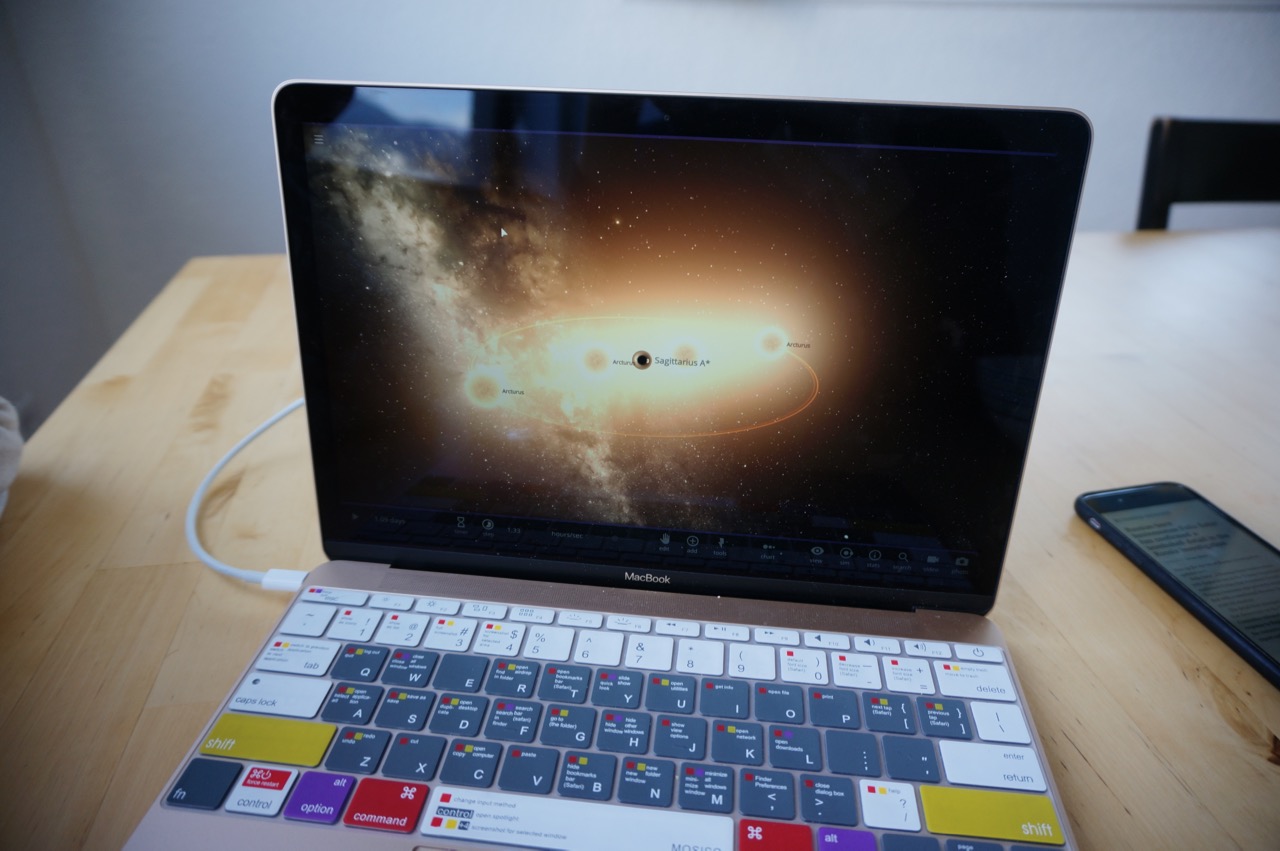
And some videos about our galaxy while having a bite to eat.
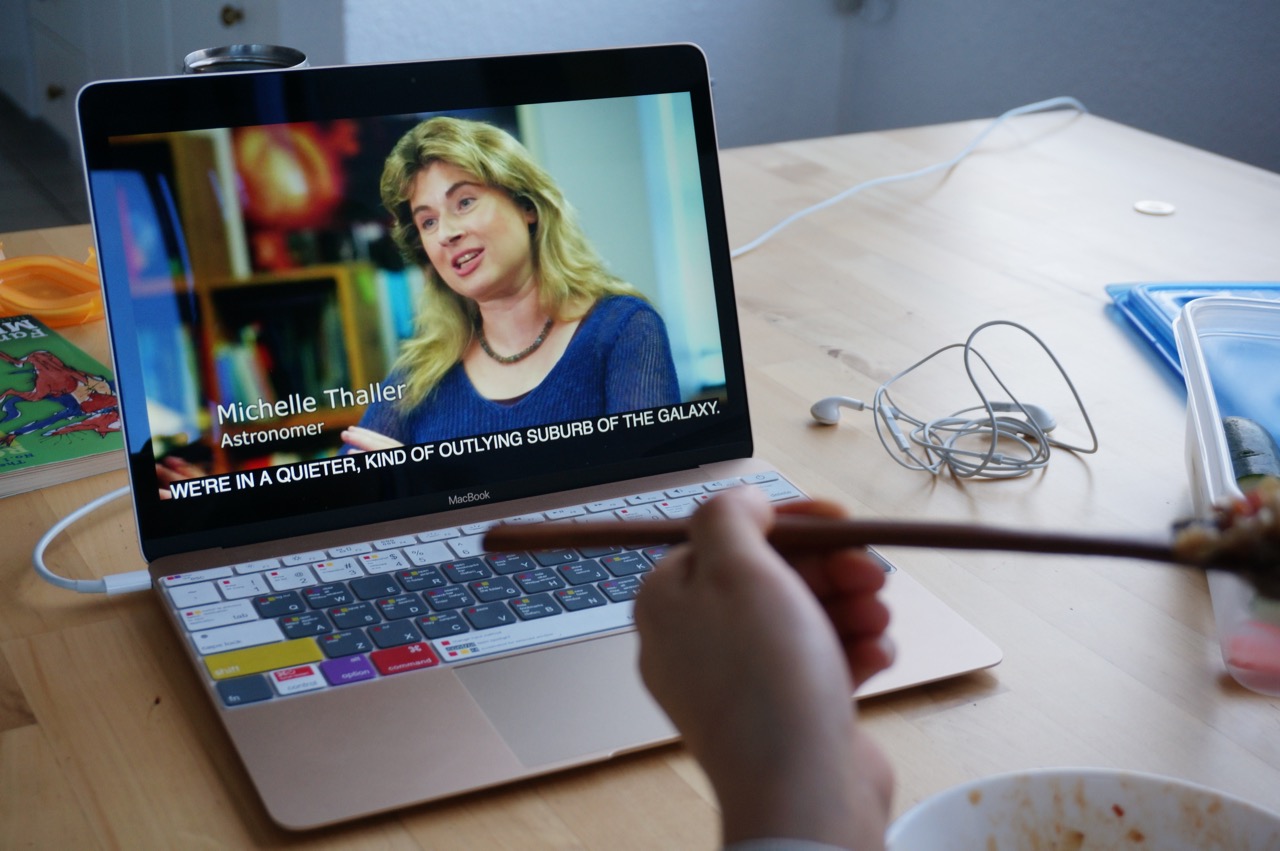
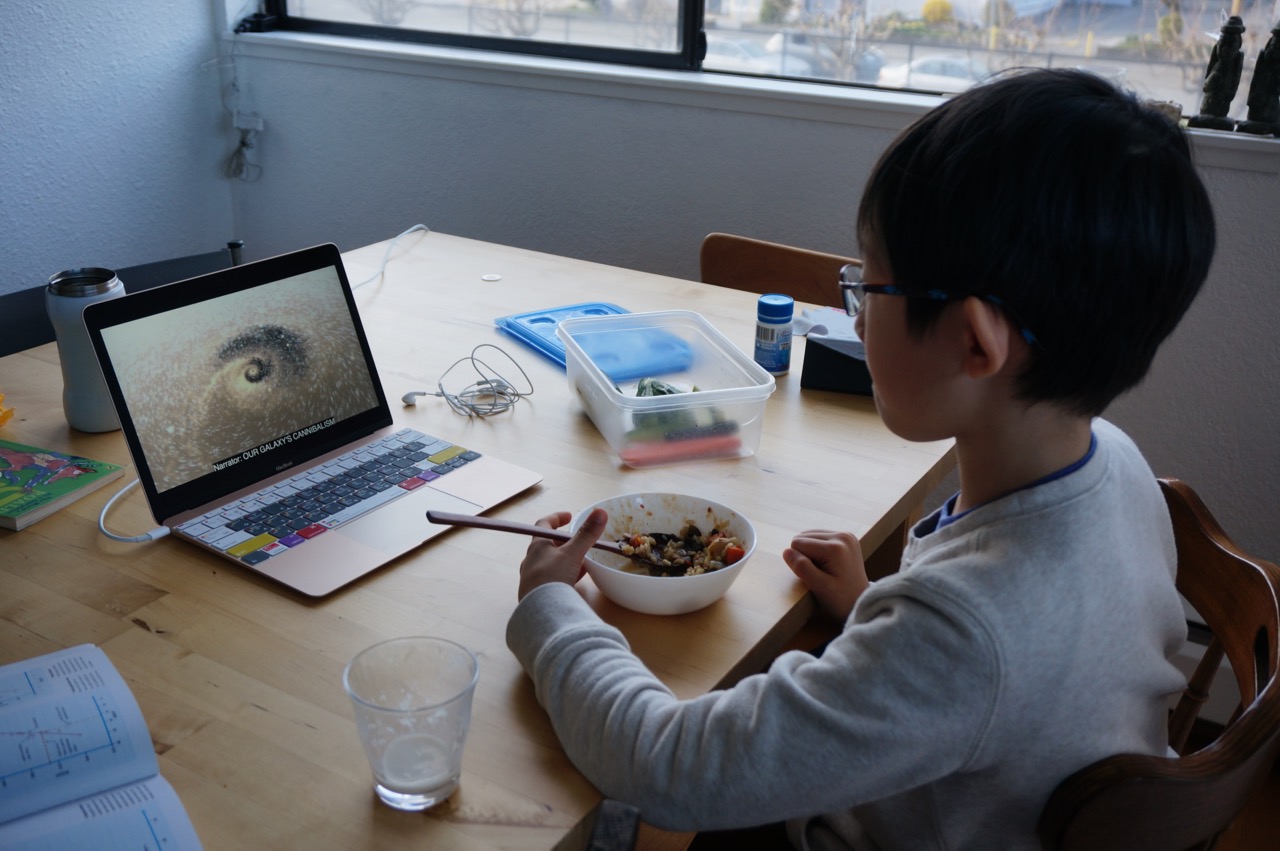
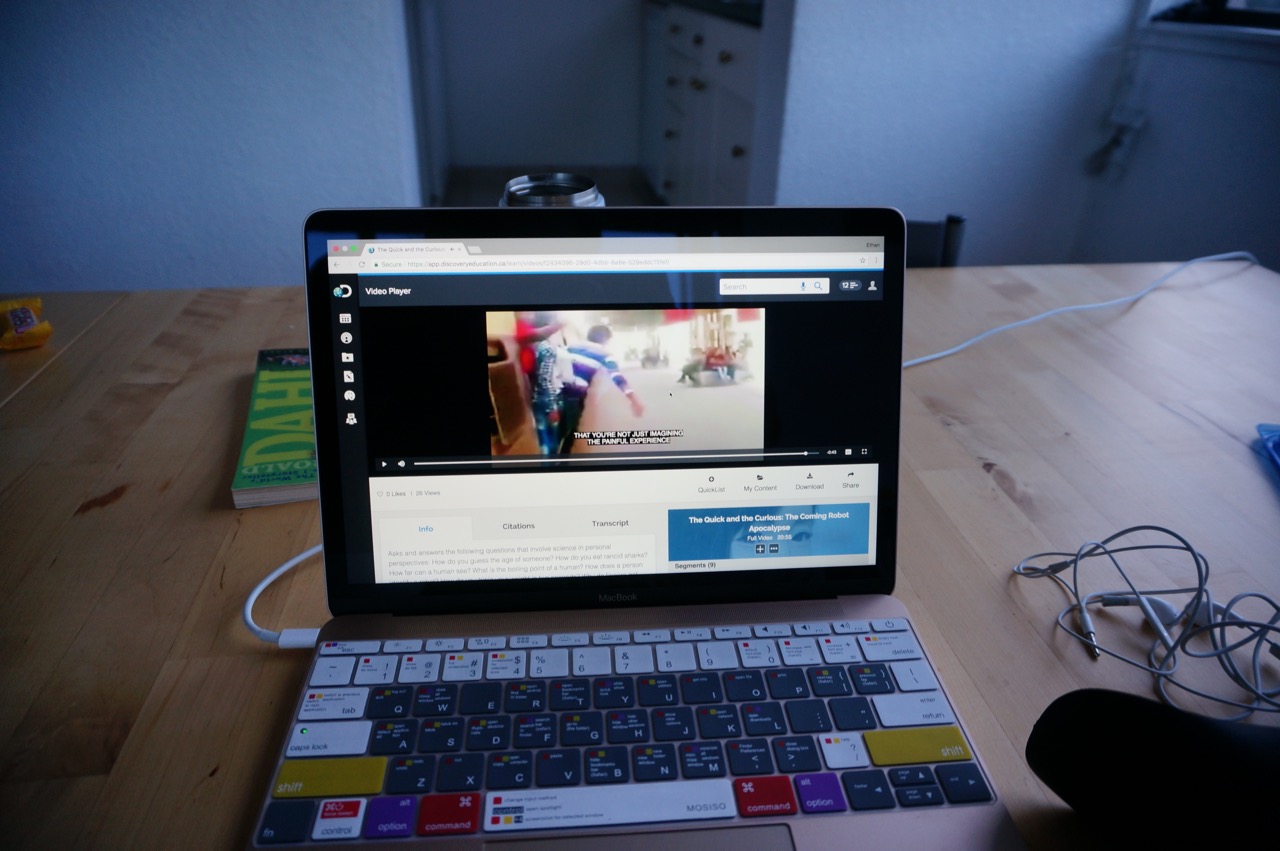
A video about robots and how they are being used in every day life.
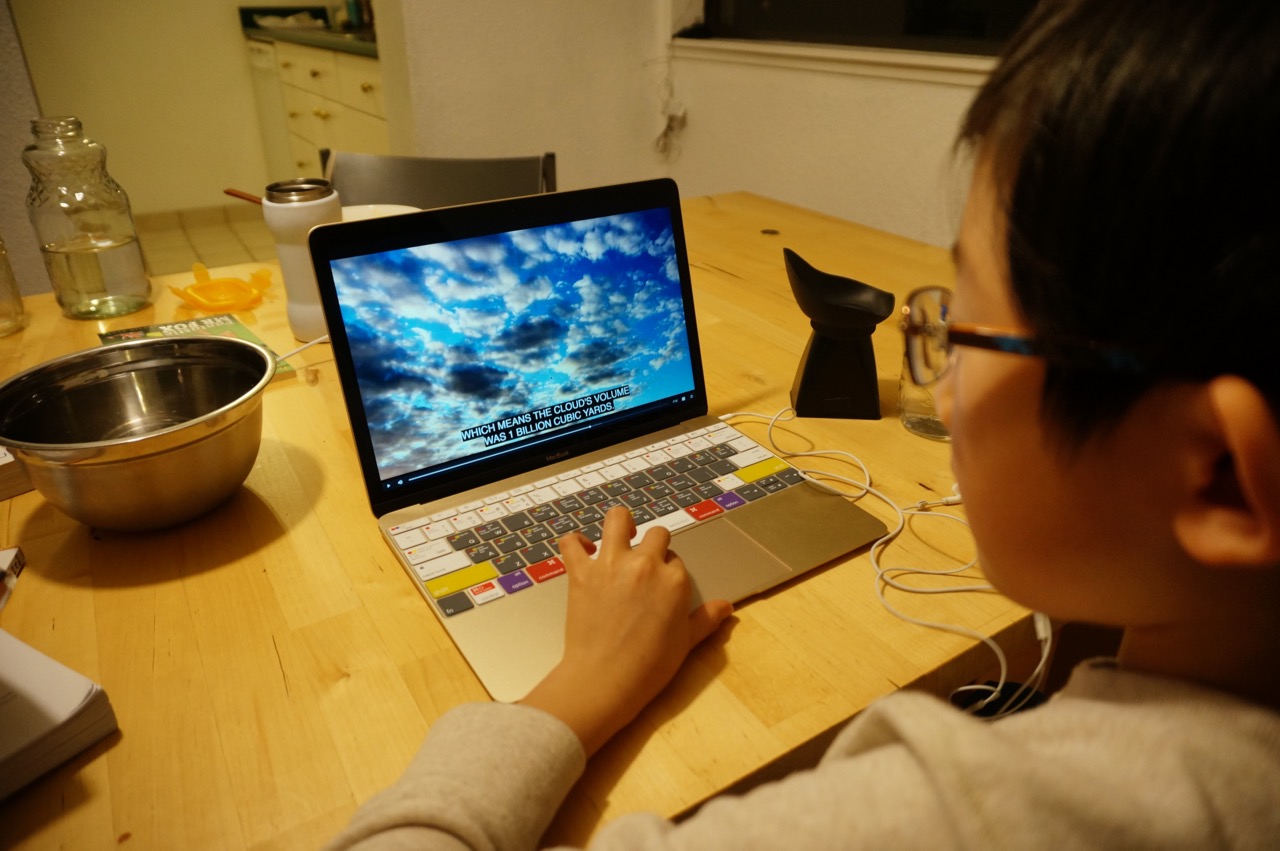
Ethan watched this video about clouds and learned about how much clouds weigh.
And that was Ethan’s week of unschooling. The learning is all day long for Ethan and he loves it. It’s so amazing for him to be able to follow his interests from the time he gets up until he goes to bed.
Onto next week!
In connection to Ethan’s exploration of Mexican food, there is a wonderful learning experience in the library which has a ton of resources for using food as a way to explore culture:
Exploring with food is a fun and easy way to connect with other cultures, languages and traditions. From restaurant meals, to cooking at home, trying new ingredients and learning new terminology, the world is yours! Food is a great way to learn about a new culture or language! Whether it’s going out to a local ethnic restaurant and trying new foods, talking to the owners or servers about their favourites, or trying new recipes at home, food can be a way to travel without leaving your community!
https://selfdesign.learning.powerschool.com/selfdesignlearning/library/cms_page/view/28706928
The photos of the food looked delicious!!
Here are a few ideas from my other grade 4 learner. She decided to do a research project on sharks. This could be done with any creature which Ethan feels drawn to or is wondering about, like the owls in nature school:
She is doing an in-depth research project on sharks. She watched some shark documentaries, read shark poems, and read some good non-fiction shark books from the library. I have this fabulous booklet of activities incorporating math, language arts, science, research skills, social studies and art. She did a few projects, including:
- a Venn diagram comparing/contrasting whales and sharks
- examining diagrams of BONY and CARTILAGINOUS fish, and writing sentences describing how these two kinds of fish are different
- Looking up lengths of various sharks (in metres), and listing them in order from greatest to smallest, with their name, and their length (beginning with WHALE SHARK 12 metres). Lots of these numbers had decimals in them, so good review of ordering decimals.
- Layla read a variety of articles in this booklet (“What is a Shark?”, “A Shark’s Senses”, “A Shark’s Body”, “Where Sharks Live”, “Life Cycle of a Shark”, and “Swim or Sink”), and she identified the main ideas and highlighted all important details in theses articles with her yellow highlighter.
- Layla drew a great white shark, and did a mini-report about great white sharks (body, habits, life cycle, range, diet, etc.),
- Layla understands that humans are more of a threat to sharks than sharks are to humans. We talked about how human can work to protect sharks.
She like Ethan has been captivated by geometry lately too, here is what she did when studying geometric solids, she build them!
We wrapped up Geometry studies this week. Layla has a solid grasp of all Grade 4 Geometry concepts. This week she practiced drawing, naming and describing 2-D and 3-D shapes, including loads of different kinds of prisms and pyramids (which she names by checking out their bases first). Layla built most of these shapes with toothpicks and clumps of plasticine. We read some good storybooks with Geometry ideas in them. Also lots of math stories.
I am so impressed with his research on space! He is doing some wonderful multidisciplinary learning as he builds paper airplanes and also writes fictional stories about them.
Can you tell me a bit more about story cubes? I am not familiar with them and they seem to be helping and inspiring Ethan to write more.
He is also getting very skilled at finding books which work better for him. For example finding drawing books in the regular art section and the adventure math books. I am so impressed with how his perspective drawing is progressing. It goes to show how with practice you can really improve and learn quickly. It might be interesting for Ethan to see some of his early drawings from just a few weeks ago and what he can do now.
It might be interesting to study the history of the tortilla and try making some at home too.
History of the corn tortilla[edit]
Main article: Corn tortilla
According to Maya legend, tortillas were invented by a peasant for his hungry king in ancient times[citation needed]. The first tortillas discovered, which date back to approximately 10,000 BC, were made of native maize with dried kernel[citation needed]. The Aztecs used a lot of maize, both eaten straight from the cob and in recipes. They ground the maize, and used the cornmeal to make a dough called masa.[4]
On 22 April 1519, Spaniards led by Hernán Cortés, also known as Hernando Cortez, arrived in what is now Mexico. They found that the inhabitants (Aztecs and other native Mexican peoples) made flat maize bread. The native Nahuatl name for this was tlaxcalli.[5]
In Cortés’ 1520 second letter to King Charles V of Spain, he described the public markets:
“This city has many public squares, in which are situated the markets and other places for buying and selling. . . where are daily assembled more than sixty thousand souls, engaged in buying and selling; and where are found all kinds of merchandise that the world affords, embracing the necessaries of life, as for instance articles of food. . . maize or Indian corn, in the grain and in the form of bread, preferred in the grain for its flavor to that of the other islands and Terra-firma”.[6]
This bread made from maize was later given the name tortilla (little cake) by the Spanish. In parts of southern Spain, the origin of many of the Spaniards conquering America,[7] a tortilla or tortillita is a crisp, thin, circular, fried cake made of chickpea meal. These tortillas, which apparently have their roots in southern Spain’s Arabic heritage which Arabs brought Spain from Greek foods, look strikingly similar to the fried maize tortilla (or tostada).[
What is it about Zamboni’s which make them so mezmerizing?
They are so wonderful to watch, here are some cool facts:
- At approximately ¾ of a mile per resurfacing, if there are four resurfacings per game, the machines travel an average of three miles during each hockey game.
- On average, a Zamboni machine “travels” close to 2,000 miles each year in the course of resurfacing.
- In 2001, a Zamboni machine was driven from the East Coast of Canada (St. John’s, Newfoundland) across to the West Coast (Victoria, B.C.). At about nine miles per hour, the journey took approximately four months.
- Model E34 was in service for over 40 years and it is estimated that it traveled in excess of 45,000 miles on the ice. This machine has been fully restored and is on display at Paramount Iceland.
- Over 10,000 Zamboni machines have been delivered around the world.
- When a Zamboni machine operator in the Midwest passed away, his funeral procession was led by a Zamboni machine.
- Twenty Zamboni machines were on hand to resurface the various ice sheets during the 2002 Salt Lake Winter Games. Fifteen machines (all electric, Model 552 resurfacers) were used in 2006 at the Winter Olympic Games in Torino, Italy.
- Prior to the invention of the Zamboni machine, the manual resurfacing of the ice sheet required three or four workers and took over one hour to complete.
- Frank Zamboni’s first patent (1,655,034) was for an adjustable electrical resister, which was awarded January 3, 1928.
- Why does the Zamboni machine have headlights? Machines may be required to travel over the road at night and many have to leave the arena to dump the snow collection tank.
- Machine No. 4 is in the US Hockey Hall of Fame in Eveleth, MN and machine No. 21 (originally sold to the Boston Bruins in 1954) is presently at the Hockey Hall of Fame in Toronto, Canada.
- Frank J. Zamboni was awarded an Honorary Doctorate of Engineering from Clarkson University in Potsdam, NY in 1988.
- The blade on the Zamboni machine is designed especially for ice-resurfacing. It is sharp enough to slice through thick stacks of newsprint, weighs 57 pounds and is ½ inch thick.
- In the Fall of 1999, more than a million people visited the Zamboni web site, www.zamboni.com to vote for their favorite Zamboni driver of the year. The winner, Jimmy MacNeil, is from Wayne Gretzky’s hometown of Brantford, Ontario, Canada.
- “Not very scientific” facts and figures:
- Average number of resurfacings a day: 9.7
- Time in operation per day (12 min per resurfacing): 116.40 minutes
- Miles traveled per day (9.7 resurf. X .75 mile) 7.3
- Snow per resurfacing 60 cu. ft.
- “Snow cones” per resurfacing (28.3 cu. in./cone) 3661 cones
- When the machine resurfaces the ice, it is capable of removing close to 2,500 pounds of compacted snow, while it can leave behind about 1,500 pounds of water.
- The shape of the Zamboni ice resurfacing machine (like the shapes of the Jeep® grille and the Coca-Cola® bottle) is a federally registered trademark.
- In 2000, the Zamboni machine was immortalized as an authentic Monopoly® board game token in the NHL version of the game.
- Zamboni® has been designated the official ice resurfacing machine of the NHL (National Hockey League).
- On January 1, 1995, Rotary International’s Tournament of Roses Parade float entry titled “Lending a Helping Hand” featured Snoopy at the wheel of a Zamboni machine, surrounded by the PEANUTS characters.
- In January of 2004, a Zamboni machine operator for the NHL’s Tampa Bay Lightning buried a pewter Zamboni machine charm at center ice for good luck during the Stanley Cup Finals. The Lightning went on to win the 2004 Stanley Cup.
- In February of 2005, Canadian McDonald’s restaurants introduced a miniature version of the Zamboni ice resurfacing machine for a Happy Meal™ toy promotion.
- Paramount Iceland, birthplace of and home to the world’s first Zamboni ice resurfacing machine, (the Model A Zamboni ice resurfacer) celebrated its 70th anniversary on January 3, 2010.
- In April of 2005, Road & Track magazine performed a “road test” on the Zamboni Model 500 ice resurfacing machine. They determined the machine’s top speed to be 9.7 mph and that the machine would go from 0 to ¼ mile in 93.5 seconds.
- For the NHL’s 2002 All Star Game in Los Angeles, California, a parade featuring four restored vintage Zamboni machines, including the world’s first Zamboni machine, traveled through the streets of downtown Los Angeles.
- The extra weight of the batteries used to power the Model 552 electric Zamboni ice resurfacing machine are supported by wider tires than those used on the fuel-powered models. A Model 545 uses size 215 tires and the Model 552 uses size 245 tires to handle the weight difference of over 3,000 pounds.
- Since their premiere in 1997, millions of miniature 1:50 scale replicas of the Zamboni ice resurfacing machine have been manufactured and sold around the world.
- A commercial during the 2000 NFL Superbowl featured Wayne Gretzky at the wheel of a Zamboni machine.
- The Model A, Frank’s first working prototype of the Zamboni® ice resurfacing machine was the largest machine he ever built, measuring 14 ft, 9 inches in length and 9 ft, 6 inches in height.
- In 2000, Frank J. Zamboni was inducted into the U.S. Figure Skating Hall of Fame. In 2006, Frank was inducted into the World Figure Skating Museum and Hall of Fame. In 2007, Frank was inducted into the National Inventors Hall of Fame. In 2009, he was inducted into the U.S. Hockey Hall of Fame.
- In the early days of the Zamboni ice resurfacer, the inability of tires to get adequate traction on the ice was an issue. Before the introduction of tires implanted with steel studs in the mid 1960’s, Frank Zamboni would have new tire casings re-treaded with a combination of rubber and crushed walnut shells. These re-treaded tires provided the best possible traction (without the use of chains, which would take their toll on the ice sheet) at the time, but not nearly as good as today’s studded tires.
- In 1957, the National Collegiate Athletic Association (NCAA) contacted the Zamboni Company to ask about the turning radius of the Zamboni ice resurfacer. As a result, they amended their “rule book” to allow for the ice resurfacing machine’s specifications.
- The Zamboni machine does not measure its travel in “miles”. Instead, the hours in use are monitored as a point of reference.
- In 1962, a special Zamboni Model G ice resurfacer was manufactured for an ice rink in Seibu, Japan. This machine featured side by side operator’s seats, a “first” (and last) for the Zamboni Company.
- Other “Zamboni” Machines: Frank Zamboni actually developed the “Grasshopper” (a machine to roll up artificial turf); the “Black Widow” (which was used to fill in dirt on top of cemetery vaults); the “Astro Zamboni” (designed for Monsanto Chemical Company to vacuum water from their Astro-turf® product); and the “Vault Carrier” (built to lift and carry heavy cement burial vaults). Under Frank’s direction, the Company also built and/or sold machines designed to groom snow, dig trenches and clean aircraft. However, through the years, the Zamboni Company’s primary focus has been on the ice business and the continued evolution of the Zamboni ice resurfacing machine.
- Northern Arizona University may have the distinction of purchasing more varied machines from the Zamboni Company than any other facility. NAU built an enormous facility that included an Astro-Turf field and an ice rink in the middle which could be frozen when the artificial turf was removed. In 1977 they took delivery of a Zamboni Model HDB ice resurfacer, a Zamboni Grasshopper turf roller and a Zamboni stripe removal machine. At one point, they even inquired about an AstroZamboni machine to clean the turf.
- When Minnesota regained its NHL hockey team, they had a Zamboni machine parade. There were more than a dozen Zamboni machines involved in the parade, which garnered national media attention.
- The Zamboni Company sells more ice resurfacing machines than all of its competitors (around the world) combined.
- Each tire on the Zamboni machine is hand-studded, with around 400 Tungsten Carbide studs used for each machine’s full set of tires.
- The Zamboni machine has been involved in the plot lines of and even a “star” in TV shows and movies,
Recent Comments