

Last week of November. So much happening in the world these days. (Quote, 2020, by Ethan’s Dad)
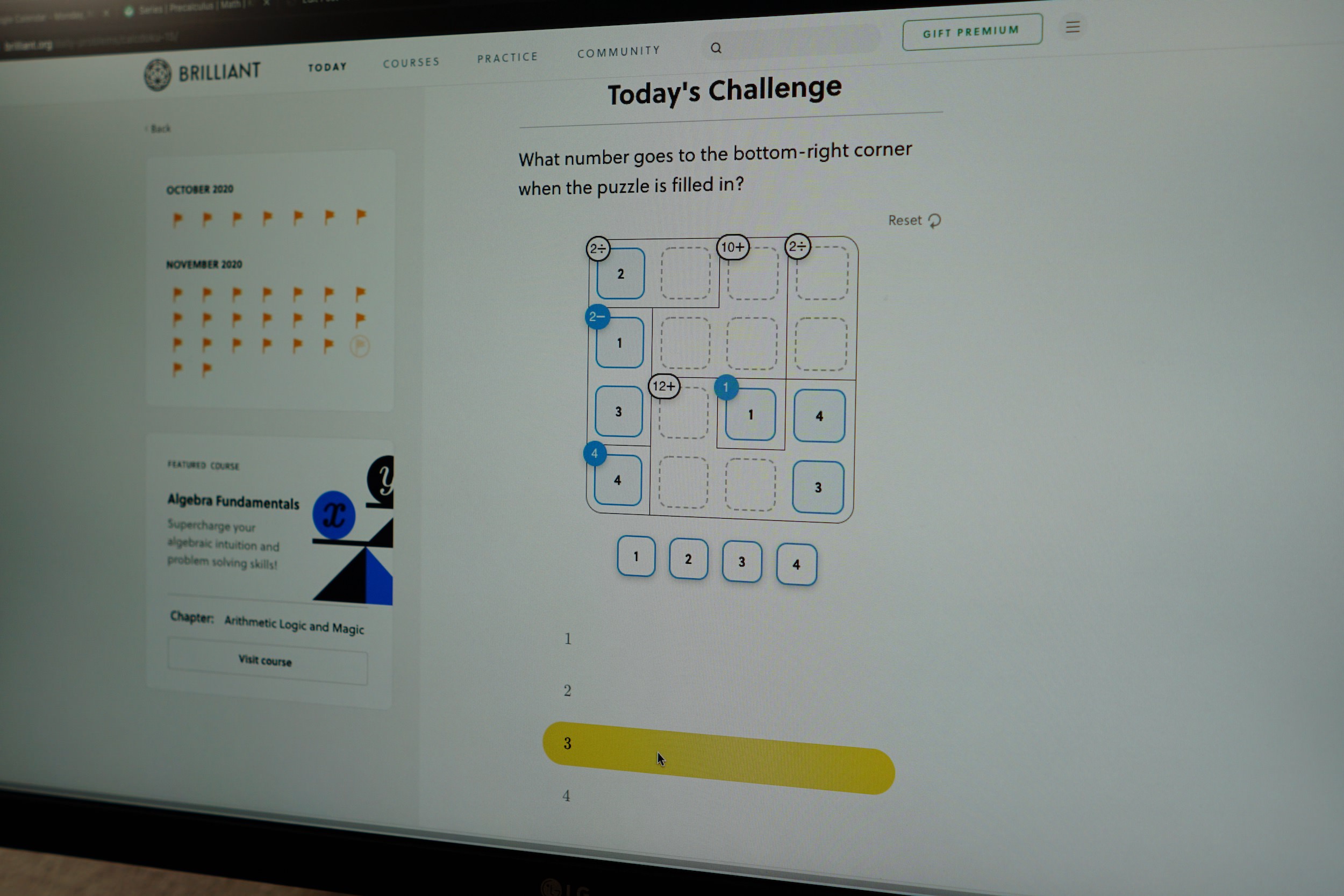
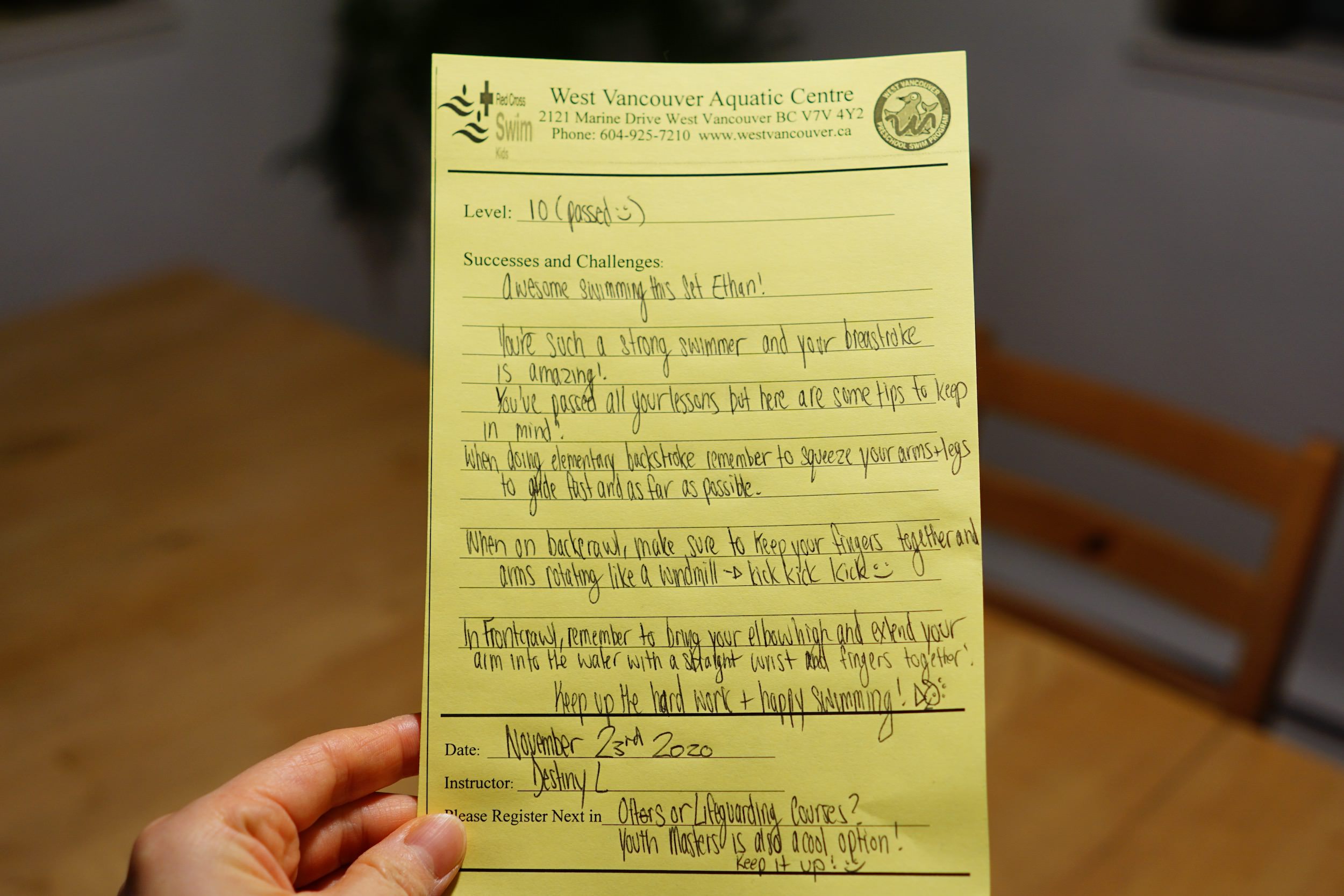
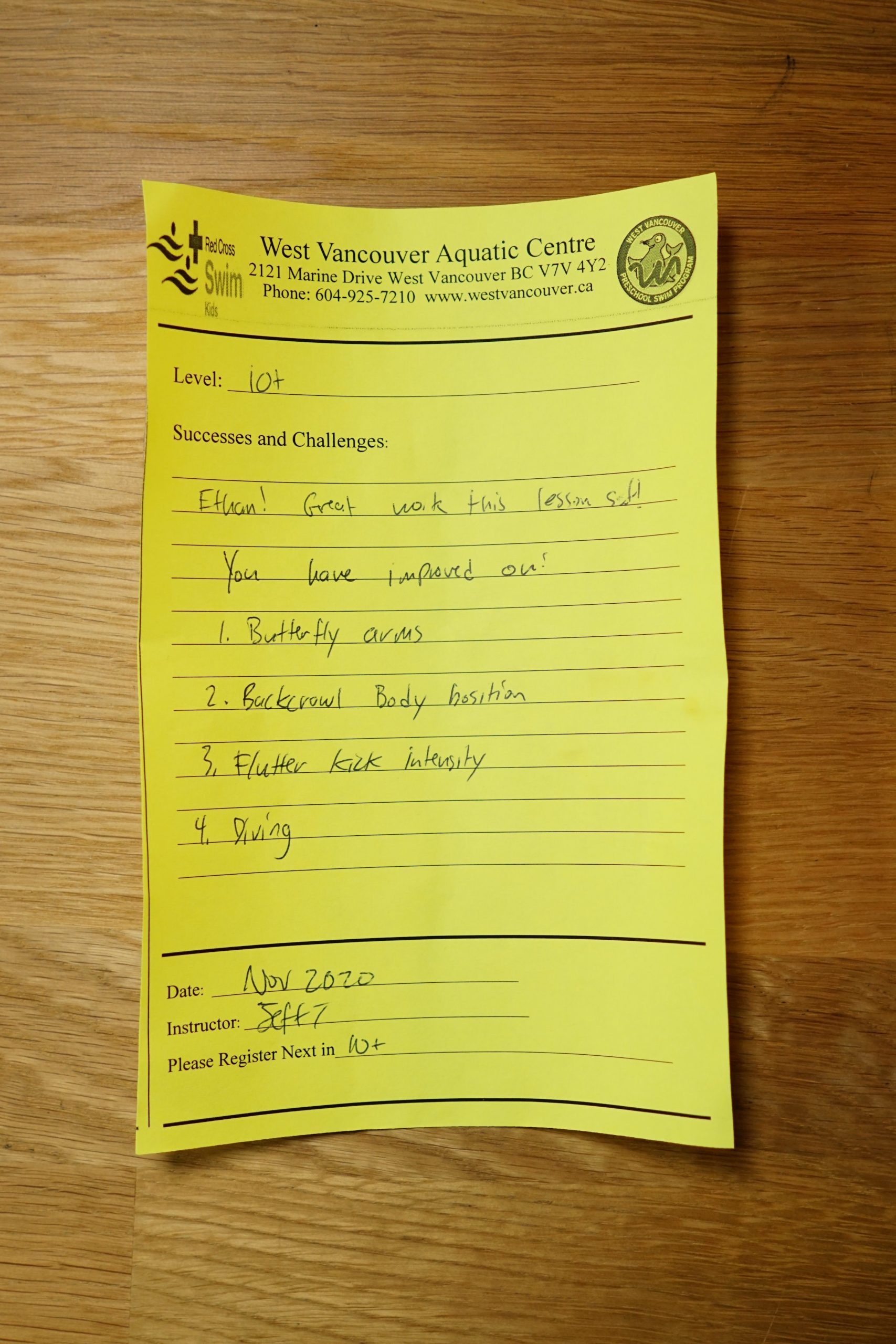
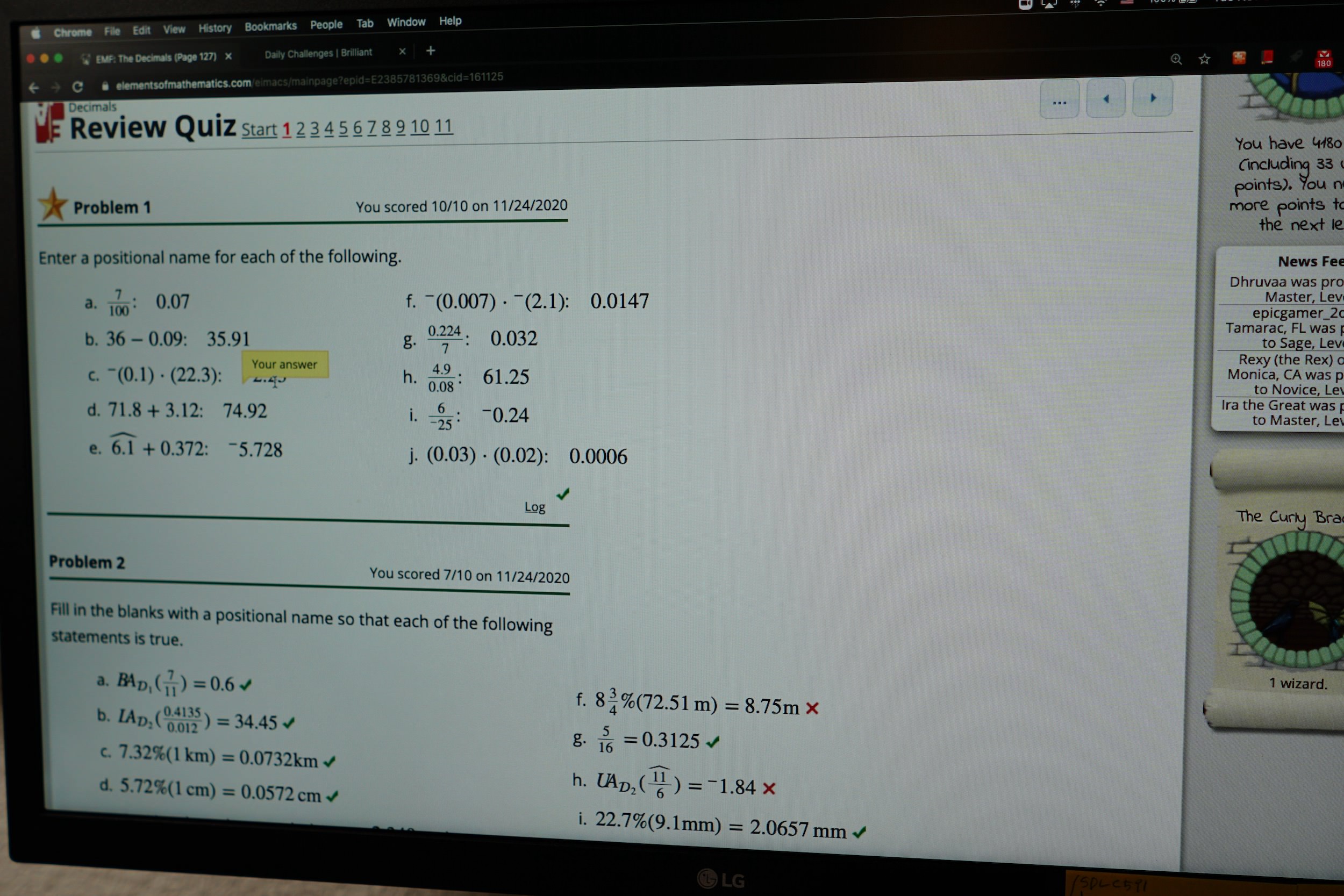
This week, I did EMF and Brilliant every day of the week. I finished my swimming classes (level 10 again!) and (because of the “New” COVID-19 restrictions) I am doing taekwondo every Saturday. I am still doing violin lessons online (Monday and Tuesday) and doing orchestra every Saturday. I am still doing book club meetings every Monday (By the way, the name of the book club is “The Page Turners” by vote).

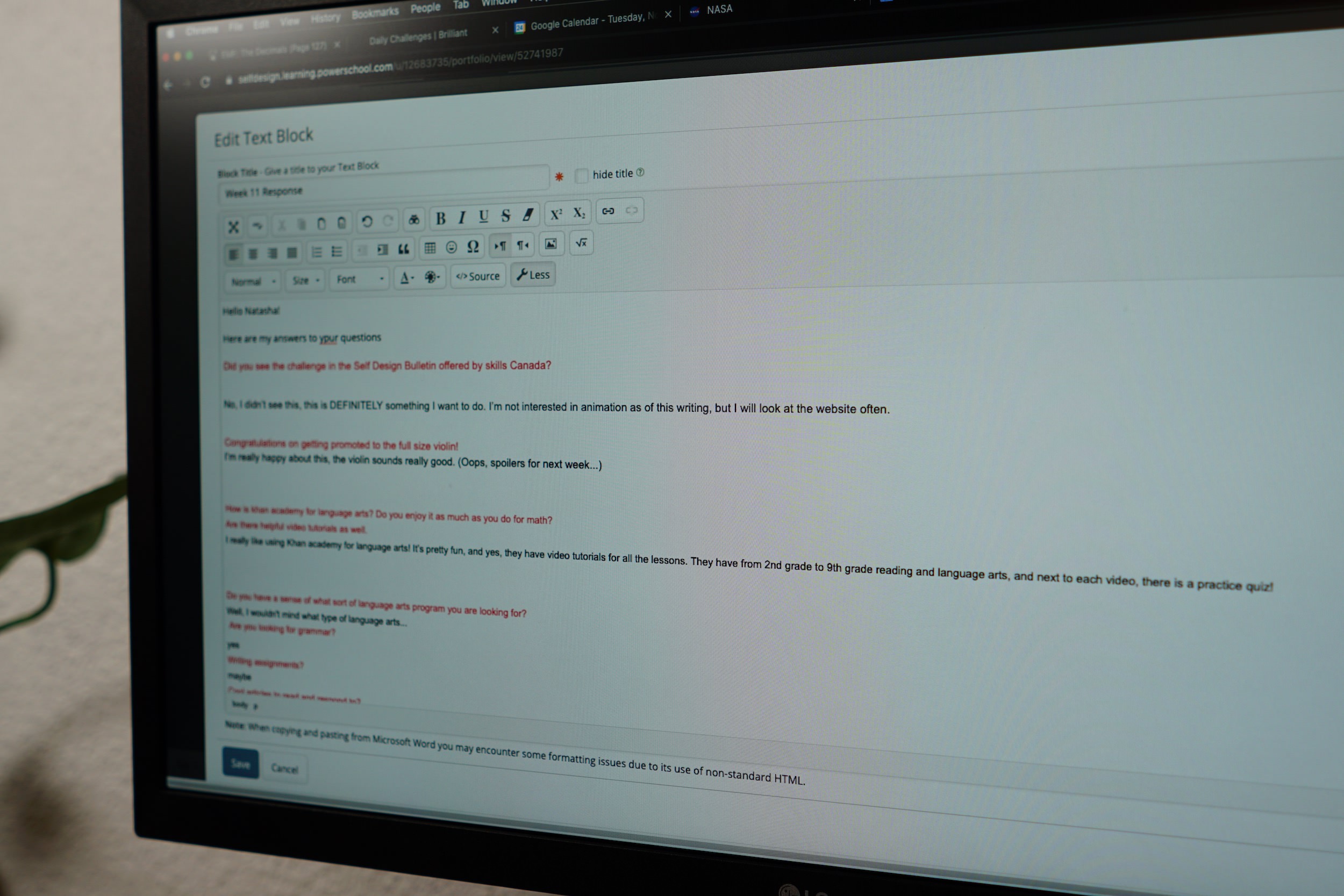


Hello Natasha!
I’m great, thanks.
here are your answers to your questions:
I wanted to share a few haikus that another learner wrote about supernovas. Are you familiar with Haikus?
Yes, I am! I was looking up funny Haikus, and I found this one:
Haikus are awesome.
But sometimes they don’t make sense.
Refrigerator.
Or:
Wanna go outside.
Oh NO! Help! I got outside!
Let me back inside!
Here are a few haikus I created:
https://docs.google.com/document/d/1V6Qae7DfSj43x_pZWxMR9FVm85U8WSxrUVF03R-4ML0/edit?usp=sharing
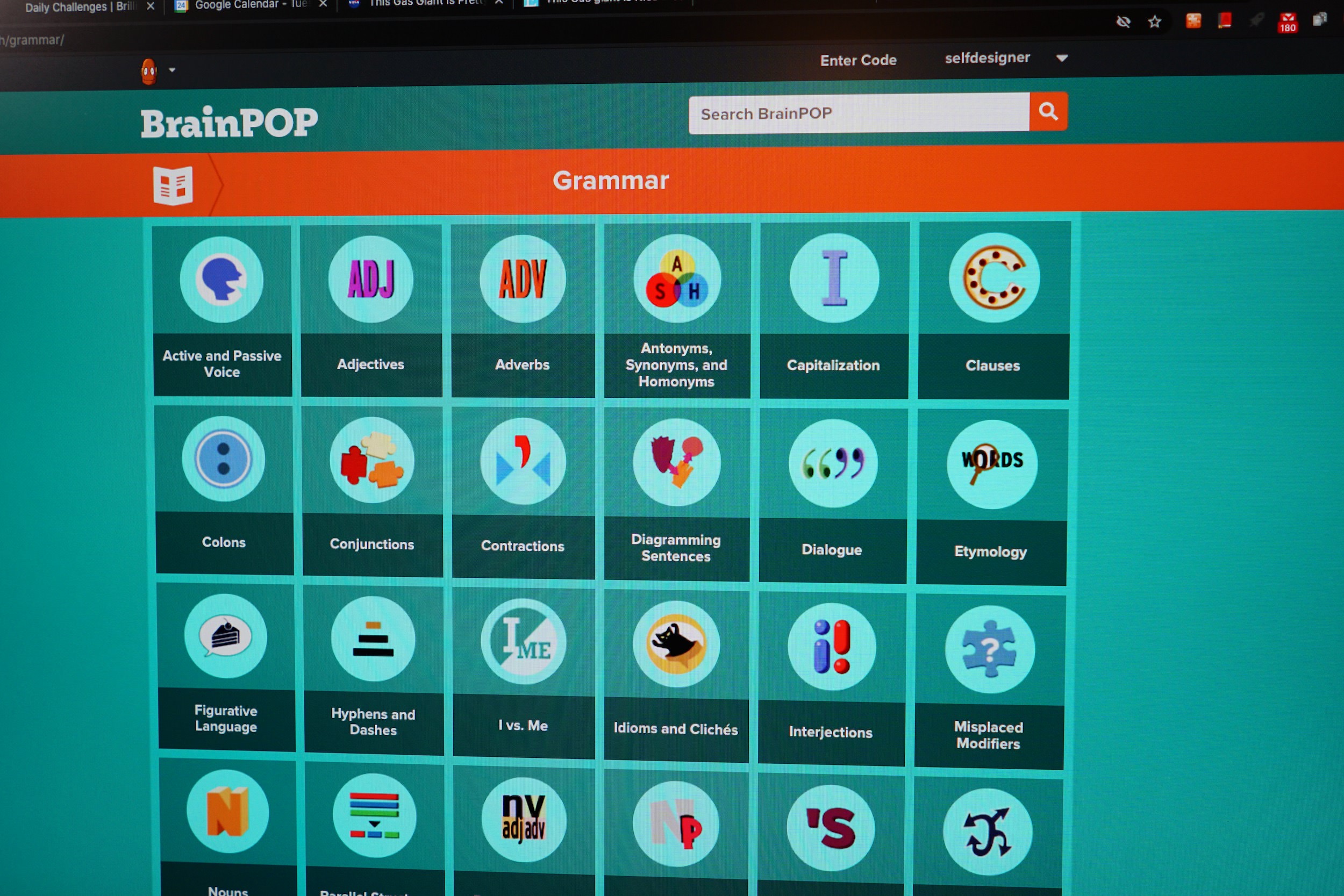
The layout of the grammar looks quite engaging on Brainpop. Did you learn some new things or was it mostly review for you? Are you trying out any of your new grammar learning?
Well, some of the brainPop grammar was review from Khan Academy, but some of it was new stuff! So, yes, I will be trying out more brainpop in the following days.
What are the impacts on Covid on animal populations? In some ways it must be great to have less human visitors, but without the tourism money how and why might animals be more vulnerable?
Well, some animal populations, such as the Olive Ridley sea turtles, have been affected positively in the COVID – 19 pandemic, because there are no people on the beaches (they have laid over 60 million eggs this year)! But other animals such as ducks, which rely on humans feeding them, are going hungry.
I think that animals are more vulnerable during COVID because of a few things. Because tourism supplies most, if not all, of a zoo’s money, and ability to buy food for the animals. If the tourism stopped, that money wouldn’t be there. Also, in northern Kenya, inside the Loisaba Conservancy, more animals are being poached, because all the rangers are worried about COVID (source: https://www.nationalgeographic.com/animals/2020/04/wildlife-safaris-halted-for-covid-boost-poaching-threat/). Also, some animals are just lonely! For example, there is an orangutan named Puppe at the Toronto Zoo who is bored and lonely because there are no people (source: https://www.washingtonpost.com/travel/2020/04/03/coronavirus-pandemic-has-halted-tourism-animals-are-benefiting-it/).
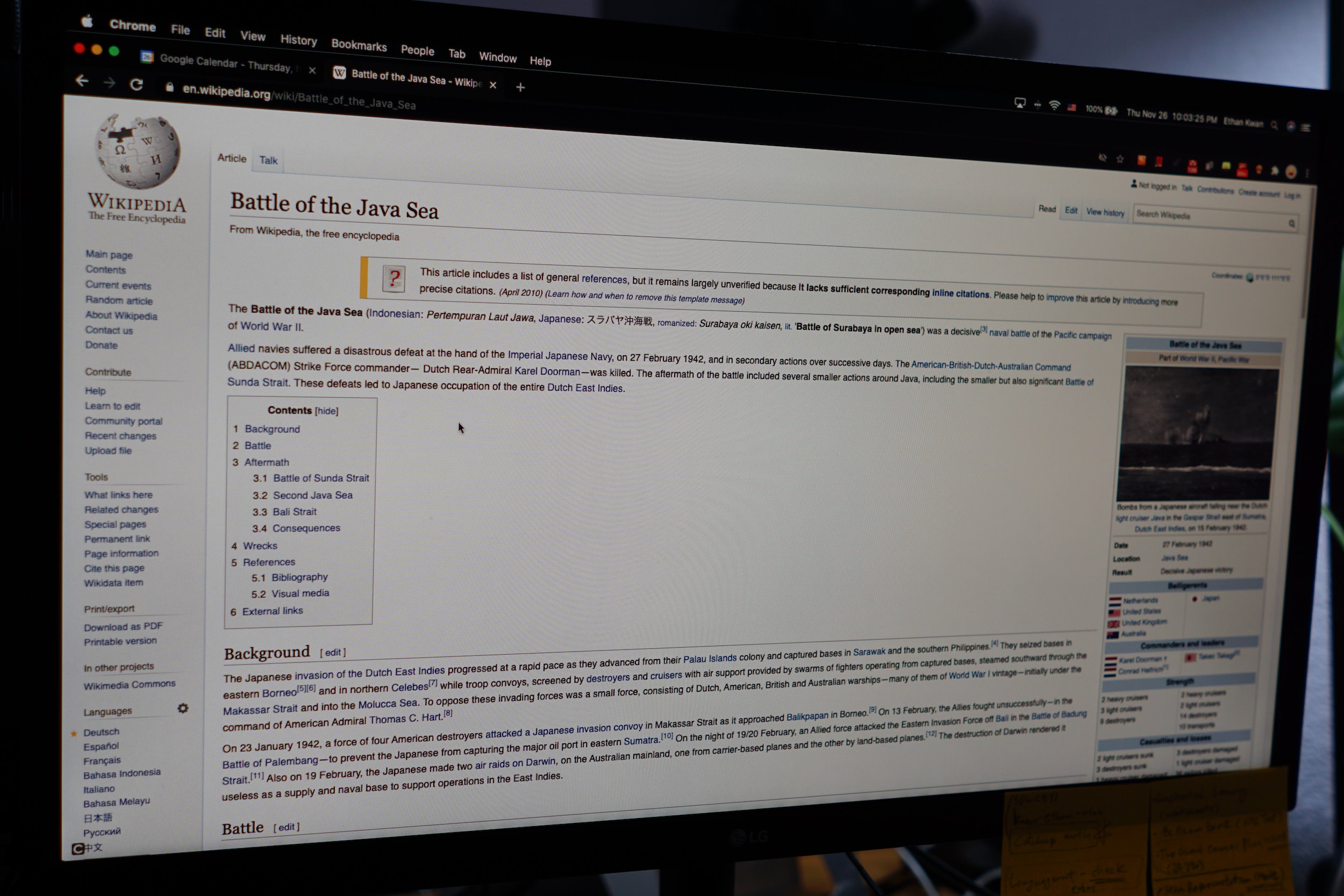
What did you learn? What makes the Battle of Java significant in world war 2?
The battle of Java Sea was important because the Japanese wanted to take control of all the Indonsian islands, to cut off help coming from the USA to Australia (The Japanese won the Battle of Java Sea).
Did you learn about oxidation of foods too?
No I didn’t! I guess it is related though, because oxidation is when oxygen reacts with another molecule, and the oxidation of foods is basically foods reacting with, well, oxygen! According to https://www.ifst.org, “oxygen in the air can cause sliced fruit to brown, a process called enzymic browning (an oxidation reaction). Phenols and the enzyme phenolase are found in the cells of the apple, and when these are exposed to oxygen in the air, for example through slicing, the oxygen causes a reaction.” and that is why an apple turns brown! According to Judy Thalheimer, “Some researchers believe that certain end-products of oxidation are not absorbed by the body, and that we likely don’t eat enough to cause a significant problem. But a number of experiments that fed oxidized vegetable oils to animals showed they can cause damage to brain cells, lead to inflammation, and increase the risk of diabetes and cardiovascular disease. If these results hold true in humans, regularly eating oxidized oils could be a threat to our health.” (source: https://www.detroitnews.com/story/life/food/2015/01/20/oxidized-oils-food-may-harmful-health/21773393/)
And so, oxidized foods can be harmful to our bodies.
Hello Ethan,
How are you? Sounds like you are getting into a really nice flow with your work of all sorts. I wanted to share a few haikus that another learner wrote about supernovas. Are you familiar with Haikus? They follow a simple pattern…
While some forms of poetry have free rein with regard to their subject or number of lines and syllables, the haiku was established in Japan as far back as the 9th century with a specific structure, style, and philosophy. Many poets still write in the original 5-7-5 syllable pattern and follow the traditional rules for writing haiku.
- There are only three lines, totaling 17 syllables
- The first line is 5 syllables.
- The second line is 7 syllables.
- The third line is 5 syllables like the first.
- Punctuation and capitalization are up to the poet, and need not follow the rigid rules used in structuring sentences.
- A haiku does not have to rhyme, in fact usually it does not rhyme at all.
- It can include the repetition of words or sounds
Some examples of Haiku:
An old silent pond,
A frog jumps into the pond,
splash! Silence again.
On a withered branch
A crow has alighted:
Nightfall in autumn.

This week, I did EMF and Brilliant every day of the week. I finished my swimming classes (level 10 again!) and (because of the “New” COVID-19 restrictions) I am doing taekwondo every Saturday. I am still doing violin lessons online (Monday and Tuesday) and doing orchestra every Saturday. I am still doing book club meetings every Monday (By the way, the name of the book club is “The Page Turners” by vote).
I like the new name and the other one was very clever as well. I know Eleeza was very excited about it so thank you again for including her.
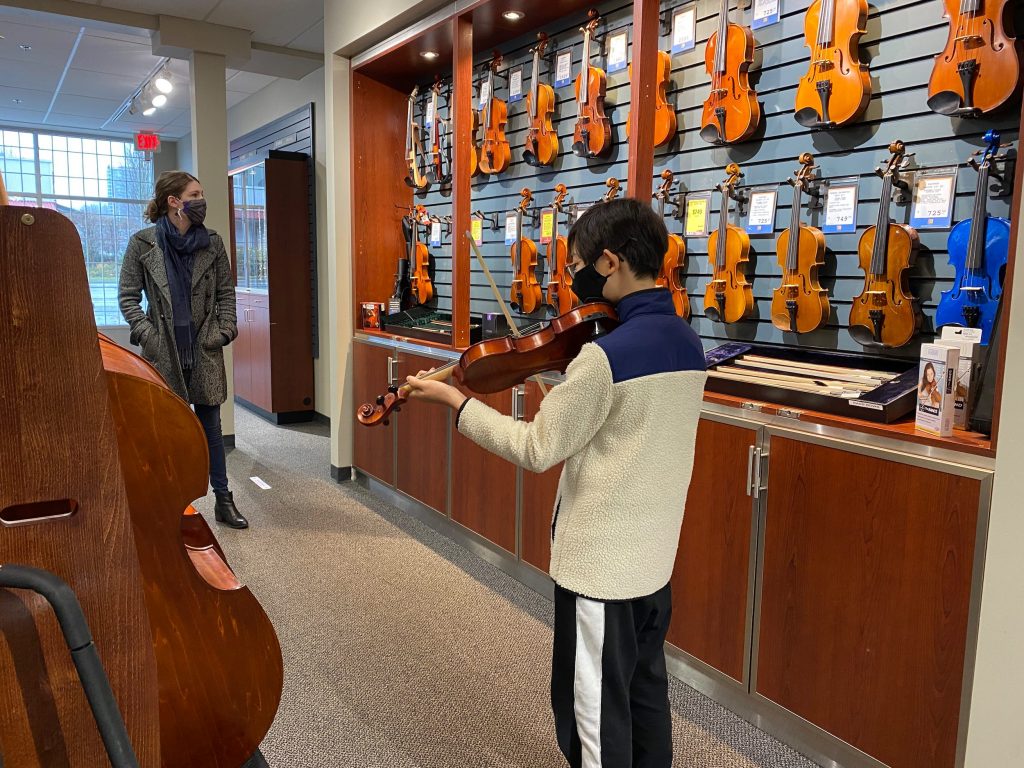
Ethan went shopping for his first full sized violin with his violin teacher. He was super-excited and loves his new violin.
Hooray! Such exciting news and now you must be practicing a lot on the new violin. I bet it sounds lovely.
I did BrainPop every day… for my language arts! Just to learn a little more grammar
The layout of the grammar looks quite engaging on Brainpop. Did you learn some new things or was it mostly review for you? Are you trying out any of your new grammar learning?
Geography:
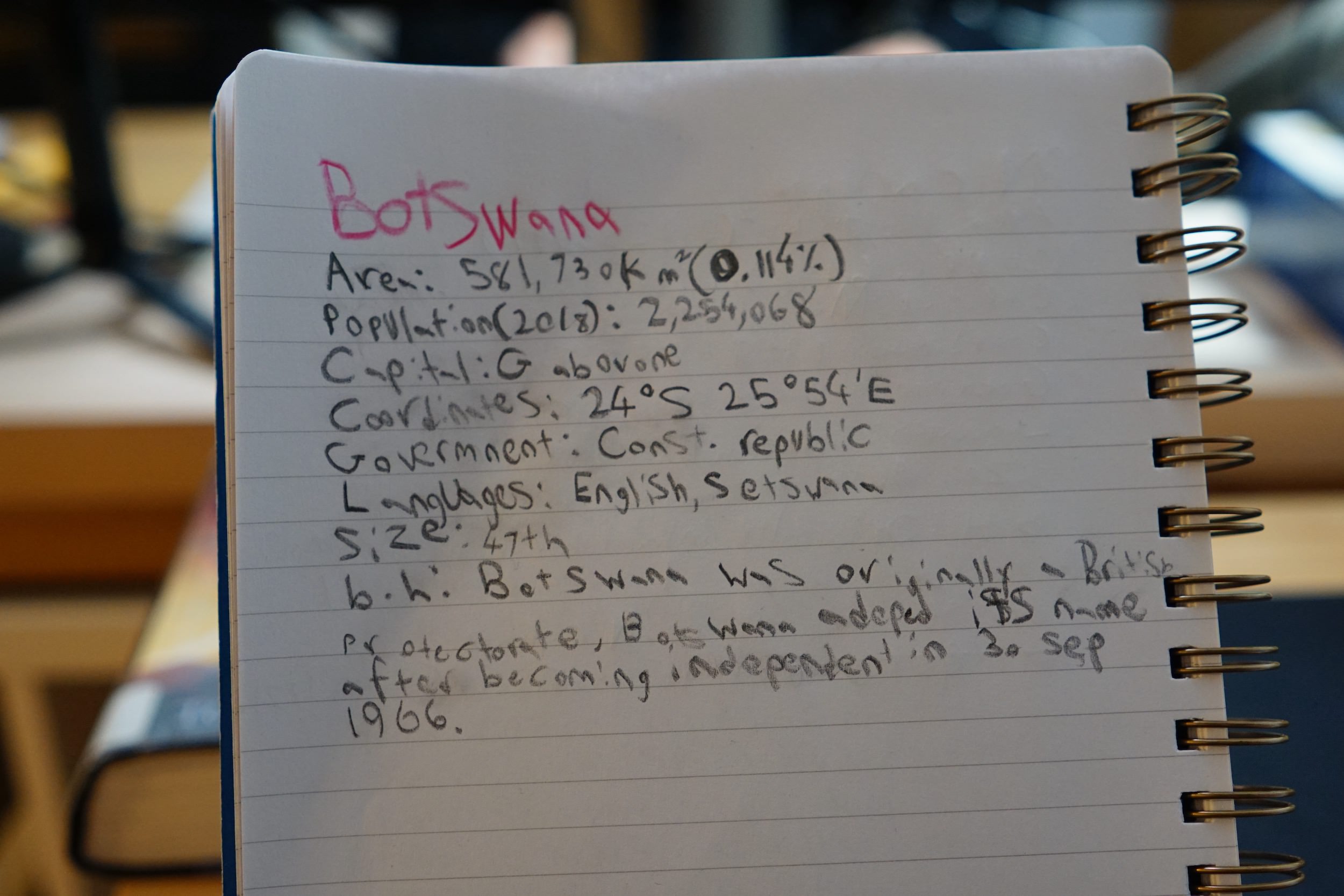
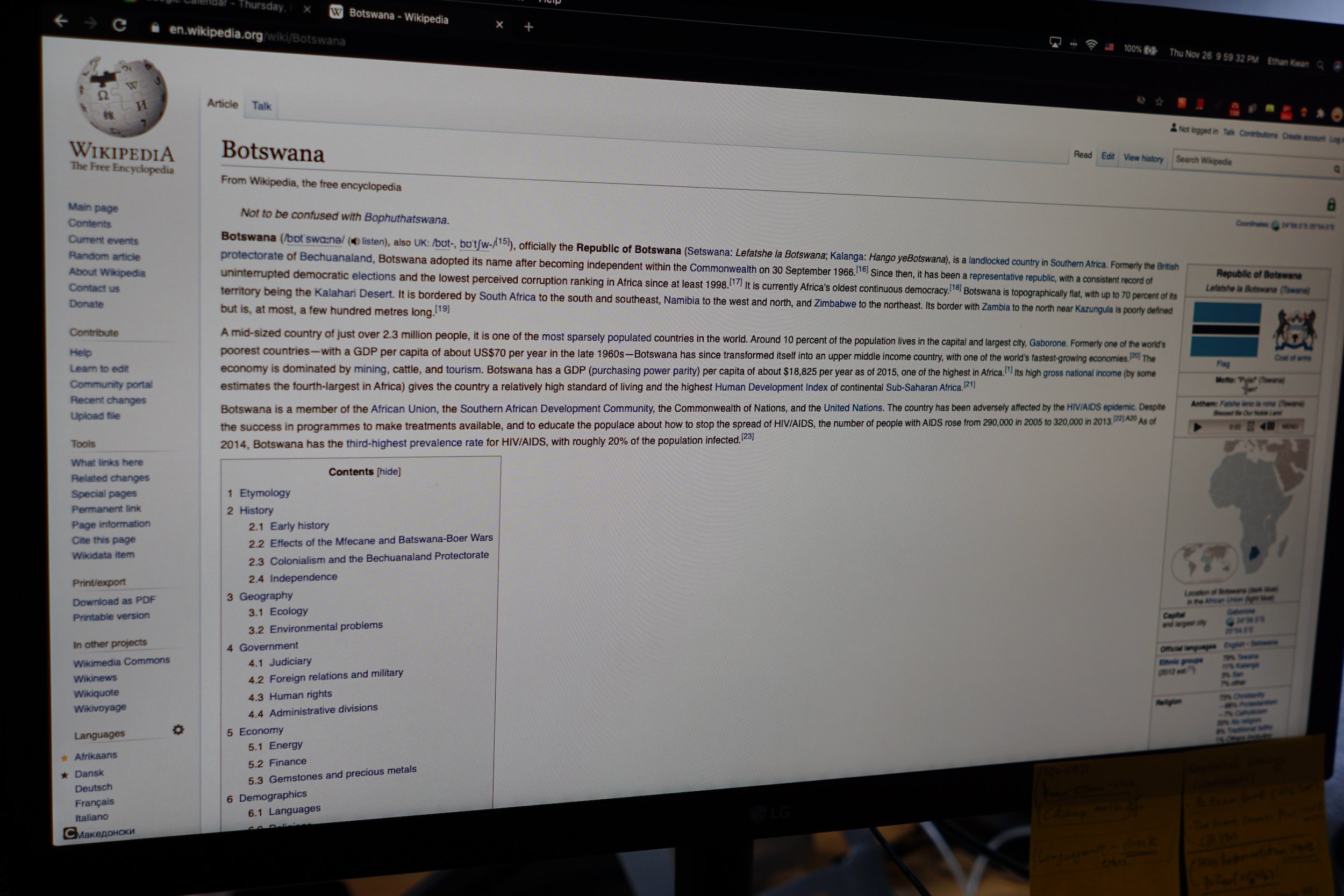
I learned about Botswana, a country in Southern Africa. (Fun Fact: Botswana is a popular tourist destination! lots of robots want to go there, and so… Bots-wana go there, Bots-wana live there, Bots-wana do whatever they do in Botswana…)
Haha very funny Ethan…Botswana is very popular with tourists who want to see the big game animals there. (As you probably know from your research) How do you think this tourism economy has been effected by Covid19? This ties in well with your writing on Covid19 and climate change.
What are the impacts on Covid on animal populations? In some ways it must be great to have less human visitors, but without the tourism money how and why might animals be more vulnerable?
https://en.wikipedia.org/wiki/Wildlife_of_Botswana
The Big Five – lion, leopard, elephant, black rhino and buffalo – along with a huge variety of other less famous but equally impressive animals – antelopes, giraffe, zebras, wildebeest, red lechwe, puku and hippo – can be seen in abundance in Botswana’s two main parks, Chobe National Park and Moremi Game Reserve.
Botswana is often praised for being one of Africa’s safest, most stable countries, with reasonable standards of living for most of its citizens and democratic elections since it became independent just over 50 years ago. Additionally, almost a fifth of its landmass is covered by wildlife reserves, meaning it has an impressive conservation record and one of the largest tracts of remaining wilderness in Africa – which is responsible for its impressive wildlife migrations.
As always, the preservation of this wilderness is highly dependent on local people being able to generate sustainable incomes; well-managed tourism is one of the key solutions here. Tourism in Botswana also plays a huge part in the preservation of local culture, so follow our tips below for a happier, more responsible holiday.
Wikipedia: For my History, I learned about the Battle of Java Sea.
What did you learn? What makes the Battle of Java significant in world war 2? (no need to answer these directly to me, just for you to think about and synthesize a few answers from your research)
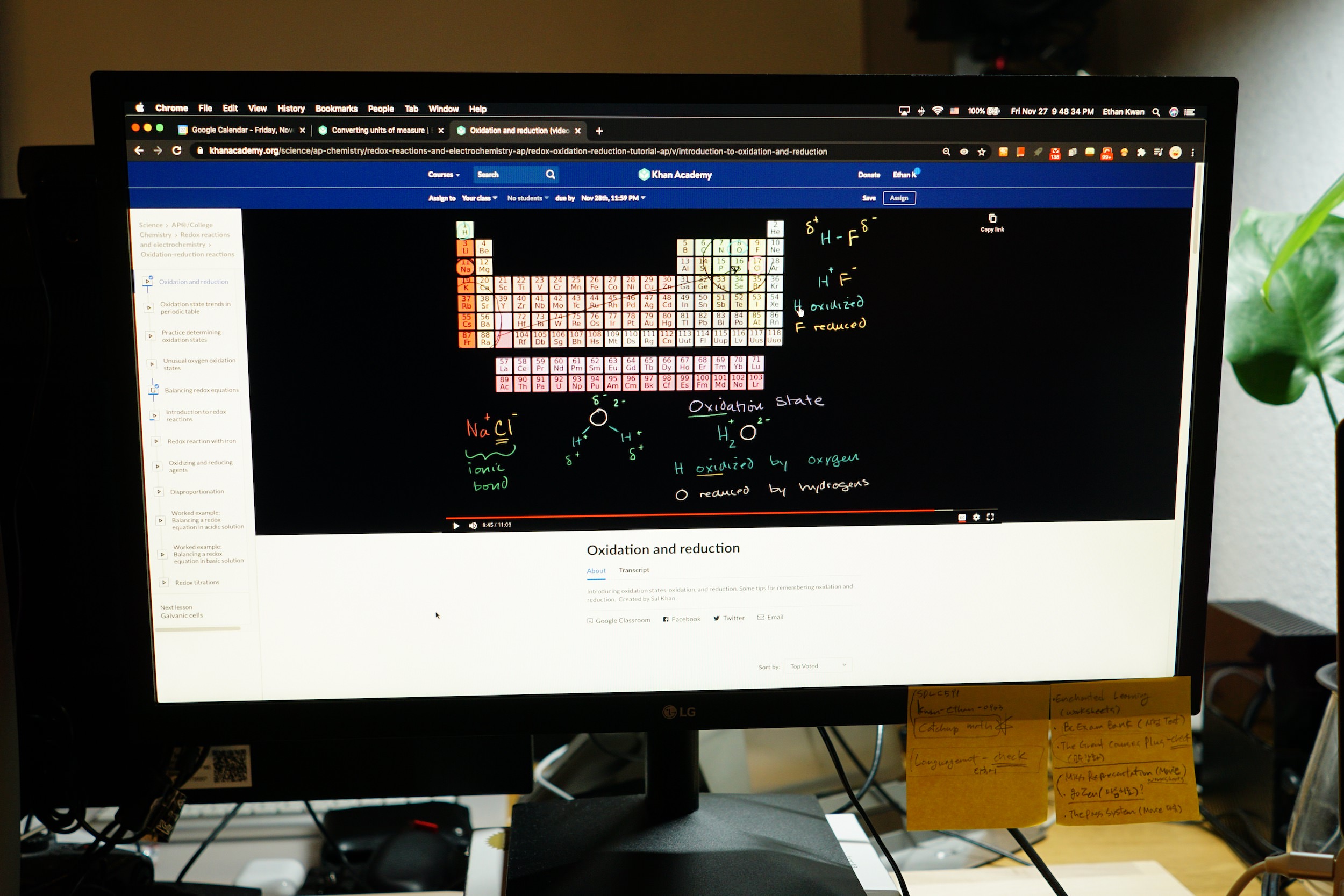
For science, I learned about oxidation and reduction in chemistry.
Did you learn about oxidation of foods too?

Here is a cool table of oxidation states:

On Friday, I made a NEW AND IMPROVED calendar! It has “Study” then “rest” then “Study” then “rest” then “Study” than “Lunch” than- I think you get the idea.
Way to go!! I was wondering how you kept all of your learning and activities organized. You do a lot in a week. I am a huge fan of calendars. I use a paper and pencil version (day planner). It looks like the google calendar is working really well for you. I like how you can share your calendar with others in case you need to plan together. It is so important to schedule time to rest and rejuvenate too.
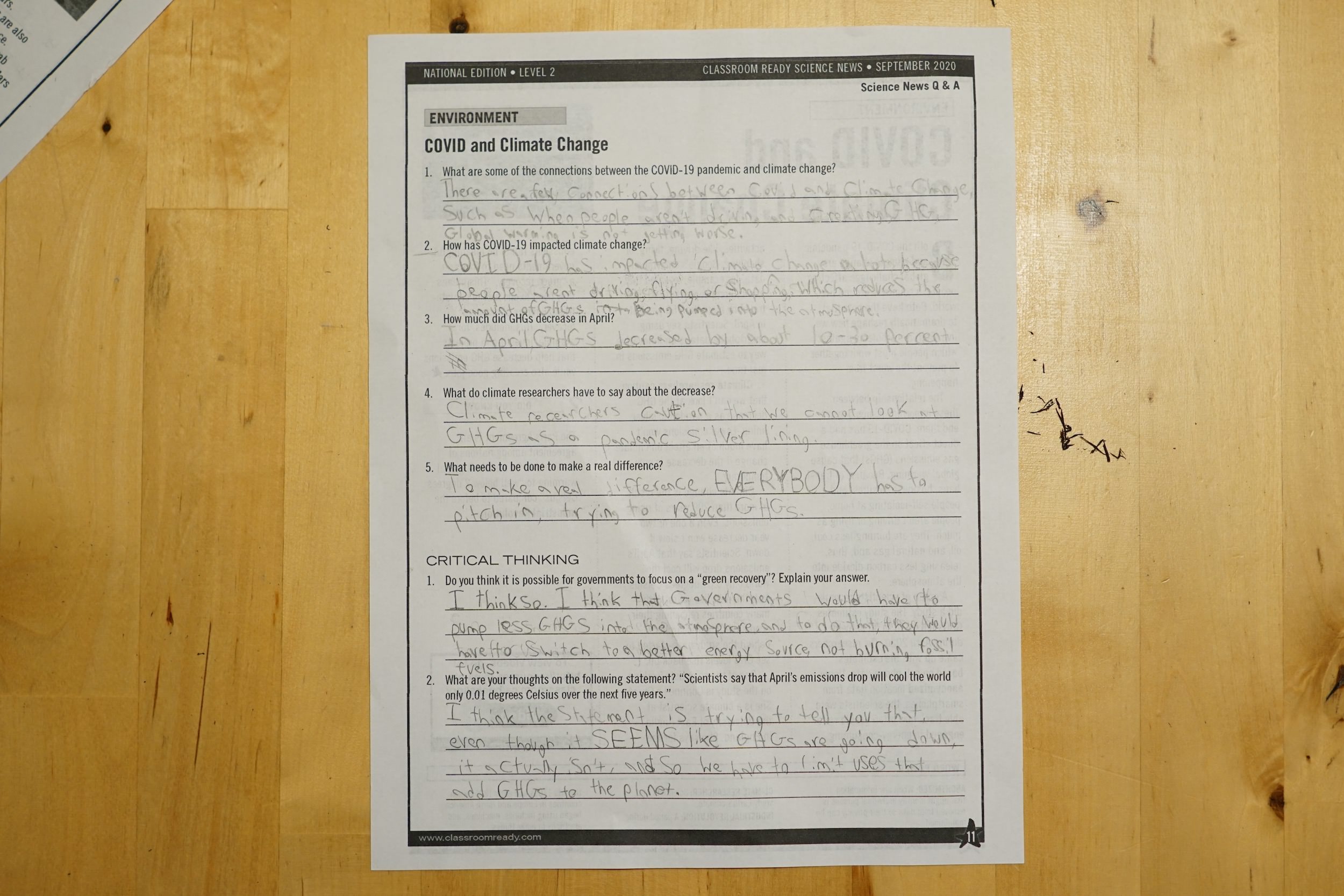
I was very impressed with this worksheet. These are many important and complex questions in this, lots of critical thinking and disciplines involved in answering them too. I feel like these are big questions that people of all ages should be wondering about and grappling with finding answers too. As the pandemic drags on what will be the longer term effects?
One concern I have is that ecotourism has been such a beneficial option for many countries and I am worried that many wilderness areas will be opened up for more resource extraction since people are not able to travel….

I am going to share these worksheet questions with another grade 7 learner I have, as they are right up her alley of interests.
Have a wonderful weekend Ethan.
Natasha
Recent Comments