
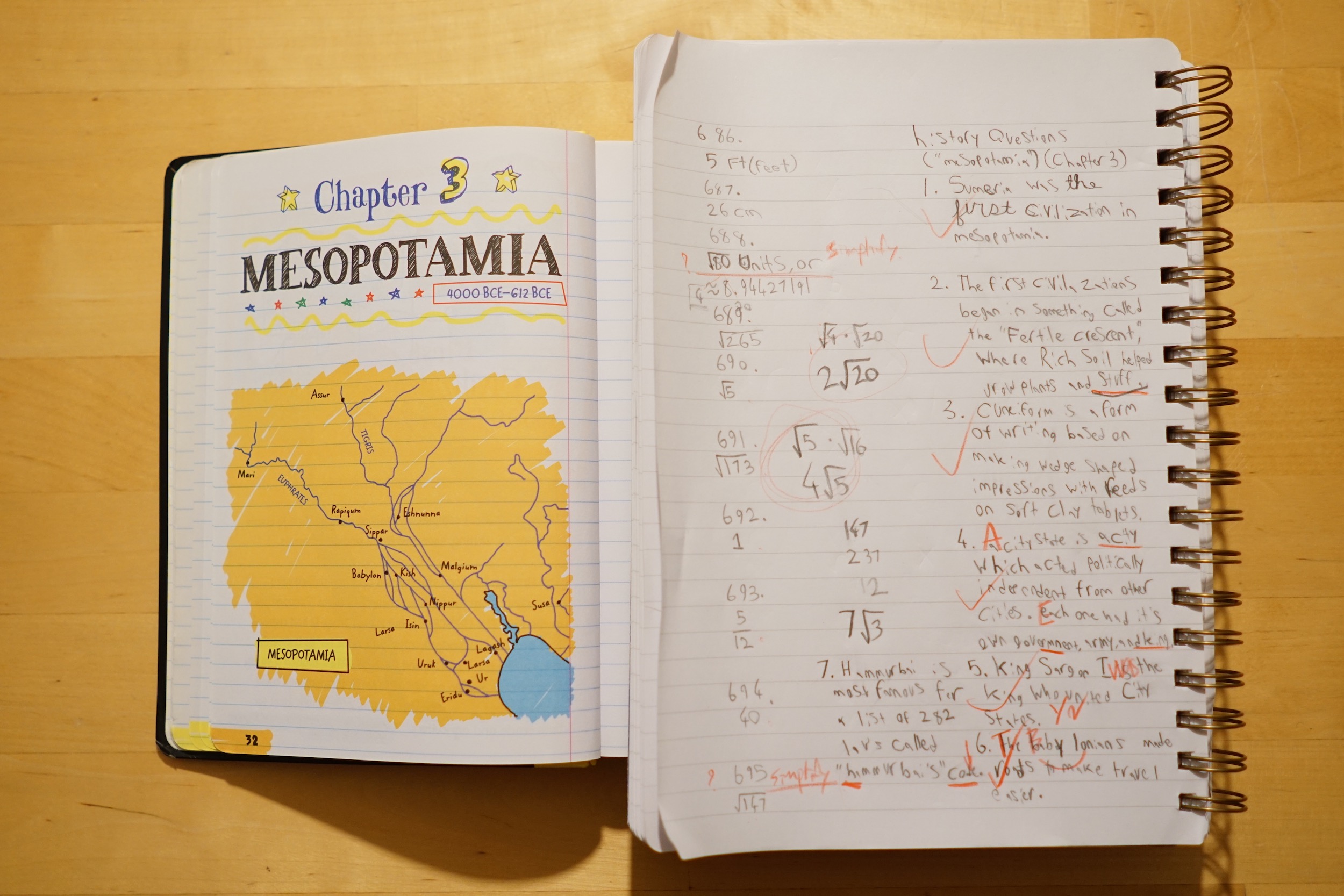
Here’s what Ethan was up to this week. Ethan hasn’t been allowed to use the computer as much lately. We found that he wasn’t as productive when on the computer because he was distracted by other things online. As a result, we asked Ethan to use books from the library more, instead of the Internet.
For example, when he learned about syphons, he got distracted by the other videos that also show up on YouTube (whether about syphons or related topics) and he would spend much more time on the computer than he actually needed to. Learning from the videos is also a much more passive way of learning. Since using books as a learning resource, there seems to be more of a balance in how he’s learning.
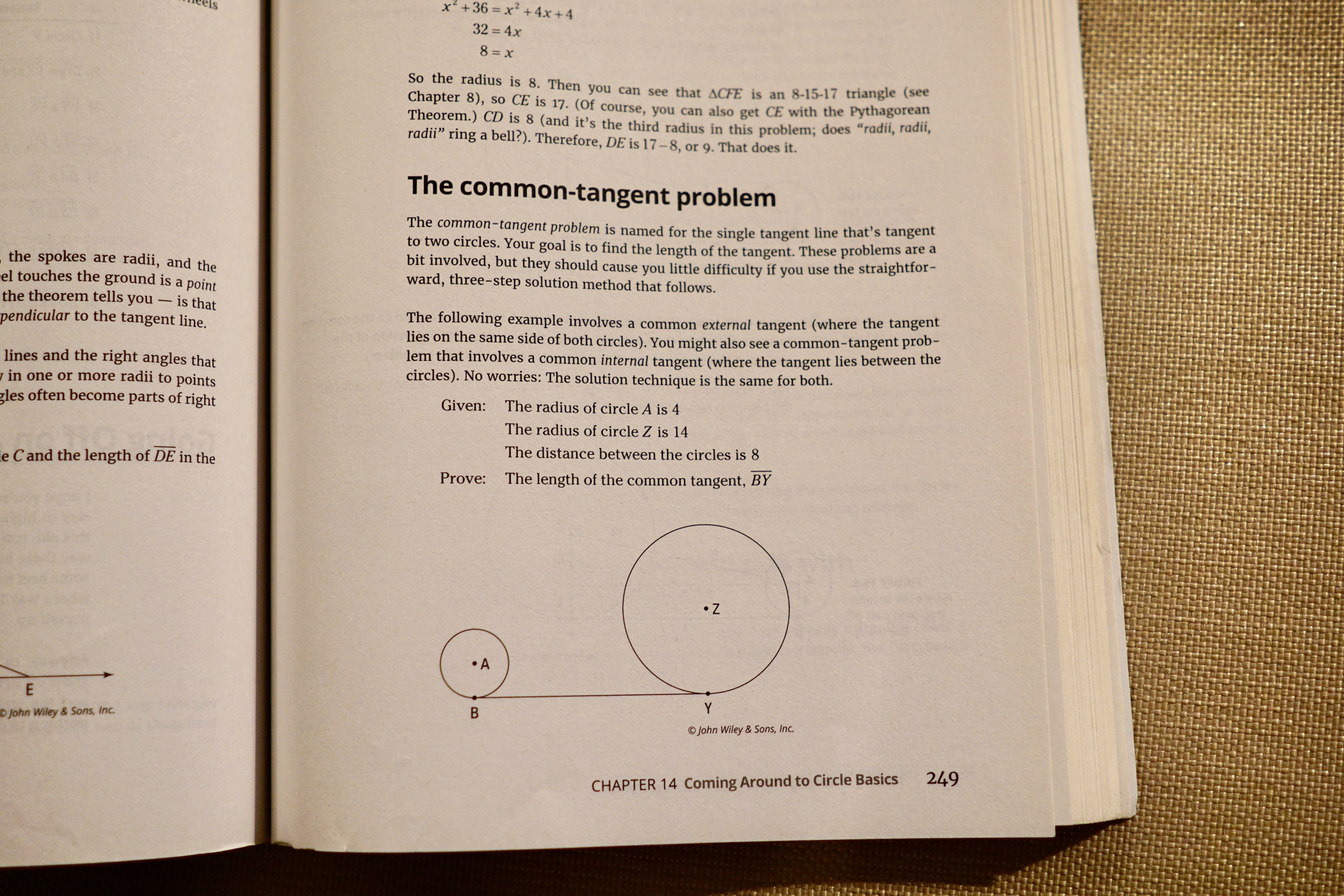
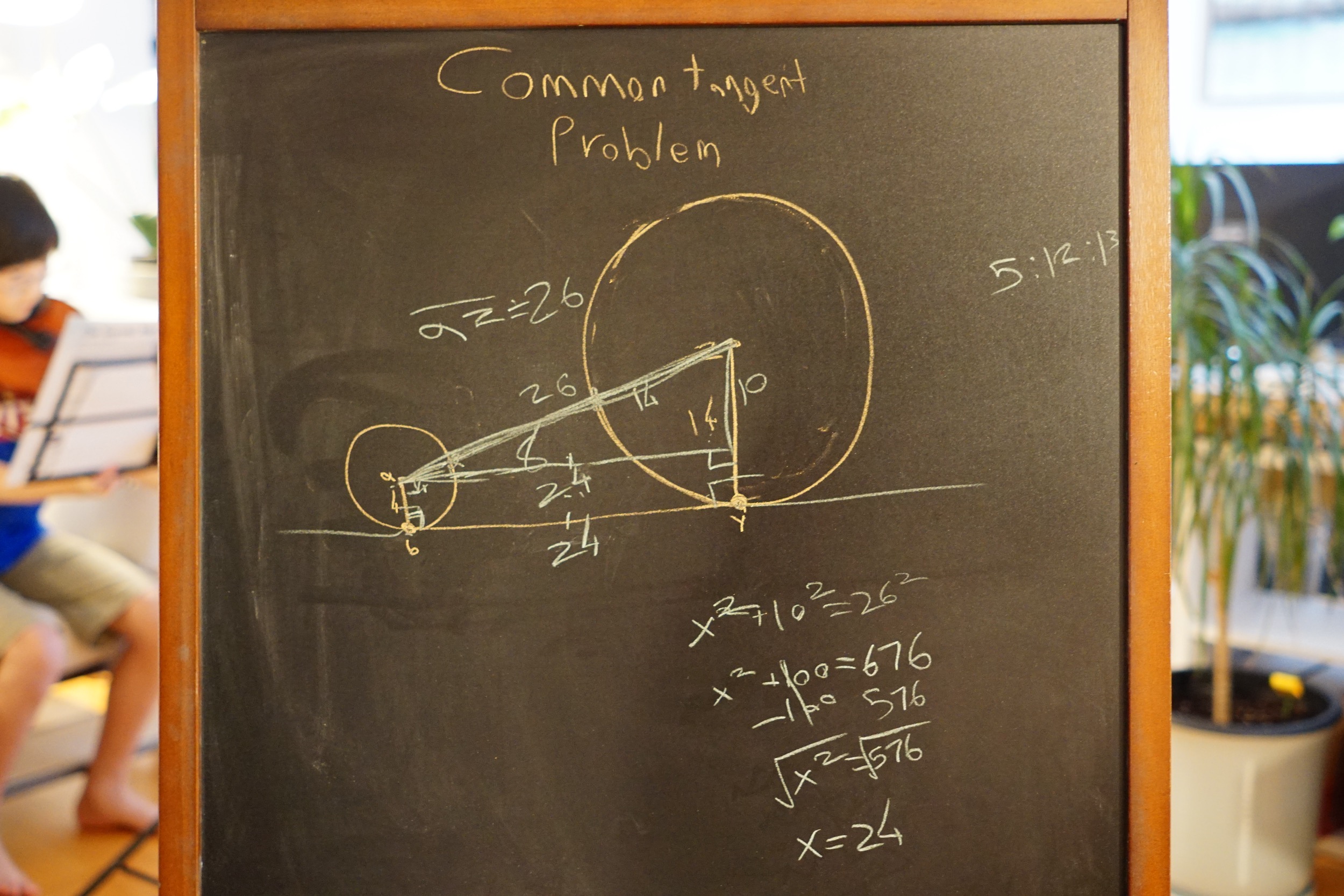
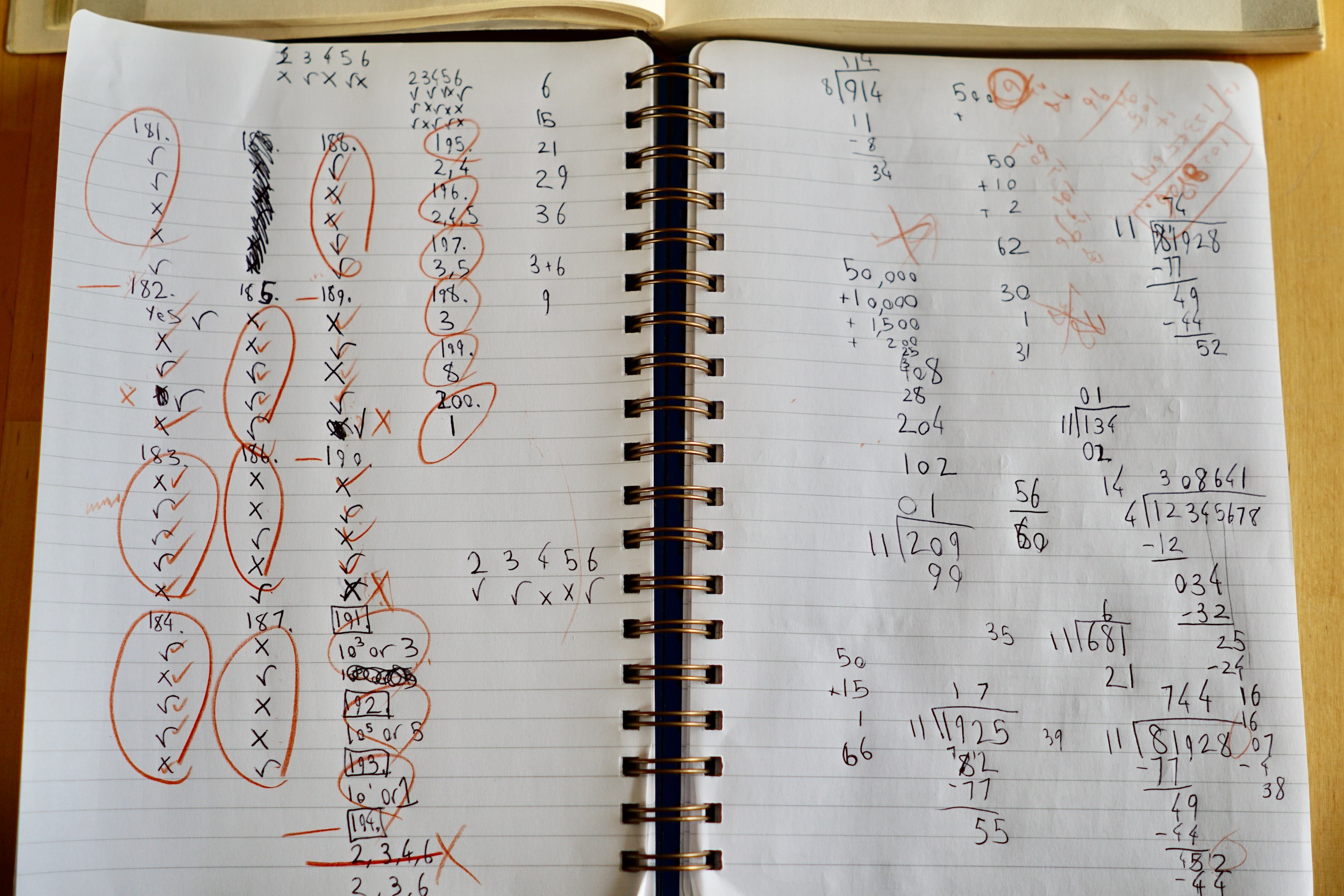
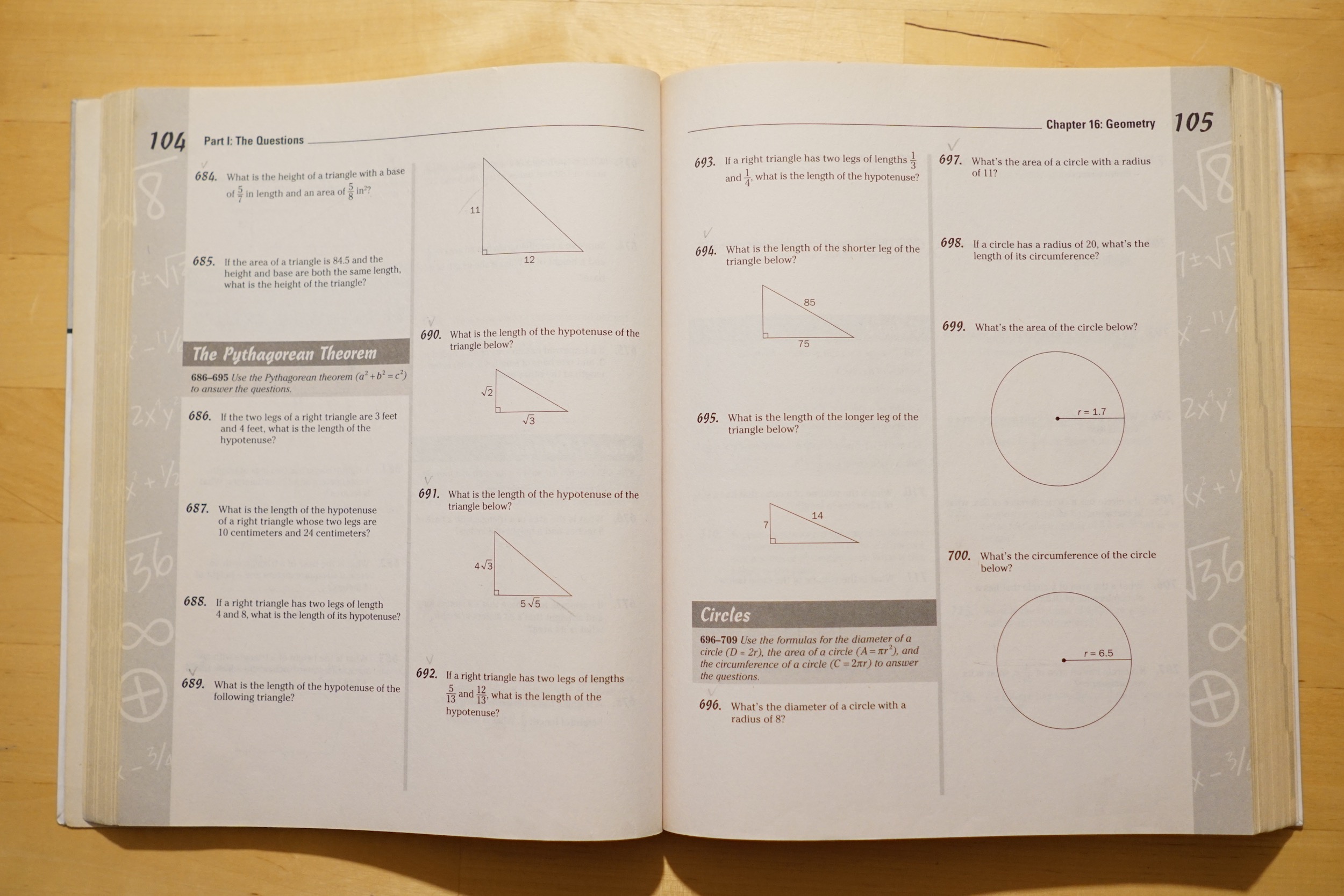
This week, when Ethan learned some math topics from a book, he seemed to learn the topic faster than when he would watch the same thing on Khan Academy or another online resource. When watching a video about a math topic, he would watch the video several times to gain an understanding of the topic but with books he seems to grasp the topic faster. The learning seems to be deeper, as opposed to superficially learning by watching a video.
Of course, some things need to be demonstrated visually (like science experiments) so the videos are useful. Again, it’s the balance that we want Ethan to develop.
This is also related to developing a greater sense of taking responsibility for his learning, managing his time and being productive. For example, we’ve asked him to be responsible for getting ready to leave for lessons or activities, such as taekwondo or nature school, without prompting from us. He was actually very good with remembering when to get ready and to let us know when it was time to leave for a lesson. It was a challenge for us not to say anything and trust him to remember, but it seemed to work out well.
We also expressed to Ethan what a privilege it is that he is able to homeschool and learn independently. Ethan loves being a home learner but we also want him to appreciate his situation, rather than think that it is something that’s simply been given to him. Taking more responsibility for his learning, actions, thoughts and behaviour is what we hope he will develop because he’s now old enough to take more charge of certain things in his life.
From Ethan…
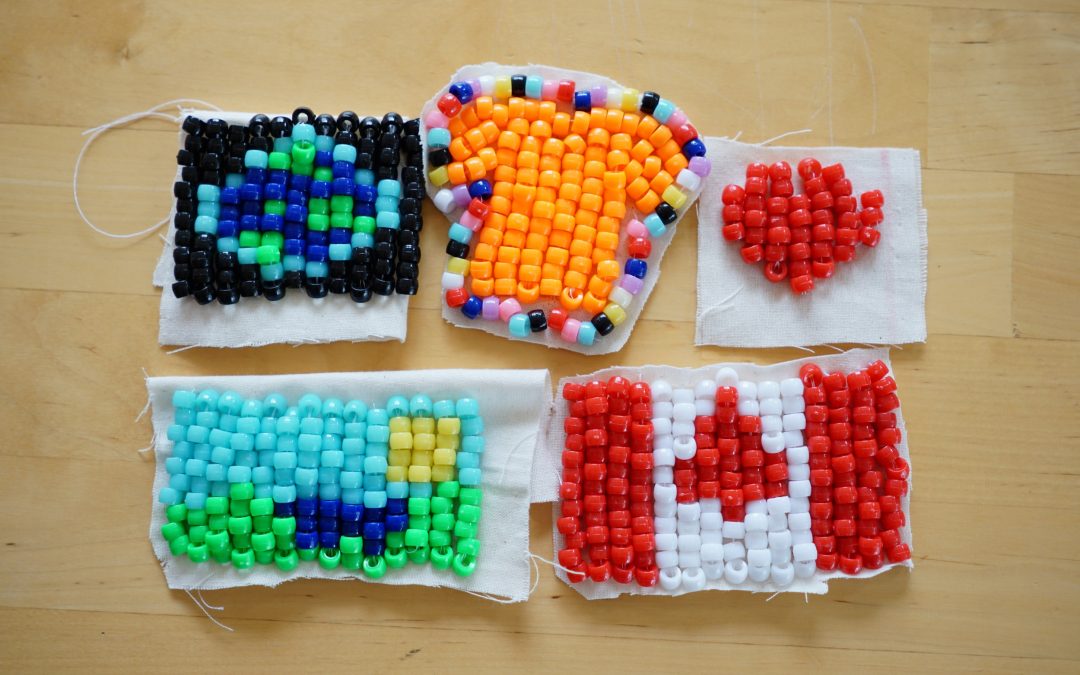
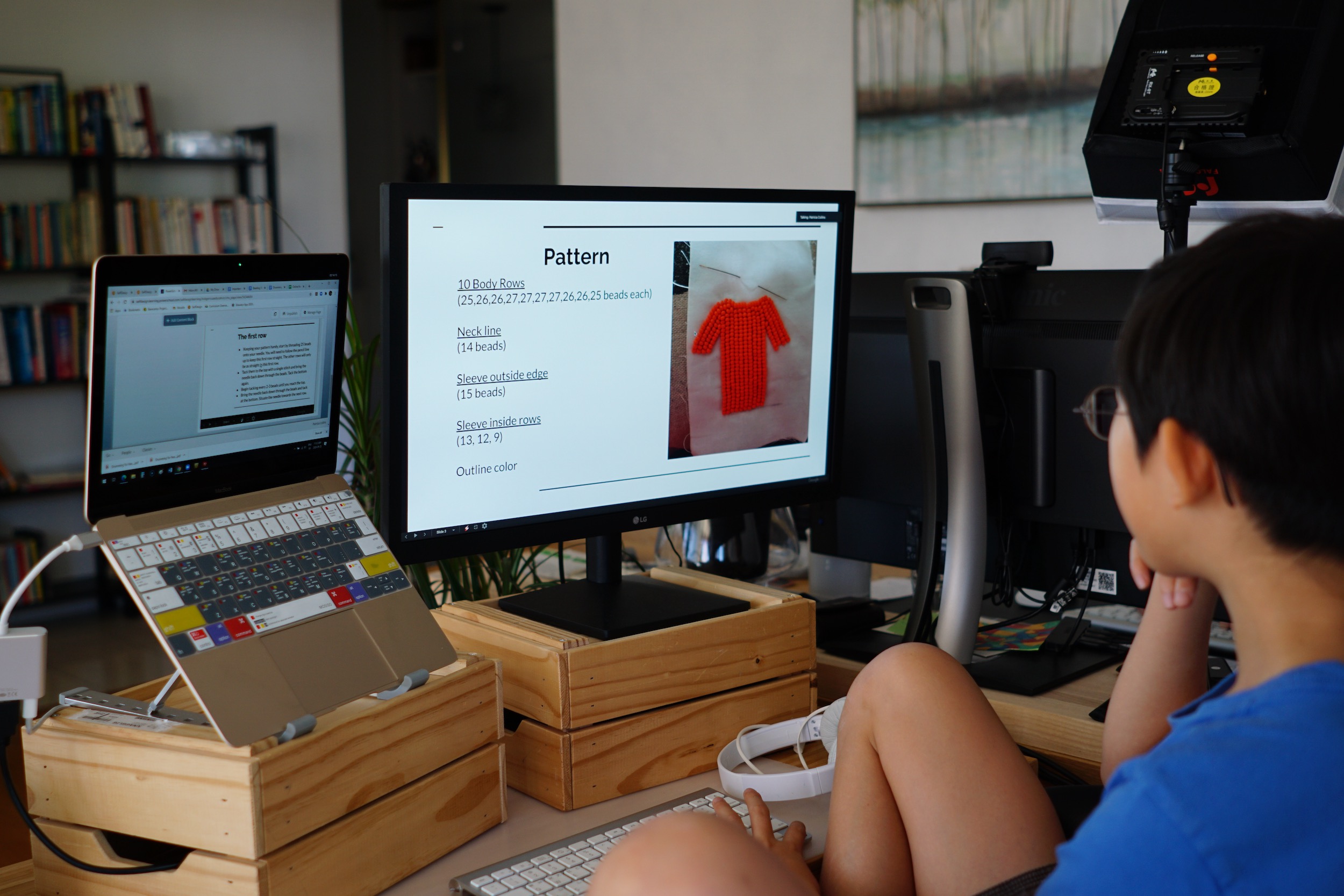
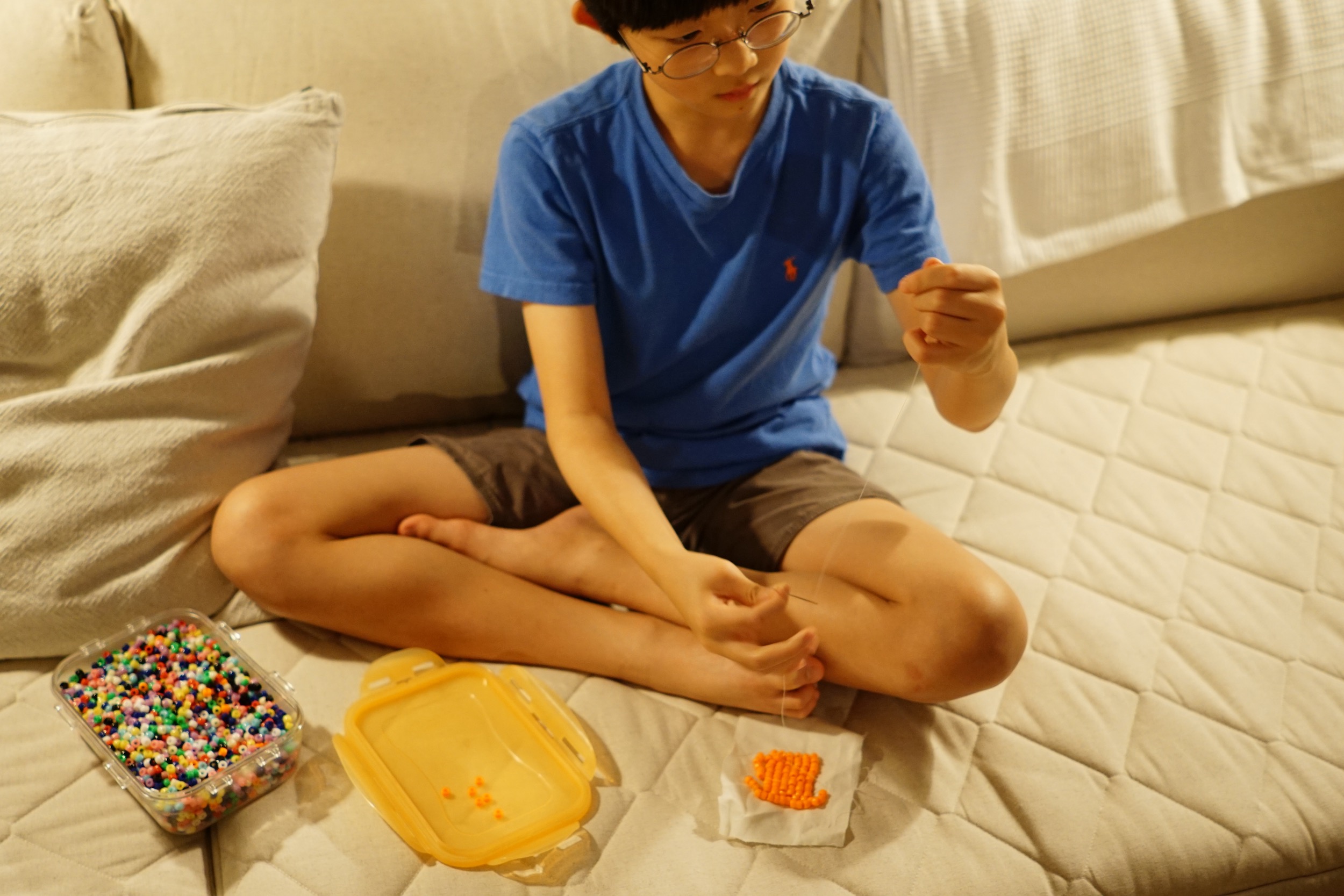
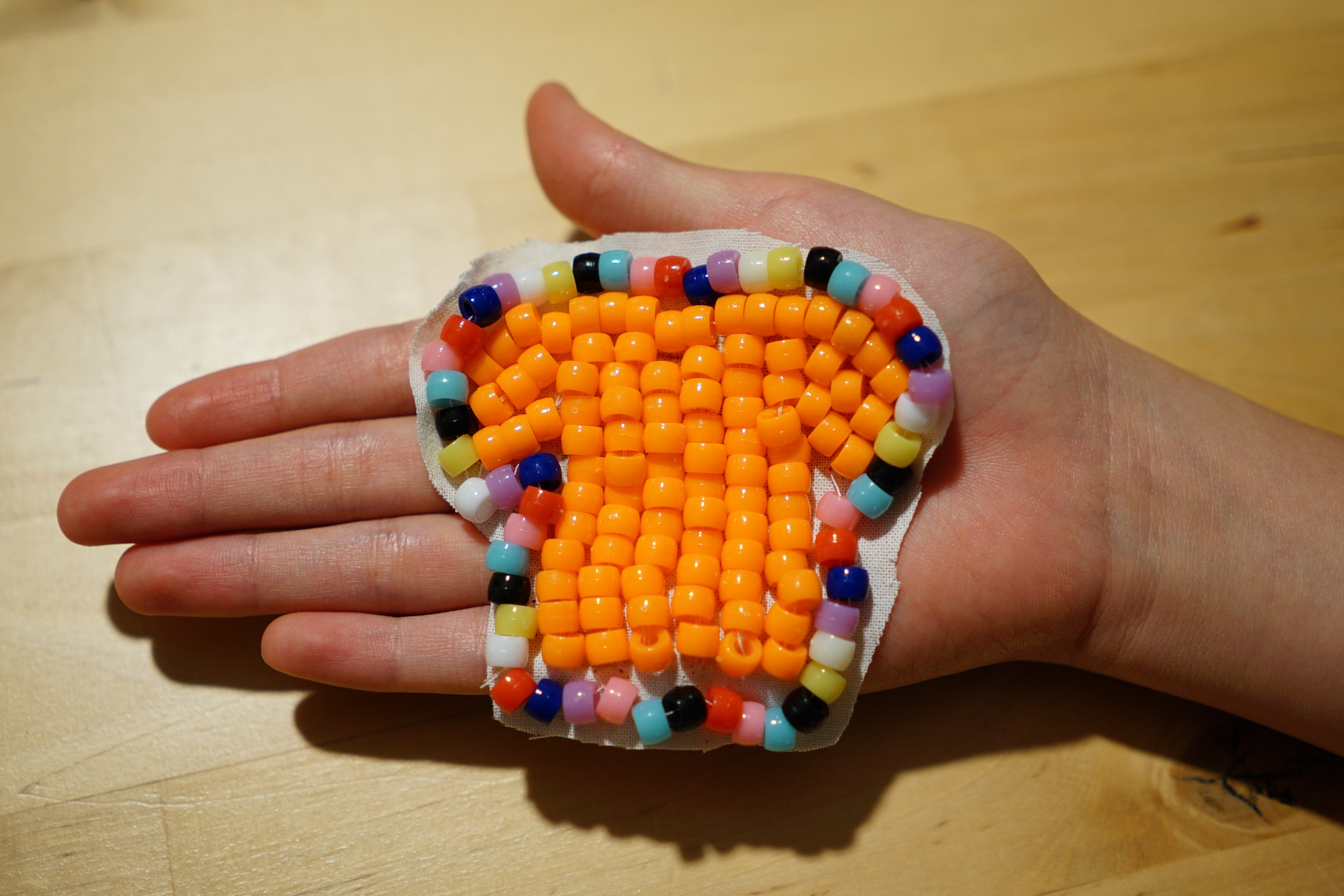
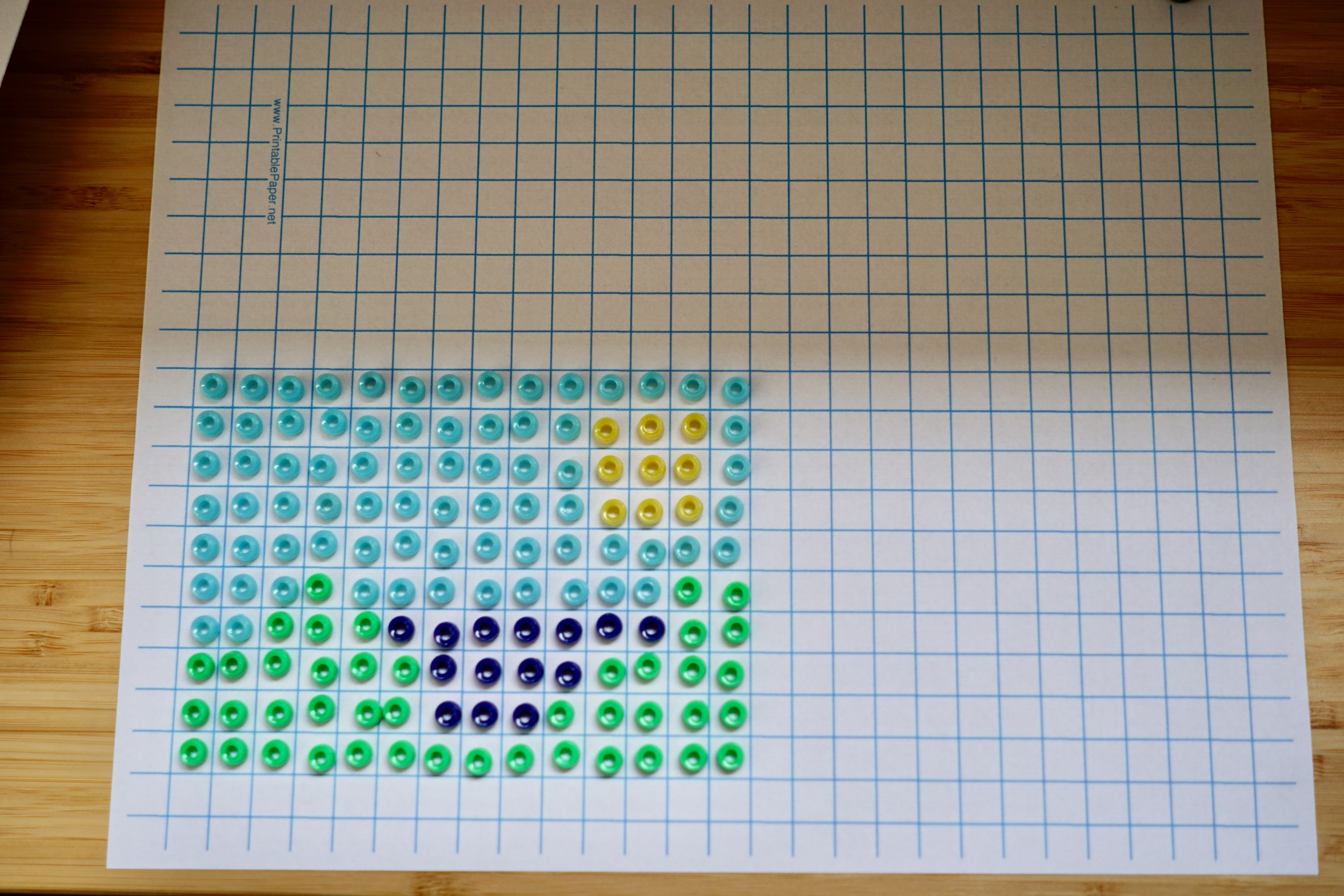
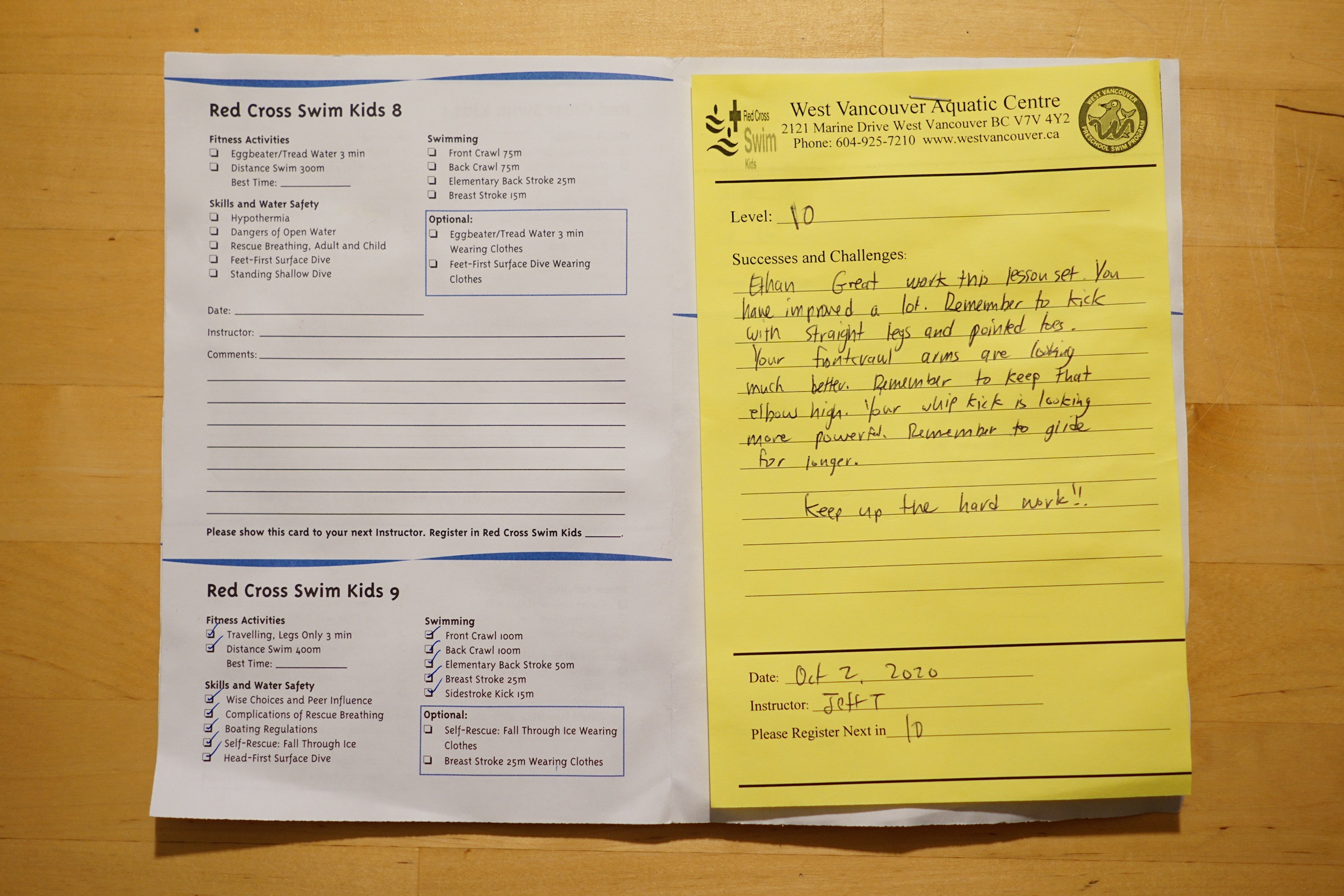
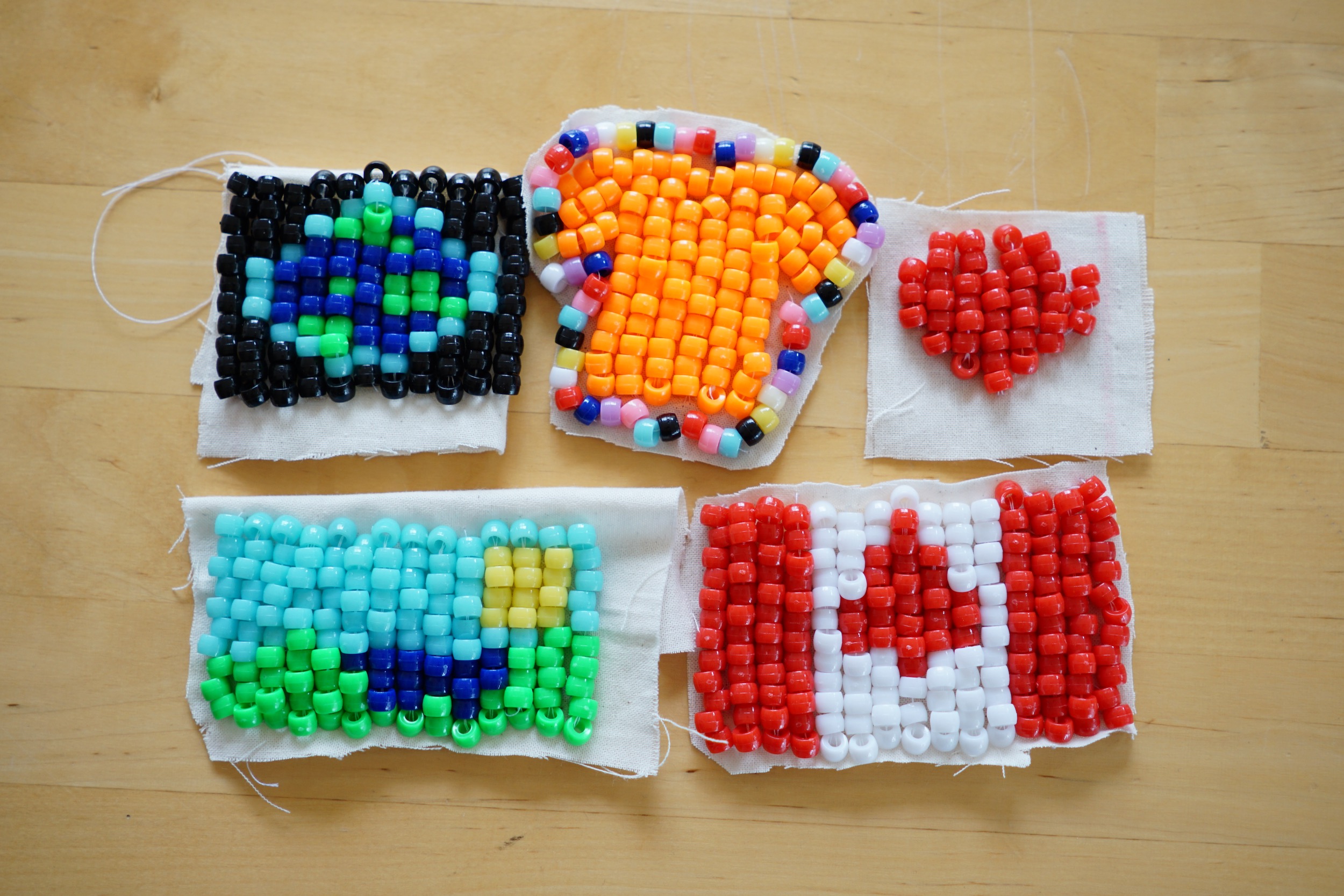
So, this week, I finished my swimming set! Also, I am still in Taekwondo, and practice piano and violin daily. This week, I started to do some beading! I regularly go to the library, and I try to finish my “stuff” (tasks) (schedule) (Chores…?) before I do my “Stuff” (Playing, practicing piano, beading). Also, I do my activities without being told. ;-; 🙂
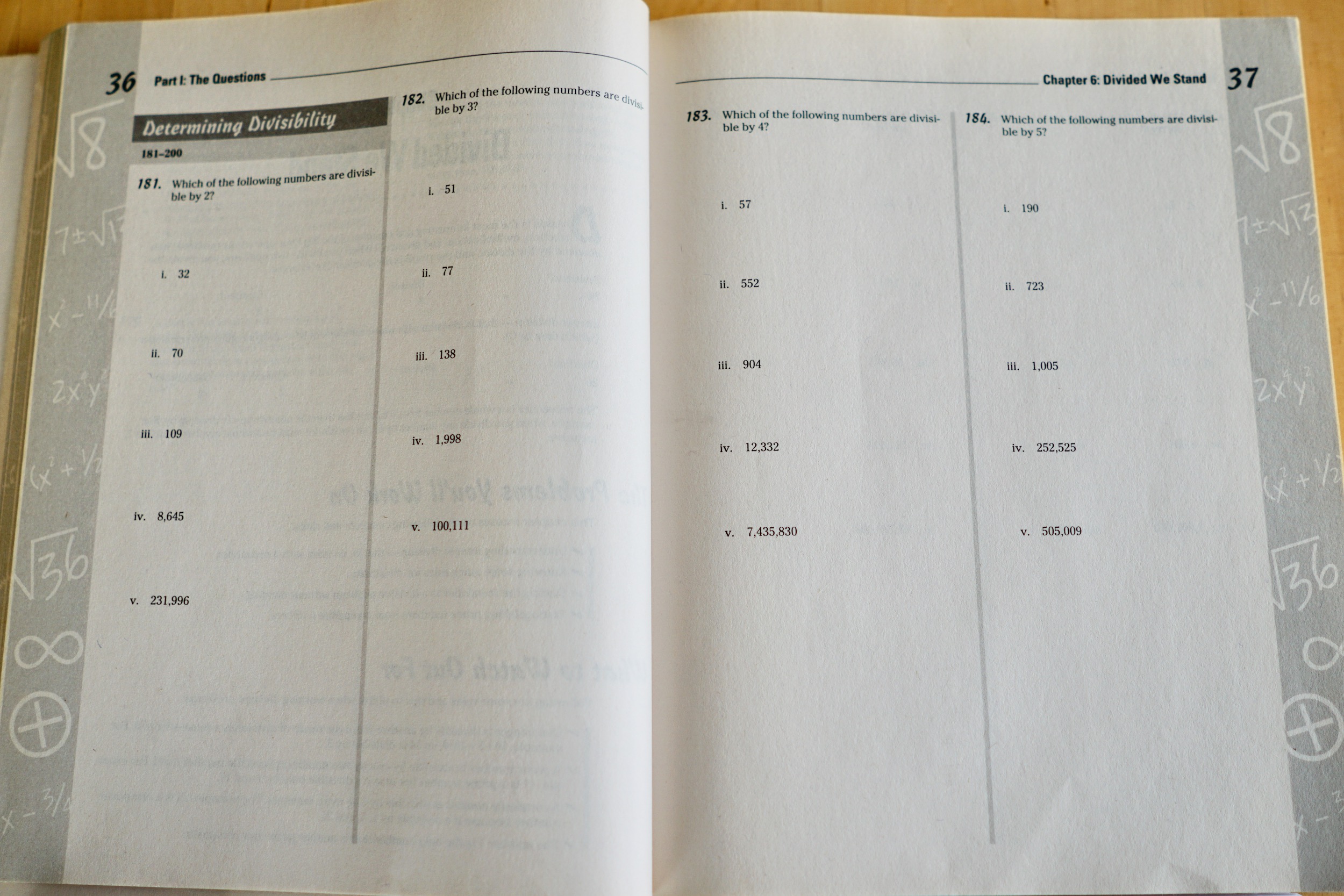
668745674934 divisible by 3?
Hi Natasha!
How are you doing these days?
Sorry I couldn’t get back to you last week.
So, here are the answers to your week 4 and 5 questions!
Will you be looking at Google Earth at all as well in collaboration with this project?
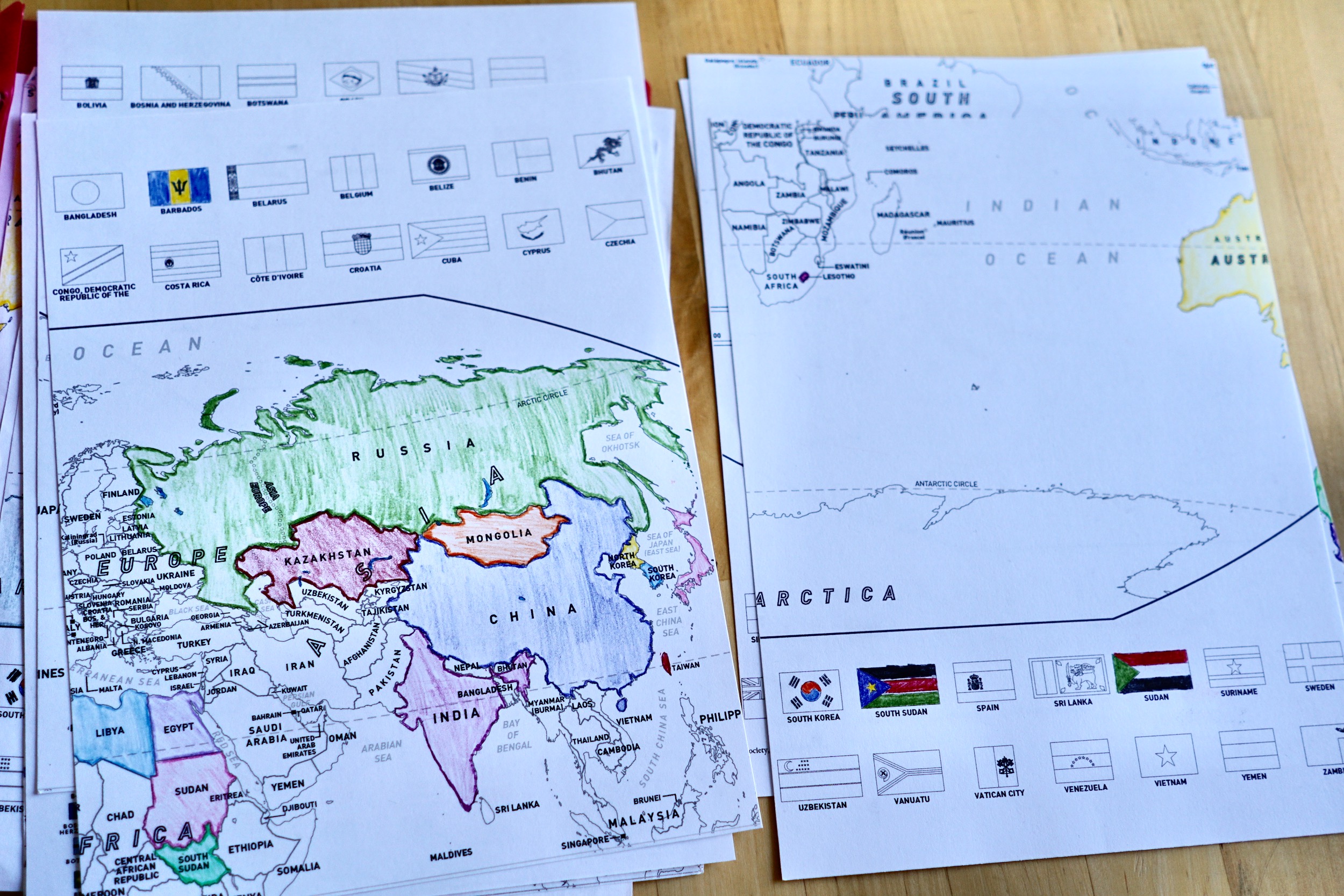
Yes, I will probably be looking at Google Earth for my “Color In All The Countries” project!
Now that we are unable to travel as freely due to Covid 19, the virtual traveling in google earth is a wonderful treat.
I agree, I tried it just now! its really cool how you can explore the world.
I am so glad you learned about Orange Shirt Day. How did it feel to learn about residential schools? What were your thoughts?
I am very happy that there are no more residential schools. I wish that kids are treated better than residential school kids were.
If it is in celsius I double it and add thirty.
10 degrees celsius= 20+30= 50 degrees fahrenheit,
-5 degrees celsius= -10+30=20 degrees fahrenheit.
I did not know that! I guess it makes sense, because the equation is ºC = (5/9 • ºF) + 32, and 32 ≈ 30, and 5/9 ≈ 2, so you would multiply by 2 and add 30! did you know that -40 ºC = -40 ºF?
Your beading projects are awesome! It looks like you extended well beyond the Orange Short Project. If I had to guess what the top left one was, I am going to guess it had something to do with galaxies or with chemistry and atoms? I know quite the span from the hugely vast to the tiniest parts…please do tell.
First of all, I think you mean “Shirt” not short 🙂 . The top left one is the Earth! I was trying to make it round, but the beads are longer than they are tall, so it got squashed.
Here’s what Ethan was up to this week. Ethan hasn’t been allowed to use the computer as much lately. We found that he wasn’t as productive when on the computer because he was distracted by other things online. As a result, we asked Ethan to use books from the library more, instead of the Internet.
For example, when he learned about syphons, he got distracted by the other videos that also show up on YouTube (whether about syphons or related topics) and he would spend much more time on the computer than he actually needed to. Learning from the videos is also a much more passive way of learning. Since using books as a learning resource, there seems to be more of a balance in how he’s learning.
I couldn’t agree more! I can get so easily distracted when I am looking for resources, quotes and articles for my Self Design learners online. The internet is such an incredible resource, but it also has the uncanny ability to suck time away.Some of the platforms we use regularly like youtube are designed to hold your attention and find ways to distract you with the next new video. Something I think should take 15 minutes can end up taking 45! ‘
It is so important to have books as resources. It is a very different skill set to know how to navigate a text and find the information you are looking for. I for one appreciate all of the book and paper resources I have for teaching Kindergarten. I am actually glad I trained to be a teacher before the Internet. If I had to plan and create lessons all based from online resources, it would take so much longer I imagine and not have the depth and sequence of book materials.
This week, when Ethan learned some math topics from a book, he seemed to learn the topic faster than when he would watch the same thing on Khan Academy or another online resource. When watching a video about a math topic, he would watch the video several times to gain an understanding of the topic but with books he seems to grasp the topic faster. The learning seems to be deeper, as opposed to superficially learning by watching a video.
I appreciate your observation of this. Perhaps he can learn the content in texts first and then watch a video later as a way to reinforce learning instead of being the learning. Watching videos does seem like a much more superficial and passive level of engagement. I also appreciate how Ethan often learns something and then reteaches or recreates it in his notebooks or with his chalkboard.
Of course, some things need to be demonstrated visually (like science experiments) so the videos are useful. Again, it’s the balance that we want Ethan to develop.
Yes the middle and balanced path is often the best way.
Your observations of Ethan absorbing and understanding things better from print rather than digitally also is supported by research: https://www.weforum.org/agenda/2017/10/students-learn-better-from-books-than-screens-according-to-a-new-study
https://www.scientificamerican.com/article/reading-paper-screens/
Students judged their comprehension as better online than in print.
Paradoxically, overall comprehension was better for print versus digital reading.
The medium didn’t matter for general questions (like understanding the main idea of the text).
But when it came to specific questions, comprehension was significantly better when participants read printed texts.
This is also related to developing a greater sense of taking responsibility for his learning, managing his time and being productive. For example, we’ve asked him to be responsible for getting ready to leave for lessons or activities, such as taekwondo or nature school, without prompting from us. He was actually very good with remembering when to get ready and to let us know when it was time to leave for a lesson. It was a challenge for us not to say anything and trust him to remember, but it seemed to work out well.
In taking responsibility and having success and managing his own time he also builds self esteem and a deeper sense of empowerment.I am happy to hear you are continuing to expand these opportunities for agency in his own life as he grows and matures, plus he is liking that he does not have to be told and reminded. He can do it himself!!
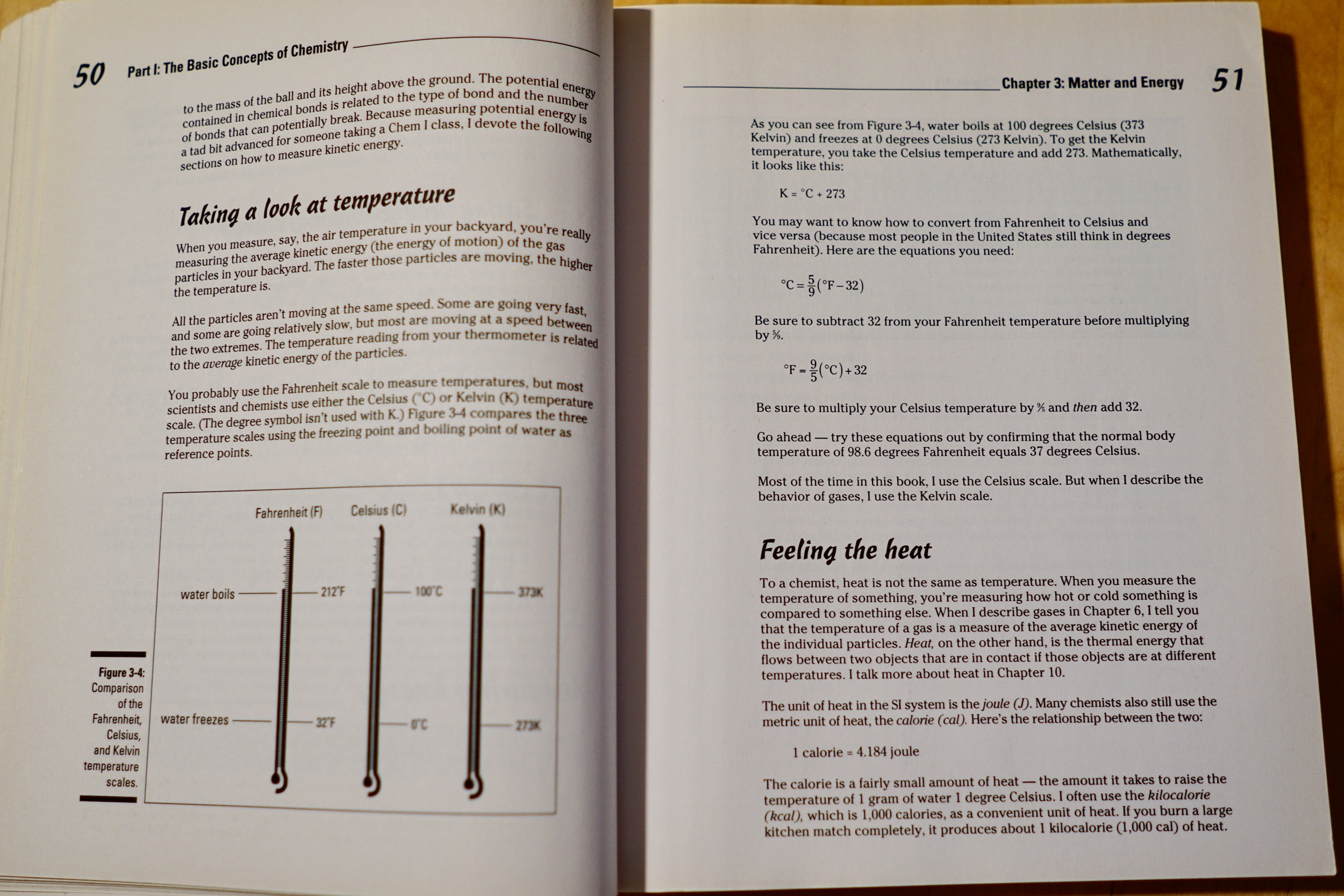
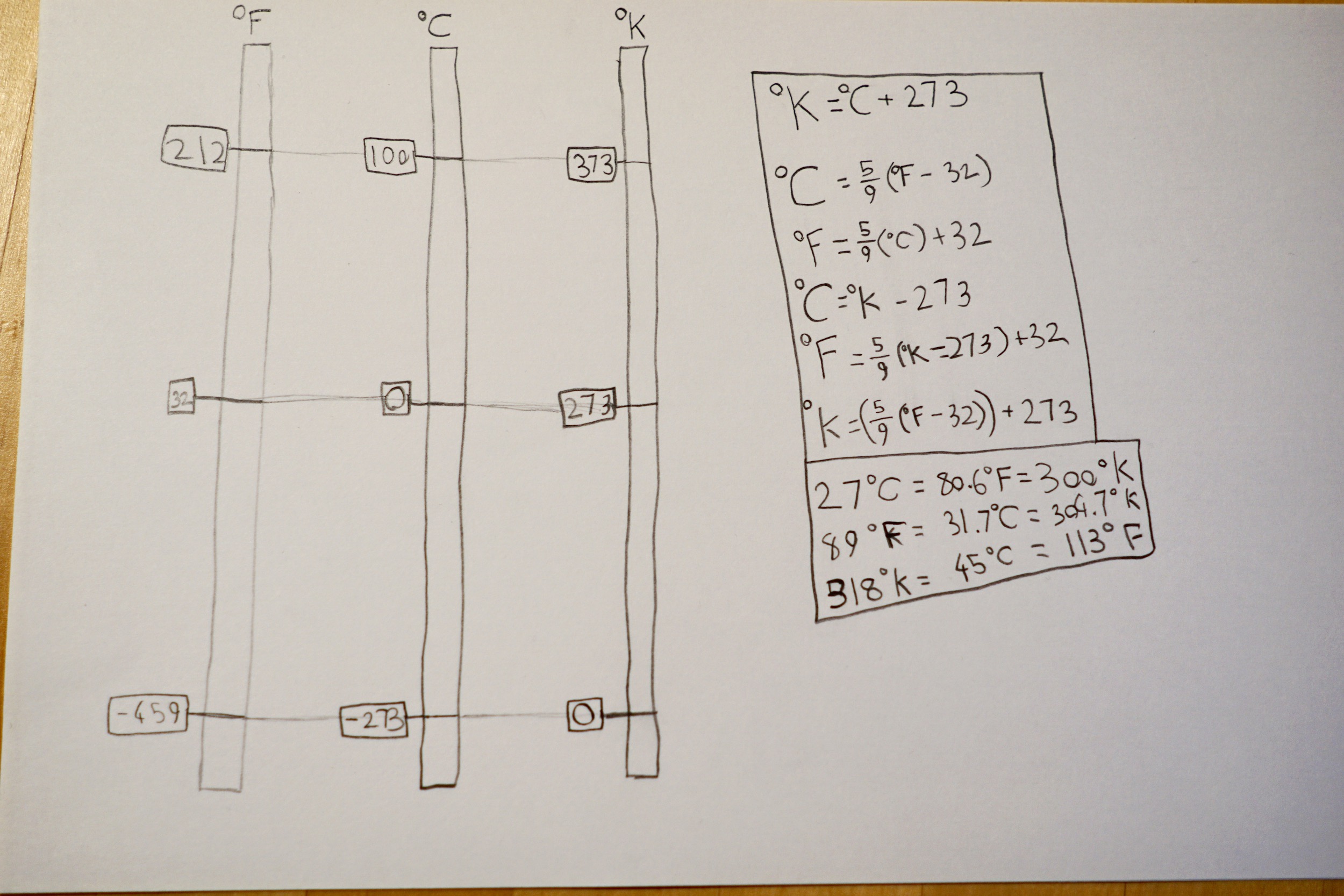
I really appreciated Ethan’s chart of the different temperature scales! I have found a helpful trick for going quickly between fahrenheit and celsius. Since I grew up in the states, I needed a quick and easy way to do the conversion. I have a strong sense of celsius now a decade later, but it sure helped at first.
If it is in celsius I double it and add thirty
10 degrees celsius= 20+30= 50 degrees fahrenheit
-5 degrees celsius= -10+30=20 degrees fahrenheit
Your beading projects are awesome! It looks like you extended well beyond the Orange Short Project. If I had to guess what the top left one was, I am going to guess it had something to do with galaxies or with chemistry and atoms? I know quite the span from the hugely vast to the tiniest parts…please do tell.
As you delve a bit deeper into Indigenous Studies, I thought it might be interesting to consider Indegenous Ways of Knowing. The First People’s Principles of Learning is a part of the new BC Curriculum and I see you exploring these ways of knowing in your nature school and time you spend in nature. How do you see this in your own homeschooling?

Since you are such a scientist, I encourage you to explore the concept of TEK traditional ecological knowledge and let me know what you think.
https://library.sdlc.selfdesign.org/content-collection/traditional-ecological-knowledge-3/
Here are a few ideas to ponder too….
A Comparison Between Indigenous and Scientific Knowledge Styles:
(Alaska Native Science Commission)
Secular: things that are not religious, spiritual or sacred.
Didactic: to teach or lecture others
- Reductionist: tries to understand a complex system based on the simpler part
A Comparison Between Indigenous and Scientific Knowledge Uses:

(Alaska Native Science Commission)
It is important to be aware of the unique characteristics of Indigenous knowledge and Western science, but it is also beneficial to recognize the similarities between these two ways of obtaining knowledge. The similarities make it easier to see how the knowledge from both systems can be combined to create a better understanding of the natural world (Tsuji & Ho, 2002).

Recent Comments