
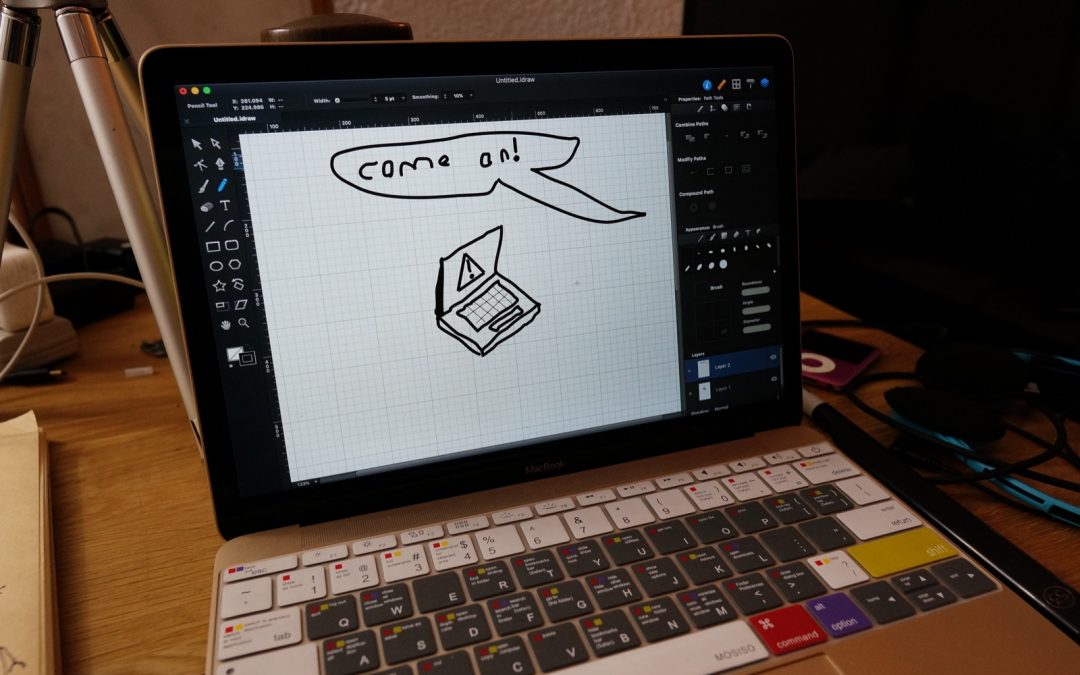
For some reason we have fewer pictures this week of what Ethan was up to, but needless to say, he kept himself quite busy. As an unschooler, he’s able to explore his interests as long as he likes and whenever he likes. He certainly did that this week.
Slightly different look
One thing I should mention is that this week’s post was written with WordPress 5.0.
The interface is slightly different and it’s easier to add a bunch of pictures at once without having to manually add a space between them.
However, when using this gallery function, it won’t allow me to add a description above the photo.
So this week, most descriptions have been written as captions under the photos.
December 2
Beautiful day today so we went for a walk in the neighbourhood.


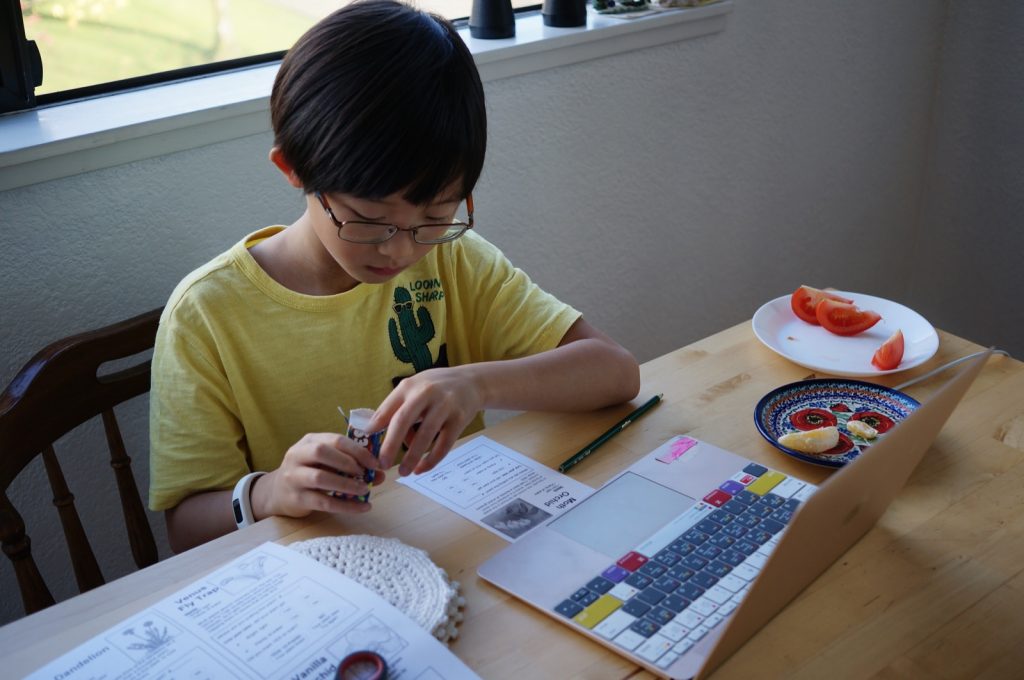
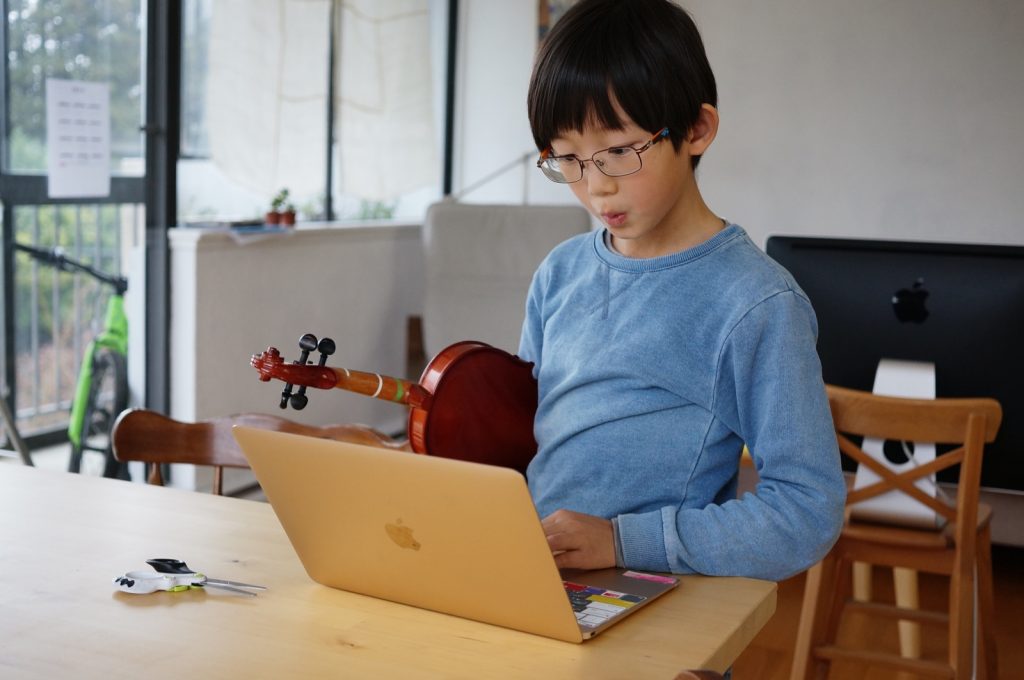
Ethan took this photo of himself writing in his blog. Normally, I do all the writing but Ethan has been helping out, which has been great.
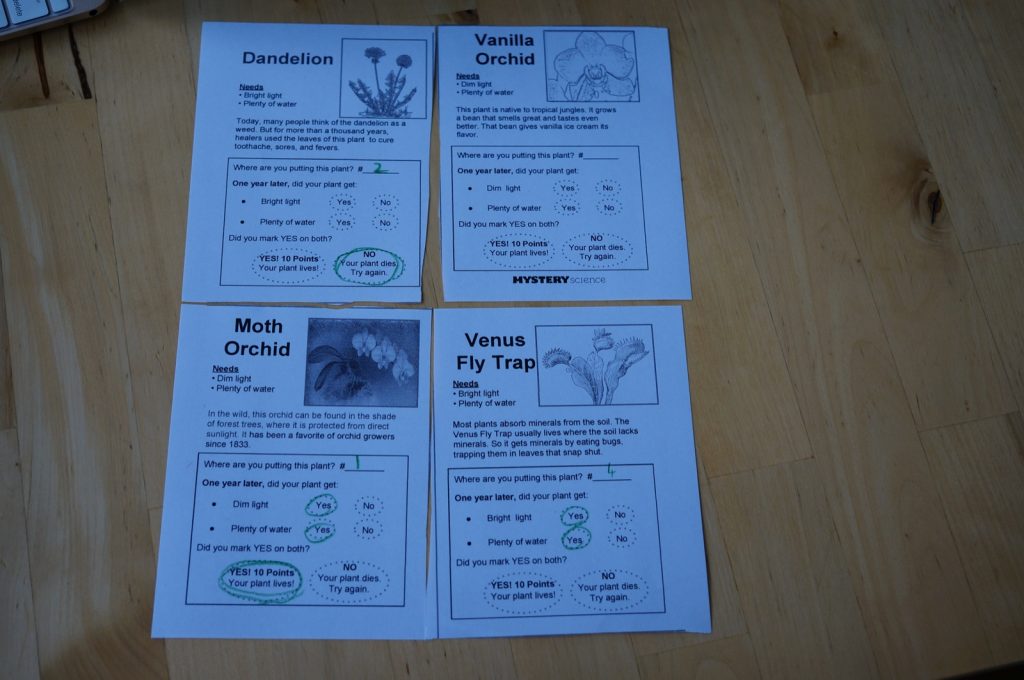
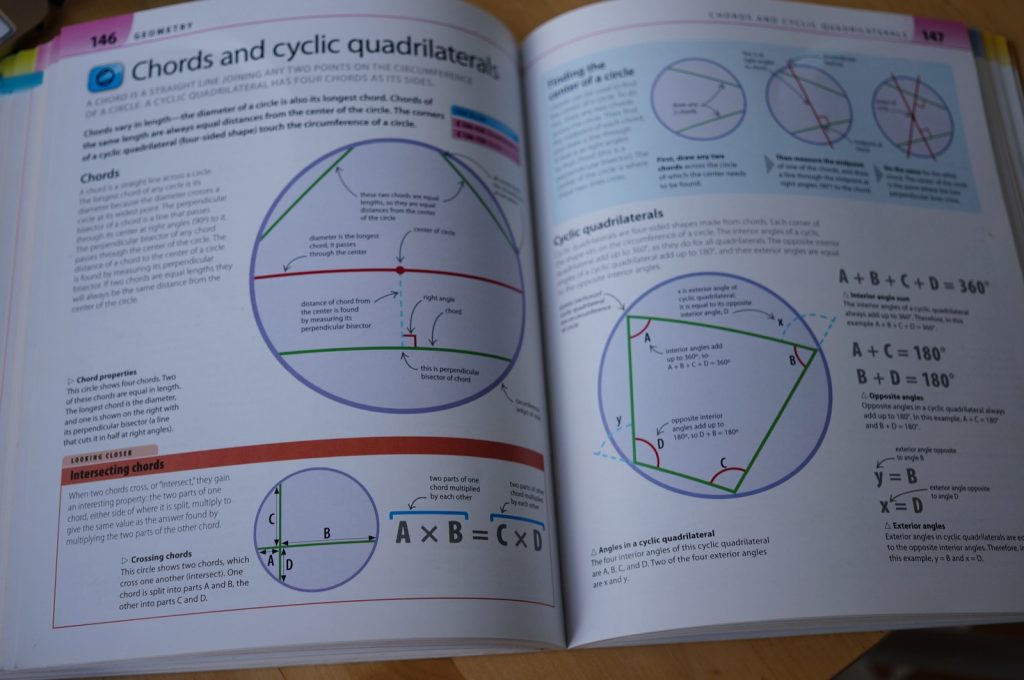
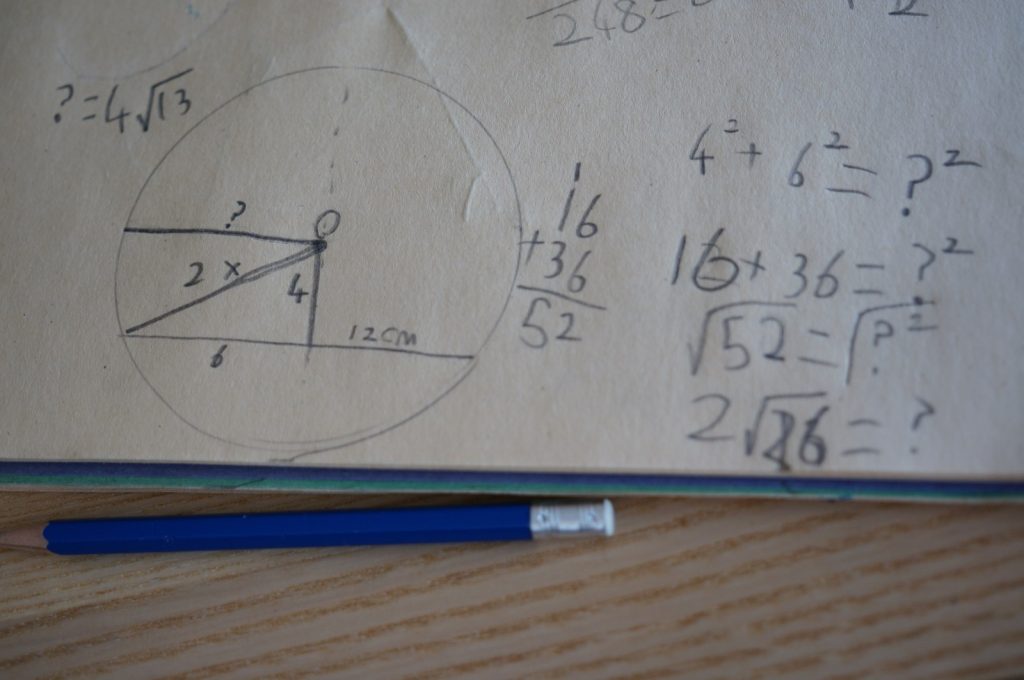
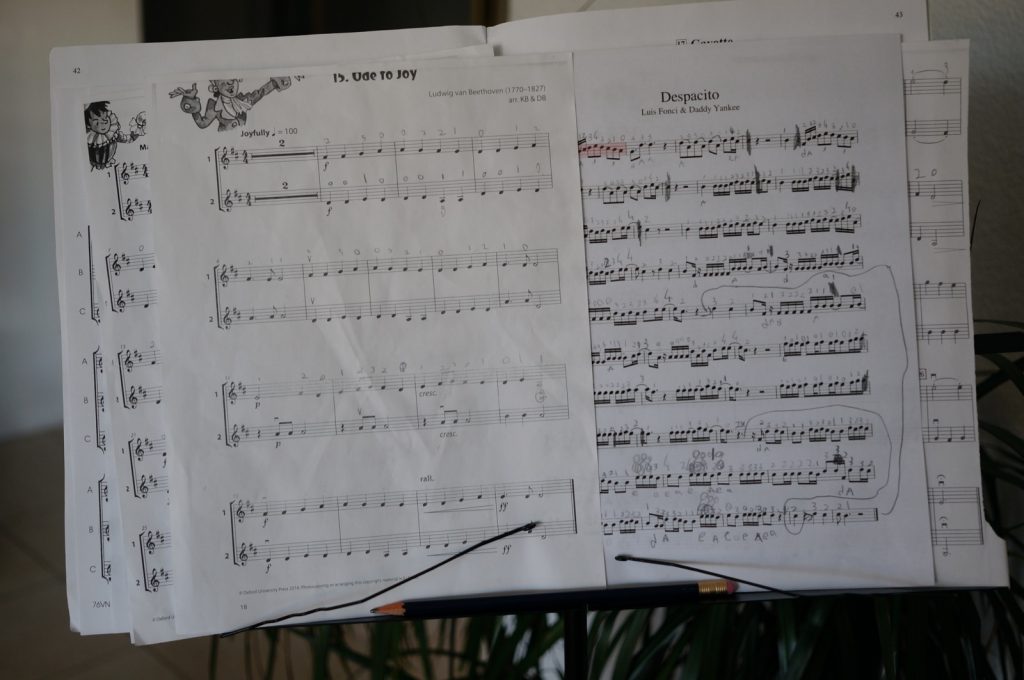
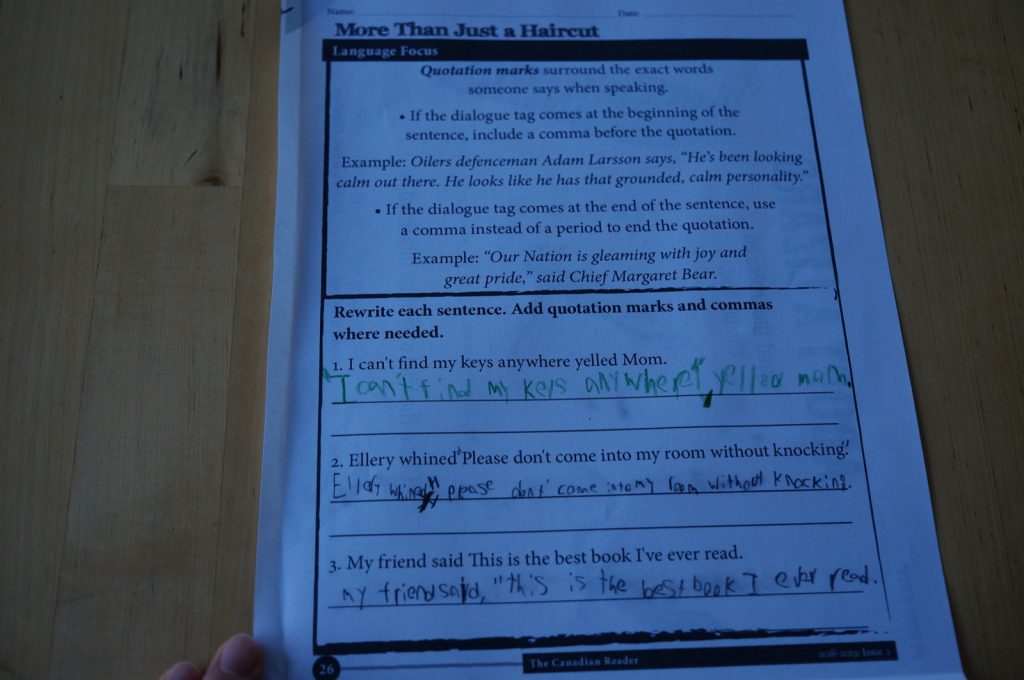
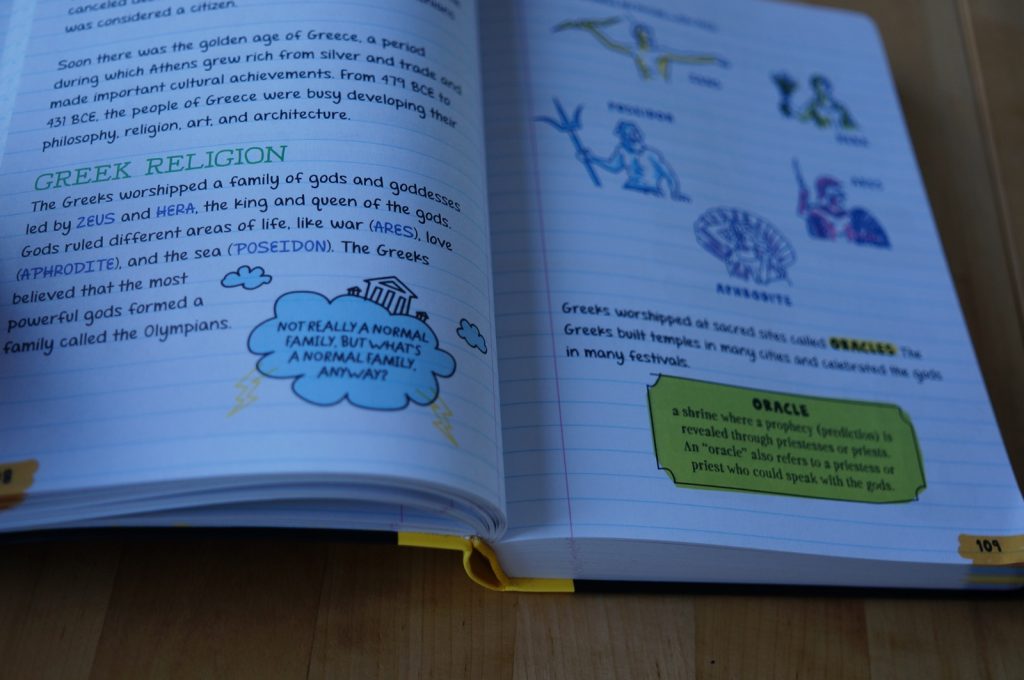
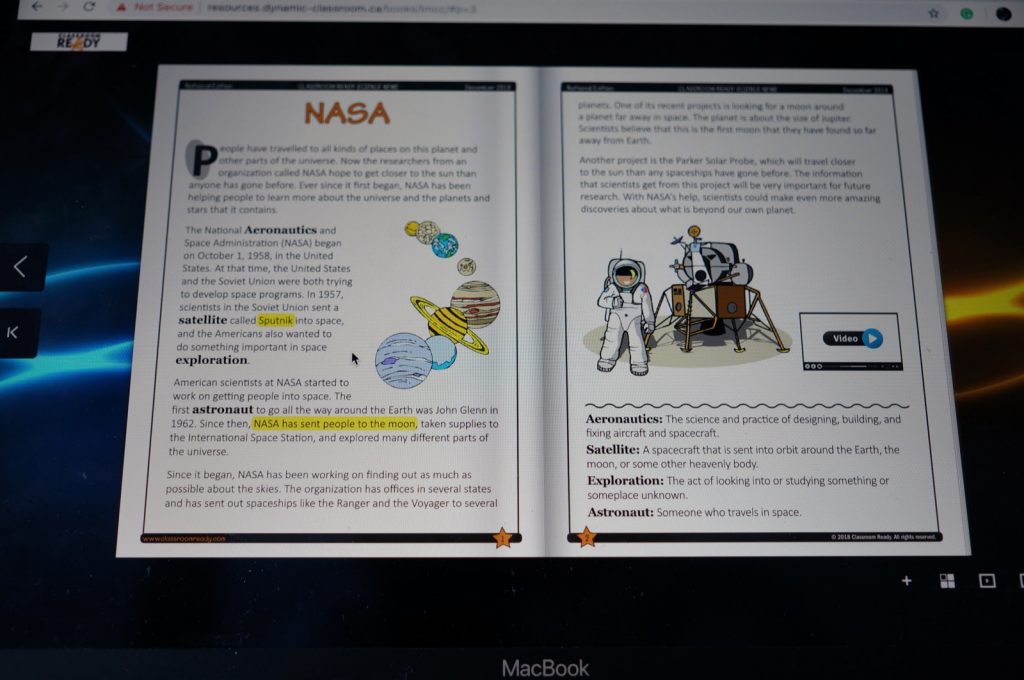
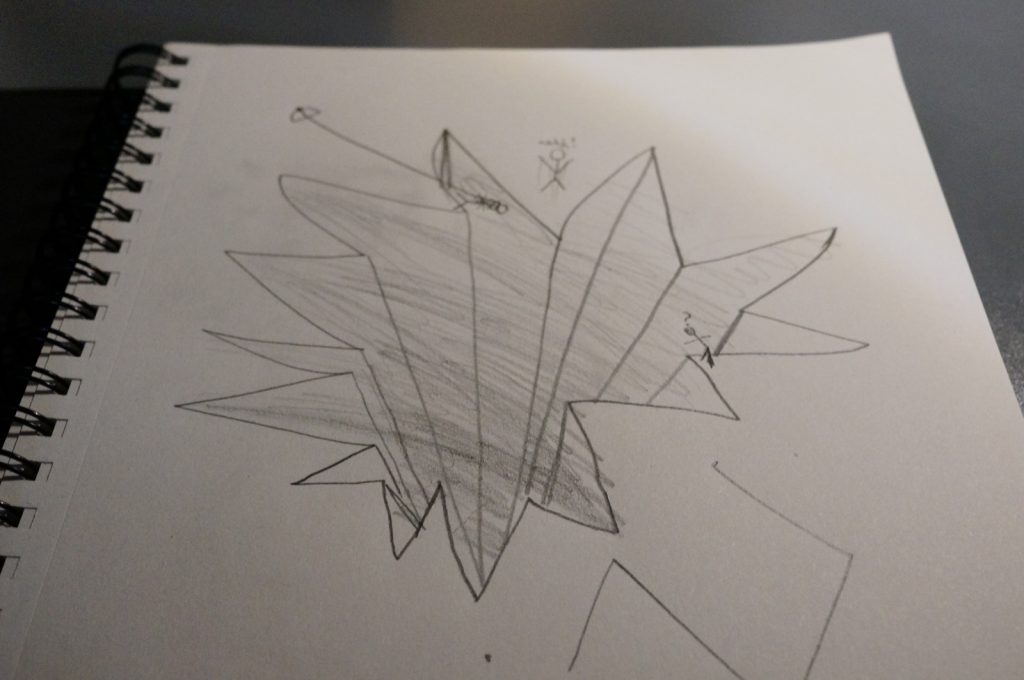
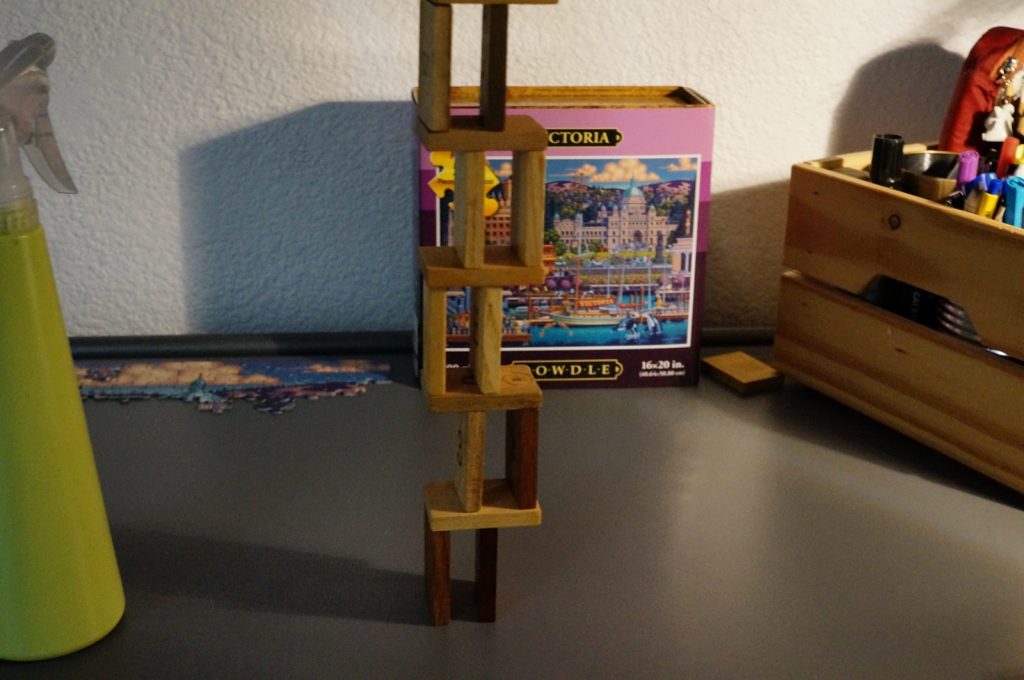
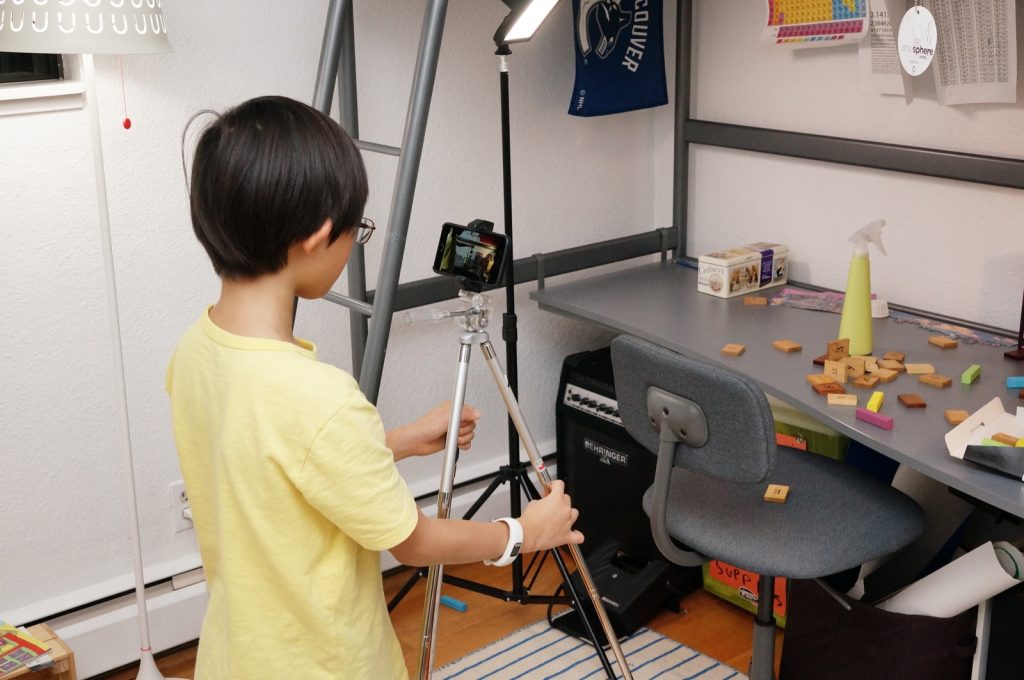
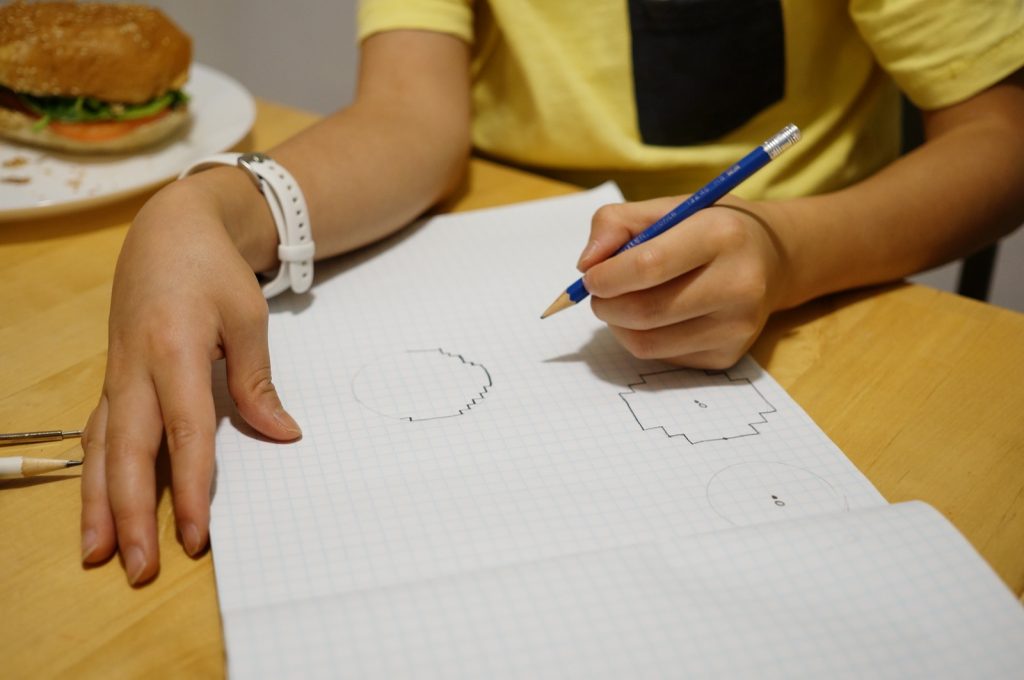
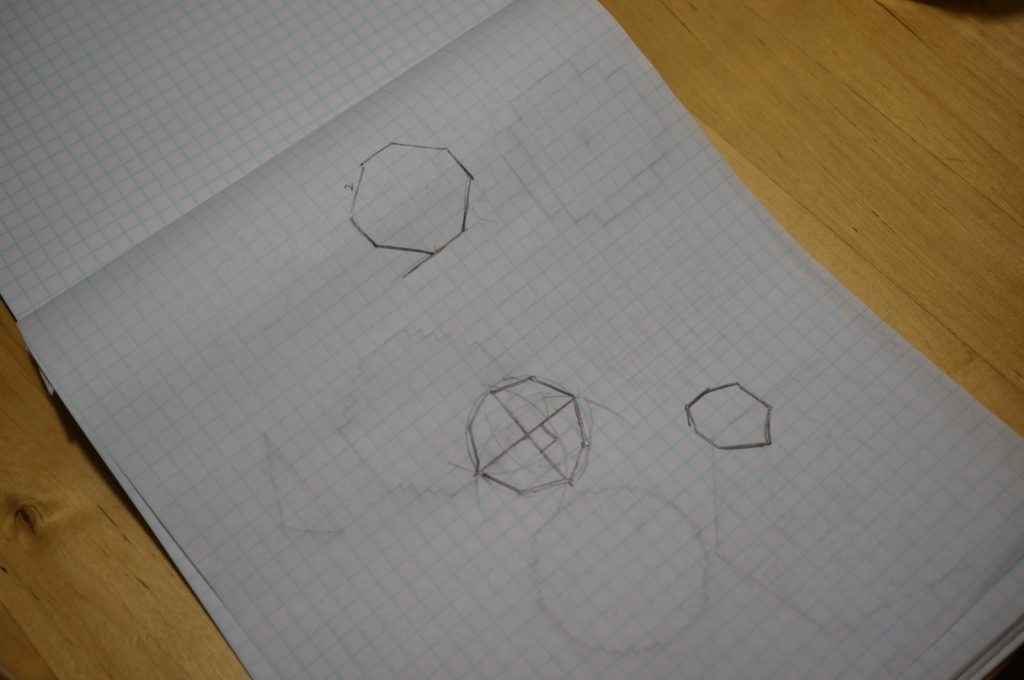
December 4


He also learned how to write in bold letters by writing the letter twice, connecting the ends of the lines together and then filling in the letter.


December 5


December 6


We went to Ethan’s gymnastics class after this.


In the evening, Ethan had taekwondo class. He’s still working on getting his test form so he’s been putting in extra practice. Getting a test form means you can take the belt test.
December 7


December 8
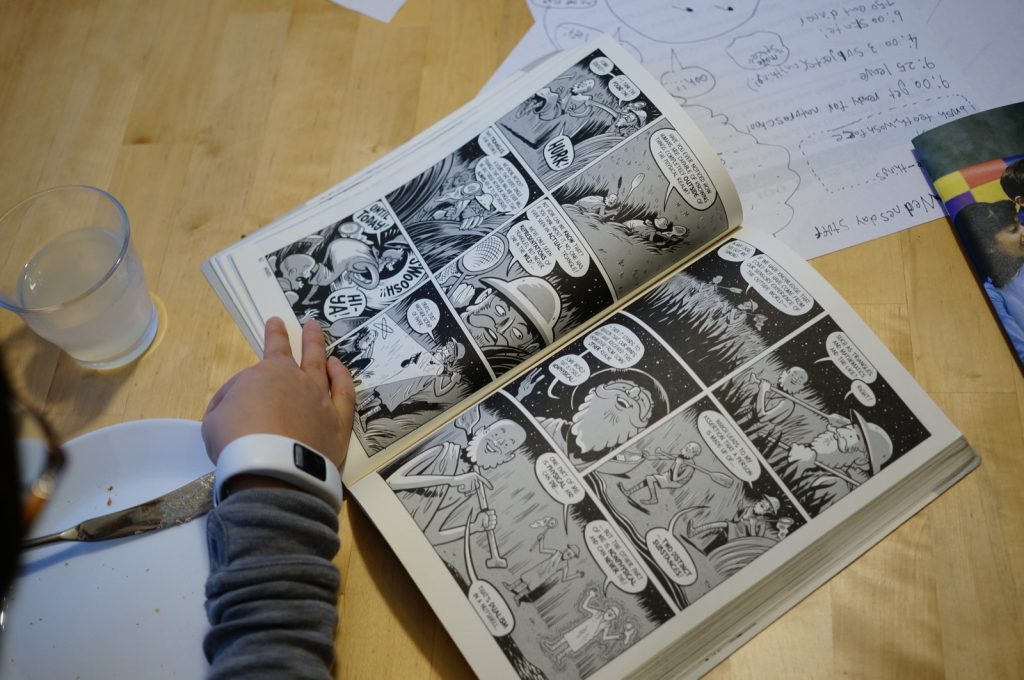
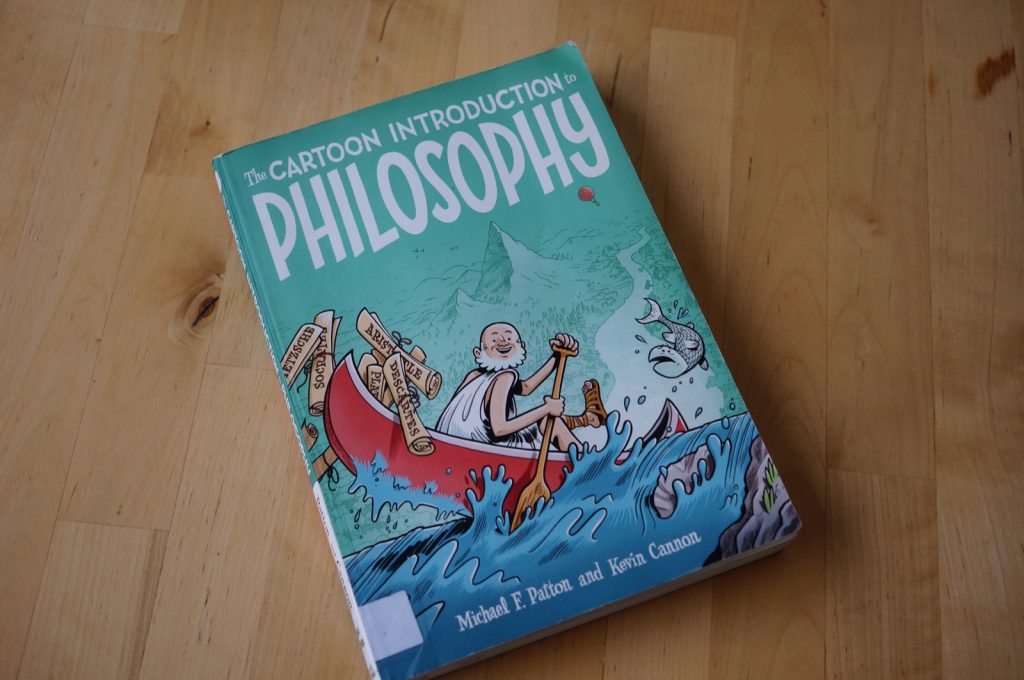
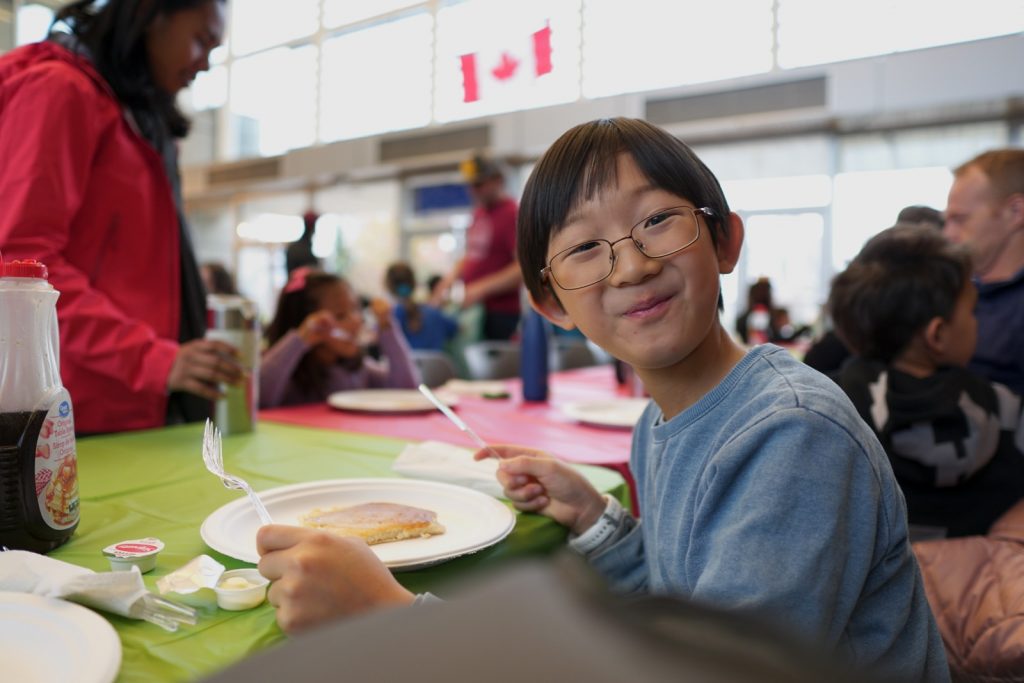
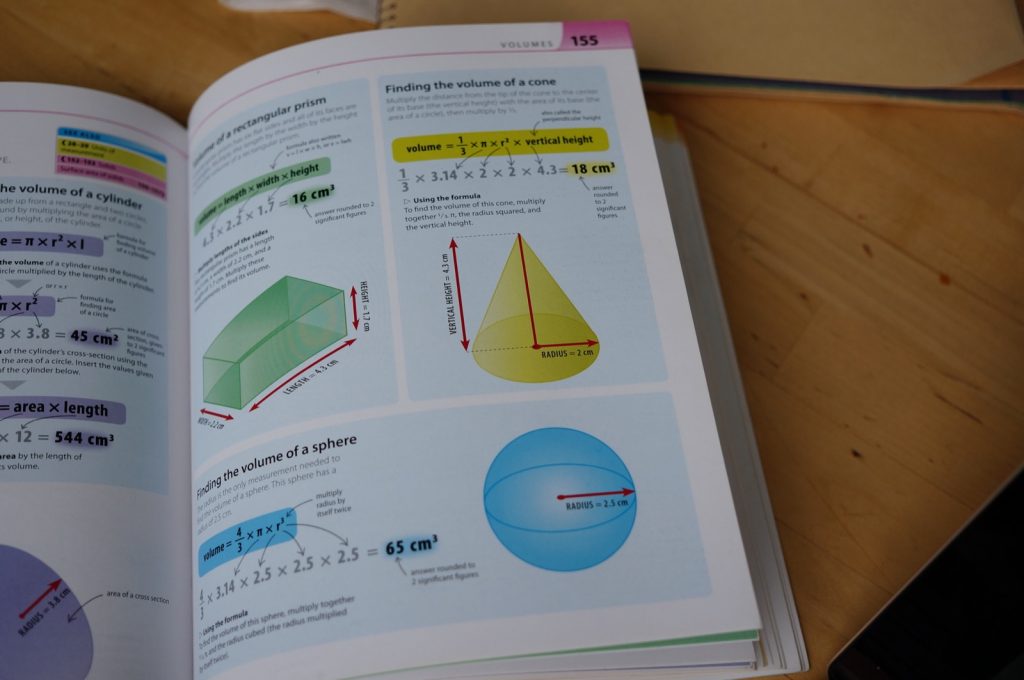
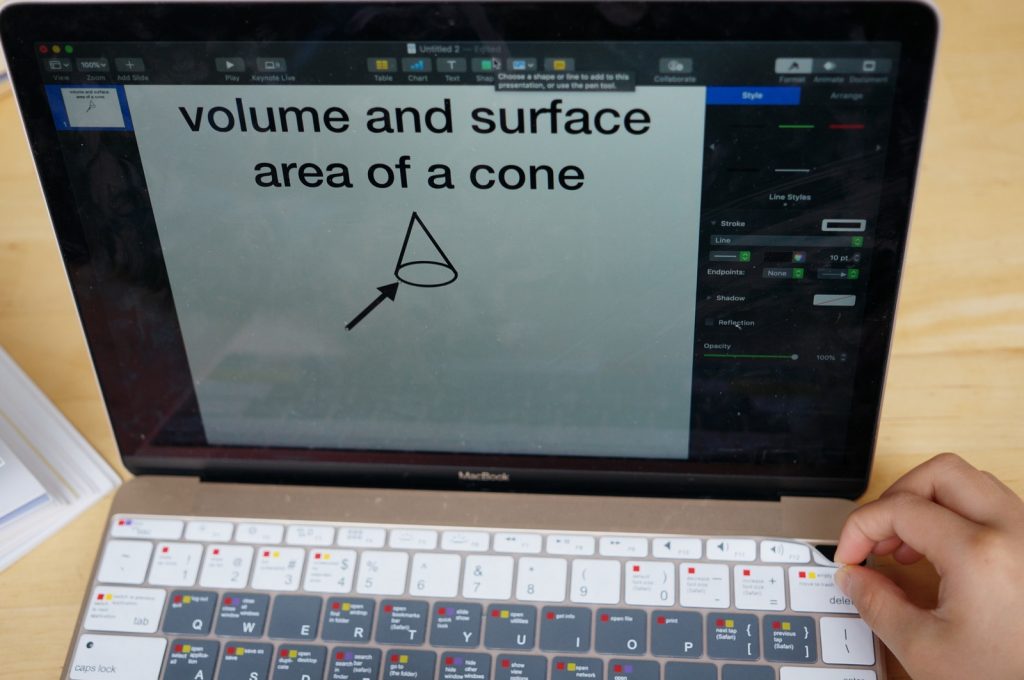
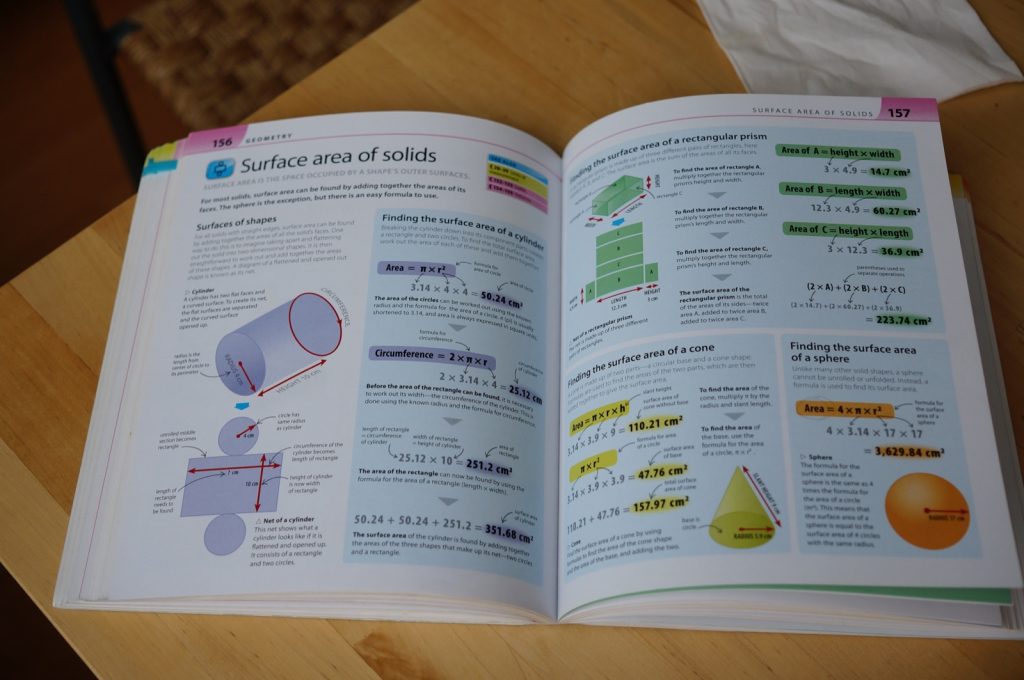
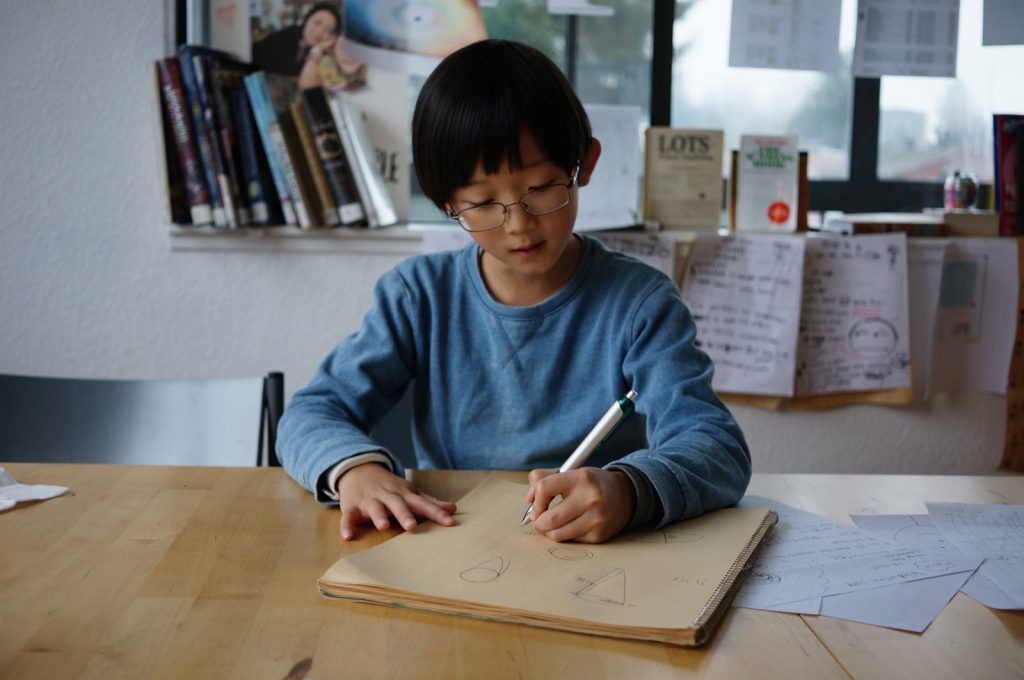
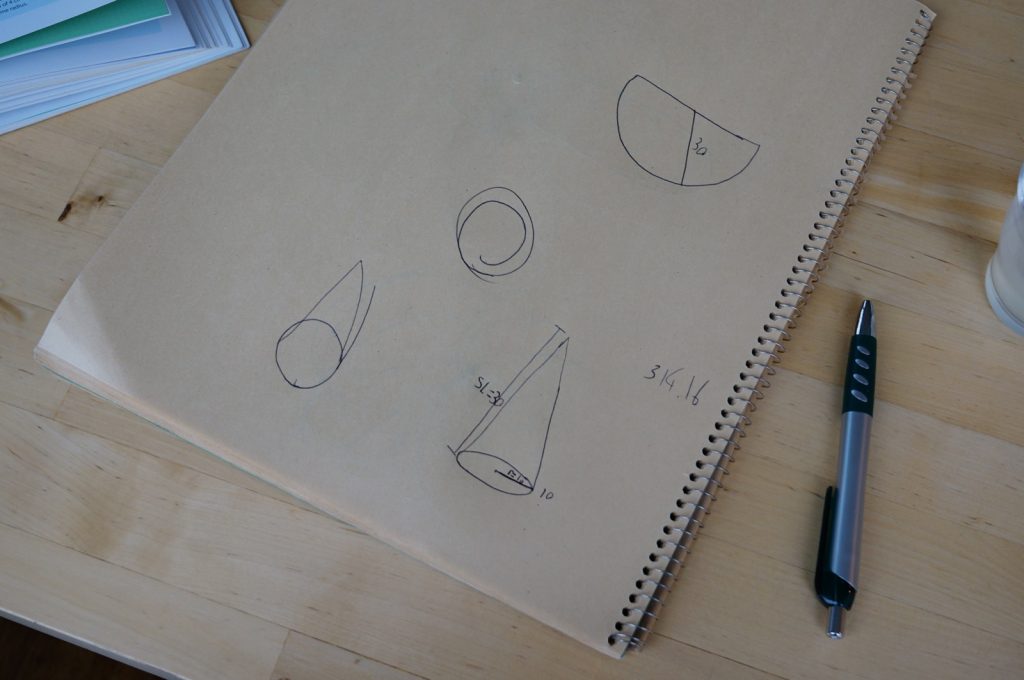
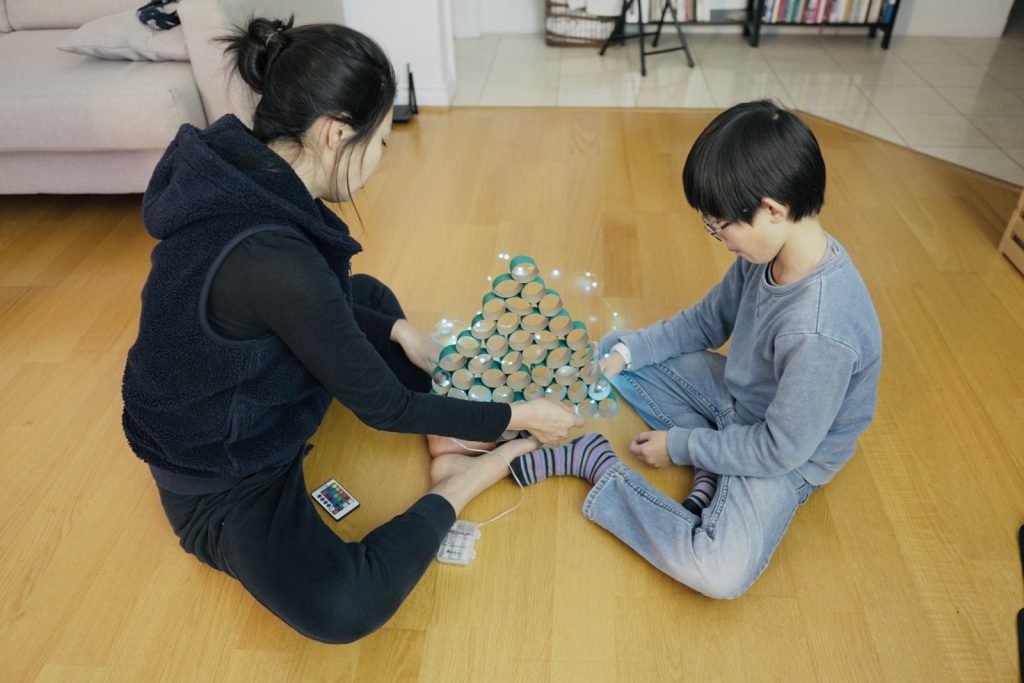
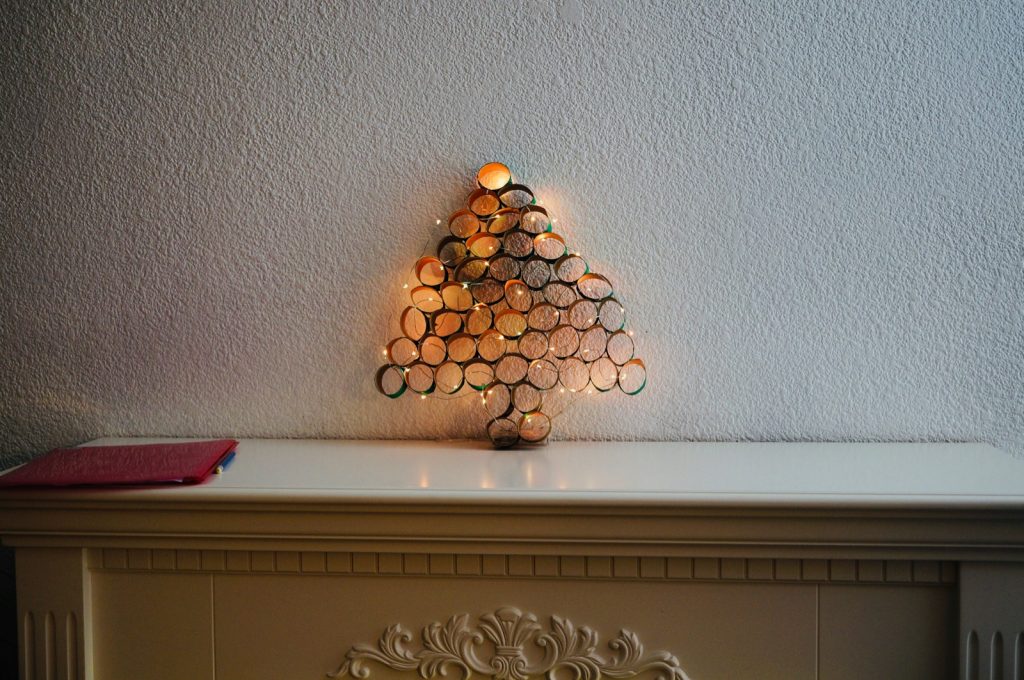
We took a walk to the grocery store and bought some dinner, too.
After dinner, we watched more of the Chinese history DVD that we got from the library. Ethan has really enjoyed this DVD and especially liked the parts about what the Chinese invented, especially how they invented soccer.
And that was it for this past week.
The how to find the surface area of cylinder/surface video was amazing! I shared it with two other learners. Maybe this will help Ethan get some more subscribers to his Youtube channel as well. I was teaching this concept a few weeks to a group of seventh graders in public school and I wish I had his video to project. I demonstrated similar steps on the board, but I think this generation really responds well to videos. Please tell Ethan I think he has a bright future in blogging and vlogging for teaching others especially other kids. I could use a lesson or two on how to produce and edit content for videos if I ever get back to teaching older students than kindergarteners in the classroom.
I also really appreciated Ethan’s Self new schedule. I am very visual person and I like to make lists and plans too. It seems like this really helps Ethan focus his activities for the day, plan for upcoming activities and time manage wisely. He is a super skilled self designer already. I added self designing to his Learning Plan at the Fall Reflection time. When you get a change please go see the LE Library:
https://selfdesign.learning.powerschool.com/selfdesignlearning/library/cms_page/view/35616424
If you want to read more about the Self Design model founded by Brent Cameron there is a lot of helpful information all in one place now:
https://selfdesigninstitute.org/courses/sdpraxis/selfdesign-models-and-tools/

The SelfDesign Learning Paragon illustrates eight kinds of human learning, only one of which (3) is common in conventional schooling. The other seven emerge out of our curiosity and presence in the moment; through our engagement in the world we learn and discover.
Learning as process involves the first three modes of learning. Learning as process refers to the way we are designed as learners and to how our neurology is predisposed to creating relationships and making distinctions and associations. In learning mode 1, our early experience of bonding sets the tone and ground for our sense of ourselves and others. It is the basis for modeling and for relationship. It establishes our individuality and our connection with the world. Learning mode 2 is based on our natural enthusiasm and curiosity. Our fascination with newness allows for the growth and expansion of our intelligence. Our explorations become creative play, and we start to understand the dynamics of relationships throughout our experience. Learning mode 3 explores the mapping of name to process, fundamental in language acquisition. Memorization of facts and figures through direct instruction resides in this mode, and it is the heart of traditional schooling methods. The acquisition of such knowledge is certainly an important learning process, yet it is only one aspect of an entire complex of learning.
Learning as strategy is represented by learning modes 4 and 5 as we develop a conscious perspective on learning and begin to design and modify the learning process. Setting goals and developing a sense of identity and character are second-level modifications, whereby we reflect on our process and begin to make choices according to evolving criteria.
Learning as pattern and learning as conversation are intimately involved in learning modes 6 and 7, mentoring and synergistic community. Our patterns of living can be modeled to perfection by working with mentors—those individuals already engaged in the praxis, or practice, of excellence. And working on group projects creates a synergistic energy that transforms the learner through the process itself.
Learning mode 8, LifeQuest, is an integration of all learning modes in alignment with a learner’s unique sense of purpose. Being in touch with why we are here and how our deepest meaning arises is an expression our humanity and our sense of fulfillment.
I was hunting around in the LE library and I found this really cool website called “Build your own Best Day” It is all about encouraging kids to design ways to get outside more, exercise, get good sleep etc. I think it is a pretty engaging format. What does Ethan think? Check it out: http://buildyourbestday.participaction.com/en-ca/tutorial
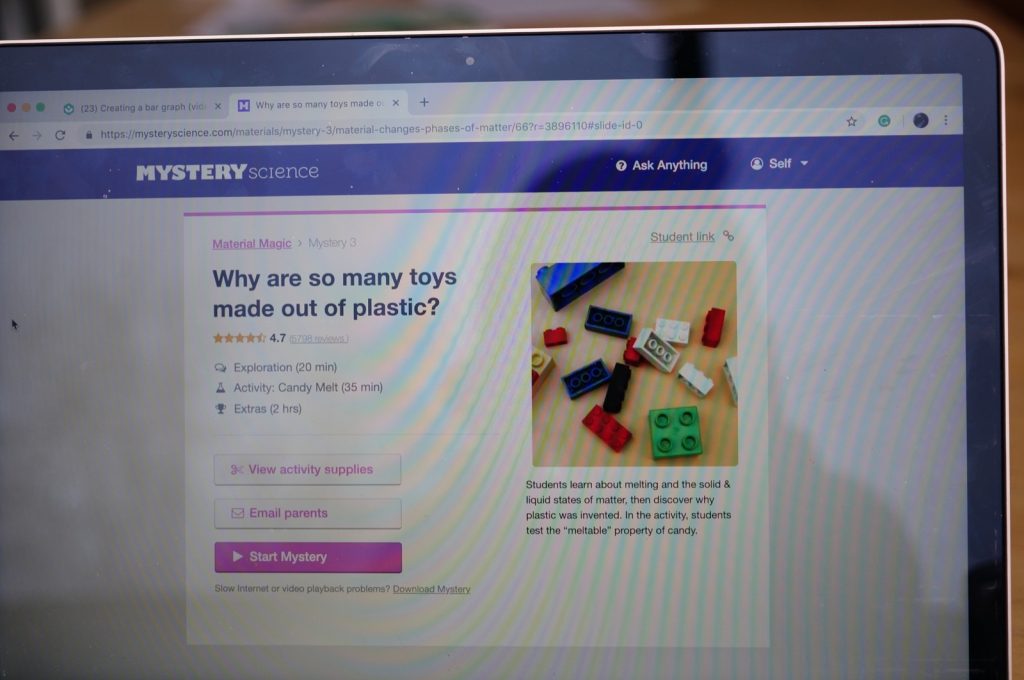
I am curious to hear what Ethan discovered about why so many toys are made out of plastic now and his thoughts about that?
I really appreciated all the natural toys and materials in the early childhood classroom at Waldorf. They were simple pieces of cloth and silk, basic dress up clothes, blocks, wax crayons and, often just objects from nature such as stones and small logs. It really encouraged children to use their imagination to create and play.
I am always learning new things from my students, this week I had not idea the Chinese invented soccer!! I will have to read up on that. Did Ethan know that indigenous tribes in the East invented Lacrosse? Lacrosse has its origins in a tribal game played by eastern Woodlands Native Americans and by some Plains Indianstribes in what is now the United States of America and Canada. The game was extensively modified by European colonizers to North America to create its current collegiate and professional form. There were hundreds of native men playing a ball game with sticks. The game began with the ball being tossed into the air and the two sides rushing to catch it. Because of the large number of players involved, these games generally tended to involve a huge mob of players swarming the ball and slowly moving across the field. Passing the ball was thought of as a trick, and it was seen as cowardly to dodge an opponent.[2] years later lacrosse is still a popular sport played all over the world.

In case Ethan wants to delve more deeply into the study of Ancient Civilizations like Greece and Egypt there is another LE he can check out for links and ideas: https://selfdesign.learning.powerschool.com/selfdesignlearning/library/cms_page/view/25559768
Please let me know how I can best offer support and resources. I apologize for the late response. Ethan has the most content of any of my learners in his reflections and I often read it twice and stew about it all week trying to decide what to respond to…
I am going to get a jump start on Week 16 right now!
Recent Comments